


Beauty Front Benchers
How to make your blush last all day (and well into the night)
Read Now


Living with combination skin can be tricky—you never quite know which face wash might strip moisture from dry areas or trigger breakouts in oily zones. With some parts of your face craving hydration and others needing oil control, finding a cleanser that works well for your entire complexion can feel like a balancing act.
The good news is that cleansing doesn’t have to be a compromise. With the right formula, it’s possible to remove dirt, excess oil and impurities without leaving your skin feeling tight, dry or greasy. The key lies in understanding what combination skin truly needs and knowing which ingredients and textures can support that balance. Ahead, we take a closer look at the unique needs of combination skin and how choosing the right face wash can help keep it clean, comfortable and healthy-looking.
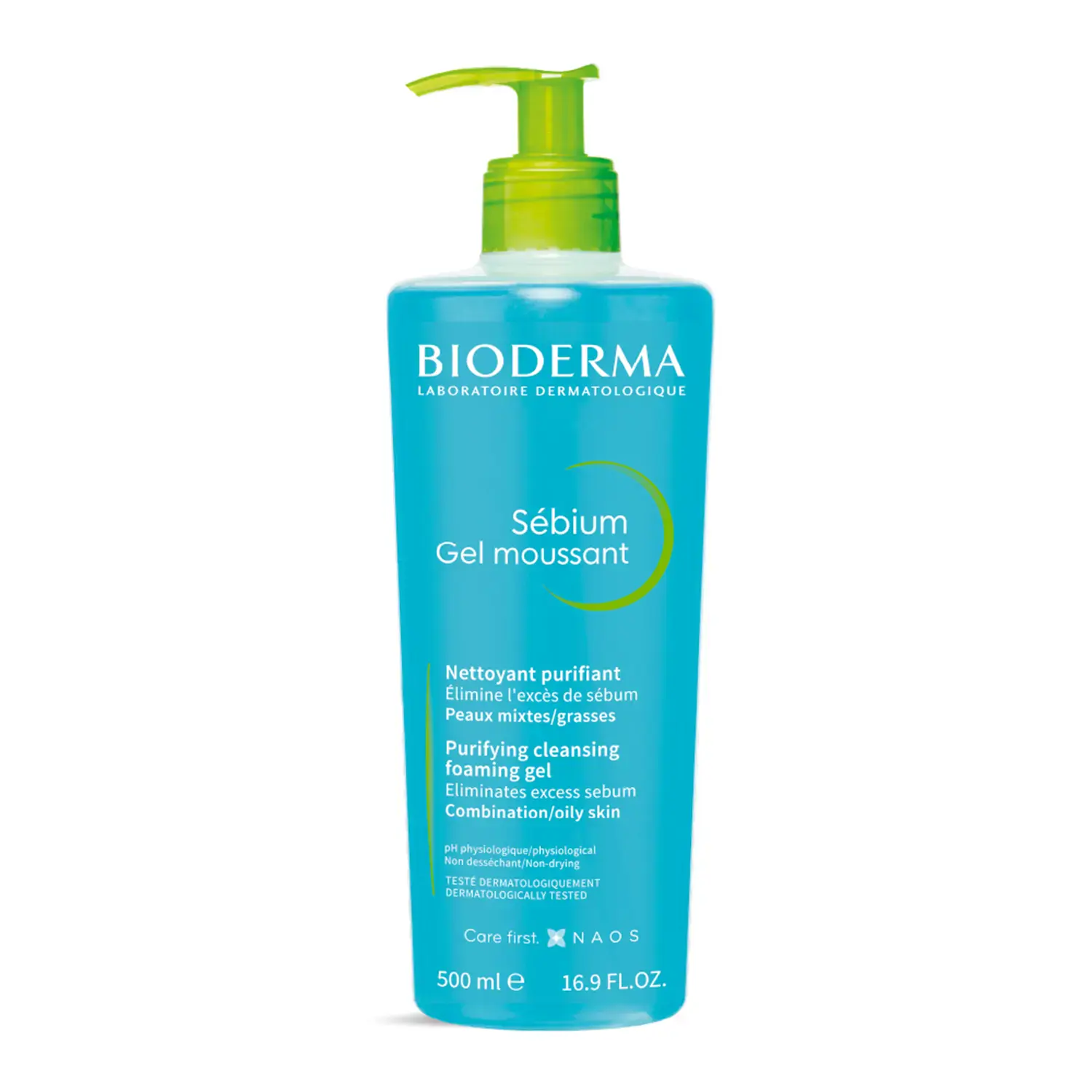


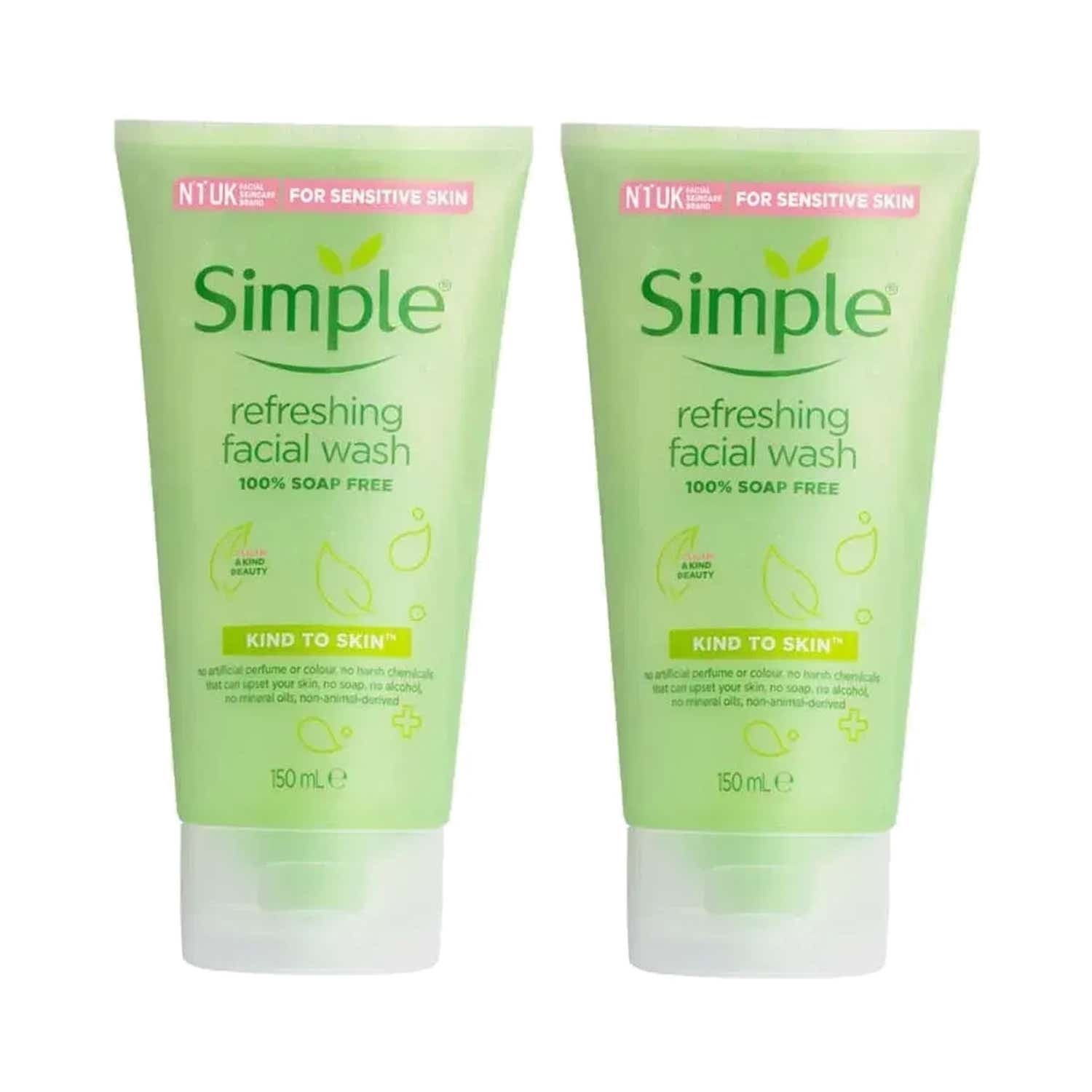


Struggling with oiliness and clogged pores without upsetting your skin? This gel-based cleanser is here to help. Niacinamide clears out dirt and debris, while ceramides calm and protect, so your skin feels fresh and balanced without the irritation. Lightweight yet effective, it slips easily into your routine to support sensitive skin that still needs a deep clean.
Do certain areas of your face behave very differently from others? This can make skincare feel confusing at times. The T-zone, which includes the forehead, nose and chin, often appears shiny and can feel greasy to the touch. Meanwhile, the cheeks and jawline may feel drier, tighter or even slightly flaky.
This contrast means your skin has two very different needs at the same time. Caring for this duality can feel like a challenge, especially when choosing a face wash. You don’t want to strip your cheeks of much-needed moisture, but you also need something that keeps excess oil and congestion in check across the T-zone. Striking that balance is key to keeping combination skin looking and feeling healthy.
Finding the right cleanser for combination skin can be tricky, but it’s far from impossible. The main goal is to address both concerns at once: hydration where your skin feels dry and oil control where sebum tends to be more active. A good face wash should cleanse thoroughly without tipping your skin too far in either direction.
This is where a pH-balanced, gentle cleanser really shines. Gel and light foaming formulas are often a great choice as they feel refreshing on oily areas while remaining kind to drier patches. When choosing a foaming cleanser, it’s worth looking for mild surfactants that lift away dirt, excess oil and daily build-up without leaving your skin feeling stripped or uncomfortable.
Non-comedogenic formulas are also essential, as they help prevent clogged pores and breakouts in oil-prone areas. Ideally, your face should feel clean and balanced after cleansing, not overly shiny, tight or stretched. If your skin feels calm and comfortable post-wash, you’re on the right track.
Caring for combination skin starts with choosing ingredients that work together rather than against each other. The right blend of hydration and oil control can make all the difference, helping your skin look clearer, smoother and more even overall.
When shopping for face washes, start by looking for moisturising ingredients that support the skin barrier. Hyaluronic acid helps attract and retain moisture, glycerin keeps the skin soft and supple and aloe vera soothes and calms dryness or irritation. These ingredients ensure that cleansing doesn’t compromise hydration.
To manage excess oil and congestion, ingredients like niacinamide and salicylic acid are especially beneficial. Niacinamide helps regulate sebum production while supporting the skin barrier, while salicylic acid works to gently unclog pores and reduce breakouts. When used in balanced formulations, these ingredients can keep oily areas in check without overwhelming the rest of your face.
While some ingredients help bring combination skin into balance, others can quietly undo your efforts. Harsh sulphates are one of the most common ingredients to avoid, as they can be overly drying and strip moisture from already dry areas of the face. This often leads to irritation and can even cause oily areas to produce more sebum in response.
It’s also wise to steer clear of heavy oils and rich occlusive ingredients in cleansers. Although they may sound appealing for dry patches, they can feel too heavy for combination skin and may clog pores or worsen breakouts in oil-prone zones. The key is to avoid extremes and opt for formulas that respect your skin’s natural balance rather than overwhelming it.
With the right cleanser and thoughtful ingredient choices, combination skin can be much easier to manage and far more predictable over time.
Do certain areas of your face behave very differently from others? This can make skincare feel confusing at times. The T-zone, which includes the forehead, nose and chin, often appears shiny and can feel greasy to the touch. Meanwhile, the cheeks and jawline may feel drier, tighter or even slightly flaky.
This contrast means your skin has two very different needs at the same time. Caring for this duality can feel like a challenge, especially when choosing a face wash. You don’t want to strip your cheeks of much-needed moisture, but you also need something that keeps excess oil and congestion in check across the T-zone. Striking that balance is key to keeping combination skin looking and feeling healthy.
Finding the right cleanser for combination skin can be tricky, but it’s far from impossible. The main goal is to address both concerns at once: hydration where your skin feels dry and oil control where sebum tends to be more active. A good face wash should cleanse thoroughly without tipping your skin too far in either direction.
This is where a pH-balanced, gentle cleanser really shines. Gel and light foaming formulas are often a great choice as they feel refreshing on oily areas while remaining kind to drier patches. When choosing a foaming cleanser, it’s worth looking for mild surfactants that lift away dirt, excess oil and daily build-up without leaving your skin feeling stripped or uncomfortable.
Non-comedogenic formulas are also essential, as they help prevent clogged pores and breakouts in oil-prone areas. Ideally, your face should feel clean and balanced after cleansing, not overly shiny, tight or stretched. If your skin feels calm and comfortable post-wash, you’re on the right track.
Caring for combination skin starts with choosing ingredients that work together rather than against each other. The right blend of hydration and oil control can make all the difference, helping your skin look clearer, smoother and more even overall.
When shopping for face washes, start by looking for moisturising ingredients that support the skin barrier. Hyaluronic acid helps attract and retain moisture, glycerin keeps the skin soft and supple and aloe vera soothes and calms dryness or irritation. These ingredients ensure that cleansing doesn’t compromise hydration.
To manage excess oil and congestion, ingredients like niacinamide and salicylic acid are especially beneficial. Niacinamide helps regulate sebum production while supporting the skin barrier, while salicylic acid works to gently unclog pores and reduce breakouts. When used in balanced formulations, these ingredients can keep oily areas in check without overwhelming the rest of your face.
While some ingredients help bring combination skin into balance, others can quietly undo your efforts. Harsh sulphates are one of the most common ingredients to avoid, as they can be overly drying and strip moisture from already dry areas of the face. This often leads to irritation and can even cause oily areas to produce more sebum in response.
It’s also wise to steer clear of heavy oils and rich occlusive ingredients in cleansers. Although they may sound appealing for dry patches, they can feel too heavy for combination skin and may clog pores or worsen breakouts in oil-prone zones. The key is to avoid extremes and opt for formulas that respect your skin’s natural balance rather than overwhelming it.
With the right cleanser and thoughtful ingredient choices, combination skin can be much easier to manage and far more predictable over time.


Do certain areas of your face behave very differently from others? This can make skincare feel confusing at times. The T-zone, which includes the forehead, nose and chin, often appears shiny and can feel greasy to the touch. Meanwhile, the cheeks and jawline may feel drier, tighter or even slightly flaky.
This contrast means your skin has two very different needs at the same time. Caring for this duality can feel like a challenge, especially when choosing a face wash. You don’t want to strip your cheeks of much-needed moisture, but you also need something that keeps excess oil and congestion in check across the T-zone. Striking that balance is key to keeping combination skin looking and feeling healthy.
Finding the right cleanser for combination skin can be tricky, but it’s far from impossible. The main goal is to address both concerns at once: hydration where your skin feels dry and oil control where sebum tends to be more active. A good face wash should cleanse thoroughly without tipping your skin too far in either direction.
This is where a pH-balanced, gentle cleanser really shines. Gel and light foaming formulas are often a great choice as they feel refreshing on oily areas while remaining kind to drier patches. When choosing a foaming cleanser, it’s worth looking for mild surfactants that lift away dirt, excess oil and daily build-up without leaving your skin feeling stripped or uncomfortable.
Non-comedogenic formulas are also essential, as they help prevent clogged pores and breakouts in oil-prone areas. Ideally, your face should feel clean and balanced after cleansing, not overly shiny, tight or stretched. If your skin feels calm and comfortable post-wash, you’re on the right track.
Caring for combination skin starts with choosing ingredients that work together rather than against each other. The right blend of hydration and oil control can make all the difference, helping your skin look clearer, smoother and more even overall.
When shopping for face washes, start by looking for moisturising ingredients that support the skin barrier. Hyaluronic acid helps attract and retain moisture, glycerin keeps the skin soft and supple and aloe vera soothes and calms dryness or irritation. These ingredients ensure that cleansing doesn’t compromise hydration.
To manage excess oil and congestion, ingredients like niacinamide and salicylic acid are especially beneficial. Niacinamide helps regulate sebum production while supporting the skin barrier, while salicylic acid works to gently unclog pores and reduce breakouts. When used in balanced formulations, these ingredients can keep oily areas in check without overwhelming the rest of your face.
While some ingredients help bring combination skin into balance, others can quietly undo your efforts. Harsh sulphates are one of the most common ingredients to avoid, as they can be overly drying and strip moisture from already dry areas of the face. This often leads to irritation and can even cause oily areas to produce more sebum in response.
It’s also wise to steer clear of heavy oils and rich occlusive ingredients in cleansers. Although they may sound appealing for dry patches, they can feel too heavy for combination skin and may clog pores or worsen breakouts in oil-prone zones. The key is to avoid extremes and opt for formulas that respect your skin’s natural balance rather than overwhelming it.
With the right cleanser and thoughtful ingredient choices, combination skin can be much easier to manage and far more predictable over time.


