
What’s Been Up
The monsoon beauty essential your zodiac sign needs
Read Now



I know July is coming the way I know rent is due—with a vague awareness that it will arrive regardless of how prepared I am. But a few years ago, after a particularly bad monsoon in Mumbai left me with congested pores, I made a deal with myself. I would not let the season ambush me again.
So every late June, I run a small audit. I don’t have the energy for a 10-step overhaul so I just do four things that I've found actually matter when the humidity climbs.
.PNG)


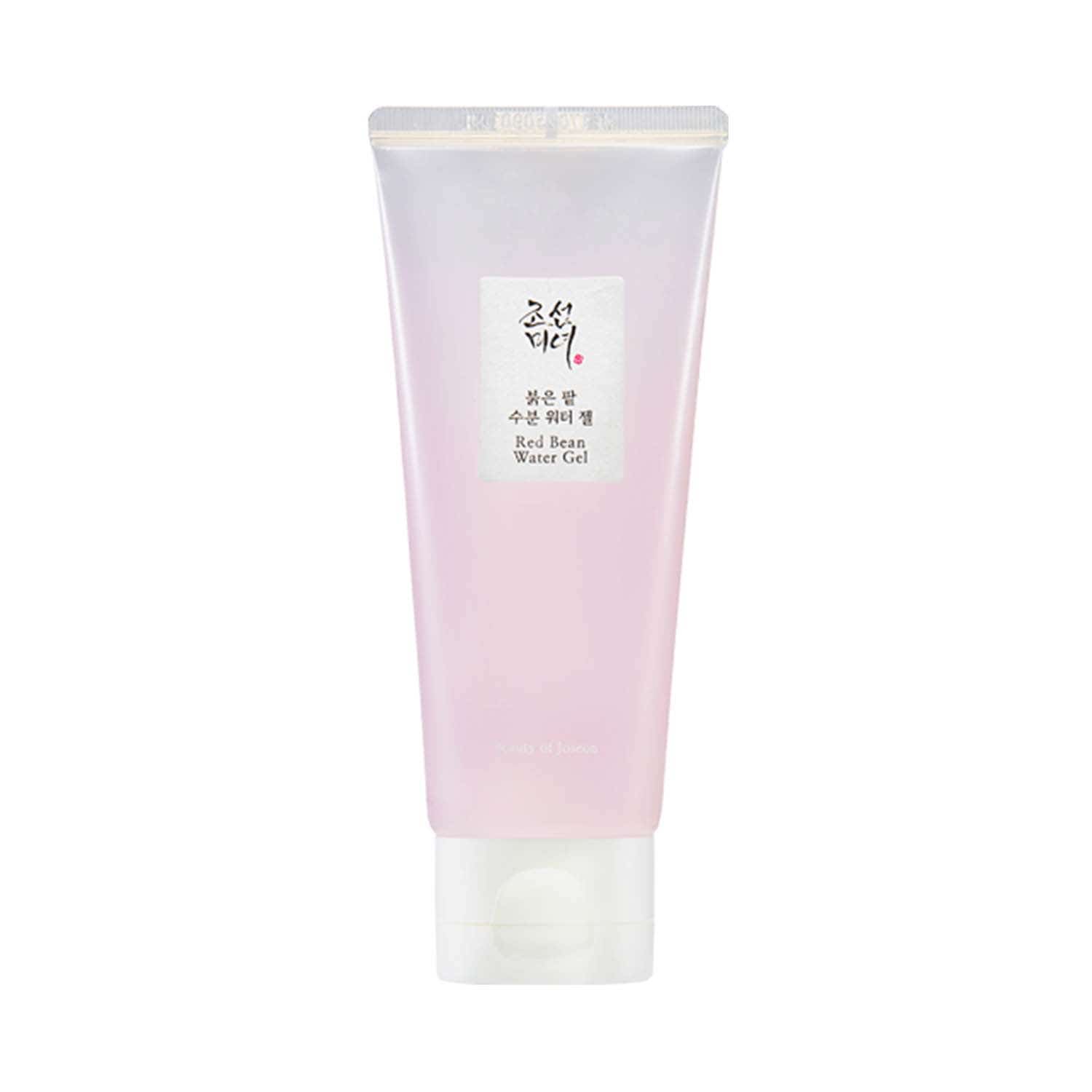
Beauty of Joseon brings its signature Hanbang-inspired approach to this gel moisturiser. Red bean extract, which has been used in Korean skincare tradition for its brightening and pore-refining properties, sits alongside peptides that support skin firmness and hyaluronic acid that offers hydration. The result is a moisturiser that does more than just hydrate. It addresses oiliness, uneven texture and dullness simultaneously, which makes it particularly well-suited to oily and combination skin types. The water-gel texture is light, fast-absorbing and leaves a clean, matte-ish finish that holds up well through humidity.
This serum is a powerhouse when it comes to brightening and firming the skin. With a potent dose of vitamin C, it’s your go-to for tackling uneven skin tone, dark spots and fine lines. One of those products that truly lives up to the hype—and yes, it’s worth every penny.
Finish: Soft matte | Texture: Balm-to-powder stick
Compact, weightless and ideal for on-the-go, this sun stick smooths on like a balm then dries into a powder-like veil. Great for touch-ups, but it also works well under makeup—blurring shine and softening texture without shifting cream or powder products. With centella inside, it’s a win for acne-prone or easily irritated skin.
Sunscreen is non-negotiable—even on cloudy monsoon days—and this silky sun stick makes reapplication effortless. With broad-spectrum SPF 50 and a cocktail of hyaluronic acid and Centella Asiatica, it hydrates, calms and shields skin without leaving a greasy residue or white cast. Its compact, glide-on format means it fits neatly into any work tote for seamless, mess-free top-ups throughout the day.
The velvet finish is especially ideal for humid days—it won’t slide around or pill under makeup. Think of it as your mid-day skin shield that doubles as a mattifier.
Working double duty, this sunscreen stick leaves skin with a silky, glassy look while blocking harsh UV rays. Blending miracle ingredients like hyaluronic acid with centella asiatica extract, it also hydrates the skin. Make it the last step in your daily makeup routine.
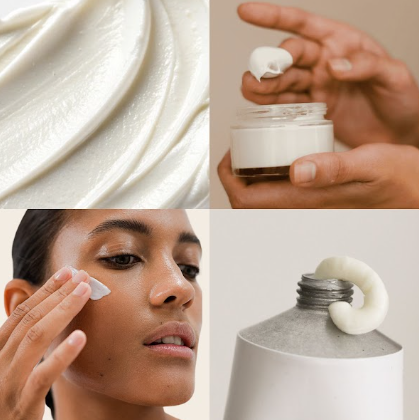
The moisturiser I use in winter is thick, emollient and deeply satisfying. It is also completely useless in July. Applying it in 90 percent humidity is essentially asking your skin to sit under a duvet. I learnt this the hard way, through a monsoon that resulted in more breakouts than I'd had since my early 20s.
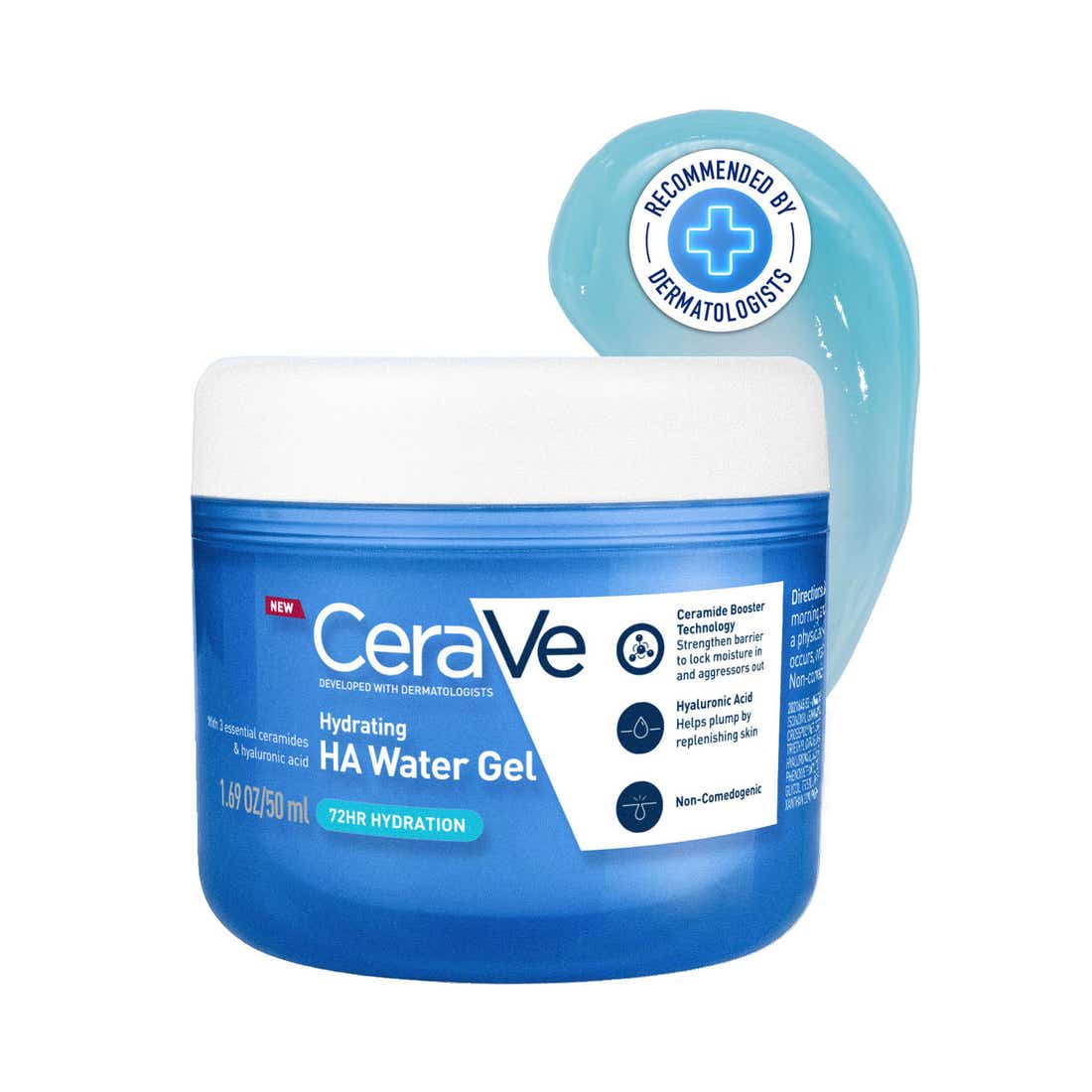
The fix is boring but non-negotiable: I switch to Beauty of Joseon’s peptide-infused Red Bean Water Gel or the CeraVe HA Water Gel which has hyaluronic acid and ceramides. They’re both water-based emulsions that deliver hydration without occlusion. (The distinction matters: occlusives, like petrolatum or shea butter, form a physical seal over the skin, excellent in dry weather, counterproductive when you’re sweating.)
There's a window every year—roughly late May to mid-June—when I'm still committed enough to my skincare routine. Once monsoon arrives, the combination of heat and moisture makes applying multiple serums feel like an act of discipline I cannot always summon. So I use the window.
Vitamin C (specifically L-ascorbic acid, the form with the most clinical backing) is worth doing consistently now because you're already accumulating UV damage; and it's easier to prevent pigmentation from deepening than to address it later. L-ascorbic acid neutralises free radicals generated by UV exposure, inhibits melanin production and—with consistent use—helps address existing discolouration before it deepens. The caveat is that it's finicky: it oxidises quickly, works best at a low pH and should be stored away from light. I get through a full bottle between May and July and notice the difference in my skin tone in a couple of months. Right now, I'm using Deconstruct 10% Vitamin C + 0.55% Ferulic Acid Vitamin C Serum—the combination keeps the formula stable, and at ₹799 for 30ml, I don't ration it. Another splurge-worthy product that has worked really well on my skin is Allies Of Skin 20% Vitamin C Brighten + Firm Serum.
This is the one I most often talked myself out of until I had to stop. The logic I used to follow was: exfoliating before summer seems risky—skin will be more sensitive and sun-exposed. That is partially true. But what's also true is that going into the monsoon with a backlog of dead skin cells, uneven texture and blocked pores is like going into a deadline with an overflowing inbox. It doesn't resolve itself.
I now do one round of chemical exfoliation in June—either a professional peel (I've used lactic acid-based ones, which are gentler on my sensitive skin) or a consistent two-week stint with an at-home PHA. Minimalist’s 3% PHA Face Toner is what I reach for. The key is timing: don’t do it the week before a beach trip and always follow it up by diligent SPF. Done right, it clears the backlog and lets everything else I apply absorb better. Done wrong, it's a cautionary tale with peeling in places you didn't plan.
This one took me embarrassingly long to take seriously. I had been using SPF30, and I had been reapplying it the way most people do: almost never. A dermat once asked me what my sun protection routine looked like pre-monsoon. I told her. And she looked at me with the patience of someone who has heard this many times before.
Here's what I've since learnt: the SPF you use in winter is not the SPF you need during monsoon. It needs to be at least SPF50 PA++++, sweat-resistant (not just water-resistant) and in a formulation that won't pill under makeup. For me, that means a chemical-filter sunscreen rather than a physical one like The Formularx Sun Relief Ceramide Silk Sunscreen SPF 50 PA++++ with Niacinamide & Peptide. Chemical filters absorb UV rather than sitting on top of the skin, which makes them better suited to humid conditions whereas a thick mineral formula migrates into places you'd rather it didn't. I also reapply now. I keep a small SPF stick for touchups—currently, the SKIN1004 Madagascar Centella Hyalu-Cica Silky-Fit Sun Stick. It made more difference to my skin over one year than most other things I tried combined.
There's nothing revelatory about any of these four things individually. What I've found is that doing them in sequence—and doing them before the monsoon hits, not during it—makes the rest of the season easier. My skin is less reactive and congested.
The moisturiser I use in winter is thick, emollient and deeply satisfying. It is also completely useless in July. Applying it in 90 percent humidity is essentially asking your skin to sit under a duvet. I learnt this the hard way, through a monsoon that resulted in more breakouts than I'd had since my early 20s.
The fix is boring but non-negotiable: I switch to Beauty of Joseon’s peptide-infused Red Bean Water Gel or the CeraVe HA Water Gel which has hyaluronic acid and ceramides. They’re both water-based emulsions that deliver hydration without occlusion. (The distinction matters: occlusives, like petrolatum or shea butter, form a physical seal over the skin, excellent in dry weather, counterproductive when you’re sweating.)
There's a window every year—roughly late May to mid-June—when I'm still committed enough to my skincare routine. Once monsoon arrives, the combination of heat and moisture makes applying multiple serums feel like an act of discipline I cannot always summon. So I use the window.
Vitamin C (specifically L-ascorbic acid, the form with the most clinical backing) is worth doing consistently now because you're already accumulating UV damage; and it's easier to prevent pigmentation from deepening than to address it later. L-ascorbic acid neutralises free radicals generated by UV exposure, inhibits melanin production and—with consistent use—helps address existing discolouration before it deepens. The caveat is that it's finicky: it oxidises quickly, works best at a low pH and should be stored away from light. I get through a full bottle between May and July and notice the difference in my skin tone in a couple of months. Right now, I'm using Deconstruct 10% Vitamin C + 0.55% Ferulic Acid Vitamin C Serum—the combination keeps the formula stable, and at ₹799 for 30ml, I don't ration it. Another splurge-worthy product that has worked really well on my skin is Allies Of Skin 20% Vitamin C Brighten + Firm Serum.
This is the one I most often talked myself out of until I had to stop. The logic I used to follow was: exfoliating before summer seems risky—skin will be more sensitive and sun-exposed. That is partially true. But what's also true is that going into the monsoon with a backlog of dead skin cells, uneven texture and blocked pores is like going into a deadline with an overflowing inbox. It doesn't resolve itself.
I now do one round of chemical exfoliation in June—either a professional peel (I've used lactic acid-based ones, which are gentler on my sensitive skin) or a consistent two-week stint with an at-home PHA. Minimalist’s 3% PHA Face Toner is what I reach for. The key is timing: don’t do it the week before a beach trip and always follow it up by diligent SPF. Done right, it clears the backlog and lets everything else I apply absorb better. Done wrong, it's a cautionary tale with peeling in places you didn't plan.
This one took me embarrassingly long to take seriously. I had been using SPF30, and I had been reapplying it the way most people do: almost never. A dermat once asked me what my sun protection routine looked like pre-monsoon. I told her. And she looked at me with the patience of someone who has heard this many times before.
Here's what I've since learnt: the SPF you use in winter is not the SPF you need during monsoon. It needs to be at least SPF50 PA++++, sweat-resistant (not just water-resistant) and in a formulation that won't pill under makeup. For me, that means a chemical-filter sunscreen rather than a physical one like The Formularx Sun Relief Ceramide Silk Sunscreen SPF 50 PA++++ with Niacinamide & Peptide. Chemical filters absorb UV rather than sitting on top of the skin, which makes them better suited to humid conditions whereas a thick mineral formula migrates into places you'd rather it didn't. I also reapply now. I keep a small SPF stick for touchups—currently, the SKIN1004 Madagascar Centella Hyalu-Cica Silky-Fit Sun Stick. It made more difference to my skin over one year than most other things I tried combined.
There's nothing revelatory about any of these four things individually. What I've found is that doing them in sequence—and doing them before the monsoon hits, not during it—makes the rest of the season easier. My skin is less reactive and congested.


The moisturiser I use in winter is thick, emollient and deeply satisfying. It is also completely useless in July. Applying it in 90 percent humidity is essentially asking your skin to sit under a duvet. I learnt this the hard way, through a monsoon that resulted in more breakouts than I'd had since my early 20s.
The fix is boring but non-negotiable: I switch to Beauty of Joseon’s peptide-infused Red Bean Water Gel or the CeraVe HA Water Gel which has hyaluronic acid and ceramides. They’re both water-based emulsions that deliver hydration without occlusion. (The distinction matters: occlusives, like petrolatum or shea butter, form a physical seal over the skin, excellent in dry weather, counterproductive when you’re sweating.)
There's a window every year—roughly late May to mid-June—when I'm still committed enough to my skincare routine. Once monsoon arrives, the combination of heat and moisture makes applying multiple serums feel like an act of discipline I cannot always summon. So I use the window.
Vitamin C (specifically L-ascorbic acid, the form with the most clinical backing) is worth doing consistently now because you're already accumulating UV damage; and it's easier to prevent pigmentation from deepening than to address it later. L-ascorbic acid neutralises free radicals generated by UV exposure, inhibits melanin production and—with consistent use—helps address existing discolouration before it deepens. The caveat is that it's finicky: it oxidises quickly, works best at a low pH and should be stored away from light. I get through a full bottle between May and July and notice the difference in my skin tone in a couple of months. Right now, I'm using Deconstruct 10% Vitamin C + 0.55% Ferulic Acid Vitamin C Serum—the combination keeps the formula stable, and at ₹799 for 30ml, I don't ration it. Another splurge-worthy product that has worked really well on my skin is Allies Of Skin 20% Vitamin C Brighten + Firm Serum.
This is the one I most often talked myself out of until I had to stop. The logic I used to follow was: exfoliating before summer seems risky—skin will be more sensitive and sun-exposed. That is partially true. But what's also true is that going into the monsoon with a backlog of dead skin cells, uneven texture and blocked pores is like going into a deadline with an overflowing inbox. It doesn't resolve itself.
I now do one round of chemical exfoliation in June—either a professional peel (I've used lactic acid-based ones, which are gentler on my sensitive skin) or a consistent two-week stint with an at-home PHA. Minimalist’s 3% PHA Face Toner is what I reach for. The key is timing: don’t do it the week before a beach trip and always follow it up by diligent SPF. Done right, it clears the backlog and lets everything else I apply absorb better. Done wrong, it's a cautionary tale with peeling in places you didn't plan.
This one took me embarrassingly long to take seriously. I had been using SPF30, and I had been reapplying it the way most people do: almost never. A dermat once asked me what my sun protection routine looked like pre-monsoon. I told her. And she looked at me with the patience of someone who has heard this many times before.
Here's what I've since learnt: the SPF you use in winter is not the SPF you need during monsoon. It needs to be at least SPF50 PA++++, sweat-resistant (not just water-resistant) and in a formulation that won't pill under makeup. For me, that means a chemical-filter sunscreen rather than a physical one like The Formularx Sun Relief Ceramide Silk Sunscreen SPF 50 PA++++ with Niacinamide & Peptide. Chemical filters absorb UV rather than sitting on top of the skin, which makes them better suited to humid conditions whereas a thick mineral formula migrates into places you'd rather it didn't. I also reapply now. I keep a small SPF stick for touchups—currently, the SKIN1004 Madagascar Centella Hyalu-Cica Silky-Fit Sun Stick. It made more difference to my skin over one year than most other things I tried combined.
There's nothing revelatory about any of these four things individually. What I've found is that doing them in sequence—and doing them before the monsoon hits, not during it—makes the rest of the season easier. My skin is less reactive and congested.
.jpg)