Powder Room
6 hair tools celebrity hairstylist Daksh Nidhi always keeps in his kit
Read Now


Summer has a way of making us want to do more for our skin. More cleansing because of the sweat, more exfoliating to deal with the oiliness, more products to undo a tan and somehow, still more breakouts to show for it. The harder we try, the worse things seem to get. And if that sounds familiar, Dr Riya Thorat, aesthetic physician and GP dermatologist, has some news: the problem is usually not what you are missing from your routine. It is what you need to stop.
We sat down with Dr Thorat to find out the habits she sees causing the most damage every summer, and some of them are things most of us do without a second thought. From skipping moisturiser on oily skin to reaching for harsh treatments after a day in the sun, these are the mistakes she wants you to leave behind this season.
.JPG)


.PNG)
When your skin craves hydration but needs a deep cleanse, Laneige’s gel cleanser delivers. The soft, foamy formula sweeps away impurities while keeping your skin’s moisture barrier intact. Whether you’re waking up in a new city or unwinding after a long day, this K-beauty favourite keeps your skin fresh, balanced and ready for the next adventure.
This sunscreen redefines sun protection with its lightweight, non-greasy formula that blends seamlessly into the skin. Enriched with rice extract and probiotics, it hydrates, nourishes, and brightens, making it more than just a sunscreen. With no white cast, it’s ideal for all skin tones and a dream under makeup.
Pro tip: Use a two-finger length for optimal coverage and reapply every two hours for maximum protection when outdoors.
Korean sunscreens have long had the game figured out: lightweight textures, skin-loving ingredients and absolutely zero white cast. Beauty of Joseon’s cult-favourite sunscreen checks every single box—and then some. If you’ve been on Instagram anytime recently, chances are you’ve seen your favourite skinfluencer casually slathering it on mid-routine. It’s become a go-to for a reason: packed with niacinamide, it keeps sebum and moisture levels in check, so you’re never greasy, just glowy. It’s also infused with rice bran and a fermented grain complex that gives it that creamy, hydrating feel without weighing you down. Pro tip: apply at least 15 minutes before heading out the door to let it do its thing.
Beauty of Joseon’s sunscreen isn’t just about protection—it hydrates, too. Packed with rice and probiotics, it helps nourish your skin while keeping it safe from the UV rays. It’s a smooth, lightweight formula that will quickly become your everyday go-to. So restock in bulk to keep your skin covered all year round.
Sun protection is recommended from the age of six months onwards—so you really have no excuse for skipping SPF in your getting-ready routine in the AM. Clinical studies have proven that consistent usage of sunscreen can slow down signs of ageing and the easiest way to hop on the train is with a lightweight, non-greasy formula like this probiotic-enhanced cream by Beauty of Joseon.
“I don’t even like sunscreen, but this one makes me feel like I’m applying skincare, not sunblock,” creative producer Devika writes to me. “Zero white cast, layers well with makeup and my skin looks like I drank two litres of water. I keep one in every bag.”
Finish: Skin-like | Texture: Lightweight cream
This cult-favourite behaves more like a nourishing moisturiser than a typical SPF. The rice extract adds softness, and the finish is a “your skin but better” glow. It layers effortlessly under foundation sticks, cream blushes and tinted moisturisers, without interference. It’s not for those after oil control or grip, but if you want your makeup to melt in naturally, this is a strong pick.
Most dads know they should wear sunscreen, but that doesn’t mean they actually do. The usual complaints are familiar: it feels sticky, leaves a white cast or has a thick texture. This Korean bestseller helps remove some of that friction with a lightweight, creamy texture that blends easily and feels more like a moisturiser than a traditional sunscreen. It offers broad-spectrum protection, while rice extract, fermented grains and niacinamide help keep the skin hydrated and balanced.
Cloud cover isn’t sun protection, and enough people acted on that. The current formula runs four filters in a lightweight creamy lotion that finishes dewy with no white cast. Rice extract sits second on the ingredients list at 30%, with niacinamide, grain and soy ferments, green tea and ginseng behind it. It’s fragrance-free, which is part of the appeal for reactive skin.
This is one of the most common summer skincare mistakes, and it makes sense on the surface. If your skin already feels greasy by mid-morning, adding a moisturiser feels counterintuitive. But skipping it entirely does more harm than good. Moisturising factors are essential for keeping skin looking healthy and hydrated, and without them, skin tends to look dull and dehydrated over time, even when it feels oily.
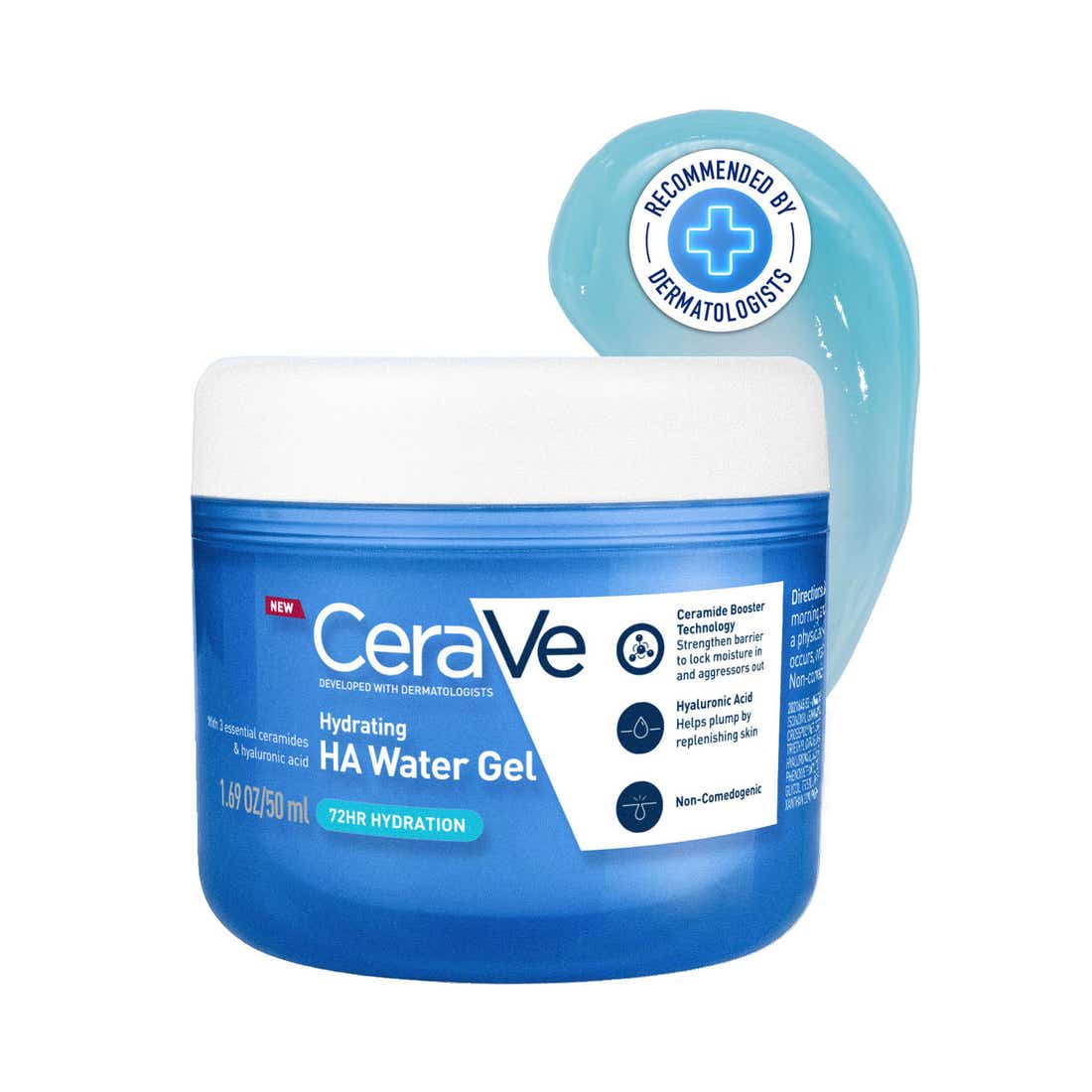
The fix is not to stop moisturising. It is to switch textures. "There are so many varieties of moisturisers available now," says Dr Thorat. "You can use gel-based moisturisers, lightweight emollient moisturisers or hydrating serums depending on the weather and your skin type." The goal is finding what works for your skin in the heat, not cutting the step out altogether.
Chemical versus physical sunscreen is one of the most debated topics in skincare right now, and according to Dr Thorat, it is also one of the most distracting. "The biggest mistake is people fixating too much on chemical versus physical sunscreen instead of actually using sunscreen properly," she says. "Honestly, use the sunscreen."
Both types are considered safe and effective when used correctly. The real issues are inconsistent application, not reapplying through the day, using too little product or skipping it entirely because the online debate feels too overwhelming to navigate. Pick a sunscreen you like the texture of, use enough of it and reapply. That is really all there is to it.
When skin feels oilier in summer, the instinct is to strip it back. Salicylic acid face washes, exfoliating serums, acid-based moisturisers, strong foaming cleansers: everything gets pointed at removing oil. But layering stripping products at every step disturbs the skin's natural barrier, and the results tend to show up in ways that are hard to miss.
The signs are worth knowing: sudden breakouts in someone who never had acne before, redness and irritation, dry patches mixed with oily areas, peeling skin and products that suddenly sting on application. "A damaged barrier often makes skin look both oily and dehydrated at the same time," says Dr Thorat. If any of this sounds familiar, it is time to pull back, not push harder.
Summer skin behaves differently. Heat, humidity and sweat make skin oilier, more reactive and more prone to breakouts, and a routine built for cooler months is not going to serve it well. Dr Thorat recommends switching to lightweight gel moisturisers in place of heavier creams and, more importantly, reducing the total number of products in both your morning and evening routines. "Too many actives combined with heat can increase irritation significantly," she says.
Physical scrubs are a firm no, particularly for Indian skin types where excess inflammation can trigger pigmentation and melanin activation easily. Keep it simple, keep it light and let your skin breathe.
Sweating through a commute or a workout makes another face wash feel necessary, and sometimes it genuinely is. But for most people, twice a day is enough. Over-cleansing strips the skin barrier in much the same way over-exfoliating does, leaving skin more reactive and more prone to the oiliness you were trying to avoid in the first place.
If you do need to cleanse more frequently, Dr Thorat recommends reaching for a very gentle lightweight cleanser, always followed by at least a light layer of moisturiser so the skin does not lose hydration. For oiliness through the day, blotting papers or a little setting powder are far kinder to your skin than a third or fourth wash.
After a long day in the sun, the instinct is to get the tan off as quickly as possible. Scrubs, peels, harsh tan removal treatments: it feels like the logical next step. But tanned skin is already inflamed and reactive, and aggressive exfoliation at that stage can worsen irritation and even trigger hyperpigmentation or burns.
Dr Thorat's advice is to let the skin settle first. Focus on hydration, keep up with sunscreen and hold off on any active treatments until things have calmed down over a few days. "Once the skin settles, then gentle treatments can be considered if needed," she says. Rushing the process almost always makes things worse.
When skin is congested or breaking out, the reflex is to add more: more serums, more targeted treatments, more steps that promise to fix things faster. Dr Thorat's recommendation is the opposite. Reduce first.
"More than two to three products in the morning and two to three products at night is honestly unnecessary for most people," she says. The focus should be gentle cleansing, proper hydration, a lightweight sunscreen and minimal but targeted actives. More steps do not mean better skin. They mean more variables, more potential for irritation and more work for a barrier that is already under pressure.
The single habit Dr Thorat sees causing the most consistent damage in summer is the aggressive pursuit of oil-free skin. "People try so aggressively to remove every bit of oil from the skin that they end up damaging the barrier completely," she says. And the irony is that the more you dry the skin out, the harder it works to compensate by producing even more oil.
It becomes a cycle: drier skin, more oil, harsher products, more damage. If your skin gets a little shiny through the day, that is completely normal. Blotting papers are your best tool here, not another round of actives.
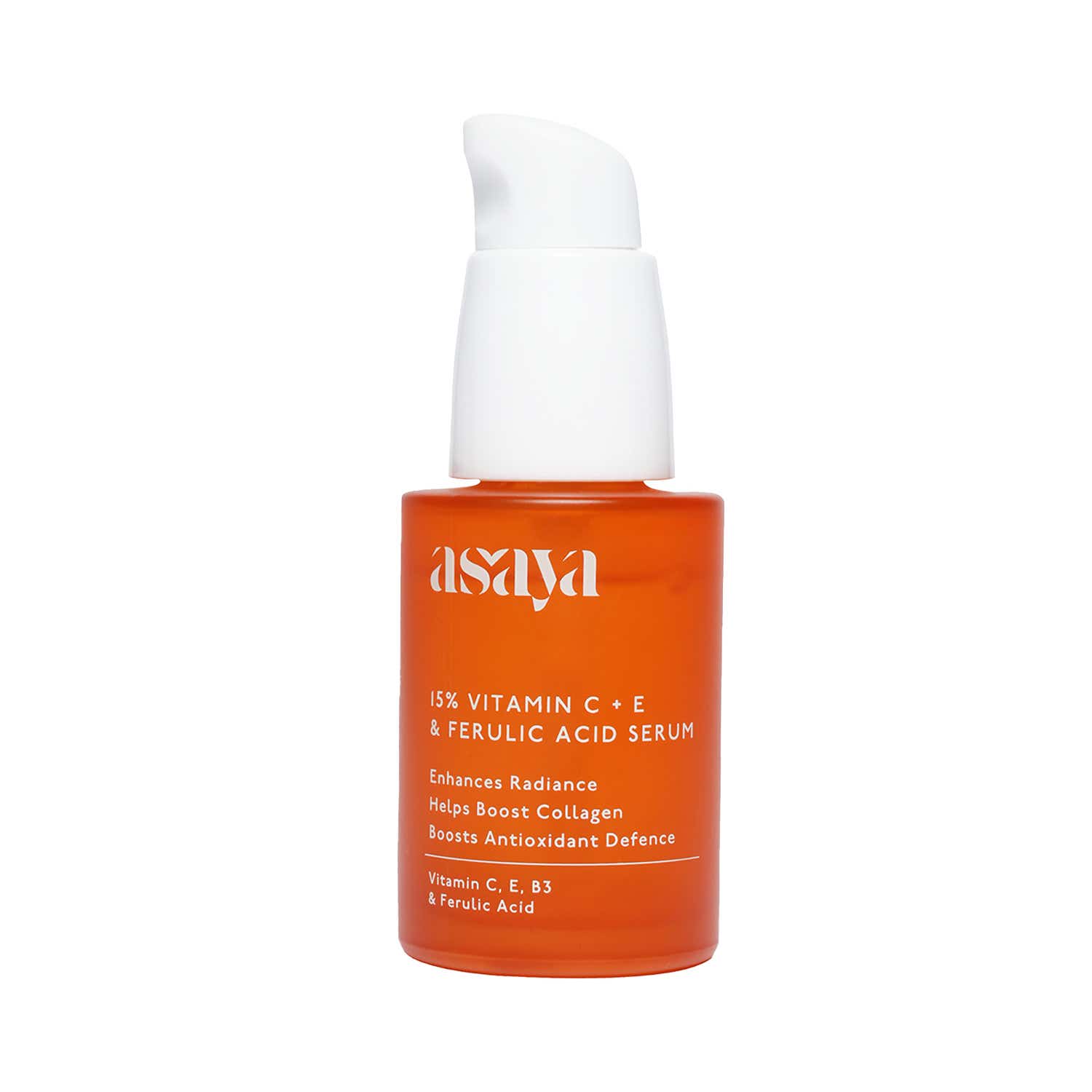
After everything she has seen in her clinic, we asked Dr Thorat for the rules she would give everyone heading into summer. First: use sunscreen consistently, and if everything else goes out the window, make sure this one stays. Second: go easy on actives, especially exfoliating ones in the morning, as antioxidants like Vitamin C, ferulic acid and azelaic acid are far better daytime choices for most skin types. And third, the one that ties it all together: keep your routine simple. Fewer, better-quality products will always beat a complicated multi-step routine, and your skin will thank you for it.
This is one of the most common summer skincare mistakes, and it makes sense on the surface. If your skin already feels greasy by mid-morning, adding a moisturiser feels counterintuitive. But skipping it entirely does more harm than good. Moisturising factors are essential for keeping skin looking healthy and hydrated, and without them, skin tends to look dull and dehydrated over time, even when it feels oily.
The fix is not to stop moisturising. It is to switch textures. "There are so many varieties of moisturisers available now," says Dr Thorat. "You can use gel-based moisturisers, lightweight emollient moisturisers or hydrating serums depending on the weather and your skin type." The goal is finding what works for your skin in the heat, not cutting the step out altogether.
Chemical versus physical sunscreen is one of the most debated topics in skincare right now, and according to Dr Thorat, it is also one of the most distracting. "The biggest mistake is people fixating too much on chemical versus physical sunscreen instead of actually using sunscreen properly," she says. "Honestly, use the sunscreen."
Both types are considered safe and effective when used correctly. The real issues are inconsistent application, not reapplying through the day, using too little product or skipping it entirely because the online debate feels too overwhelming to navigate. Pick a sunscreen you like the texture of, use enough of it and reapply. That is really all there is to it.
When skin feels oilier in summer, the instinct is to strip it back. Salicylic acid face washes, exfoliating serums, acid-based moisturisers, strong foaming cleansers: everything gets pointed at removing oil. But layering stripping products at every step disturbs the skin's natural barrier, and the results tend to show up in ways that are hard to miss.
The signs are worth knowing: sudden breakouts in someone who never had acne before, redness and irritation, dry patches mixed with oily areas, peeling skin and products that suddenly sting on application. "A damaged barrier often makes skin look both oily and dehydrated at the same time," says Dr Thorat. If any of this sounds familiar, it is time to pull back, not push harder.
Summer skin behaves differently. Heat, humidity and sweat make skin oilier, more reactive and more prone to breakouts, and a routine built for cooler months is not going to serve it well. Dr Thorat recommends switching to lightweight gel moisturisers in place of heavier creams and, more importantly, reducing the total number of products in both your morning and evening routines. "Too many actives combined with heat can increase irritation significantly," she says.
Physical scrubs are a firm no, particularly for Indian skin types where excess inflammation can trigger pigmentation and melanin activation easily. Keep it simple, keep it light and let your skin breathe.
Sweating through a commute or a workout makes another face wash feel necessary, and sometimes it genuinely is. But for most people, twice a day is enough. Over-cleansing strips the skin barrier in much the same way over-exfoliating does, leaving skin more reactive and more prone to the oiliness you were trying to avoid in the first place.
If you do need to cleanse more frequently, Dr Thorat recommends reaching for a very gentle lightweight cleanser, always followed by at least a light layer of moisturiser so the skin does not lose hydration. For oiliness through the day, blotting papers or a little setting powder are far kinder to your skin than a third or fourth wash.
After a long day in the sun, the instinct is to get the tan off as quickly as possible. Scrubs, peels, harsh tan removal treatments: it feels like the logical next step. But tanned skin is already inflamed and reactive, and aggressive exfoliation at that stage can worsen irritation and even trigger hyperpigmentation or burns.
Dr Thorat's advice is to let the skin settle first. Focus on hydration, keep up with sunscreen and hold off on any active treatments until things have calmed down over a few days. "Once the skin settles, then gentle treatments can be considered if needed," she says. Rushing the process almost always makes things worse.
When skin is congested or breaking out, the reflex is to add more: more serums, more targeted treatments, more steps that promise to fix things faster. Dr Thorat's recommendation is the opposite. Reduce first.
"More than two to three products in the morning and two to three products at night is honestly unnecessary for most people," she says. The focus should be gentle cleansing, proper hydration, a lightweight sunscreen and minimal but targeted actives. More steps do not mean better skin. They mean more variables, more potential for irritation and more work for a barrier that is already under pressure.
The single habit Dr Thorat sees causing the most consistent damage in summer is the aggressive pursuit of oil-free skin. "People try so aggressively to remove every bit of oil from the skin that they end up damaging the barrier completely," she says. And the irony is that the more you dry the skin out, the harder it works to compensate by producing even more oil.
It becomes a cycle: drier skin, more oil, harsher products, more damage. If your skin gets a little shiny through the day, that is completely normal. Blotting papers are your best tool here, not another round of actives.
After everything she has seen in her clinic, we asked Dr Thorat for the rules she would give everyone heading into summer. First: use sunscreen consistently, and if everything else goes out the window, make sure this one stays. Second: go easy on actives, especially exfoliating ones in the morning, as antioxidants like Vitamin C, ferulic acid and azelaic acid are far better daytime choices for most skin types. And third, the one that ties it all together: keep your routine simple. Fewer, better-quality products will always beat a complicated multi-step routine, and your skin will thank you for it.


This is one of the most common summer skincare mistakes, and it makes sense on the surface. If your skin already feels greasy by mid-morning, adding a moisturiser feels counterintuitive. But skipping it entirely does more harm than good. Moisturising factors are essential for keeping skin looking healthy and hydrated, and without them, skin tends to look dull and dehydrated over time, even when it feels oily.
The fix is not to stop moisturising. It is to switch textures. "There are so many varieties of moisturisers available now," says Dr Thorat. "You can use gel-based moisturisers, lightweight emollient moisturisers or hydrating serums depending on the weather and your skin type." The goal is finding what works for your skin in the heat, not cutting the step out altogether.
Chemical versus physical sunscreen is one of the most debated topics in skincare right now, and according to Dr Thorat, it is also one of the most distracting. "The biggest mistake is people fixating too much on chemical versus physical sunscreen instead of actually using sunscreen properly," she says. "Honestly, use the sunscreen."
Both types are considered safe and effective when used correctly. The real issues are inconsistent application, not reapplying through the day, using too little product or skipping it entirely because the online debate feels too overwhelming to navigate. Pick a sunscreen you like the texture of, use enough of it and reapply. That is really all there is to it.
When skin feels oilier in summer, the instinct is to strip it back. Salicylic acid face washes, exfoliating serums, acid-based moisturisers, strong foaming cleansers: everything gets pointed at removing oil. But layering stripping products at every step disturbs the skin's natural barrier, and the results tend to show up in ways that are hard to miss.
The signs are worth knowing: sudden breakouts in someone who never had acne before, redness and irritation, dry patches mixed with oily areas, peeling skin and products that suddenly sting on application. "A damaged barrier often makes skin look both oily and dehydrated at the same time," says Dr Thorat. If any of this sounds familiar, it is time to pull back, not push harder.
Summer skin behaves differently. Heat, humidity and sweat make skin oilier, more reactive and more prone to breakouts, and a routine built for cooler months is not going to serve it well. Dr Thorat recommends switching to lightweight gel moisturisers in place of heavier creams and, more importantly, reducing the total number of products in both your morning and evening routines. "Too many actives combined with heat can increase irritation significantly," she says.
Physical scrubs are a firm no, particularly for Indian skin types where excess inflammation can trigger pigmentation and melanin activation easily. Keep it simple, keep it light and let your skin breathe.
Sweating through a commute or a workout makes another face wash feel necessary, and sometimes it genuinely is. But for most people, twice a day is enough. Over-cleansing strips the skin barrier in much the same way over-exfoliating does, leaving skin more reactive and more prone to the oiliness you were trying to avoid in the first place.
If you do need to cleanse more frequently, Dr Thorat recommends reaching for a very gentle lightweight cleanser, always followed by at least a light layer of moisturiser so the skin does not lose hydration. For oiliness through the day, blotting papers or a little setting powder are far kinder to your skin than a third or fourth wash.
After a long day in the sun, the instinct is to get the tan off as quickly as possible. Scrubs, peels, harsh tan removal treatments: it feels like the logical next step. But tanned skin is already inflamed and reactive, and aggressive exfoliation at that stage can worsen irritation and even trigger hyperpigmentation or burns.
Dr Thorat's advice is to let the skin settle first. Focus on hydration, keep up with sunscreen and hold off on any active treatments until things have calmed down over a few days. "Once the skin settles, then gentle treatments can be considered if needed," she says. Rushing the process almost always makes things worse.
When skin is congested or breaking out, the reflex is to add more: more serums, more targeted treatments, more steps that promise to fix things faster. Dr Thorat's recommendation is the opposite. Reduce first.
"More than two to three products in the morning and two to three products at night is honestly unnecessary for most people," she says. The focus should be gentle cleansing, proper hydration, a lightweight sunscreen and minimal but targeted actives. More steps do not mean better skin. They mean more variables, more potential for irritation and more work for a barrier that is already under pressure.
The single habit Dr Thorat sees causing the most consistent damage in summer is the aggressive pursuit of oil-free skin. "People try so aggressively to remove every bit of oil from the skin that they end up damaging the barrier completely," she says. And the irony is that the more you dry the skin out, the harder it works to compensate by producing even more oil.
It becomes a cycle: drier skin, more oil, harsher products, more damage. If your skin gets a little shiny through the day, that is completely normal. Blotting papers are your best tool here, not another round of actives.
After everything she has seen in her clinic, we asked Dr Thorat for the rules she would give everyone heading into summer. First: use sunscreen consistently, and if everything else goes out the window, make sure this one stays. Second: go easy on actives, especially exfoliating ones in the morning, as antioxidants like Vitamin C, ferulic acid and azelaic acid are far better daytime choices for most skin types. And third, the one that ties it all together: keep your routine simple. Fewer, better-quality products will always beat a complicated multi-step routine, and your skin will thank you for it.