





Powder Room
MUA Namrata Soni shares the beauty essentials she swears by
Read Now


If there is one hair concern that unites almost everyone come summer, it is frizz. The moment the humidity climbs and the heat settles in, something shifts. Products that worked fine in cooler months suddenly feel inadequate, and no amount of serum seems to hold things together for long.
What most people do not realise is that frizz is not a styling problem you can simply smooth over. It is a hair health problem, and tackling it properly means understanding what is actually behind it. We spoke to Daksh Nidhi, celebrity hairstylist and one of our expert panellists, to get the full picture. From what frizz really is to how to build a routine that holds up all summer long, here is everything you need to know.
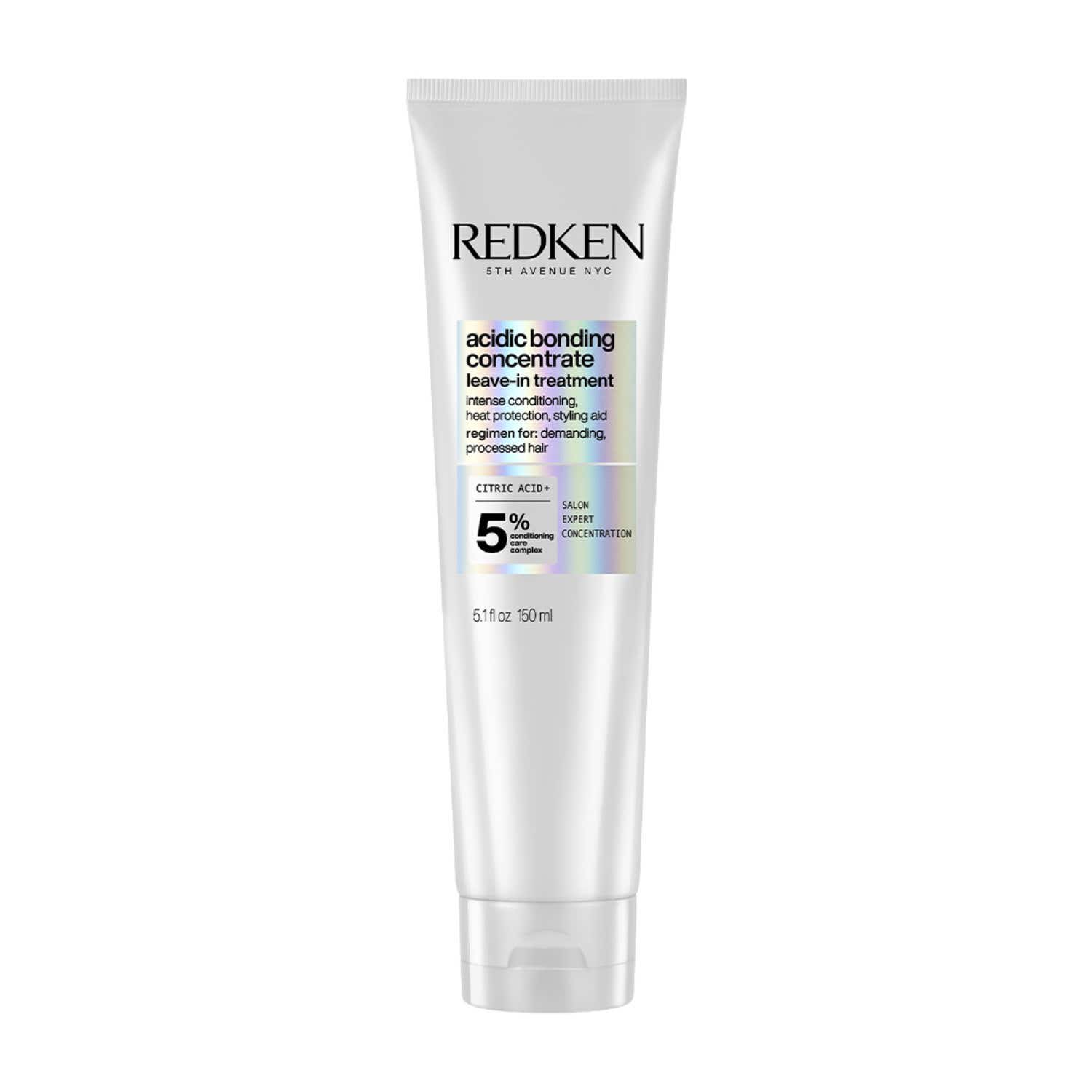
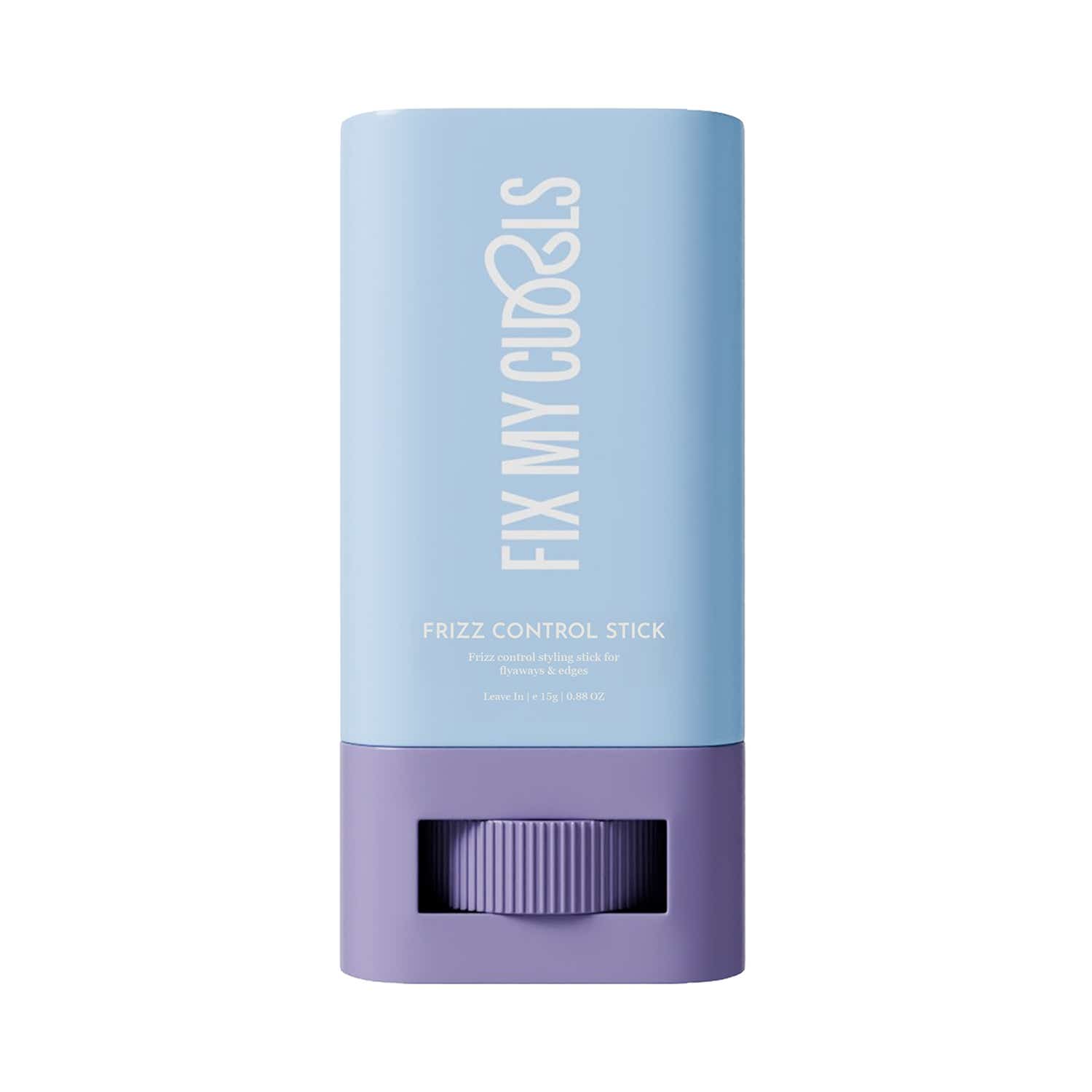
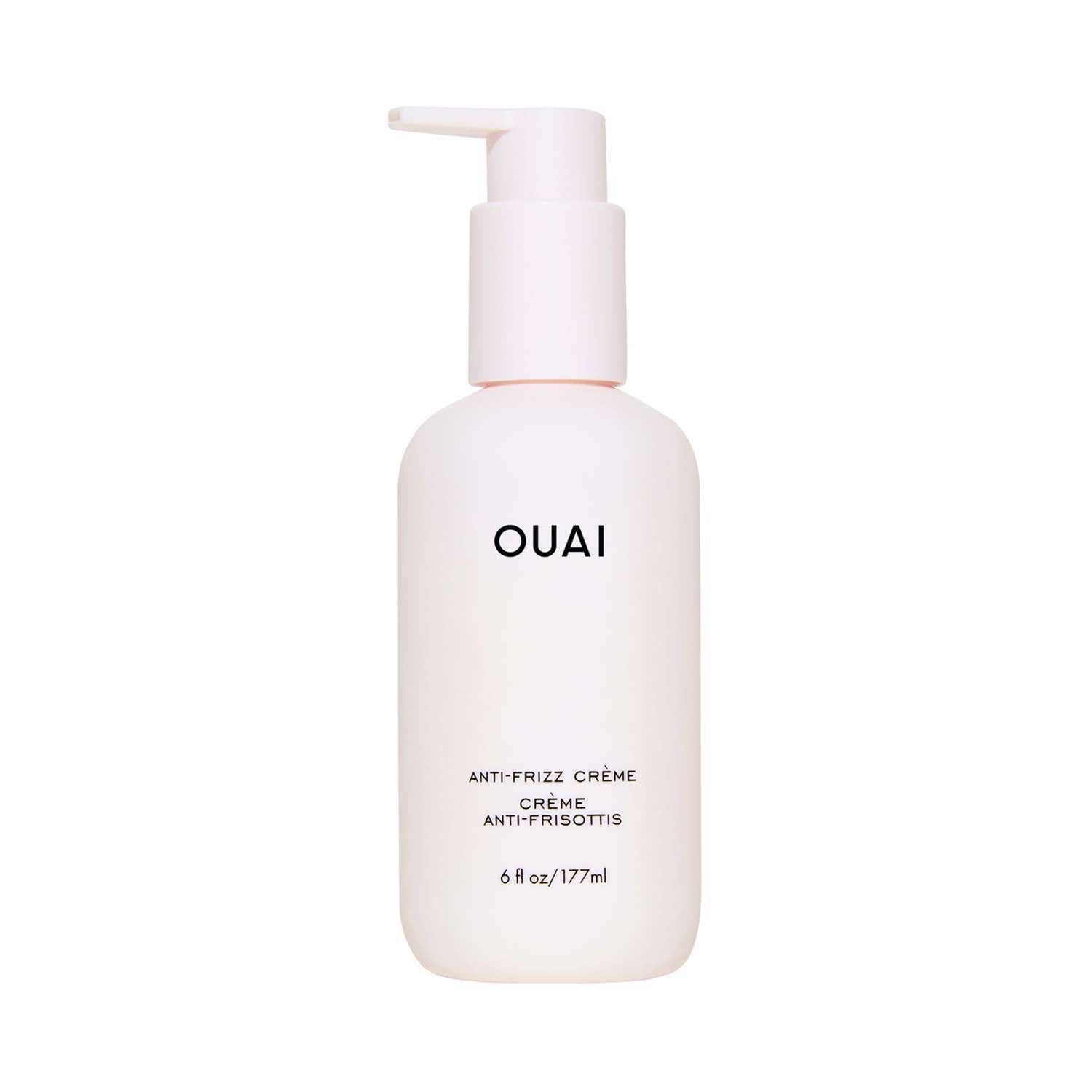

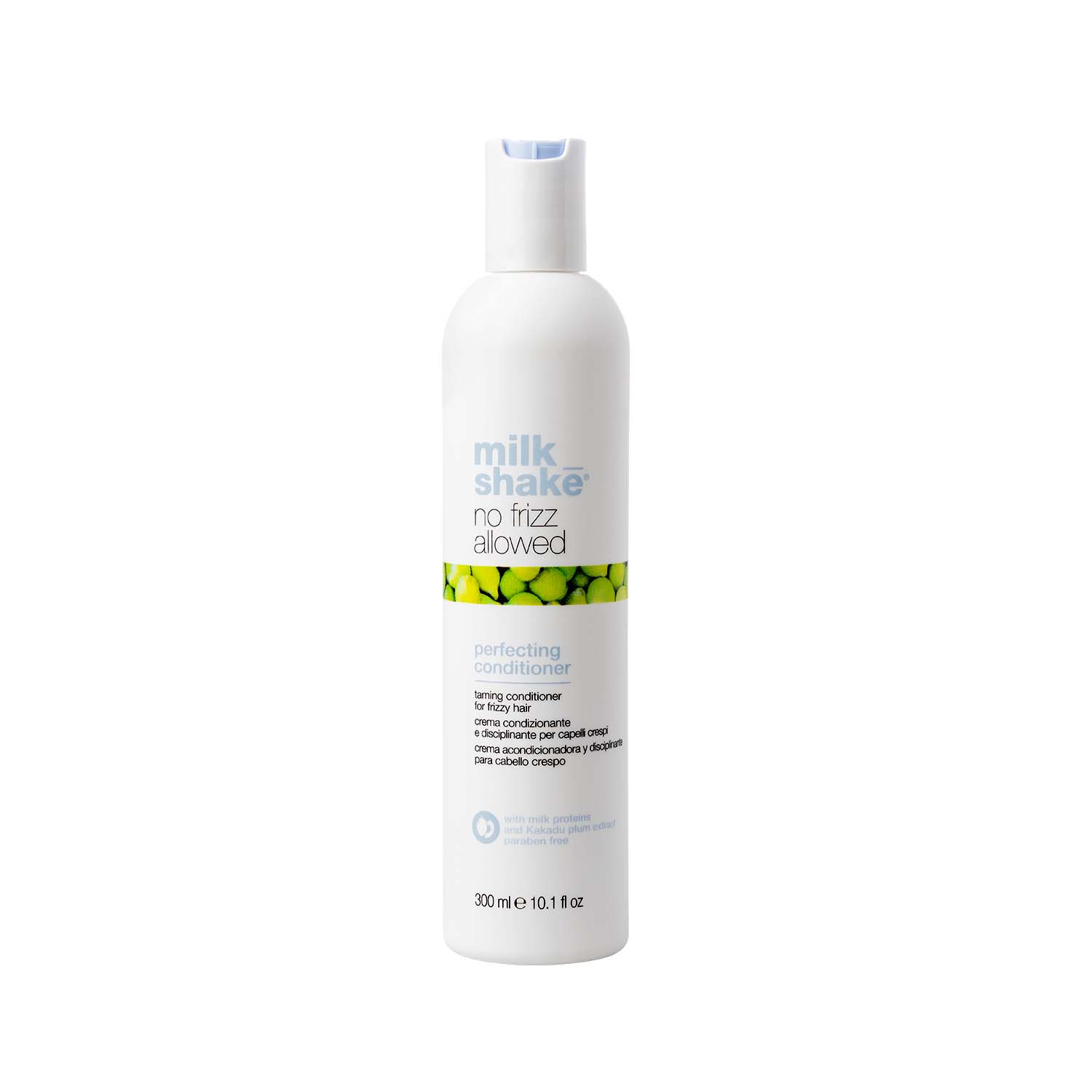
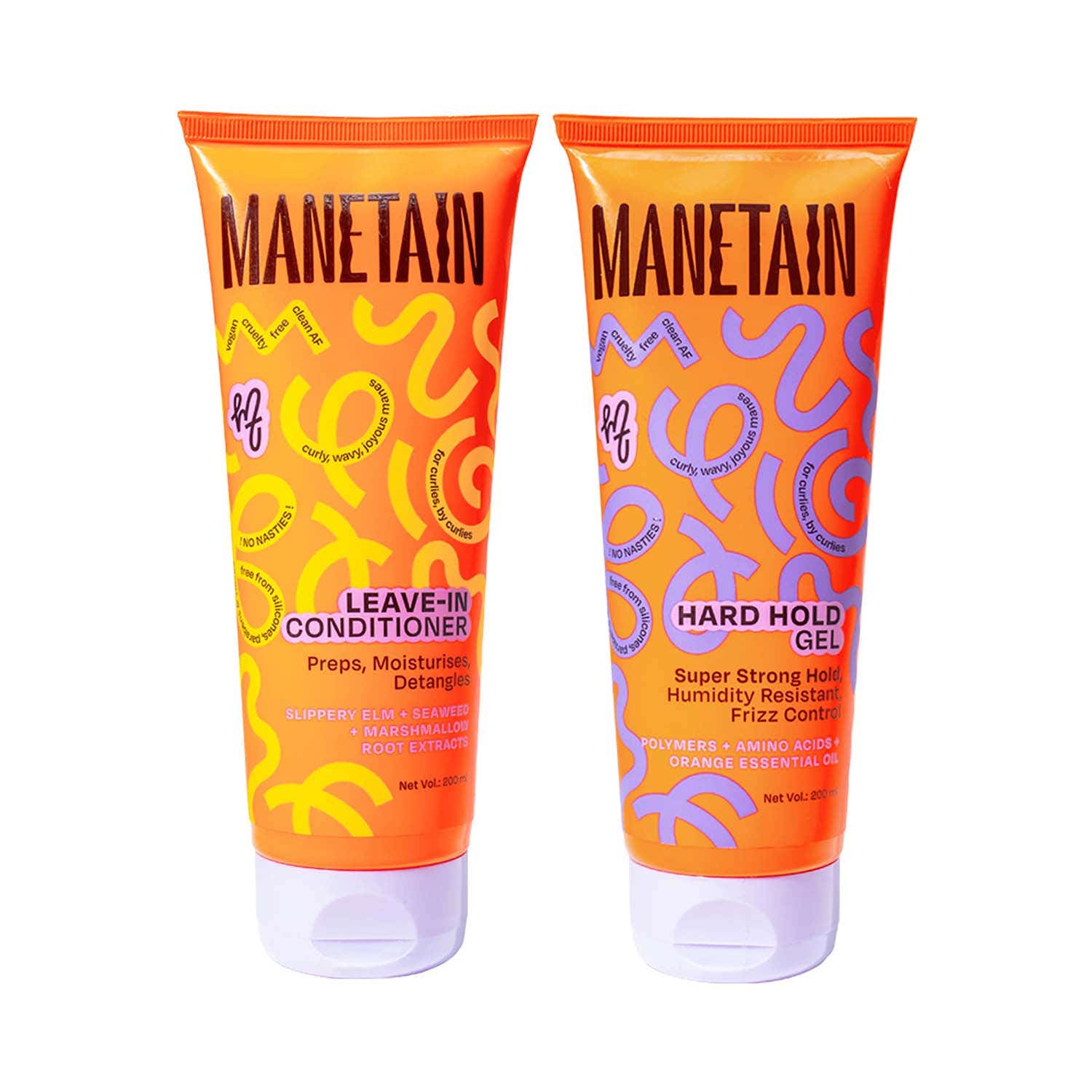
If you've ever sat in a salon chair and wondered what's lining the shelves behind the stylist, there's a good chance Redken was one of those brands. A professional haircare staple for decades, the Acidic Bonding Concentrate works at a structural level, targeting the weakened bonds that build up over time from heat styling, colour and chemical processing. The difference shows up in how your hair actually feels: stronger, less frizzy and noticeably more manageable during styling. Apply to damp hair and let it do its thing.
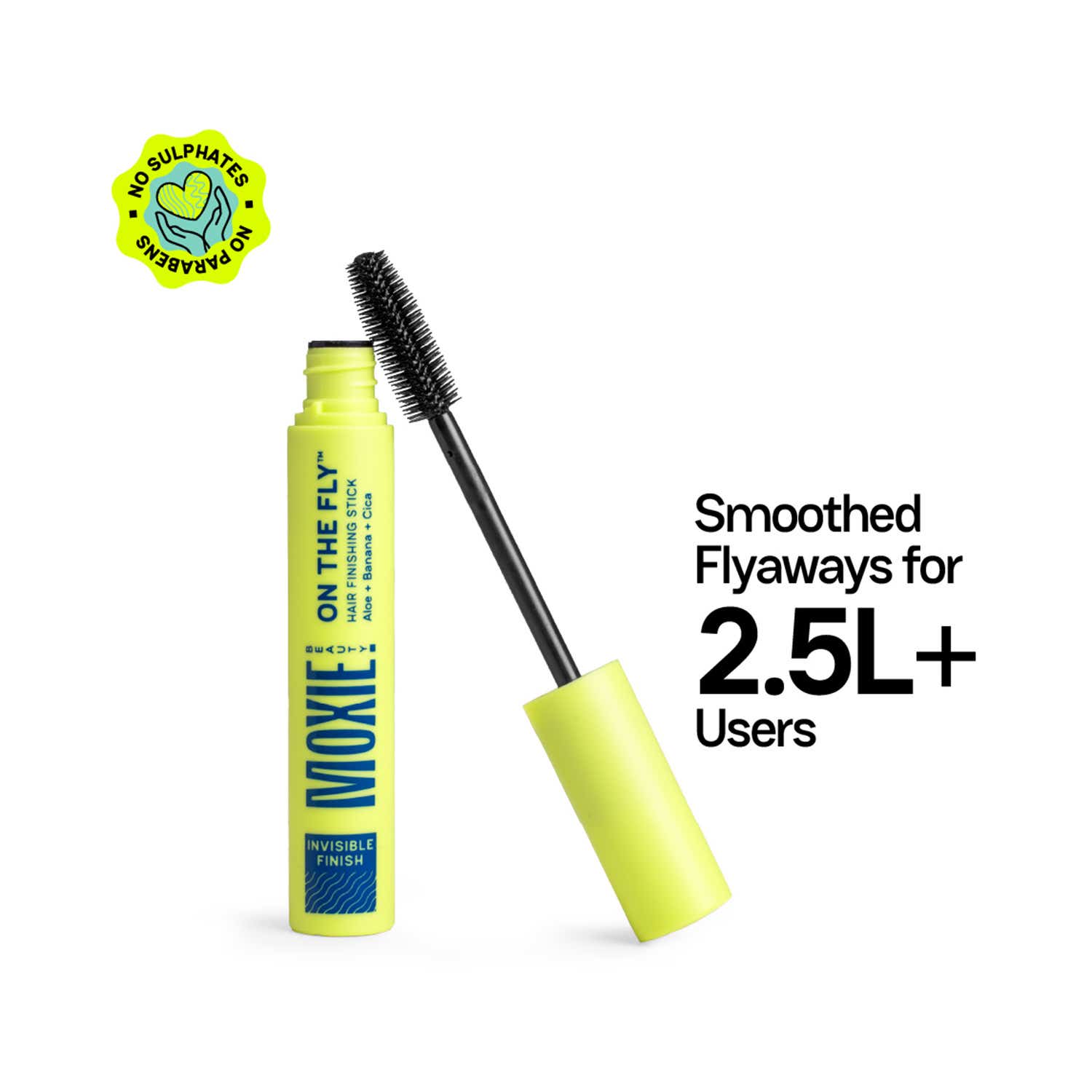
This small but mighty product is one of those beauty essentials you’ll wonder how you lived without. It smooths flyaways and frizz in seconds, without leaving hair sticky or stiff. With nourishing ingredients like aloe vera and banana extract, it keeps hair looking neat and healthy. It’s perfect for last-minute touch-ups, especially when you want everything to look put together right before you step out.
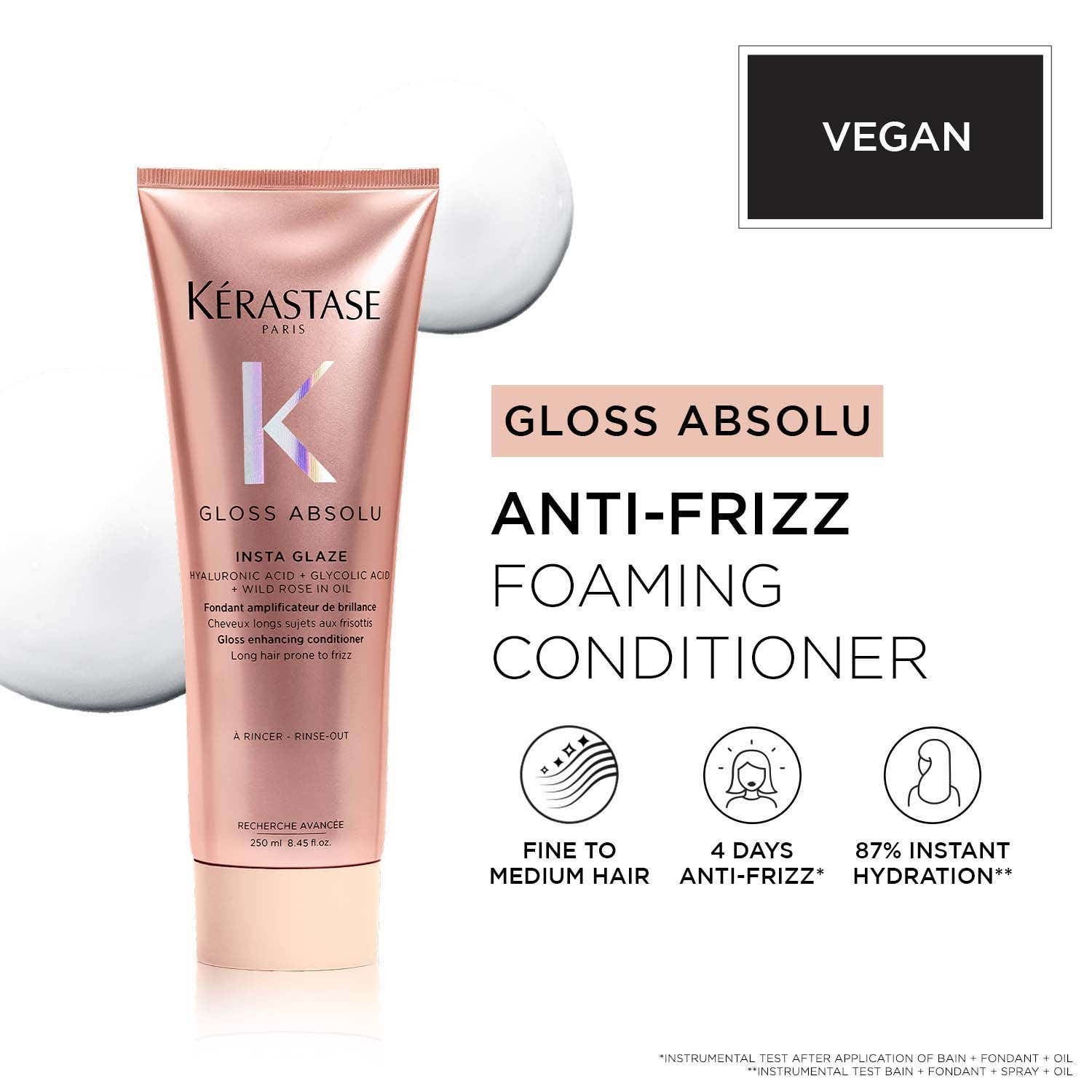
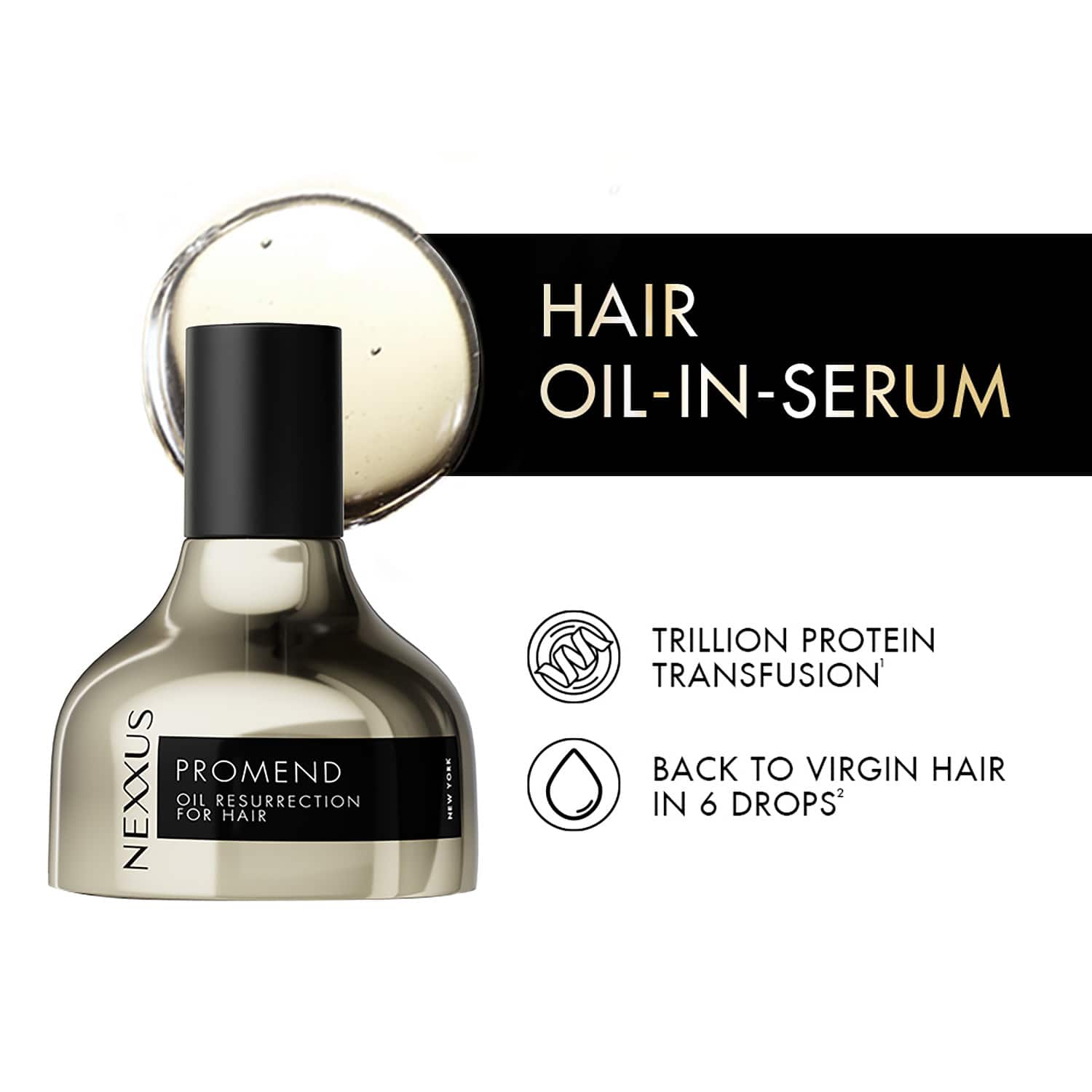
This hybrid formula brings together the nourishment of an oil and the light feel of a serum. Designed for damaged hair, it uses proteins and lipids to help repair and strengthen strands without leaving behind any heaviness. The texture is surprisingly fluid—almost like water—so it absorbs easily and smooths without weighing hair down. Use it on damp or dry hair for a soft, healthy finish.
"Frizz is basically your hair asking for balance," says Daksh Nidhi. "When the hair doesn't have enough moisture inside, it starts pulling moisture from the air, especially in humid weather. This makes the outer layer of the hair, the cuticle, lift up instead of lying flat, and that's what we see as frizz. Smooth hair equals a closed cuticle. Frizzy hair equals an open, uneven cuticle."
Frizz also does not show up the same way on everyone, and this distinction matters more than most people realise. On straight hair, it appears as flyaways on the top layer. On wavy hair, it collapses definition and turns things puffy. On curly hair, the pattern breaks down entirely. On coily hair, dryness, shrinkage and rough texture all arrive together.
"You cannot treat all hair the same," Nidhi says. "Straight hair needs light smoothing. Curly and coily hair needs deeper moisture and definition." Knowing which category you fall into is the real starting point, because the solution genuinely looks different for everyone.
Nidhi's approach comes down to a single guiding principle: "Less friction, more moisture, more control." Here is how to put that into practice, with adjustments for your hair type at each step.
Step 1: Cleanse gently. Use a hydrating, sulfate-free shampoo and resist the urge to wash too often. Straight and wavy hair can comfortably go longer between washes. Curly and coily hair, which is naturally drier, benefits from washing even less frequently to hold on to its natural oils.
Step 2: Always condition. Concentrate on mid-lengths to ends, where hair is oldest and most vulnerable. A lightweight conditioner is sufficient for straight hair. Wavy and curly hair responds better to something richer. For coily hair, deep conditioning needs to be a regular part of the routine, not an occasional treat.
Step 3: Treat damp hair. Apply a leave-in conditioner or serum while the hair is still damp. This is when the cuticle is most open and receptive. A lightweight serum suits straight hair well. Wavy hair benefits from a light cream or mousse that helps hold definition as it dries. Curly and coily hair do best with a richer leave-in followed by a curl cream or butter to seal moisture in properly.
Step 4: Dry with care. Squeeze out excess moisture with your cloth, then step away from it. "Don't over-touch while drying," Nidhi advises. Air drying is the gentlest option across all hair types. If you need heat, a diffuser makes a significant difference for curly and wavy hair, preserving pattern and cutting down on frizz. Straight hair can be blow-dried on a lower heat setting with a smoothing brush, but always with a heat protectant applied first.
Step 5: Seal and protect. Finish with an anti-humidity or sealing product to create a barrier against moisture in the air. This is especially important for curly and coily hair, which is most vulnerable to humidity-induced swelling. "In humidity, use anti-humidity and sealing products. In dry weather, use more hydrating products. In heat, always protect before styling," says Nidhi. "Your routine should change with the weather, not stay fixed."
On the ingredient front, look for oils like argan and jojoba, butters like shea and cocoa for textured hair, and proteins, but in balance. Too much protein can leave hair feeling stiff and, counterintuitively, frizzier. Glycerin is a useful humectant but worth being mindful of in very humid climates, where it can sometimes draw in more moisture than you want. Avoid harsh sulfates and alcohol-heavy products, both of which leave hair drier than before.
Most people assume frizz is something that happens to them. Nidhi sees it differently. "Frizz is often self-created without people realising," he says, and the habits behind it are far more common than you would expect.
Over-washing sits at the top of the list. Harsh shampoos strip the hair of its natural oils, leaving it drier and more porous, which means it pulls in humidity even faster. Skipping conditioner, reaching for heat without a protectant and brushing dry textured hair all quietly make things worse over time. So does layering too many products without understanding how they work together.
Then there is the towel, which is worth addressing on its own. Most of us rub hair dry out of habit, but that friction lifts the cuticle and causes frizz before you have even started styling. Switching to a soft microfibre cloth or a cotton t-shirt and gently squeezing moisture out instead is one of the smallest adjustments you can make, with one of the most immediate and visible results.
For days when frizz gets the better of you, Nidhi's quick fix is straightforward: "A tiny amount of serum or cream, lightly pressed on the surface. Don't rub, just smooth." The technique is the point here. Pressing lays the cuticle flat. Rubbing lifts it further. One small distinction, very different results.
For the long term, his advice is simple and worth taking seriously: "Respect your hair texture and stop over-manipulating it. The more you fight your natural texture, the more frizz you create."
It is a perspective that reframes the whole conversation. Frizz is not something to be defeated. It is your hair telling you something. Build a routine that actually listens to it, stay consistent and summer becomes a lot less of a battle.
"Frizz is basically your hair asking for balance," says Daksh Nidhi. "When the hair doesn't have enough moisture inside, it starts pulling moisture from the air, especially in humid weather. This makes the outer layer of the hair, the cuticle, lift up instead of lying flat, and that's what we see as frizz. Smooth hair equals a closed cuticle. Frizzy hair equals an open, uneven cuticle."
Frizz also does not show up the same way on everyone, and this distinction matters more than most people realise. On straight hair, it appears as flyaways on the top layer. On wavy hair, it collapses definition and turns things puffy. On curly hair, the pattern breaks down entirely. On coily hair, dryness, shrinkage and rough texture all arrive together.
"You cannot treat all hair the same," Nidhi says. "Straight hair needs light smoothing. Curly and coily hair needs deeper moisture and definition." Knowing which category you fall into is the real starting point, because the solution genuinely looks different for everyone.
Nidhi's approach comes down to a single guiding principle: "Less friction, more moisture, more control." Here is how to put that into practice, with adjustments for your hair type at each step.
Step 1: Cleanse gently. Use a hydrating, sulfate-free shampoo and resist the urge to wash too often. Straight and wavy hair can comfortably go longer between washes. Curly and coily hair, which is naturally drier, benefits from washing even less frequently to hold on to its natural oils.
Step 2: Always condition. Concentrate on mid-lengths to ends, where hair is oldest and most vulnerable. A lightweight conditioner is sufficient for straight hair. Wavy and curly hair responds better to something richer. For coily hair, deep conditioning needs to be a regular part of the routine, not an occasional treat.
Step 3: Treat damp hair. Apply a leave-in conditioner or serum while the hair is still damp. This is when the cuticle is most open and receptive. A lightweight serum suits straight hair well. Wavy hair benefits from a light cream or mousse that helps hold definition as it dries. Curly and coily hair do best with a richer leave-in followed by a curl cream or butter to seal moisture in properly.
Step 4: Dry with care. Squeeze out excess moisture with your cloth, then step away from it. "Don't over-touch while drying," Nidhi advises. Air drying is the gentlest option across all hair types. If you need heat, a diffuser makes a significant difference for curly and wavy hair, preserving pattern and cutting down on frizz. Straight hair can be blow-dried on a lower heat setting with a smoothing brush, but always with a heat protectant applied first.
Step 5: Seal and protect. Finish with an anti-humidity or sealing product to create a barrier against moisture in the air. This is especially important for curly and coily hair, which is most vulnerable to humidity-induced swelling. "In humidity, use anti-humidity and sealing products. In dry weather, use more hydrating products. In heat, always protect before styling," says Nidhi. "Your routine should change with the weather, not stay fixed."
On the ingredient front, look for oils like argan and jojoba, butters like shea and cocoa for textured hair, and proteins, but in balance. Too much protein can leave hair feeling stiff and, counterintuitively, frizzier. Glycerin is a useful humectant but worth being mindful of in very humid climates, where it can sometimes draw in more moisture than you want. Avoid harsh sulfates and alcohol-heavy products, both of which leave hair drier than before.
Most people assume frizz is something that happens to them. Nidhi sees it differently. "Frizz is often self-created without people realising," he says, and the habits behind it are far more common than you would expect.
Over-washing sits at the top of the list. Harsh shampoos strip the hair of its natural oils, leaving it drier and more porous, which means it pulls in humidity even faster. Skipping conditioner, reaching for heat without a protectant and brushing dry textured hair all quietly make things worse over time. So does layering too many products without understanding how they work together.
Then there is the towel, which is worth addressing on its own. Most of us rub hair dry out of habit, but that friction lifts the cuticle and causes frizz before you have even started styling. Switching to a soft microfibre cloth or a cotton t-shirt and gently squeezing moisture out instead is one of the smallest adjustments you can make, with one of the most immediate and visible results.
For days when frizz gets the better of you, Nidhi's quick fix is straightforward: "A tiny amount of serum or cream, lightly pressed on the surface. Don't rub, just smooth." The technique is the point here. Pressing lays the cuticle flat. Rubbing lifts it further. One small distinction, very different results.
For the long term, his advice is simple and worth taking seriously: "Respect your hair texture and stop over-manipulating it. The more you fight your natural texture, the more frizz you create."
It is a perspective that reframes the whole conversation. Frizz is not something to be defeated. It is your hair telling you something. Build a routine that actually listens to it, stay consistent and summer becomes a lot less of a battle.


"Frizz is basically your hair asking for balance," says Daksh Nidhi. "When the hair doesn't have enough moisture inside, it starts pulling moisture from the air, especially in humid weather. This makes the outer layer of the hair, the cuticle, lift up instead of lying flat, and that's what we see as frizz. Smooth hair equals a closed cuticle. Frizzy hair equals an open, uneven cuticle."
Frizz also does not show up the same way on everyone, and this distinction matters more than most people realise. On straight hair, it appears as flyaways on the top layer. On wavy hair, it collapses definition and turns things puffy. On curly hair, the pattern breaks down entirely. On coily hair, dryness, shrinkage and rough texture all arrive together.
"You cannot treat all hair the same," Nidhi says. "Straight hair needs light smoothing. Curly and coily hair needs deeper moisture and definition." Knowing which category you fall into is the real starting point, because the solution genuinely looks different for everyone.
Nidhi's approach comes down to a single guiding principle: "Less friction, more moisture, more control." Here is how to put that into practice, with adjustments for your hair type at each step.
Step 1: Cleanse gently. Use a hydrating, sulfate-free shampoo and resist the urge to wash too often. Straight and wavy hair can comfortably go longer between washes. Curly and coily hair, which is naturally drier, benefits from washing even less frequently to hold on to its natural oils.
Step 2: Always condition. Concentrate on mid-lengths to ends, where hair is oldest and most vulnerable. A lightweight conditioner is sufficient for straight hair. Wavy and curly hair responds better to something richer. For coily hair, deep conditioning needs to be a regular part of the routine, not an occasional treat.
Step 3: Treat damp hair. Apply a leave-in conditioner or serum while the hair is still damp. This is when the cuticle is most open and receptive. A lightweight serum suits straight hair well. Wavy hair benefits from a light cream or mousse that helps hold definition as it dries. Curly and coily hair do best with a richer leave-in followed by a curl cream or butter to seal moisture in properly.
Step 4: Dry with care. Squeeze out excess moisture with your cloth, then step away from it. "Don't over-touch while drying," Nidhi advises. Air drying is the gentlest option across all hair types. If you need heat, a diffuser makes a significant difference for curly and wavy hair, preserving pattern and cutting down on frizz. Straight hair can be blow-dried on a lower heat setting with a smoothing brush, but always with a heat protectant applied first.
Step 5: Seal and protect. Finish with an anti-humidity or sealing product to create a barrier against moisture in the air. This is especially important for curly and coily hair, which is most vulnerable to humidity-induced swelling. "In humidity, use anti-humidity and sealing products. In dry weather, use more hydrating products. In heat, always protect before styling," says Nidhi. "Your routine should change with the weather, not stay fixed."
On the ingredient front, look for oils like argan and jojoba, butters like shea and cocoa for textured hair, and proteins, but in balance. Too much protein can leave hair feeling stiff and, counterintuitively, frizzier. Glycerin is a useful humectant but worth being mindful of in very humid climates, where it can sometimes draw in more moisture than you want. Avoid harsh sulfates and alcohol-heavy products, both of which leave hair drier than before.
Most people assume frizz is something that happens to them. Nidhi sees it differently. "Frizz is often self-created without people realising," he says, and the habits behind it are far more common than you would expect.
Over-washing sits at the top of the list. Harsh shampoos strip the hair of its natural oils, leaving it drier and more porous, which means it pulls in humidity even faster. Skipping conditioner, reaching for heat without a protectant and brushing dry textured hair all quietly make things worse over time. So does layering too many products without understanding how they work together.
Then there is the towel, which is worth addressing on its own. Most of us rub hair dry out of habit, but that friction lifts the cuticle and causes frizz before you have even started styling. Switching to a soft microfibre cloth or a cotton t-shirt and gently squeezing moisture out instead is one of the smallest adjustments you can make, with one of the most immediate and visible results.
For days when frizz gets the better of you, Nidhi's quick fix is straightforward: "A tiny amount of serum or cream, lightly pressed on the surface. Don't rub, just smooth." The technique is the point here. Pressing lays the cuticle flat. Rubbing lifts it further. One small distinction, very different results.
For the long term, his advice is simple and worth taking seriously: "Respect your hair texture and stop over-manipulating it. The more you fight your natural texture, the more frizz you create."
It is a perspective that reframes the whole conversation. Frizz is not something to be defeated. It is your hair telling you something. Build a routine that actually listens to it, stay consistent and summer becomes a lot less of a battle.

.jpg)


