


Beauty Front Benchers
5 simple skincare habits that make all the difference
Read Now


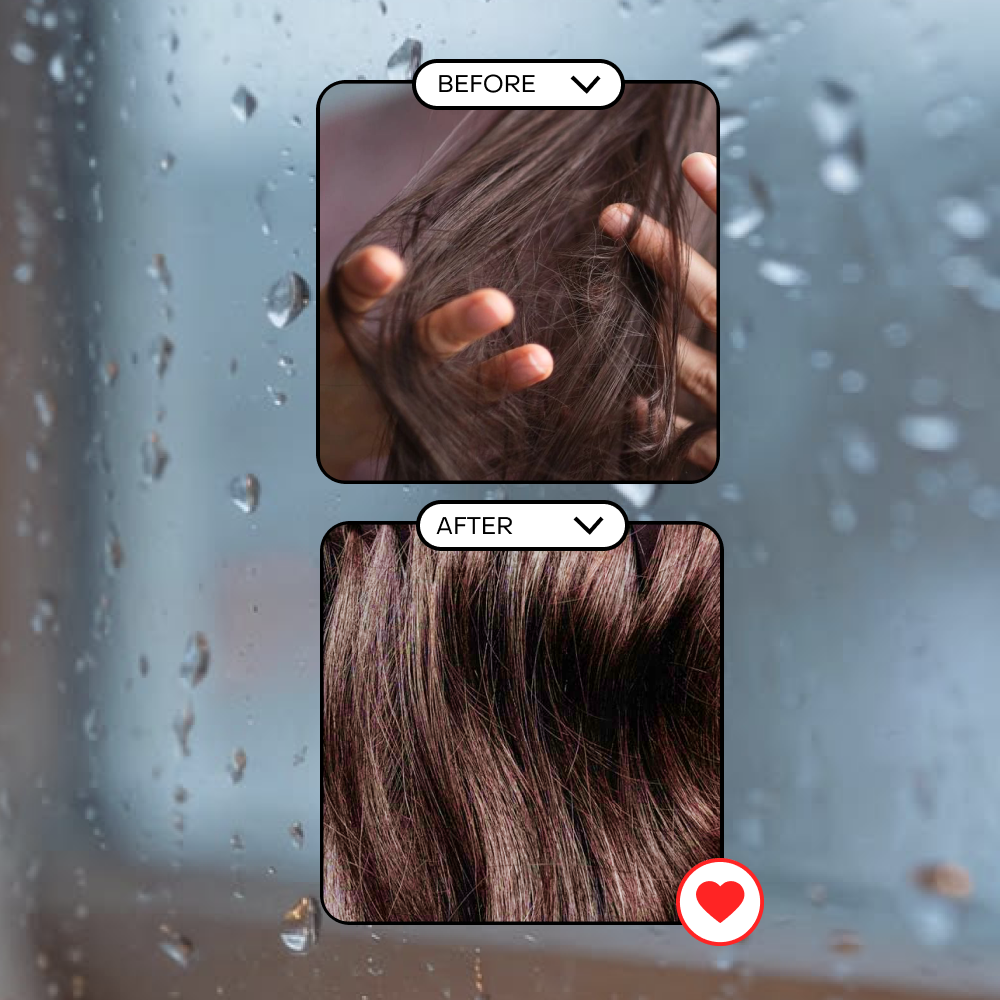

Every monsoon, the same thing happens: you glance at your bathroom drain, gasp, and immediately start googling ‘hairfall treatment’. Take a breath. Some of this is completely normal, your hair does this every year, and most of it isn’t a crisis. It’s just biology reacting to humidity. But there’s a real line between seasonal shedding and something actually being wrong, and it’s worth knowing where it sits, so you’re not panicking over nothing or ignoring something that needs attention.
Your hair grows in cycles. There’s a growth phase, a resting phase and a shedding phase, and normally these are staggered so you don’t notice much day to day. But humidity messes with your scalp’s moisture balance, weakens the hair shaft and tends to push a larger batch of strands into the shedding phase all at once. Add in sweat, product buildup and scalp irritation, and you get what looks like a dramatic hairfall spike—but is really just more strands shedding in sync than usual.




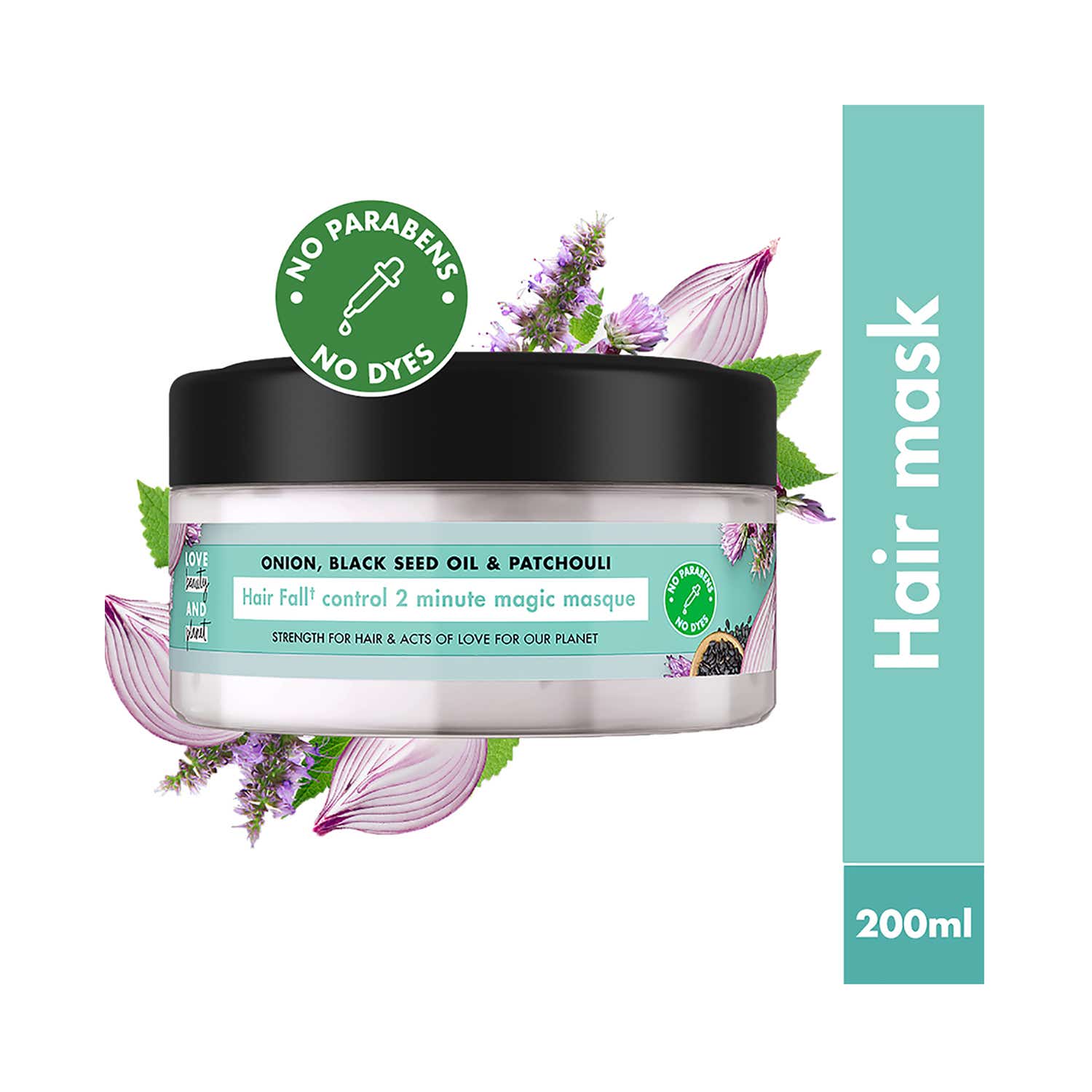
This Ayurvedic-meets-clinical serum is like a wind-down ritual for your scalp. Packed with soothing ingredients like amla and bakuchiol, it calms inflammation, rebalances sebum levels, and helps reduce hair fall—especially useful after long, sweaty days. Use it as an overnight treatment; wake up with a refreshed, nourished scalp that feels like it just had therapy.
This hair growth serum by Inde Wild is formulated with a trio of clinically studied actives—redensyl, procapil and baicapil—ingredients that are known to work at the follicle level to support stronger roots, improved density and healthier regrowth over time. Despite its strong ingredients list, it feels calming, lightweight and non-irritating on the scalp, which truly matters when a treatment is meant to be part of your regular routine. It’s a great pick if you’re looking for a product that offers targeted hair growth paired with a clean, scalp-friendly formulation that doesn’t overwhelm.
Strong, healthy hair begins at the scalp. Powered by redensyl, procapil and baicapil, this targeted serum supports stronger, fuller-looking hair while helping soothe and rebalance the scalp. The lightweight, non-greasy texture absorbs easily, making it ideal for nighttime use. Apply before bed, switch off and let it work quietly while you rest.
This lightweight serum is a quick way to deal with split ends, hair fall and frizz—all common in monsoon weather. The bond repair technology works on a deeper level to strengthen strands, while also smoothing the surface instantly. It absorbs quickly, doesn’t leave a greasy residue and helps give your hair a thicker, healthier appearance over time. A little really does go a long way.
Losing 50 to 100 strands a day is considered typical hair turnover. Humidity might push that number up somewhat during monsoon, and that’s still within the range of normal. Normal shedding also tends to be diffused (spread evenly across your scalp, not concentrated in one spot), and it usually settles back down once the season changes and your scalp dries out and stabilises.
This is where it’s worth paying attention rather than assuming it’ll pass:
A good rule: if the shedding hasn’t eased up after two to three months, or if you’re seeing any of the red flags above, it’s worth booking a consultation rather than trying five different serums and hoping one sticks. A trichologist can identify what’s going on instead of you self-diagnosing off Instagram reels or Google search. Hairfall is often a symptom, not the root problem, and treating the symptom without knowing the cause usually means spinning your wheels.
A bit more shedding this season is normal, not a crisis. But if it's localised, prolonged or paired with scalp symptoms, that’s your sign to see someone qualified instead of waiting it out.
Losing 50 to 100 strands a day is considered typical hair turnover. Humidity might push that number up somewhat during monsoon, and that’s still within the range of normal. Normal shedding also tends to be diffused (spread evenly across your scalp, not concentrated in one spot), and it usually settles back down once the season changes and your scalp dries out and stabilises.
This is where it’s worth paying attention rather than assuming it’ll pass:
A good rule: if the shedding hasn’t eased up after two to three months, or if you’re seeing any of the red flags above, it’s worth booking a consultation rather than trying five different serums and hoping one sticks. A trichologist can identify what’s going on instead of you self-diagnosing off Instagram reels or Google search. Hairfall is often a symptom, not the root problem, and treating the symptom without knowing the cause usually means spinning your wheels.
A bit more shedding this season is normal, not a crisis. But if it's localised, prolonged or paired with scalp symptoms, that’s your sign to see someone qualified instead of waiting it out.


Losing 50 to 100 strands a day is considered typical hair turnover. Humidity might push that number up somewhat during monsoon, and that’s still within the range of normal. Normal shedding also tends to be diffused (spread evenly across your scalp, not concentrated in one spot), and it usually settles back down once the season changes and your scalp dries out and stabilises.
This is where it’s worth paying attention rather than assuming it’ll pass:
A good rule: if the shedding hasn’t eased up after two to three months, or if you’re seeing any of the red flags above, it’s worth booking a consultation rather than trying five different serums and hoping one sticks. A trichologist can identify what’s going on instead of you self-diagnosing off Instagram reels or Google search. Hairfall is often a symptom, not the root problem, and treating the symptom without knowing the cause usually means spinning your wheels.
A bit more shedding this season is normal, not a crisis. But if it's localised, prolonged or paired with scalp symptoms, that’s your sign to see someone qualified instead of waiting it out.