
.PNG)
.PNG)

Beauty Front Benchers
How to choose the right lip colour for your undertone
Read Now


Slugging had one job: seal in moisture so you wake up looking like you slept in a hydrating facial. It worked so well in cold, dry climates that it became shorthand for glass skin without the effort. Then Indian summer walked in with its humidity, and the question changed from ‘does slugging work’ to ‘does it work here.’
After your usual night routine—cleanser, serum, moisturiser—you finish with a thin layer of an occlusive, usually petroleum jelly, over your face. That layer sits on top of the skin and slows down trans-epidermal water loss, the moisture that would otherwise evaporate overnight. Petrolatum is particularly good at this. For dry, dehydrated or barrier-compromised skin, slugging is a real win.
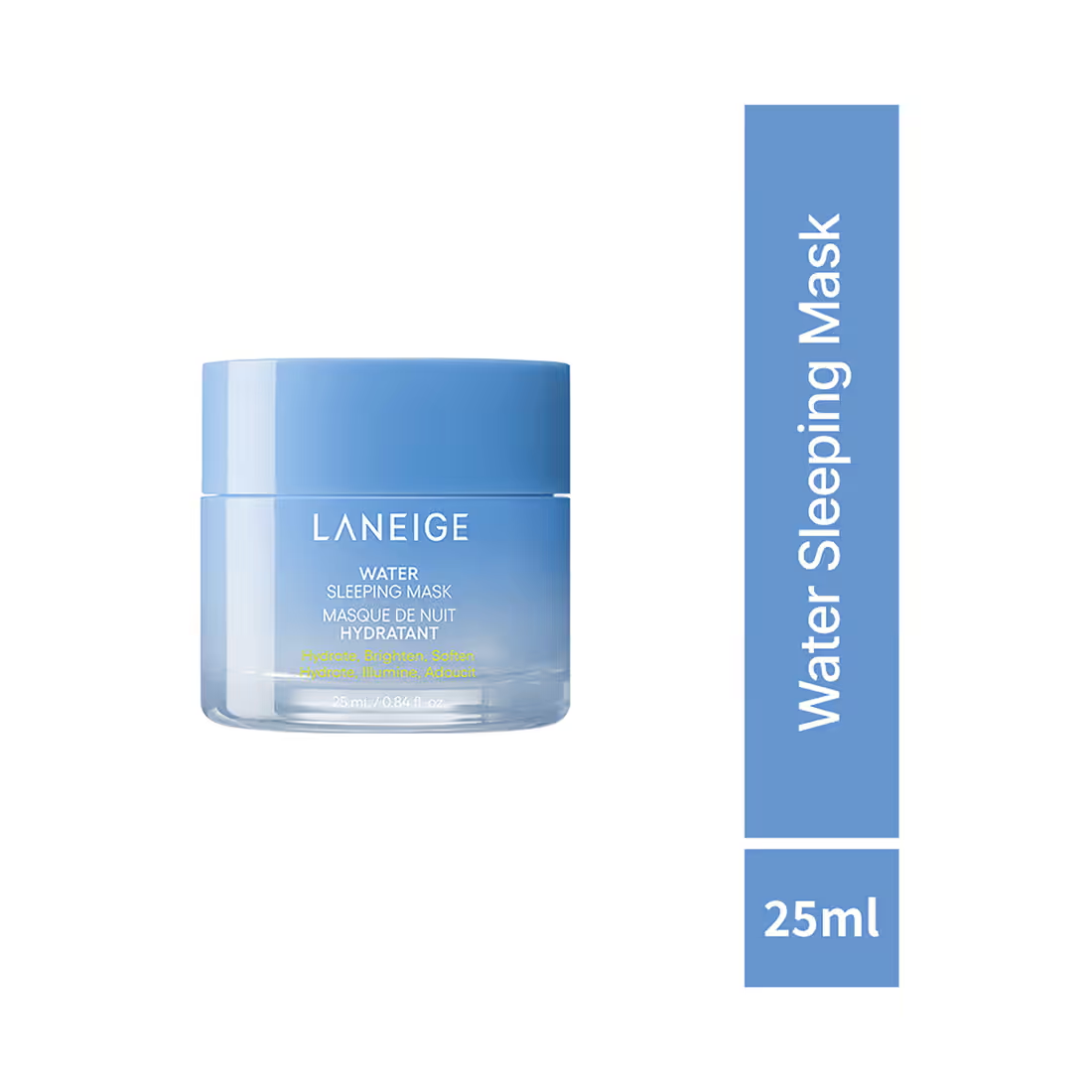
The OG. This is the sleeping mask that started the obsession for a lot of people, and it still earns its place on the shelf years later. It features ceramides, peptides and hydro ionized mineral water, all in a gel-cream that sinks in fast and leaves zero evidence on the pillow. It deeply replenishes moisture and rebuilds the skin barrier. By morning, your skin is noticeably softer, plumper and brighter.
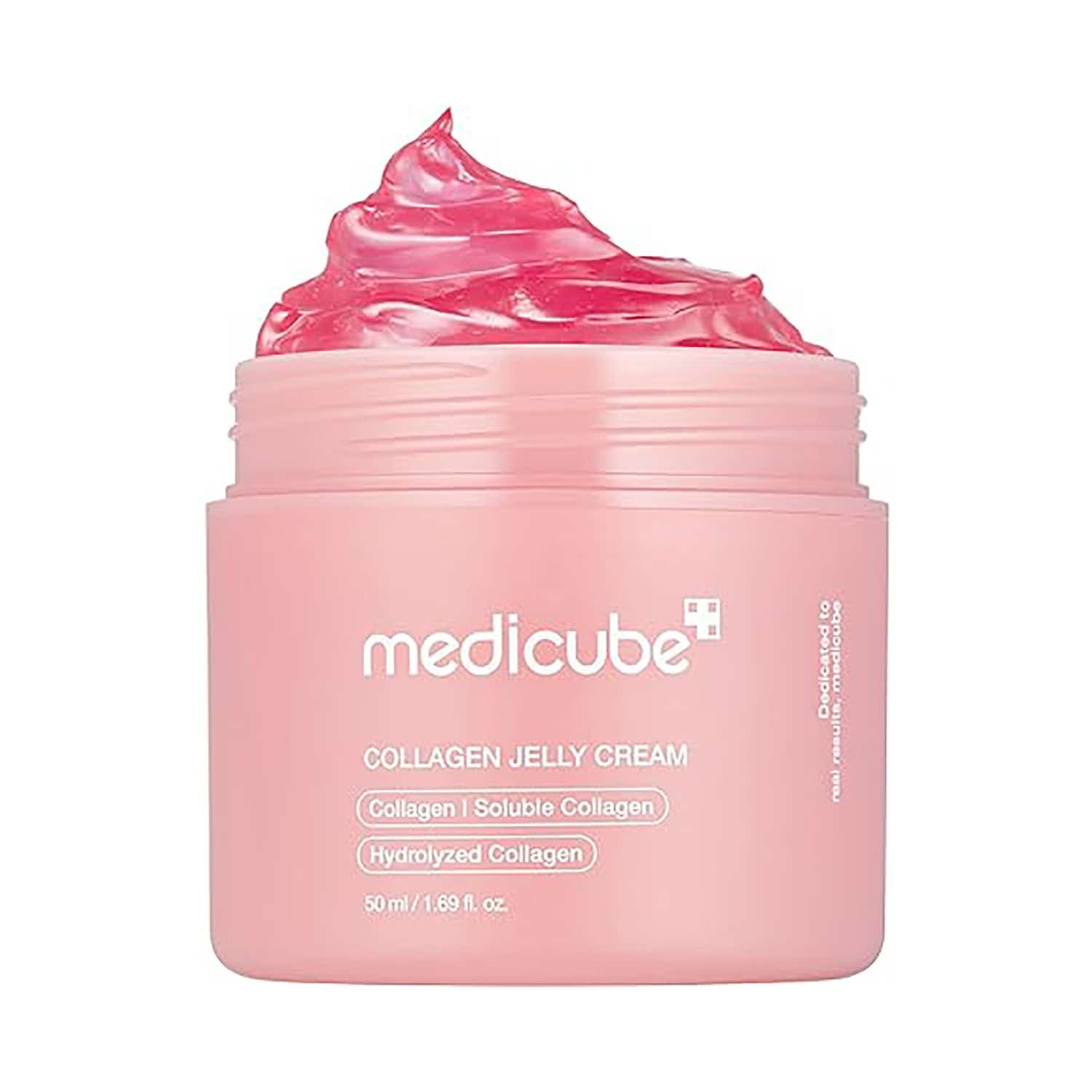
The jelly texture is the first thing that distinguishes this from a standard gel moisturiser—it’s bouncy, almost tactile and applies in a way that feels different from anything else in this category. The formula combines hydrolysed collagen for firmness, niacinamide for radiance and squalane for moisture retention—a combination that addresses hydration and elasticity in one step. It absorbs quickly despite the richness of the formula, leaving a dewy, glass-skin finish that doesn’t tip into greasiness even in humidity. For skin that wants its moisturiser to do more than just hydrate, this is the one that earns its place year-round and not just in monsoon.
When COSRX launched its now-iconic snail mucin essence, the internet had a collective moment—and for good reason. First, there’s the headline ingredient: 98% snail secretion filtrate (yes, really). Then, there’s the slime-like texture that makes applying it strangely satisfying. But what really caught people off guard wasn’t the snail factor—it was how nourishing it turned out to be. Packed with skin-forward hyaluronic acid, it sinks in fast, leaving skin feeling plump, bouncy and deeply hydrated. Bonus: it’s lightweight enough for summer days and delivers that dewy, glass-skin glow without feeling sticky.
This one’s a no-brainer. This viral Cosrx essence is a staple in so many routines for a reason—it hydrates, repairs and gives your skin a soft, dewy feel. The lightweight formulation is also known to improve skin texture, reduce the appearance of fine lines and soothe irritation. Besides, it helps enhance skin elasticity, making it a go-to for anyone dealing with dry, damaged or acne-scarred skin. Whether you're looking to smooth out rough patches or boost overall skin health, this is a product you'll want to keep on hand in multiples.
Whether you are looking for moisture retention, plumping or nourishment, this widely loved essence can do it all—and it doesn’t choose to stop there, either. By dialling up exfoliation and cell turnover, the snail mucin in this multipurpose essence helps get the upper hand on hyperpigmentation, as well.
Any search for a truly hydrating essence will eventually lead you to COSRX, and it’s easy to see why this one has a cult following. The star ingredient here is 96% snail secretion filtrate—a powerhouse known for helping the skin bounce back from dryness and dullness. It works on multiple fronts, improving elasticity, calming irritation and leaving your complexion feeling soft and comfortably plump. The texture is silky and slightly viscous, gliding over the skin and absorbing without stickiness. With consistent use, it helps your skin look smoother, more even-toned and deeply nourished.
Skincare ingredients that hydrate generally fall into three buckets: humectants, which pull water into the skin (think hyaluronic acid or glycerin), emollients, which soften and smoothen by filling in gaps between skin cells, and occlusives, which sit on top and form a hydrophobic film. That film is semi-permeable, so skin can still breathe, but it blocks water vapour from escaping. It works best when applied over damp skin rather than bare, dry skin, since it’s sealing in whatever moisture is already there instead of creating new hydration on its own.
Petrolatum sits at the heaviest end of the occlusive spectrum, which is precisely why it’s so effective in dry climates and so easy to overdo in humid ones. Lighter occlusives like squalane or plant waxes offer a gentler version of the same seal, without going full airtight.
Here’s the catch nobody mentions in the tutorials. Slugging was built for dry air, where skin is actively losing moisture and needs help holding onto it. Indian summers don’t have that problem. The air is already thick with moisture, which means skin is losing far less water to begin with. Add a heavy occlusive layer on top of that, and you’re not sealing in hydration so much as sealing in sweat, sebum and heat that have nowhere to go.
That trapped combination is exactly what can tip oily or acne-prone skin into congestion, sometimes called occlusion acne. Petroleum jelly itself doesn’t clog pores, but it can trap what’s already sitting on your skin—sweat, oil, bacteria—against the surface for hours.
If you deal with active breakouts, fungal acne or naturally high oil production, full slugging in peak summer probably isn’t your moment—dermatologists tend to recommend a patch test or a chat with one before you try it. The same goes for anyone slugging over an unwashed face or a routine loaded with actives like retinoids or exfoliating acids, since trapping those under an occlusive can intensify irritation rather than calm it.
None of this means occlusion is off the table. You just need to be smarter about how you do it.
Skincare ingredients that hydrate generally fall into three buckets: humectants, which pull water into the skin (think hyaluronic acid or glycerin), emollients, which soften and smoothen by filling in gaps between skin cells, and occlusives, which sit on top and form a hydrophobic film. That film is semi-permeable, so skin can still breathe, but it blocks water vapour from escaping. It works best when applied over damp skin rather than bare, dry skin, since it’s sealing in whatever moisture is already there instead of creating new hydration on its own.
Petrolatum sits at the heaviest end of the occlusive spectrum, which is precisely why it’s so effective in dry climates and so easy to overdo in humid ones. Lighter occlusives like squalane or plant waxes offer a gentler version of the same seal, without going full airtight.
Here’s the catch nobody mentions in the tutorials. Slugging was built for dry air, where skin is actively losing moisture and needs help holding onto it. Indian summers don’t have that problem. The air is already thick with moisture, which means skin is losing far less water to begin with. Add a heavy occlusive layer on top of that, and you’re not sealing in hydration so much as sealing in sweat, sebum and heat that have nowhere to go.
That trapped combination is exactly what can tip oily or acne-prone skin into congestion, sometimes called occlusion acne. Petroleum jelly itself doesn’t clog pores, but it can trap what’s already sitting on your skin—sweat, oil, bacteria—against the surface for hours.
If you deal with active breakouts, fungal acne or naturally high oil production, full slugging in peak summer probably isn’t your moment—dermatologists tend to recommend a patch test or a chat with one before you try it. The same goes for anyone slugging over an unwashed face or a routine loaded with actives like retinoids or exfoliating acids, since trapping those under an occlusive can intensify irritation rather than calm it.
None of this means occlusion is off the table. You just need to be smarter about how you do it.


Skincare ingredients that hydrate generally fall into three buckets: humectants, which pull water into the skin (think hyaluronic acid or glycerin), emollients, which soften and smoothen by filling in gaps between skin cells, and occlusives, which sit on top and form a hydrophobic film. That film is semi-permeable, so skin can still breathe, but it blocks water vapour from escaping. It works best when applied over damp skin rather than bare, dry skin, since it’s sealing in whatever moisture is already there instead of creating new hydration on its own.
Petrolatum sits at the heaviest end of the occlusive spectrum, which is precisely why it’s so effective in dry climates and so easy to overdo in humid ones. Lighter occlusives like squalane or plant waxes offer a gentler version of the same seal, without going full airtight.
Here’s the catch nobody mentions in the tutorials. Slugging was built for dry air, where skin is actively losing moisture and needs help holding onto it. Indian summers don’t have that problem. The air is already thick with moisture, which means skin is losing far less water to begin with. Add a heavy occlusive layer on top of that, and you’re not sealing in hydration so much as sealing in sweat, sebum and heat that have nowhere to go.
That trapped combination is exactly what can tip oily or acne-prone skin into congestion, sometimes called occlusion acne. Petroleum jelly itself doesn’t clog pores, but it can trap what’s already sitting on your skin—sweat, oil, bacteria—against the surface for hours.
If you deal with active breakouts, fungal acne or naturally high oil production, full slugging in peak summer probably isn’t your moment—dermatologists tend to recommend a patch test or a chat with one before you try it. The same goes for anyone slugging over an unwashed face or a routine loaded with actives like retinoids or exfoliating acids, since trapping those under an occlusive can intensify irritation rather than calm it.
None of this means occlusion is off the table. You just need to be smarter about how you do it.