

Beauty Front Benchers
How to choose the right lip colour for your undertone
Read Now


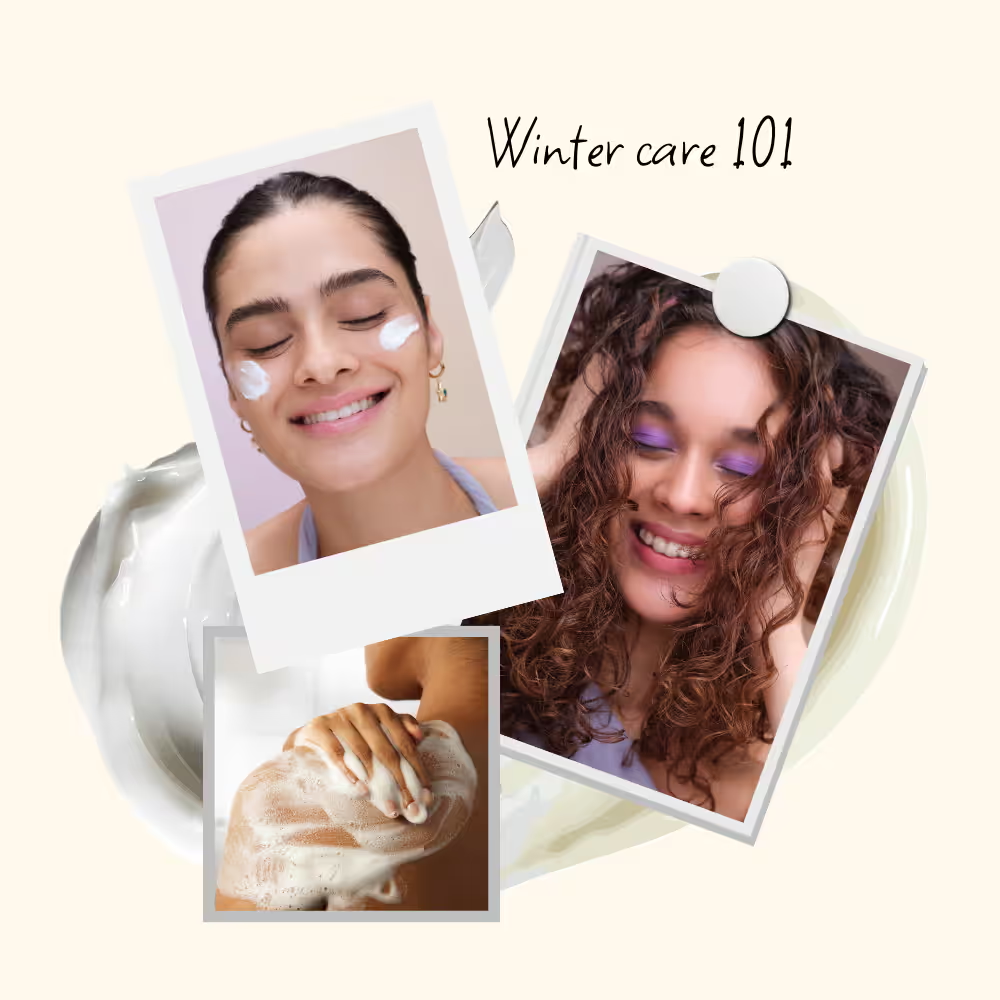

One fine, crisp winter morning, you wake up and notice that your skin feels a little tighter, your hair a little drier. You reach for your moisturiser only to find that your summer favourite doesn’t quite cut it anymore. And just like that, winter has arrived. The season when sun-loving products feel inadequate, your hair develops more static than a wool sweater, and your once-supple skin starts crying for help.
But here’s the tea: winter doesn’t have to frost on your glow. All you need to do is give your beauty routine a seasonal upgrade. Think of it as swapping breezy linens with cosy knits. The combination of cooler temperatures and low humidity weakens your skin barrier, making it dry and more prone to moisture loss. The result is flakiness, dryness, irritation and even cracking. Hence, from switching up your cleanser to adjusting how often you wash your hair, small changes can make a big difference in how your skin, hair and body weather the cold months. Here’s your complete guide to keeping yourself moisturised, no matter how low the mercury drops.
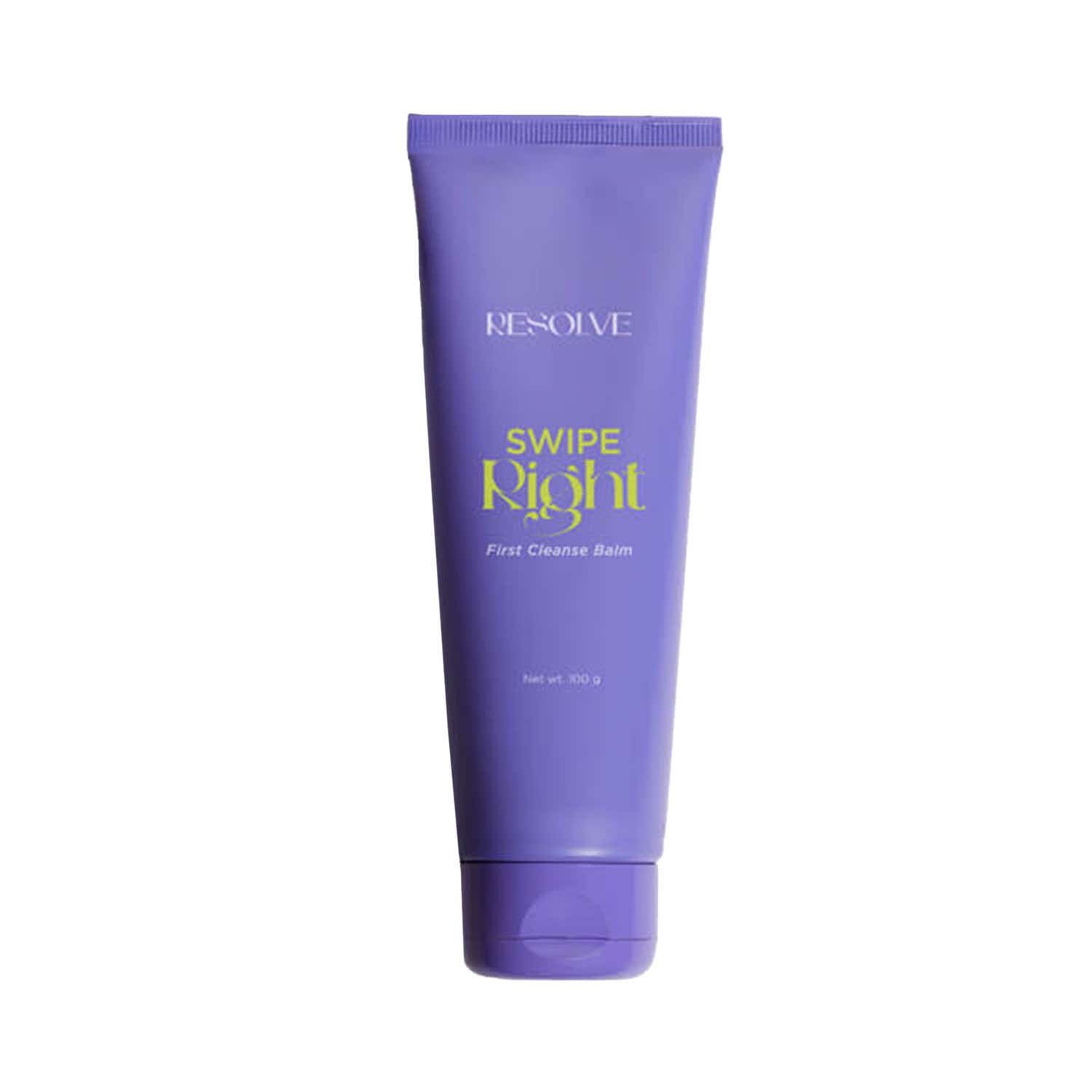
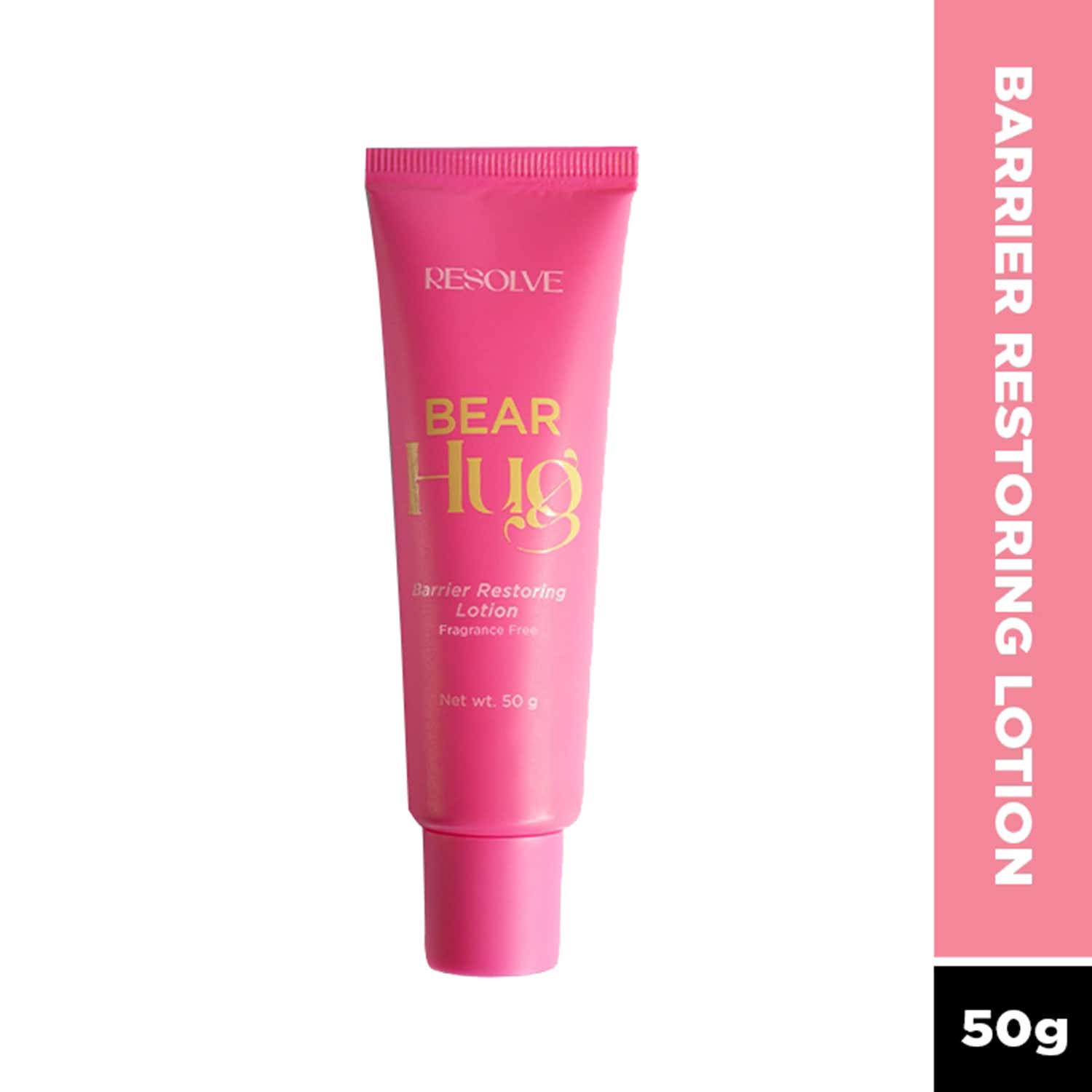


Kickstart your skincare routine with a cleansing balm that effortlessly melts away dirt, sunscreen and makeup, prepping your skin for a deeper second cleanse. Its silky texture massages on smoothly, transforming into an oil that lifts impurities without stripping moisture. Its gentle, soothing ingredients promise to calm stressed skin and help reduce redness with every use. Perfect for oily or acne-prone skin types, the formulation cleans deeply without clogging pores or causing breakouts.
When your skin has crossed over from dry to desperately parched and possibly waging war at this point, this is the holy grail you reach for. It’s an ultra-rich body lotion that doesn’t joke around. Infused with 15% shea butter, natural honey and apricot oil, the lotion nourishes, calms and strengthens your skin barrier. If you’ve ever experienced the tight, itchy feeling that makes you want to crawl out of your skin, this body lotion stops it in its tracks. The brand (iconic before social media) didn’t go viral for no reason.
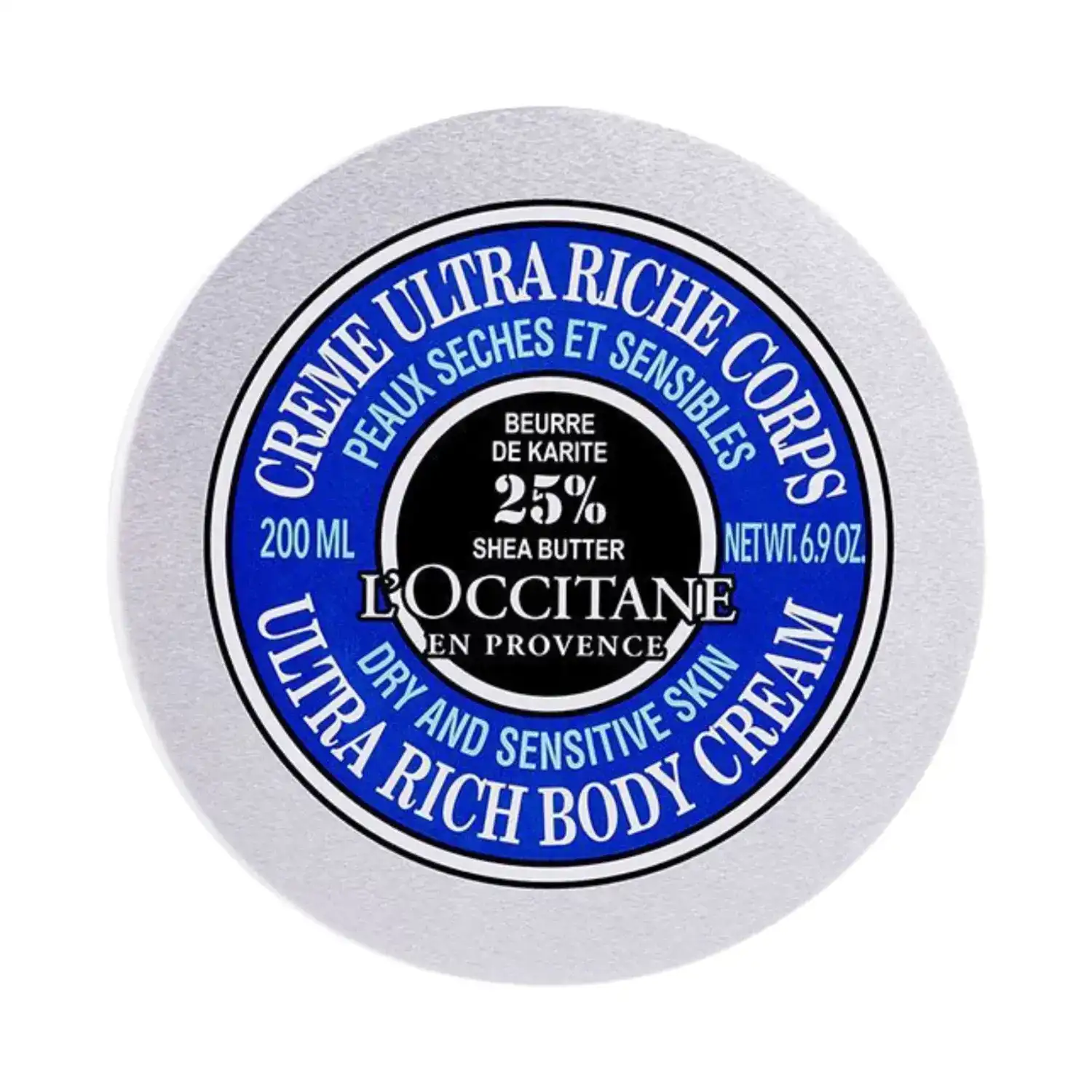
With shea butter at 25% concentration, this is one of the more intensely nourishing formulas in the L'Occitane range. Shea is naturally high in oleic and stearic fatty acids that closely mimic the skin's own lipids, which means it integrates into the barrier rather than just sitting on top of it. It's best suited to skin that feels persistently dry no matter how much it's moisturised — the kind that needs occlusion as much as hydration. It goes on thick but absorbs fully, leaving skin genuinely soft rather than greasy.
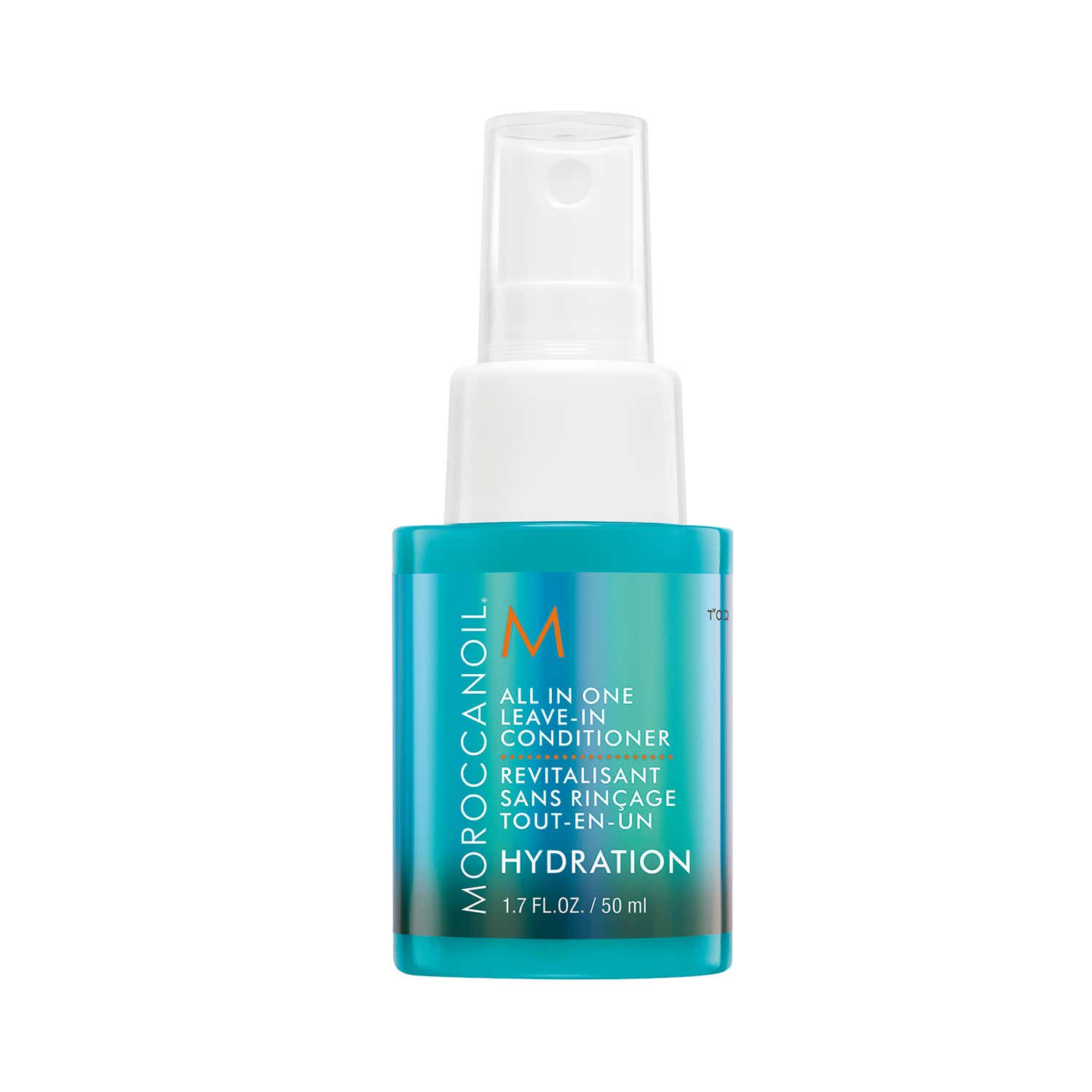
Enriched with argan oil, vitamin A and vitamin E, this hydrating shampoo is one of the best shampoos to include in your summer haircare routine. It has a gentle formula that replenishes dry and dehydrated hair, while protecting it from free radical damage. The formula also contains red algae, which protects your hair cuticles from further dryness.
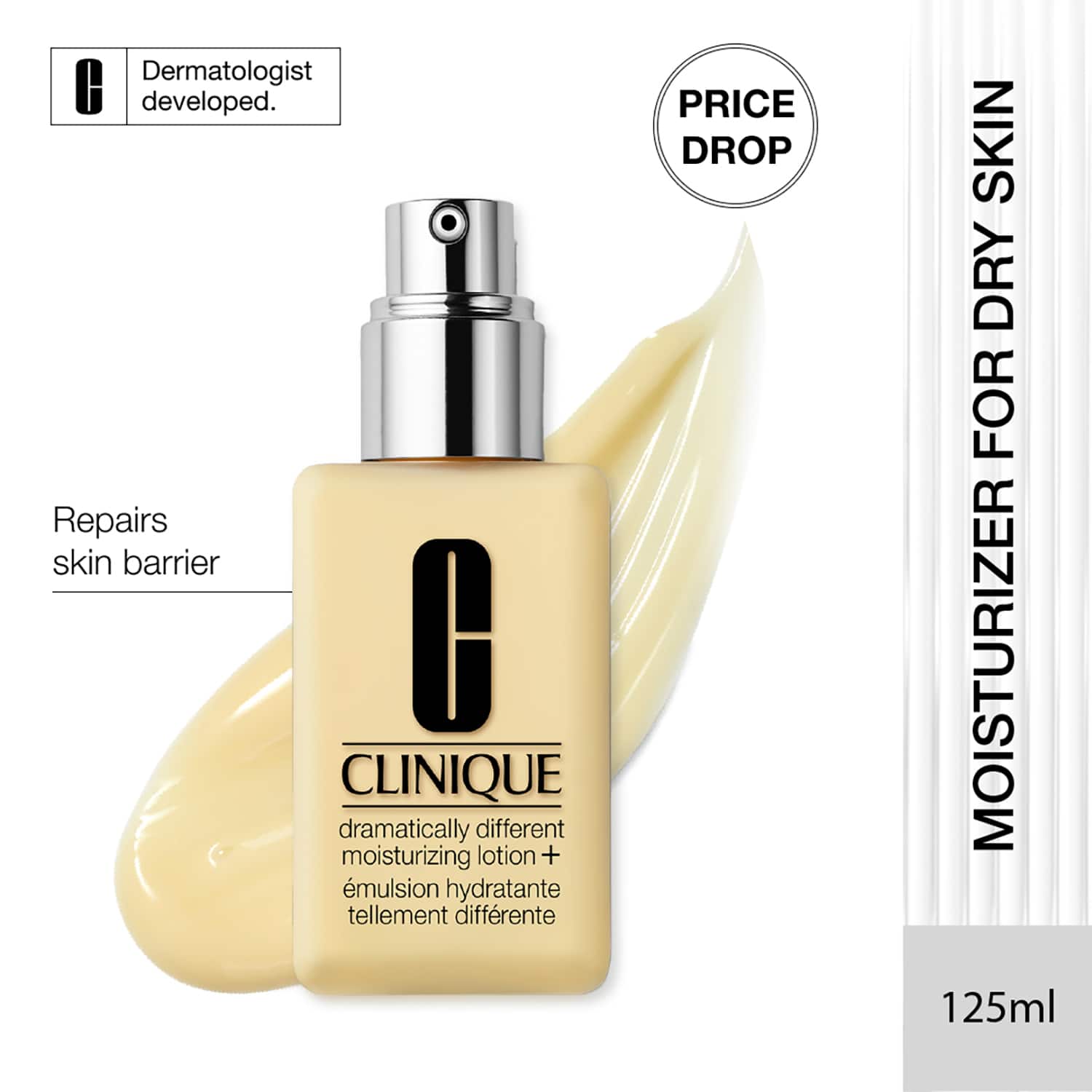
If your skin feels tight after washing, consider switching to a cream or oil-based formula. Look for ingredients like glycerin, ceramides or aloe vera that maintain your skin’s natural moisture barrier.
Winter skincare is all about strategic moisture layering. Look for products with these three essential ingredients:
Humectants (hyaluronic acid, glycerin): They attract and retain water
Emollients (shea butter, natural oils): They soften and smoothen flaky skin
Occlusives (squalane, dimethicone): They create a protective barrier
UV rays can reach your skin even when the sun’s hiding behind the clouds. Apply a broad-spectrum SPF 30 or higher sunscreen daily, especially on exposed areas like face, neck and hands. And don’t forget your body.
Exfoliating ingredients and retinol can leave your skin feeling dry and flaky, especially irritating sensitive and dry skin types. Scale back the use of these powerful actives, dialing it down to perhaps once a week or even twice a month. Your skin needs a gentler approach during colder weather.
Cold temperatures and dry air can wreak havoc on your scalp, making it feel tight, itchy and flaky, while your strands hang dull and lifeless. Indoor heating further compounds the problem by stripping the moisture from your hair.
Frequently washing your hair with strong shampoos can strip it of its natural oils, causing dryness and irritation. Try extending the time between washes. Go for two washes a week, three if your scalp gets too oily. Switch to a sulfate-free, moisturising shampoo that won’t dry out your scalp and hair.
A hot oil massage feels like putting a warm sweater on. Nourishing oils like coconut and olive work wonders in penetrating the hair shaft and keeping it hydrated. Massage your scalp before washing to improve blood circulation, nourish follicles and stimulate hair growth. Leave it on for at least 30 minutes or, if you’re fully committed, then overnight.
Apply a thick, creamy conditioner full of moisturising ingredients like coconut, jojoba or shea butter. Remember the golden rule: mid-lengths to ends. For some extra TLC, rinse and use a leave-in conditioner instead.
While hot water cleanses your hair better by opening follicles, it also strips the natural oils, drying your hair out. Switch to lukewarm water for washing and rinse with cold water to close the hair cuticles. Further, limit heat styling and always use heat protectant if you must style.
Your body bears the brunt of it all—dry, flaky and even a little itchy during winter. From patchy elbows to ashy knees, the skin on your body faces the same moisture-robbing conditions as your face. It’s just a larger surface area to worry about.
Optimise your shower routine: Use warm rather than hot water during your shower to minimise the drying effects. Reach for a hydrating body wash with gentle, non-stripping formulas and, after showering, apply moisturiser while your skin is still damp.
When your skin is dry, outermost skin cells don’t shed easily. They build up and dul your skin, creating flaky patches. Gently exfoliating once a week with a dry brush or a mild body scrub. These can allow moisture to penetrate more effectively. But go easy, as winter skin can be sensitive.
If shaving is part of your self-care ritual, upgrade to a nourishing shave butter and after-shave treatment. Winter weather demands a comfortable shave—well, any weather does—but a smoother butter will prevent cuts, razor burns and ingrown hair on already dry skin.
If your skin feels tight after washing, consider switching to a cream or oil-based formula. Look for ingredients like glycerin, ceramides or aloe vera that maintain your skin’s natural moisture barrier.
Winter skincare is all about strategic moisture layering. Look for products with these three essential ingredients:
Humectants (hyaluronic acid, glycerin): They attract and retain water
Emollients (shea butter, natural oils): They soften and smoothen flaky skin
Occlusives (squalane, dimethicone): They create a protective barrier
UV rays can reach your skin even when the sun’s hiding behind the clouds. Apply a broad-spectrum SPF 30 or higher sunscreen daily, especially on exposed areas like face, neck and hands. And don’t forget your body.
Exfoliating ingredients and retinol can leave your skin feeling dry and flaky, especially irritating sensitive and dry skin types. Scale back the use of these powerful actives, dialing it down to perhaps once a week or even twice a month. Your skin needs a gentler approach during colder weather.
Cold temperatures and dry air can wreak havoc on your scalp, making it feel tight, itchy and flaky, while your strands hang dull and lifeless. Indoor heating further compounds the problem by stripping the moisture from your hair.
Frequently washing your hair with strong shampoos can strip it of its natural oils, causing dryness and irritation. Try extending the time between washes. Go for two washes a week, three if your scalp gets too oily. Switch to a sulfate-free, moisturising shampoo that won’t dry out your scalp and hair.
A hot oil massage feels like putting a warm sweater on. Nourishing oils like coconut and olive work wonders in penetrating the hair shaft and keeping it hydrated. Massage your scalp before washing to improve blood circulation, nourish follicles and stimulate hair growth. Leave it on for at least 30 minutes or, if you’re fully committed, then overnight.
Apply a thick, creamy conditioner full of moisturising ingredients like coconut, jojoba or shea butter. Remember the golden rule: mid-lengths to ends. For some extra TLC, rinse and use a leave-in conditioner instead.
While hot water cleanses your hair better by opening follicles, it also strips the natural oils, drying your hair out. Switch to lukewarm water for washing and rinse with cold water to close the hair cuticles. Further, limit heat styling and always use heat protectant if you must style.
Your body bears the brunt of it all—dry, flaky and even a little itchy during winter. From patchy elbows to ashy knees, the skin on your body faces the same moisture-robbing conditions as your face. It’s just a larger surface area to worry about.
Optimise your shower routine: Use warm rather than hot water during your shower to minimise the drying effects. Reach for a hydrating body wash with gentle, non-stripping formulas and, after showering, apply moisturiser while your skin is still damp.
When your skin is dry, outermost skin cells don’t shed easily. They build up and dul your skin, creating flaky patches. Gently exfoliating once a week with a dry brush or a mild body scrub. These can allow moisture to penetrate more effectively. But go easy, as winter skin can be sensitive.
If shaving is part of your self-care ritual, upgrade to a nourishing shave butter and after-shave treatment. Winter weather demands a comfortable shave—well, any weather does—but a smoother butter will prevent cuts, razor burns and ingrown hair on already dry skin.


If your skin feels tight after washing, consider switching to a cream or oil-based formula. Look for ingredients like glycerin, ceramides or aloe vera that maintain your skin’s natural moisture barrier.
Winter skincare is all about strategic moisture layering. Look for products with these three essential ingredients:
Humectants (hyaluronic acid, glycerin): They attract and retain water
Emollients (shea butter, natural oils): They soften and smoothen flaky skin
Occlusives (squalane, dimethicone): They create a protective barrier
UV rays can reach your skin even when the sun’s hiding behind the clouds. Apply a broad-spectrum SPF 30 or higher sunscreen daily, especially on exposed areas like face, neck and hands. And don’t forget your body.
Exfoliating ingredients and retinol can leave your skin feeling dry and flaky, especially irritating sensitive and dry skin types. Scale back the use of these powerful actives, dialing it down to perhaps once a week or even twice a month. Your skin needs a gentler approach during colder weather.
Cold temperatures and dry air can wreak havoc on your scalp, making it feel tight, itchy and flaky, while your strands hang dull and lifeless. Indoor heating further compounds the problem by stripping the moisture from your hair.
Frequently washing your hair with strong shampoos can strip it of its natural oils, causing dryness and irritation. Try extending the time between washes. Go for two washes a week, three if your scalp gets too oily. Switch to a sulfate-free, moisturising shampoo that won’t dry out your scalp and hair.
A hot oil massage feels like putting a warm sweater on. Nourishing oils like coconut and olive work wonders in penetrating the hair shaft and keeping it hydrated. Massage your scalp before washing to improve blood circulation, nourish follicles and stimulate hair growth. Leave it on for at least 30 minutes or, if you’re fully committed, then overnight.
Apply a thick, creamy conditioner full of moisturising ingredients like coconut, jojoba or shea butter. Remember the golden rule: mid-lengths to ends. For some extra TLC, rinse and use a leave-in conditioner instead.
While hot water cleanses your hair better by opening follicles, it also strips the natural oils, drying your hair out. Switch to lukewarm water for washing and rinse with cold water to close the hair cuticles. Further, limit heat styling and always use heat protectant if you must style.
Your body bears the brunt of it all—dry, flaky and even a little itchy during winter. From patchy elbows to ashy knees, the skin on your body faces the same moisture-robbing conditions as your face. It’s just a larger surface area to worry about.
Optimise your shower routine: Use warm rather than hot water during your shower to minimise the drying effects. Reach for a hydrating body wash with gentle, non-stripping formulas and, after showering, apply moisturiser while your skin is still damp.
When your skin is dry, outermost skin cells don’t shed easily. They build up and dul your skin, creating flaky patches. Gently exfoliating once a week with a dry brush or a mild body scrub. These can allow moisture to penetrate more effectively. But go easy, as winter skin can be sensitive.
If shaving is part of your self-care ritual, upgrade to a nourishing shave butter and after-shave treatment. Winter weather demands a comfortable shave—well, any weather does—but a smoother butter will prevent cuts, razor burns and ingrown hair on already dry skin.