


Beauty Front Benchers
How to make your blush last all day (and well into the night)
Read Now


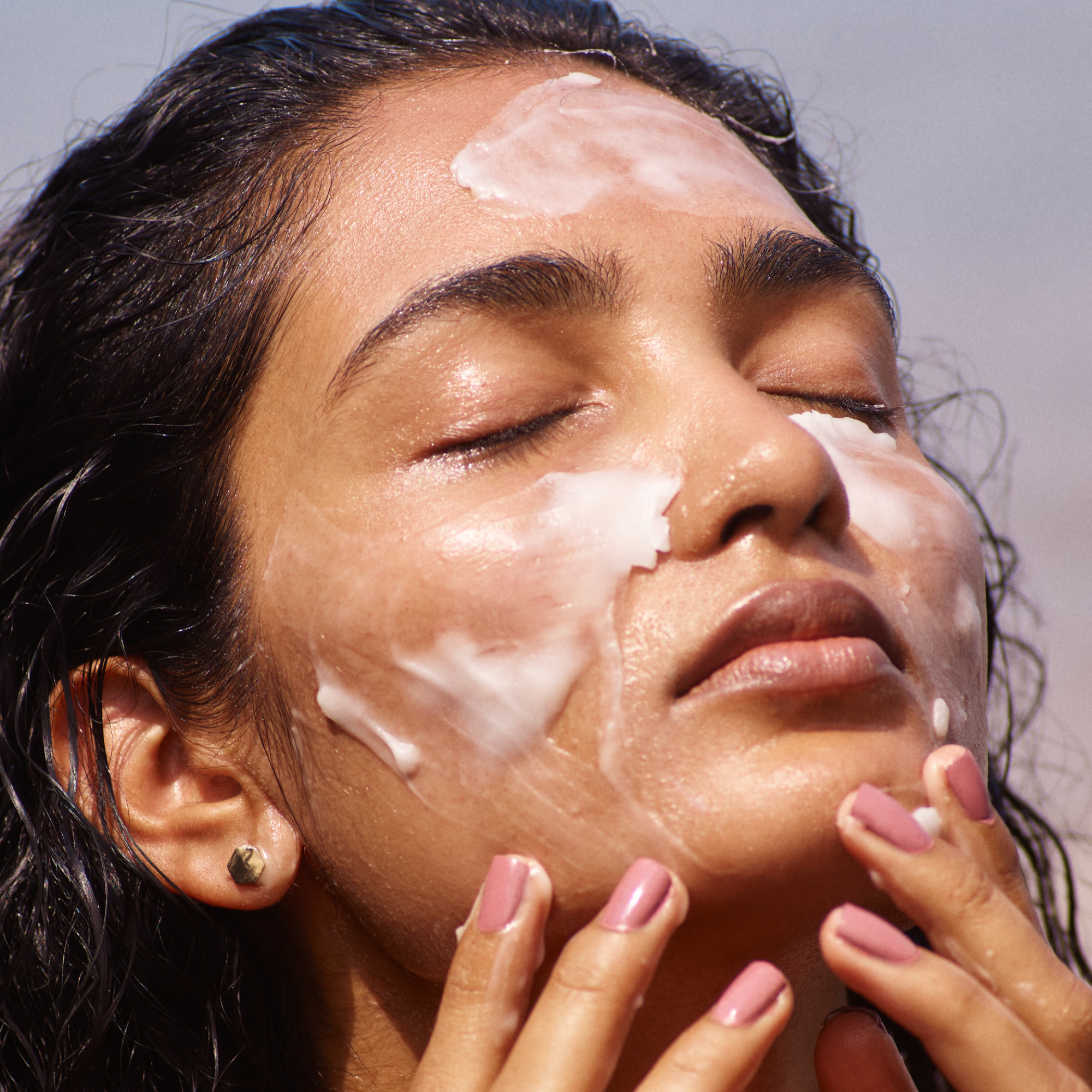

Pollution is an unavoidable part of everyday life today and your skin is exposed to it constantly. Throughout the day, airborne particles from vehicle emissions, smoke, dust and industrial pollutants settle on the skin’s surface, even if you can’t see them.
Over time, this exposure can start to affect how your skin looks and feels. Dullness, unexpected breakouts, increased sensitivity and even premature ageing are all linked to the way pollutants interact with the skin barrier. The changes don’t happen overnight, which is why pollution’s impact on skin is often underestimated.
The good news is that protecting your skin from pollution doesn’t have to be complicated. A few targeted ingredients, small tweaks to your routine and a little more intention can make a noticeable difference. Think of this as your guide to helping your skin deal with pollution a little better.

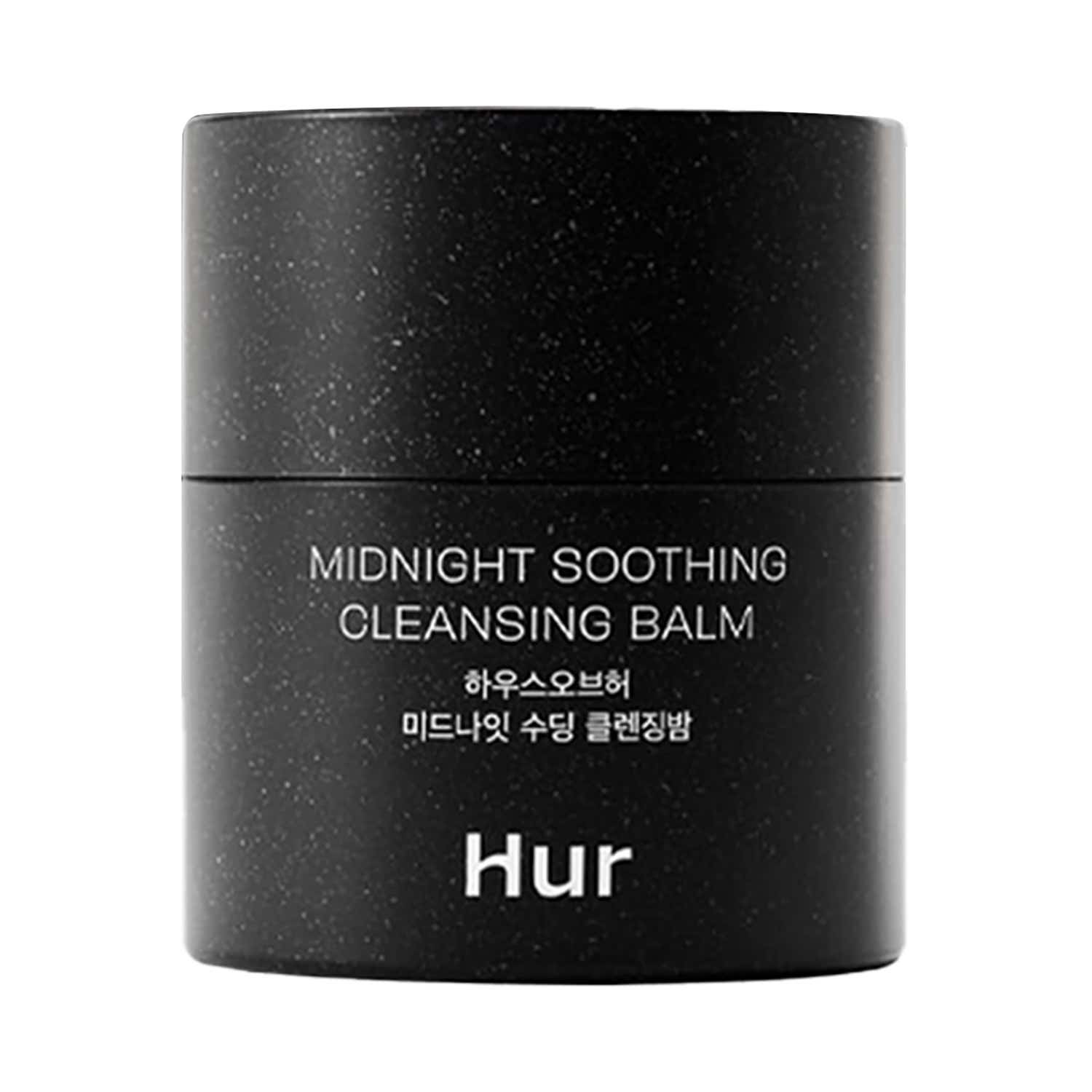
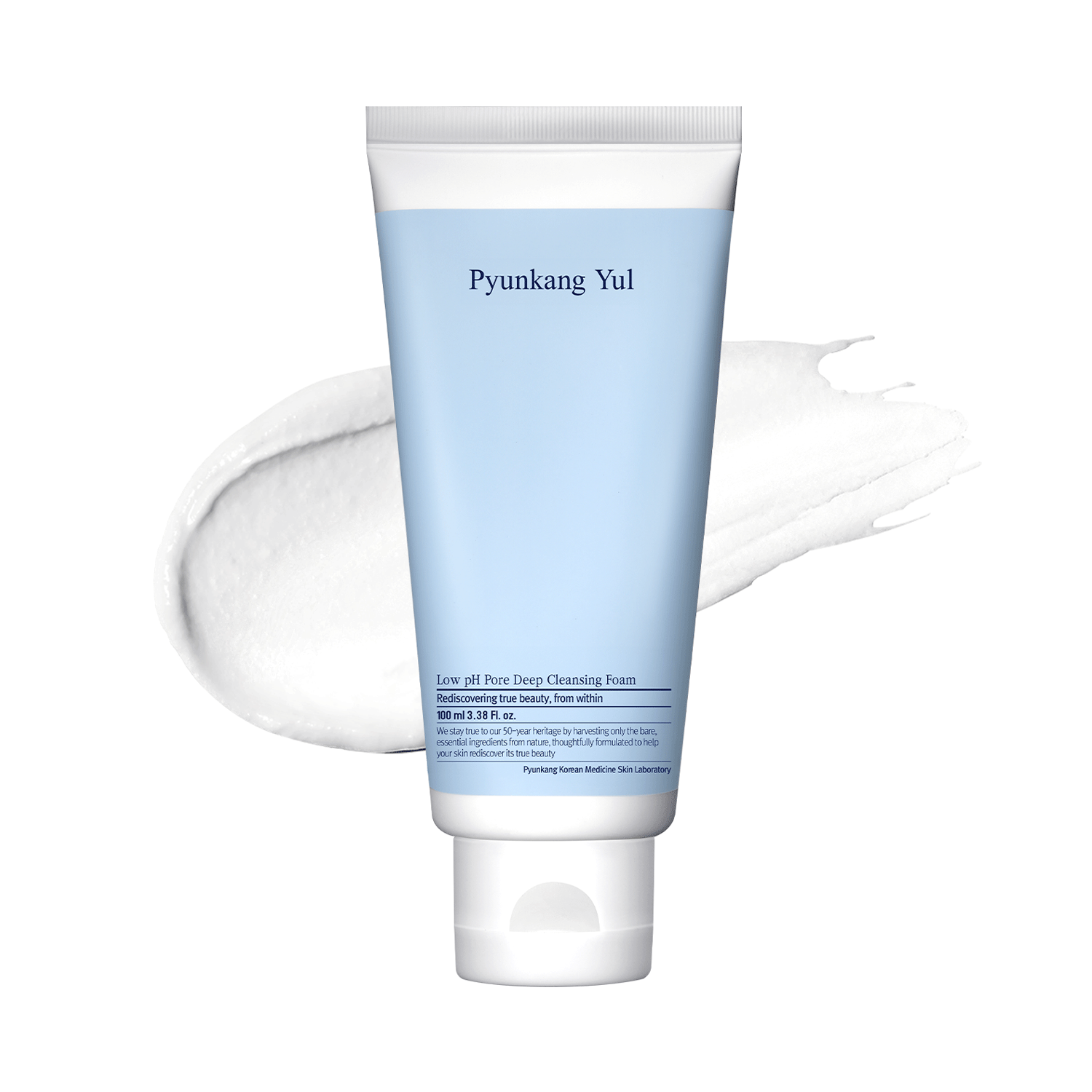

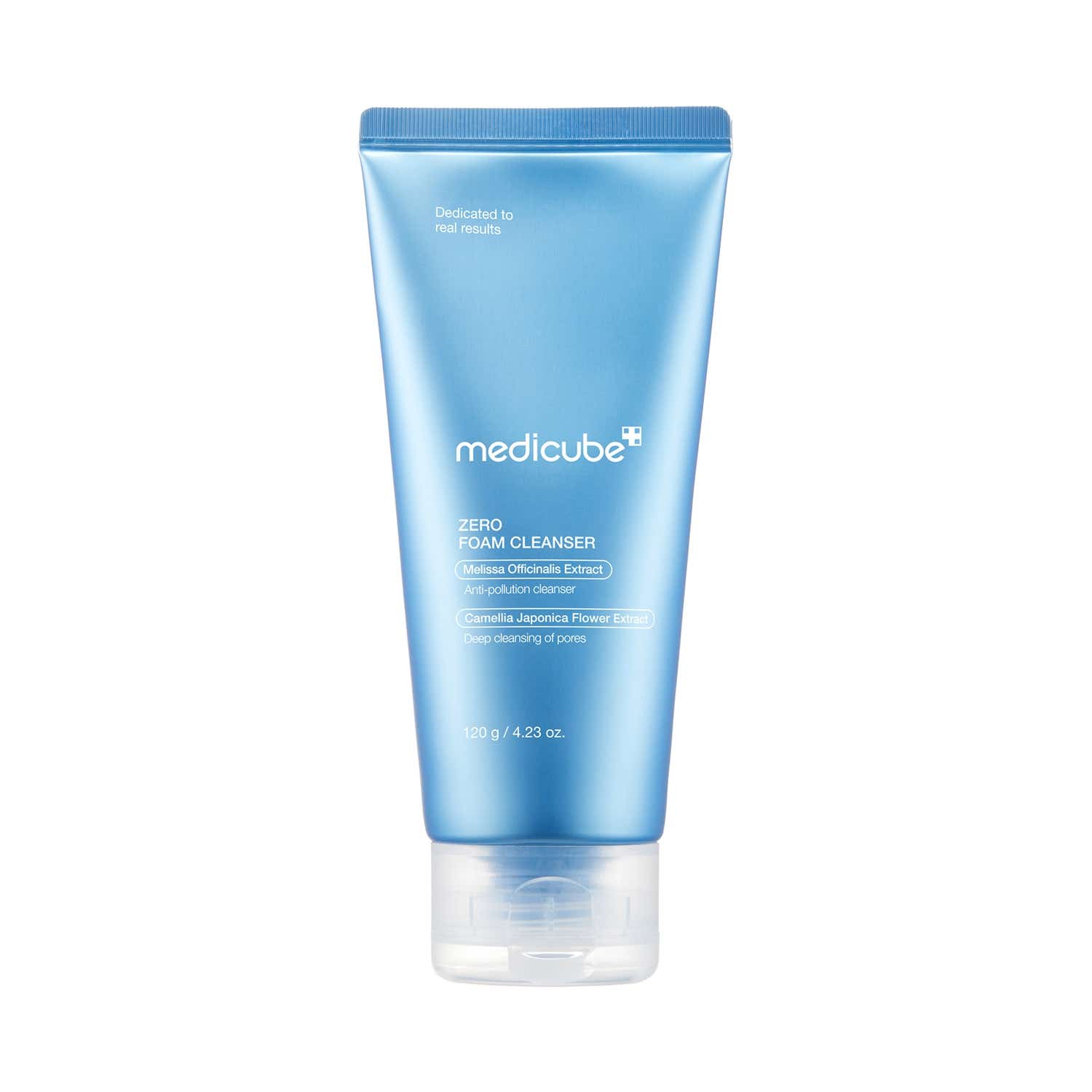
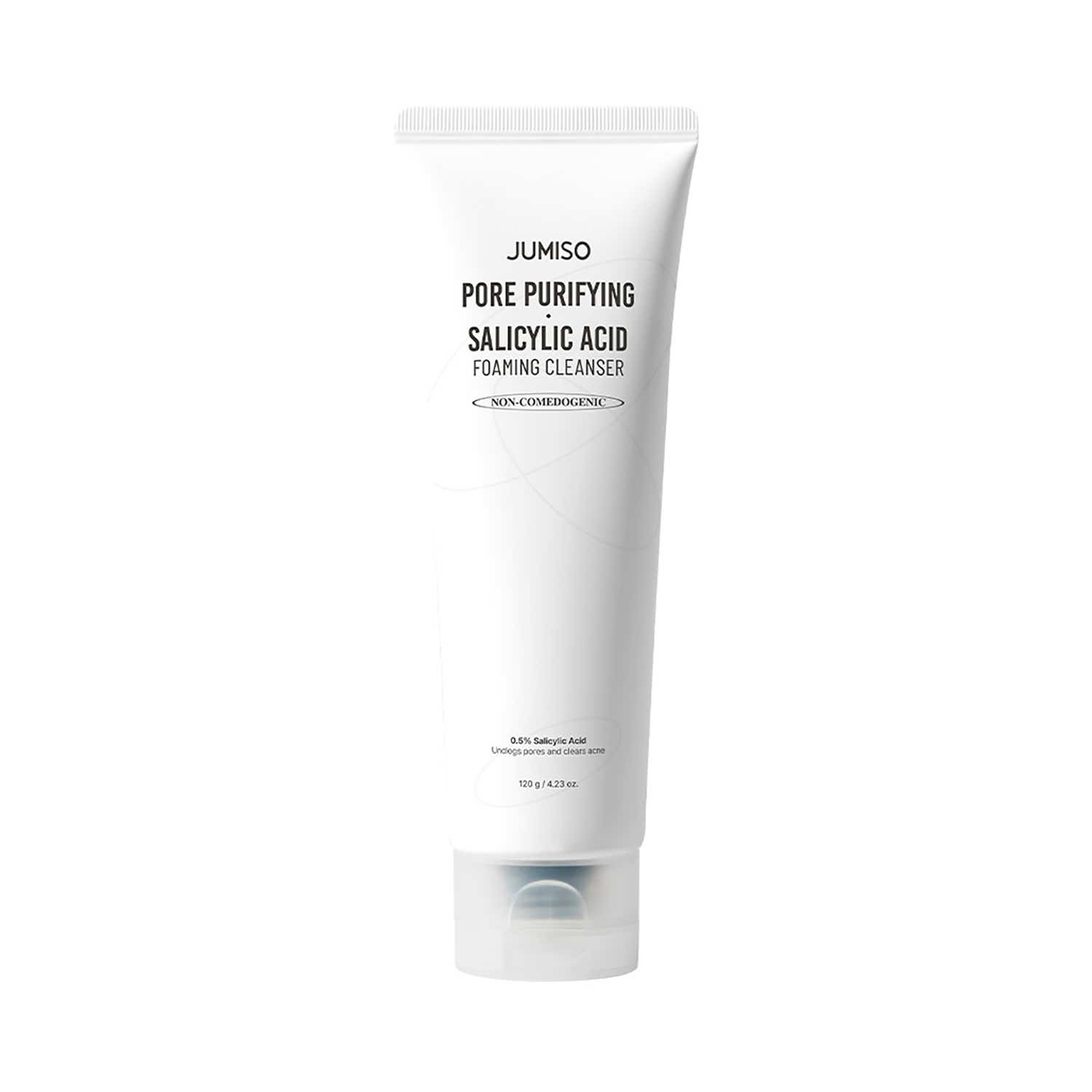
This is your official cue to clear a little space on your bathroom shelf—the House of HUR cleansing balm is about to replace your current fave. The brand has finally landed on Tira and their bestseller, the Midnight Soothing Cleansing Balm, is already a hit for all the right reasons. The texture offers a full experience: it starts as a cream, melts into an oil and transforms into a milky emulsion that sweeps away impurities, excess sebum and even the most stubborn waterproof makeup. Basically, it’s the cleanser that does it all. Packed with black rice, chia seeds and chestnut shell extract, it doesn’t just clean—it comforts. Think hydration, calmness and zero tightness post-rinse. Use it solo or pair it with your favourite foam cleanser for a perfectly balanced double cleanse.
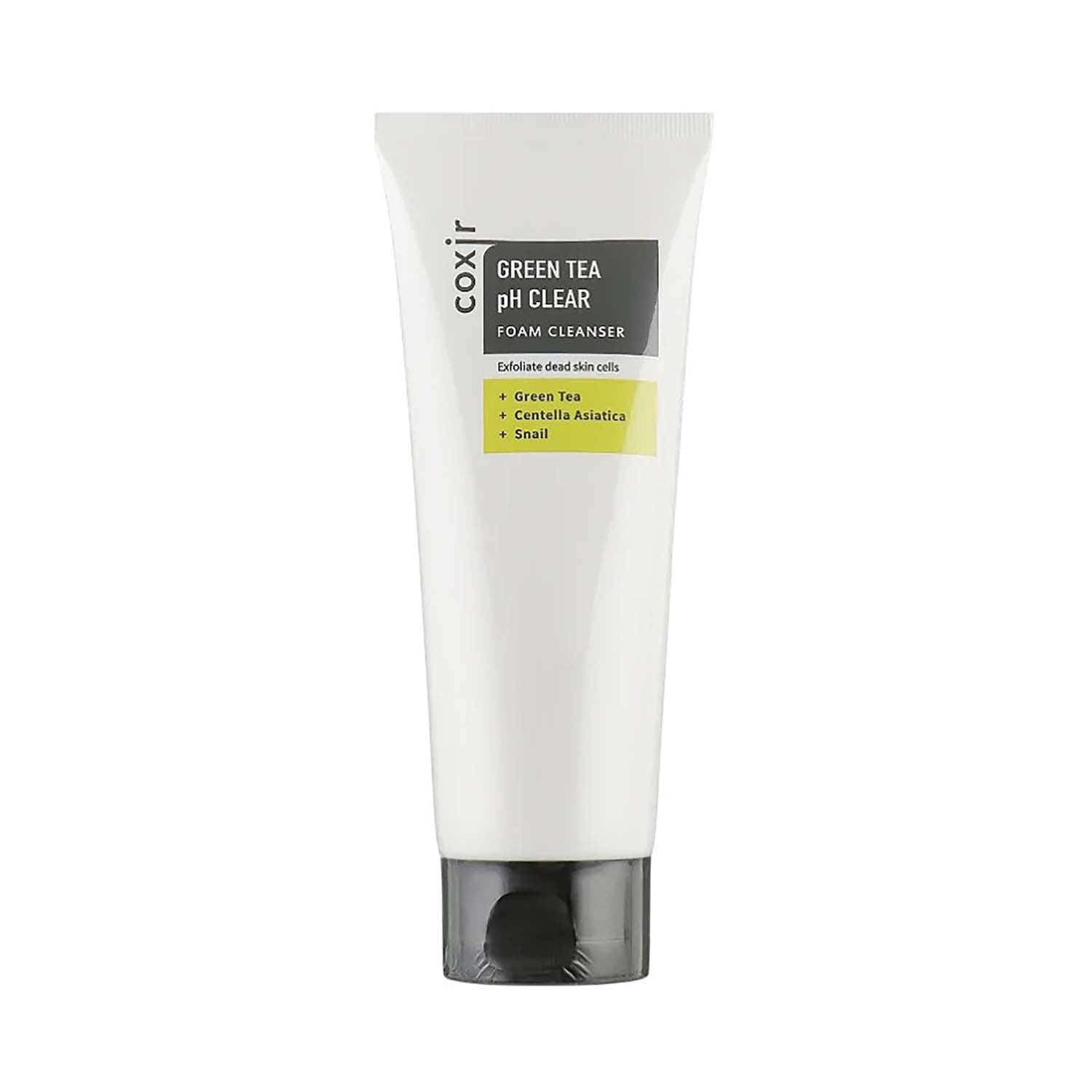
This foam cleanser is a great option if you want your skin to feel truly clean but never stripped. COXIR’s Green Tea pH Clear Foam Cleanser gently lifts away daily buildup, excess oil and leftover makeup while keeping your skin feeling comfortable. With green tea and calming botanicals, it leaves your face feeling refreshed and balanced, not tight or dry. It’s especially satisfying at the end of a long day when your skin needs a reset.
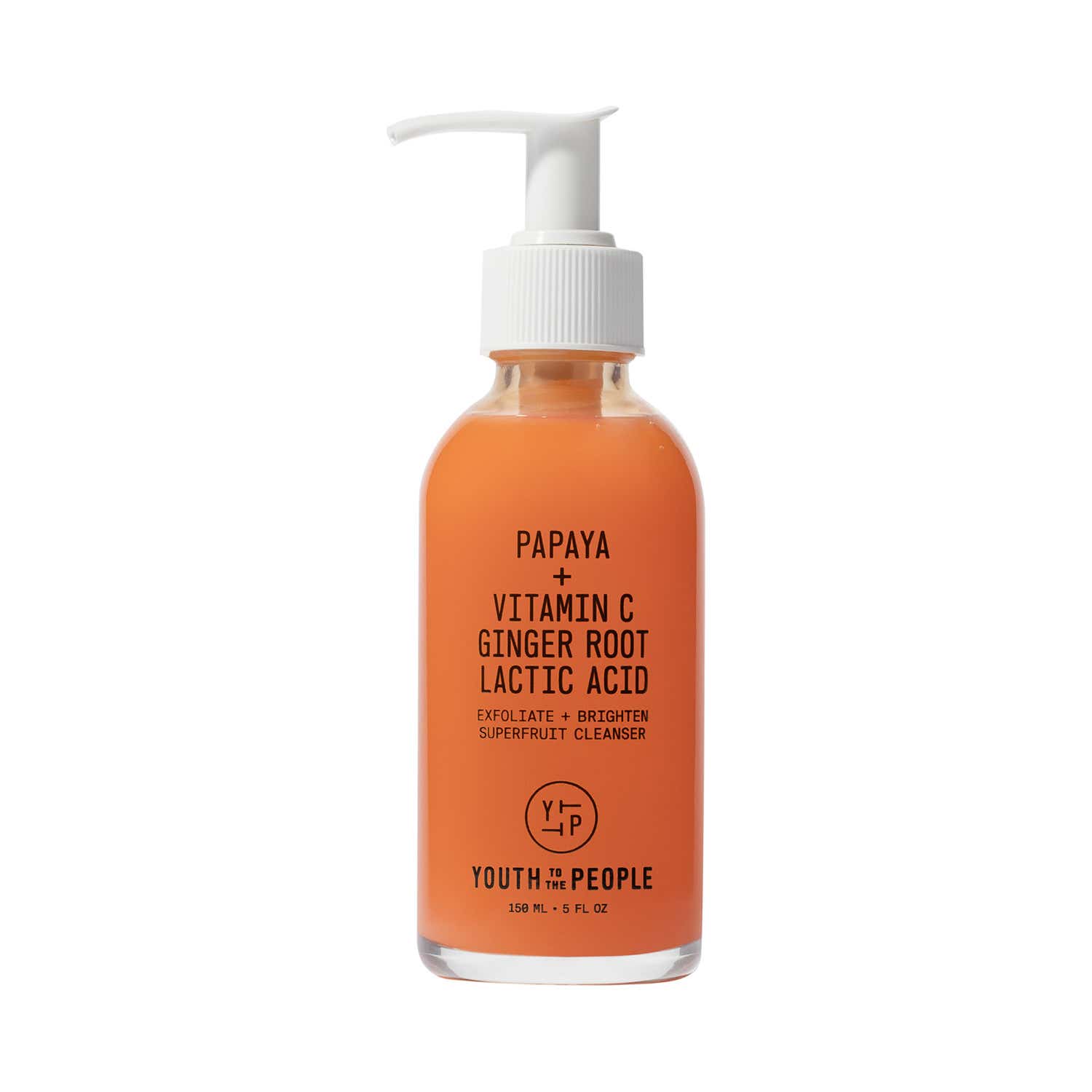
Youth To The People has always been ahead of the curve with their superfood-powered formulas and their newest launch puts papaya in the spotlight—this time, as a double-duty gel cleanser. It cleanses and exfoliates, sweeping away impurities for brighter, smoother skin. Powered by an AHA + BHA complex, it gently refines the skin, minimises the look of pores and supports natural cell turnover without leaving your skin feeling stripped. But the formula goes beyond the complex. The superfood blend—papaya, vitamin C and ginger root—adds antioxidant strength, helping defend your skin from daily environmental stressors while boosting overall radiance. The result? Clean, refreshed skin that feels balanced in minutes.
Before looking at solutions, it helps to understand how pollution interacts with the skin in the first place. The damage doesn’t happen in just one way. Instead, pollution affects the skin through a few different mechanisms and recognising them can make it easier to understand why certain ingredients and habits matter.
One of the main ways pollution damages the skin is through oxidative stress. Pollutant particles trigger the formation of free radicals—unstable molecules that damage skin cells, break down collagen and accelerate the visible signs of ageing. Over time, this can lead to fine lines, loss of firmness and skin that looks more tired than it should.
UV radiation also generates free radicals, which is why the combination of sun exposure and pollution can be particularly harmful for the skin.
Pollution isn’t just something that sits on the surface of the skin. Ultrafine particles found in smog and exhaust fumes are small enough to settle into pores. Once there, they mix with natural oils, sweat and dead skin cells, creating the perfect conditions for congestion.
This can show up as blackheads, rough texture and breakouts that seem to appear despite an otherwise consistent routine. If your skin has been looking dull or feeling congested lately, pollution could be playing a role.
Over time, pollution can weaken the skin barrier—the protective layer that keeps moisture in and irritants out. When this barrier becomes compromised, the skin is more likely to react to environmental triggers.
That often translates to redness, irritation and increased sensitivity. For people with conditions like eczema, rosacea or acne, high-pollution environments can make flare-ups more frequent because the skin has less protection against external irritants.
Free radical damage doesn’t just affect collagen. It can also interfere with the way the skin produces melanin, which may lead to hyperpigmentation and uneven tone over time.
That persistent dullness or slightly grey, tired-looking complexion that doesn’t seem to improve with sleep alone can often be linked, at least in part, to ongoing pollution exposure.
When it comes to protecting your skin from pollution, the ingredient list matters more than the number of products in your routine. Certain ingredients are particularly effective at defending the skin from environmental stress and supporting its ability to recover.
Vitamin C is one of the most well-studied antioxidants in skincare. It helps neutralise free radicals, supports collagen production and brightens dull-looking skin. Using a Vitamin C serum in the morning—before moisturiser and SPF—allows it to work throughout the day when pollution exposure is highest.
Niacinamide is one of the most versatile ingredients in skincare. It helps calm inflammation, strengthen the skin barrier and regulate oil production. In polluted environments, this combination of benefits can help reduce congestion while making the skin more resilient overall.
Vitamin E works particularly well alongside Vitamin C. Together, they help protect skin cells from oxidative damage and support overall skin repair. Many well-formulated antioxidant products combine the two ingredients for this reason.
Hyaluronic acid isn’t an antioxidant, but hydration plays a crucial role in maintaining a healthy skin barrier. Well-hydrated skin is better able to defend itself against environmental stressors and retain moisture throughout the day.
Peptides help support collagen production and encourage the skin’s natural repair processes. While they work gradually, they can help counteract some of the long-term effects pollution has on skin structure and firmness.
Both zinc and ceramides are known for strengthening the skin barrier. Ceramides help rebuild and maintain the skin’s protective layer, while zinc can calm inflammation and support overall skin health. Together, they help limit how much environmental stress your skin absorbs.
Choosing the right ingredients is important, but how you use them within your routine matters just as much. A few small adjustments can make a noticeable difference in how well your skin handles daily pollution exposure.
One of the most effective ways to protect your skin from pollution is simply making sure it doesn’t stay on your skin overnight. A first cleanse with micellar water, a cleansing balm or a cleansing oil helps dissolve makeup, sunscreen and surface-level pollutants.
Following with a gentle water-based cleanser ensures that any remaining residue is removed from the pores. Going to bed without properly cleansing means those particles remain on the skin for hours, increasing the chances of irritation and oxidative stress.
Think of your morning routine as building a protective layer for the day ahead. Start with an antioxidant serum such as Vitamin C, allow it to absorb and then follow with moisturiser and sunscreen.
Some people also use antioxidant-rich moisturisers or face mists for an extra layer of protection, which can be particularly helpful on days when pollution levels are high.
Sunscreen protects the skin from UV damage, but it also creates a physical layer on the skin that can help reduce the impact of environmental pollutants. A broad-spectrum SPF 30 or higher should be the final step of your morning routine, regardless of the weather.
Many modern formulations combine sunscreen with antioxidants, offering protection against both UV radiation and pollution in one step.
Exfoliation helps remove the buildup of dead skin cells, excess oil and pollutants that accumulate over time. Done regularly, it can improve texture, reduce congestion and restore brightness.
Two to three times a week is usually enough. Chemical exfoliants—such as BHAs for oily or congested skin and AHAs for surface dullness—tend to be more effective and less abrasive than physical scrubs when used correctly.
If you spend a lot of time outdoors or commuting, a hydrating mist containing antioxidants can help refresh the skin and support its protective barrier during the day. It can be applied over sunscreen without disturbing makeup.
Skincare doesn’t work in isolation. The skin’s ability to deal with oxidative stress is also influenced by diet and overall health.
Eating antioxidant-rich foods such as berries, leafy greens, nuts and seeds can help support the body’s natural defence systems. Staying well hydrated also plays a role in maintaining skin health. Some people also choose supplements such as Vitamin C, Vitamin E or astaxanthin to support their antioxidant intake.
Before looking at solutions, it helps to understand how pollution interacts with the skin in the first place. The damage doesn’t happen in just one way. Instead, pollution affects the skin through a few different mechanisms and recognising them can make it easier to understand why certain ingredients and habits matter.
One of the main ways pollution damages the skin is through oxidative stress. Pollutant particles trigger the formation of free radicals—unstable molecules that damage skin cells, break down collagen and accelerate the visible signs of ageing. Over time, this can lead to fine lines, loss of firmness and skin that looks more tired than it should.
UV radiation also generates free radicals, which is why the combination of sun exposure and pollution can be particularly harmful for the skin.
Pollution isn’t just something that sits on the surface of the skin. Ultrafine particles found in smog and exhaust fumes are small enough to settle into pores. Once there, they mix with natural oils, sweat and dead skin cells, creating the perfect conditions for congestion.
This can show up as blackheads, rough texture and breakouts that seem to appear despite an otherwise consistent routine. If your skin has been looking dull or feeling congested lately, pollution could be playing a role.
Over time, pollution can weaken the skin barrier—the protective layer that keeps moisture in and irritants out. When this barrier becomes compromised, the skin is more likely to react to environmental triggers.
That often translates to redness, irritation and increased sensitivity. For people with conditions like eczema, rosacea or acne, high-pollution environments can make flare-ups more frequent because the skin has less protection against external irritants.
Free radical damage doesn’t just affect collagen. It can also interfere with the way the skin produces melanin, which may lead to hyperpigmentation and uneven tone over time.
That persistent dullness or slightly grey, tired-looking complexion that doesn’t seem to improve with sleep alone can often be linked, at least in part, to ongoing pollution exposure.
When it comes to protecting your skin from pollution, the ingredient list matters more than the number of products in your routine. Certain ingredients are particularly effective at defending the skin from environmental stress and supporting its ability to recover.
Vitamin C is one of the most well-studied antioxidants in skincare. It helps neutralise free radicals, supports collagen production and brightens dull-looking skin. Using a Vitamin C serum in the morning—before moisturiser and SPF—allows it to work throughout the day when pollution exposure is highest.
Niacinamide is one of the most versatile ingredients in skincare. It helps calm inflammation, strengthen the skin barrier and regulate oil production. In polluted environments, this combination of benefits can help reduce congestion while making the skin more resilient overall.
Vitamin E works particularly well alongside Vitamin C. Together, they help protect skin cells from oxidative damage and support overall skin repair. Many well-formulated antioxidant products combine the two ingredients for this reason.
Hyaluronic acid isn’t an antioxidant, but hydration plays a crucial role in maintaining a healthy skin barrier. Well-hydrated skin is better able to defend itself against environmental stressors and retain moisture throughout the day.
Peptides help support collagen production and encourage the skin’s natural repair processes. While they work gradually, they can help counteract some of the long-term effects pollution has on skin structure and firmness.
Both zinc and ceramides are known for strengthening the skin barrier. Ceramides help rebuild and maintain the skin’s protective layer, while zinc can calm inflammation and support overall skin health. Together, they help limit how much environmental stress your skin absorbs.
Choosing the right ingredients is important, but how you use them within your routine matters just as much. A few small adjustments can make a noticeable difference in how well your skin handles daily pollution exposure.
One of the most effective ways to protect your skin from pollution is simply making sure it doesn’t stay on your skin overnight. A first cleanse with micellar water, a cleansing balm or a cleansing oil helps dissolve makeup, sunscreen and surface-level pollutants.
Following with a gentle water-based cleanser ensures that any remaining residue is removed from the pores. Going to bed without properly cleansing means those particles remain on the skin for hours, increasing the chances of irritation and oxidative stress.
Think of your morning routine as building a protective layer for the day ahead. Start with an antioxidant serum such as Vitamin C, allow it to absorb and then follow with moisturiser and sunscreen.
Some people also use antioxidant-rich moisturisers or face mists for an extra layer of protection, which can be particularly helpful on days when pollution levels are high.
Sunscreen protects the skin from UV damage, but it also creates a physical layer on the skin that can help reduce the impact of environmental pollutants. A broad-spectrum SPF 30 or higher should be the final step of your morning routine, regardless of the weather.
Many modern formulations combine sunscreen with antioxidants, offering protection against both UV radiation and pollution in one step.
Exfoliation helps remove the buildup of dead skin cells, excess oil and pollutants that accumulate over time. Done regularly, it can improve texture, reduce congestion and restore brightness.
Two to three times a week is usually enough. Chemical exfoliants—such as BHAs for oily or congested skin and AHAs for surface dullness—tend to be more effective and less abrasive than physical scrubs when used correctly.
If you spend a lot of time outdoors or commuting, a hydrating mist containing antioxidants can help refresh the skin and support its protective barrier during the day. It can be applied over sunscreen without disturbing makeup.
Skincare doesn’t work in isolation. The skin’s ability to deal with oxidative stress is also influenced by diet and overall health.
Eating antioxidant-rich foods such as berries, leafy greens, nuts and seeds can help support the body’s natural defence systems. Staying well hydrated also plays a role in maintaining skin health. Some people also choose supplements such as Vitamin C, Vitamin E or astaxanthin to support their antioxidant intake.
Before looking at solutions, it helps to understand how pollution interacts with the skin in the first place. The damage doesn’t happen in just one way. Instead, pollution affects the skin through a few different mechanisms and recognising them can make it easier to understand why certain ingredients and habits matter.
One of the main ways pollution damages the skin is through oxidative stress. Pollutant particles trigger the formation of free radicals—unstable molecules that damage skin cells, break down collagen and accelerate the visible signs of ageing. Over time, this can lead to fine lines, loss of firmness and skin that looks more tired than it should.
UV radiation also generates free radicals, which is why the combination of sun exposure and pollution can be particularly harmful for the skin.
Pollution isn’t just something that sits on the surface of the skin. Ultrafine particles found in smog and exhaust fumes are small enough to settle into pores. Once there, they mix with natural oils, sweat and dead skin cells, creating the perfect conditions for congestion.
This can show up as blackheads, rough texture and breakouts that seem to appear despite an otherwise consistent routine. If your skin has been looking dull or feeling congested lately, pollution could be playing a role.
Over time, pollution can weaken the skin barrier—the protective layer that keeps moisture in and irritants out. When this barrier becomes compromised, the skin is more likely to react to environmental triggers.
That often translates to redness, irritation and increased sensitivity. For people with conditions like eczema, rosacea or acne, high-pollution environments can make flare-ups more frequent because the skin has less protection against external irritants.
Free radical damage doesn’t just affect collagen. It can also interfere with the way the skin produces melanin, which may lead to hyperpigmentation and uneven tone over time.
That persistent dullness or slightly grey, tired-looking complexion that doesn’t seem to improve with sleep alone can often be linked, at least in part, to ongoing pollution exposure.
When it comes to protecting your skin from pollution, the ingredient list matters more than the number of products in your routine. Certain ingredients are particularly effective at defending the skin from environmental stress and supporting its ability to recover.
Vitamin C is one of the most well-studied antioxidants in skincare. It helps neutralise free radicals, supports collagen production and brightens dull-looking skin. Using a Vitamin C serum in the morning—before moisturiser and SPF—allows it to work throughout the day when pollution exposure is highest.
Niacinamide is one of the most versatile ingredients in skincare. It helps calm inflammation, strengthen the skin barrier and regulate oil production. In polluted environments, this combination of benefits can help reduce congestion while making the skin more resilient overall.
Vitamin E works particularly well alongside Vitamin C. Together, they help protect skin cells from oxidative damage and support overall skin repair. Many well-formulated antioxidant products combine the two ingredients for this reason.
Hyaluronic acid isn’t an antioxidant, but hydration plays a crucial role in maintaining a healthy skin barrier. Well-hydrated skin is better able to defend itself against environmental stressors and retain moisture throughout the day.
Peptides help support collagen production and encourage the skin’s natural repair processes. While they work gradually, they can help counteract some of the long-term effects pollution has on skin structure and firmness.
Both zinc and ceramides are known for strengthening the skin barrier. Ceramides help rebuild and maintain the skin’s protective layer, while zinc can calm inflammation and support overall skin health. Together, they help limit how much environmental stress your skin absorbs.
Choosing the right ingredients is important, but how you use them within your routine matters just as much. A few small adjustments can make a noticeable difference in how well your skin handles daily pollution exposure.
One of the most effective ways to protect your skin from pollution is simply making sure it doesn’t stay on your skin overnight. A first cleanse with micellar water, a cleansing balm or a cleansing oil helps dissolve makeup, sunscreen and surface-level pollutants.
Following with a gentle water-based cleanser ensures that any remaining residue is removed from the pores. Going to bed without properly cleansing means those particles remain on the skin for hours, increasing the chances of irritation and oxidative stress.
Think of your morning routine as building a protective layer for the day ahead. Start with an antioxidant serum such as Vitamin C, allow it to absorb and then follow with moisturiser and sunscreen.
Some people also use antioxidant-rich moisturisers or face mists for an extra layer of protection, which can be particularly helpful on days when pollution levels are high.
Sunscreen protects the skin from UV damage, but it also creates a physical layer on the skin that can help reduce the impact of environmental pollutants. A broad-spectrum SPF 30 or higher should be the final step of your morning routine, regardless of the weather.
Many modern formulations combine sunscreen with antioxidants, offering protection against both UV radiation and pollution in one step.
Exfoliation helps remove the buildup of dead skin cells, excess oil and pollutants that accumulate over time. Done regularly, it can improve texture, reduce congestion and restore brightness.
Two to three times a week is usually enough. Chemical exfoliants—such as BHAs for oily or congested skin and AHAs for surface dullness—tend to be more effective and less abrasive than physical scrubs when used correctly.
If you spend a lot of time outdoors or commuting, a hydrating mist containing antioxidants can help refresh the skin and support its protective barrier during the day. It can be applied over sunscreen without disturbing makeup.
Skincare doesn’t work in isolation. The skin’s ability to deal with oxidative stress is also influenced by diet and overall health.
Eating antioxidant-rich foods such as berries, leafy greens, nuts and seeds can help support the body’s natural defence systems. Staying well hydrated also plays a role in maintaining skin health. Some people also choose supplements such as Vitamin C, Vitamin E or astaxanthin to support their antioxidant intake.


Before looking at solutions, it helps to understand how pollution interacts with the skin in the first place. The damage doesn’t happen in just one way. Instead, pollution affects the skin through a few different mechanisms and recognising them can make it easier to understand why certain ingredients and habits matter.
One of the main ways pollution damages the skin is through oxidative stress. Pollutant particles trigger the formation of free radicals—unstable molecules that damage skin cells, break down collagen and accelerate the visible signs of ageing. Over time, this can lead to fine lines, loss of firmness and skin that looks more tired than it should.
UV radiation also generates free radicals, which is why the combination of sun exposure and pollution can be particularly harmful for the skin.
Pollution isn’t just something that sits on the surface of the skin. Ultrafine particles found in smog and exhaust fumes are small enough to settle into pores. Once there, they mix with natural oils, sweat and dead skin cells, creating the perfect conditions for congestion.
This can show up as blackheads, rough texture and breakouts that seem to appear despite an otherwise consistent routine. If your skin has been looking dull or feeling congested lately, pollution could be playing a role.
Over time, pollution can weaken the skin barrier—the protective layer that keeps moisture in and irritants out. When this barrier becomes compromised, the skin is more likely to react to environmental triggers.
That often translates to redness, irritation and increased sensitivity. For people with conditions like eczema, rosacea or acne, high-pollution environments can make flare-ups more frequent because the skin has less protection against external irritants.
Free radical damage doesn’t just affect collagen. It can also interfere with the way the skin produces melanin, which may lead to hyperpigmentation and uneven tone over time.
That persistent dullness or slightly grey, tired-looking complexion that doesn’t seem to improve with sleep alone can often be linked, at least in part, to ongoing pollution exposure.
When it comes to protecting your skin from pollution, the ingredient list matters more than the number of products in your routine. Certain ingredients are particularly effective at defending the skin from environmental stress and supporting its ability to recover.
Vitamin C is one of the most well-studied antioxidants in skincare. It helps neutralise free radicals, supports collagen production and brightens dull-looking skin. Using a Vitamin C serum in the morning—before moisturiser and SPF—allows it to work throughout the day when pollution exposure is highest.
Niacinamide is one of the most versatile ingredients in skincare. It helps calm inflammation, strengthen the skin barrier and regulate oil production. In polluted environments, this combination of benefits can help reduce congestion while making the skin more resilient overall.
Vitamin E works particularly well alongside Vitamin C. Together, they help protect skin cells from oxidative damage and support overall skin repair. Many well-formulated antioxidant products combine the two ingredients for this reason.
Hyaluronic acid isn’t an antioxidant, but hydration plays a crucial role in maintaining a healthy skin barrier. Well-hydrated skin is better able to defend itself against environmental stressors and retain moisture throughout the day.
Peptides help support collagen production and encourage the skin’s natural repair processes. While they work gradually, they can help counteract some of the long-term effects pollution has on skin structure and firmness.
Both zinc and ceramides are known for strengthening the skin barrier. Ceramides help rebuild and maintain the skin’s protective layer, while zinc can calm inflammation and support overall skin health. Together, they help limit how much environmental stress your skin absorbs.
Choosing the right ingredients is important, but how you use them within your routine matters just as much. A few small adjustments can make a noticeable difference in how well your skin handles daily pollution exposure.
One of the most effective ways to protect your skin from pollution is simply making sure it doesn’t stay on your skin overnight. A first cleanse with micellar water, a cleansing balm or a cleansing oil helps dissolve makeup, sunscreen and surface-level pollutants.
Following with a gentle water-based cleanser ensures that any remaining residue is removed from the pores. Going to bed without properly cleansing means those particles remain on the skin for hours, increasing the chances of irritation and oxidative stress.
Think of your morning routine as building a protective layer for the day ahead. Start with an antioxidant serum such as Vitamin C, allow it to absorb and then follow with moisturiser and sunscreen.
Some people also use antioxidant-rich moisturisers or face mists for an extra layer of protection, which can be particularly helpful on days when pollution levels are high.
Sunscreen protects the skin from UV damage, but it also creates a physical layer on the skin that can help reduce the impact of environmental pollutants. A broad-spectrum SPF 30 or higher should be the final step of your morning routine, regardless of the weather.
Many modern formulations combine sunscreen with antioxidants, offering protection against both UV radiation and pollution in one step.
Exfoliation helps remove the buildup of dead skin cells, excess oil and pollutants that accumulate over time. Done regularly, it can improve texture, reduce congestion and restore brightness.
Two to three times a week is usually enough. Chemical exfoliants—such as BHAs for oily or congested skin and AHAs for surface dullness—tend to be more effective and less abrasive than physical scrubs when used correctly.
If you spend a lot of time outdoors or commuting, a hydrating mist containing antioxidants can help refresh the skin and support its protective barrier during the day. It can be applied over sunscreen without disturbing makeup.
Skincare doesn’t work in isolation. The skin’s ability to deal with oxidative stress is also influenced by diet and overall health.
Eating antioxidant-rich foods such as berries, leafy greens, nuts and seeds can help support the body’s natural defence systems. Staying well hydrated also plays a role in maintaining skin health. Some people also choose supplements such as Vitamin C, Vitamin E or astaxanthin to support their antioxidant intake.


