

Ingredient Lab
I introduced actives into my bodycare routine and here's what changed
Read Now


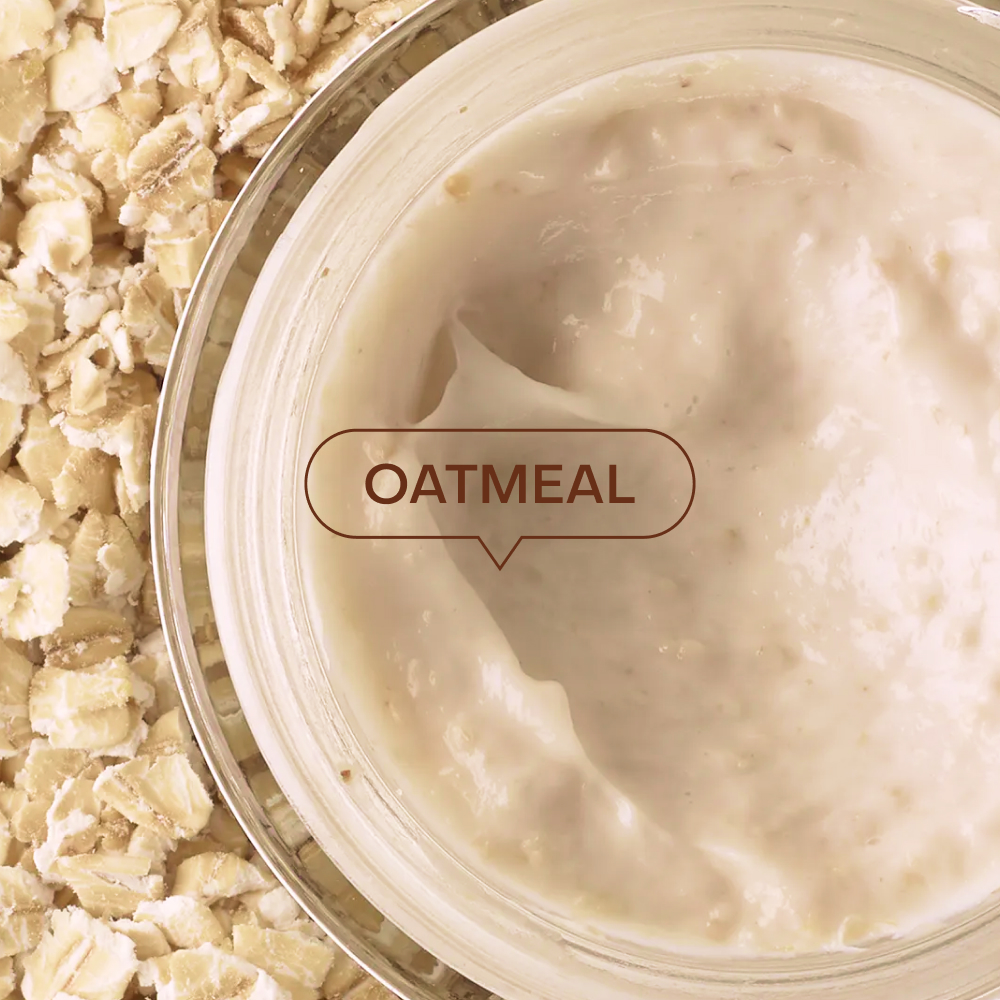

We get it: even the wrong turn of the evening breeze can seem to trigger sensitive skin, so you’ll want to keep it far, far away from abrasive scrubs. But this skin type needs exfoliation just as much as any other—you just need to choose your players with care. Harsh commercial scrubs that cause micro tears on the skin’s surface? A hard no. Instead, you’ll want to turn your attention towards gentle and natural agents, like oatmeal, an ingredient that promises to rid sensitive skin of any impurities with none of the inflammation and redness.
If you’re looking for an everyday scrub that is gentle yet effective, this Dermalogica pick will be your skin’s BFF. Leaving you with instant gratification, the face scrub comes packed with salicylic acid, papain enzymes, rice bran extract, white tea, liquorice and colloidal oatmeal that soothe, smoothe and exfoliate the skin. The skin-loving ingredients also offer a bright and radiant finish.
How to use: After cleansing, dispense a half-teaspoon of the powder into wet hands, create a creamy paste and massage onto the face in circular motions. Rinse thoroughly. Use 2–3 times per week, adjusting frequency based on skin sensitivity.
A powder exfoliant that activates with water to smooth dull, congested skin without irritation. Rice enzymes and salicylic acid unclog pores while white tea and oatmeal calm things down. Great for sensitive skin that still needs a regular exfoliation fix. The fine texture makes it feel gentle yet effective, especially if you're not into gritty scrubs. How to use: Mix with water after cleansing, massage gently and rinse. Use 2–3 times a week.
If you have ever experienced the velvety-coarse texture of ground oats, your wheels have probably been turning already on how to use it as a natural exfoliant. Oatmeal is sensitive skin’s best friend when it comes to vacuuming clogged pores and getting rid of dead skin cells, all without being as abrasive on the skin as other exfoliating agents.
The ingredient is also loaded with compounds called avenanthramides. If you can’t pronounce it, don’t worry—you just need to know what it does. Sensitive skin will rejoice in the anti-inflammatory touch of these compounds that offer relief from redness and itchiness.
Sensitive skin needs exfoliation just as much as any other skin type, but not all exfoliants are created the same. To avoid triggering your skin, it is necessary to strategically choose natural physical exfoliants. These are known to be gentler on the skin than harsh scrubs and reduce the risk of inflammation later.
Oatmeal falls within this category of natural exfoliants and the go-to choice for those with sensitive skin. The softly rounded particles of oatmeal slough away dead skin cells but never cause micro tears in the skin. By lifting impurities from the visage and encouraging skin cell turnover, it works on polishing the surface of the skin without leaving behind any souvenirs in the form of redness or inflammation later.
For starters, you’ll want to choose your oatmeal with care. Skin experts are in unanimous agreement that colloidal oatmeal works the best for exfoliating at home. While regular, store-bought options can include different varieties like whole or rolled oats, the super-fine particles of colloidal oatmeal won’t be abrasive on sensitive skin. The smaller particles also mean that you don’t have to worry about clogged skin while rinsing off later. Here’s how you can incorporate oatmeal into your exfoliation routine.
Start your day with a mild cleanser to get rid of any buildup that has accumulated on the skin through the night. Then, massage in a creamy oatmeal mask on your skin for a few minutes. After rinsing off, seal in your handiwork with a moisturiser that pairs well with oatmeal: ceramides and squalene are worthy candidates. With a liberal dose of sunscreen, you are ready to step out and take on the day.
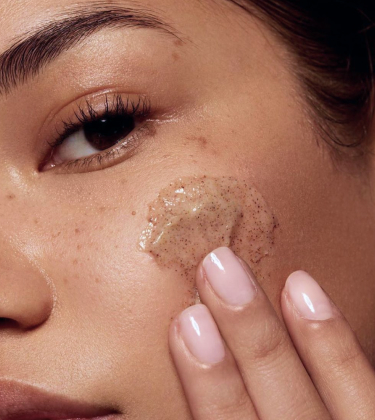
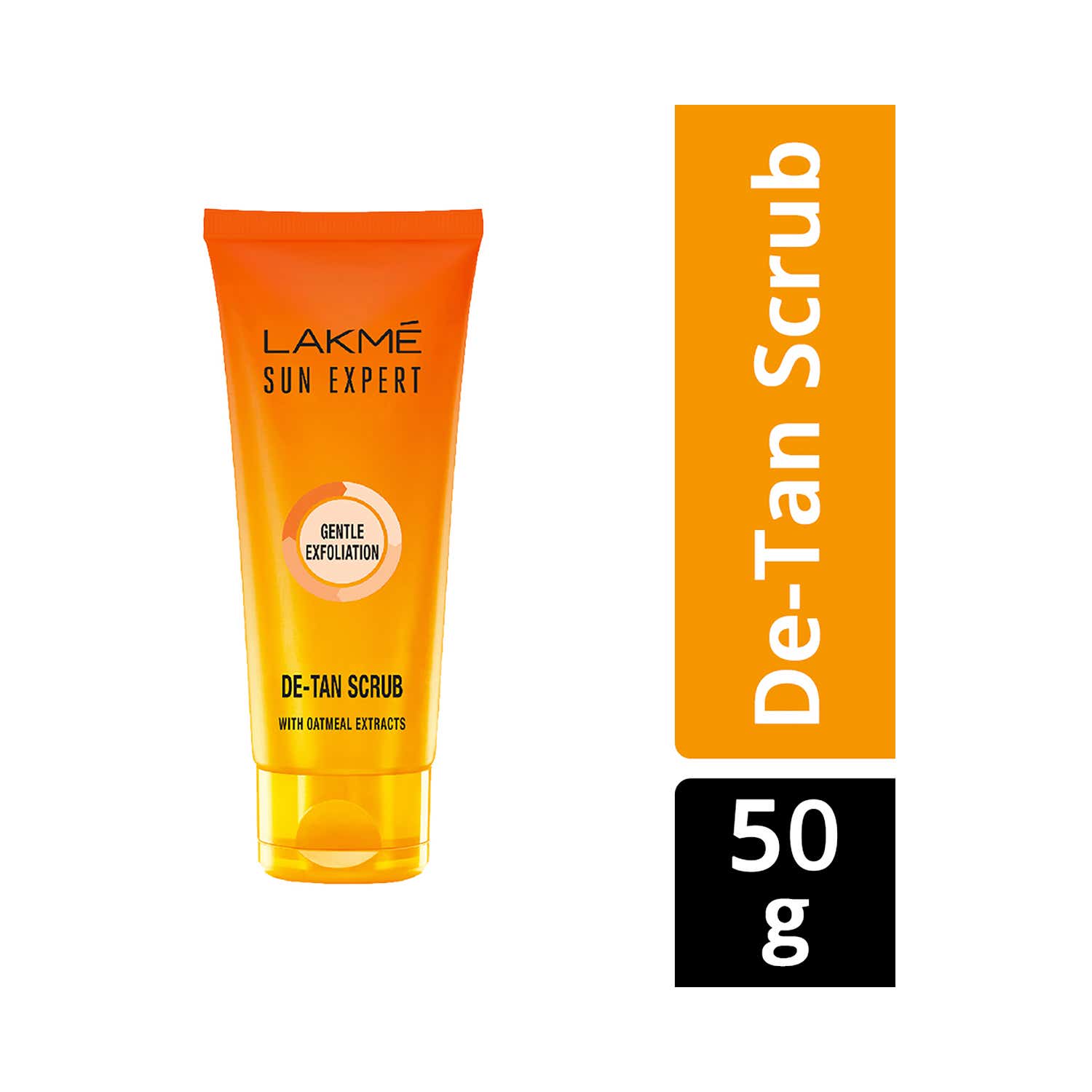
Once you’re back home at night, it’s time to give your skin the intensive care that it deserves. After removing all makeup thoroughly, you can apply an oat-based scrub. Massage it gently into the skin and leave it in place for 10-15 minutes before rinsing, rather than scrubbing it off. Your skin renews itself at night, so you’ll want to turn your focus towards soothing ingredients, such as niacinamide that combats inflammation or centella asiatica that aids healing. A rich, barrier-strengthening moisturiser will ensure that your sensitive skin is hydrated and well-cared-for as you snooze.
If you have ever experienced the velvety-coarse texture of ground oats, your wheels have probably been turning already on how to use it as a natural exfoliant. Oatmeal is sensitive skin’s best friend when it comes to vacuuming clogged pores and getting rid of dead skin cells, all without being as abrasive on the skin as other exfoliating agents.
The ingredient is also loaded with compounds called avenanthramides. If you can’t pronounce it, don’t worry—you just need to know what it does. Sensitive skin will rejoice in the anti-inflammatory touch of these compounds that offer relief from redness and itchiness.
Sensitive skin needs exfoliation just as much as any other skin type, but not all exfoliants are created the same. To avoid triggering your skin, it is necessary to strategically choose natural physical exfoliants. These are known to be gentler on the skin than harsh scrubs and reduce the risk of inflammation later.
Oatmeal falls within this category of natural exfoliants and the go-to choice for those with sensitive skin. The softly rounded particles of oatmeal slough away dead skin cells but never cause micro tears in the skin. By lifting impurities from the visage and encouraging skin cell turnover, it works on polishing the surface of the skin without leaving behind any souvenirs in the form of redness or inflammation later.
For starters, you’ll want to choose your oatmeal with care. Skin experts are in unanimous agreement that colloidal oatmeal works the best for exfoliating at home. While regular, store-bought options can include different varieties like whole or rolled oats, the super-fine particles of colloidal oatmeal won’t be abrasive on sensitive skin. The smaller particles also mean that you don’t have to worry about clogged skin while rinsing off later. Here’s how you can incorporate oatmeal into your exfoliation routine.
Start your day with a mild cleanser to get rid of any buildup that has accumulated on the skin through the night. Then, massage in a creamy oatmeal mask on your skin for a few minutes. After rinsing off, seal in your handiwork with a moisturiser that pairs well with oatmeal: ceramides and squalene are worthy candidates. With a liberal dose of sunscreen, you are ready to step out and take on the day.
Once you’re back home at night, it’s time to give your skin the intensive care that it deserves. After removing all makeup thoroughly, you can apply an oat-based scrub. Massage it gently into the skin and leave it in place for 10-15 minutes before rinsing, rather than scrubbing it off. Your skin renews itself at night, so you’ll want to turn your focus towards soothing ingredients, such as niacinamide that combats inflammation or centella asiatica that aids healing. A rich, barrier-strengthening moisturiser will ensure that your sensitive skin is hydrated and well-cared-for as you snooze.


If you have ever experienced the velvety-coarse texture of ground oats, your wheels have probably been turning already on how to use it as a natural exfoliant. Oatmeal is sensitive skin’s best friend when it comes to vacuuming clogged pores and getting rid of dead skin cells, all without being as abrasive on the skin as other exfoliating agents.
The ingredient is also loaded with compounds called avenanthramides. If you can’t pronounce it, don’t worry—you just need to know what it does. Sensitive skin will rejoice in the anti-inflammatory touch of these compounds that offer relief from redness and itchiness.
Sensitive skin needs exfoliation just as much as any other skin type, but not all exfoliants are created the same. To avoid triggering your skin, it is necessary to strategically choose natural physical exfoliants. These are known to be gentler on the skin than harsh scrubs and reduce the risk of inflammation later.
Oatmeal falls within this category of natural exfoliants and the go-to choice for those with sensitive skin. The softly rounded particles of oatmeal slough away dead skin cells but never cause micro tears in the skin. By lifting impurities from the visage and encouraging skin cell turnover, it works on polishing the surface of the skin without leaving behind any souvenirs in the form of redness or inflammation later.
For starters, you’ll want to choose your oatmeal with care. Skin experts are in unanimous agreement that colloidal oatmeal works the best for exfoliating at home. While regular, store-bought options can include different varieties like whole or rolled oats, the super-fine particles of colloidal oatmeal won’t be abrasive on sensitive skin. The smaller particles also mean that you don’t have to worry about clogged skin while rinsing off later. Here’s how you can incorporate oatmeal into your exfoliation routine.
Start your day with a mild cleanser to get rid of any buildup that has accumulated on the skin through the night. Then, massage in a creamy oatmeal mask on your skin for a few minutes. After rinsing off, seal in your handiwork with a moisturiser that pairs well with oatmeal: ceramides and squalene are worthy candidates. With a liberal dose of sunscreen, you are ready to step out and take on the day.
Once you’re back home at night, it’s time to give your skin the intensive care that it deserves. After removing all makeup thoroughly, you can apply an oat-based scrub. Massage it gently into the skin and leave it in place for 10-15 minutes before rinsing, rather than scrubbing it off. Your skin renews itself at night, so you’ll want to turn your focus towards soothing ingredients, such as niacinamide that combats inflammation or centella asiatica that aids healing. A rich, barrier-strengthening moisturiser will ensure that your sensitive skin is hydrated and well-cared-for as you snooze.