
%20prep.png)
Ingredient Lab
There's a new hydrator on the block: polyglutamic acid
Read Now


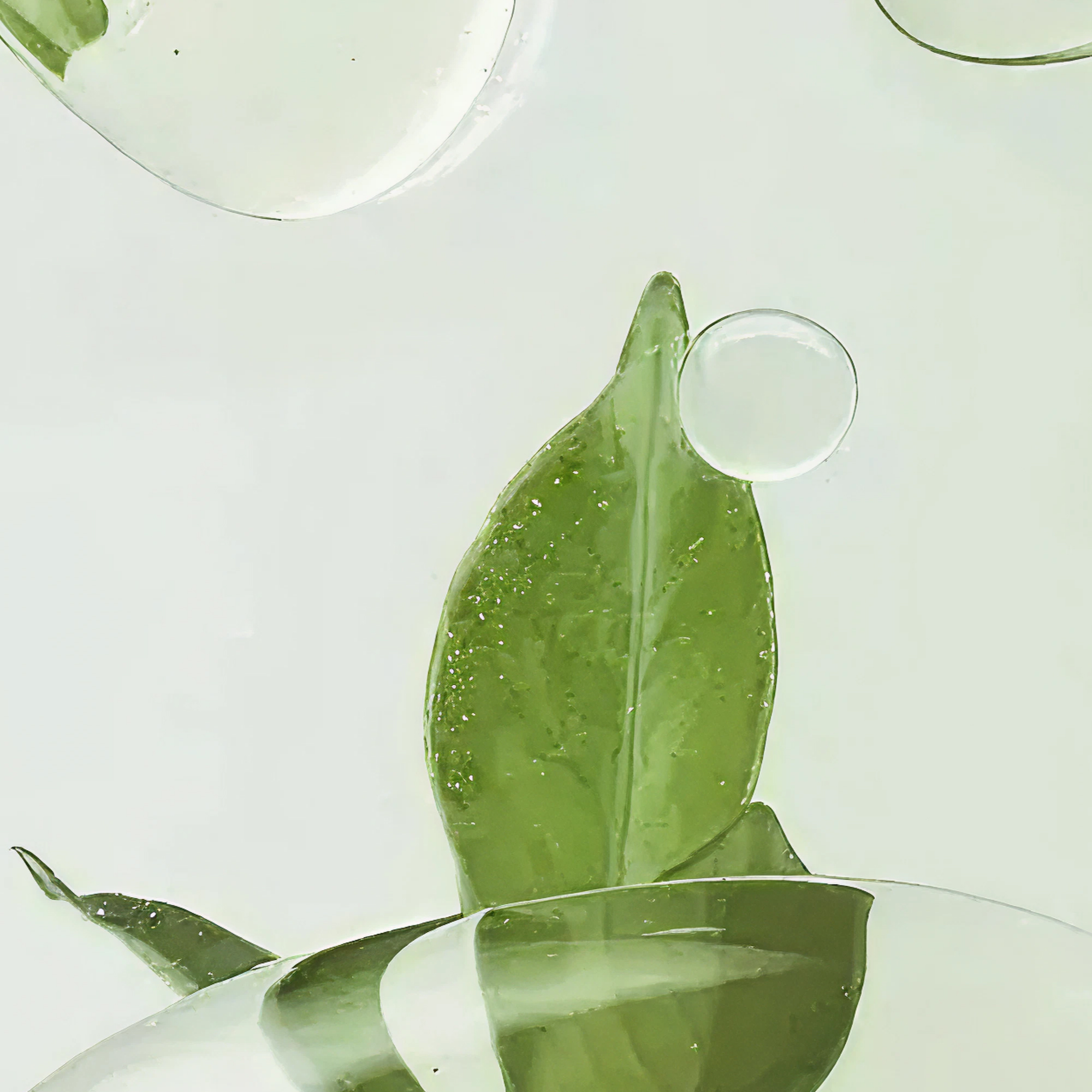

If you’ve scanned an ingredient list lately, chances are you’ve spotted green tea extract—or camellia sinensis—more than once. And there’s a reason it keeps showing up. What began as a centuries-old ritual has become one of skincare’s most relied-upon ingredients.
At its core, green tea is rich in antioxidants and calming compounds that help soothe visible redness, support breakout-prone skin and defend against everyday environmental stress. The appeal lies in its versatility: it’s gentle yet effective, making it one of the rare ingredients that feels at home in almost any routine, across skin types and concerns.
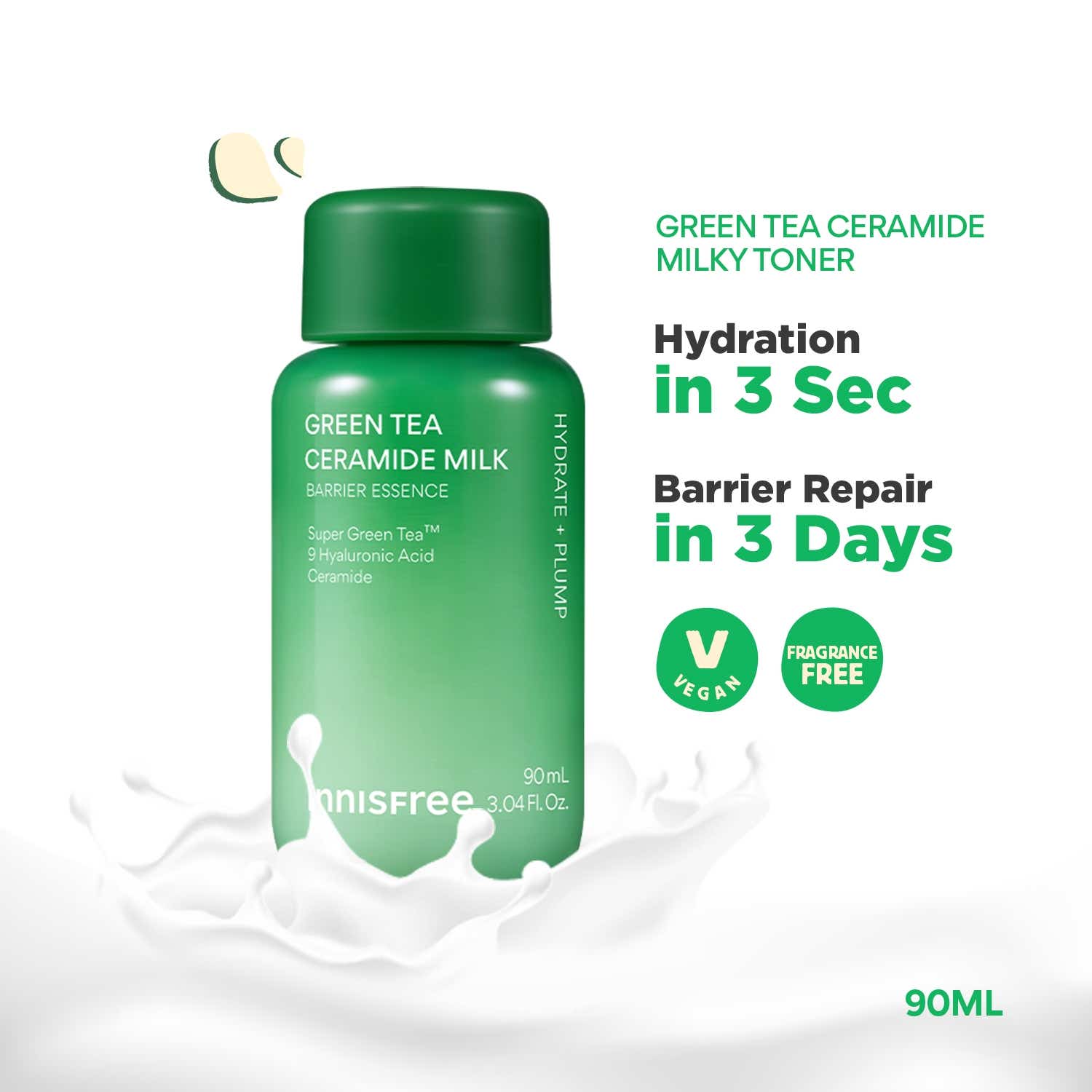
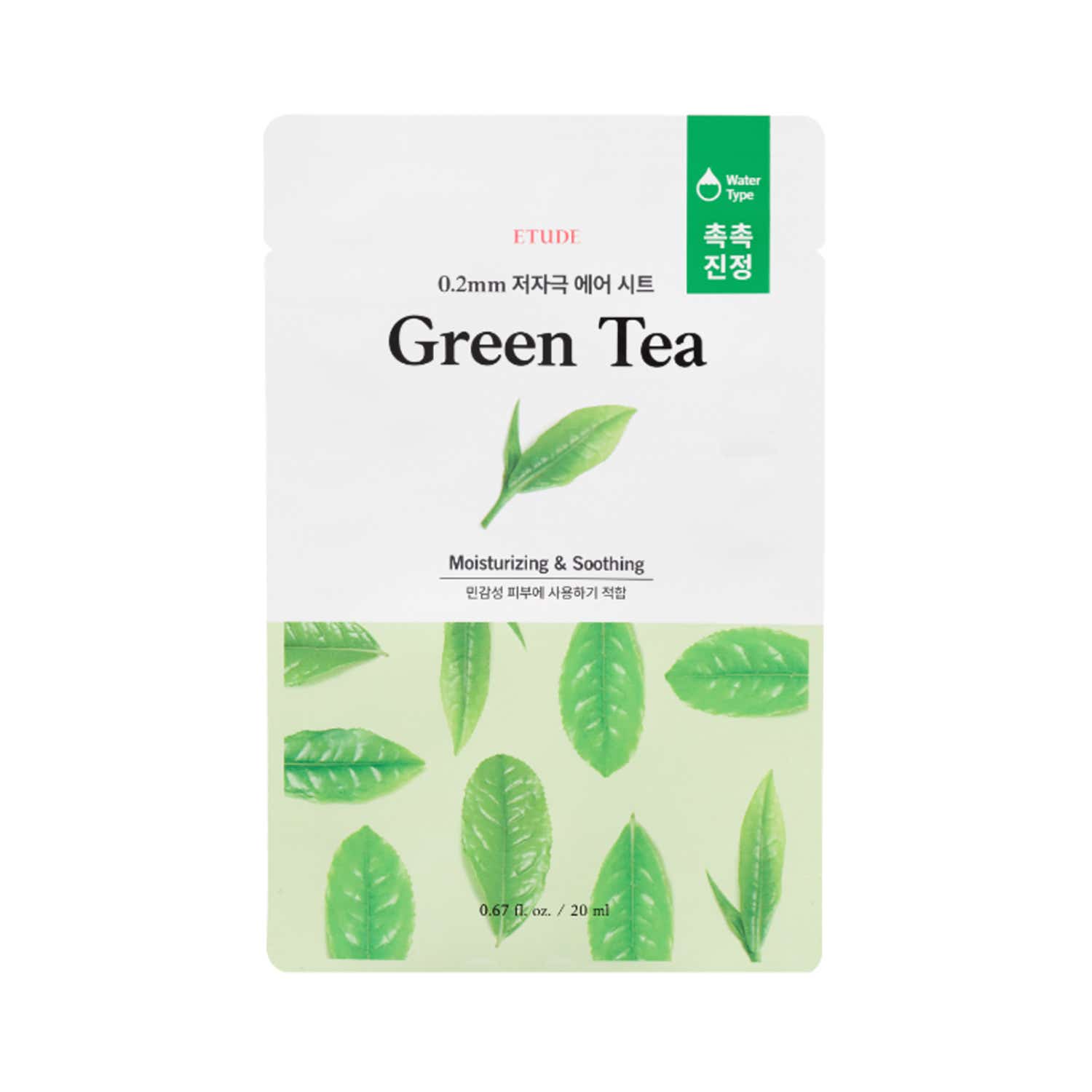


Bringing together the soothing properties of green tea with barrier-supporting ceramides, this toner delivers hydration while helping skin feel balanced and refreshed. The lightweight milky formula sinks in effortlessly, leaving behind a soft, comfortable finish that works well across seasons. It's a great pick if you're looking for a toner that hydrates without feeling rich or heavy.
Beyond stocking up on actives, you’ll also find a host of natural ingredients ready to help you fight the good fight against premature signs of ageing. Green tea assumes the lead role in this moisturising cleanser that helps dial up collagen production to prevent any loss of elasticity in the skin.
This cleanser feels like green juice for your face. It is packed with kale, spinach and green tea. It cuts through makeup, pollution and whatever else the day leaves behind, all without stripping your skin or upsetting its pH.
A cult favourite, this antioxidant-packed cleanser is like a green smoothie for your face—it has kale, spinach, green tea and vitamins all working overtime to balance and brighten skin. It lathers lightly, removes everything from sunscreen to leftover blush and leaves your face feeling fresh, bouncy and awake. A staple if you love clean beauty with an indulgent touch.
This is a daily face wash that works hard without making a show of it. The gel formula effectively removes sweat, dirt, excess oil and SPF while staying gentle on the skin barrier. Antioxidant-rich ingredients like kale, spinach and green tea help keep skin balanced and fresh-looking, making it ideal for both morning and evening use. It’s the cleanser you reach for consistently because it simply does its job without drying your skin.
Before we dive into the skin benefits, let’s talk about what green tea actually is. Green tea comes from the leaves of the Camellia Sinensis plant, the same plant that gives us black tea, white tea and oolong. The difference? It’s all in how the leaves are processed.
Green tea leaves are minimally oxidised, which means they retain more of their natural antioxidants. These antioxidants, specifically polyphenols and catechins like EGCG (epigallocatechin gallate, if you want to get technical), are what makes green tea a powerhouse in skincare.
When you see green tea on a skincare label, it’s usually in the form of an extract, oil or infusion. Some products use matcha, which is just finely ground green tea leaves, giving you an even more concentrated dose of all those good-for-you compounds.
Here’s the secret about antioxidants: they’re basically your skin’s bodyguards. Every day, your skin is under attack from free radicals as well as unstable molecules created by UV exposure, pollution and so on. Free radicals damage your skin cells and break down collagen, leading to premature ageing, dullness and uneven texture. Enter green tea.
The polyphenols in green tea are incredibly effective at neutralising free radicals before they can wreak havoc on your skin. Think of it as putting up a shield that protects your skin from environmental stressors. Over time, this protection can help minimise fine lines, keep skin looking firmer and maintain a lit-from-within glow we’re all chasing.
If your skin tends to get red, inflamed or easily irritated, green tea might become your new best friend. The same catechins that fight free radicals also have powerful anti-inflammatory properties. They work by reducing the production of inflammatory compounds in your skin, helping to calm everything from general redness to conditions like rosacea and eczema.
What makes green tea especially appealing is how gentle it is. Unlike some anti-inflammatory ingredients that can be harsh or drying, green tea soothes without stripping your skin. It’s the rare ingredient that’s both effective and incredibly calming, making it perfect for sensitive skin that has been burnt by harsher actives.
If you have acne-prone skin, listen up. Green tea has some impressive antibacterial and sebum-regulating properties that make it an effective ally in the fight against breakouts.
Studies have shown that EGCG can reduce sebum production—the oil your skin naturally produces that can clog pores when there’s too much of it. Less excess oil means fewer clogged pores, which means fewer breakouts. Green tea also has antimicrobial properties that help combat acne-causing bacteria on the skin’s surface.
But here’s what really sets it apart: unlike drying acne treatments that leave your skin feeling tight and parched, green tea helps balance oil production without over-drying. It’s the Goldilocks effect, not too much, not too little, just right.
For anyone dealing with hormonal breakouts or combination skin that’s oily in some places and dry in others, green tea can help bring everything into harmony without the irritation that often comes with acne-fighting ingredients.
Nothing is a replacement for sunscreen. You still need to wear SPF every single day. But green tea can be a powerful supporting player in your sun protection routine.
Research suggests that polyphenols in green tea can help protect skin from UV damage and may even help repair some of the damage caused by sun exposure. Some studies have found that green tea can reduce the appearance of dark spots and even out your skin tone.
Now that you know how beneficial the ingredient is for your skin, let's talk about how to incorporate it into your routine. The good news? It’s super versatile and plays well with other ingredients.
Serums and essences are probably the most effective way to get a concentrated dose of green tea. Look for products that list green tea extract, camellia sinensis leaf extract or EGCG high up in the ingredient list. These lightweight formulas absorb quickly and layer well under moisturiser.
Green tea toners and mists are refreshing and soothing, plus they’re an easy way to reap the benefits throughout the day. Keep one at your desk for a midday pick-me-up.
Eye creams with green tea can help with puffiness and dark circles, thanks to their anti-inflammatory and antioxidant properties. The caffeine naturally present in green tea also helps constrict blood vessels, which can reduce the appearance of under-eye bags.

Before we dive into the skin benefits, let’s talk about what green tea actually is. Green tea comes from the leaves of the Camellia Sinensis plant, the same plant that gives us black tea, white tea and oolong. The difference? It’s all in how the leaves are processed.
Green tea leaves are minimally oxidised, which means they retain more of their natural antioxidants. These antioxidants, specifically polyphenols and catechins like EGCG (epigallocatechin gallate, if you want to get technical), are what makes green tea a powerhouse in skincare.
When you see green tea on a skincare label, it’s usually in the form of an extract, oil or infusion. Some products use matcha, which is just finely ground green tea leaves, giving you an even more concentrated dose of all those good-for-you compounds.
Here’s the secret about antioxidants: they’re basically your skin’s bodyguards. Every day, your skin is under attack from free radicals as well as unstable molecules created by UV exposure, pollution and so on. Free radicals damage your skin cells and break down collagen, leading to premature ageing, dullness and uneven texture. Enter green tea.
The polyphenols in green tea are incredibly effective at neutralising free radicals before they can wreak havoc on your skin. Think of it as putting up a shield that protects your skin from environmental stressors. Over time, this protection can help minimise fine lines, keep skin looking firmer and maintain a lit-from-within glow we’re all chasing.
If your skin tends to get red, inflamed or easily irritated, green tea might become your new best friend. The same catechins that fight free radicals also have powerful anti-inflammatory properties. They work by reducing the production of inflammatory compounds in your skin, helping to calm everything from general redness to conditions like rosacea and eczema.
What makes green tea especially appealing is how gentle it is. Unlike some anti-inflammatory ingredients that can be harsh or drying, green tea soothes without stripping your skin. It’s the rare ingredient that’s both effective and incredibly calming, making it perfect for sensitive skin that has been burnt by harsher actives.
If you have acne-prone skin, listen up. Green tea has some impressive antibacterial and sebum-regulating properties that make it an effective ally in the fight against breakouts.
Studies have shown that EGCG can reduce sebum production—the oil your skin naturally produces that can clog pores when there’s too much of it. Less excess oil means fewer clogged pores, which means fewer breakouts. Green tea also has antimicrobial properties that help combat acne-causing bacteria on the skin’s surface.
But here’s what really sets it apart: unlike drying acne treatments that leave your skin feeling tight and parched, green tea helps balance oil production without over-drying. It’s the Goldilocks effect, not too much, not too little, just right.
For anyone dealing with hormonal breakouts or combination skin that’s oily in some places and dry in others, green tea can help bring everything into harmony without the irritation that often comes with acne-fighting ingredients.
Nothing is a replacement for sunscreen. You still need to wear SPF every single day. But green tea can be a powerful supporting player in your sun protection routine.
Research suggests that polyphenols in green tea can help protect skin from UV damage and may even help repair some of the damage caused by sun exposure. Some studies have found that green tea can reduce the appearance of dark spots and even out your skin tone.
Now that you know how beneficial the ingredient is for your skin, let's talk about how to incorporate it into your routine. The good news? It’s super versatile and plays well with other ingredients.
Serums and essences are probably the most effective way to get a concentrated dose of green tea. Look for products that list green tea extract, camellia sinensis leaf extract or EGCG high up in the ingredient list. These lightweight formulas absorb quickly and layer well under moisturiser.
Green tea toners and mists are refreshing and soothing, plus they’re an easy way to reap the benefits throughout the day. Keep one at your desk for a midday pick-me-up.
Eye creams with green tea can help with puffiness and dark circles, thanks to their anti-inflammatory and antioxidant properties. The caffeine naturally present in green tea also helps constrict blood vessels, which can reduce the appearance of under-eye bags.
Before we dive into the skin benefits, let’s talk about what green tea actually is. Green tea comes from the leaves of the Camellia Sinensis plant, the same plant that gives us black tea, white tea and oolong. The difference? It’s all in how the leaves are processed.
Green tea leaves are minimally oxidised, which means they retain more of their natural antioxidants. These antioxidants, specifically polyphenols and catechins like EGCG (epigallocatechin gallate, if you want to get technical), are what makes green tea a powerhouse in skincare.
When you see green tea on a skincare label, it’s usually in the form of an extract, oil or infusion. Some products use matcha, which is just finely ground green tea leaves, giving you an even more concentrated dose of all those good-for-you compounds.
Here’s the secret about antioxidants: they’re basically your skin’s bodyguards. Every day, your skin is under attack from free radicals as well as unstable molecules created by UV exposure, pollution and so on. Free radicals damage your skin cells and break down collagen, leading to premature ageing, dullness and uneven texture. Enter green tea.
The polyphenols in green tea are incredibly effective at neutralising free radicals before they can wreak havoc on your skin. Think of it as putting up a shield that protects your skin from environmental stressors. Over time, this protection can help minimise fine lines, keep skin looking firmer and maintain a lit-from-within glow we’re all chasing.
If your skin tends to get red, inflamed or easily irritated, green tea might become your new best friend. The same catechins that fight free radicals also have powerful anti-inflammatory properties. They work by reducing the production of inflammatory compounds in your skin, helping to calm everything from general redness to conditions like rosacea and eczema.
What makes green tea especially appealing is how gentle it is. Unlike some anti-inflammatory ingredients that can be harsh or drying, green tea soothes without stripping your skin. It’s the rare ingredient that’s both effective and incredibly calming, making it perfect for sensitive skin that has been burnt by harsher actives.
If you have acne-prone skin, listen up. Green tea has some impressive antibacterial and sebum-regulating properties that make it an effective ally in the fight against breakouts.
Studies have shown that EGCG can reduce sebum production—the oil your skin naturally produces that can clog pores when there’s too much of it. Less excess oil means fewer clogged pores, which means fewer breakouts. Green tea also has antimicrobial properties that help combat acne-causing bacteria on the skin’s surface.
But here’s what really sets it apart: unlike drying acne treatments that leave your skin feeling tight and parched, green tea helps balance oil production without over-drying. It’s the Goldilocks effect, not too much, not too little, just right.
For anyone dealing with hormonal breakouts or combination skin that’s oily in some places and dry in others, green tea can help bring everything into harmony without the irritation that often comes with acne-fighting ingredients.
Nothing is a replacement for sunscreen. You still need to wear SPF every single day. But green tea can be a powerful supporting player in your sun protection routine.
Research suggests that polyphenols in green tea can help protect skin from UV damage and may even help repair some of the damage caused by sun exposure. Some studies have found that green tea can reduce the appearance of dark spots and even out your skin tone.
Now that you know how beneficial the ingredient is for your skin, let's talk about how to incorporate it into your routine. The good news? It’s super versatile and plays well with other ingredients.
Serums and essences are probably the most effective way to get a concentrated dose of green tea. Look for products that list green tea extract, camellia sinensis leaf extract or EGCG high up in the ingredient list. These lightweight formulas absorb quickly and layer well under moisturiser.
Green tea toners and mists are refreshing and soothing, plus they’re an easy way to reap the benefits throughout the day. Keep one at your desk for a midday pick-me-up.
Eye creams with green tea can help with puffiness and dark circles, thanks to their anti-inflammatory and antioxidant properties. The caffeine naturally present in green tea also helps constrict blood vessels, which can reduce the appearance of under-eye bags.


Before we dive into the skin benefits, let’s talk about what green tea actually is. Green tea comes from the leaves of the Camellia Sinensis plant, the same plant that gives us black tea, white tea and oolong. The difference? It’s all in how the leaves are processed.
Green tea leaves are minimally oxidised, which means they retain more of their natural antioxidants. These antioxidants, specifically polyphenols and catechins like EGCG (epigallocatechin gallate, if you want to get technical), are what makes green tea a powerhouse in skincare.
When you see green tea on a skincare label, it’s usually in the form of an extract, oil or infusion. Some products use matcha, which is just finely ground green tea leaves, giving you an even more concentrated dose of all those good-for-you compounds.
Here’s the secret about antioxidants: they’re basically your skin’s bodyguards. Every day, your skin is under attack from free radicals as well as unstable molecules created by UV exposure, pollution and so on. Free radicals damage your skin cells and break down collagen, leading to premature ageing, dullness and uneven texture. Enter green tea.
The polyphenols in green tea are incredibly effective at neutralising free radicals before they can wreak havoc on your skin. Think of it as putting up a shield that protects your skin from environmental stressors. Over time, this protection can help minimise fine lines, keep skin looking firmer and maintain a lit-from-within glow we’re all chasing.
If your skin tends to get red, inflamed or easily irritated, green tea might become your new best friend. The same catechins that fight free radicals also have powerful anti-inflammatory properties. They work by reducing the production of inflammatory compounds in your skin, helping to calm everything from general redness to conditions like rosacea and eczema.
What makes green tea especially appealing is how gentle it is. Unlike some anti-inflammatory ingredients that can be harsh or drying, green tea soothes without stripping your skin. It’s the rare ingredient that’s both effective and incredibly calming, making it perfect for sensitive skin that has been burnt by harsher actives.
If you have acne-prone skin, listen up. Green tea has some impressive antibacterial and sebum-regulating properties that make it an effective ally in the fight against breakouts.
Studies have shown that EGCG can reduce sebum production—the oil your skin naturally produces that can clog pores when there’s too much of it. Less excess oil means fewer clogged pores, which means fewer breakouts. Green tea also has antimicrobial properties that help combat acne-causing bacteria on the skin’s surface.
But here’s what really sets it apart: unlike drying acne treatments that leave your skin feeling tight and parched, green tea helps balance oil production without over-drying. It’s the Goldilocks effect, not too much, not too little, just right.
For anyone dealing with hormonal breakouts or combination skin that’s oily in some places and dry in others, green tea can help bring everything into harmony without the irritation that often comes with acne-fighting ingredients.
Nothing is a replacement for sunscreen. You still need to wear SPF every single day. But green tea can be a powerful supporting player in your sun protection routine.
Research suggests that polyphenols in green tea can help protect skin from UV damage and may even help repair some of the damage caused by sun exposure. Some studies have found that green tea can reduce the appearance of dark spots and even out your skin tone.
Now that you know how beneficial the ingredient is for your skin, let's talk about how to incorporate it into your routine. The good news? It’s super versatile and plays well with other ingredients.
Serums and essences are probably the most effective way to get a concentrated dose of green tea. Look for products that list green tea extract, camellia sinensis leaf extract or EGCG high up in the ingredient list. These lightweight formulas absorb quickly and layer well under moisturiser.
Green tea toners and mists are refreshing and soothing, plus they’re an easy way to reap the benefits throughout the day. Keep one at your desk for a midday pick-me-up.
Eye creams with green tea can help with puffiness and dark circles, thanks to their anti-inflammatory and antioxidant properties. The caffeine naturally present in green tea also helps constrict blood vessels, which can reduce the appearance of under-eye bags.