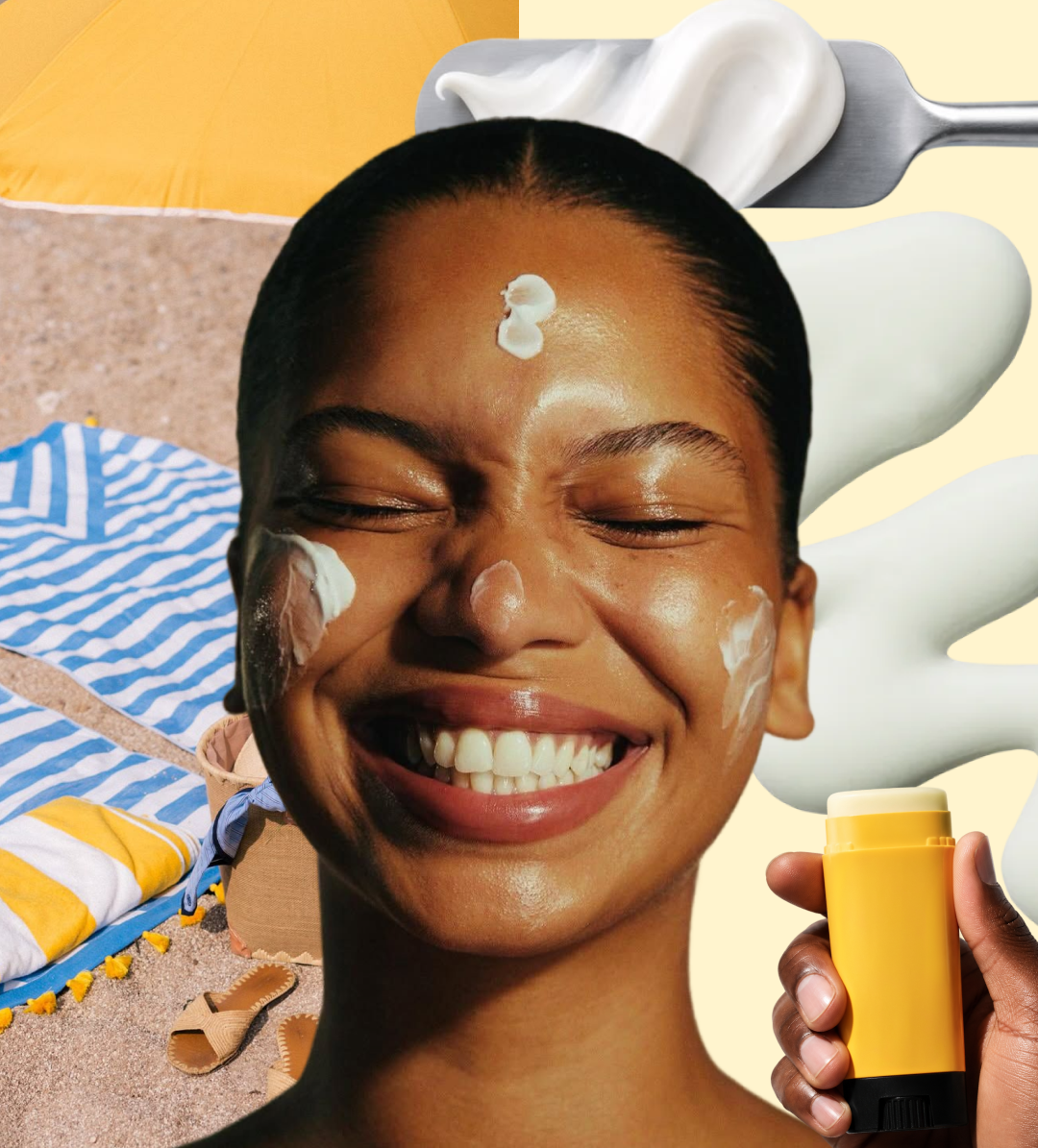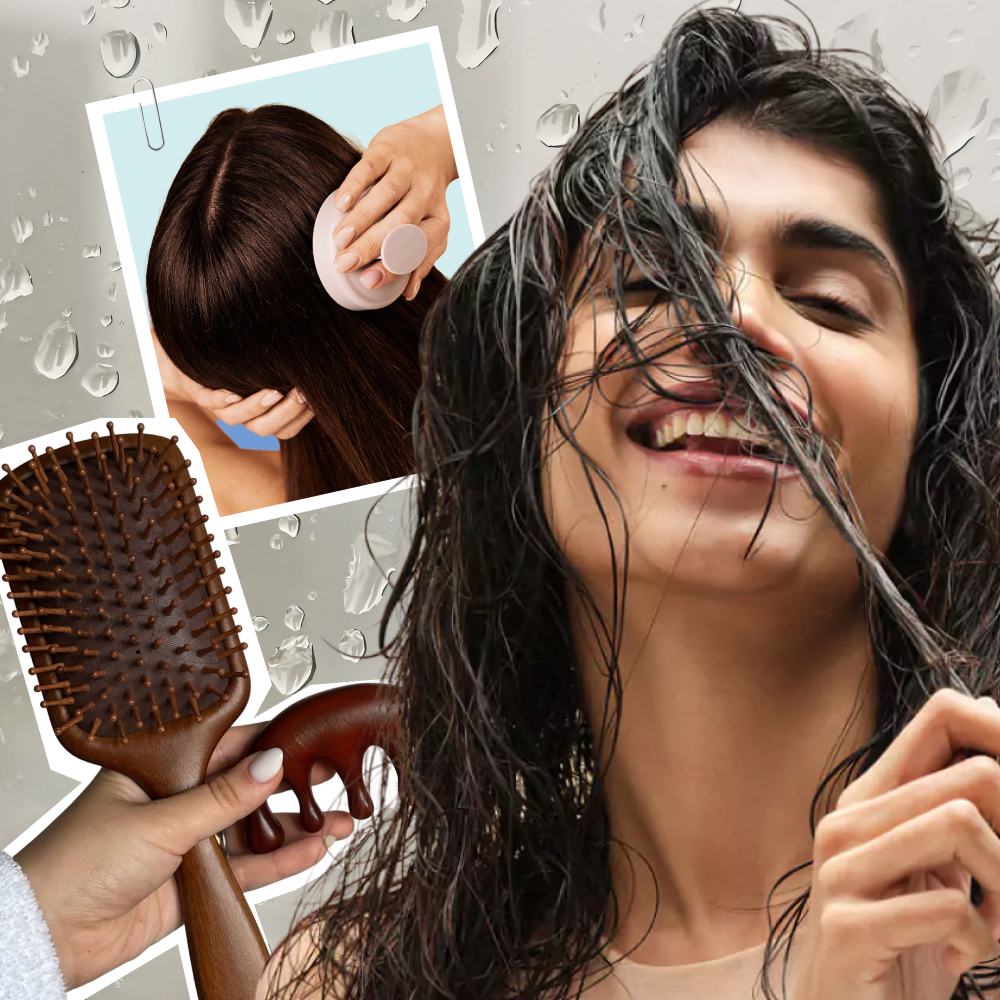
Beauty Front Benchers
A guide on prepping your hair before the monsoon season
Read Now


After months of battling sun exposure, sweat and repeated SPF applications, monsoon might seem like a welcome break for your skin. In reality, it brings an entirely different set of challenges. Suddenly, your pores seem permanently clogged, your forehead is producing more oil than usual and the routine that worked perfectly a month ago no longer feels effective. The struggle is real. Monsoon is genuinely one of the trickiest seasons for skin. The shift in weather creates a unique set of conditions that can trigger breakouts, congestion and sensitivity regardless of your skin type.
The good news is that once you understand what's causing these changes, the solutions become much easier to navigate. A few thoughtful adjustments can make the difference between skin that struggles through the season and skin that thrives in it. Here's where to start.

.PNG)
.PNG)

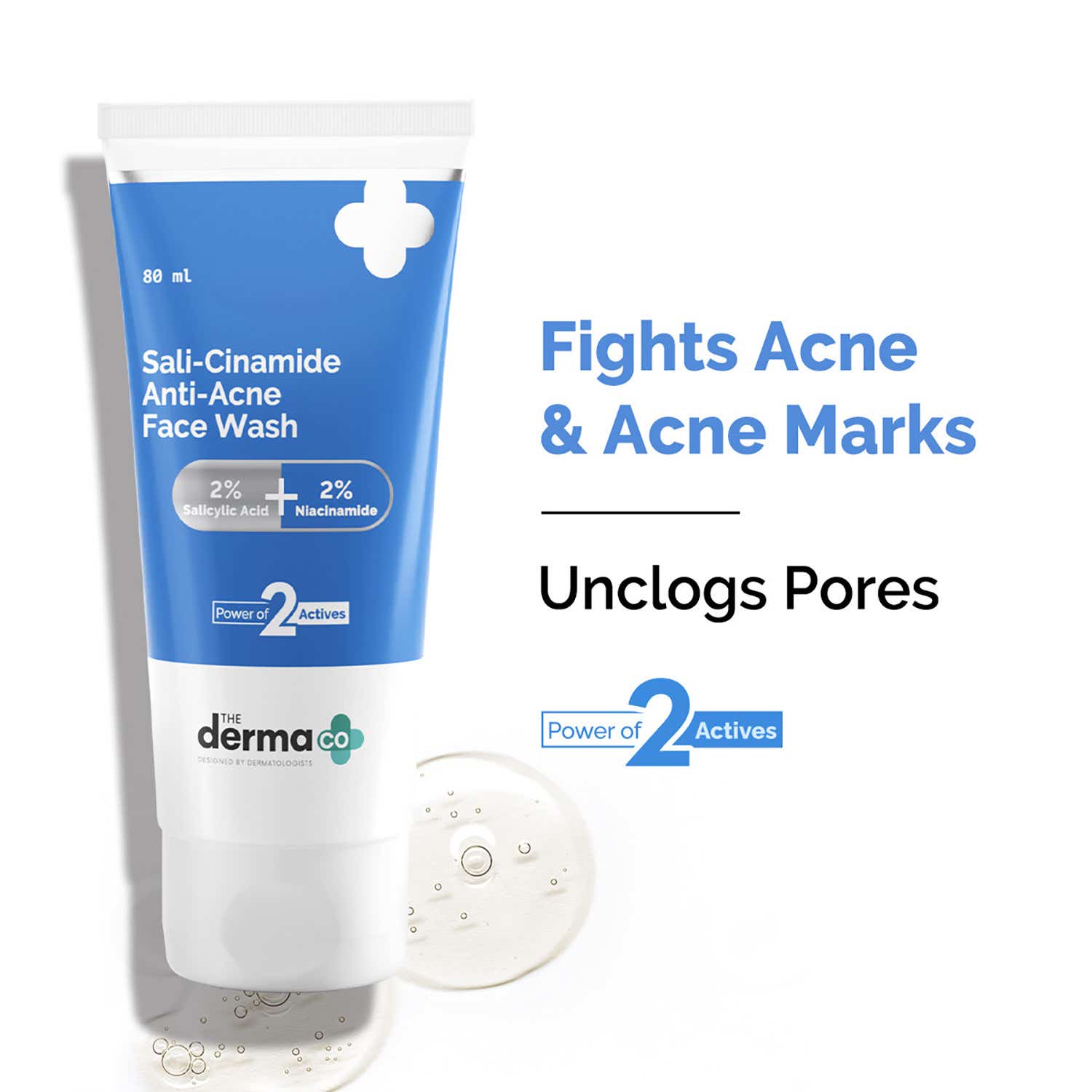
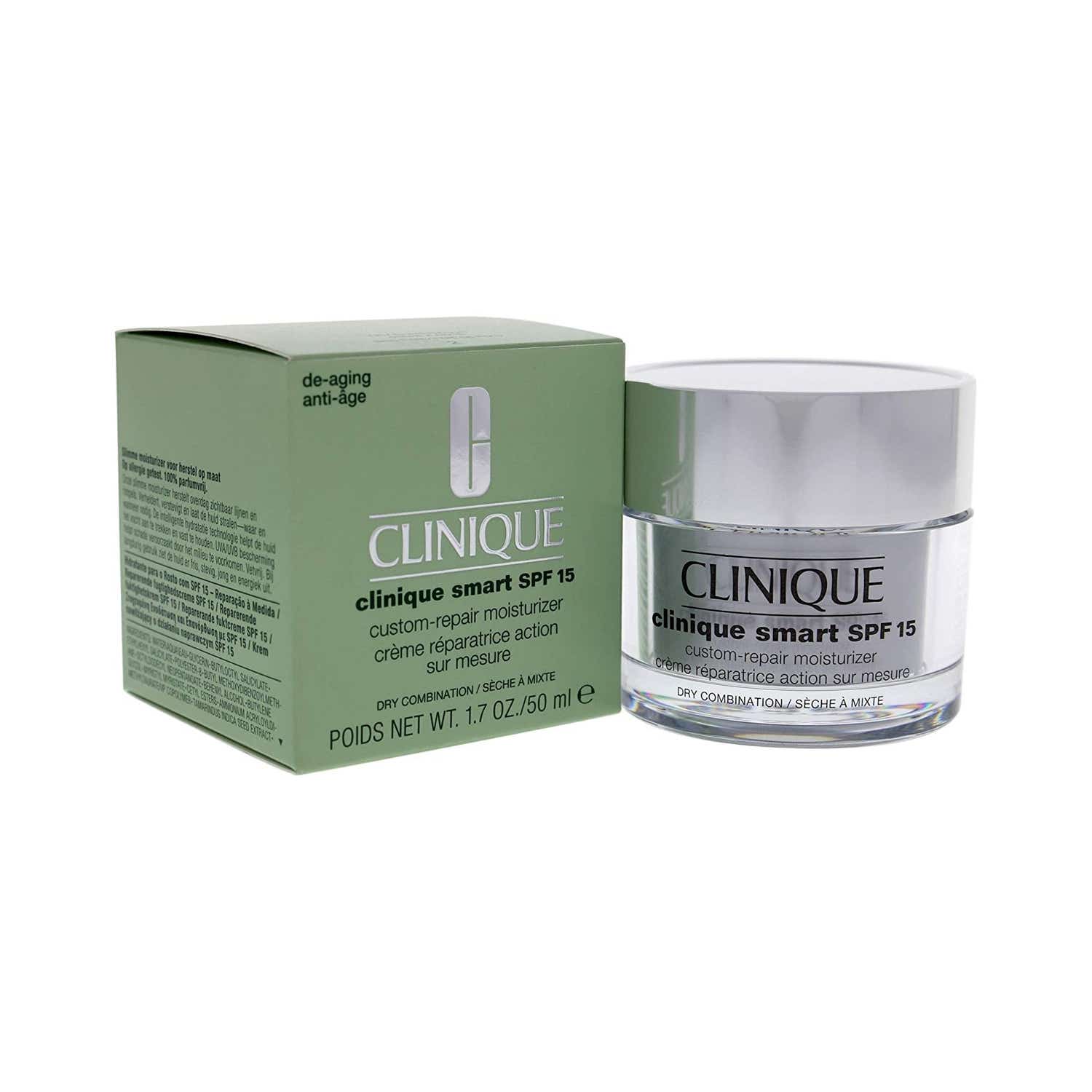
A classic gentle cleanser that just works. It removes dirt and impurities without causing flare-ups, and the glycerin, niacinamide and panthenol combo helps maintain hydration. Suitable for all skin types but especially useful if your skin gets reactive or irritated easily. How to use: Massage into damp skin, then rinse or wipe off.
When your T-zone is acting funny, this dermat-recommended serum for combination skin steps in to save the day. Salicylic acid penetrates pores to clear blackheads and prevent breakouts while being gentle enough not to over-dry your cheeks. The formula also promises to fight off acne-inducing bacteria, the horehound extract being anti-microbial and anti-inflammatory. It’s particularly effective as a night serum for combination skin, working while you sleep to improve skin texture.
When COSRX launched its now-iconic snail mucin essence, the internet had a collective moment—and for good reason. First, there’s the headline ingredient: 98% snail secretion filtrate (yes, really). Then, there’s the slime-like texture that makes applying it strangely satisfying. But what really caught people off guard wasn’t the snail factor—it was how nourishing it turned out to be. Packed with skin-forward hyaluronic acid, it sinks in fast, leaving skin feeling plump, bouncy and deeply hydrated. Bonus: it’s lightweight enough for summer days and delivers that dewy, glass-skin glow without feeling sticky.
This one’s a no-brainer. This viral Cosrx essence is a staple in so many routines for a reason—it hydrates, repairs and gives your skin a soft, dewy feel. The lightweight formulation is also known to improve skin texture, reduce the appearance of fine lines and soothe irritation. Besides, it helps enhance skin elasticity, making it a go-to for anyone dealing with dry, damaged or acne-scarred skin. Whether you're looking to smooth out rough patches or boost overall skin health, this is a product you'll want to keep on hand in multiples.
Whether you are looking for moisture retention, plumping or nourishment, this widely loved essence can do it all—and it doesn’t choose to stop there, either. By dialling up exfoliation and cell turnover, the snail mucin in this multipurpose essence helps get the upper hand on hyperpigmentation, as well.
Any search for a truly hydrating essence will eventually lead you to COSRX, and it’s easy to see why this one has a cult following. The star ingredient here is 96% snail secretion filtrate—a powerhouse known for helping the skin bounce back from dryness and dullness. It works on multiple fronts, improving elasticity, calming irritation and leaving your complexion feeling soft and comfortably plump. The texture is silky and slightly viscous, gliding over the skin and absorbing without stickiness. With consistent use, it helps your skin look smoother, more even-toned and deeply nourished.
Jet lag, dry air and sleepless nights don’t stand a chance against Estée Lauder’s legendary serum. Designed to restore and hydrate overnight, this powerhouse formula smooths, brightens and revives travel-weary skin. The mini bottle is perfect for packing light, so you can wake up looking refreshed, no matter where your itinerary takes you.
When humidity rises, the skin's oil glands respond by producing more sebum. At the same time, sweat sits on the skin for longer and doesn't evaporate as easily in damp air. The combination of excess oil, trapped sweat and environmental pollutants creates the perfect environment for clogged pores and breakouts.
What makes matters more complicated is that not every monsoon breakout is traditional acne. Warm, humid conditions can encourage the overgrowth of a naturally occurring yeast called Malassezia, leading to fungal folliculitis — small, uniform and often itchy bumps that commonly appear on the forehead, chest or back. These breakouts don't respond to standard acne treatments and spot treatments that usually work may suddenly seem ineffective. Sweat-soaked clothing can further contribute to these conditions, particularly on the back, chest and shoulders. If breakouts are persistent, spreading or itchy, it's worth consulting a dermatologist rather than continuing to experiment with new products.
Rising humidity sends oil production into overdrive, pushing excess sebum, sweat and pollutants into pores faster than the skin can clear them. These conditions create an ideal environment for acne, which is why flare-ups that were absent through summer often make an unwelcome return once the rains arrive.
Humidity can slow the skin's natural exfoliation process, allowing dead skin cells to accumulate on the surface. Over time, this can leave skin looking dull and feeling congested. Constant transitions between humid outdoor conditions and heavily air-conditioned interiors can also weaken the skin barrier, making it more reactive and sensitive than usual.
For many people, the breakout is only half the problem. The marks left behind can linger for weeks after inflammation subsides. Indian skin tones, which are naturally higher in melanin, are particularly prone to post-inflammatory hyperpigmentation. That's why prevention remains one of the most effective strategies—fewer breakouts mean fewer marks to treat later.
Over-cleansing can strip the skin barrier and trigger even more oil production. A gentle, non-stripping cleanser used morning and night is usually enough. If your skin feels particularly heavy during the day, resist the urge to wash it repeatedly. Instead, use blotting papers or a clean tissue to absorb excess oil without disrupting the skin barrier.
Humidity may make skin feel oily but that doesn't mean it no longer needs hydration. Heavy creams can feel occlusive and contribute to congestion, while lightweight gel or water-based formulas provide moisture without the excess weight.
Because humidity can slow cell turnover, dead skin cells tend to build up more easily. Gentle exfoliation helps keep pores clear and congestion under control. Chemical exfoliants such as salicylic acid and lactic acid are generally more effective and less abrasive than physical scrubs.
Cloudy skies do not block UV rays. A lightweight, non-comedogenic SPF 50 helps protect the skin without contributing to congestion. Rain or shine, sunscreen remains non-negotiable.
Throughout the day, your hands come into contact with bacteria, dirt and pollutants. Touching your face transfers them directly onto the skin, increasing the likelihood of irritation and breakouts.
.PNG)



When humidity rises, the skin's oil glands respond by producing more sebum. At the same time, sweat sits on the skin for longer and doesn't evaporate as easily in damp air. The combination of excess oil, trapped sweat and environmental pollutants creates the perfect environment for clogged pores and breakouts.
What makes matters more complicated is that not every monsoon breakout is traditional acne. Warm, humid conditions can encourage the overgrowth of a naturally occurring yeast called Malassezia, leading to fungal folliculitis — small, uniform and often itchy bumps that commonly appear on the forehead, chest or back. These breakouts don't respond to standard acne treatments and spot treatments that usually work may suddenly seem ineffective. Sweat-soaked clothing can further contribute to these conditions, particularly on the back, chest and shoulders. If breakouts are persistent, spreading or itchy, it's worth consulting a dermatologist rather than continuing to experiment with new products.
Rising humidity sends oil production into overdrive, pushing excess sebum, sweat and pollutants into pores faster than the skin can clear them. These conditions create an ideal environment for acne, which is why flare-ups that were absent through summer often make an unwelcome return once the rains arrive.
Humidity can slow the skin's natural exfoliation process, allowing dead skin cells to accumulate on the surface. Over time, this can leave skin looking dull and feeling congested. Constant transitions between humid outdoor conditions and heavily air-conditioned interiors can also weaken the skin barrier, making it more reactive and sensitive than usual.
For many people, the breakout is only half the problem. The marks left behind can linger for weeks after inflammation subsides. Indian skin tones, which are naturally higher in melanin, are particularly prone to post-inflammatory hyperpigmentation. That's why prevention remains one of the most effective strategies—fewer breakouts mean fewer marks to treat later.
Over-cleansing can strip the skin barrier and trigger even more oil production. A gentle, non-stripping cleanser used morning and night is usually enough. If your skin feels particularly heavy during the day, resist the urge to wash it repeatedly. Instead, use blotting papers or a clean tissue to absorb excess oil without disrupting the skin barrier.
Humidity may make skin feel oily but that doesn't mean it no longer needs hydration. Heavy creams can feel occlusive and contribute to congestion, while lightweight gel or water-based formulas provide moisture without the excess weight.
Because humidity can slow cell turnover, dead skin cells tend to build up more easily. Gentle exfoliation helps keep pores clear and congestion under control. Chemical exfoliants such as salicylic acid and lactic acid are generally more effective and less abrasive than physical scrubs.
Cloudy skies do not block UV rays. A lightweight, non-comedogenic SPF 50 helps protect the skin without contributing to congestion. Rain or shine, sunscreen remains non-negotiable.
Throughout the day, your hands come into contact with bacteria, dirt and pollutants. Touching your face transfers them directly onto the skin, increasing the likelihood of irritation and breakouts.
When humidity rises, the skin's oil glands respond by producing more sebum. At the same time, sweat sits on the skin for longer and doesn't evaporate as easily in damp air. The combination of excess oil, trapped sweat and environmental pollutants creates the perfect environment for clogged pores and breakouts.
What makes matters more complicated is that not every monsoon breakout is traditional acne. Warm, humid conditions can encourage the overgrowth of a naturally occurring yeast called Malassezia, leading to fungal folliculitis — small, uniform and often itchy bumps that commonly appear on the forehead, chest or back. These breakouts don't respond to standard acne treatments and spot treatments that usually work may suddenly seem ineffective. Sweat-soaked clothing can further contribute to these conditions, particularly on the back, chest and shoulders. If breakouts are persistent, spreading or itchy, it's worth consulting a dermatologist rather than continuing to experiment with new products.
Rising humidity sends oil production into overdrive, pushing excess sebum, sweat and pollutants into pores faster than the skin can clear them. These conditions create an ideal environment for acne, which is why flare-ups that were absent through summer often make an unwelcome return once the rains arrive.
Humidity can slow the skin's natural exfoliation process, allowing dead skin cells to accumulate on the surface. Over time, this can leave skin looking dull and feeling congested. Constant transitions between humid outdoor conditions and heavily air-conditioned interiors can also weaken the skin barrier, making it more reactive and sensitive than usual.
For many people, the breakout is only half the problem. The marks left behind can linger for weeks after inflammation subsides. Indian skin tones, which are naturally higher in melanin, are particularly prone to post-inflammatory hyperpigmentation. That's why prevention remains one of the most effective strategies—fewer breakouts mean fewer marks to treat later.
Over-cleansing can strip the skin barrier and trigger even more oil production. A gentle, non-stripping cleanser used morning and night is usually enough. If your skin feels particularly heavy during the day, resist the urge to wash it repeatedly. Instead, use blotting papers or a clean tissue to absorb excess oil without disrupting the skin barrier.
Humidity may make skin feel oily but that doesn't mean it no longer needs hydration. Heavy creams can feel occlusive and contribute to congestion, while lightweight gel or water-based formulas provide moisture without the excess weight.
Because humidity can slow cell turnover, dead skin cells tend to build up more easily. Gentle exfoliation helps keep pores clear and congestion under control. Chemical exfoliants such as salicylic acid and lactic acid are generally more effective and less abrasive than physical scrubs.
Cloudy skies do not block UV rays. A lightweight, non-comedogenic SPF 50 helps protect the skin without contributing to congestion. Rain or shine, sunscreen remains non-negotiable.
Throughout the day, your hands come into contact with bacteria, dirt and pollutants. Touching your face transfers them directly onto the skin, increasing the likelihood of irritation and breakouts.


When humidity rises, the skin's oil glands respond by producing more sebum. At the same time, sweat sits on the skin for longer and doesn't evaporate as easily in damp air. The combination of excess oil, trapped sweat and environmental pollutants creates the perfect environment for clogged pores and breakouts.
What makes matters more complicated is that not every monsoon breakout is traditional acne. Warm, humid conditions can encourage the overgrowth of a naturally occurring yeast called Malassezia, leading to fungal folliculitis — small, uniform and often itchy bumps that commonly appear on the forehead, chest or back. These breakouts don't respond to standard acne treatments and spot treatments that usually work may suddenly seem ineffective. Sweat-soaked clothing can further contribute to these conditions, particularly on the back, chest and shoulders. If breakouts are persistent, spreading or itchy, it's worth consulting a dermatologist rather than continuing to experiment with new products.
Rising humidity sends oil production into overdrive, pushing excess sebum, sweat and pollutants into pores faster than the skin can clear them. These conditions create an ideal environment for acne, which is why flare-ups that were absent through summer often make an unwelcome return once the rains arrive.
Humidity can slow the skin's natural exfoliation process, allowing dead skin cells to accumulate on the surface. Over time, this can leave skin looking dull and feeling congested. Constant transitions between humid outdoor conditions and heavily air-conditioned interiors can also weaken the skin barrier, making it more reactive and sensitive than usual.
For many people, the breakout is only half the problem. The marks left behind can linger for weeks after inflammation subsides. Indian skin tones, which are naturally higher in melanin, are particularly prone to post-inflammatory hyperpigmentation. That's why prevention remains one of the most effective strategies—fewer breakouts mean fewer marks to treat later.
Over-cleansing can strip the skin barrier and trigger even more oil production. A gentle, non-stripping cleanser used morning and night is usually enough. If your skin feels particularly heavy during the day, resist the urge to wash it repeatedly. Instead, use blotting papers or a clean tissue to absorb excess oil without disrupting the skin barrier.
Humidity may make skin feel oily but that doesn't mean it no longer needs hydration. Heavy creams can feel occlusive and contribute to congestion, while lightweight gel or water-based formulas provide moisture without the excess weight.
Because humidity can slow cell turnover, dead skin cells tend to build up more easily. Gentle exfoliation helps keep pores clear and congestion under control. Chemical exfoliants such as salicylic acid and lactic acid are generally more effective and less abrasive than physical scrubs.
Cloudy skies do not block UV rays. A lightweight, non-comedogenic SPF 50 helps protect the skin without contributing to congestion. Rain or shine, sunscreen remains non-negotiable.
Throughout the day, your hands come into contact with bacteria, dirt and pollutants. Touching your face transfers them directly onto the skin, increasing the likelihood of irritation and breakouts.