
Beauty Front Benchers
Hairfall in monsoon: What’s normal vs what needs a trichologist
Read Now




If your skincare routine looks exactly the same in May as it did in December, it’s time for a skin-tervention. In a country like India, where the weather changes drastically every few months, your skin’s needs rarely stay the same throughout the year. Rich creams and thick textures that soothed your dry skin in colder months can start to feel heavy once temperatures rise, often doing more harm than good.
Summer months call for lighter hydration, stronger sun protection, smarter oil control and soothing ingredients for sensitive skin. Heat, UV exposure, pollution and increased perspiration can also make pigmentation, dehydration and breakouts more common this time of year. With summer already breathing down our necks, now’s the time to rethink what your skin actually needs. In this comprehensive guide to summer skincare, we take you through the switches and additions you should make for the season.
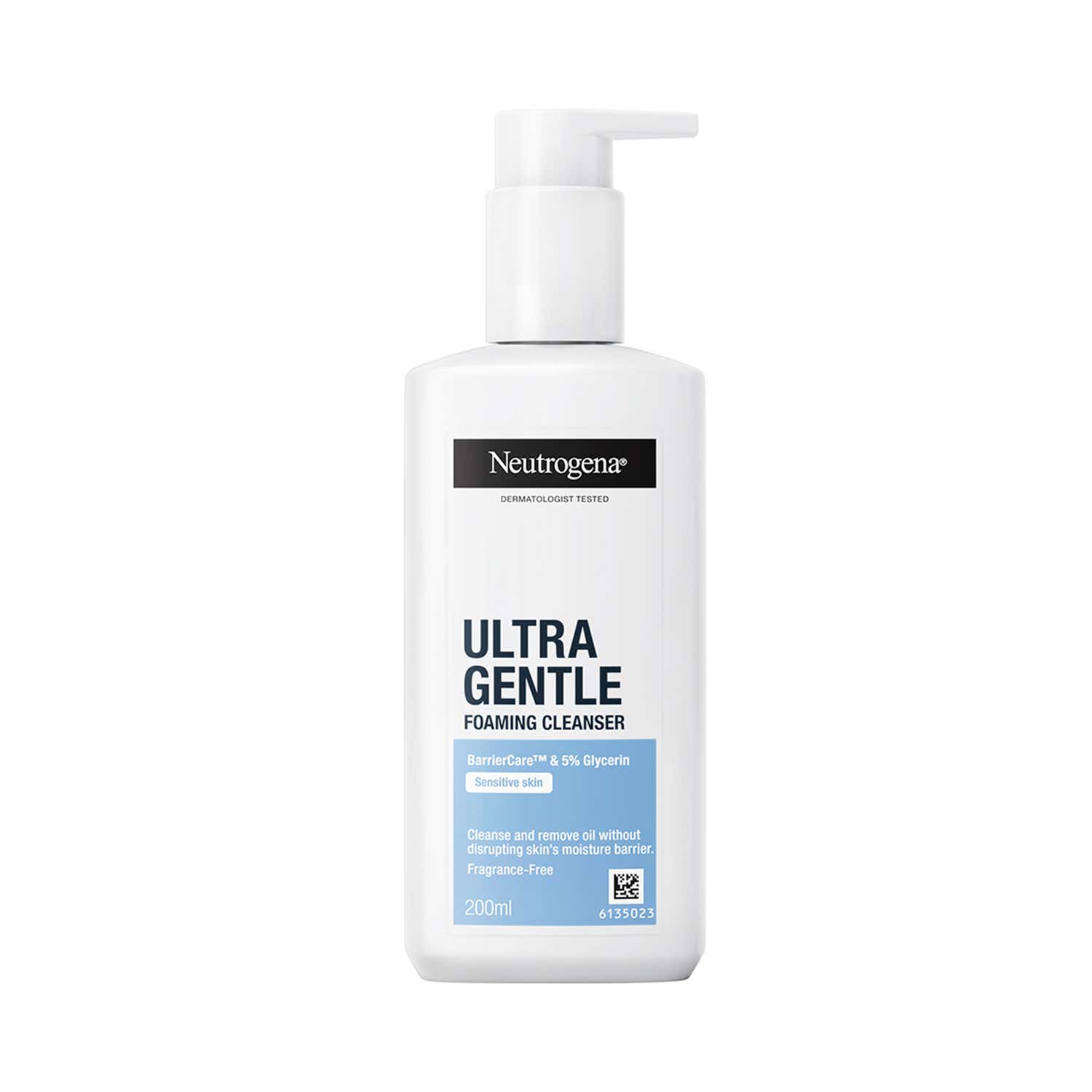




When your skin craves hydration but needs a deep cleanse, Laneige’s gel cleanser delivers. The soft, foamy formula sweeps away impurities while keeping your skin’s moisture barrier intact. Whether you’re waking up in a new city or unwinding after a long day, this K-beauty favourite keeps your skin fresh, balanced and ready for the next adventure.
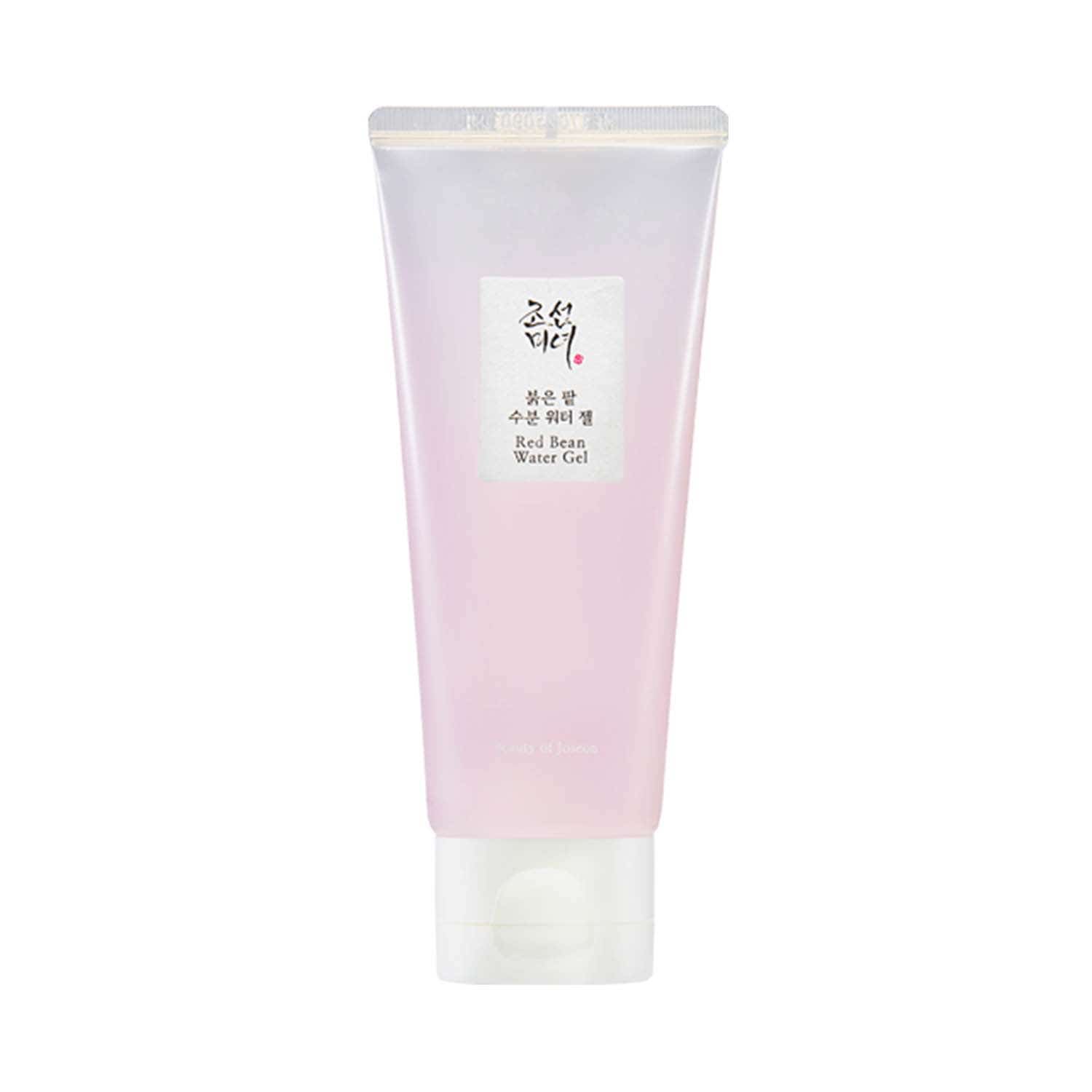
Beauty of Joseon brings its signature Hanbang-inspired approach to this gel moisturiser. Red bean extract, which has been used in Korean skincare tradition for its brightening and pore-refining properties, sits alongside peptides that support skin firmness and hyaluronic acid that offers hydration. The result is a moisturiser that does more than just hydrate. It addresses oiliness, uneven texture and dullness simultaneously, which makes it particularly well-suited to oily and combination skin types. The water-gel texture is light, fast-absorbing and leaves a clean, matte-ish finish that holds up well through humidity.
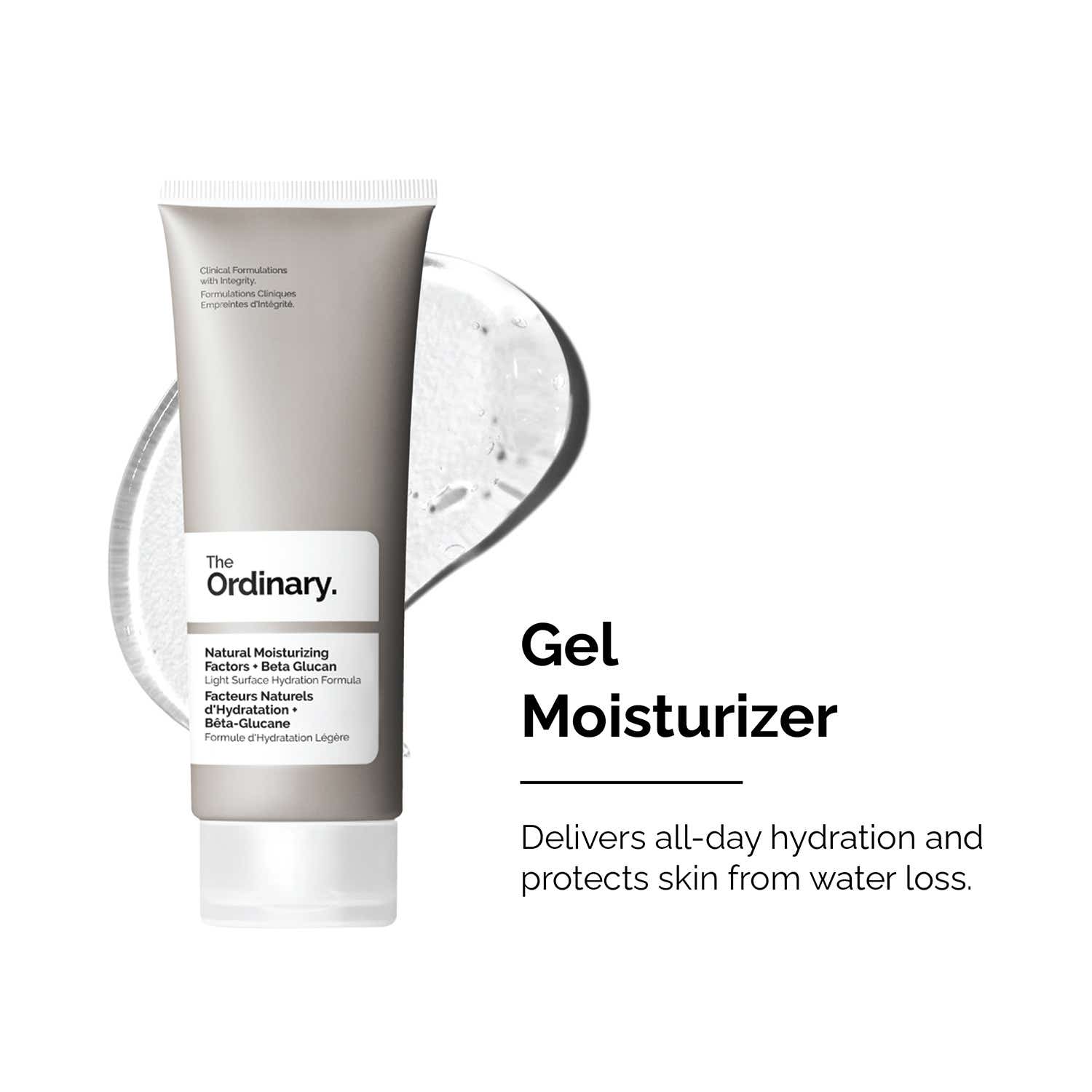
The Ordinary keeps this one simple and effective. Natural moisturising factors are compounds already found in the skin that help keep it hydrated, and this formula helps replenish them when your barrier feels depleted. Beta glucan adds another layer of support by helping soothe and hydrate the skin. Lightweight, straightforward and easy to use, it is a solid everyday moisturiser for barrier care on a budget.
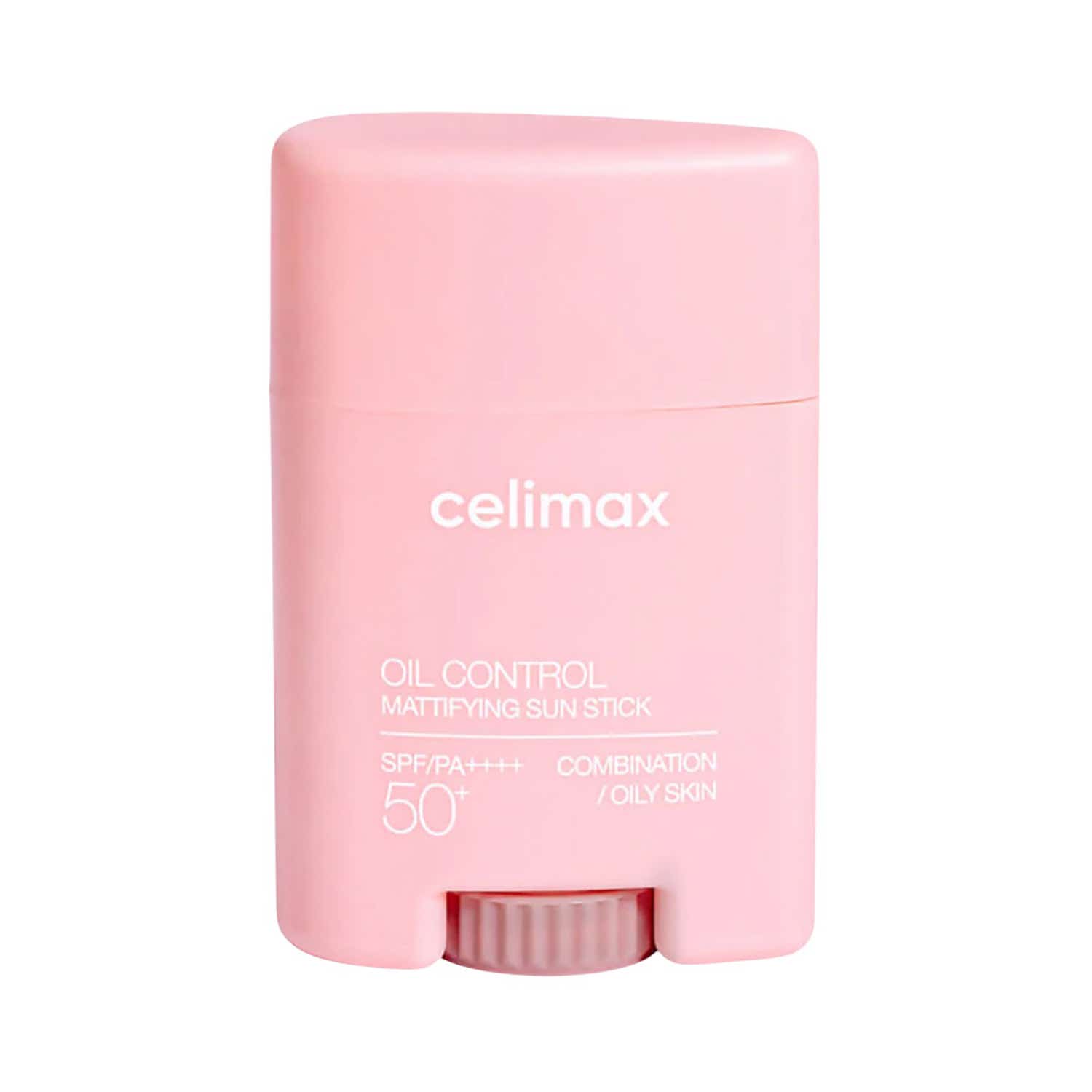
This sun stick reapplies over makeup without disturbing it, which is the actual dream. It mattifies as it protects, with centella calming any irritation along the way. The raindrop-shaped tip makes reapplying around the eyes and nose easy instead of fiddly.
Is it a clay mask? Is it a foam cleanser? Thank You Farmer would like you to live in suspense as you apply a thin layer of the formula on your skin—only to find it foaming within a few minutes. Combining the best benefits of a clay mask and a foaming cleanser into one, this multipurpose cleanser is here to make your cleansing routine fun again. Two birds, one stone.
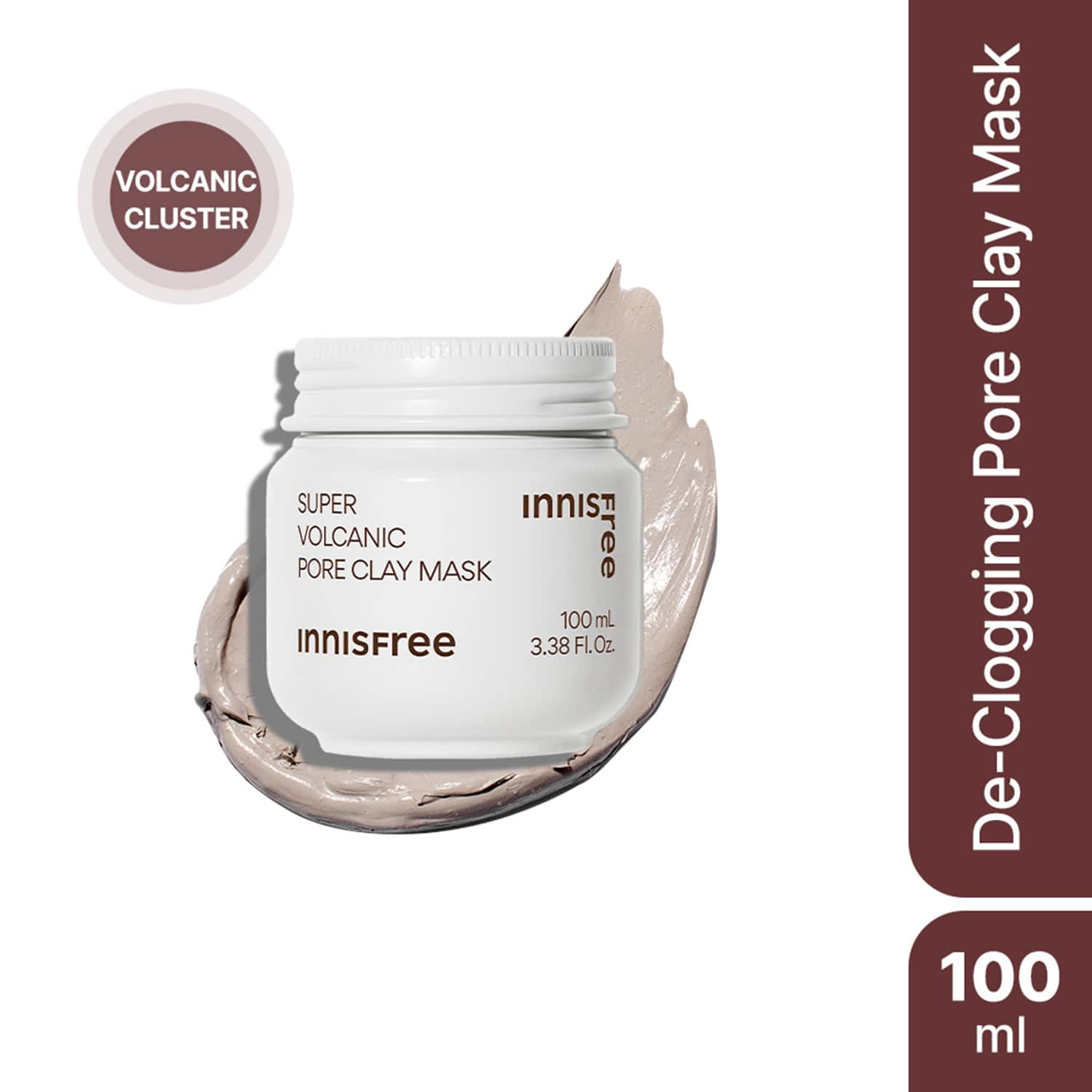
Pores can collect more than their fair share of dirt, sweat and oil, and this clay mask clears everything out in one go. It lifts away build up without stripping the skin and leaves it feeling smoother and noticeably fresher. Used once or twice a week, it keeps congestion in check and helps maintain that clean, just washed look for longer. Easy, effective and low effort — the ideal kind of weekly reset.
This one is a long-time favourite that resurfaced on many reset routines. It’s a weekly pore-care mask that unclogs pores without the post-clay tightness. As its volcanic clusters gently exfoliate, it handles humidity, sweat and long makeup days gracefully, keeping the skin clearer and smoother.
Your skin has a lot more to shake off in the summer, including sweat, excess oil, residual sunscreen, pollution and the general grime of a long day in the sun. That makes cleansing an important step in summer skincare, but remember that it’s not an invitation to scrub your face dry. A gentle foaming cleanser or a lightweight gel formula that removes buildup without stripping your skin’s barrier is exactly what your skin needs in this season. Cleansing twice a day can be especially helpful in warmer months, once in the morning to refresh your skin, and again in the evening to wash away everything your skin accumulated over the course of the day. Pro tip: if you wear long-wear makeup or heavy sunscreen, a gentle double cleanse at night can be helpful.
You might be tempted to skip this step in the summer, especially if you have oily skin but, FYI, oily skin needs moisture too. In fact, when skin is dehydrated, it can sometimes produce even more oil in an attempt to compensate. The smarter move for summer is not to abandon a moisturiser, but to switch to one that is lighter, like gel creams, water-based formulas, lightweight lotions or non-comedogenic moisturisers. These textures absorb faster, layer better under sunscreen and are less likely to feel sticky in humid weather. If you spend long hours in air-conditioning, this step becomes even more important, as indoor cooling can dry the skin out without you knowing.
This is not the season to half-heartedly dab on sunscreen and hope for the best. Sun protection needs to become the most disciplined step in your skincare routine in the summer. Look for a broad-spectrum formula that protects against both UVA and UVB rays, with at least SPF 30 for daily wear—though SPF 50 might be a smarter choice if you spend a great deal of time outdoors. Going for a lightweight formula is equally important, as heavy sunscreen can make your skin feel greasy and suffocated. Remember to apply SPF generously to your face, neck, ears and use body sunscreen for your limbs and other exposed areas. If you tend to sweat a lot, reapplication is important too. You can keep an SPF stick in your bag for quick top-ups throughout the day.
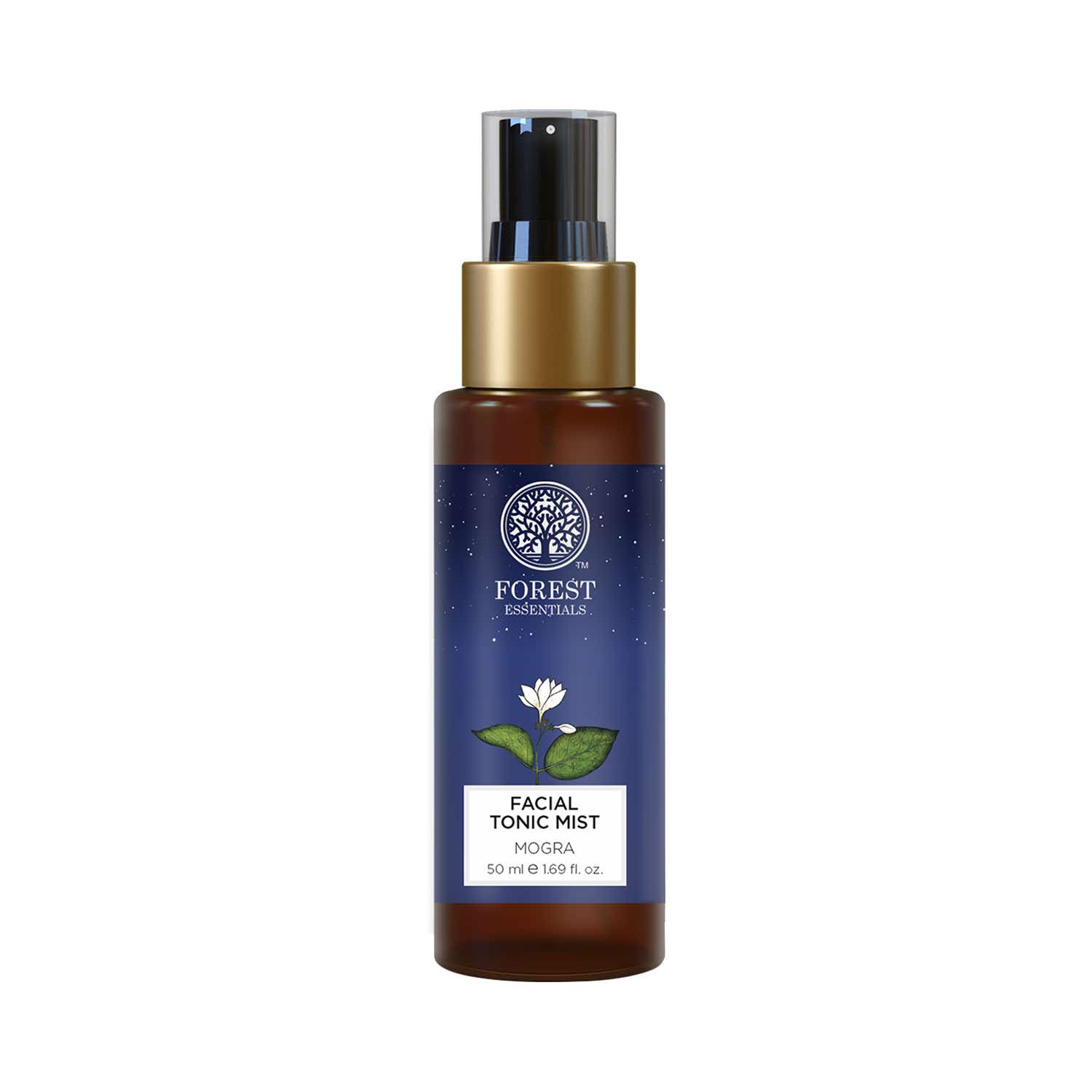
Moisturising is not the only hydration your skin needs in the summer. At the risk of sounding like your mom… don’t forget to drink lots and lots of water! This can help support overall skin function, because fluid loss is higher in high temperatures. Another step that makes a difference is incorporating a lightweight serum with ingredients like hyaluronic acid, niacinamide, glycerin or panthenol to your morning or evening routine. A facial mist can also be refreshing for parched skin, particularly when you’re spending time outdoors.
Clogged pores are fairly common in summer. Keeping oil levels balanced can ensure that congestion doesn’t automatically lead to breakouts. Like mentioned earlier, cleansing twice a day is a must. You can also consider adding a salicylic acid face wash or serum a few times a week if you’re acne-prone, which can help clear pores and reduce buildup. A clay mask once a week can help absorb surface oil and leave your skin feeling fresher, especially around the T-zone. And if your skin starts looking shiny as the day progresses, try using blotting papers to get rid of the excess oil rather than resorting to repeated washing.
Your skin has a lot more to shake off in the summer, including sweat, excess oil, residual sunscreen, pollution and the general grime of a long day in the sun. That makes cleansing an important step in summer skincare, but remember that it’s not an invitation to scrub your face dry. A gentle foaming cleanser or a lightweight gel formula that removes buildup without stripping your skin’s barrier is exactly what your skin needs in this season. Cleansing twice a day can be especially helpful in warmer months, once in the morning to refresh your skin, and again in the evening to wash away everything your skin accumulated over the course of the day. Pro tip: if you wear long-wear makeup or heavy sunscreen, a gentle double cleanse at night can be helpful.
You might be tempted to skip this step in the summer, especially if you have oily skin but, FYI, oily skin needs moisture too. In fact, when skin is dehydrated, it can sometimes produce even more oil in an attempt to compensate. The smarter move for summer is not to abandon a moisturiser, but to switch to one that is lighter, like gel creams, water-based formulas, lightweight lotions or non-comedogenic moisturisers. These textures absorb faster, layer better under sunscreen and are less likely to feel sticky in humid weather. If you spend long hours in air-conditioning, this step becomes even more important, as indoor cooling can dry the skin out without you knowing.
This is not the season to half-heartedly dab on sunscreen and hope for the best. Sun protection needs to become the most disciplined step in your skincare routine in the summer. Look for a broad-spectrum formula that protects against both UVA and UVB rays, with at least SPF 30 for daily wear—though SPF 50 might be a smarter choice if you spend a great deal of time outdoors. Going for a lightweight formula is equally important, as heavy sunscreen can make your skin feel greasy and suffocated. Remember to apply SPF generously to your face, neck, ears and use body sunscreen for your limbs and other exposed areas. If you tend to sweat a lot, reapplication is important too. You can keep an SPF stick in your bag for quick top-ups throughout the day.
Moisturising is not the only hydration your skin needs in the summer. At the risk of sounding like your mom… don’t forget to drink lots and lots of water! This can help support overall skin function, because fluid loss is higher in high temperatures. Another step that makes a difference is incorporating a lightweight serum with ingredients like hyaluronic acid, niacinamide, glycerin or panthenol to your morning or evening routine. A facial mist can also be refreshing for parched skin, particularly when you’re spending time outdoors.
Clogged pores are fairly common in summer. Keeping oil levels balanced can ensure that congestion doesn’t automatically lead to breakouts. Like mentioned earlier, cleansing twice a day is a must. You can also consider adding a salicylic acid face wash or serum a few times a week if you’re acne-prone, which can help clear pores and reduce buildup. A clay mask once a week can help absorb surface oil and leave your skin feeling fresher, especially around the T-zone. And if your skin starts looking shiny as the day progresses, try using blotting papers to get rid of the excess oil rather than resorting to repeated washing.


Your skin has a lot more to shake off in the summer, including sweat, excess oil, residual sunscreen, pollution and the general grime of a long day in the sun. That makes cleansing an important step in summer skincare, but remember that it’s not an invitation to scrub your face dry. A gentle foaming cleanser or a lightweight gel formula that removes buildup without stripping your skin’s barrier is exactly what your skin needs in this season. Cleansing twice a day can be especially helpful in warmer months, once in the morning to refresh your skin, and again in the evening to wash away everything your skin accumulated over the course of the day. Pro tip: if you wear long-wear makeup or heavy sunscreen, a gentle double cleanse at night can be helpful.
You might be tempted to skip this step in the summer, especially if you have oily skin but, FYI, oily skin needs moisture too. In fact, when skin is dehydrated, it can sometimes produce even more oil in an attempt to compensate. The smarter move for summer is not to abandon a moisturiser, but to switch to one that is lighter, like gel creams, water-based formulas, lightweight lotions or non-comedogenic moisturisers. These textures absorb faster, layer better under sunscreen and are less likely to feel sticky in humid weather. If you spend long hours in air-conditioning, this step becomes even more important, as indoor cooling can dry the skin out without you knowing.
This is not the season to half-heartedly dab on sunscreen and hope for the best. Sun protection needs to become the most disciplined step in your skincare routine in the summer. Look for a broad-spectrum formula that protects against both UVA and UVB rays, with at least SPF 30 for daily wear—though SPF 50 might be a smarter choice if you spend a great deal of time outdoors. Going for a lightweight formula is equally important, as heavy sunscreen can make your skin feel greasy and suffocated. Remember to apply SPF generously to your face, neck, ears and use body sunscreen for your limbs and other exposed areas. If you tend to sweat a lot, reapplication is important too. You can keep an SPF stick in your bag for quick top-ups throughout the day.
Moisturising is not the only hydration your skin needs in the summer. At the risk of sounding like your mom… don’t forget to drink lots and lots of water! This can help support overall skin function, because fluid loss is higher in high temperatures. Another step that makes a difference is incorporating a lightweight serum with ingredients like hyaluronic acid, niacinamide, glycerin or panthenol to your morning or evening routine. A facial mist can also be refreshing for parched skin, particularly when you’re spending time outdoors.
Clogged pores are fairly common in summer. Keeping oil levels balanced can ensure that congestion doesn’t automatically lead to breakouts. Like mentioned earlier, cleansing twice a day is a must. You can also consider adding a salicylic acid face wash or serum a few times a week if you’re acne-prone, which can help clear pores and reduce buildup. A clay mask once a week can help absorb surface oil and leave your skin feeling fresher, especially around the T-zone. And if your skin starts looking shiny as the day progresses, try using blotting papers to get rid of the excess oil rather than resorting to repeated washing.