

Powder Room
An expert-backed guide to identifying and treating different types of acne
Read Now


Just last year, I had the privilege of watching my best friend marry the love of her life. She was, of course, glowing—the elusive, candle-lit glow that seems to descend upon a bride so effortlessly. And as much as I would like to attribute her wedding-day radiance to them being in love, there was something more at play here. Behind the seemingly effortless glow was a gameplan—one that was set in motion six months prior to the big day. The result was natural, healthy-looking skin that simply cannot be conjured overnight, or recreated with makeup alone.
Curious to understand what goes into achieving wedding-day skin, I turned to Dr Madhuri Agarwal, Medical Director & Founder, Yavana Aesthetics Clinic, and Dr Manasi Shirolikar, Consultant Dermatologist, MBBS, MD, who chart the rituals, treatments and timing that make up the ultimate six-month skin-prep plan.
Here's the lowdown.
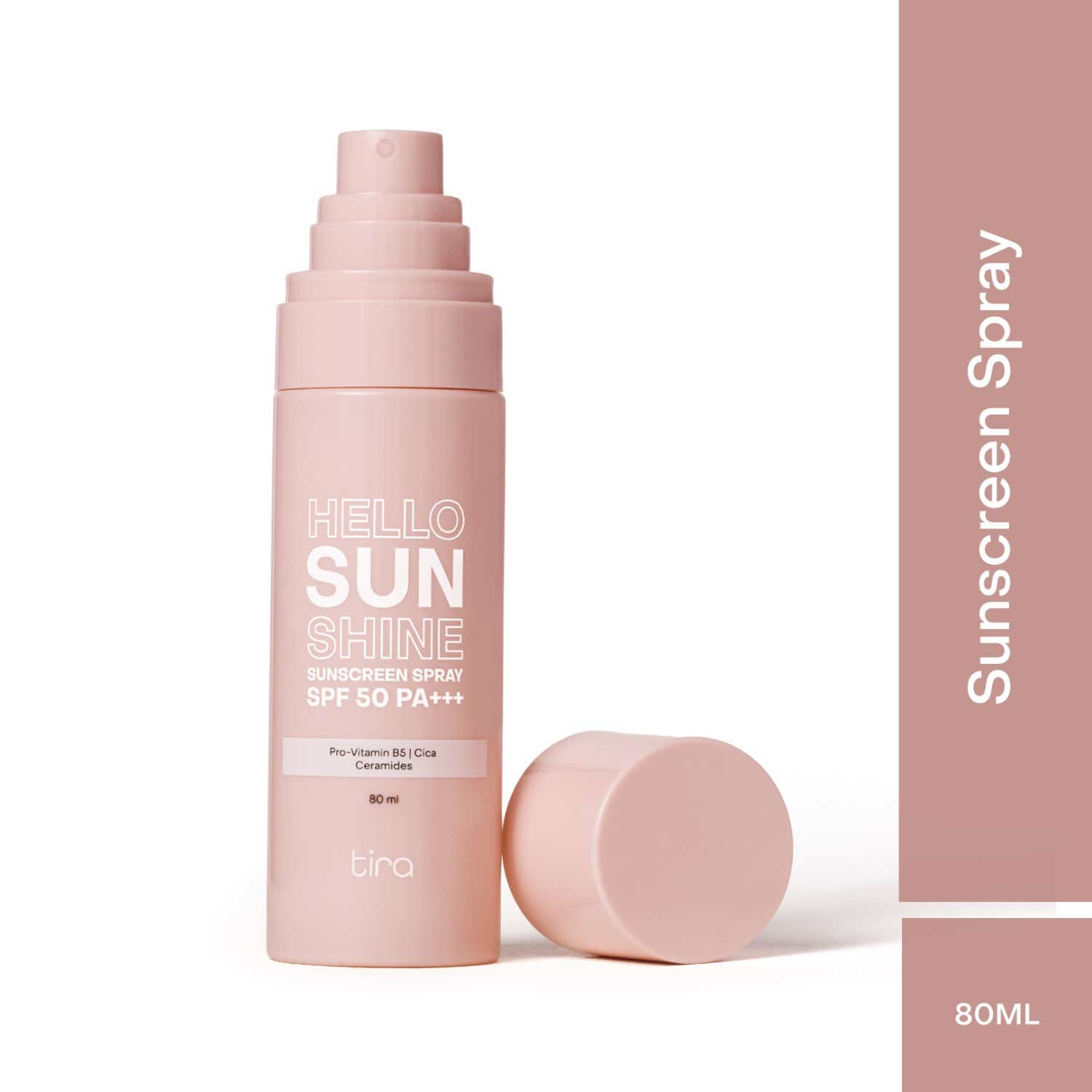



If your desk happens to be beside a window, don't forget that UVA rays can pass through glass. And if you're heading out for lunch or an afternoon coffee, sunscreen reapplication is worth thinking about. Tira's Hello Sunshine Sunscreen Spray has SPF 50 PA+++ protection in a lightweight, invisible formula that's designed to be used over makeup. It also contains pro-vitamin B5, cica, ceramides and beta-glucans to help keep skin hydrated. The spray format makes it convenient for touch-ups, although you'll still want to apply enough product for adequate protection and follow the label's reapplication instructions.
This sunscreen redefines sun protection with its lightweight, non-greasy formula that blends seamlessly into the skin. Enriched with rice extract and probiotics, it hydrates, nourishes, and brightens, making it more than just a sunscreen. With no white cast, it’s ideal for all skin tones and a dream under makeup.
Pro tip: Use a two-finger length for optimal coverage and reapply every two hours for maximum protection when outdoors.
Korean sunscreens have long had the game figured out: lightweight textures, skin-loving ingredients and absolutely zero white cast. Beauty of Joseon’s cult-favourite sunscreen checks every single box—and then some. If you’ve been on Instagram anytime recently, chances are you’ve seen your favourite skinfluencer casually slathering it on mid-routine. It’s become a go-to for a reason: packed with niacinamide, it keeps sebum and moisture levels in check, so you’re never greasy, just glowy. It’s also infused with rice bran and a fermented grain complex that gives it that creamy, hydrating feel without weighing you down. Pro tip: apply at least 15 minutes before heading out the door to let it do its thing.
Beauty of Joseon’s sunscreen isn’t just about protection—it hydrates, too. Packed with rice and probiotics, it helps nourish your skin while keeping it safe from the UV rays. It’s a smooth, lightweight formula that will quickly become your everyday go-to. So restock in bulk to keep your skin covered all year round.
Sun protection is recommended from the age of six months onwards—so you really have no excuse for skipping SPF in your getting-ready routine in the AM. Clinical studies have proven that consistent usage of sunscreen can slow down signs of ageing and the easiest way to hop on the train is with a lightweight, non-greasy formula like this probiotic-enhanced cream by Beauty of Joseon.
“I don’t even like sunscreen, but this one makes me feel like I’m applying skincare, not sunblock,” creative producer Devika writes to me. “Zero white cast, layers well with makeup and my skin looks like I drank two litres of water. I keep one in every bag.”
Finish: Skin-like | Texture: Lightweight cream
This cult-favourite behaves more like a nourishing moisturiser than a typical SPF. The rice extract adds softness, and the finish is a “your skin but better” glow. It layers effortlessly under foundation sticks, cream blushes and tinted moisturisers, without interference. It’s not for those after oil control or grip, but if you want your makeup to melt in naturally, this is a strong pick.
Most dads know they should wear sunscreen, but that doesn’t mean they actually do. The usual complaints are familiar: it feels sticky, leaves a white cast or has a thick texture. This Korean bestseller helps remove some of that friction with a lightweight, creamy texture that blends easily and feels more like a moisturiser than a traditional sunscreen. It offers broad-spectrum protection, while rice extract, fermented grains and niacinamide help keep the skin hydrated and balanced.
Cloud cover isn’t sun protection, and enough people acted on that. The current formula runs four filters in a lightweight creamy lotion that finishes dewy with no white cast. Rice extract sits second on the ingredients list at 30%, with niacinamide, grain and soy ferments, green tea and ginseng behind it. It’s fragrance-free, which is part of the appeal for reactive skin.
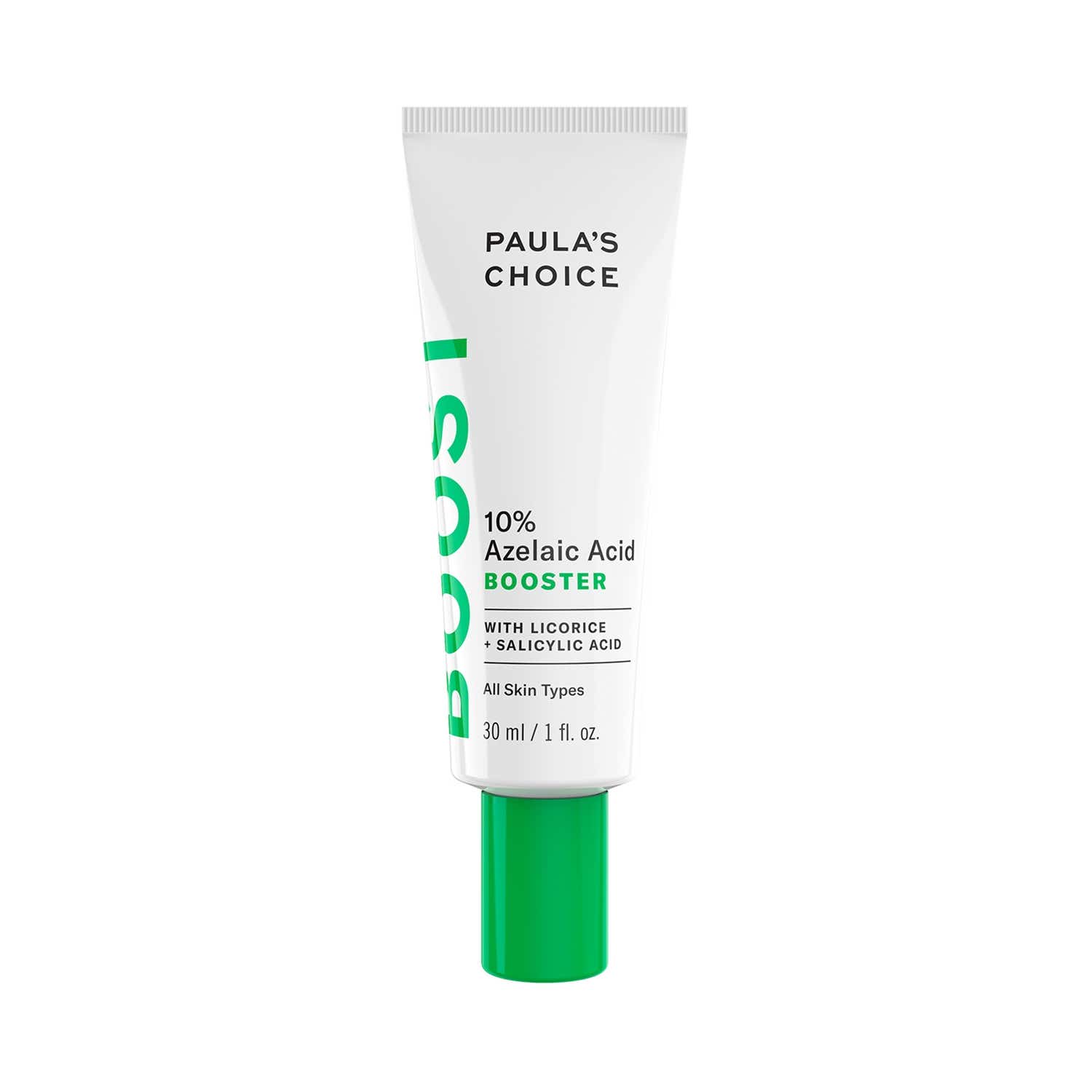
Azelaic acid is one of the more underrated ingredients in skincare—it addresses uneven tone, post-breakout marks, redness and mild texture concerns simultaneously. And it does so without the irritation that stronger actives can cause. At 10%, this booster delivers it at a concentration that’s effective enough to produce visible results while remaining comfortable for daily use. It can be mixed into a moisturiser or serum, applied directly or used as a targeted treatment on areas of concern. It’s versatile, it’s gentle and it’s underestimated until you’ve tried it.
Everyone knows Laneige for its Lip Sleeping Mask, but this moisturiser deserves a little spotlight too. It’s lightweight but hydrating enough to keep your skin soft all day, thanks to a blend of squalane, blue hyaluronic acid, and a Pepta-Panthenol Complex. If your skin’s feeling a little dull or tight, this one gives it that bounce-back feel—without being greasy or heavy.
The most convincing bridal glow begins long before the makeup artist arrives at the scene. Both experts agree that the six-month mark is your window to address deep-rooted concerns like acne, pigmentation, scarring, tanning or uneven tone.
"Depending on your concerns, you can consider options like botox, fillers, PRP (platelet-rich plasma) therapy, or derm-recommended peels and lasers," advises Dr Shirolikar. The key, she says, is not to chase a treatment simply because it’s trending, but to let your dermatologist determine what your skin needs and map out a plan accordingly.
Dr Agarwal notes that brides experiencing skin laxity or volume loss may also be advised dermal fillers at this stage to restore structure and definition. Because most of these procedures require a series of sessions, she suggests starting early, making six months feel more like a comfortable head start than a nerve-wracking countdown.
Apart from in-office procedures, the long-game philosophy extends to your everyday regimen as well, says Dr Shirolikar. This is the moment to turn your attention to targeted actives. Think vitamin C, niacinamide, azelaic acid, salicylic acid or glycolic acid, based on your skin concern.
And the golden rule she swears by? Apply—and reapply—sunscreen every single day.
According to Dr Agarwal, a healthy lifestyle deserves a place in your bridal prep plan—now more than ever. She urges to-be brides to pencil in time for regular movement and maintain a balanced, wholesome diet. These small, consistent habits can support how you look and, more importantly, feel in the months leading up to the wedding.
Dr Shirolikar, meanwhile, advises against overhauling your skincare routine as D-day approaches, “Continue with your go-to active ingredients. You can still opt for chemical peels or lasers if your dermatologist thinks you require them.” In other words, resist the urge to introduce new actives in pursuit of a last-minute glow.
She continues, “If you are planning to wax your face or body for the wedding, do not make your first attempt close to the wedding day.”
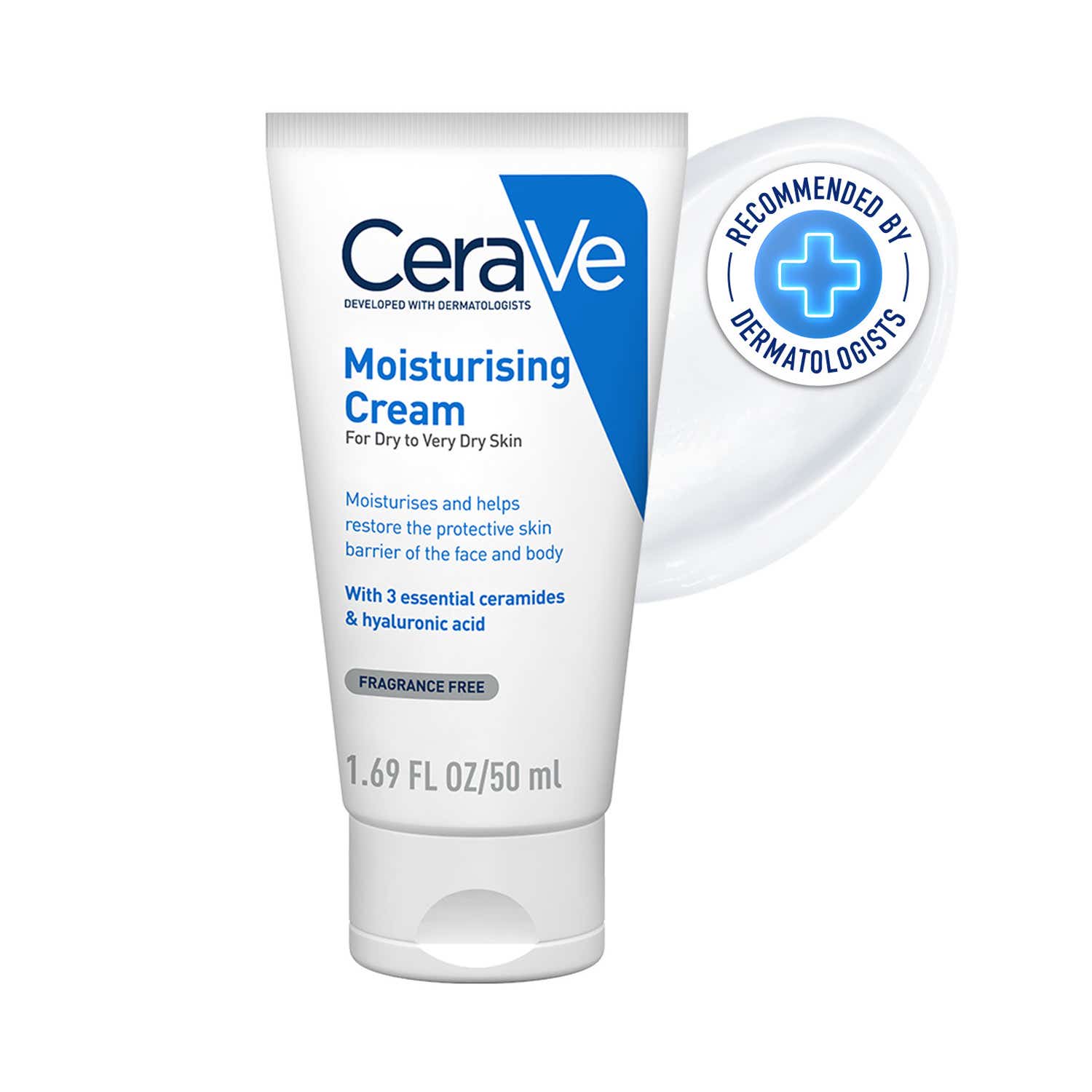
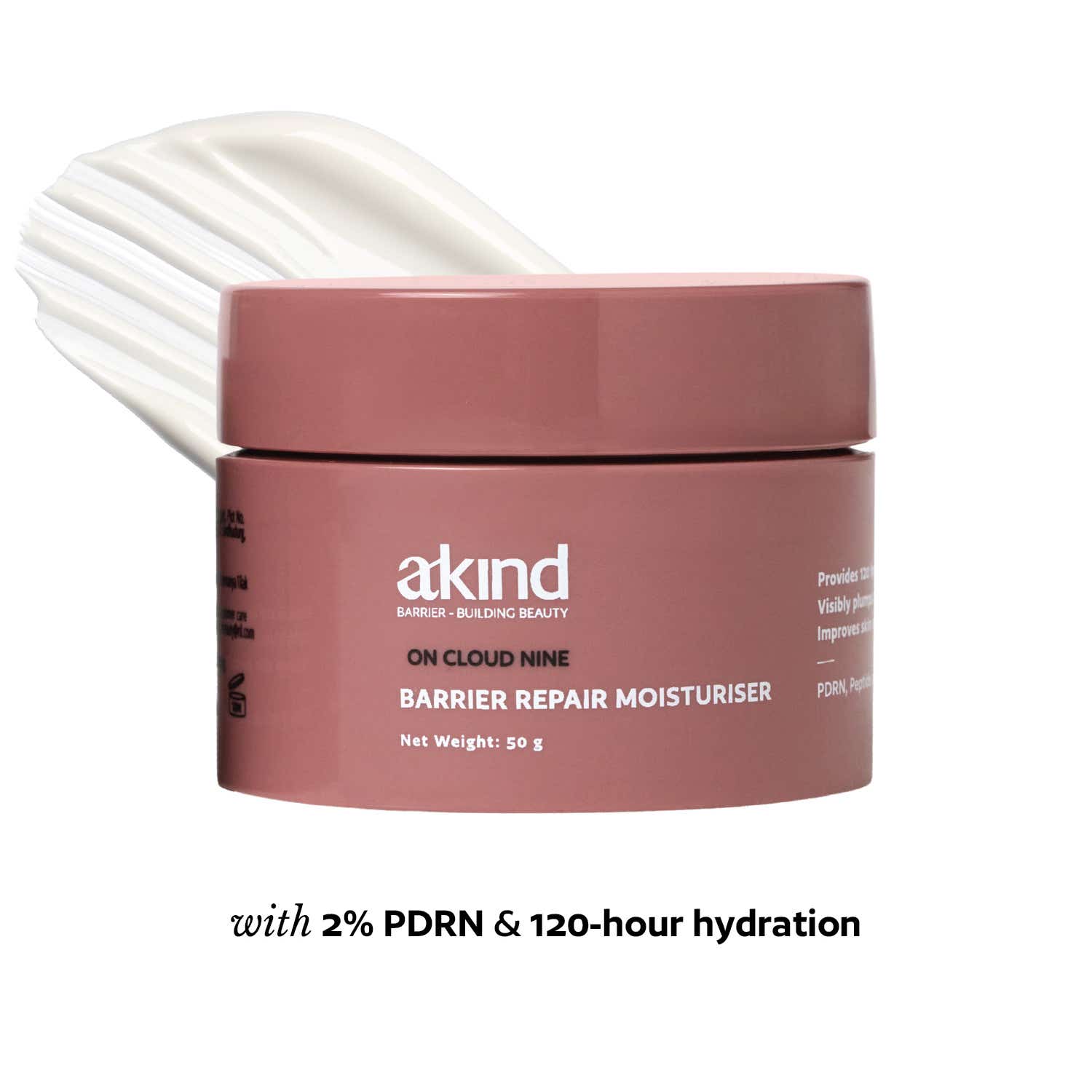
With the wedding now in plain sight, the focus shifts from correction to maintenance. “The priority now is maintaining your skin and the skin barrier, rather than trying to transform it,” says Dr Shirolikar. “Hydrating and barrier-supporting ingredients such as ceramides, hyaluronic acid and squalane can be useful if your skin needs additional hydration.”
She reiterates that this is not the time to experiment, especially if you have sensitive or acne-prone skin, as it can result in irritation or breakouts at exactly the wrong time.
Dr Agarwal chimes in, “Every bride wants to look brighter and healthier at this point. If you’re still struggling with tanning, dullness or acne, it’s important to address these concerns as a priority.”
If stubborn tanning persists, she suggests opting for Q-switched laser treatments. Typically spaced 10-14 days apart, they can gradually help lighten tan. For skin that’s still looking dehydrated or lacklustre, treatments such as PDRN can be considered, while skin boosters may help support a more hydrated, plumper, smoother appearance.
At this stage, Dr Agarwal believes that less is more. Restraint is a beauty strategy in its own right, and there is little to gain from making dramatic changes to your routine this close to the wedding. “Avoid prolonged sun exposure,” she says, “and rest as much as you can.”
Dr Shirolikar adds, “There is no need to rely on detox drinks or miracle foods. If your skin is becoming dry, irritated or sensitive, focus on moisturisation and barrier repair.”
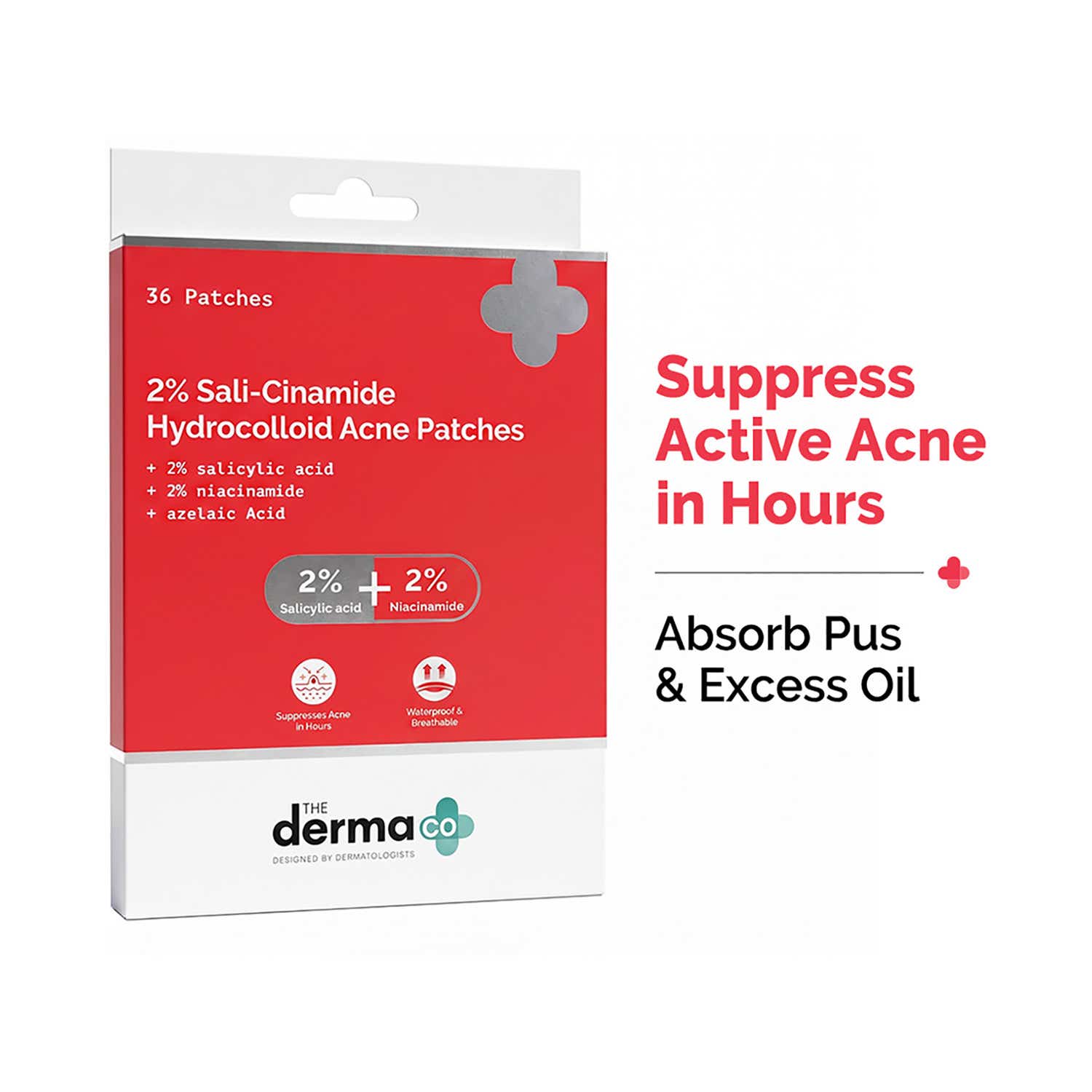
She then shares a list of dos and don'ts: “Avoid waxing, threading, bleaching, peels, lasers and other treatments that could leave the skin irritated or inflamed, unless they are part of an established routine. If an unexpected pimple appears, resist the urge to pick or squeeze it. A hydrocolloid pimple patch can help protect the area.”
She also says that there is no need to press pause on active ingredients, unless your dermatologist recommends doing so—particularly when it comes to retinoids or exfoliating acids.
Dr Agarwal seconds this, adding, “Avoid over-exfoliation—it can cause damage to the skin, leading to redness and breakouts.”
The bigger message? When it comes to bridal skincare, Dr Agarwal reminds us, “The trick is to not overdo anything, as we are looking for a happy, healthy version of the bride—not to transform her into a completely new person.”
.png)




The most convincing bridal glow begins long before the makeup artist arrives at the scene. Both experts agree that the six-month mark is your window to address deep-rooted concerns like acne, pigmentation, scarring, tanning or uneven tone.
"Depending on your concerns, you can consider options like botox, fillers, PRP (platelet-rich plasma) therapy, or derm-recommended peels and lasers," advises Dr Shirolikar. The key, she says, is not to chase a treatment simply because it’s trending, but to let your dermatologist determine what your skin needs and map out a plan accordingly.
Dr Agarwal notes that brides experiencing skin laxity or volume loss may also be advised dermal fillers at this stage to restore structure and definition. Because most of these procedures require a series of sessions, she suggests starting early, making six months feel more like a comfortable head start than a nerve-wracking countdown.
Apart from in-office procedures, the long-game philosophy extends to your everyday regimen as well, says Dr Shirolikar. This is the moment to turn your attention to targeted actives. Think vitamin C, niacinamide, azelaic acid, salicylic acid or glycolic acid, based on your skin concern.
And the golden rule she swears by? Apply—and reapply—sunscreen every single day.
According to Dr Agarwal, a healthy lifestyle deserves a place in your bridal prep plan—now more than ever. She urges to-be brides to pencil in time for regular movement and maintain a balanced, wholesome diet. These small, consistent habits can support how you look and, more importantly, feel in the months leading up to the wedding.
Dr Shirolikar, meanwhile, advises against overhauling your skincare routine as D-day approaches, “Continue with your go-to active ingredients. You can still opt for chemical peels or lasers if your dermatologist thinks you require them.” In other words, resist the urge to introduce new actives in pursuit of a last-minute glow.
She continues, “If you are planning to wax your face or body for the wedding, do not make your first attempt close to the wedding day.”
With the wedding now in plain sight, the focus shifts from correction to maintenance. “The priority now is maintaining your skin and the skin barrier, rather than trying to transform it,” says Dr Shirolikar. “Hydrating and barrier-supporting ingredients such as ceramides, hyaluronic acid and squalane can be useful if your skin needs additional hydration.”
She reiterates that this is not the time to experiment, especially if you have sensitive or acne-prone skin, as it can result in irritation or breakouts at exactly the wrong time.
Dr Agarwal chimes in, “Every bride wants to look brighter and healthier at this point. If you’re still struggling with tanning, dullness or acne, it’s important to address these concerns as a priority.”
If stubborn tanning persists, she suggests opting for Q-switched laser treatments. Typically spaced 10-14 days apart, they can gradually help lighten tan. For skin that’s still looking dehydrated or lacklustre, treatments such as PDRN can be considered, while skin boosters may help support a more hydrated, plumper, smoother appearance.
At this stage, Dr Agarwal believes that less is more. Restraint is a beauty strategy in its own right, and there is little to gain from making dramatic changes to your routine this close to the wedding. “Avoid prolonged sun exposure,” she says, “and rest as much as you can.”
Dr Shirolikar adds, “There is no need to rely on detox drinks or miracle foods. If your skin is becoming dry, irritated or sensitive, focus on moisturisation and barrier repair.”
She then shares a list of dos and don'ts: “Avoid waxing, threading, bleaching, peels, lasers and other treatments that could leave the skin irritated or inflamed, unless they are part of an established routine. If an unexpected pimple appears, resist the urge to pick or squeeze it. A hydrocolloid pimple patch can help protect the area.”
She also says that there is no need to press pause on active ingredients, unless your dermatologist recommends doing so—particularly when it comes to retinoids or exfoliating acids.
Dr Agarwal seconds this, adding, “Avoid over-exfoliation—it can cause damage to the skin, leading to redness and breakouts.”
The bigger message? When it comes to bridal skincare, Dr Agarwal reminds us, “The trick is to not overdo anything, as we are looking for a happy, healthy version of the bride—not to transform her into a completely new person.”
The most convincing bridal glow begins long before the makeup artist arrives at the scene. Both experts agree that the six-month mark is your window to address deep-rooted concerns like acne, pigmentation, scarring, tanning or uneven tone.
"Depending on your concerns, you can consider options like botox, fillers, PRP (platelet-rich plasma) therapy, or derm-recommended peels and lasers," advises Dr Shirolikar. The key, she says, is not to chase a treatment simply because it’s trending, but to let your dermatologist determine what your skin needs and map out a plan accordingly.
Dr Agarwal notes that brides experiencing skin laxity or volume loss may also be advised dermal fillers at this stage to restore structure and definition. Because most of these procedures require a series of sessions, she suggests starting early, making six months feel more like a comfortable head start than a nerve-wracking countdown.
Apart from in-office procedures, the long-game philosophy extends to your everyday regimen as well, says Dr Shirolikar. This is the moment to turn your attention to targeted actives. Think vitamin C, niacinamide, azelaic acid, salicylic acid or glycolic acid, based on your skin concern.
And the golden rule she swears by? Apply—and reapply—sunscreen every single day.
According to Dr Agarwal, a healthy lifestyle deserves a place in your bridal prep plan—now more than ever. She urges to-be brides to pencil in time for regular movement and maintain a balanced, wholesome diet. These small, consistent habits can support how you look and, more importantly, feel in the months leading up to the wedding.
Dr Shirolikar, meanwhile, advises against overhauling your skincare routine as D-day approaches, “Continue with your go-to active ingredients. You can still opt for chemical peels or lasers if your dermatologist thinks you require them.” In other words, resist the urge to introduce new actives in pursuit of a last-minute glow.
She continues, “If you are planning to wax your face or body for the wedding, do not make your first attempt close to the wedding day.”
With the wedding now in plain sight, the focus shifts from correction to maintenance. “The priority now is maintaining your skin and the skin barrier, rather than trying to transform it,” says Dr Shirolikar. “Hydrating and barrier-supporting ingredients such as ceramides, hyaluronic acid and squalane can be useful if your skin needs additional hydration.”
She reiterates that this is not the time to experiment, especially if you have sensitive or acne-prone skin, as it can result in irritation or breakouts at exactly the wrong time.
Dr Agarwal chimes in, “Every bride wants to look brighter and healthier at this point. If you’re still struggling with tanning, dullness or acne, it’s important to address these concerns as a priority.”
If stubborn tanning persists, she suggests opting for Q-switched laser treatments. Typically spaced 10-14 days apart, they can gradually help lighten tan. For skin that’s still looking dehydrated or lacklustre, treatments such as PDRN can be considered, while skin boosters may help support a more hydrated, plumper, smoother appearance.
At this stage, Dr Agarwal believes that less is more. Restraint is a beauty strategy in its own right, and there is little to gain from making dramatic changes to your routine this close to the wedding. “Avoid prolonged sun exposure,” she says, “and rest as much as you can.”
Dr Shirolikar adds, “There is no need to rely on detox drinks or miracle foods. If your skin is becoming dry, irritated or sensitive, focus on moisturisation and barrier repair.”
She then shares a list of dos and don'ts: “Avoid waxing, threading, bleaching, peels, lasers and other treatments that could leave the skin irritated or inflamed, unless they are part of an established routine. If an unexpected pimple appears, resist the urge to pick or squeeze it. A hydrocolloid pimple patch can help protect the area.”
She also says that there is no need to press pause on active ingredients, unless your dermatologist recommends doing so—particularly when it comes to retinoids or exfoliating acids.
Dr Agarwal seconds this, adding, “Avoid over-exfoliation—it can cause damage to the skin, leading to redness and breakouts.”
The bigger message? When it comes to bridal skincare, Dr Agarwal reminds us, “The trick is to not overdo anything, as we are looking for a happy, healthy version of the bride—not to transform her into a completely new person.”


The most convincing bridal glow begins long before the makeup artist arrives at the scene. Both experts agree that the six-month mark is your window to address deep-rooted concerns like acne, pigmentation, scarring, tanning or uneven tone.
"Depending on your concerns, you can consider options like botox, fillers, PRP (platelet-rich plasma) therapy, or derm-recommended peels and lasers," advises Dr Shirolikar. The key, she says, is not to chase a treatment simply because it’s trending, but to let your dermatologist determine what your skin needs and map out a plan accordingly.
Dr Agarwal notes that brides experiencing skin laxity or volume loss may also be advised dermal fillers at this stage to restore structure and definition. Because most of these procedures require a series of sessions, she suggests starting early, making six months feel more like a comfortable head start than a nerve-wracking countdown.
Apart from in-office procedures, the long-game philosophy extends to your everyday regimen as well, says Dr Shirolikar. This is the moment to turn your attention to targeted actives. Think vitamin C, niacinamide, azelaic acid, salicylic acid or glycolic acid, based on your skin concern.
And the golden rule she swears by? Apply—and reapply—sunscreen every single day.
According to Dr Agarwal, a healthy lifestyle deserves a place in your bridal prep plan—now more than ever. She urges to-be brides to pencil in time for regular movement and maintain a balanced, wholesome diet. These small, consistent habits can support how you look and, more importantly, feel in the months leading up to the wedding.
Dr Shirolikar, meanwhile, advises against overhauling your skincare routine as D-day approaches, “Continue with your go-to active ingredients. You can still opt for chemical peels or lasers if your dermatologist thinks you require them.” In other words, resist the urge to introduce new actives in pursuit of a last-minute glow.
She continues, “If you are planning to wax your face or body for the wedding, do not make your first attempt close to the wedding day.”
With the wedding now in plain sight, the focus shifts from correction to maintenance. “The priority now is maintaining your skin and the skin barrier, rather than trying to transform it,” says Dr Shirolikar. “Hydrating and barrier-supporting ingredients such as ceramides, hyaluronic acid and squalane can be useful if your skin needs additional hydration.”
She reiterates that this is not the time to experiment, especially if you have sensitive or acne-prone skin, as it can result in irritation or breakouts at exactly the wrong time.
Dr Agarwal chimes in, “Every bride wants to look brighter and healthier at this point. If you’re still struggling with tanning, dullness or acne, it’s important to address these concerns as a priority.”
If stubborn tanning persists, she suggests opting for Q-switched laser treatments. Typically spaced 10-14 days apart, they can gradually help lighten tan. For skin that’s still looking dehydrated or lacklustre, treatments such as PDRN can be considered, while skin boosters may help support a more hydrated, plumper, smoother appearance.
At this stage, Dr Agarwal believes that less is more. Restraint is a beauty strategy in its own right, and there is little to gain from making dramatic changes to your routine this close to the wedding. “Avoid prolonged sun exposure,” she says, “and rest as much as you can.”
Dr Shirolikar adds, “There is no need to rely on detox drinks or miracle foods. If your skin is becoming dry, irritated or sensitive, focus on moisturisation and barrier repair.”
She then shares a list of dos and don'ts: “Avoid waxing, threading, bleaching, peels, lasers and other treatments that could leave the skin irritated or inflamed, unless they are part of an established routine. If an unexpected pimple appears, resist the urge to pick or squeeze it. A hydrocolloid pimple patch can help protect the area.”
She also says that there is no need to press pause on active ingredients, unless your dermatologist recommends doing so—particularly when it comes to retinoids or exfoliating acids.
Dr Agarwal seconds this, adding, “Avoid over-exfoliation—it can cause damage to the skin, leading to redness and breakouts.”
The bigger message? When it comes to bridal skincare, Dr Agarwal reminds us, “The trick is to not overdo anything, as we are looking for a happy, healthy version of the bride—not to transform her into a completely new person.”