

What’s Been Up
Is blush taking a backseat? Here's everything to know about the anti-blush trend
Read Now


I've never really had to struggle with my skin. I know how that sounds, but I've been lucky in that department, and I have my parents to thank for it. Naturally, my beauty routine has remained fairly uncomplicated, with no more than five products in my everyday rotation.
But that changed this year.
Every morning, I'd wake up to inflammation around the corners of my lips, only to find that it was spreading across the rest of my face too. This reaction would continue well into the afternoon, and all I could do was press cubes of ice against my skin. This often happened without any warning—in the middle of a work day, while bed-rotting at home or even before sleeping, and it left me puzzled every single time.
That's when I decided that it was time to consult a dermatologist. I quickly called Dr Madhuri Agarwal’s clinic and requested an appointment, hoping they could squeeze me into an already packed schedule. As always, they came through.

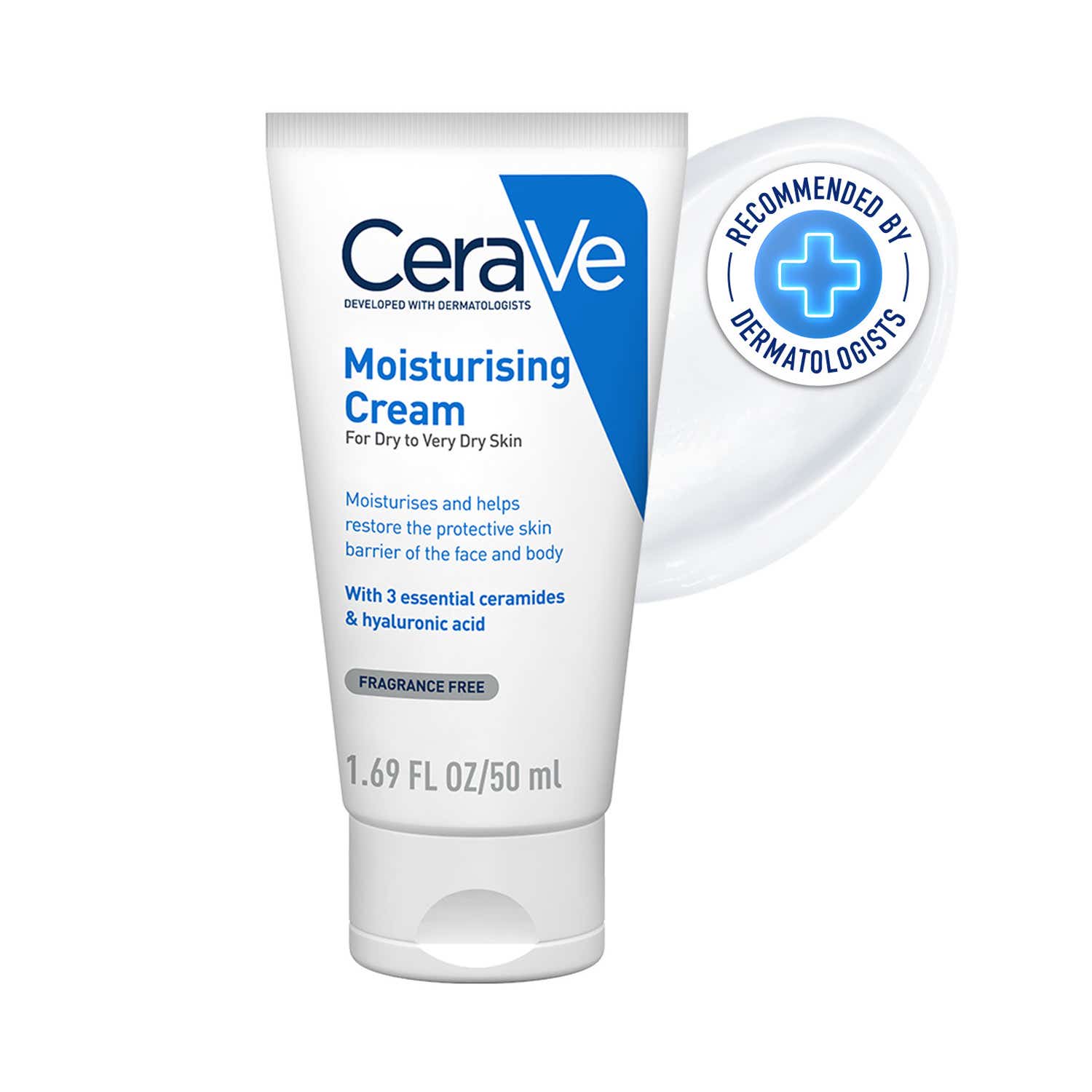
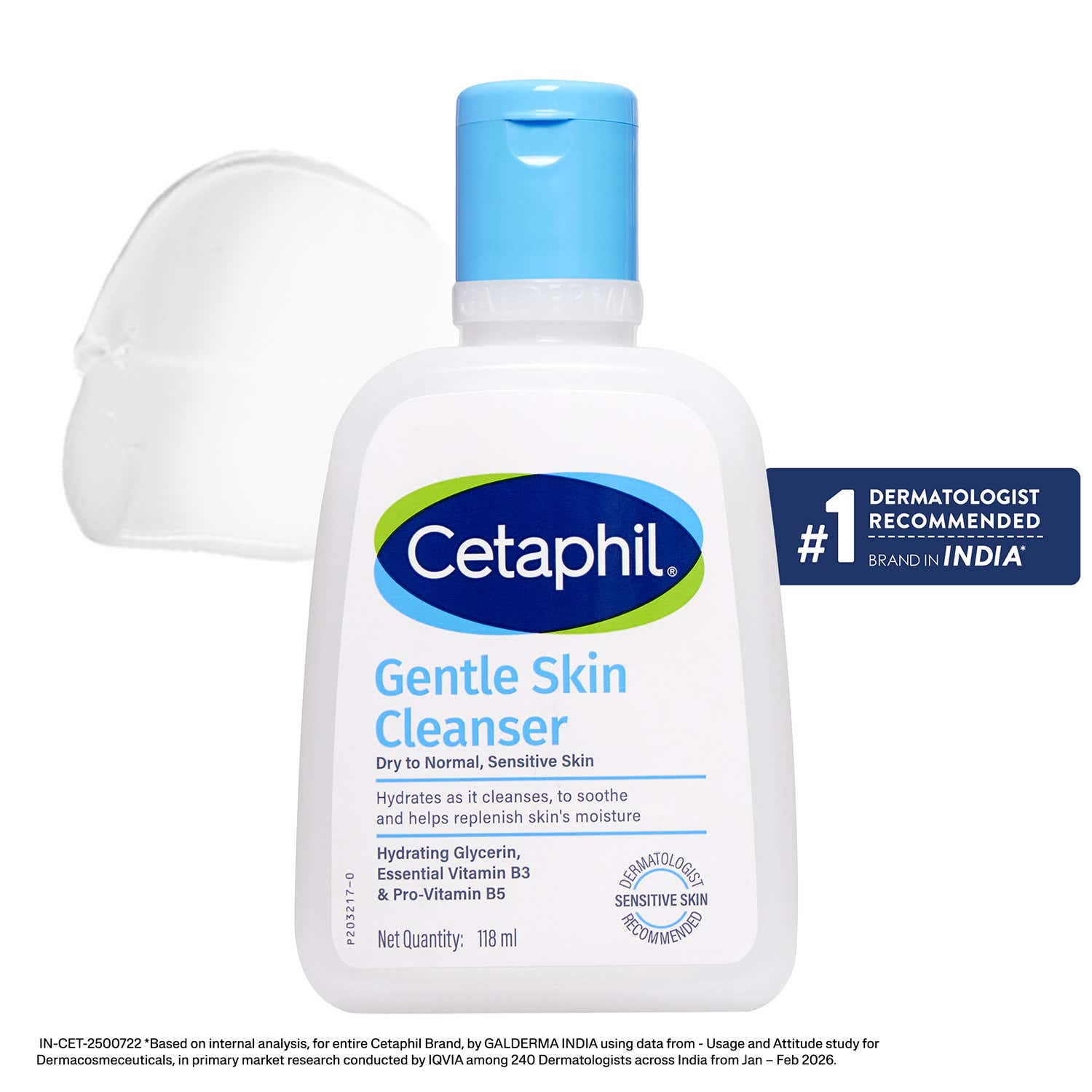


“My skin has always been very dry, so a good, heavy-duty moisturiser is a non-negotiable in my routine. I’ve tried many promising formulas, but this multitasking d’you moisturiser beats almost all of them. It contains a bunch of different ceramides to fortify the skin barrier and prevent moisture loss. It feels instantly soothing and has also made my skin less prone to dryness and dehydration over time. The best part is that the texture feels super light to use and does not leave any greasy residue that’s sometimes common with richer moisturisers.”
This moisturiser is exactly what your skin needs to stay hydrated and protected. Infused with barrier-building ingredients, it helps replenish and lock in moisture while strengthening the skin’s natural defences. If you’re looking for a daily moisturiser that can tackle dryness and environmental stressors, this one’s for you.
This is one of those moisturisers that quietly becomes your most-used product. It’s fragrance-free, calming and packed with ceramides, peptides and niacinamide—basically a blanket for stressed, sensitive skin. It’s loved by the derms and your most skincare-obsessed friend.
Think of this as a comfort blanket for your skin. It’s packed with ceramides, niacinamide and calming botanicals that strengthen your skin barrier and keep it hydrated. Feels rich but never greasy—the perfect everyday moisturiser for colder months.
If your calendar is packed and your skin is doing overtime, this d’you moisturiser is the one to keep in rotation. The formula is straight to the point: a patented five-ceramide blend with 1% pure ceramides to reinforce and protect the barrier (because stressed skin needs structure). Acai berry steps in for deep, lasting hydration, while essential lipids and fatty acids mirror the skin’s natural barrier, helping everything stay balanced and resilient. With consistent use, the skin feels stronger and hydrated, even after long days outside and late nights in makeup. Consider this to be your thoughtful, intentional and high-performing plus-one—the kind that helps your skin bounce back, glow naturally and look well-rested—even when you’re not.
CeraVe’s ceramide and hyaluronic acid formula has built a loyal following for good reason. MVE technology releases moisture gradually through the day so skin stays hydrated well past the initial application, instead of drying out a few hours in. The cream itself is fairly light for a barrier-repair formula, absorbing at a steady pace and settling into a soft, cushioned finish. It’s a dependable pick for the days monsoon swings the other way entirely and dryness creeps in despite all the humidity outside, which happens more often than people expect.
This is a rich, non-greasy cream for face and body with three essential ceramides, hyaluronic acid and MVE technology that releases hydration over 24 hours. Fragrance-free, non-comedogenic, developed with dermatologists and suitable for eczema-prone skin, the 50ml fits in a handbag too.
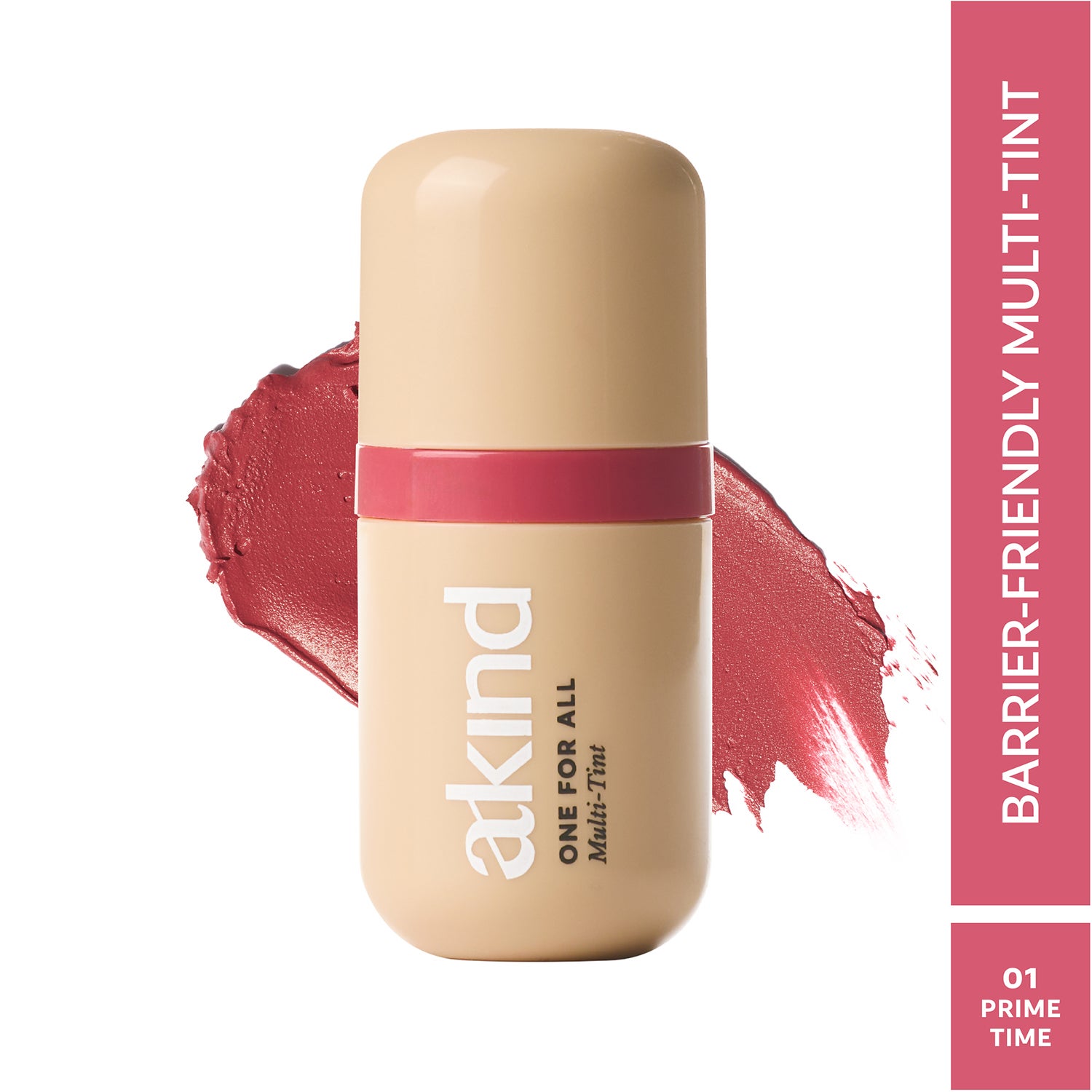
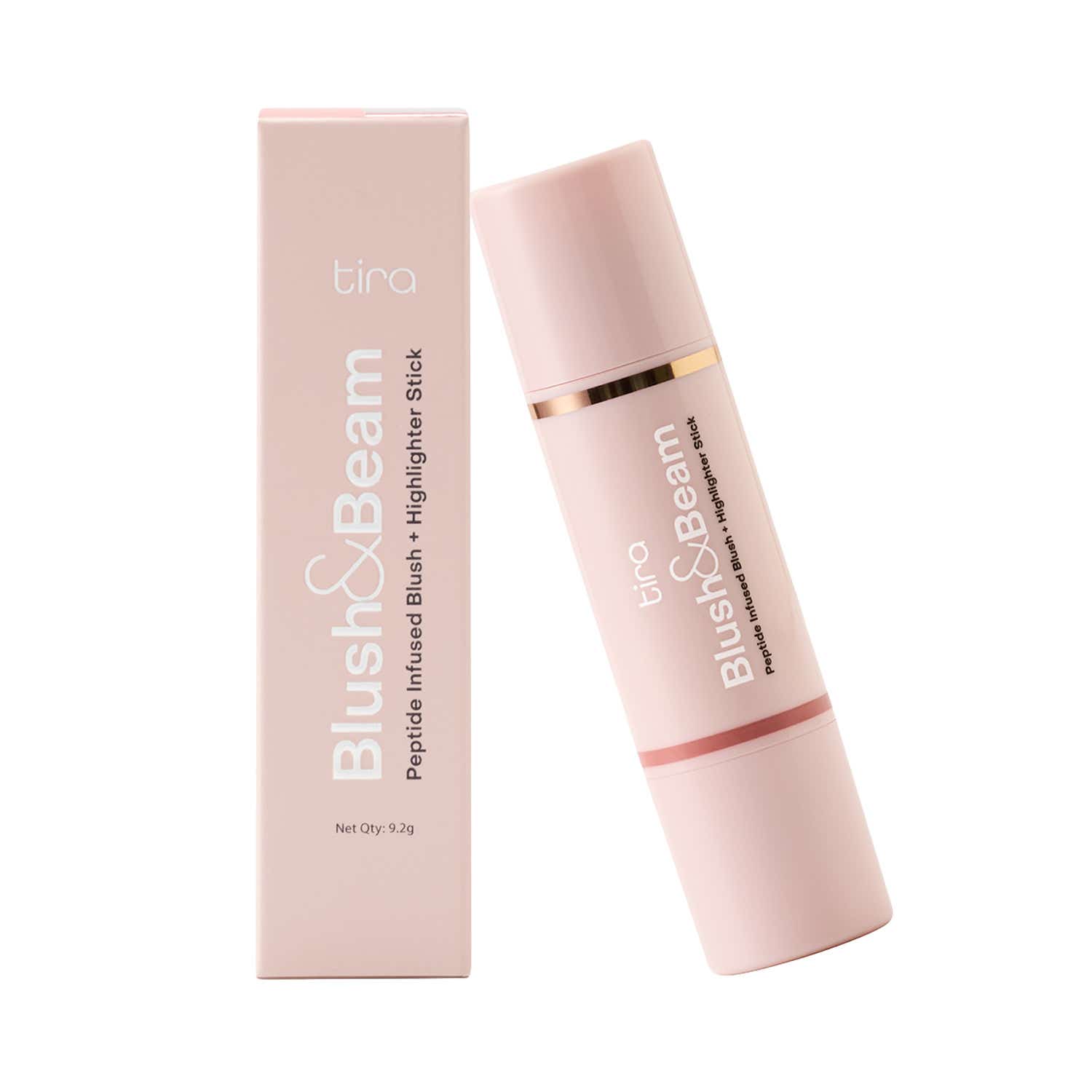
A velvet, cloud-like finish that's also doing skincare work in the background, Akind One For All Multi-Tint in Prime Time is formulated with hyaluronic acid, jojoba oil and a peptide complex. This means your lips, cheeks and eyes are getting a nourishing treatment alongside the colour. It’s buildable, blurring and holds up through a long day without settling or fading oddly. Additionally, it’s barrier-loving.
Allergic contact dermatitis is a type of skin inflammation that occurs when your immune system reacts to a particular substance or ingredient. It can cause redness, itching, dryness, rashes and sometimes small blisters where the skin has come into contact with the trigger.
Common triggers include fragrances in skincare products, soaps, detergents, hair dyes, jewellery and certain metals. Even everyday items like watch straps can cause a reaction in some people. The trigger can vary from person to person.
Irritant contact dermatitis occurs when a substance directly irritates or damages the skin barrier. Allergic contact dermatitis, on the other hand, is an immune response to a particular ingredient or substance. Both can cause redness, itching and inflammation, but their underlying causes are different.
Treatment depends on the severity of the reaction. It usually involves identifying and avoiding the trigger, using gentle skincare products and keeping the skin moisturised. A dermatologist may also prescribe medication, such as topical corticosteroids, to help manage inflammation.
It's best to keep your routine simple and opt for gentle, fragrance-free cleansers and moisturisers. Ingredients like ceramides and glycerin can help support the skin barrier. Avoid exfoliating products and active ingredients while your skin is irritated, unless your dermatologist advises otherwise.
Mild reactions may settle once the triggering substance is avoided. However, persistent or severe symptoms may need medical attention and treatment. If you're experiencing recurring irritation, it's best to consult a dermatologist rather than self-diagnose.
I walked in convinced that I'd somehow developed eczema overnight. But Dr Agarwal identified the culprit as allergic contact dermatitis. She sat me down and said, “When your skin comes in contact with a substance that irritates it, it usually shows up as redness, itching, dryness, rashes or, in some cases, even small blisters. Most of which you're already experiencing.”
She also clarified that there are two types of contact dermatitis: irritant and allergic. While irritant contact dermatitis occurs when a substance directly damages the skin barrier, allergic contact dermatitis is an immune response to a particular ingredient or substance. The latter was what I was experiencing. Neither is contagious, and both can affect anyone.
Honestly, I still don't know. It could have been anything. Think about the products we use, the surfaces we touch and the ingredients our skin comes into contact with every single day. Where does one even begin? The prospect of narrowing down on one trigger was almost impossible.
“Soaps, detergents, jewellery, watch straps and hair dyes are common culprits," Dr Agarwal explained. "Skincare products containing fragrance can cause a similar reaction, and frequent handwashing and cleaning can irritate the skin over time." So, a lot of factors at play here. Even your toothpaste could trigger such a reaction.
I have a sneaking suspicion that the terrible AQI had something to do with it as well. Dr Agarwal agreed that it could have played a part, especially because I'm particularly sensitive to dust and pollution. Since that was completely out of my control, she walked me through a few things I could do differently to help alleviate the inflammation.
Since my reaction was pretty severe, I was prescribed a topical steroid to bring down the inflammation. Apart from that, she asked me to make smaller changes to my everyday routine, and I found that they helped just as much.
The expert recommended switching to gentle, fragrance-free cleansers and moisturisers to help repair the skin barrier. Especially those infused with ingredients like ceramides and glycerin. I did this immediately, along with cool compresses to soothe itching and irritation.
I was even advised to stay away from exfoliating products for a few weeks, or until my skin had fully settled. It was all about keeping things simple and not putting my skin through any more than it needed.
I also took a break from my usual lip liner and lipstick for a few days. I tried avoiding makeup in general, too. Of course, I made an exception for the occasional event or weekend plan, but I made sure to reach for products that were skin-loving and gentle.
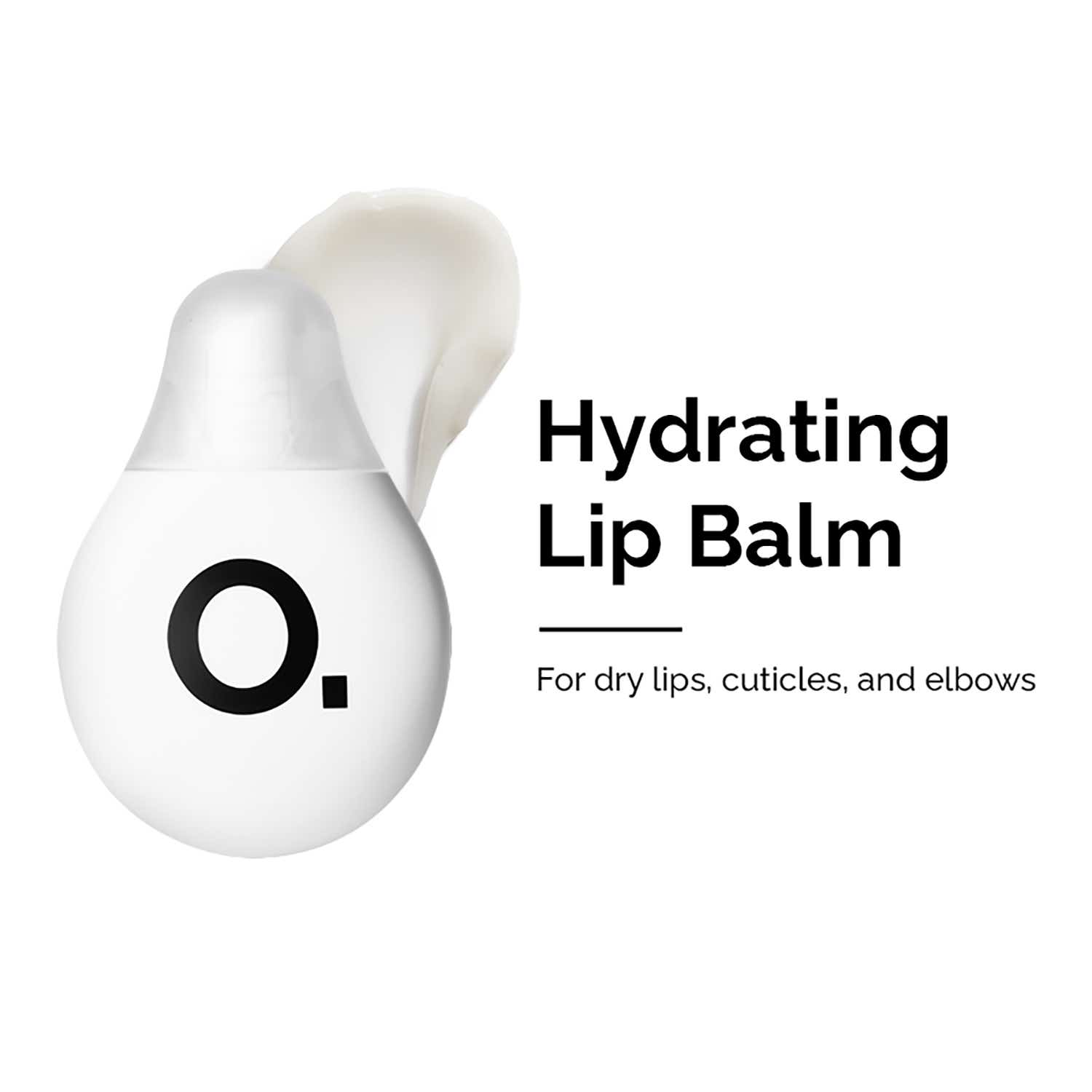
As obsessed as I am with tinted and scented lip balms, I temporarily traded them for derm-recommended formulas that solved the problem.
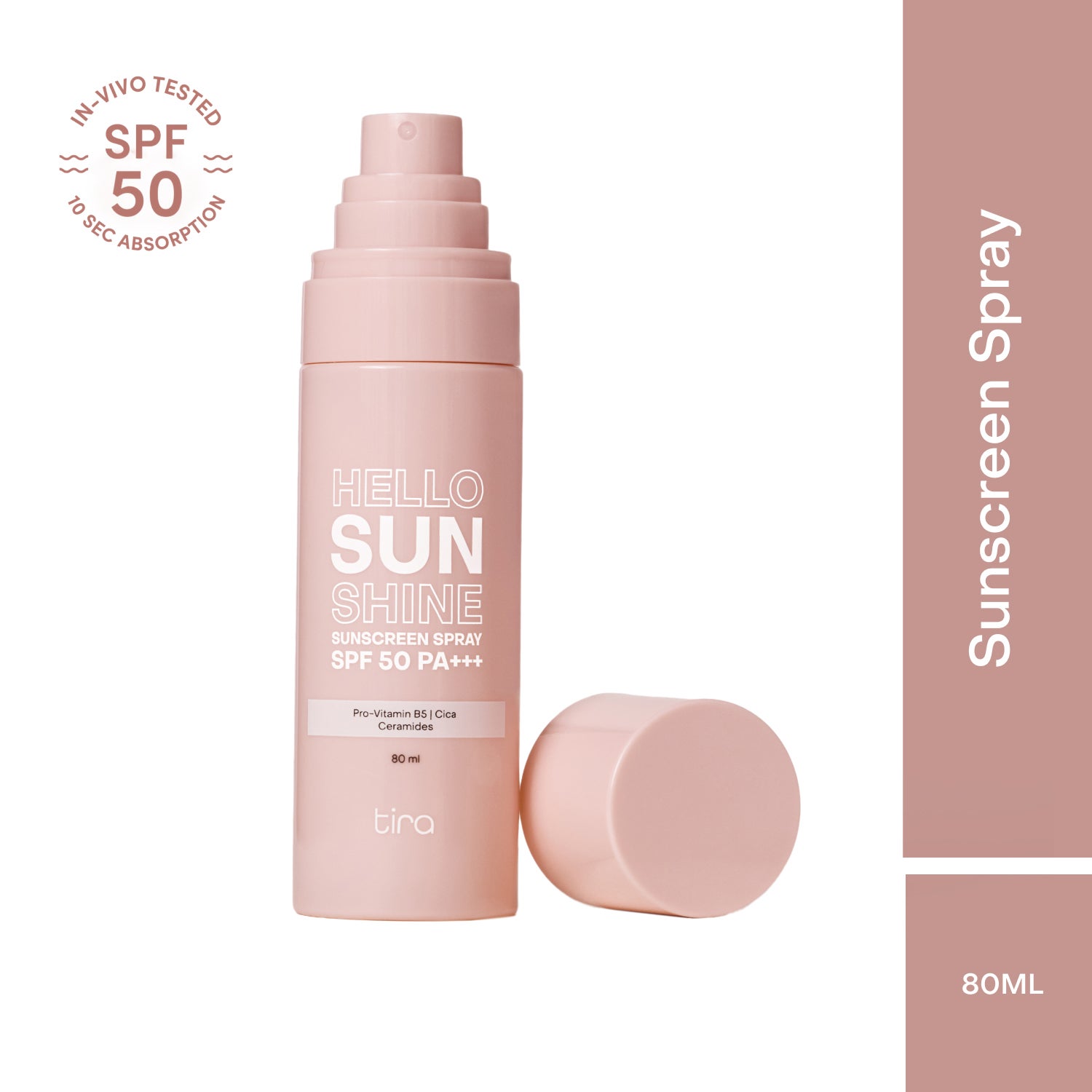
I made sure not to skip sunscreen before stepping out. With my skin already irritated, I didn't want to add sun exposure to the list of things that could make it worse.
It's been a few months since my diagnosis and, thankfully, my skin is doing a lot better. I still haven't figured out exactly what triggered the reaction in the first place, but I've become a more mindful of what goes on my face. If there's one thing I've learnt from this experience, it's that even skin that's never given you trouble can suddenly act up. And when it does, getting professional help instead of experimenting with more products can make all the difference.



Allergic contact dermatitis is a type of skin inflammation that occurs when your immune system reacts to a particular substance or ingredient. It can cause redness, itching, dryness, rashes and sometimes small blisters where the skin has come into contact with the trigger.
Common triggers include fragrances in skincare products, soaps, detergents, hair dyes, jewellery and certain metals. Even everyday items like watch straps can cause a reaction in some people. The trigger can vary from person to person.
Irritant contact dermatitis occurs when a substance directly irritates or damages the skin barrier. Allergic contact dermatitis, on the other hand, is an immune response to a particular ingredient or substance. Both can cause redness, itching and inflammation, but their underlying causes are different.
Treatment depends on the severity of the reaction. It usually involves identifying and avoiding the trigger, using gentle skincare products and keeping the skin moisturised. A dermatologist may also prescribe medication, such as topical corticosteroids, to help manage inflammation.
It's best to keep your routine simple and opt for gentle, fragrance-free cleansers and moisturisers. Ingredients like ceramides and glycerin can help support the skin barrier. Avoid exfoliating products and active ingredients while your skin is irritated, unless your dermatologist advises otherwise.
Mild reactions may settle once the triggering substance is avoided. However, persistent or severe symptoms may need medical attention and treatment. If you're experiencing recurring irritation, it's best to consult a dermatologist rather than self-diagnose.
I walked in convinced that I'd somehow developed eczema overnight. But Dr Agarwal identified the culprit as allergic contact dermatitis. She sat me down and said, “When your skin comes in contact with a substance that irritates it, it usually shows up as redness, itching, dryness, rashes or, in some cases, even small blisters. Most of which you're already experiencing.”
She also clarified that there are two types of contact dermatitis: irritant and allergic. While irritant contact dermatitis occurs when a substance directly damages the skin barrier, allergic contact dermatitis is an immune response to a particular ingredient or substance. The latter was what I was experiencing. Neither is contagious, and both can affect anyone.
Honestly, I still don't know. It could have been anything. Think about the products we use, the surfaces we touch and the ingredients our skin comes into contact with every single day. Where does one even begin? The prospect of narrowing down on one trigger was almost impossible.
“Soaps, detergents, jewellery, watch straps and hair dyes are common culprits," Dr Agarwal explained. "Skincare products containing fragrance can cause a similar reaction, and frequent handwashing and cleaning can irritate the skin over time." So, a lot of factors at play here. Even your toothpaste could trigger such a reaction.
I have a sneaking suspicion that the terrible AQI had something to do with it as well. Dr Agarwal agreed that it could have played a part, especially because I'm particularly sensitive to dust and pollution. Since that was completely out of my control, she walked me through a few things I could do differently to help alleviate the inflammation.
Since my reaction was pretty severe, I was prescribed a topical steroid to bring down the inflammation. Apart from that, she asked me to make smaller changes to my everyday routine, and I found that they helped just as much.
The expert recommended switching to gentle, fragrance-free cleansers and moisturisers to help repair the skin barrier. Especially those infused with ingredients like ceramides and glycerin. I did this immediately, along with cool compresses to soothe itching and irritation.
I was even advised to stay away from exfoliating products for a few weeks, or until my skin had fully settled. It was all about keeping things simple and not putting my skin through any more than it needed.
I also took a break from my usual lip liner and lipstick for a few days. I tried avoiding makeup in general, too. Of course, I made an exception for the occasional event or weekend plan, but I made sure to reach for products that were skin-loving and gentle.
As obsessed as I am with tinted and scented lip balms, I temporarily traded them for derm-recommended formulas that solved the problem.
I made sure not to skip sunscreen before stepping out. With my skin already irritated, I didn't want to add sun exposure to the list of things that could make it worse.
It's been a few months since my diagnosis and, thankfully, my skin is doing a lot better. I still haven't figured out exactly what triggered the reaction in the first place, but I've become a more mindful of what goes on my face. If there's one thing I've learnt from this experience, it's that even skin that's never given you trouble can suddenly act up. And when it does, getting professional help instead of experimenting with more products can make all the difference.
Allergic contact dermatitis is a type of skin inflammation that occurs when your immune system reacts to a particular substance or ingredient. It can cause redness, itching, dryness, rashes and sometimes small blisters where the skin has come into contact with the trigger.
Common triggers include fragrances in skincare products, soaps, detergents, hair dyes, jewellery and certain metals. Even everyday items like watch straps can cause a reaction in some people. The trigger can vary from person to person.
Irritant contact dermatitis occurs when a substance directly irritates or damages the skin barrier. Allergic contact dermatitis, on the other hand, is an immune response to a particular ingredient or substance. Both can cause redness, itching and inflammation, but their underlying causes are different.
Treatment depends on the severity of the reaction. It usually involves identifying and avoiding the trigger, using gentle skincare products and keeping the skin moisturised. A dermatologist may also prescribe medication, such as topical corticosteroids, to help manage inflammation.
It's best to keep your routine simple and opt for gentle, fragrance-free cleansers and moisturisers. Ingredients like ceramides and glycerin can help support the skin barrier. Avoid exfoliating products and active ingredients while your skin is irritated, unless your dermatologist advises otherwise.
Mild reactions may settle once the triggering substance is avoided. However, persistent or severe symptoms may need medical attention and treatment. If you're experiencing recurring irritation, it's best to consult a dermatologist rather than self-diagnose.
I walked in convinced that I'd somehow developed eczema overnight. But Dr Agarwal identified the culprit as allergic contact dermatitis. She sat me down and said, “When your skin comes in contact with a substance that irritates it, it usually shows up as redness, itching, dryness, rashes or, in some cases, even small blisters. Most of which you're already experiencing.”
She also clarified that there are two types of contact dermatitis: irritant and allergic. While irritant contact dermatitis occurs when a substance directly damages the skin barrier, allergic contact dermatitis is an immune response to a particular ingredient or substance. The latter was what I was experiencing. Neither is contagious, and both can affect anyone.
Honestly, I still don't know. It could have been anything. Think about the products we use, the surfaces we touch and the ingredients our skin comes into contact with every single day. Where does one even begin? The prospect of narrowing down on one trigger was almost impossible.
“Soaps, detergents, jewellery, watch straps and hair dyes are common culprits," Dr Agarwal explained. "Skincare products containing fragrance can cause a similar reaction, and frequent handwashing and cleaning can irritate the skin over time." So, a lot of factors at play here. Even your toothpaste could trigger such a reaction.
I have a sneaking suspicion that the terrible AQI had something to do with it as well. Dr Agarwal agreed that it could have played a part, especially because I'm particularly sensitive to dust and pollution. Since that was completely out of my control, she walked me through a few things I could do differently to help alleviate the inflammation.
Since my reaction was pretty severe, I was prescribed a topical steroid to bring down the inflammation. Apart from that, she asked me to make smaller changes to my everyday routine, and I found that they helped just as much.
The expert recommended switching to gentle, fragrance-free cleansers and moisturisers to help repair the skin barrier. Especially those infused with ingredients like ceramides and glycerin. I did this immediately, along with cool compresses to soothe itching and irritation.
I was even advised to stay away from exfoliating products for a few weeks, or until my skin had fully settled. It was all about keeping things simple and not putting my skin through any more than it needed.
I also took a break from my usual lip liner and lipstick for a few days. I tried avoiding makeup in general, too. Of course, I made an exception for the occasional event or weekend plan, but I made sure to reach for products that were skin-loving and gentle.
As obsessed as I am with tinted and scented lip balms, I temporarily traded them for derm-recommended formulas that solved the problem.
I made sure not to skip sunscreen before stepping out. With my skin already irritated, I didn't want to add sun exposure to the list of things that could make it worse.
It's been a few months since my diagnosis and, thankfully, my skin is doing a lot better. I still haven't figured out exactly what triggered the reaction in the first place, but I've become a more mindful of what goes on my face. If there's one thing I've learnt from this experience, it's that even skin that's never given you trouble can suddenly act up. And when it does, getting professional help instead of experimenting with more products can make all the difference.
Allergic contact dermatitis is a type of skin inflammation that occurs when your immune system reacts to a particular substance or ingredient. It can cause redness, itching, dryness, rashes and sometimes small blisters where the skin has come into contact with the trigger.
Common triggers include fragrances in skincare products, soaps, detergents, hair dyes, jewellery and certain metals. Even everyday items like watch straps can cause a reaction in some people. The trigger can vary from person to person.
Irritant contact dermatitis occurs when a substance directly irritates or damages the skin barrier. Allergic contact dermatitis, on the other hand, is an immune response to a particular ingredient or substance. Both can cause redness, itching and inflammation, but their underlying causes are different.
Treatment depends on the severity of the reaction. It usually involves identifying and avoiding the trigger, using gentle skincare products and keeping the skin moisturised. A dermatologist may also prescribe medication, such as topical corticosteroids, to help manage inflammation.
It's best to keep your routine simple and opt for gentle, fragrance-free cleansers and moisturisers. Ingredients like ceramides and glycerin can help support the skin barrier. Avoid exfoliating products and active ingredients while your skin is irritated, unless your dermatologist advises otherwise.
Mild reactions may settle once the triggering substance is avoided. However, persistent or severe symptoms may need medical attention and treatment. If you're experiencing recurring irritation, it's best to consult a dermatologist rather than self-diagnose.