What’s Been Up
My experience with allergic contact dermatitis
Read Now


Not going to lie, I love a good blush just as much as the next beauty enthusiast. But I can’t help but wonder if we’ve maybe overdone it a tad. With trends like blush blocking, watercolour flush, the infamous blush blindness and every other variation imaginable in between, it’s fair to say that our collective obsession with blush has been getting out of hand lately. Which is probably why beauty experts are welcoming a break (not a break-up) from our beloved pink blush.
The anti-blush trend is the newest kid on the block. It turns down the volume on loud cheeks, focusing instead on understated colour and subtle definition. If you're experiencing the symptoms of blush fatigue yourself, here's everything you need to know about this makeup trend and how to give it a go.

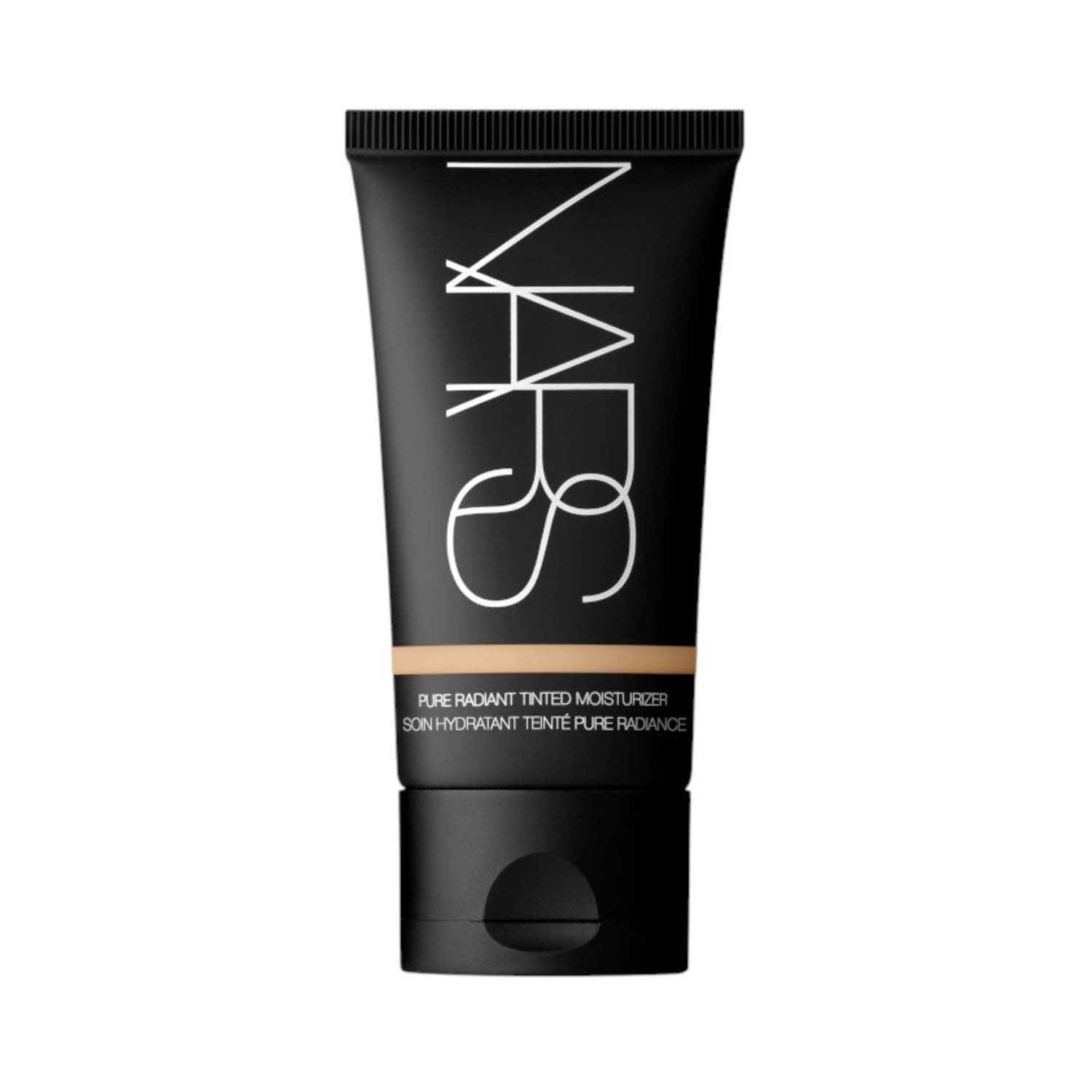
For someone who prefers fresh, wearable makeup in her day-to-day life, it's easy to see why this NARS favourite has earned a place in Soni's vanity. Sitting somewhere between skincare and foundation, it offers enough coverage to even out the complexion without masking the skin underneath. The texture feels lightweight and comfortable, making it particularly appealing on days when a full face of foundation feels unnecessary. The added SPF is a practical bonus, while the radiant finish leaves skin looking healthy, fresh and naturally polished.
The anti-blush trend is a minimalist makeup look that focuses on subtle cheek colour instead of a noticeable flush. It involves using muted, skin-like blush shades, lightweight base products and soft contouring to create a natural, understated finish.
Absolutely. The anti-blush trend doesn't mean skipping blush altogether. Instead, choose muted shades like soft mauves, nude pinks or warm browns that complement your natural skin tone. Apply a small amount and blend thoroughly so the colour looks almost undetectable.
The best shades are those that closely resemble your natural skin tone. Soft pinks, muted mauves and beige tones work well on lighter skin tones, while warm browns, rosy nudes and deeper mauves can complement medium to deep skin tones. The idea is to choose a shade that adds subtle definition without drawing too much attention to your cheeks.
While both favour a natural-looking finish, the anti-blush trend specifically focuses on minimising cheek colour. No-makeup makeup can still include a noticeable rosy flush, whereas anti-blush makeup relies on sheer colour, subtle contouring and a lightweight base to enhance your features.
Start with a tiny amount of cream or liquid blush on the upper part of your cheeks. Blend it outwards towards your temples using your fingertips, a brush or a damp makeup sponge. Build the colour gradually if needed, making sure there are no visible edges. The result should be a soft hint of colour that blends seamlessly into your skin.
Despite what the name suggests, the anti-blush trend doesn’t ask that you retire your blush permanently. But restraint is non-negotiable. Instead of bright pinks, corals and purples, the trend goes for shades that are close to your natural skin tone, like mauves, muted nudes, beiges and soft browns. True to the core philosophy of no-makeup makeup, anti-blush makeup is all about enhancing your natural features without looking like you’re trying too hard. The biggest adjustment is in the application and placement. When you’re generally applying blush, the idea is to add a noticeable flush to the apples of your cheeks. With anti-blush makeup, however, the application is much more inconspicuous, with a sheer layer of colour blended into the skin rather than sitting pretty up top.
Experts also swear by clever contouring to add some definition to your face in the absence of a pop of colour. If you’ve been feeling overwhelmed with your regular blush application, this might be a welcome change. Plus, it serves as a great opportunity to go bolder with your eyes or lips, if you wish.
Ready to try something new? Recreating the anti-blush makeup trend is simpler than you’d imagine. Here are all the tips and tricks you need to know.
Rooted as it is in minimalism, anti-blush makeup doesn’t go well with a heavy base. Full-coverage foundations will mask your natural skin tone, and that’s not the goal with this one. Go for a skin tint or tinted moisturiser for sheer coverage and apply concealer on areas that might need it. Pro tip: You can start off with a glow primer or finish up with a liquid highlighter to give your skin a dewy glow.
Before you bring out the heavy-duty contour kit, let me clarify that we’re going for subtle shading rather than full-blown contouring. Pick out a cream contour formula that's barely one or two shades darker than your natural skin tone and apply it lightly beneath your cheekbones to create a subtle shadow. Blend it upwards towards your temples with a sponge, avoiding harsh lines so that the definition stays natural.
Don’t let muscle memory take over here, especially if you're used to being generous with your blush. First things first, choose the right blush shade and formula. We’re aiming for a barely-there cream tint in a muted shade that closely resembles your natural skin tone. Start with the teeniest, tiniest amount on the upper part of your cheeks and blend it outwards and upwards, leaving no obvious edges behind. In the end, you should be left with just a hint of colour peeking through.
The anti-blush trend is a minimalist makeup look that focuses on subtle cheek colour instead of a noticeable flush. It involves using muted, skin-like blush shades, lightweight base products and soft contouring to create a natural, understated finish.
Absolutely. The anti-blush trend doesn't mean skipping blush altogether. Instead, choose muted shades like soft mauves, nude pinks or warm browns that complement your natural skin tone. Apply a small amount and blend thoroughly so the colour looks almost undetectable.
The best shades are those that closely resemble your natural skin tone. Soft pinks, muted mauves and beige tones work well on lighter skin tones, while warm browns, rosy nudes and deeper mauves can complement medium to deep skin tones. The idea is to choose a shade that adds subtle definition without drawing too much attention to your cheeks.
While both favour a natural-looking finish, the anti-blush trend specifically focuses on minimising cheek colour. No-makeup makeup can still include a noticeable rosy flush, whereas anti-blush makeup relies on sheer colour, subtle contouring and a lightweight base to enhance your features.
Start with a tiny amount of cream or liquid blush on the upper part of your cheeks. Blend it outwards towards your temples using your fingertips, a brush or a damp makeup sponge. Build the colour gradually if needed, making sure there are no visible edges. The result should be a soft hint of colour that blends seamlessly into your skin.
Despite what the name suggests, the anti-blush trend doesn’t ask that you retire your blush permanently. But restraint is non-negotiable. Instead of bright pinks, corals and purples, the trend goes for shades that are close to your natural skin tone, like mauves, muted nudes, beiges and soft browns. True to the core philosophy of no-makeup makeup, anti-blush makeup is all about enhancing your natural features without looking like you’re trying too hard. The biggest adjustment is in the application and placement. When you’re generally applying blush, the idea is to add a noticeable flush to the apples of your cheeks. With anti-blush makeup, however, the application is much more inconspicuous, with a sheer layer of colour blended into the skin rather than sitting pretty up top.
Experts also swear by clever contouring to add some definition to your face in the absence of a pop of colour. If you’ve been feeling overwhelmed with your regular blush application, this might be a welcome change. Plus, it serves as a great opportunity to go bolder with your eyes or lips, if you wish.
Ready to try something new? Recreating the anti-blush makeup trend is simpler than you’d imagine. Here are all the tips and tricks you need to know.
Rooted as it is in minimalism, anti-blush makeup doesn’t go well with a heavy base. Full-coverage foundations will mask your natural skin tone, and that’s not the goal with this one. Go for a skin tint or tinted moisturiser for sheer coverage and apply concealer on areas that might need it. Pro tip: You can start off with a glow primer or finish up with a liquid highlighter to give your skin a dewy glow.
Before you bring out the heavy-duty contour kit, let me clarify that we’re going for subtle shading rather than full-blown contouring. Pick out a cream contour formula that's barely one or two shades darker than your natural skin tone and apply it lightly beneath your cheekbones to create a subtle shadow. Blend it upwards towards your temples with a sponge, avoiding harsh lines so that the definition stays natural.
Don’t let muscle memory take over here, especially if you're used to being generous with your blush. First things first, choose the right blush shade and formula. We’re aiming for a barely-there cream tint in a muted shade that closely resembles your natural skin tone. Start with the teeniest, tiniest amount on the upper part of your cheeks and blend it outwards and upwards, leaving no obvious edges behind. In the end, you should be left with just a hint of colour peeking through.
The anti-blush trend is a minimalist makeup look that focuses on subtle cheek colour instead of a noticeable flush. It involves using muted, skin-like blush shades, lightweight base products and soft contouring to create a natural, understated finish.
Absolutely. The anti-blush trend doesn't mean skipping blush altogether. Instead, choose muted shades like soft mauves, nude pinks or warm browns that complement your natural skin tone. Apply a small amount and blend thoroughly so the colour looks almost undetectable.
The best shades are those that closely resemble your natural skin tone. Soft pinks, muted mauves and beige tones work well on lighter skin tones, while warm browns, rosy nudes and deeper mauves can complement medium to deep skin tones. The idea is to choose a shade that adds subtle definition without drawing too much attention to your cheeks.
While both favour a natural-looking finish, the anti-blush trend specifically focuses on minimising cheek colour. No-makeup makeup can still include a noticeable rosy flush, whereas anti-blush makeup relies on sheer colour, subtle contouring and a lightweight base to enhance your features.
Start with a tiny amount of cream or liquid blush on the upper part of your cheeks. Blend it outwards towards your temples using your fingertips, a brush or a damp makeup sponge. Build the colour gradually if needed, making sure there are no visible edges. The result should be a soft hint of colour that blends seamlessly into your skin.