

Rituals
Your 10-minute scalp ritual for healthier, bouncier hair
Read Now


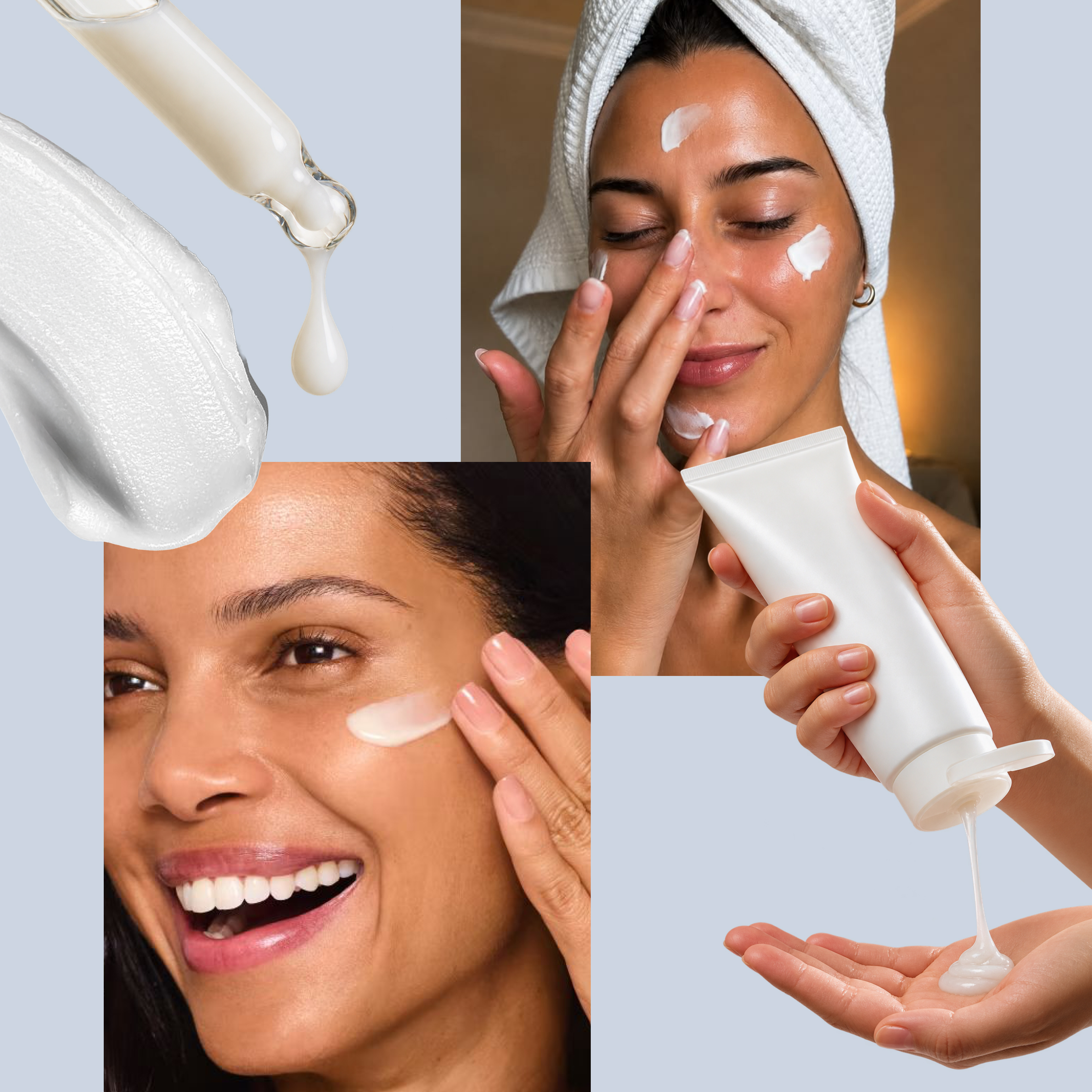

Monsoon weather can be surprisingly hard on your skin barrier. Between the humidity, sweat, excess oil, pollution, frequent cleansing and constant switch to air-conditioned spaces, your skin has a lot to keep up with. Over time, all of this can weaken its natural protective layer—the barrier that keeps moisture in and irritants out. And when that barrier is struggling, the signs can show up quickly: dryness, sensitivity, roughness, dullness or even skin that feels dehydrated despite looking oily.
As the monsoon starts to wind down, your skin could use a little help finding its balance again. The good news? Barrier repair doesn’t need an elaborate routine or a shelf full of products. A few gentle, well-chosen steps can help restore moisture, strengthen the barrier and prepare your skin for the changing weather ahead. That’s where the 5-Step Post-Monsoon Skin Barrier Repair Ritual comes in—a simple way to give your skin less of what overwhelms it and more of what helps it bounce back.



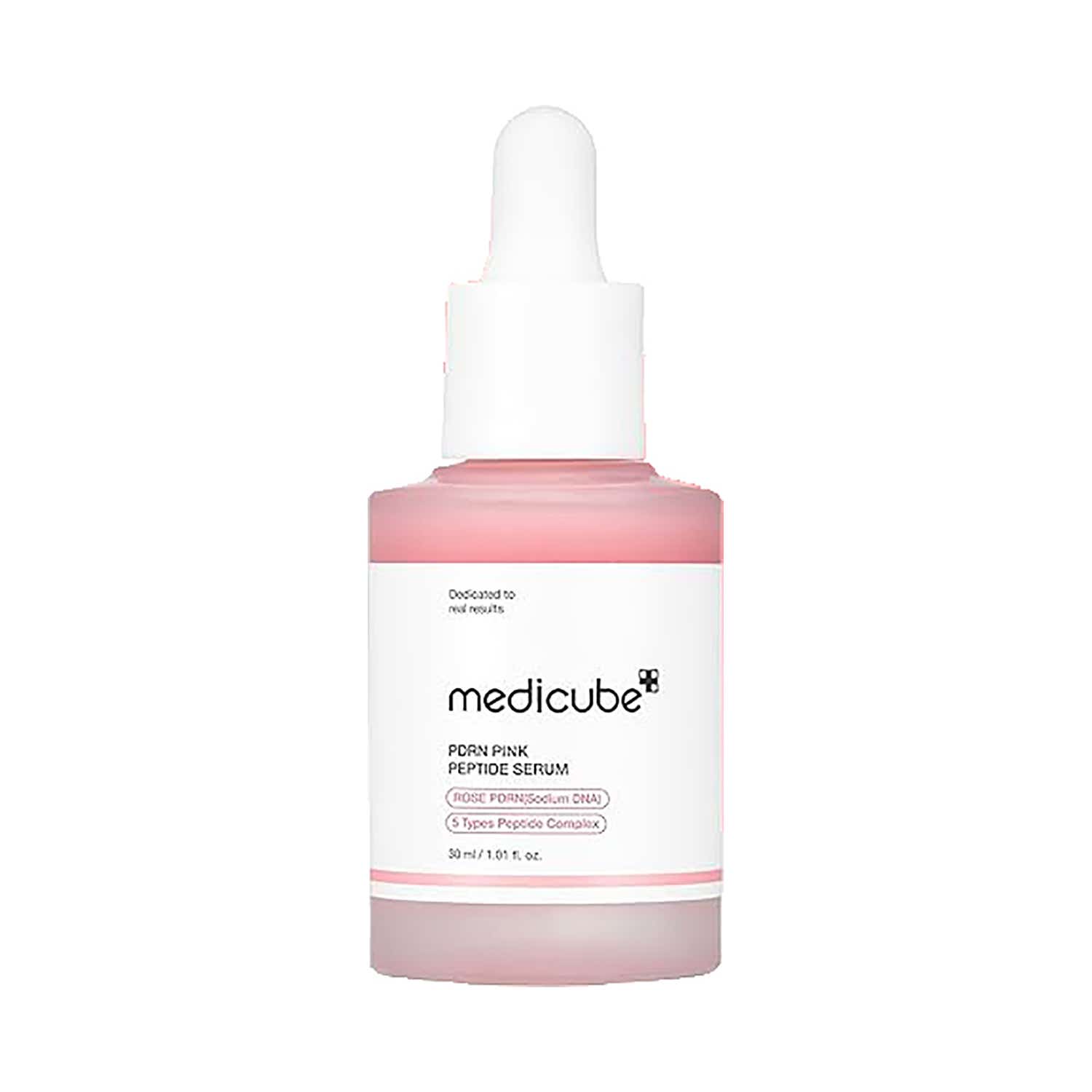
Innovation meets practicality in this encapsulated serum that delivers the perfect dose of hydration with each use. The hyaluronic acid and glycerin formula provides intense moisture without any heaviness, making it an excellent hydrating serum for combination skin. The capsule format ensures freshness and prevents contamination—perfect for travel or maintaining product efficacy.
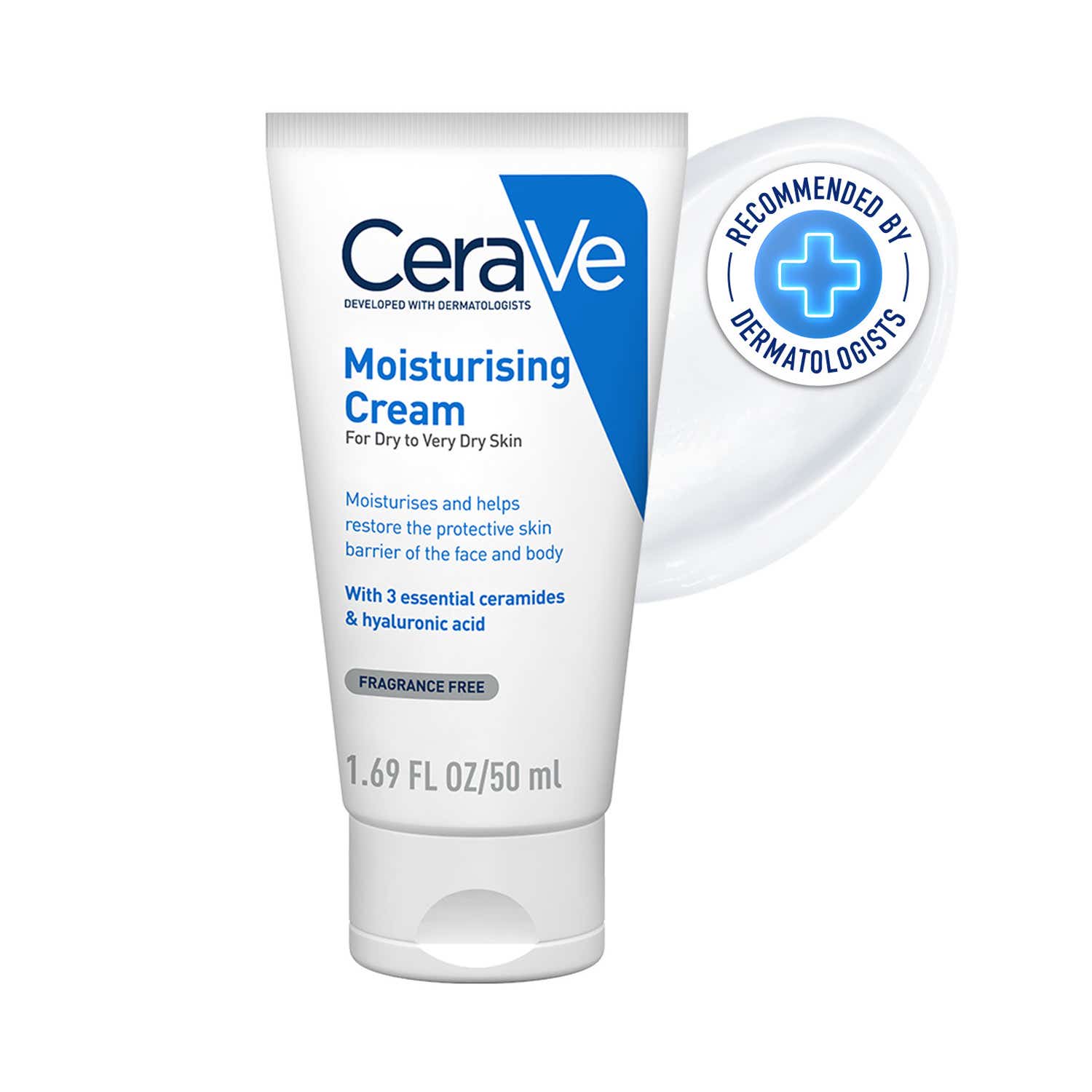
CeraVe’s ceramide and hyaluronic acid formula has built a loyal following for good reason. MVE technology releases moisture gradually through the day so skin stays hydrated well past the initial application, instead of drying out a few hours in. The cream itself is fairly light for a barrier-repair formula, absorbing at a steady pace and settling into a soft, cushioned finish. It’s a dependable pick for the days monsoon swings the other way entirely and dryness creeps in despite all the humidity outside, which happens more often than people expect.
This is a rich, non-greasy cream for face and body with three essential ceramides, hyaluronic acid and MVE technology that releases hydration over 24 hours. Fragrance-free, non-comedogenic, developed with dermatologists and suitable for eczema-prone skin, the 50ml fits in a handbag too.
This moisturiser is designed to support and strengthen the skin barrier. The lightweight texture provides hydration without feeling greasy or heavy on the skin. It’s especially useful during periods of sensitivity or after active treatments and best thought of as a reset for skin that feels overstimulated or in need of a minimal routine.
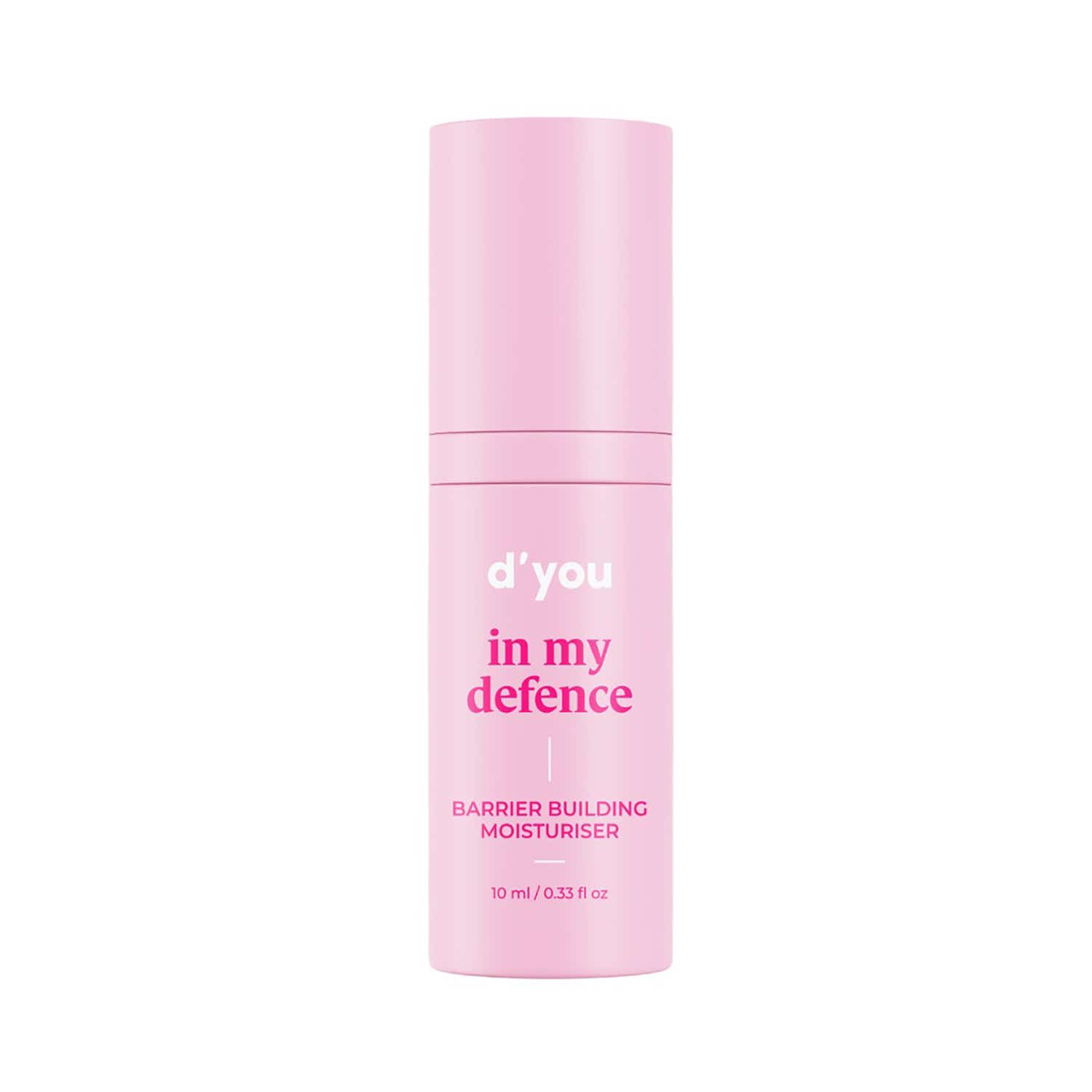
Curious about D’You’s viral barrier cream but not ready to commit to the full size? This 10ml version is a smart place to start. The formula is built around pure ceramides, fatty acids and cholesterol to support the skin’s natural lipid barrier, with panthenol, phytosphingosine and acai berry sterols for added hydration. It also includes calming ingredients like purslane extract, bisabolol, turmeric root extract and moringa seed oil to help comfort skin that feels stressed or irritated.
Packaged in a compact, travel-friendly size, this one focuses on consistent defence rather than heavy-duty treatment. It works as a protective film across the skin, shielding it from the pollution and moisture fluctuations that come with the monsoon. The gel-like texture spreads thin and even, absorbing almost instantly so it never gets in the way of the next step in a routine. It’s a good fit for anyone who prefers their moisturiser to do its job in the background and then get out of the way before sunscreen or makeup takes over.
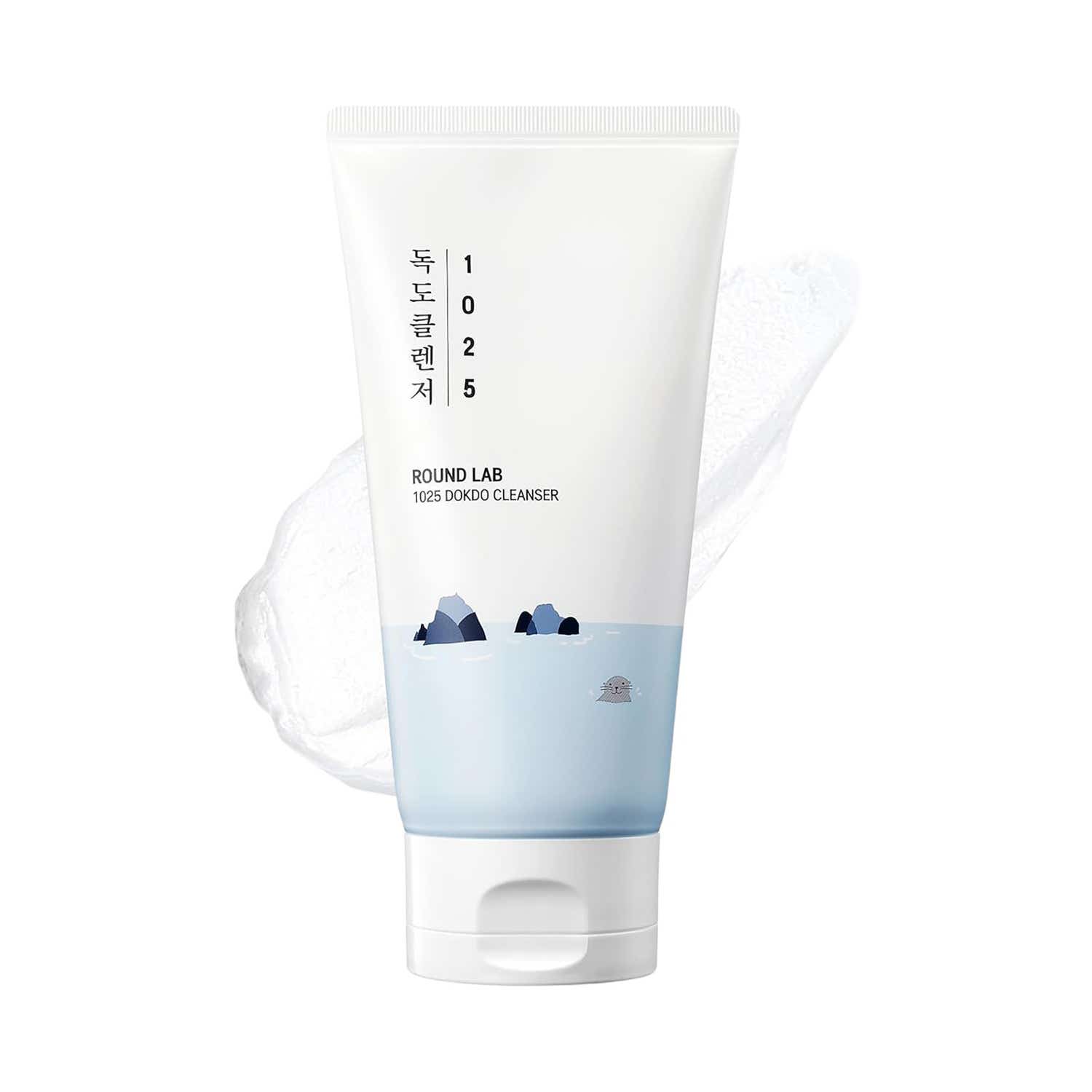
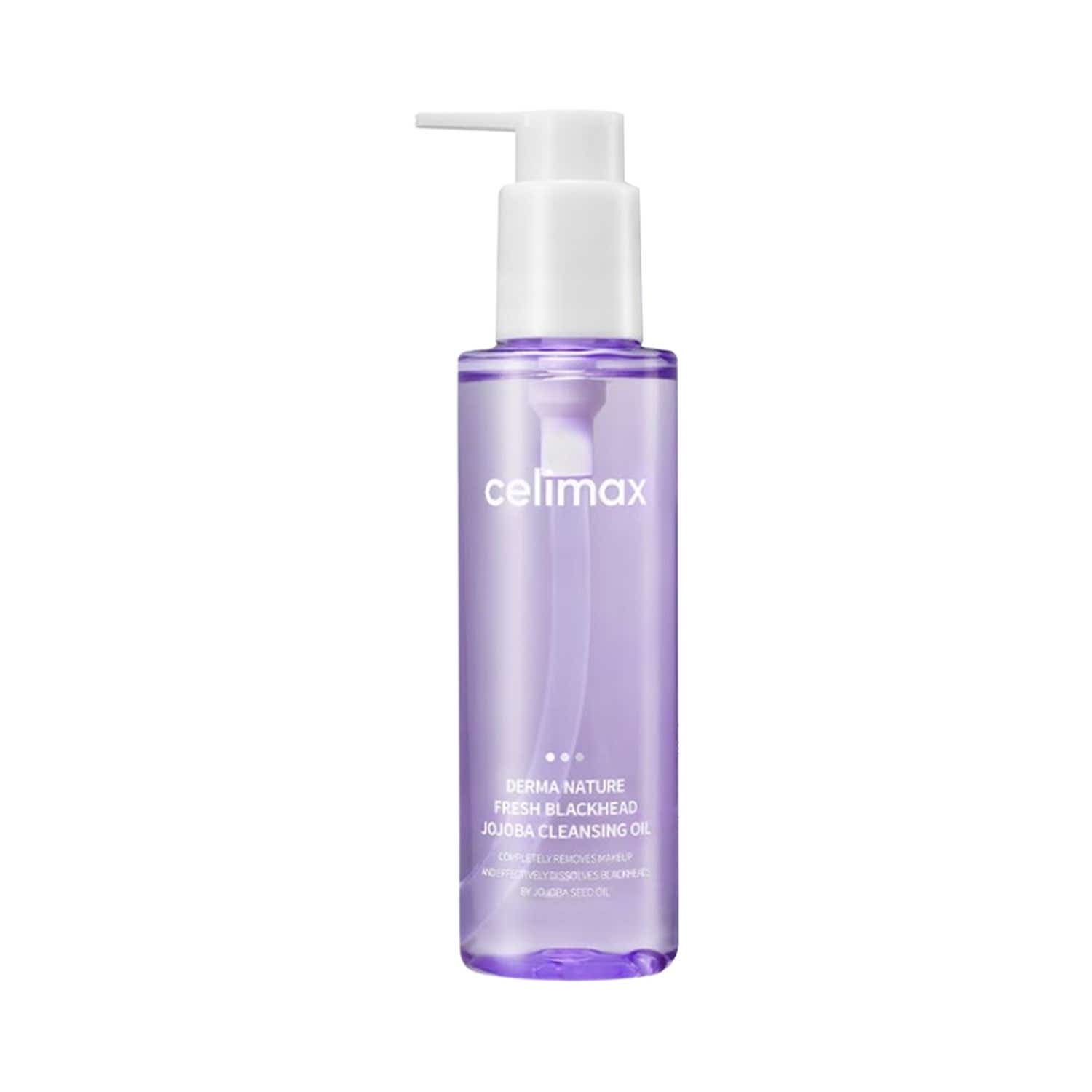
When your skin barrier is already feeling the effects of humidity, sweat and frequent cleansing, going in with a harsh face wash can do more harm than good. Strong cleansers can strip away the natural oils and lipids that help keep your barrier intact, leaving skin feeling tight, dry or irritated. Instead, choose a gentle, pH-balanced cleanser that lifts away sweat, excess oil, sunscreen and grime without leaving your face squeaky clean. A good rule of thumb? If your skin feels comfortable—not stretched or tight—after washing, your cleanser is doing its job.
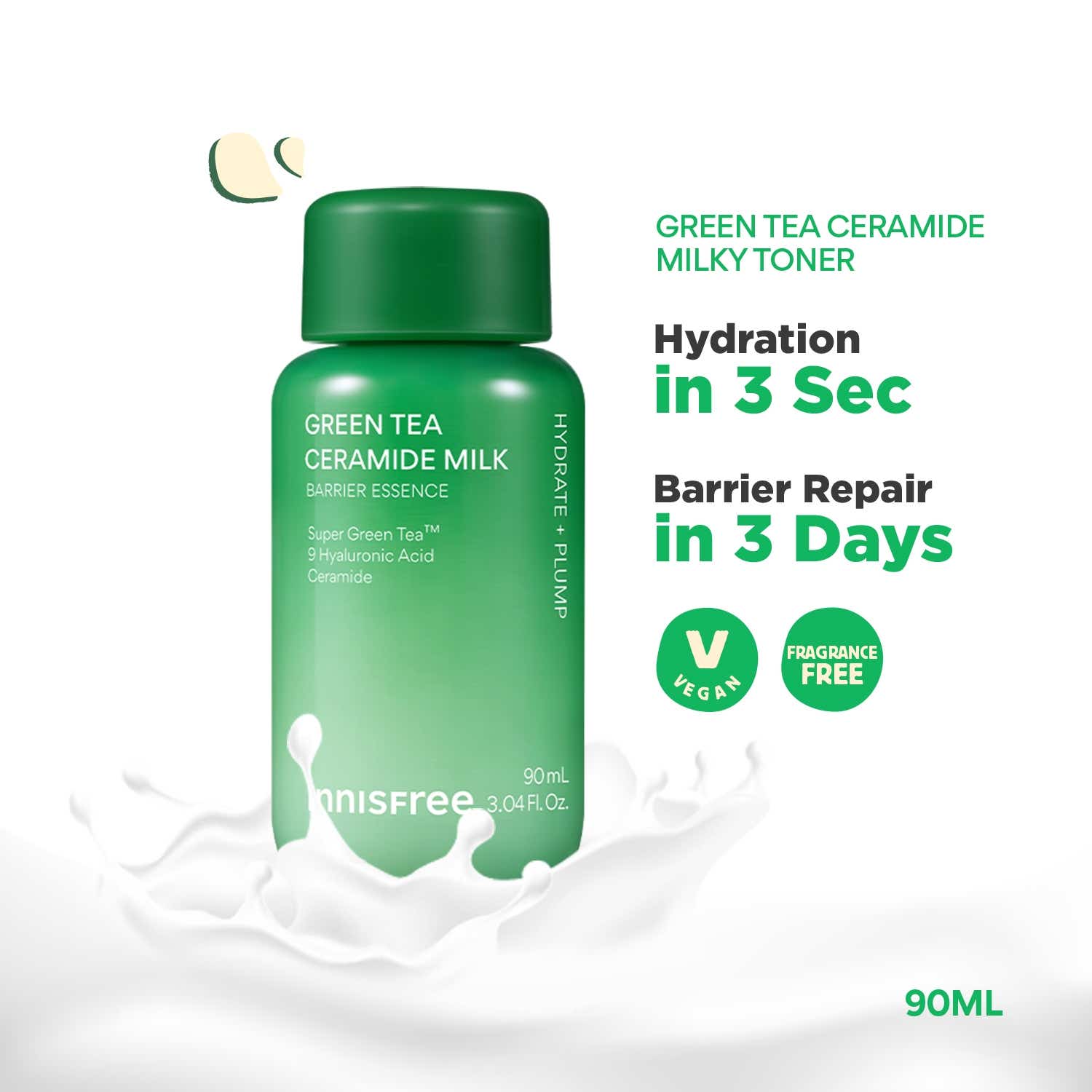
Next comes hydration, and don’t let an oily T-zone fool you into thinking you can skip it. Monsoon skin can look shiny on the surface while still lacking water underneath, especially after repeated cleansing and time spent in air-conditioned spaces. Look for humectants such as glycerin, hyaluronic acid and panthenol, which help attract and hold water in the skin. Applying a hydrating serum or essence to slightly damp skin can give your barrier the moisture boost it needs—and set the stage nicely for what comes next.
Now that you’ve put hydration back in, the next job is helping your skin hold onto it. Your barrier naturally contains lipids such as ceramides, cholesterol and fatty acids, which work together to keep moisture in and irritants out. A moisturiser with barrier-supporting lipids can help replenish this protective layer and reduce moisture loss. Choose a texture that feels right for your skin—a lightweight lotion or gel-cream for oilier skin, or something richer if you lean dry. The idea is to rebuild, not smother.
Barrier repair isn’t only about what you add to your routine; sometimes, it’s about knowing what to take away. If your skin is stinging, flaky, unusually sensitive or reacting to products it normally tolerates, consider easing up on strong exfoliating acids, scrubs and potent retinoids for a while. Instead, keep your routine simple and reach for soothing ingredients such as panthenol, centella asiatica or colloidal oatmeal. Once your skin feels calm and comfortable again, you can gradually reintroduce your usual actives. Your barrier doesn’t need a boot camp—it needs a little breathing room.
Once you’ve cleansed, hydrated, replenished and calmed your skin, there’s one final job: protect it. Sunscreen matters even on cloudy monsoon days, since UV radiation can still reach your skin through cloud cover. Finish your morning routine with a broad-spectrum SPF 30 or higher, and reapply when needed, particularly if you’re spending extended time outdoors. Think of SPF as the final layer of your barrier-repair ritual—it helps protect your skin while all those gentler habits do their work. After all, rebuilding your barrier is one thing; keeping it protected is what helps the progress stick.

.PNG)


When your skin barrier is already feeling the effects of humidity, sweat and frequent cleansing, going in with a harsh face wash can do more harm than good. Strong cleansers can strip away the natural oils and lipids that help keep your barrier intact, leaving skin feeling tight, dry or irritated. Instead, choose a gentle, pH-balanced cleanser that lifts away sweat, excess oil, sunscreen and grime without leaving your face squeaky clean. A good rule of thumb? If your skin feels comfortable—not stretched or tight—after washing, your cleanser is doing its job.
Next comes hydration, and don’t let an oily T-zone fool you into thinking you can skip it. Monsoon skin can look shiny on the surface while still lacking water underneath, especially after repeated cleansing and time spent in air-conditioned spaces. Look for humectants such as glycerin, hyaluronic acid and panthenol, which help attract and hold water in the skin. Applying a hydrating serum or essence to slightly damp skin can give your barrier the moisture boost it needs—and set the stage nicely for what comes next.
Now that you’ve put hydration back in, the next job is helping your skin hold onto it. Your barrier naturally contains lipids such as ceramides, cholesterol and fatty acids, which work together to keep moisture in and irritants out. A moisturiser with barrier-supporting lipids can help replenish this protective layer and reduce moisture loss. Choose a texture that feels right for your skin—a lightweight lotion or gel-cream for oilier skin, or something richer if you lean dry. The idea is to rebuild, not smother.
Barrier repair isn’t only about what you add to your routine; sometimes, it’s about knowing what to take away. If your skin is stinging, flaky, unusually sensitive or reacting to products it normally tolerates, consider easing up on strong exfoliating acids, scrubs and potent retinoids for a while. Instead, keep your routine simple and reach for soothing ingredients such as panthenol, centella asiatica or colloidal oatmeal. Once your skin feels calm and comfortable again, you can gradually reintroduce your usual actives. Your barrier doesn’t need a boot camp—it needs a little breathing room.
Once you’ve cleansed, hydrated, replenished and calmed your skin, there’s one final job: protect it. Sunscreen matters even on cloudy monsoon days, since UV radiation can still reach your skin through cloud cover. Finish your morning routine with a broad-spectrum SPF 30 or higher, and reapply when needed, particularly if you’re spending extended time outdoors. Think of SPF as the final layer of your barrier-repair ritual—it helps protect your skin while all those gentler habits do their work. After all, rebuilding your barrier is one thing; keeping it protected is what helps the progress stick.
When your skin barrier is already feeling the effects of humidity, sweat and frequent cleansing, going in with a harsh face wash can do more harm than good. Strong cleansers can strip away the natural oils and lipids that help keep your barrier intact, leaving skin feeling tight, dry or irritated. Instead, choose a gentle, pH-balanced cleanser that lifts away sweat, excess oil, sunscreen and grime without leaving your face squeaky clean. A good rule of thumb? If your skin feels comfortable—not stretched or tight—after washing, your cleanser is doing its job.
Next comes hydration, and don’t let an oily T-zone fool you into thinking you can skip it. Monsoon skin can look shiny on the surface while still lacking water underneath, especially after repeated cleansing and time spent in air-conditioned spaces. Look for humectants such as glycerin, hyaluronic acid and panthenol, which help attract and hold water in the skin. Applying a hydrating serum or essence to slightly damp skin can give your barrier the moisture boost it needs—and set the stage nicely for what comes next.
Now that you’ve put hydration back in, the next job is helping your skin hold onto it. Your barrier naturally contains lipids such as ceramides, cholesterol and fatty acids, which work together to keep moisture in and irritants out. A moisturiser with barrier-supporting lipids can help replenish this protective layer and reduce moisture loss. Choose a texture that feels right for your skin—a lightweight lotion or gel-cream for oilier skin, or something richer if you lean dry. The idea is to rebuild, not smother.
Barrier repair isn’t only about what you add to your routine; sometimes, it’s about knowing what to take away. If your skin is stinging, flaky, unusually sensitive or reacting to products it normally tolerates, consider easing up on strong exfoliating acids, scrubs and potent retinoids for a while. Instead, keep your routine simple and reach for soothing ingredients such as panthenol, centella asiatica or colloidal oatmeal. Once your skin feels calm and comfortable again, you can gradually reintroduce your usual actives. Your barrier doesn’t need a boot camp—it needs a little breathing room.
Once you’ve cleansed, hydrated, replenished and calmed your skin, there’s one final job: protect it. Sunscreen matters even on cloudy monsoon days, since UV radiation can still reach your skin through cloud cover. Finish your morning routine with a broad-spectrum SPF 30 or higher, and reapply when needed, particularly if you’re spending extended time outdoors. Think of SPF as the final layer of your barrier-repair ritual—it helps protect your skin while all those gentler habits do their work. After all, rebuilding your barrier is one thing; keeping it protected is what helps the progress stick.


When your skin barrier is already feeling the effects of humidity, sweat and frequent cleansing, going in with a harsh face wash can do more harm than good. Strong cleansers can strip away the natural oils and lipids that help keep your barrier intact, leaving skin feeling tight, dry or irritated. Instead, choose a gentle, pH-balanced cleanser that lifts away sweat, excess oil, sunscreen and grime without leaving your face squeaky clean. A good rule of thumb? If your skin feels comfortable—not stretched or tight—after washing, your cleanser is doing its job.
Next comes hydration, and don’t let an oily T-zone fool you into thinking you can skip it. Monsoon skin can look shiny on the surface while still lacking water underneath, especially after repeated cleansing and time spent in air-conditioned spaces. Look for humectants such as glycerin, hyaluronic acid and panthenol, which help attract and hold water in the skin. Applying a hydrating serum or essence to slightly damp skin can give your barrier the moisture boost it needs—and set the stage nicely for what comes next.
Now that you’ve put hydration back in, the next job is helping your skin hold onto it. Your barrier naturally contains lipids such as ceramides, cholesterol and fatty acids, which work together to keep moisture in and irritants out. A moisturiser with barrier-supporting lipids can help replenish this protective layer and reduce moisture loss. Choose a texture that feels right for your skin—a lightweight lotion or gel-cream for oilier skin, or something richer if you lean dry. The idea is to rebuild, not smother.
Barrier repair isn’t only about what you add to your routine; sometimes, it’s about knowing what to take away. If your skin is stinging, flaky, unusually sensitive or reacting to products it normally tolerates, consider easing up on strong exfoliating acids, scrubs and potent retinoids for a while. Instead, keep your routine simple and reach for soothing ingredients such as panthenol, centella asiatica or colloidal oatmeal. Once your skin feels calm and comfortable again, you can gradually reintroduce your usual actives. Your barrier doesn’t need a boot camp—it needs a little breathing room.
Once you’ve cleansed, hydrated, replenished and calmed your skin, there’s one final job: protect it. Sunscreen matters even on cloudy monsoon days, since UV radiation can still reach your skin through cloud cover. Finish your morning routine with a broad-spectrum SPF 30 or higher, and reapply when needed, particularly if you’re spending extended time outdoors. Think of SPF as the final layer of your barrier-repair ritual—it helps protect your skin while all those gentler habits do their work. After all, rebuilding your barrier is one thing; keeping it protected is what helps the progress stick.