

Rituals
A 5-step skin barrier repair ritual for the post-monsoon season
Read Now


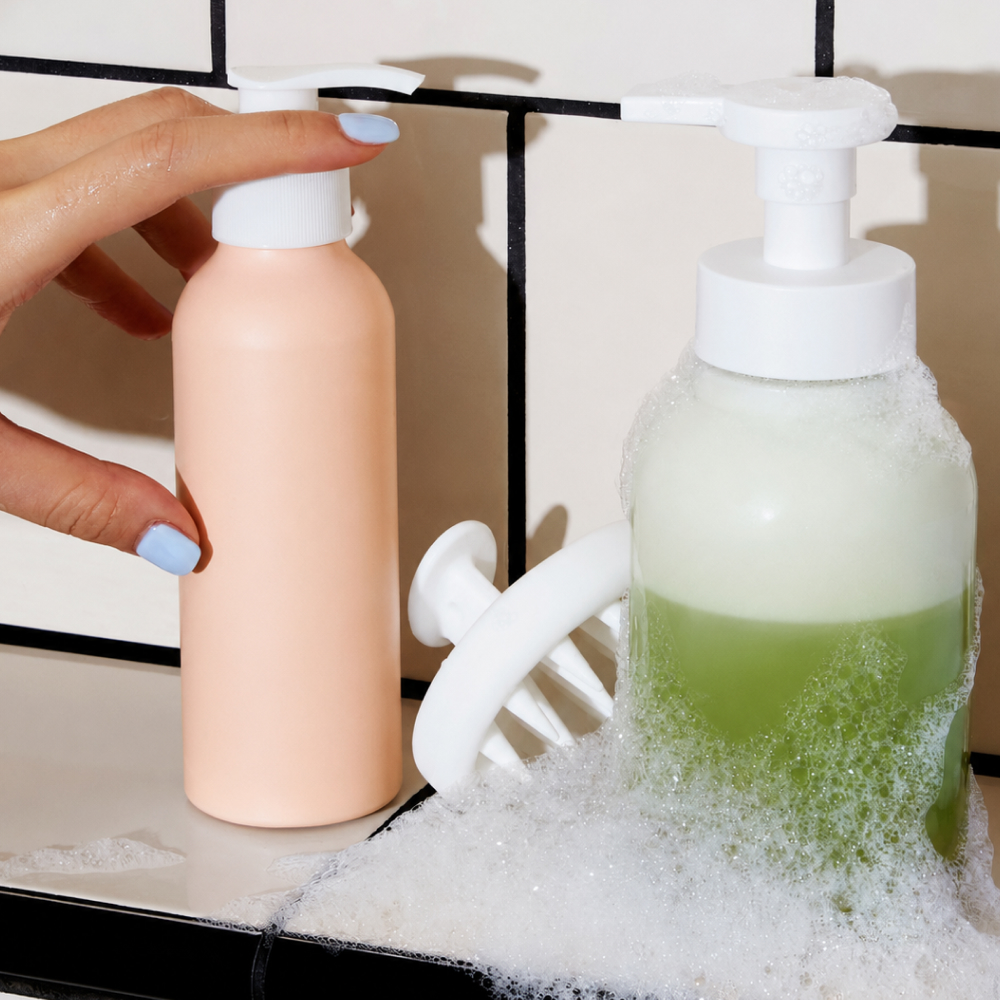

Body serums are having a moment that’s less “trend” and more permanent shift. Skinification—treating body skin with the same actives, texture-focus and patience once reserved for the face—isn’t a fringe habit anymore. It’s a full aisle at every beauty counter, a genuine category and the reason bodycare sales keep climbing. This is what taking your skin seriously looks like now, from face to feet.
Nobody’s layering serums on their shins every morning, though. A once-a-week reset fits the way people actually live with this—one dedicated hour where the rest of your skin gets the same considered attention your face already gets regularly.
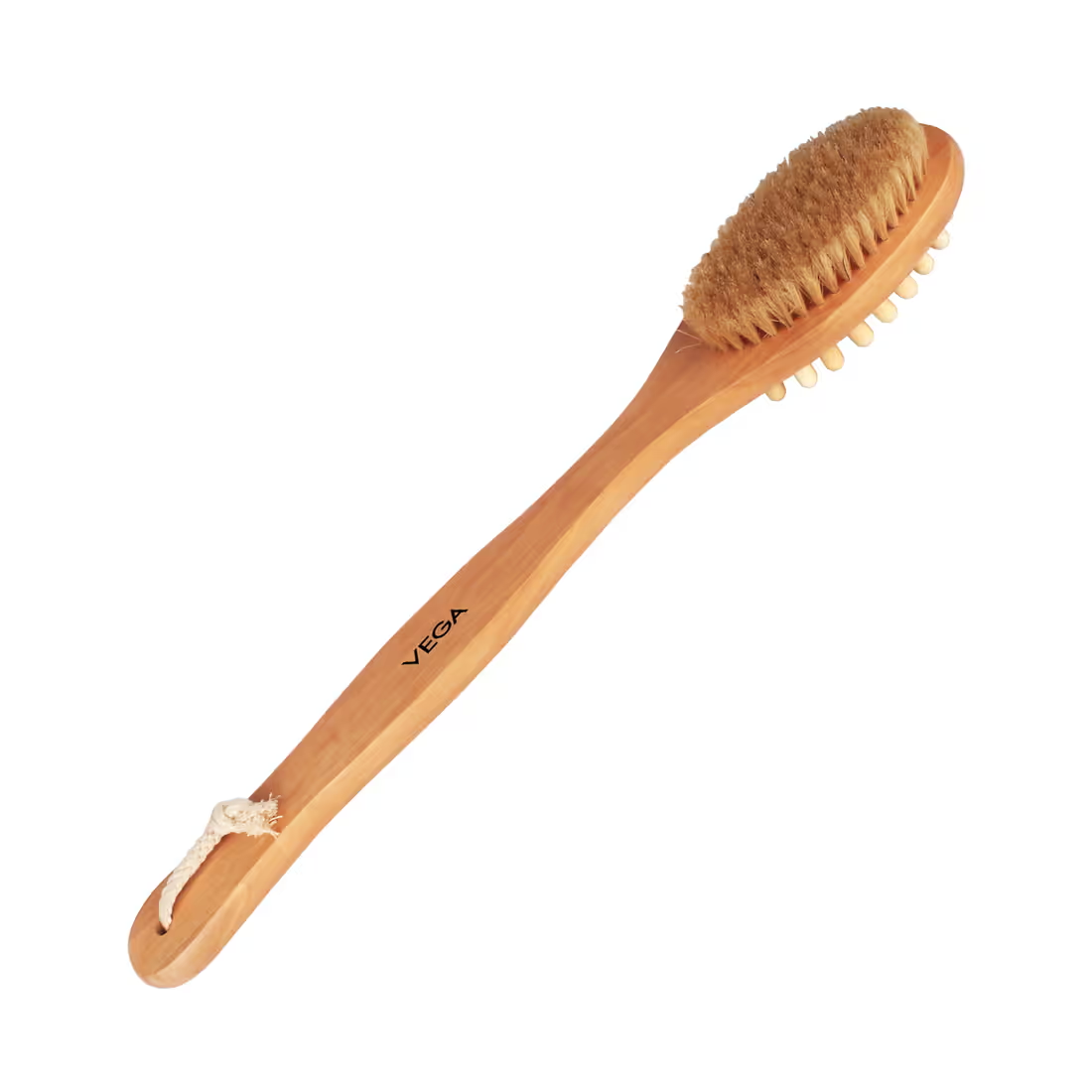





Start dry. A few minutes with a dry body brush, working in upward strokes towards the heart, sloughs off surface buildup and gets circulation moving before water even touches skin. It sounds like a small thing. It is not—it’s the difference between a scrub that skims the surface and one that actually gets to work.
Step into a warm—not scalding—shower and let it run for a minute before you do anything else. Warm water softens skin and opens the door for everything that follows. This is also your moment to exhale. A weekly reset is as much about the 10 minutes of quiet as it is the products.
This is where a resurfacing body scrub earns its place. Look for one with a mix of physical exfoliants and something chemical—lactic or glycolic acid—working underneath. Focus on elbows, knees and heels, where skin genuinely needs it, and go easy everywhere else. Circular motions, 30 seconds a zone, rinse.
Overdoing this step is the most common bodycare mistake there is. Once a week is the ritual. Every day is just irritation with extra steps.
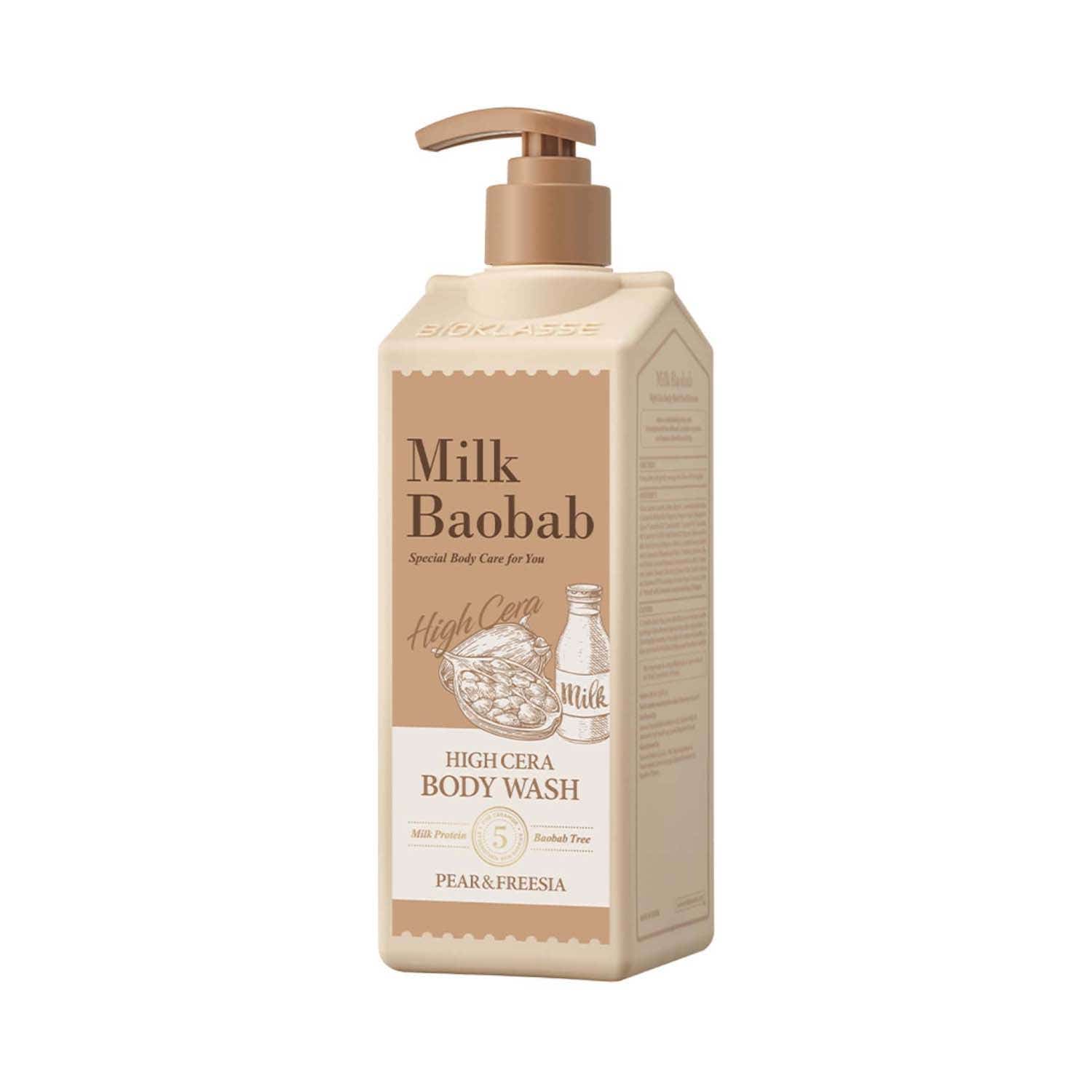
Follow with a body wash that’s sulphate-free if your skin runs dry or sensitive. This isn’t the step to skip even on scrub day—it clears away any residue and preps skin to absorb what comes next, instead of sitting on top of it.
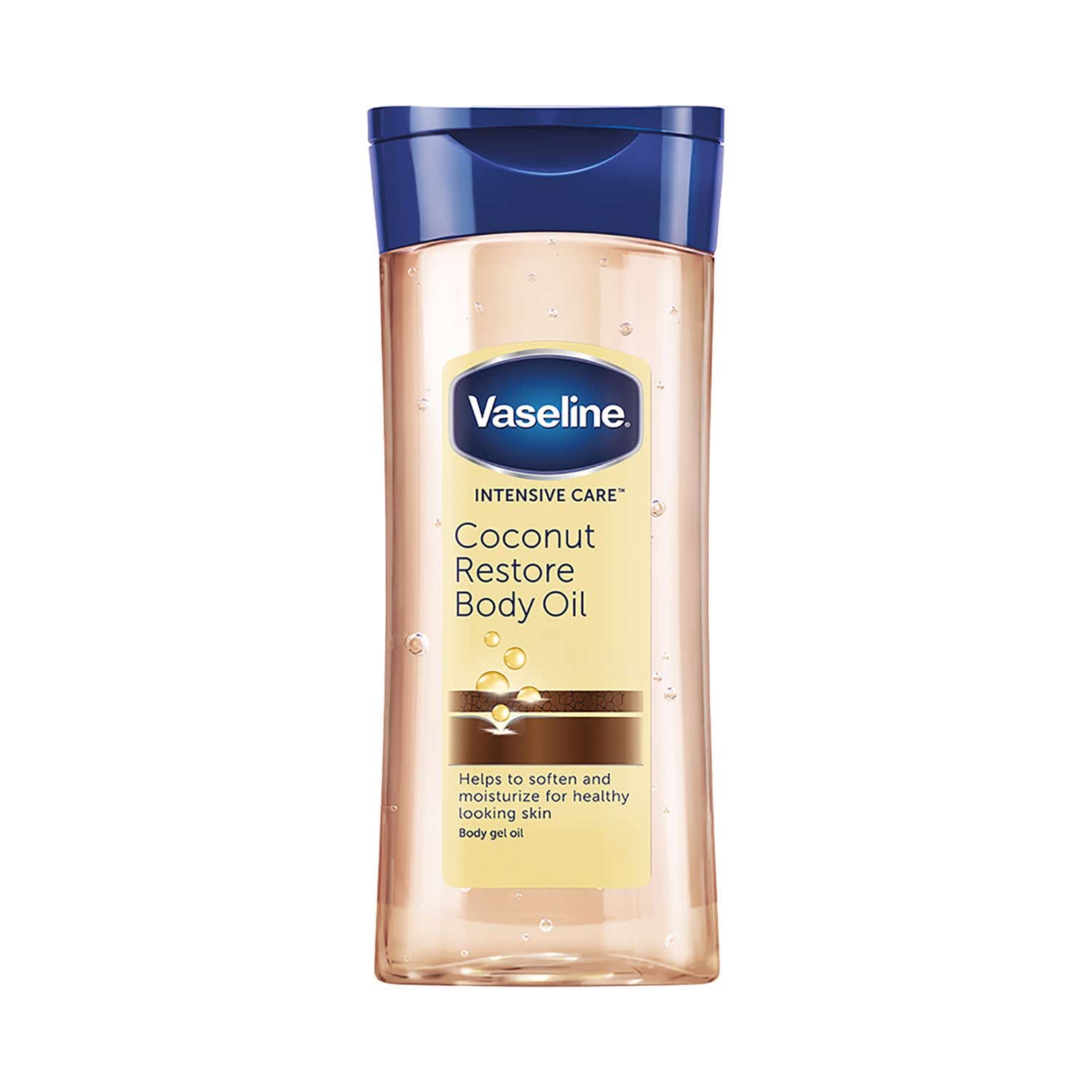
Towel off but leave skin slightly damp, then massage in a body oil. This is the step people forget and the one that changes everything. Oil on damp skin locks in moisture far more effectively than oil on dry skin ever will. Use long strokes, work upwards on legs, and take an extra minute on anywhere that’s felt tight or dull lately.
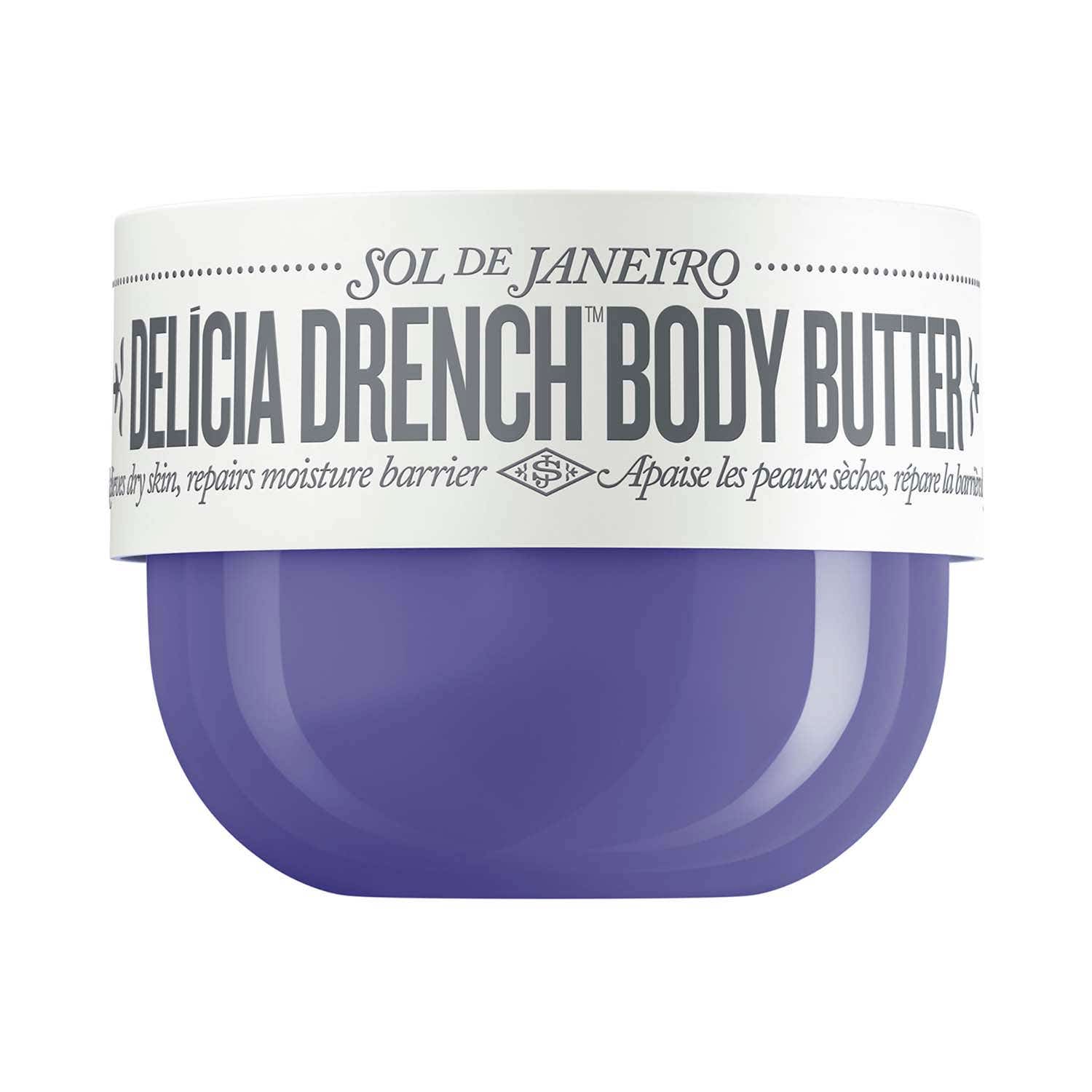
Now the body butter or cream—thicker than what you’d reach for daily. Weekly reset day is when skin can handle, and wants, something heavier. Knees, elbows, shins: give these areas a second pass. They dry out faster than the rest of the body and show it first. And don’t forget the quiet zones. Neck, chest, hands and the backs of arms are the parts that see sun, friction and washing all day, every day, and somehow end up last on every routine. Give them the same moisturiser, the same care, the same 30 seconds.
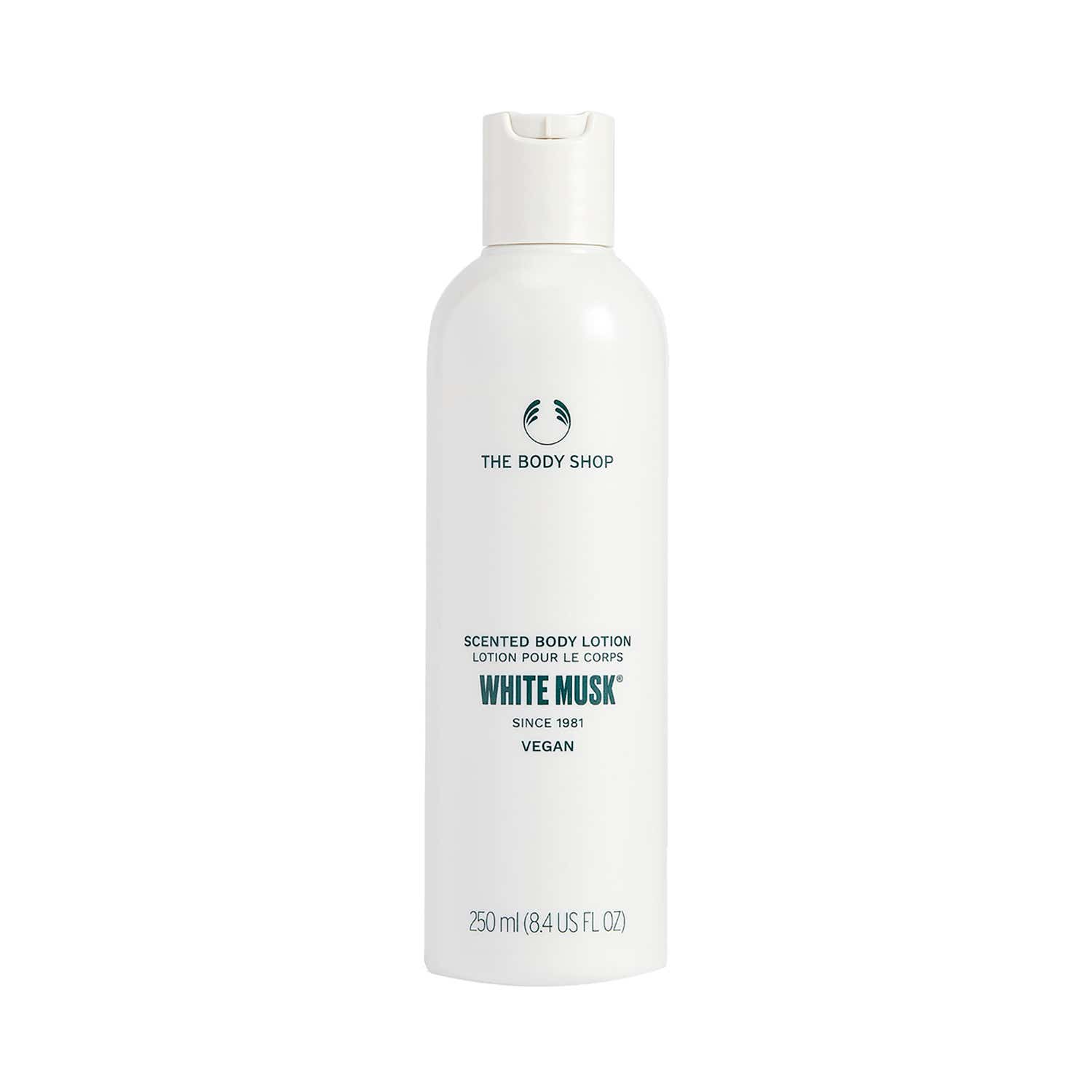
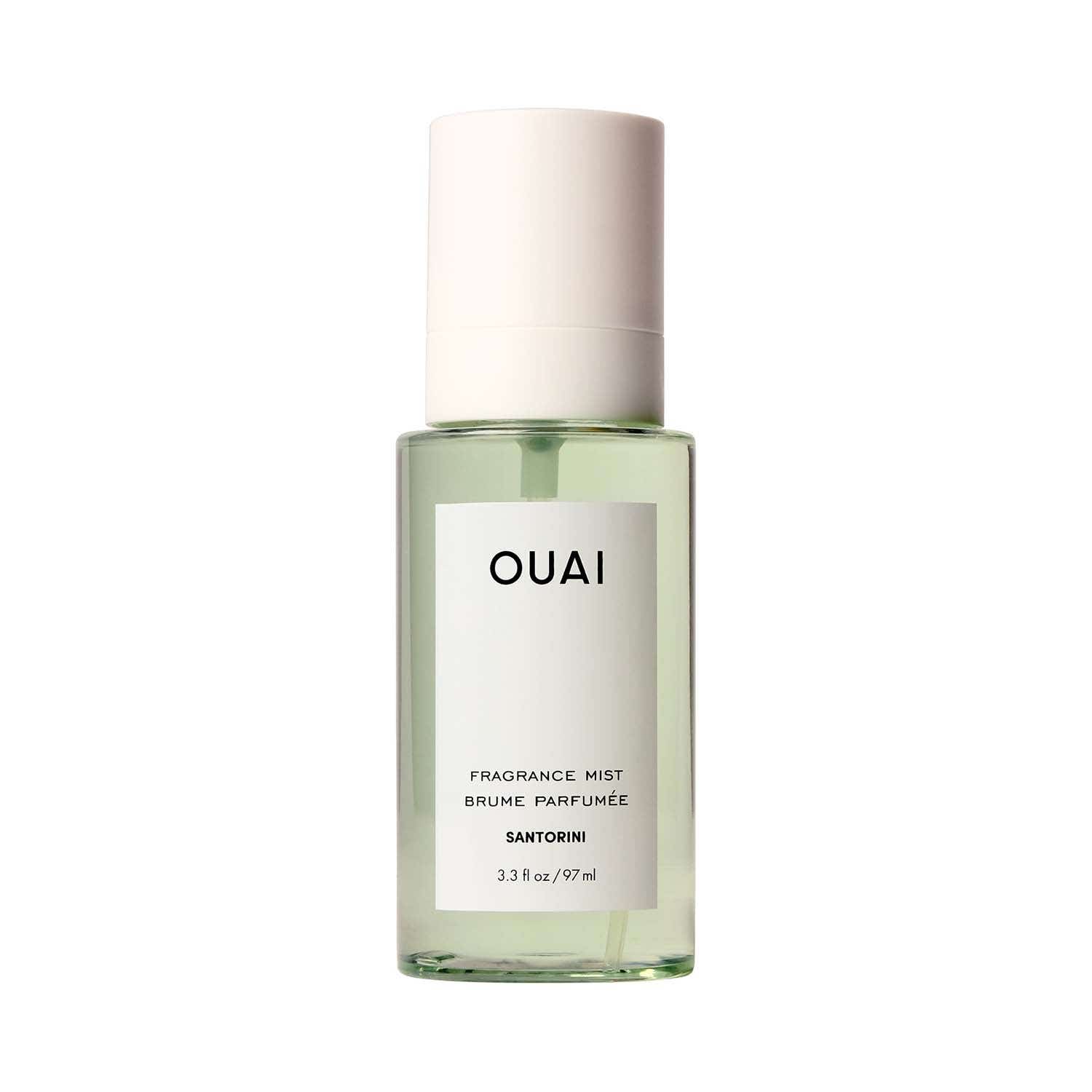
Finish with a body mist or a few drops of fragrance layered over the cream—scent lasts longer on moisturised skin. This is the step that turns a routine into a ritual.
A daily version of this would be excessive—skin needs a chance to do its own repair work between resets, and over-exfoliating can undo everything a scrub set out to do. Weekly is the rhythm that gives skin time to recover and still keeps buildup from settling in.
Pick a day, put on a playlist and give the rest of your body the hour it’s been waiting for.
.png)
Start dry. A few minutes with a dry body brush, working in upward strokes towards the heart, sloughs off surface buildup and gets circulation moving before water even touches skin. It sounds like a small thing. It is not—it’s the difference between a scrub that skims the surface and one that actually gets to work.
Step into a warm—not scalding—shower and let it run for a minute before you do anything else. Warm water softens skin and opens the door for everything that follows. This is also your moment to exhale. A weekly reset is as much about the 10 minutes of quiet as it is the products.
This is where a resurfacing body scrub earns its place. Look for one with a mix of physical exfoliants and something chemical—lactic or glycolic acid—working underneath. Focus on elbows, knees and heels, where skin genuinely needs it, and go easy everywhere else. Circular motions, 30 seconds a zone, rinse.
Overdoing this step is the most common bodycare mistake there is. Once a week is the ritual. Every day is just irritation with extra steps.
Follow with a body wash that’s sulphate-free if your skin runs dry or sensitive. This isn’t the step to skip even on scrub day—it clears away any residue and preps skin to absorb what comes next, instead of sitting on top of it.
Towel off but leave skin slightly damp, then massage in a body oil. This is the step people forget and the one that changes everything. Oil on damp skin locks in moisture far more effectively than oil on dry skin ever will. Use long strokes, work upwards on legs, and take an extra minute on anywhere that’s felt tight or dull lately.
Now the body butter or cream—thicker than what you’d reach for daily. Weekly reset day is when skin can handle, and wants, something heavier. Knees, elbows, shins: give these areas a second pass. They dry out faster than the rest of the body and show it first. And don’t forget the quiet zones. Neck, chest, hands and the backs of arms are the parts that see sun, friction and washing all day, every day, and somehow end up last on every routine. Give them the same moisturiser, the same care, the same 30 seconds.
Finish with a body mist or a few drops of fragrance layered over the cream—scent lasts longer on moisturised skin. This is the step that turns a routine into a ritual.
A daily version of this would be excessive—skin needs a chance to do its own repair work between resets, and over-exfoliating can undo everything a scrub set out to do. Weekly is the rhythm that gives skin time to recover and still keeps buildup from settling in.
Pick a day, put on a playlist and give the rest of your body the hour it’s been waiting for.
Start dry. A few minutes with a dry body brush, working in upward strokes towards the heart, sloughs off surface buildup and gets circulation moving before water even touches skin. It sounds like a small thing. It is not—it’s the difference between a scrub that skims the surface and one that actually gets to work.
Step into a warm—not scalding—shower and let it run for a minute before you do anything else. Warm water softens skin and opens the door for everything that follows. This is also your moment to exhale. A weekly reset is as much about the 10 minutes of quiet as it is the products.
This is where a resurfacing body scrub earns its place. Look for one with a mix of physical exfoliants and something chemical—lactic or glycolic acid—working underneath. Focus on elbows, knees and heels, where skin genuinely needs it, and go easy everywhere else. Circular motions, 30 seconds a zone, rinse.
Overdoing this step is the most common bodycare mistake there is. Once a week is the ritual. Every day is just irritation with extra steps.
Follow with a body wash that’s sulphate-free if your skin runs dry or sensitive. This isn’t the step to skip even on scrub day—it clears away any residue and preps skin to absorb what comes next, instead of sitting on top of it.
Towel off but leave skin slightly damp, then massage in a body oil. This is the step people forget and the one that changes everything. Oil on damp skin locks in moisture far more effectively than oil on dry skin ever will. Use long strokes, work upwards on legs, and take an extra minute on anywhere that’s felt tight or dull lately.
Now the body butter or cream—thicker than what you’d reach for daily. Weekly reset day is when skin can handle, and wants, something heavier. Knees, elbows, shins: give these areas a second pass. They dry out faster than the rest of the body and show it first. And don’t forget the quiet zones. Neck, chest, hands and the backs of arms are the parts that see sun, friction and washing all day, every day, and somehow end up last on every routine. Give them the same moisturiser, the same care, the same 30 seconds.
Finish with a body mist or a few drops of fragrance layered over the cream—scent lasts longer on moisturised skin. This is the step that turns a routine into a ritual.
A daily version of this would be excessive—skin needs a chance to do its own repair work between resets, and over-exfoliating can undo everything a scrub set out to do. Weekly is the rhythm that gives skin time to recover and still keeps buildup from settling in.
Pick a day, put on a playlist and give the rest of your body the hour it’s been waiting for.


Start dry. A few minutes with a dry body brush, working in upward strokes towards the heart, sloughs off surface buildup and gets circulation moving before water even touches skin. It sounds like a small thing. It is not—it’s the difference between a scrub that skims the surface and one that actually gets to work.
Step into a warm—not scalding—shower and let it run for a minute before you do anything else. Warm water softens skin and opens the door for everything that follows. This is also your moment to exhale. A weekly reset is as much about the 10 minutes of quiet as it is the products.
This is where a resurfacing body scrub earns its place. Look for one with a mix of physical exfoliants and something chemical—lactic or glycolic acid—working underneath. Focus on elbows, knees and heels, where skin genuinely needs it, and go easy everywhere else. Circular motions, 30 seconds a zone, rinse.
Overdoing this step is the most common bodycare mistake there is. Once a week is the ritual. Every day is just irritation with extra steps.
Follow with a body wash that’s sulphate-free if your skin runs dry or sensitive. This isn’t the step to skip even on scrub day—it clears away any residue and preps skin to absorb what comes next, instead of sitting on top of it.
Towel off but leave skin slightly damp, then massage in a body oil. This is the step people forget and the one that changes everything. Oil on damp skin locks in moisture far more effectively than oil on dry skin ever will. Use long strokes, work upwards on legs, and take an extra minute on anywhere that’s felt tight or dull lately.
Now the body butter or cream—thicker than what you’d reach for daily. Weekly reset day is when skin can handle, and wants, something heavier. Knees, elbows, shins: give these areas a second pass. They dry out faster than the rest of the body and show it first. And don’t forget the quiet zones. Neck, chest, hands and the backs of arms are the parts that see sun, friction and washing all day, every day, and somehow end up last on every routine. Give them the same moisturiser, the same care, the same 30 seconds.
Finish with a body mist or a few drops of fragrance layered over the cream—scent lasts longer on moisturised skin. This is the step that turns a routine into a ritual.
A daily version of this would be excessive—skin needs a chance to do its own repair work between resets, and over-exfoliating can undo everything a scrub set out to do. Weekly is the rhythm that gives skin time to recover and still keeps buildup from settling in.
Pick a day, put on a playlist and give the rest of your body the hour it’s been waiting for.