
Rituals
A 5-step skin barrier repair ritual for the post-monsoon season
Read Now




Monsoon doesn't discriminate. Whether your hair is straight, wavy or curly, the moment humidity hits, all bets are off. The good news is that frizz in monsoon is almost always a routine problem, not a hair problem. And the right steps—in the right order—make a significant difference. Here’s how to build a routine that holds up, even on the most aggressively damp days.
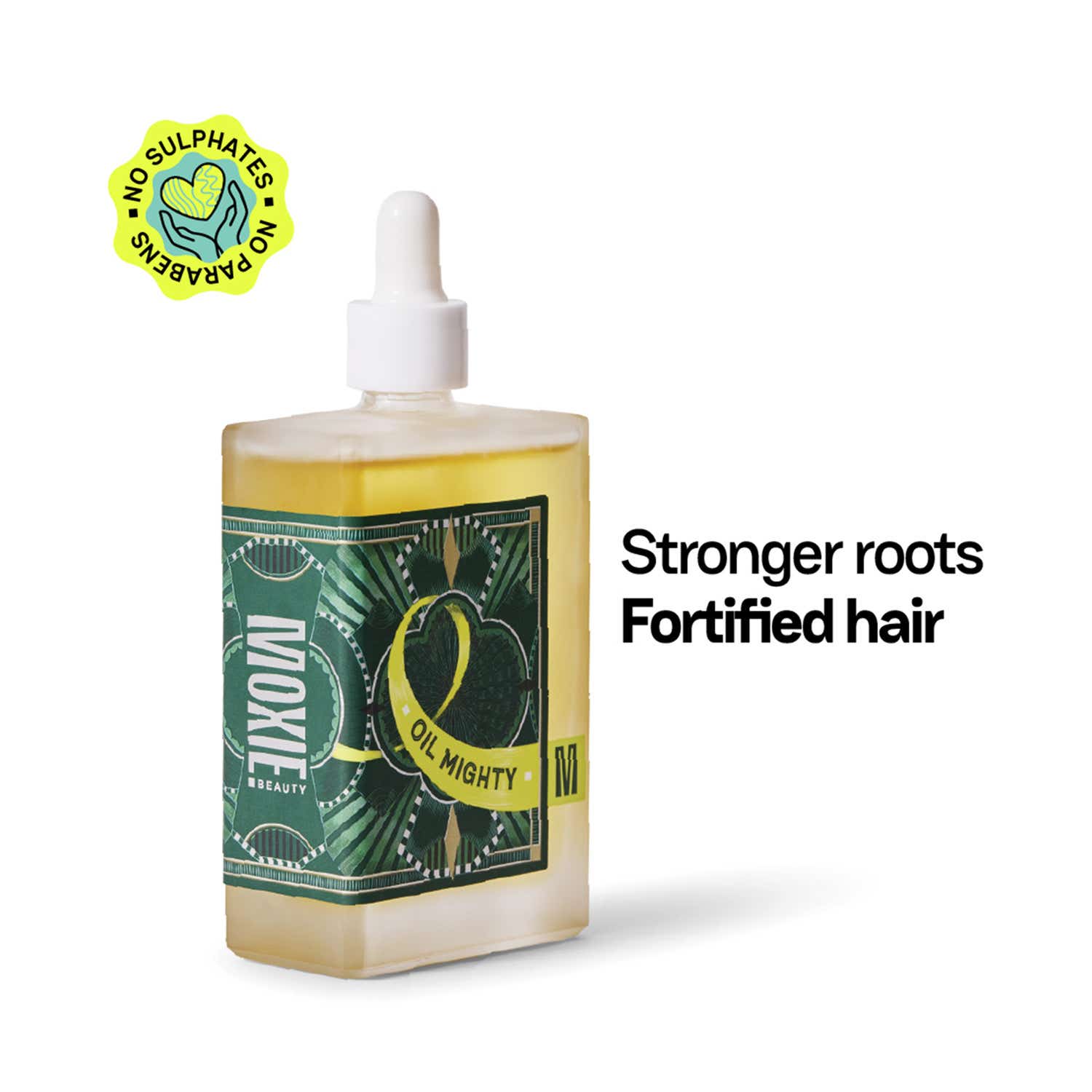

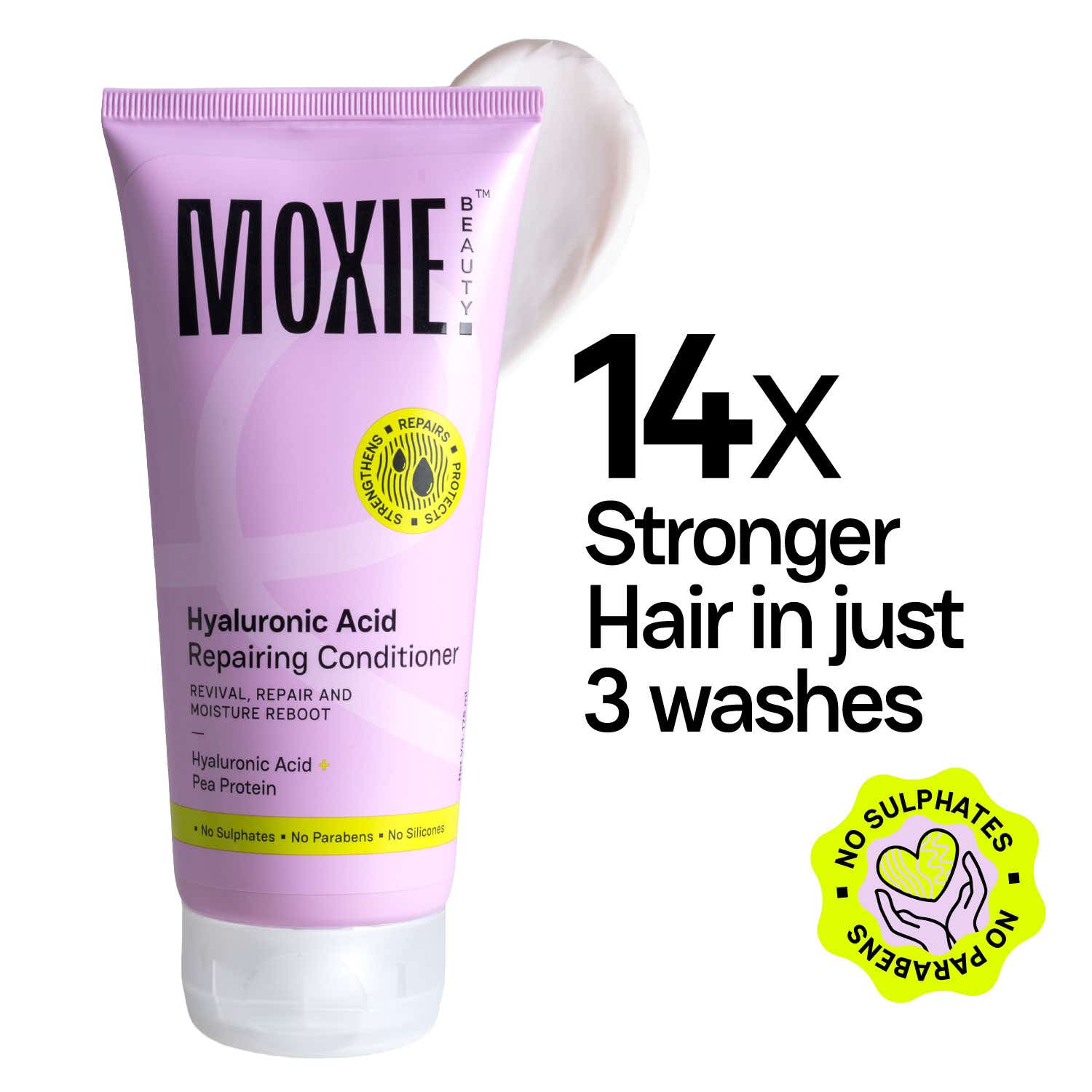

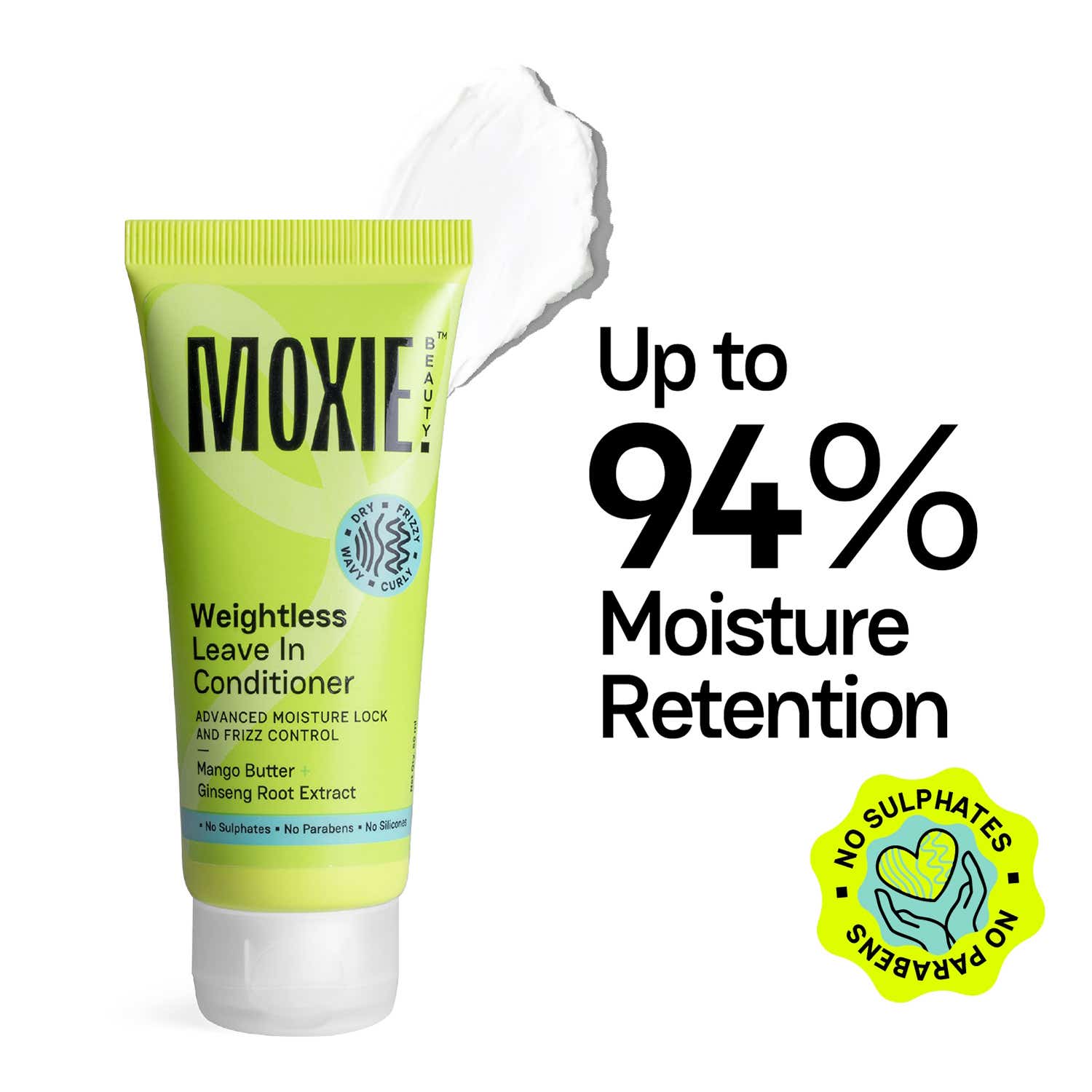
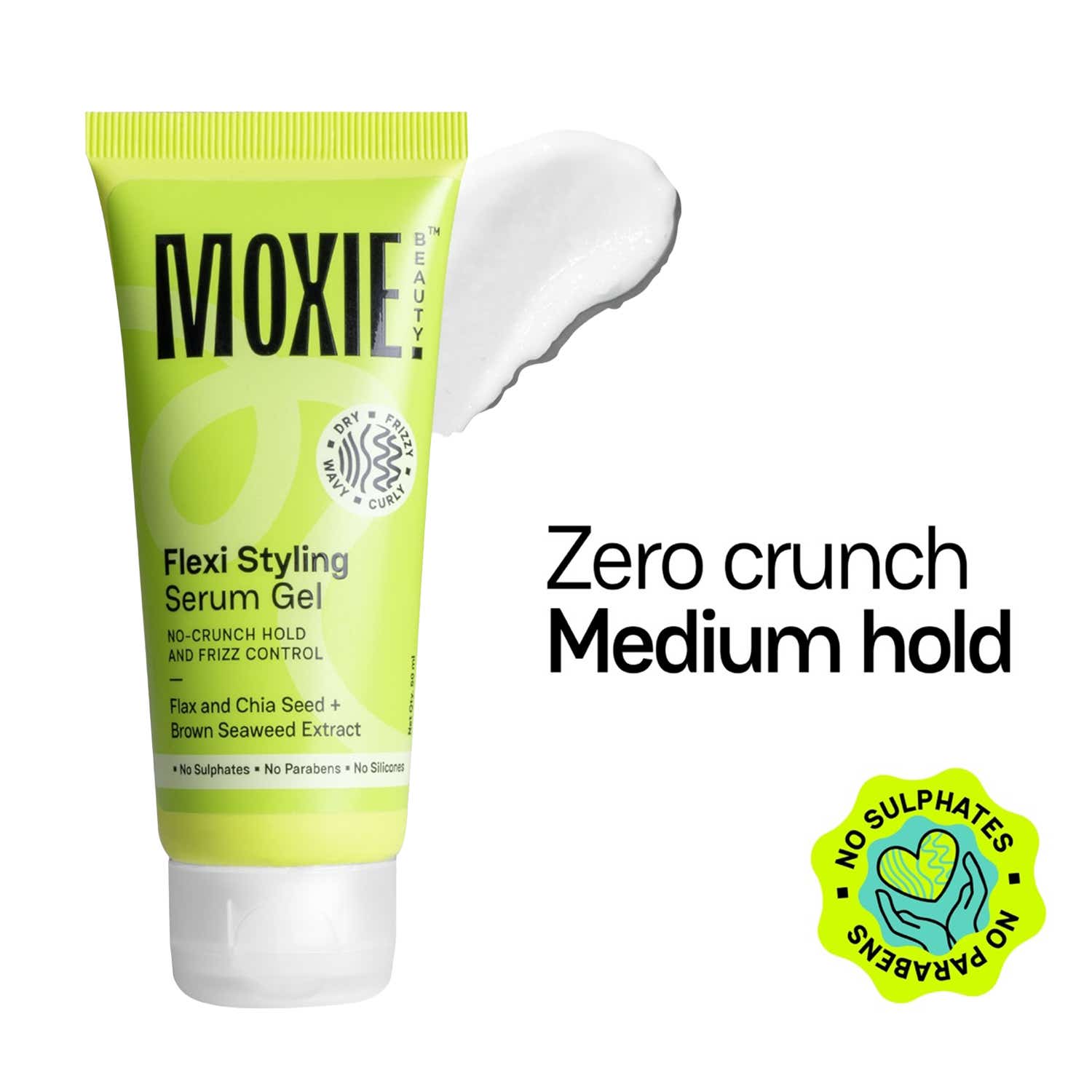
A more wallet-friendly option that doesn’t skimp on performance, this hair oil by Moxie Beauty deals with concerns like breakage and brittleness. It features ingredients known to reduce protein loss while improving softness and flexibility in hair strands like almond, avocado and cocoa oils. The texture is light and non-sticky, so it absorbs easily and fits without fuss in your usual haircare routine.

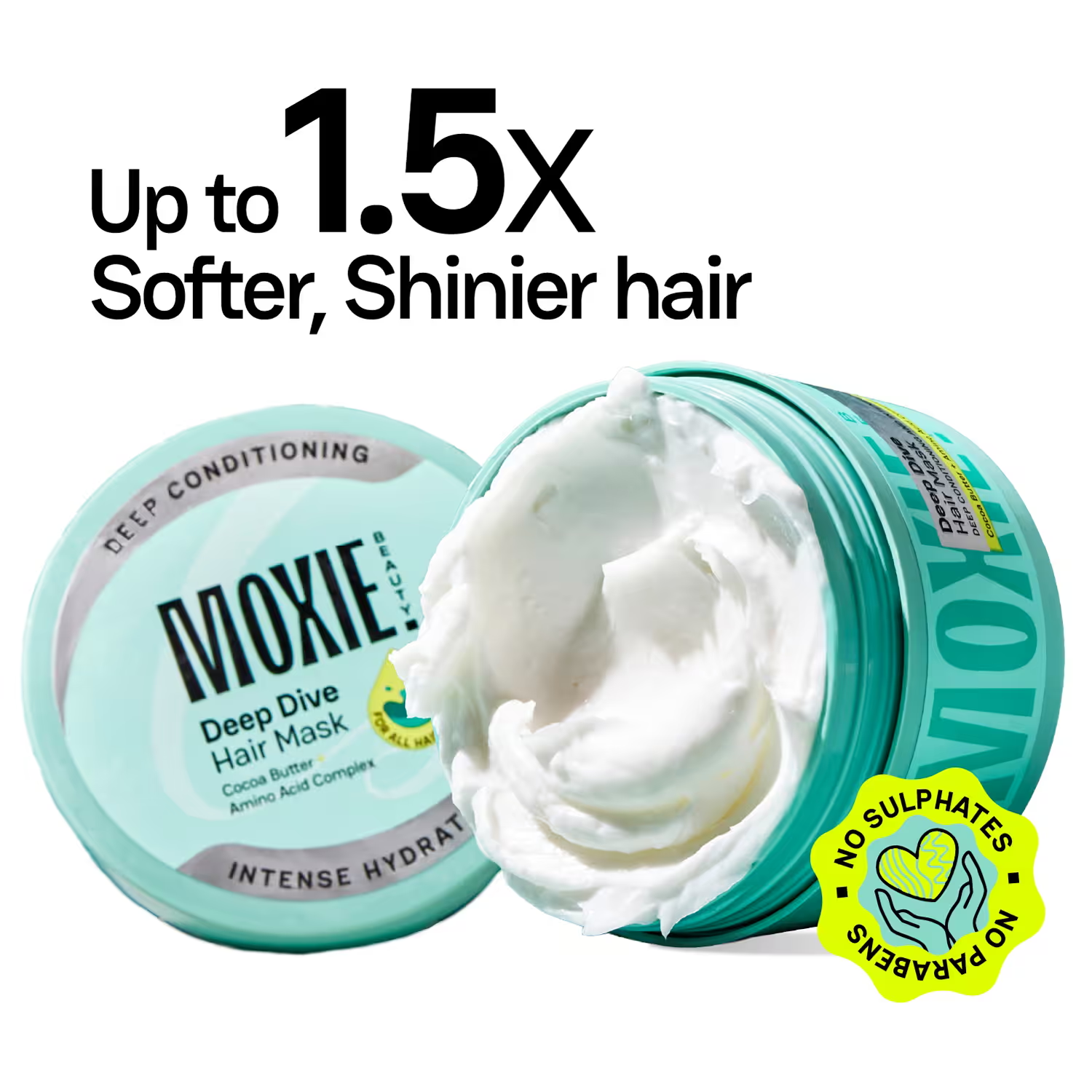
For hair that seems to have a personality change the moment humidity rises, Moxie's Deep Dive Hair Mask is worth reaching for. This deep-conditioning treatment focuses on replenishing moisture while smoothing the cuticle, two things frizz-prone hair benefits from most. With regular use, hair feels softer, looks healthier and becomes noticeably easier to manage, even on those sticky, high-humidity days when frizz usually takes over.
Meet the ultimate 'everything shower' essential: a buttery, melt-in mask that will turn your spa into a self-care sanctuary. Enriched with shea and cocoa butter, it envelops strands in a cloud-soft veil of conditioning, delivering long-lasting softness and anti-humidity protection against frizz. The result? Strands that feel silky, supple and satisfyingly soft to the touch.
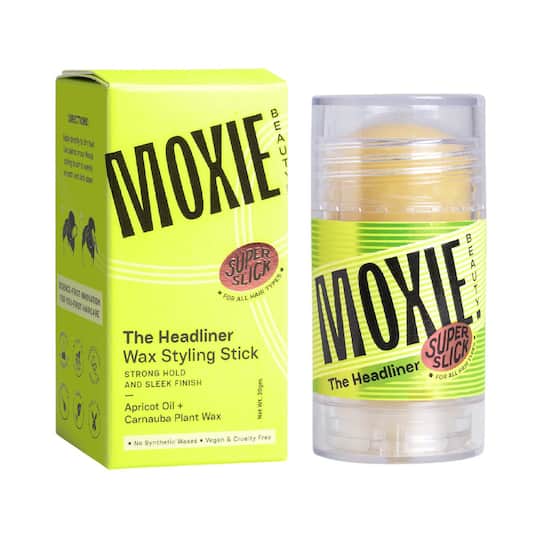
Meet your new go-to for taming flyaways and baby hairs in seconds. This stick is infused with apricot and coconut oils to nourish and smooth strands, while carnauba plant wax gives you flexible, lasting hold—no stiffness, no residue. Slide it over your hairline or through the edges and blend with your fingers or a brush. It delivers that polished, sleek finish you want, without looking stiff or heavy, and it works across all hair types. Toss it in your bag—it’s perfect for quick touch-ups when your style needs a little rescue midday.
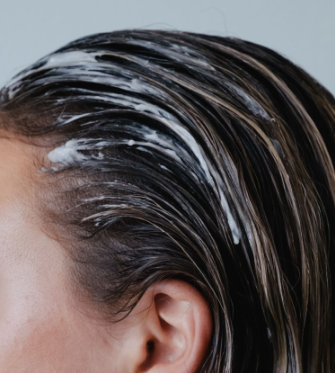
The single best thing you can do for frizz-prone hair in monsoon is oil it before you shampoo. A pre-wash oil treatment seals the hair cuticle before water and humidity get a chance to force it open. Apply oil generously from mid-lengths to ends—roots are optional—and leave it on for at least 30 minutes. An hour is better. Oils with a small molecular weight, like coconut oil, penetrate the hair shaft rather than just sitting on top of it, which is what you want here.
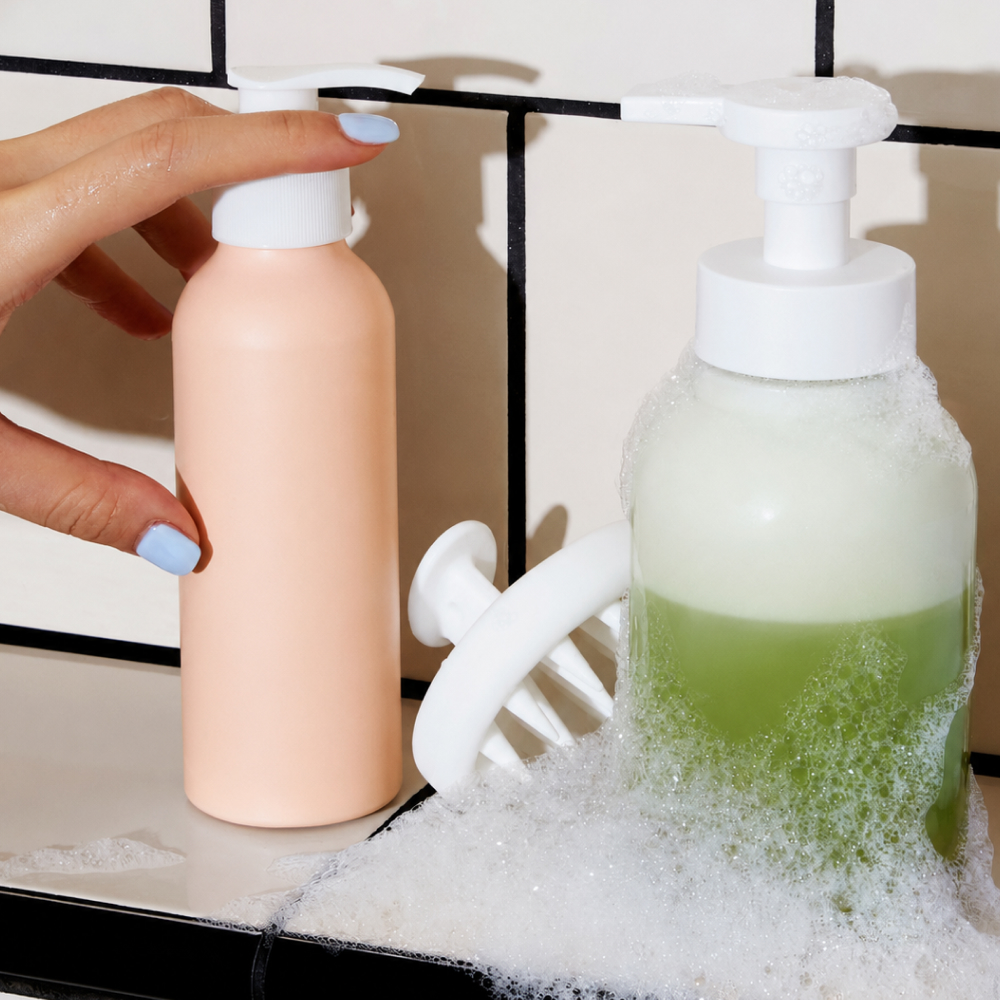
This isn’t the step to experiment. Use a shampoo formulated specifically for frizz or smoothing—these are typically lower in sulphates, which means they cleanse without stripping the natural oils that keep hair smooth. Avoid anything labelled volumising or clarifying during monsoon; those are working against you right now. Lather at the scalp and let the foam rinse through the lengths rather than scrubbing from root to tip.
This one is non-negotiable. In high humidity, your hair is constantly trying to absorb moisture from the air, which causes the cuticle to swell and lift—that’s frizz. A good conditioner temporarily flattens and seals the cuticle, making hair smoother and less reactive to ambient moisture. Apply from mid-lengths to ends, leave it on for at least two to three minutes, and rinse with cool water. The cool rinse helps seal the cuticle further, making a real difference.
Once a week, swap your regular conditioner for a deep conditioning mask. Think of this as your long-term frizz management. Masks penetrate deeper and tend to have a higher concentration of conditioning agents, which means the smoothing effect lasts longer. Apply on freshly shampooed hair, cover with a shower cap, and leave on for 15 to 20 minutes before rinsing.
How you dry your hair matters as much as what you put in it. Rubbing wet hair with a regular towel roughens the cuticle and creates frizz before your routine even has a chance to work. Instead, gently squeeze excess water out using a microfibre towel or an old cotton T-shirt—both are far gentler on the hair shaft. Pat and press, never rub.
This is the step most people skip and the one that makes the biggest difference in monsoon. A leave-in conditioner applied to damp hair acts as a barrier between your strands and the humidity outside. Work it through mid-lengths to ends evenly—thin layers are more effective than a heavy application, which can weigh hair down or make it look greasy.
This is the final layer before you let your hair dry. A styling serum gel creates a flexible hold on the hair surface that resists moisture absorption from the air. Apply it over your leave-in, scrunching it in gently if you’re air-drying, or working it through before diffusing. It keeps hair smooth without any stiffness.
A finishing wax stick applied to dry hair as the last step tames any flyaways and polishes the overall look without your weighing hair down. The key is to use a small amount—warm it between your fingertips and press lightly onto the areas that need smoothing. This also helps the look hold as humidity levels shift through the day.
The single best thing you can do for frizz-prone hair in monsoon is oil it before you shampoo. A pre-wash oil treatment seals the hair cuticle before water and humidity get a chance to force it open. Apply oil generously from mid-lengths to ends—roots are optional—and leave it on for at least 30 minutes. An hour is better. Oils with a small molecular weight, like coconut oil, penetrate the hair shaft rather than just sitting on top of it, which is what you want here.
This isn’t the step to experiment. Use a shampoo formulated specifically for frizz or smoothing—these are typically lower in sulphates, which means they cleanse without stripping the natural oils that keep hair smooth. Avoid anything labelled volumising or clarifying during monsoon; those are working against you right now. Lather at the scalp and let the foam rinse through the lengths rather than scrubbing from root to tip.
This one is non-negotiable. In high humidity, your hair is constantly trying to absorb moisture from the air, which causes the cuticle to swell and lift—that’s frizz. A good conditioner temporarily flattens and seals the cuticle, making hair smoother and less reactive to ambient moisture. Apply from mid-lengths to ends, leave it on for at least two to three minutes, and rinse with cool water. The cool rinse helps seal the cuticle further, making a real difference.
Once a week, swap your regular conditioner for a deep conditioning mask. Think of this as your long-term frizz management. Masks penetrate deeper and tend to have a higher concentration of conditioning agents, which means the smoothing effect lasts longer. Apply on freshly shampooed hair, cover with a shower cap, and leave on for 15 to 20 minutes before rinsing.
How you dry your hair matters as much as what you put in it. Rubbing wet hair with a regular towel roughens the cuticle and creates frizz before your routine even has a chance to work. Instead, gently squeeze excess water out using a microfibre towel or an old cotton T-shirt—both are far gentler on the hair shaft. Pat and press, never rub.
This is the step most people skip and the one that makes the biggest difference in monsoon. A leave-in conditioner applied to damp hair acts as a barrier between your strands and the humidity outside. Work it through mid-lengths to ends evenly—thin layers are more effective than a heavy application, which can weigh hair down or make it look greasy.
This is the final layer before you let your hair dry. A styling serum gel creates a flexible hold on the hair surface that resists moisture absorption from the air. Apply it over your leave-in, scrunching it in gently if you’re air-drying, or working it through before diffusing. It keeps hair smooth without any stiffness.
A finishing wax stick applied to dry hair as the last step tames any flyaways and polishes the overall look without your weighing hair down. The key is to use a small amount—warm it between your fingertips and press lightly onto the areas that need smoothing. This also helps the look hold as humidity levels shift through the day.


The single best thing you can do for frizz-prone hair in monsoon is oil it before you shampoo. A pre-wash oil treatment seals the hair cuticle before water and humidity get a chance to force it open. Apply oil generously from mid-lengths to ends—roots are optional—and leave it on for at least 30 minutes. An hour is better. Oils with a small molecular weight, like coconut oil, penetrate the hair shaft rather than just sitting on top of it, which is what you want here.
This isn’t the step to experiment. Use a shampoo formulated specifically for frizz or smoothing—these are typically lower in sulphates, which means they cleanse without stripping the natural oils that keep hair smooth. Avoid anything labelled volumising or clarifying during monsoon; those are working against you right now. Lather at the scalp and let the foam rinse through the lengths rather than scrubbing from root to tip.
This one is non-negotiable. In high humidity, your hair is constantly trying to absorb moisture from the air, which causes the cuticle to swell and lift—that’s frizz. A good conditioner temporarily flattens and seals the cuticle, making hair smoother and less reactive to ambient moisture. Apply from mid-lengths to ends, leave it on for at least two to three minutes, and rinse with cool water. The cool rinse helps seal the cuticle further, making a real difference.
Once a week, swap your regular conditioner for a deep conditioning mask. Think of this as your long-term frizz management. Masks penetrate deeper and tend to have a higher concentration of conditioning agents, which means the smoothing effect lasts longer. Apply on freshly shampooed hair, cover with a shower cap, and leave on for 15 to 20 minutes before rinsing.
How you dry your hair matters as much as what you put in it. Rubbing wet hair with a regular towel roughens the cuticle and creates frizz before your routine even has a chance to work. Instead, gently squeeze excess water out using a microfibre towel or an old cotton T-shirt—both are far gentler on the hair shaft. Pat and press, never rub.
This is the step most people skip and the one that makes the biggest difference in monsoon. A leave-in conditioner applied to damp hair acts as a barrier between your strands and the humidity outside. Work it through mid-lengths to ends evenly—thin layers are more effective than a heavy application, which can weigh hair down or make it look greasy.
This is the final layer before you let your hair dry. A styling serum gel creates a flexible hold on the hair surface that resists moisture absorption from the air. Apply it over your leave-in, scrunching it in gently if you’re air-drying, or working it through before diffusing. It keeps hair smooth without any stiffness.
A finishing wax stick applied to dry hair as the last step tames any flyaways and polishes the overall look without your weighing hair down. The key is to use a small amount—warm it between your fingertips and press lightly onto the areas that need smoothing. This also helps the look hold as humidity levels shift through the day.