


Rituals
You haven’t been taking your makeup off properly
Read Now


Puffy eyes are one of the most common skincare concerns—and one of the most frustrating. Under-eye puffiness can leave you looking far more tired than you actually feel, even when you've done everything right. While maintaining a balanced diet, staying properly hydrated and getting a full night's sleep will generally keep the under-eye area looking fresh and rested, there are times when puffiness seems almost impossible to avoid. Even with the healthiest habits in place, under-eye swelling can appear out of nowhere—and it usually picks the worst possible moment to show up.
The good news? Understanding why puffy eyes happen is the first step to treating them. And once you know what you're dealing with, reducing under-eye puffiness becomes a whole lot easier.



“If there’s one tool that has saved my skin through late nights, heatwaves and random breakouts, it’s this ice roller. I keep it in my freezer and use it whenever my skin feels inflamed or puffy,” says Nidhi Nagvekar from design. “The cooling sensation is addictive; and it instantly calms redness, tightens pores and makes my face look fresh again. It’s also my post-workout secret because it helps bring down heat and soothes my skin in seconds. Truly a must-have.”
“Using a gua sha has become my favourite slow beauty experience. When I’m consistent with it, my face looks more sculpted (especially along the jawline),” says Akshat Malik. “I love how the jade glides on with my facial oil and melts away tension I didn’t even realise I was holding. It’s one of the rare tools that feels indulgent and gives visible results. I keep it on my bedside table because it’s become my wind-down routine.”
The skin beneath your eyes is among the thinnest and most delicate on your entire face, which makes it particularly vulnerable to a wide range of triggers—from lifestyle habits to environmental stressors. While genetics and the natural ageing process certainly play a role, several everyday factors can contribute to under-eye bags and swelling too. Getting familiar with these causes puts you in a much better position to tackle the problem at its root.
One of the biggest causes of puffy eyes, poor sleep disrupts blood circulation and causes fluid to pool beneath the eyes, leading to visible swelling and under-eye bags. Beyond just one bad night, chronic sleep deprivation also hinders your skin's natural repair processes, making puffiness more pronounced and harder to shift over time. Think of sleep as your skin's overnight reset—skip it too often, and the effects will start to show.
When your body isn't getting enough water, it goes into conservation mode and begins holding onto whatever fluid it has—which often shows up as puffiness, including around the eyes. Dehydration also causes the delicate skin around your eye area to appear dull, hollow and sunken, all of which can amplify the appearance of under-eye bags. Drinking enough water throughout the day is one of the simplest and most effective home remedies for puffy eyes.
Too many salty snacks or a late night out can have a surprisingly visible impact on your under-eye area by morning. Both salt and alcohol disrupt your body's fluid balance—salt draws water into your tissues, while alcohol dehydrates you and increases inflammation. The result? Skin that looks bloated, tired and irritated. If you've had a salty dinner or a few drinks the night before, puffy eyes are often the first thing you'll notice when you wake up.
Allergic reactions trigger your body's immune response, which includes the release of histamines—and histamines cause inflammation and fluid retention around the eyes. This can lead to swelling, redness and puffiness, particularly during peak allergy seasons or after exposure to a known trigger. Rubbing your eyes in response to irritation can make things even worse, so it's worth keeping antihistamines on hand if you're prone to reactions.
Fluctuating hormone levels—particularly during the menstrual cycle or as a result of hormonal imbalances—can cause the body to retain more water than usual. This increased water retention often manifests as facial swelling, with the eye area being one of the first places it shows up. If you notice your eyes looking puffier at certain times of the month, hormones could well be the reason.
As we get older, collagen production naturally slows down, causing the skin to become thinner and lose some of its firmness. The fat pads beneath the eyes can also begin to shift and become more visible over time, adding to the appearance of under-eye bags and puffiness. While this is an entirely natural process, the right anti-ageing eye care routine can go a long way in softening these effects and keeping the under-eye area looking its best.
The reassuring thing about puffy eyes is that they're rarely permanent. With a few targeted steps and the right skincare products, you can noticeably reduce under-eye swelling and bring brightness back to your eyes—often in a matter of minutes. Here's a simple, effective routine for how to get rid of puffy eyes fast:
Cold is one of the most immediate and effective remedies for under-eye puffiness. It constricts blood vessels, reduces inflammation and helps drain excess fluid from the area. Apply a cooling eye mask straight from the fridge, or use an ice roller for 5–10 minutes in gentle, circular motions. For even better results, follow up with a gua sha massage or a face-tapping routine to further stimulate lymphatic drainage and move fluid away from the eye area. The combination of cold therapy and massage is particularly powerful for stubborn morning puffiness.
Once you've applied cold, reach for a serum or gel specifically formulated to reduce under-eye puffiness. Caffeine is one of the best ingredients for puffy eyes—it constricts blood vessels and visibly reduces swelling almost immediately. Hyaluronic acid deeply hydrates and plumps the skin to restore a smoother, more rested appearance. Look for lightweight, fast-absorbing eye serums that won't pill under concealer or makeup—a little goes a long way when applied with your ring finger using gentle tapping motions.
A simple under-eye massage technique can make a noticeable difference by encouraging lymphatic drainage and improving circulation. Start by applying a small amount of vitamin C or caffeine-infused moisturiser or facial oil around the eye area. Then, using your ring fingers, gently sweep upward along your brow bone, glide down over your under-eye area toward your temples and continue down toward your neck. Repeat this motion a few times with light pressure—you're not pressing hard, just guiding fluid along its natural drainage path.
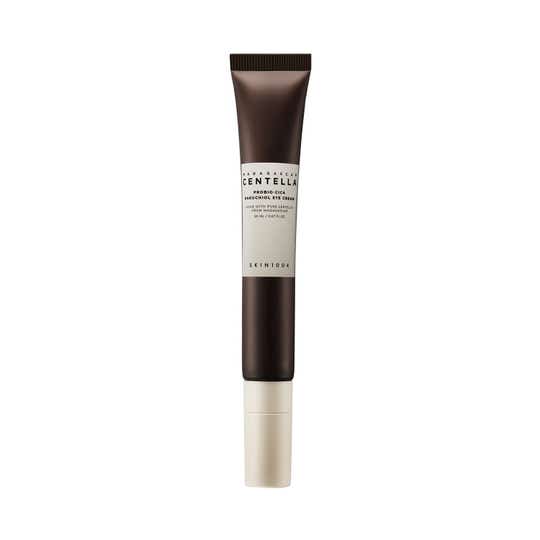
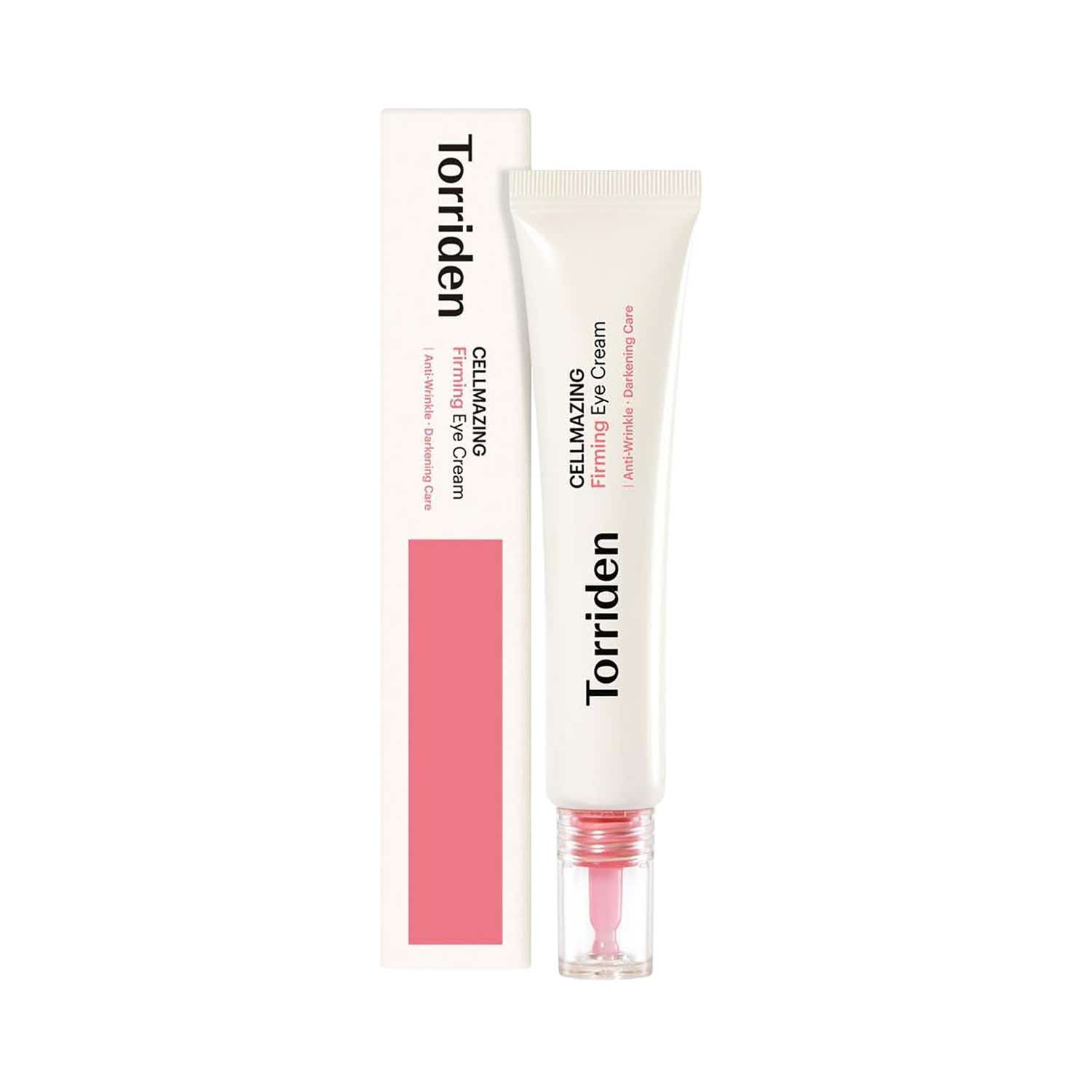
For longer-term improvement, incorporate a retinol eye cream into your evening routine. Retinol stimulates collagen production, gradually thickens the skin around the eyes and reduces the appearance of fine lines—all of which help minimise puffiness over time. Apply it as the final step in your PM skincare routine and let it work overnight.
No eye cream or serum can fully compensate for a consistent lack of sleep, so this one is non-negotiable. Before bed, make sure you're well hydrated—drinking enough water throughout the day means your body is less likely to retain fluid overnight. Elevate your head slightly with an extra pillow to prevent fluid from pooling around your eyes while you rest. A silk pillowcase is also worth considering, as it reduces friction and minimises irritation around the delicate eye area.
Small lifestyle adjustments can have a big impact on how often you wake up with puffy eyes. Reduce your intake of high-sodium foods—particularly in the evenings—and limit alcohol where possible. Eating potassium-rich foods such as bananas, avocados and leafy greens can also help counteract fluid retention. Staying consistently hydrated is key; aim for at least 8 glasses of water a day and start your morning with a large glass before anything else.
The skin beneath your eyes is among the thinnest and most delicate on your entire face, which makes it particularly vulnerable to a wide range of triggers—from lifestyle habits to environmental stressors. While genetics and the natural ageing process certainly play a role, several everyday factors can contribute to under-eye bags and swelling too. Getting familiar with these causes puts you in a much better position to tackle the problem at its root.
One of the biggest causes of puffy eyes, poor sleep disrupts blood circulation and causes fluid to pool beneath the eyes, leading to visible swelling and under-eye bags. Beyond just one bad night, chronic sleep deprivation also hinders your skin's natural repair processes, making puffiness more pronounced and harder to shift over time. Think of sleep as your skin's overnight reset—skip it too often, and the effects will start to show.
When your body isn't getting enough water, it goes into conservation mode and begins holding onto whatever fluid it has—which often shows up as puffiness, including around the eyes. Dehydration also causes the delicate skin around your eye area to appear dull, hollow and sunken, all of which can amplify the appearance of under-eye bags. Drinking enough water throughout the day is one of the simplest and most effective home remedies for puffy eyes.
Too many salty snacks or a late night out can have a surprisingly visible impact on your under-eye area by morning. Both salt and alcohol disrupt your body's fluid balance—salt draws water into your tissues, while alcohol dehydrates you and increases inflammation. The result? Skin that looks bloated, tired and irritated. If you've had a salty dinner or a few drinks the night before, puffy eyes are often the first thing you'll notice when you wake up.
Allergic reactions trigger your body's immune response, which includes the release of histamines—and histamines cause inflammation and fluid retention around the eyes. This can lead to swelling, redness and puffiness, particularly during peak allergy seasons or after exposure to a known trigger. Rubbing your eyes in response to irritation can make things even worse, so it's worth keeping antihistamines on hand if you're prone to reactions.
Fluctuating hormone levels—particularly during the menstrual cycle or as a result of hormonal imbalances—can cause the body to retain more water than usual. This increased water retention often manifests as facial swelling, with the eye area being one of the first places it shows up. If you notice your eyes looking puffier at certain times of the month, hormones could well be the reason.
As we get older, collagen production naturally slows down, causing the skin to become thinner and lose some of its firmness. The fat pads beneath the eyes can also begin to shift and become more visible over time, adding to the appearance of under-eye bags and puffiness. While this is an entirely natural process, the right anti-ageing eye care routine can go a long way in softening these effects and keeping the under-eye area looking its best.
The reassuring thing about puffy eyes is that they're rarely permanent. With a few targeted steps and the right skincare products, you can noticeably reduce under-eye swelling and bring brightness back to your eyes—often in a matter of minutes. Here's a simple, effective routine for how to get rid of puffy eyes fast:
Cold is one of the most immediate and effective remedies for under-eye puffiness. It constricts blood vessels, reduces inflammation and helps drain excess fluid from the area. Apply a cooling eye mask straight from the fridge, or use an ice roller for 5–10 minutes in gentle, circular motions. For even better results, follow up with a gua sha massage or a face-tapping routine to further stimulate lymphatic drainage and move fluid away from the eye area. The combination of cold therapy and massage is particularly powerful for stubborn morning puffiness.
Once you've applied cold, reach for a serum or gel specifically formulated to reduce under-eye puffiness. Caffeine is one of the best ingredients for puffy eyes—it constricts blood vessels and visibly reduces swelling almost immediately. Hyaluronic acid deeply hydrates and plumps the skin to restore a smoother, more rested appearance. Look for lightweight, fast-absorbing eye serums that won't pill under concealer or makeup—a little goes a long way when applied with your ring finger using gentle tapping motions.
A simple under-eye massage technique can make a noticeable difference by encouraging lymphatic drainage and improving circulation. Start by applying a small amount of vitamin C or caffeine-infused moisturiser or facial oil around the eye area. Then, using your ring fingers, gently sweep upward along your brow bone, glide down over your under-eye area toward your temples and continue down toward your neck. Repeat this motion a few times with light pressure—you're not pressing hard, just guiding fluid along its natural drainage path.
For longer-term improvement, incorporate a retinol eye cream into your evening routine. Retinol stimulates collagen production, gradually thickens the skin around the eyes and reduces the appearance of fine lines—all of which help minimise puffiness over time. Apply it as the final step in your PM skincare routine and let it work overnight.
No eye cream or serum can fully compensate for a consistent lack of sleep, so this one is non-negotiable. Before bed, make sure you're well hydrated—drinking enough water throughout the day means your body is less likely to retain fluid overnight. Elevate your head slightly with an extra pillow to prevent fluid from pooling around your eyes while you rest. A silk pillowcase is also worth considering, as it reduces friction and minimises irritation around the delicate eye area.
Small lifestyle adjustments can have a big impact on how often you wake up with puffy eyes. Reduce your intake of high-sodium foods—particularly in the evenings—and limit alcohol where possible. Eating potassium-rich foods such as bananas, avocados and leafy greens can also help counteract fluid retention. Staying consistently hydrated is key; aim for at least 8 glasses of water a day and start your morning with a large glass before anything else.


The skin beneath your eyes is among the thinnest and most delicate on your entire face, which makes it particularly vulnerable to a wide range of triggers—from lifestyle habits to environmental stressors. While genetics and the natural ageing process certainly play a role, several everyday factors can contribute to under-eye bags and swelling too. Getting familiar with these causes puts you in a much better position to tackle the problem at its root.
One of the biggest causes of puffy eyes, poor sleep disrupts blood circulation and causes fluid to pool beneath the eyes, leading to visible swelling and under-eye bags. Beyond just one bad night, chronic sleep deprivation also hinders your skin's natural repair processes, making puffiness more pronounced and harder to shift over time. Think of sleep as your skin's overnight reset—skip it too often, and the effects will start to show.
When your body isn't getting enough water, it goes into conservation mode and begins holding onto whatever fluid it has—which often shows up as puffiness, including around the eyes. Dehydration also causes the delicate skin around your eye area to appear dull, hollow and sunken, all of which can amplify the appearance of under-eye bags. Drinking enough water throughout the day is one of the simplest and most effective home remedies for puffy eyes.
Too many salty snacks or a late night out can have a surprisingly visible impact on your under-eye area by morning. Both salt and alcohol disrupt your body's fluid balance—salt draws water into your tissues, while alcohol dehydrates you and increases inflammation. The result? Skin that looks bloated, tired and irritated. If you've had a salty dinner or a few drinks the night before, puffy eyes are often the first thing you'll notice when you wake up.
Allergic reactions trigger your body's immune response, which includes the release of histamines—and histamines cause inflammation and fluid retention around the eyes. This can lead to swelling, redness and puffiness, particularly during peak allergy seasons or after exposure to a known trigger. Rubbing your eyes in response to irritation can make things even worse, so it's worth keeping antihistamines on hand if you're prone to reactions.
Fluctuating hormone levels—particularly during the menstrual cycle or as a result of hormonal imbalances—can cause the body to retain more water than usual. This increased water retention often manifests as facial swelling, with the eye area being one of the first places it shows up. If you notice your eyes looking puffier at certain times of the month, hormones could well be the reason.
As we get older, collagen production naturally slows down, causing the skin to become thinner and lose some of its firmness. The fat pads beneath the eyes can also begin to shift and become more visible over time, adding to the appearance of under-eye bags and puffiness. While this is an entirely natural process, the right anti-ageing eye care routine can go a long way in softening these effects and keeping the under-eye area looking its best.
The reassuring thing about puffy eyes is that they're rarely permanent. With a few targeted steps and the right skincare products, you can noticeably reduce under-eye swelling and bring brightness back to your eyes—often in a matter of minutes. Here's a simple, effective routine for how to get rid of puffy eyes fast:
Cold is one of the most immediate and effective remedies for under-eye puffiness. It constricts blood vessels, reduces inflammation and helps drain excess fluid from the area. Apply a cooling eye mask straight from the fridge, or use an ice roller for 5–10 minutes in gentle, circular motions. For even better results, follow up with a gua sha massage or a face-tapping routine to further stimulate lymphatic drainage and move fluid away from the eye area. The combination of cold therapy and massage is particularly powerful for stubborn morning puffiness.
Once you've applied cold, reach for a serum or gel specifically formulated to reduce under-eye puffiness. Caffeine is one of the best ingredients for puffy eyes—it constricts blood vessels and visibly reduces swelling almost immediately. Hyaluronic acid deeply hydrates and plumps the skin to restore a smoother, more rested appearance. Look for lightweight, fast-absorbing eye serums that won't pill under concealer or makeup—a little goes a long way when applied with your ring finger using gentle tapping motions.
A simple under-eye massage technique can make a noticeable difference by encouraging lymphatic drainage and improving circulation. Start by applying a small amount of vitamin C or caffeine-infused moisturiser or facial oil around the eye area. Then, using your ring fingers, gently sweep upward along your brow bone, glide down over your under-eye area toward your temples and continue down toward your neck. Repeat this motion a few times with light pressure—you're not pressing hard, just guiding fluid along its natural drainage path.
For longer-term improvement, incorporate a retinol eye cream into your evening routine. Retinol stimulates collagen production, gradually thickens the skin around the eyes and reduces the appearance of fine lines—all of which help minimise puffiness over time. Apply it as the final step in your PM skincare routine and let it work overnight.
No eye cream or serum can fully compensate for a consistent lack of sleep, so this one is non-negotiable. Before bed, make sure you're well hydrated—drinking enough water throughout the day means your body is less likely to retain fluid overnight. Elevate your head slightly with an extra pillow to prevent fluid from pooling around your eyes while you rest. A silk pillowcase is also worth considering, as it reduces friction and minimises irritation around the delicate eye area.
Small lifestyle adjustments can have a big impact on how often you wake up with puffy eyes. Reduce your intake of high-sodium foods—particularly in the evenings—and limit alcohol where possible. Eating potassium-rich foods such as bananas, avocados and leafy greens can also help counteract fluid retention. Staying consistently hydrated is key; aim for at least 8 glasses of water a day and start your morning with a large glass before anything else.


