Rituals
Your step-by-step monsoon everything shower routine
Read Now


It was a Tuesday night, sometime around 11pm, when I finally read the ingredient list on a night cream I'd owned for six months and never used consistently. Not skimmed—read. And then I went down a rabbit hole about what our skin actually does while we sleep—that kept me up, ironically, until 1am.
I learnt that cell turnover spikes at night, the barrier shifts into repair mode, transepidermal water loss increases—alarming phrasing for something that is simply the skin doing its job. Our body has apparently been running a full maintenance operation every single night, completely indifferent to whether we helped or not. The more I read, the more my entire morning routine started to feel like I was showing up to fix something I could have just not broken.
So I ran an experiment for 30 days.
.PNG)
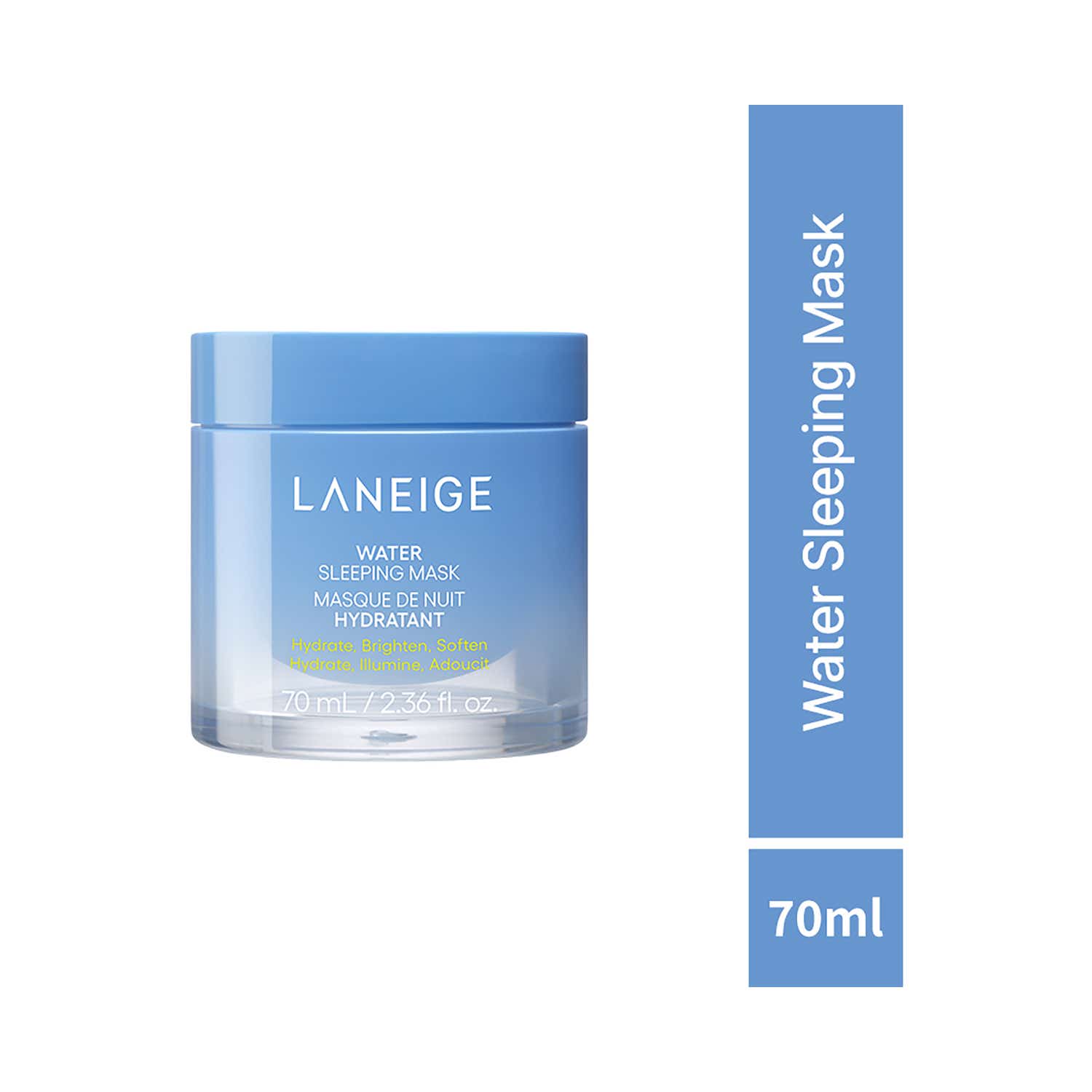


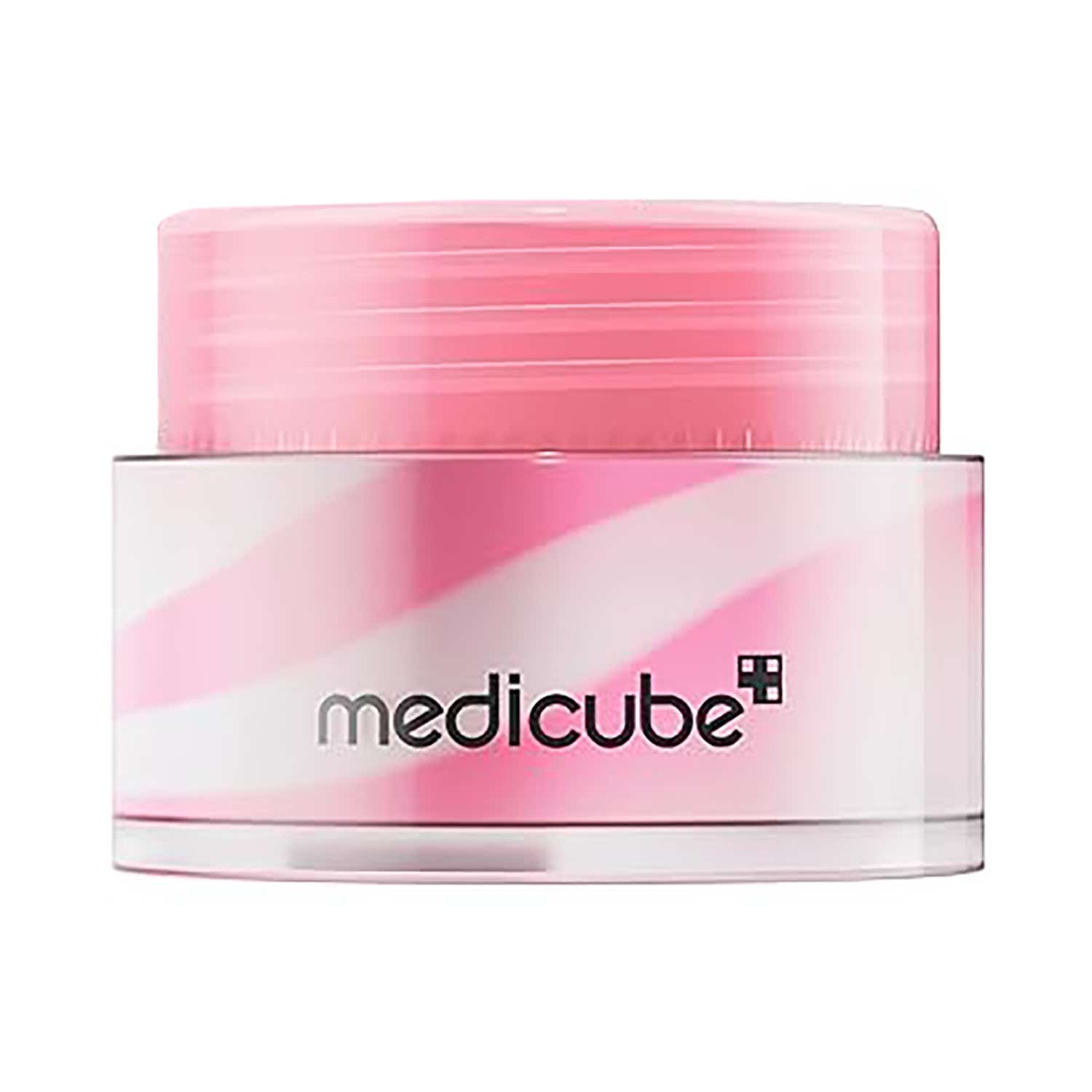


PDRN is having a serious moment in skincare right now. It’s a regeneration-boosting ingredient borrowed from clinical dermatology, and medicube has put it into a lip sleeping mask that earns its hype. The formula is rich enough to deliver overnight repair to dry, flaky or depleted lips—restoring softness, boosting elasticity, rebuilding what daily life strips away—but light enough that it doesn’t feel like you’ve smeared a thick balm on your face before bed. If your lips are stubbornly dry or have lost their natural plumpness, give this a few nights and see what happens.
If you’re headed for a long summer vacay, this cult-favourite leave-in mask by K18 needs to find a spot in your suitcase. Giving your hair an instant revive in four minutes, the easy-to-use bond repair treatment smoothens, tackles frizz and reduces breakage, leaving you with hair that is soft, manageable and easy to style. It literally breathes life back into dull and damaged hair, making it apt for a hot and summer-y vacation.
Between styling, colouring, and shooting content, my hair takes a hit. This leave-in mask is my holy grail—just four minutes and no rinse needed. It brings back strength and bounce and has seriously helped repair my waves. It’s one of the few products that lives up to the hype, and I keep going back to it.
This Ayurvedic-meets-clinical serum is like a wind-down ritual for your scalp. Packed with soothing ingredients like amla and bakuchiol, it calms inflammation, rebalances sebum levels, and helps reduce hair fall—especially useful after long, sweaty days. Use it as an overnight treatment; wake up with a refreshed, nourished scalp that feels like it just had therapy.
This hair growth serum by Inde Wild is formulated with a trio of clinically studied actives—redensyl, procapil and baicapil—ingredients that are known to work at the follicle level to support stronger roots, improved density and healthier regrowth over time. Despite its strong ingredients list, it feels calming, lightweight and non-irritating on the scalp, which truly matters when a treatment is meant to be part of your regular routine. It’s a great pick if you’re looking for a product that offers targeted hair growth paired with a clean, scalp-friendly formulation that doesn’t overwhelm.
Strong, healthy hair begins at the scalp. Powered by redensyl, procapil and baicapil, this targeted serum supports stronger, fuller-looking hair while helping soothe and rebalance the scalp. The lightweight, non-greasy texture absorbs easily, making it ideal for nighttime use. Apply before bed, switch off and let it work quietly while you rest.
Here’s the thing nobody really leads with—nighttime is when your skin stops defending itself and starts repairing. There’s no UV, pollution or squinting into the wind. At night, your barrier is rebuilding, cell turnover spiking and absorption doing what it can't fully do during the day when your skin is essentially in survival mode. Overnight treatments aren't a luxury category. They're biology, and we've collectively been sleeping through them. Literally.
Hair follows the same logic. Saturation—actual, hours-long saturation—is a different thing from a rinse-out mask. It took me an embarrassingly long time to understand that distinction in my own hands.
I used a barrier-focused night cream instead of whatever moisturiser was closest to the bed, a treatment mask twice a week, a lip mask, an overnight hair mask once a week and a scalp serum I’d abandoned months ago because I ran out of patience before I ran out of product. The only rule was consistency, which sounds easy until you’re exhausted at midnight and your skincare shelf seems very far away.
Once a week, I left an overnight hair mask on properly. I didn’t rinse it after 20 minutes out of impatience, which had been my previous approach and, I now understand, entirely missed the point. I also added a scalp serum I'd abandoned months earlier because I ran out of patience before I ran out of product. This time, I used it every wash without negotiating with myself about it.
The first week was unremarkable, to put it bluntly. I didn’t find my skin to be suddenly glowier and there was nothing worth photographing. But there was definitely less to deal with in the morning. The stress redness around my chin looked calmer. My lips stopped their customary mid-afternoon deterioration, which I'd apparently accepted as a permanent condition of my face rather than evidence of neglect. The baseline had shifted—slightly in the direction of less wrong. On the hair front, the post-wash tightness was already better by the end of the week.
By week two, my makeup started sitting differently. I saw that the foundation wasn’t catching on dry patches and the concealer stopped settling into the same familiar creases. There was simply less to “correct”. Hair-wise, the overnight mask was starting to make itself known. My lengths felt slightly denser. There’s a difference between hair that’s just been coated with conditioner for five minutes and hair that’s been fed, and I could finally feel it.
By the end of the third week, a bad night’s sleep stopped immediately declaring itself on my face the next morning. Things were holding. Not like my skin was “transformed”, it was just not depleting at the usual rate. The scalp serum had eliminated the tightness I’d felt after every wash for longer than I could remember. Flakiness was largely gone. My hair felt anchored at the root like it hadn’t before, which turned out to matter more than I expected.
By now, the change was cumulative and mostly only visible to me. I was reaching for less concealer, skipping the dry shampoo an extra day and not feeling like my face required active management before I could leave the house. My hair had stopped being something I needed to compensate for and there was less frizz to manage. 30 day of not depleting myself overnight had done more than any morning routine ever had. While none of it made for a compelling before-and-after, the experiment shifted my baseline—and that turned out to be the thing worth chasing all along.
The night cream, used without exception, made the most foundational difference. Showing up consistently for the simplest step outperformed my occasional enthusiasm for the more targeted ones every single time.
It was easily the scalp serum that did it for me. The overnight mask improved my lengths, but addressing the scalp changed how my hair felt at the root. It was more anchored and not like it was being held together by optimism and dry shampoo. I’d been treating my hair as a problem to solve on wash days and ignoring it the rest of the time. This month made that feel like an oversight I can’t believe I’d normalised.
For anyone whose morning routine has started to feel like damage control, if you’re layering hydration over dehydration and coverage over redness before you’ve had coffee, the issue probably isn’t your morning products. Overnight treatments won’t deliver transformation—and if that’s the brief, this isn’t the experiment for you—but if skin and hair that doesn’t need managing every morning sounds like enough, this is a straightforward place to start. Use what you’re using, consistently. Give it a month.
Overnight beauty promises “transformation” while you sleep. What I got was maintenance that compounds—which may not be the better headline for a personal account, but probably the more useful result.
Here’s the thing nobody really leads with—nighttime is when your skin stops defending itself and starts repairing. There’s no UV, pollution or squinting into the wind. At night, your barrier is rebuilding, cell turnover spiking and absorption doing what it can't fully do during the day when your skin is essentially in survival mode. Overnight treatments aren't a luxury category. They're biology, and we've collectively been sleeping through them. Literally.
Hair follows the same logic. Saturation—actual, hours-long saturation—is a different thing from a rinse-out mask. It took me an embarrassingly long time to understand that distinction in my own hands.
I used a barrier-focused night cream instead of whatever moisturiser was closest to the bed, a treatment mask twice a week, a lip mask, an overnight hair mask once a week and a scalp serum I’d abandoned months ago because I ran out of patience before I ran out of product. The only rule was consistency, which sounds easy until you’re exhausted at midnight and your skincare shelf seems very far away.
Once a week, I left an overnight hair mask on properly. I didn’t rinse it after 20 minutes out of impatience, which had been my previous approach and, I now understand, entirely missed the point. I also added a scalp serum I'd abandoned months earlier because I ran out of patience before I ran out of product. This time, I used it every wash without negotiating with myself about it.
The first week was unremarkable, to put it bluntly. I didn’t find my skin to be suddenly glowier and there was nothing worth photographing. But there was definitely less to deal with in the morning. The stress redness around my chin looked calmer. My lips stopped their customary mid-afternoon deterioration, which I'd apparently accepted as a permanent condition of my face rather than evidence of neglect. The baseline had shifted—slightly in the direction of less wrong. On the hair front, the post-wash tightness was already better by the end of the week.
By week two, my makeup started sitting differently. I saw that the foundation wasn’t catching on dry patches and the concealer stopped settling into the same familiar creases. There was simply less to “correct”. Hair-wise, the overnight mask was starting to make itself known. My lengths felt slightly denser. There’s a difference between hair that’s just been coated with conditioner for five minutes and hair that’s been fed, and I could finally feel it.
By the end of the third week, a bad night’s sleep stopped immediately declaring itself on my face the next morning. Things were holding. Not like my skin was “transformed”, it was just not depleting at the usual rate. The scalp serum had eliminated the tightness I’d felt after every wash for longer than I could remember. Flakiness was largely gone. My hair felt anchored at the root like it hadn’t before, which turned out to matter more than I expected.
By now, the change was cumulative and mostly only visible to me. I was reaching for less concealer, skipping the dry shampoo an extra day and not feeling like my face required active management before I could leave the house. My hair had stopped being something I needed to compensate for and there was less frizz to manage. 30 day of not depleting myself overnight had done more than any morning routine ever had. While none of it made for a compelling before-and-after, the experiment shifted my baseline—and that turned out to be the thing worth chasing all along.
The night cream, used without exception, made the most foundational difference. Showing up consistently for the simplest step outperformed my occasional enthusiasm for the more targeted ones every single time.
It was easily the scalp serum that did it for me. The overnight mask improved my lengths, but addressing the scalp changed how my hair felt at the root. It was more anchored and not like it was being held together by optimism and dry shampoo. I’d been treating my hair as a problem to solve on wash days and ignoring it the rest of the time. This month made that feel like an oversight I can’t believe I’d normalised.
For anyone whose morning routine has started to feel like damage control, if you’re layering hydration over dehydration and coverage over redness before you’ve had coffee, the issue probably isn’t your morning products. Overnight treatments won’t deliver transformation—and if that’s the brief, this isn’t the experiment for you—but if skin and hair that doesn’t need managing every morning sounds like enough, this is a straightforward place to start. Use what you’re using, consistently. Give it a month.
Overnight beauty promises “transformation” while you sleep. What I got was maintenance that compounds—which may not be the better headline for a personal account, but probably the more useful result.


Here’s the thing nobody really leads with—nighttime is when your skin stops defending itself and starts repairing. There’s no UV, pollution or squinting into the wind. At night, your barrier is rebuilding, cell turnover spiking and absorption doing what it can't fully do during the day when your skin is essentially in survival mode. Overnight treatments aren't a luxury category. They're biology, and we've collectively been sleeping through them. Literally.
Hair follows the same logic. Saturation—actual, hours-long saturation—is a different thing from a rinse-out mask. It took me an embarrassingly long time to understand that distinction in my own hands.
I used a barrier-focused night cream instead of whatever moisturiser was closest to the bed, a treatment mask twice a week, a lip mask, an overnight hair mask once a week and a scalp serum I’d abandoned months ago because I ran out of patience before I ran out of product. The only rule was consistency, which sounds easy until you’re exhausted at midnight and your skincare shelf seems very far away.
Once a week, I left an overnight hair mask on properly. I didn’t rinse it after 20 minutes out of impatience, which had been my previous approach and, I now understand, entirely missed the point. I also added a scalp serum I'd abandoned months earlier because I ran out of patience before I ran out of product. This time, I used it every wash without negotiating with myself about it.
The first week was unremarkable, to put it bluntly. I didn’t find my skin to be suddenly glowier and there was nothing worth photographing. But there was definitely less to deal with in the morning. The stress redness around my chin looked calmer. My lips stopped their customary mid-afternoon deterioration, which I'd apparently accepted as a permanent condition of my face rather than evidence of neglect. The baseline had shifted—slightly in the direction of less wrong. On the hair front, the post-wash tightness was already better by the end of the week.
By week two, my makeup started sitting differently. I saw that the foundation wasn’t catching on dry patches and the concealer stopped settling into the same familiar creases. There was simply less to “correct”. Hair-wise, the overnight mask was starting to make itself known. My lengths felt slightly denser. There’s a difference between hair that’s just been coated with conditioner for five minutes and hair that’s been fed, and I could finally feel it.
By the end of the third week, a bad night’s sleep stopped immediately declaring itself on my face the next morning. Things were holding. Not like my skin was “transformed”, it was just not depleting at the usual rate. The scalp serum had eliminated the tightness I’d felt after every wash for longer than I could remember. Flakiness was largely gone. My hair felt anchored at the root like it hadn’t before, which turned out to matter more than I expected.
By now, the change was cumulative and mostly only visible to me. I was reaching for less concealer, skipping the dry shampoo an extra day and not feeling like my face required active management before I could leave the house. My hair had stopped being something I needed to compensate for and there was less frizz to manage. 30 day of not depleting myself overnight had done more than any morning routine ever had. While none of it made for a compelling before-and-after, the experiment shifted my baseline—and that turned out to be the thing worth chasing all along.
The night cream, used without exception, made the most foundational difference. Showing up consistently for the simplest step outperformed my occasional enthusiasm for the more targeted ones every single time.
It was easily the scalp serum that did it for me. The overnight mask improved my lengths, but addressing the scalp changed how my hair felt at the root. It was more anchored and not like it was being held together by optimism and dry shampoo. I’d been treating my hair as a problem to solve on wash days and ignoring it the rest of the time. This month made that feel like an oversight I can’t believe I’d normalised.
For anyone whose morning routine has started to feel like damage control, if you’re layering hydration over dehydration and coverage over redness before you’ve had coffee, the issue probably isn’t your morning products. Overnight treatments won’t deliver transformation—and if that’s the brief, this isn’t the experiment for you—but if skin and hair that doesn’t need managing every morning sounds like enough, this is a straightforward place to start. Use what you’re using, consistently. Give it a month.
Overnight beauty promises “transformation” while you sleep. What I got was maintenance that compounds—which may not be the better headline for a personal account, but probably the more useful result.