

Rituals
Your guide to heatless curls for summer
Read Now



If your skin could talk right now, it would ask for a break. Between late nights, heavy makeup, inconsistent cleansing and dehydration, post–year-end-party skin tends to look dull and reactive. But this is not the moment for interventions or a brand-new routine. The reset your skin needs is simpler and calmer than that.
Here’s how to bring your skin back to baseline.

.JPG)


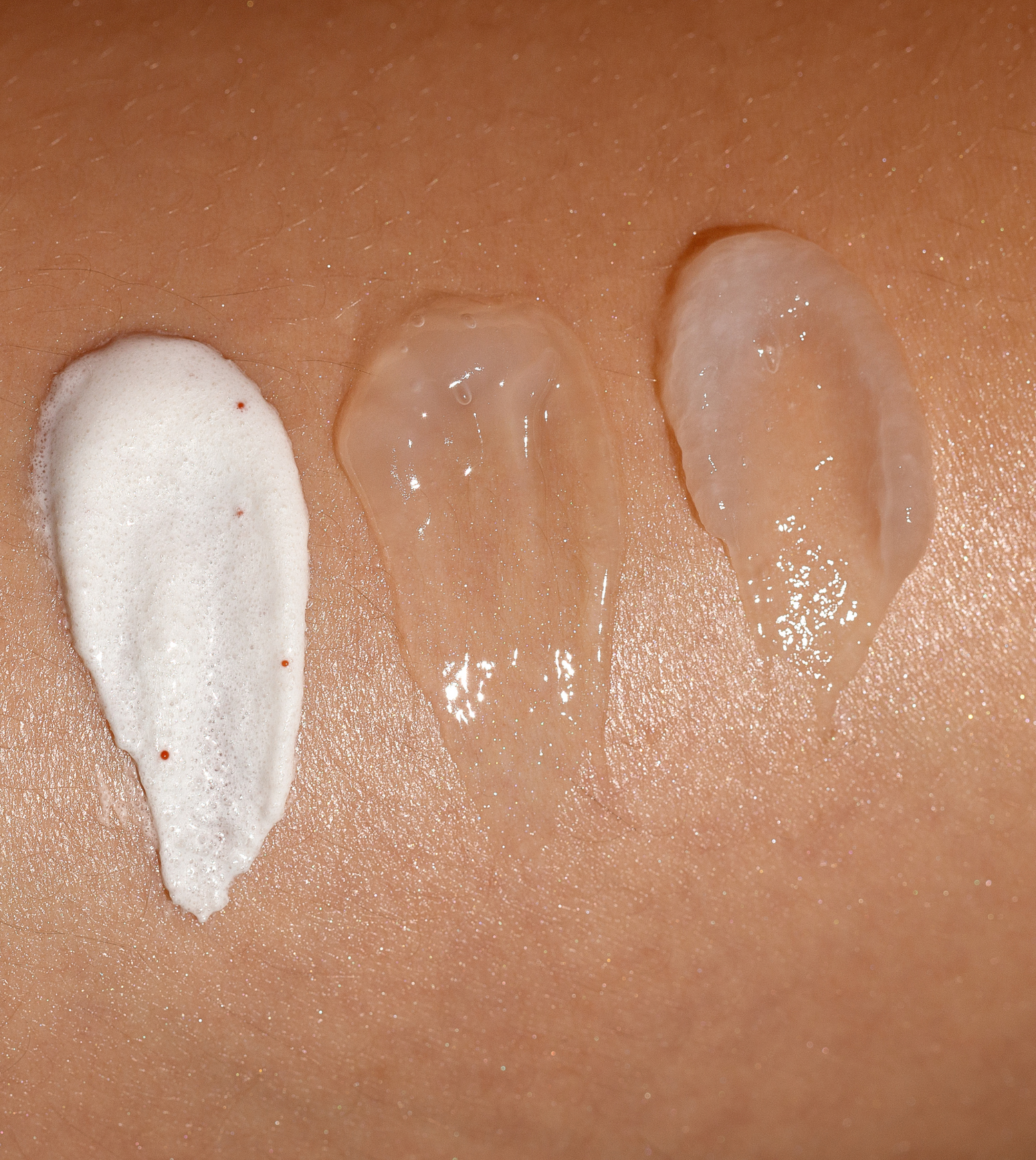
Don’t let the word ‘clear’ scare you off. This one is definitely not a harsh acne wash. Sebamed’s foam is designed with a skin-friendly pH of 5.5, which keeps your barrier happy. It targets bacteria that cause breakouts while staying kind to sensitive skin. A solid pick if you’re dealing with the not so rare double whammy of sensitivity plus adult acne.
This formula keeps things minimal, with glacier water as the base and hyaluronic acid providing straightforward hydration. The texture is very light and absorbs quickly, leaving no residue.
It can be used as a hydrating toner step or as a serum, depending on your routine. The larger size also makes it easier to use generously, which is often necessary for proper hydration.
This hydrating pick is a cult-favourite serum for combination skin. It delivers intense moisture through multiple types of hyaluronic acid, while remaining weightless enough to balance oily areas. The blue tansy, ceramides, centella asiatica and panthenol work together to calm inflammation, making it an excellent antidote for combination skin that tends to be overly sensitive. Its gel-like texture absorbs quickly, leaving skin plump and balanced, not sticky or tacky.
This is the kind of serum you try when you’re curious about hydration but want to experience it on your own terms. The texture is light and fluid, sinking in quickly and letting the rest of your routine stay exactly as it is. Over time, you start noticing how your skin feels calmer, more comfortable and quietly balanced. For an explorer, it’s less about chasing results and more about understanding how a well-made, uncomplicated formula fits into daily life.
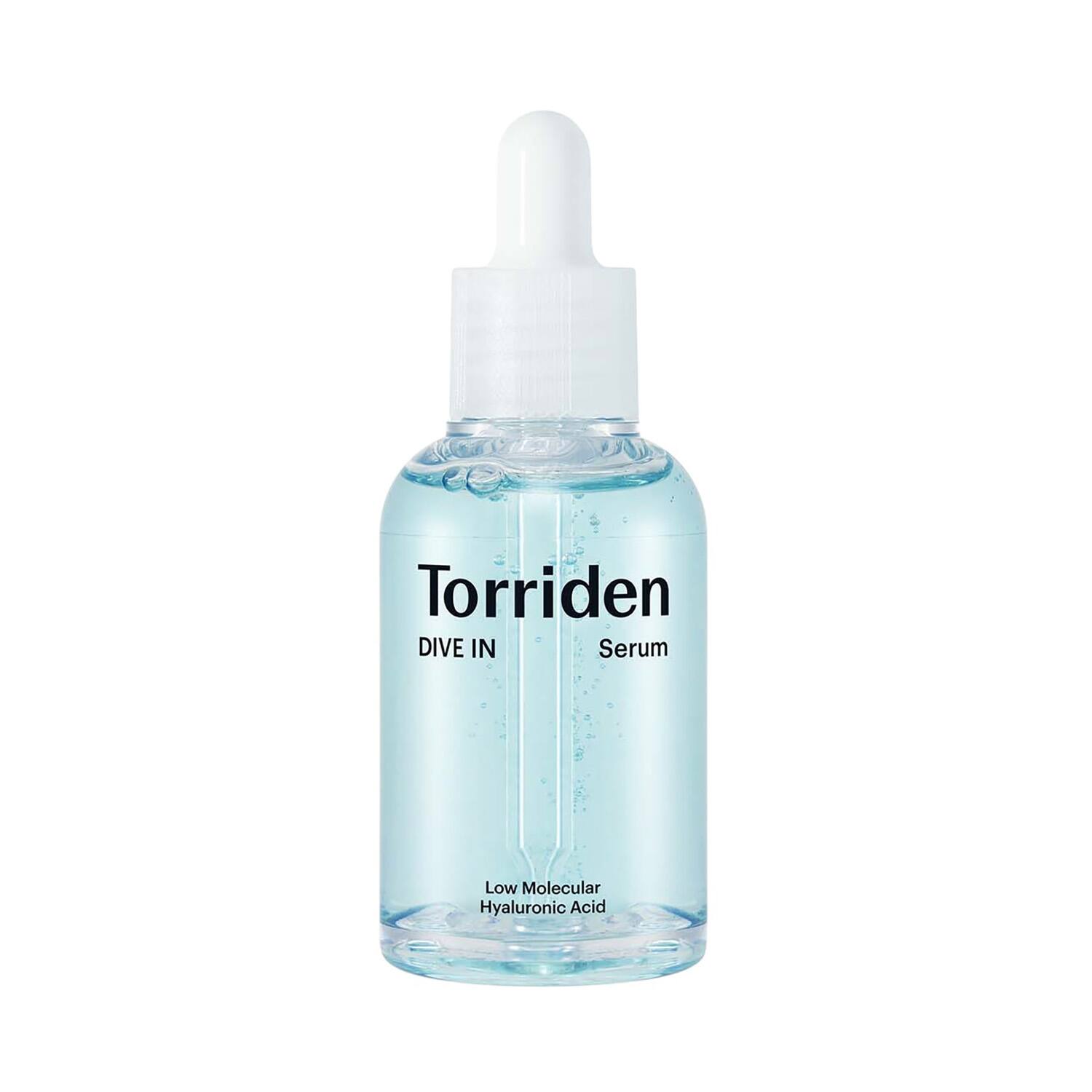
This serum focuses on low molecular weight hyaluronic acid, which allows hydration to go beyond the surface layer of the skin. The result is hydration that lasts, rather than fading soon after application.
The formula is kept simple—fragrance-free, alcohol-free and non-comedogenic—making it suitable for sensitive and acne-prone skin. The texture is watery and absorbs almost immediately, making it easy to layer. It’s a reliable option for consistent, everyday hydration.
Retinoids, exfoliating acids, vitamin C and resurfacing treatments are effective, but only when your skin barrier is intact. After weeks of late nights and overexposure, your skin is often in a low-grade state of inflammation, even if it’s not visibly peeling or breaking out.
Pausing actives will allow your skin to recover its baseline function. It will help reduce redness, sensitivity and the stinging sensation that can appear when applying even basic products. If your skin feels tight, reacts unexpectedly or looks persistently dull, it’s a sign that actives are doing more harm than good right now. And a pause doesn’t mean quitting, it just means waiting until your skin feels comfortable and calm again.
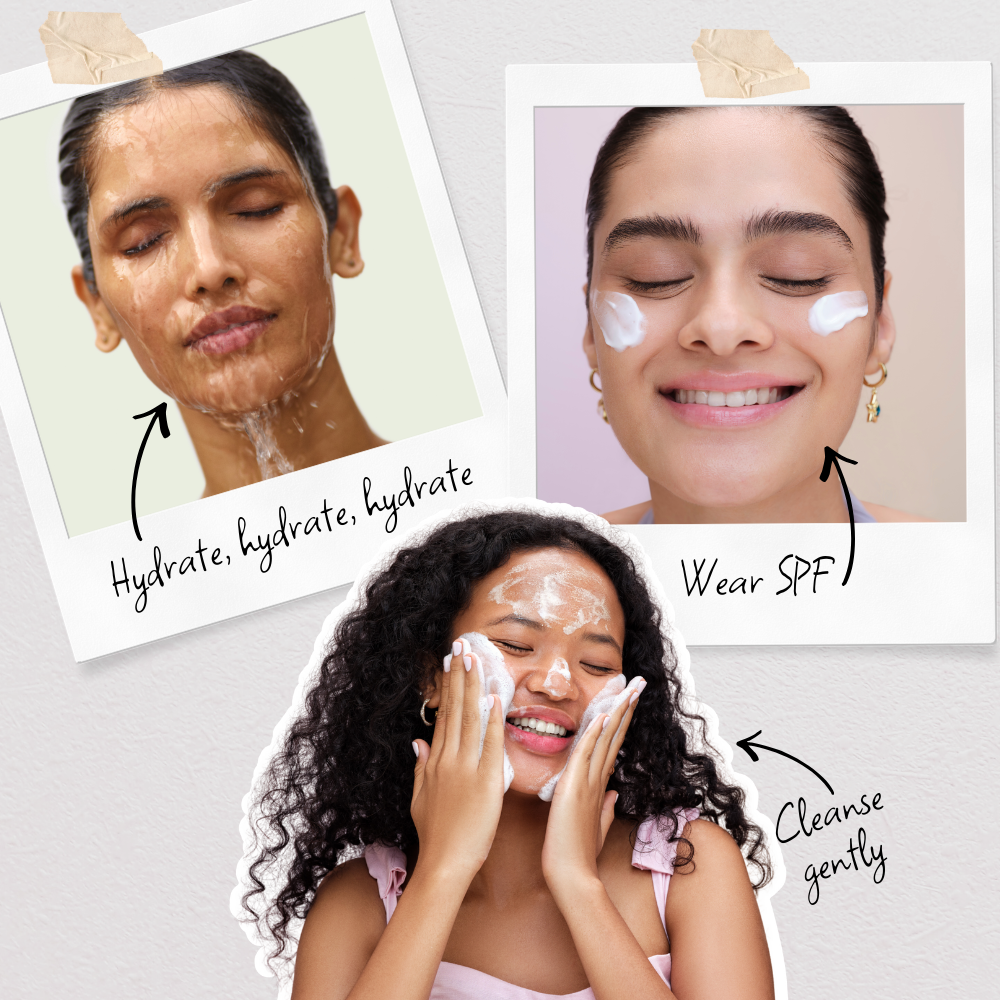
Cleansing is non-negotiable, but how you cleanse matters more than how often. Switch to a mild, non-stripping cleanser that removes makeup, sunscreen and debris without leaving your skin feeling dry or tight. Avoid harsh surfactants, aggressive scrubs and double cleansing unless you’re wearing heavy makeup. In the morning, a single gentle cleanse is often enough.
The goal here is cleanliness without disruption. If your skin feels squeaky or overly matte after cleansing, it’s a sign you’ve gone too far.
Dehydration is one of the most common post-party skin issues; and it often masquerades as dullness, fine lines or even excess oil. So focus on hydration rather than thickness. Lightweight serums or essences that contain humectants like glycerin, hyaluronic acid or beta-glucan can help draw water back into the skin. Apply these on slightly damp skin and follow with a moisturiser to seal the hydration in.
Layering hydration thoughtfully is more effective than using a single heavy product. Well-hydrated skin looks smoother, feels more comfortable and is better equipped to repair itself.
Your skin barrier is responsible for keeping moisture in and irritants out. When it’s compromised, everything feels worse. The breakouts linger, redness flares and even trusted products can suddenly cause irritation.
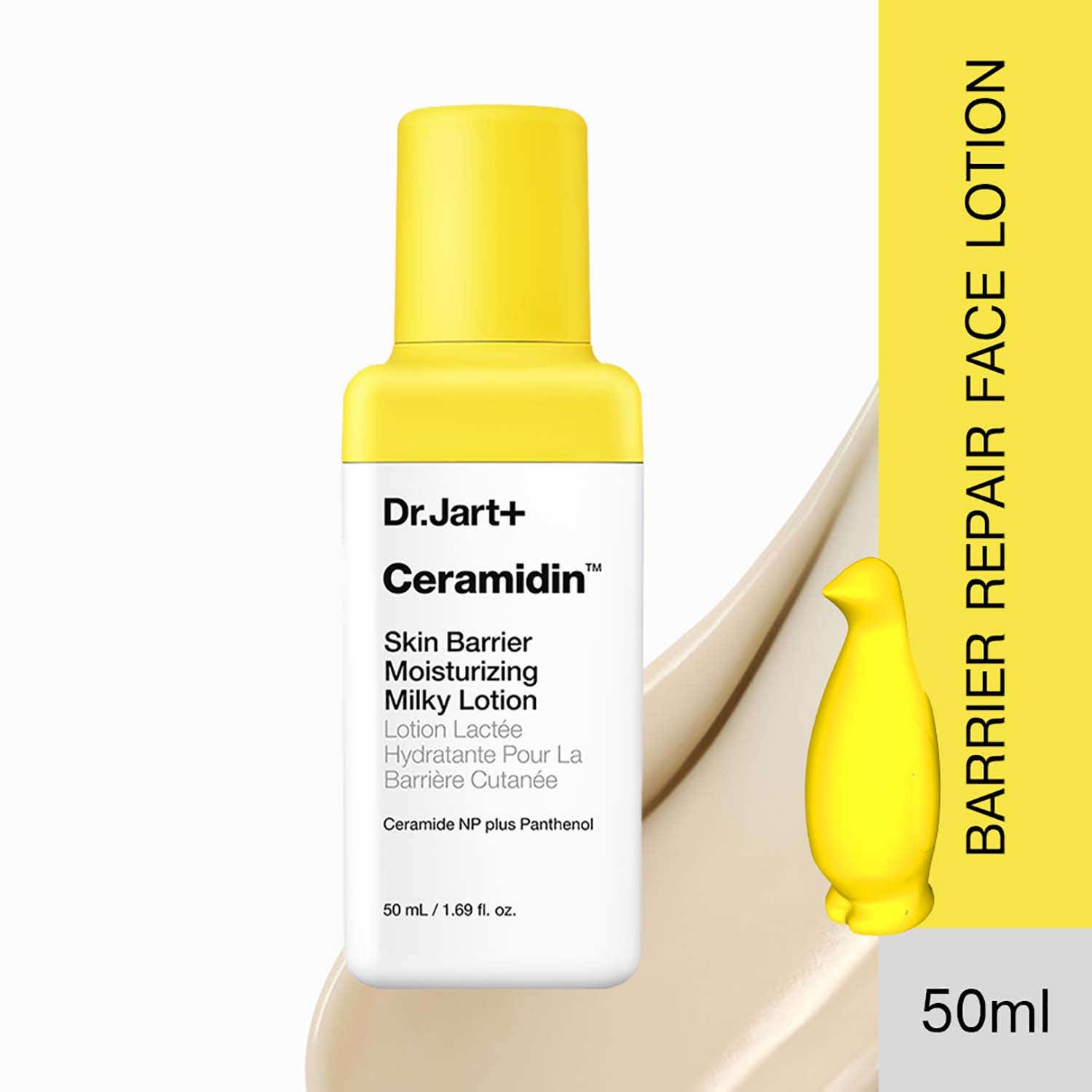
This is the time to prioritise barrier-supporting ingredients like ceramides, cholesterol, fatty acids and panthenol. A well-formulated moisturiser with these ingredients helps repair micro-damage and strengthens the skin’s protective layer.
Simplifying your routine is key here. Cleanser, hydrating layer, moisturiser. That’s enough. Your skin doesn’t need stimulation. It just needs stability.
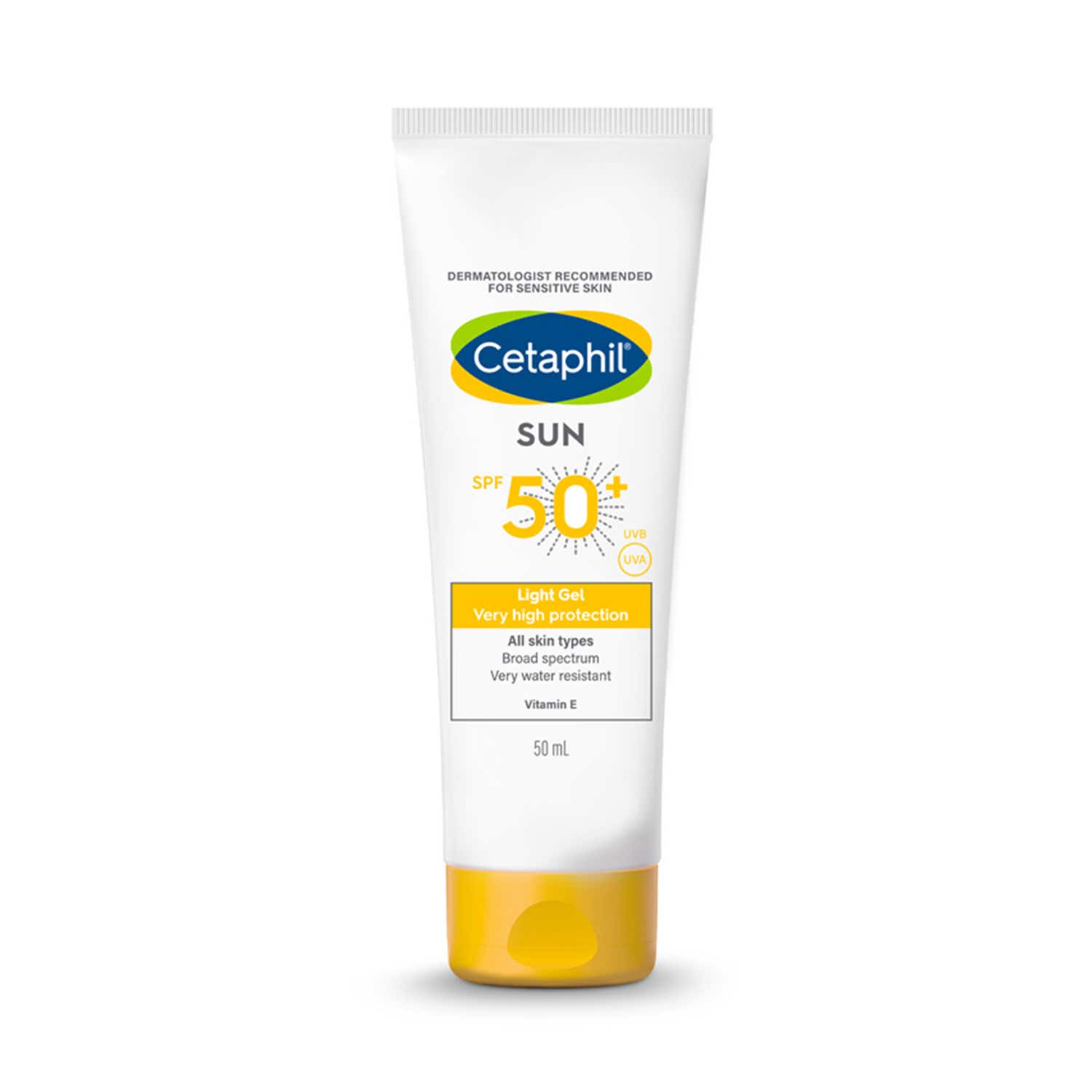
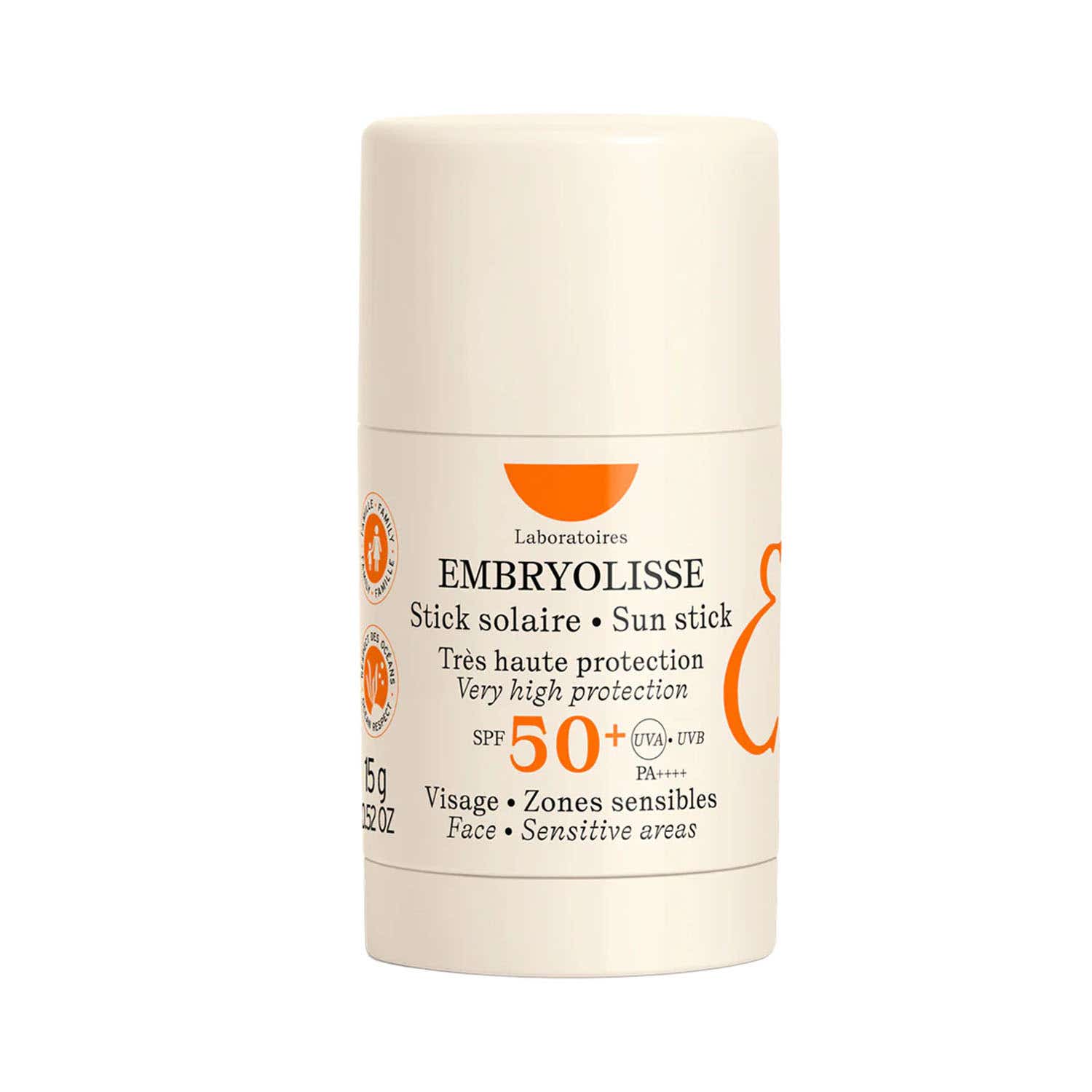
Even during recovery mode, sun protection is essential. UV exposure slows down skin repair, worsens inflammation and can deepen pigmentation left behind by breakouts or irritation. Skipping sunscreen while trying to heal the skin often leads to longer recovery times and uneven results.
Choose a broad-spectrum SPF with a texture you find comfortable enough to wear daily. Apply it as the final step of your morning routine and reapply if you’re spending time outdoors. Consistent sun protection ensures that all your barrier repair and hydration efforts aren’t undone before the day ends.


Retinoids, exfoliating acids, vitamin C and resurfacing treatments are effective, but only when your skin barrier is intact. After weeks of late nights and overexposure, your skin is often in a low-grade state of inflammation, even if it’s not visibly peeling or breaking out.
Pausing actives will allow your skin to recover its baseline function. It will help reduce redness, sensitivity and the stinging sensation that can appear when applying even basic products. If your skin feels tight, reacts unexpectedly or looks persistently dull, it’s a sign that actives are doing more harm than good right now. And a pause doesn’t mean quitting, it just means waiting until your skin feels comfortable and calm again.
Cleansing is non-negotiable, but how you cleanse matters more than how often. Switch to a mild, non-stripping cleanser that removes makeup, sunscreen and debris without leaving your skin feeling dry or tight. Avoid harsh surfactants, aggressive scrubs and double cleansing unless you’re wearing heavy makeup. In the morning, a single gentle cleanse is often enough.
The goal here is cleanliness without disruption. If your skin feels squeaky or overly matte after cleansing, it’s a sign you’ve gone too far.
Dehydration is one of the most common post-party skin issues; and it often masquerades as dullness, fine lines or even excess oil. So focus on hydration rather than thickness. Lightweight serums or essences that contain humectants like glycerin, hyaluronic acid or beta-glucan can help draw water back into the skin. Apply these on slightly damp skin and follow with a moisturiser to seal the hydration in.
Layering hydration thoughtfully is more effective than using a single heavy product. Well-hydrated skin looks smoother, feels more comfortable and is better equipped to repair itself.
Your skin barrier is responsible for keeping moisture in and irritants out. When it’s compromised, everything feels worse. The breakouts linger, redness flares and even trusted products can suddenly cause irritation.
This is the time to prioritise barrier-supporting ingredients like ceramides, cholesterol, fatty acids and panthenol. A well-formulated moisturiser with these ingredients helps repair micro-damage and strengthens the skin’s protective layer.
Simplifying your routine is key here. Cleanser, hydrating layer, moisturiser. That’s enough. Your skin doesn’t need stimulation. It just needs stability.
Even during recovery mode, sun protection is essential. UV exposure slows down skin repair, worsens inflammation and can deepen pigmentation left behind by breakouts or irritation. Skipping sunscreen while trying to heal the skin often leads to longer recovery times and uneven results.
Choose a broad-spectrum SPF with a texture you find comfortable enough to wear daily. Apply it as the final step of your morning routine and reapply if you’re spending time outdoors. Consistent sun protection ensures that all your barrier repair and hydration efforts aren’t undone before the day ends.
Retinoids, exfoliating acids, vitamin C and resurfacing treatments are effective, but only when your skin barrier is intact. After weeks of late nights and overexposure, your skin is often in a low-grade state of inflammation, even if it’s not visibly peeling or breaking out.
Pausing actives will allow your skin to recover its baseline function. It will help reduce redness, sensitivity and the stinging sensation that can appear when applying even basic products. If your skin feels tight, reacts unexpectedly or looks persistently dull, it’s a sign that actives are doing more harm than good right now. And a pause doesn’t mean quitting, it just means waiting until your skin feels comfortable and calm again.
Cleansing is non-negotiable, but how you cleanse matters more than how often. Switch to a mild, non-stripping cleanser that removes makeup, sunscreen and debris without leaving your skin feeling dry or tight. Avoid harsh surfactants, aggressive scrubs and double cleansing unless you’re wearing heavy makeup. In the morning, a single gentle cleanse is often enough.
The goal here is cleanliness without disruption. If your skin feels squeaky or overly matte after cleansing, it’s a sign you’ve gone too far.
Dehydration is one of the most common post-party skin issues; and it often masquerades as dullness, fine lines or even excess oil. So focus on hydration rather than thickness. Lightweight serums or essences that contain humectants like glycerin, hyaluronic acid or beta-glucan can help draw water back into the skin. Apply these on slightly damp skin and follow with a moisturiser to seal the hydration in.
Layering hydration thoughtfully is more effective than using a single heavy product. Well-hydrated skin looks smoother, feels more comfortable and is better equipped to repair itself.
Your skin barrier is responsible for keeping moisture in and irritants out. When it’s compromised, everything feels worse. The breakouts linger, redness flares and even trusted products can suddenly cause irritation.
This is the time to prioritise barrier-supporting ingredients like ceramides, cholesterol, fatty acids and panthenol. A well-formulated moisturiser with these ingredients helps repair micro-damage and strengthens the skin’s protective layer.
Simplifying your routine is key here. Cleanser, hydrating layer, moisturiser. That’s enough. Your skin doesn’t need stimulation. It just needs stability.
Even during recovery mode, sun protection is essential. UV exposure slows down skin repair, worsens inflammation and can deepen pigmentation left behind by breakouts or irritation. Skipping sunscreen while trying to heal the skin often leads to longer recovery times and uneven results.
Choose a broad-spectrum SPF with a texture you find comfortable enough to wear daily. Apply it as the final step of your morning routine and reapply if you’re spending time outdoors. Consistent sun protection ensures that all your barrier repair and hydration efforts aren’t undone before the day ends.


Retinoids, exfoliating acids, vitamin C and resurfacing treatments are effective, but only when your skin barrier is intact. After weeks of late nights and overexposure, your skin is often in a low-grade state of inflammation, even if it’s not visibly peeling or breaking out.
Pausing actives will allow your skin to recover its baseline function. It will help reduce redness, sensitivity and the stinging sensation that can appear when applying even basic products. If your skin feels tight, reacts unexpectedly or looks persistently dull, it’s a sign that actives are doing more harm than good right now. And a pause doesn’t mean quitting, it just means waiting until your skin feels comfortable and calm again.
Cleansing is non-negotiable, but how you cleanse matters more than how often. Switch to a mild, non-stripping cleanser that removes makeup, sunscreen and debris without leaving your skin feeling dry or tight. Avoid harsh surfactants, aggressive scrubs and double cleansing unless you’re wearing heavy makeup. In the morning, a single gentle cleanse is often enough.
The goal here is cleanliness without disruption. If your skin feels squeaky or overly matte after cleansing, it’s a sign you’ve gone too far.
Dehydration is one of the most common post-party skin issues; and it often masquerades as dullness, fine lines or even excess oil. So focus on hydration rather than thickness. Lightweight serums or essences that contain humectants like glycerin, hyaluronic acid or beta-glucan can help draw water back into the skin. Apply these on slightly damp skin and follow with a moisturiser to seal the hydration in.
Layering hydration thoughtfully is more effective than using a single heavy product. Well-hydrated skin looks smoother, feels more comfortable and is better equipped to repair itself.
Your skin barrier is responsible for keeping moisture in and irritants out. When it’s compromised, everything feels worse. The breakouts linger, redness flares and even trusted products can suddenly cause irritation.
This is the time to prioritise barrier-supporting ingredients like ceramides, cholesterol, fatty acids and panthenol. A well-formulated moisturiser with these ingredients helps repair micro-damage and strengthens the skin’s protective layer.
Simplifying your routine is key here. Cleanser, hydrating layer, moisturiser. That’s enough. Your skin doesn’t need stimulation. It just needs stability.
Even during recovery mode, sun protection is essential. UV exposure slows down skin repair, worsens inflammation and can deepen pigmentation left behind by breakouts or irritation. Skipping sunscreen while trying to heal the skin often leads to longer recovery times and uneven results.
Choose a broad-spectrum SPF with a texture you find comfortable enough to wear daily. Apply it as the final step of your morning routine and reapply if you’re spending time outdoors. Consistent sun protection ensures that all your barrier repair and hydration efforts aren’t undone before the day ends.