Powder Room
An expert-backed guide to identifying and treating different types of acne
Read Now




If you’ve spent any time scrolling through haircare lately, you’ve probably seen the phrase bond repair everywhere. Shampoos, masks and serums all promising to rebuild, restore and rescue stressed-out strands. But what exactly are these ‘bonds’ everyone’s talking about? And do you really need a product dedicated to fixing them? The truth is, every time you colour, bleach, heat-style your hair or tie it up a little too enthusiastically, you’re putting stress on its internal structure—and over time, that shows up as dryness, breakage and dullness that no regular conditioner can quite mask.
To decode the science and separate hype from help, we spoke to Priyanka Borkar, hair expert, who breaks down what bond repair actually means and how these formulas work differently from the rest of your routine. Ahead, everything you need to know about bond-repair products—who they’re for, what they really do and how to use them without overthinking it.

.PNG)
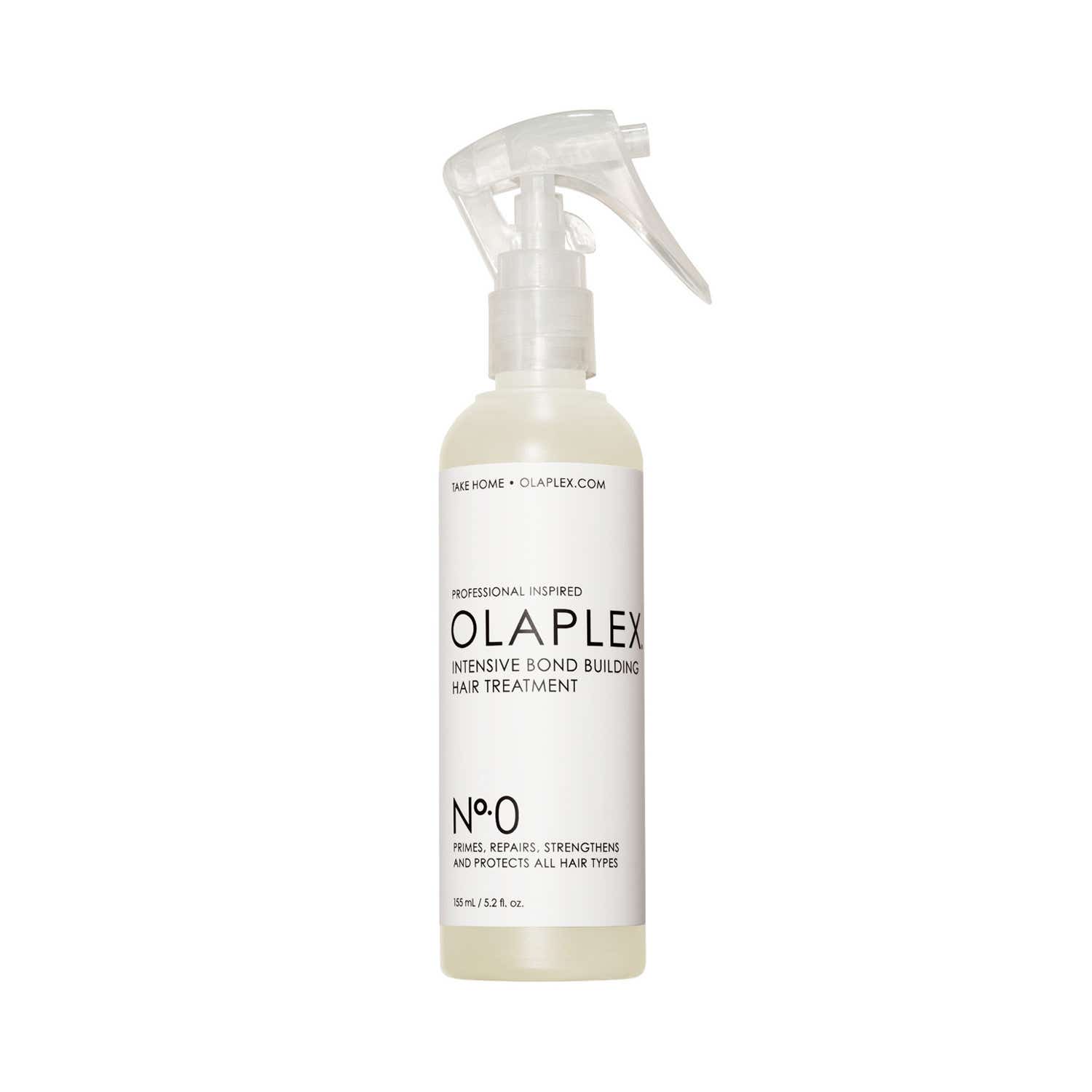


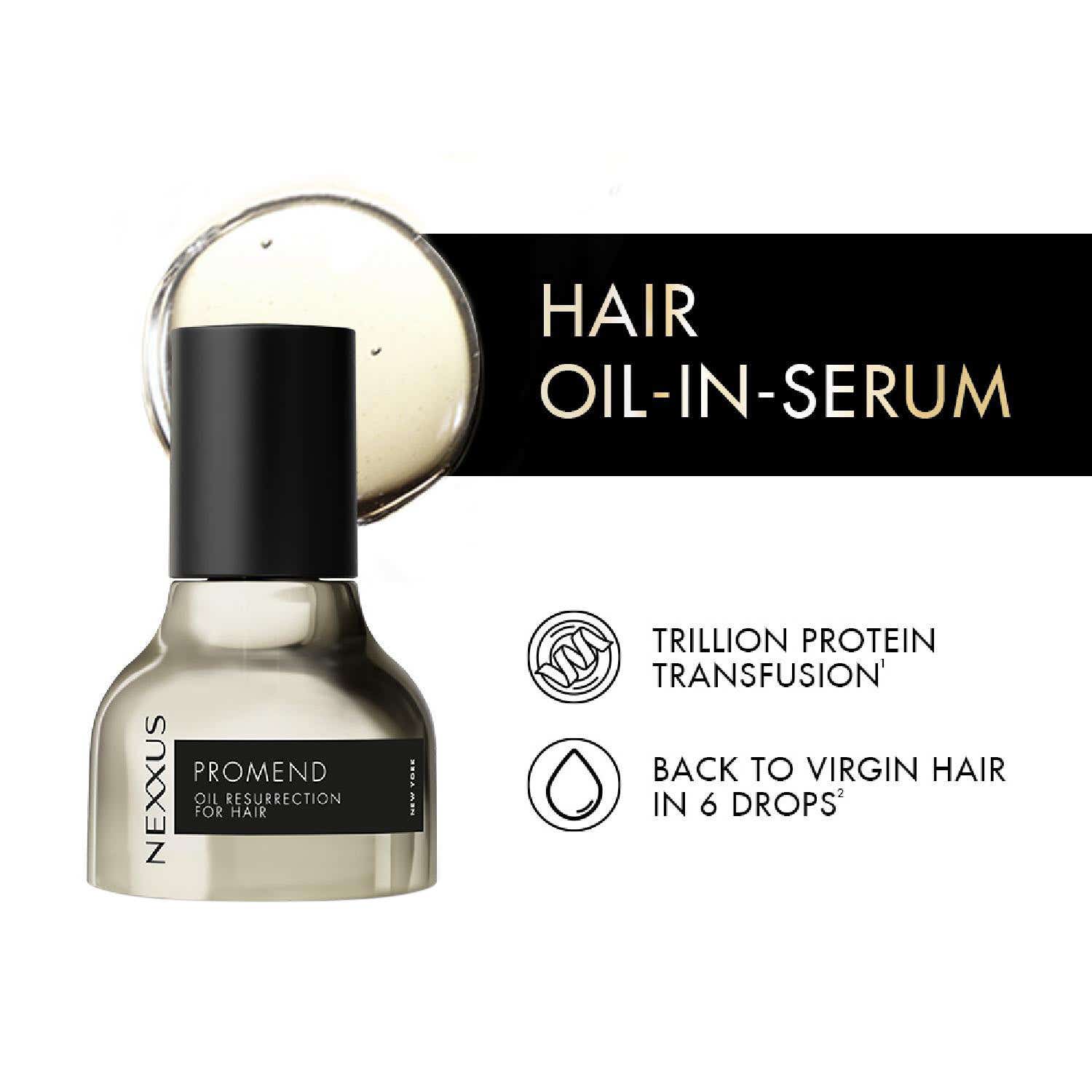
This lightweight serum is a quick way to deal with split ends, hair fall and frizz—all common in monsoon weather. The bond repair technology works on a deeper level to strengthen strands, while also smoothing the surface instantly. It absorbs quickly, doesn’t leave a greasy residue and helps give your hair a thicker, healthier appearance over time. A little really does go a long way.
Blonde, espresso, cherry red. Over the last few years, I have dyed my hair (or tried to) in many hues, along with chemically straightening it. This left it damaged, making every haircut look unflattering. Using this mask, designed with the intent of colour protection, frizz control and nourishing damaged hair, has made my hair softer.
If your hair’s been through years of damage—heat, colour, chemical treatments—this mask is a solid step towards repair. It’s powered by peptide bonders and amino acids that go beyond the surface to help rebuild the hair’s internal structure. The creamy texture works deep into dry, brittle strands, helping restore strength and softness over time. Ideal for very damaged hair that needs more than just a quick fix.
To really understand bond repair, it helps to think beyond the surface. “Our hair is made up of bonds,” explains Priyanka Borkar. “When these bonds are weakened by colouring, bleaching, heat exposure or even rough handling, the hair loses elasticity and starts to break.”
That loss of elasticity is what makes hair feel weaker, look thinner through the ends and snap more easily while brushing. Bond-repair treatments are designed to target this internal disruption. Rather than simply smoothing over the cuticle, they help reinforce the hair’s inner framework so strands feel stronger and more resilient over time.
Because bond repair works at a structural level, it makes the most sense for hair that’s been through stress. Chemically treated hair—whether bleached, coloured or relaxed—often benefits the most. The same goes for hair that’s regularly styled with hot tools or feels increasingly brittle without an obvious reason.
That said, it isn’t something everyone needs on standby. If your hair is largely virgin and healthy, using a strengthening treatment too often can be unnecessary. As Borkar puts it, these formulas are meant to address internal damage, not to replace a well-balanced routine.
This is where things tend to get blurred. Many people turn to bond repair hoping it will eliminate frizz entirely. The truth is, frizz has different causes—and not all of them are structural. “There are three types of frizz,” says Borkar. “Frizz caused by breakage, frizz caused by dryness and frizz caused by humidity.”
If your hair feels coarse, looks dull and lacks softness, you’re likely dealing with dryness. In that case, hydration is what’s missing. A nourishing mask or moisturising shampoo will do more than a strengthening treatment alone.
Then there’s humidity—when your hair looks sleek indoors but expands the second you step outside. For that, you’ll need anti-humidity or smoothing products that shield the cuticle from moisture in the air. Understanding which type of frizz you’re experiencing makes choosing the right product far easier.
Once you’ve established that your hair needs structural support, the ingredient list becomes important. Borkar recommends looking for peptide technology to help support protein chains, bond-building polymers that reinforce internal links and amino acids that assist with keratin structure.
At the same time, be mindful of formulas that lean heavily on silicones without including true bond-building ingredients. While silicones can deliver instant smoothness, they don’t contribute to long-term strength.
Like most things in haircare, it’s about moderation. Highly processed hair may benefit from bond repair once or twice a week. If the damage is moderate, weekly use is usually enough. Healthier hair can scale it back to occasional use.
Overdoing it can tip the balance the other way. “If you keep strengthening the hair without pairing it with moisture, it can start to feel stiff and dry,” Borkar explains. Strength without hydration doesn’t create softness—it creates rigidity. The two need to work together.
Where bond repair sits in your routine also matters. Borkar advises applying it to freshly shampooed, damp hair without heavy conditioner beforehand. After rinsing, follow with a moisturising mask or conditioner to restore softness.
From there, layer as needed: a leave-in conditioner, a heat protectant if you’re styling and finally a lightweight oil or anti-frizz serum to seal everything in. Each step plays a distinct role—strengthening internally, replenishing moisture and then protecting the surface. Skipping hydration is one of the most common missteps and often the reason hair feels harder instead of healthier.
If your hair feels rough, prioritise moisture. If it feels overly soft and lacks strength, that’s when bond-building or protein treatments step in. If it only frizzes in damp weather, smoothing or anti-humidity products will serve you better. “Bond repair improves strength,” Borkar emphasises. “To control frizz, you need to maintain moisture.”
And that’s really the takeaway. Bond repair isn’t a miracle fix for every hair concern—it’s a targeted solution for structural damage. Used thoughtfully and balanced with hydration, it can quietly transform stressed strands into hair that feels stronger, smoother and far more dependable day to day.
To really understand bond repair, it helps to think beyond the surface. “Our hair is made up of bonds,” explains Priyanka Borkar. “When these bonds are weakened by colouring, bleaching, heat exposure or even rough handling, the hair loses elasticity and starts to break.”
That loss of elasticity is what makes hair feel weaker, look thinner through the ends and snap more easily while brushing. Bond-repair treatments are designed to target this internal disruption. Rather than simply smoothing over the cuticle, they help reinforce the hair’s inner framework so strands feel stronger and more resilient over time.
Because bond repair works at a structural level, it makes the most sense for hair that’s been through stress. Chemically treated hair—whether bleached, coloured or relaxed—often benefits the most. The same goes for hair that’s regularly styled with hot tools or feels increasingly brittle without an obvious reason.
That said, it isn’t something everyone needs on standby. If your hair is largely virgin and healthy, using a strengthening treatment too often can be unnecessary. As Borkar puts it, these formulas are meant to address internal damage, not to replace a well-balanced routine.
This is where things tend to get blurred. Many people turn to bond repair hoping it will eliminate frizz entirely. The truth is, frizz has different causes—and not all of them are structural. “There are three types of frizz,” says Borkar. “Frizz caused by breakage, frizz caused by dryness and frizz caused by humidity.”
If your hair feels coarse, looks dull and lacks softness, you’re likely dealing with dryness. In that case, hydration is what’s missing. A nourishing mask or moisturising shampoo will do more than a strengthening treatment alone.
Then there’s humidity—when your hair looks sleek indoors but expands the second you step outside. For that, you’ll need anti-humidity or smoothing products that shield the cuticle from moisture in the air. Understanding which type of frizz you’re experiencing makes choosing the right product far easier.
Once you’ve established that your hair needs structural support, the ingredient list becomes important. Borkar recommends looking for peptide technology to help support protein chains, bond-building polymers that reinforce internal links and amino acids that assist with keratin structure.
At the same time, be mindful of formulas that lean heavily on silicones without including true bond-building ingredients. While silicones can deliver instant smoothness, they don’t contribute to long-term strength.
Like most things in haircare, it’s about moderation. Highly processed hair may benefit from bond repair once or twice a week. If the damage is moderate, weekly use is usually enough. Healthier hair can scale it back to occasional use.
Overdoing it can tip the balance the other way. “If you keep strengthening the hair without pairing it with moisture, it can start to feel stiff and dry,” Borkar explains. Strength without hydration doesn’t create softness—it creates rigidity. The two need to work together.
Where bond repair sits in your routine also matters. Borkar advises applying it to freshly shampooed, damp hair without heavy conditioner beforehand. After rinsing, follow with a moisturising mask or conditioner to restore softness.
From there, layer as needed: a leave-in conditioner, a heat protectant if you’re styling and finally a lightweight oil or anti-frizz serum to seal everything in. Each step plays a distinct role—strengthening internally, replenishing moisture and then protecting the surface. Skipping hydration is one of the most common missteps and often the reason hair feels harder instead of healthier.
If your hair feels rough, prioritise moisture. If it feels overly soft and lacks strength, that’s when bond-building or protein treatments step in. If it only frizzes in damp weather, smoothing or anti-humidity products will serve you better. “Bond repair improves strength,” Borkar emphasises. “To control frizz, you need to maintain moisture.”
And that’s really the takeaway. Bond repair isn’t a miracle fix for every hair concern—it’s a targeted solution for structural damage. Used thoughtfully and balanced with hydration, it can quietly transform stressed strands into hair that feels stronger, smoother and far more dependable day to day.


To really understand bond repair, it helps to think beyond the surface. “Our hair is made up of bonds,” explains Priyanka Borkar. “When these bonds are weakened by colouring, bleaching, heat exposure or even rough handling, the hair loses elasticity and starts to break.”
That loss of elasticity is what makes hair feel weaker, look thinner through the ends and snap more easily while brushing. Bond-repair treatments are designed to target this internal disruption. Rather than simply smoothing over the cuticle, they help reinforce the hair’s inner framework so strands feel stronger and more resilient over time.
Because bond repair works at a structural level, it makes the most sense for hair that’s been through stress. Chemically treated hair—whether bleached, coloured or relaxed—often benefits the most. The same goes for hair that’s regularly styled with hot tools or feels increasingly brittle without an obvious reason.
That said, it isn’t something everyone needs on standby. If your hair is largely virgin and healthy, using a strengthening treatment too often can be unnecessary. As Borkar puts it, these formulas are meant to address internal damage, not to replace a well-balanced routine.
This is where things tend to get blurred. Many people turn to bond repair hoping it will eliminate frizz entirely. The truth is, frizz has different causes—and not all of them are structural. “There are three types of frizz,” says Borkar. “Frizz caused by breakage, frizz caused by dryness and frizz caused by humidity.”
If your hair feels coarse, looks dull and lacks softness, you’re likely dealing with dryness. In that case, hydration is what’s missing. A nourishing mask or moisturising shampoo will do more than a strengthening treatment alone.
Then there’s humidity—when your hair looks sleek indoors but expands the second you step outside. For that, you’ll need anti-humidity or smoothing products that shield the cuticle from moisture in the air. Understanding which type of frizz you’re experiencing makes choosing the right product far easier.
Once you’ve established that your hair needs structural support, the ingredient list becomes important. Borkar recommends looking for peptide technology to help support protein chains, bond-building polymers that reinforce internal links and amino acids that assist with keratin structure.
At the same time, be mindful of formulas that lean heavily on silicones without including true bond-building ingredients. While silicones can deliver instant smoothness, they don’t contribute to long-term strength.
Like most things in haircare, it’s about moderation. Highly processed hair may benefit from bond repair once or twice a week. If the damage is moderate, weekly use is usually enough. Healthier hair can scale it back to occasional use.
Overdoing it can tip the balance the other way. “If you keep strengthening the hair without pairing it with moisture, it can start to feel stiff and dry,” Borkar explains. Strength without hydration doesn’t create softness—it creates rigidity. The two need to work together.
Where bond repair sits in your routine also matters. Borkar advises applying it to freshly shampooed, damp hair without heavy conditioner beforehand. After rinsing, follow with a moisturising mask or conditioner to restore softness.
From there, layer as needed: a leave-in conditioner, a heat protectant if you’re styling and finally a lightweight oil or anti-frizz serum to seal everything in. Each step plays a distinct role—strengthening internally, replenishing moisture and then protecting the surface. Skipping hydration is one of the most common missteps and often the reason hair feels harder instead of healthier.
If your hair feels rough, prioritise moisture. If it feels overly soft and lacks strength, that’s when bond-building or protein treatments step in. If it only frizzes in damp weather, smoothing or anti-humidity products will serve you better. “Bond repair improves strength,” Borkar emphasises. “To control frizz, you need to maintain moisture.”
And that’s really the takeaway. Bond repair isn’t a miracle fix for every hair concern—it’s a targeted solution for structural damage. Used thoughtfully and balanced with hydration, it can quietly transform stressed strands into hair that feels stronger, smoother and far more dependable day to day.