
Powder Room
A dermatologist’s guide on skincare textures like gel, cream, foam and more
Read Now


You’ve spent hours getting your bridesmaid makeup just right, only to look at the wedding photos and realise your foundation looks cakey, your contour is a little too obvious and your face is somehow a different shade from your neck. Sound familiar? The thing about makeup is that what looks great in the mirror doesn't always hold up under a camera flash. Harsh lighting can pick up on everything from uneven blending to excess powder, making even the smallest application errors hard to miss. And while the bride likely has a makeup artist taking care of every last detail, doing your own glam requires a little more know-how. So, we asked bridal makeup artist Pankhi Bhavnani (@pankhibhavnani) to share her best tips for bridesmaid makeup that looks just as good in photographs as it does in person.


Laneige's Water Bank range has been a hydration reference point in K-beauty for years and the Blue Hyaluronic Gel is the most lightweight iteration of it. The formula uses blue agave-derived hyaluronic acid, which holds moisture more effectively than standard hyaluronic acid and releases it gradually into the skin rather than all at once. The gel texture absorbs immediately, leaves no residue and gives skin a plump, comfortable finish that holds up through humidity without tipping into greasiness. For skin that needs serious hydration in a format that feels like nothing, this is the one to go with.
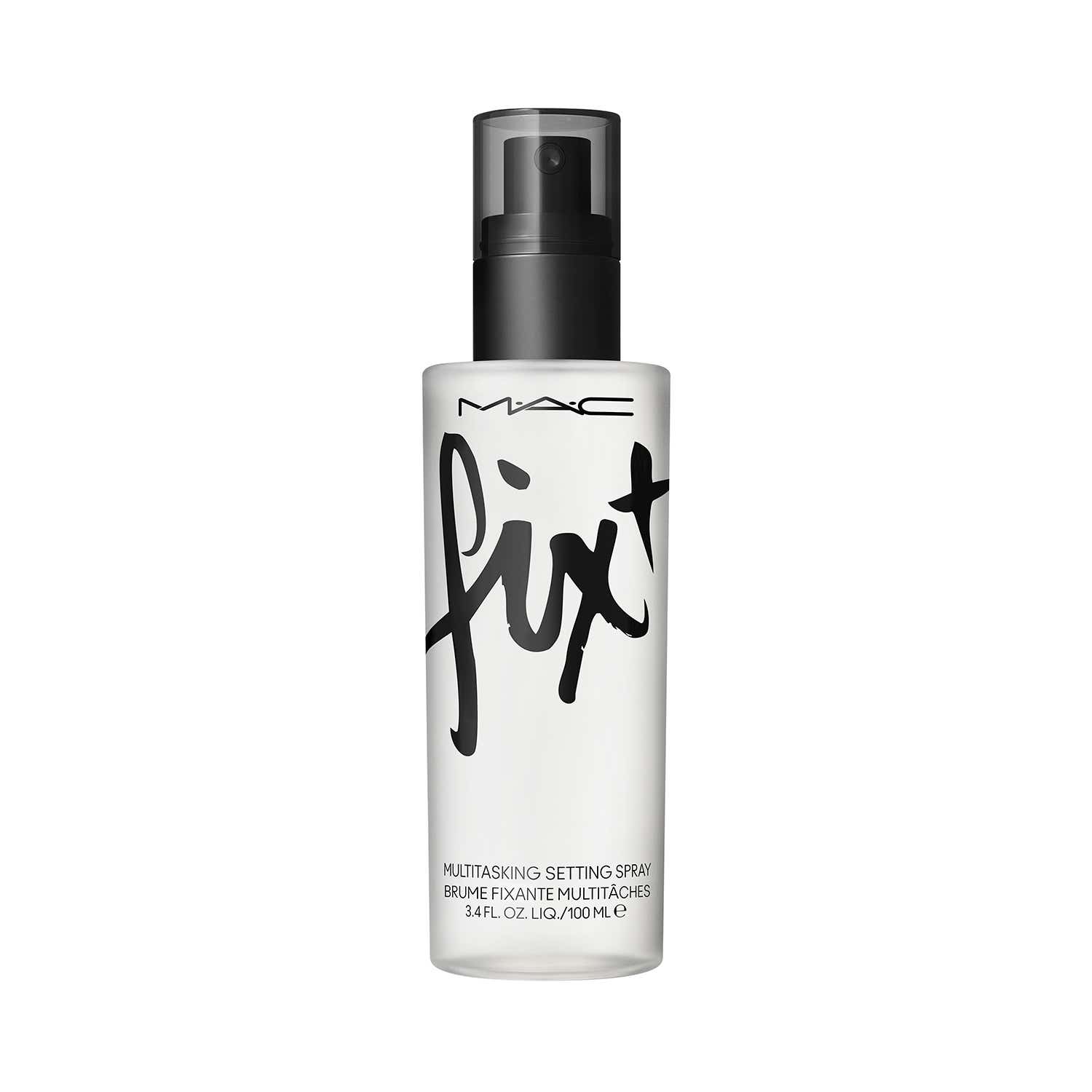
This one has been a makeup artist staple for long enough that it barely needs an introduction. Fix+ extends the wear of your makeup, gets rid of any powdery finish and adds just enough dewiness to make everything look more like skin. The best part? It works at every stage—spritz it before foundation to prep, mid-routine to melt products together or at the end to lock everything in place. M.A.C is up to 25% off right now and orders above ₹2000 come with a complimentary sachet. A good excuse to grab a backup while you're at it.
Backstage, on set and in professional makeup kits around the world, M.A.C Fix+ has earned its reputation as a beauty staple. More than just a setting spray, it's often used to bring the entire makeup look together. A few spritzes help soften the appearance of powders, melt different layers of makeup into the skin and create a more natural finish overall. It's equally useful before makeup, during application and throughout the day when the complexion needs a quick refresh. The result is makeup that looks less constructed and more effortlessly lived in.
Few beauty products have achieved cult status quite like Fix+. While it's often praised for refreshing makeup and adding a healthy-looking glow, it also works remarkably well as a setting spray. The lightweight formula helps soften powdery textures and brings different layers of makeup together, creating a more seamless finish that continues to look fresh long after application.
Aries doesn’t have the patience to keep checking their makeup every time the humidity rises. Enter M.A.C Prep + Prime Fix+, a lightweight mist that hydrates, refreshes and helps makeup look more seamless. Spritz it on before makeup to prep the skin, use it between layers or reach for it whenever your base could use a quick refresh. It’s easy, versatile and takes seconds to use, which is exactly the kind of low-effort beauty fix this always-on fire sign needs during monsoon.
Start with well-moisturised skin and a primer suited to your skin type. Apply foundation in thin layers, set areas prone to oiliness with powder and finish with a setting spray. Keep blotting papers and lipstick handy for quick touch-ups.
Choose a foundation that suits your skin type and offers buildable coverage without feeling heavy. For humid weather or long wedding functions, a semi-matte formula is a good option as it helps control excess shine while maintaining a natural-looking finish.
Avoid applying too much foundation or powder at once. Build coverage gradually, blend thoroughly around your jawline and hairline, and use setting powder only where necessary. Well-prepped skin also helps your makeup sit more smoothly.
This is called flashback and can happen when certain setting powders, particularly those high in silica, reflect the camera flash. To avoid it, use a finely milled powder sparingly and take a test photo with flash before leaving.
It depends on your skin type and the weather. A semi-matte finish is often a practical choice for wedding functions, especially in humid conditions. If you prefer a dewy look, keep the glow concentrated on areas like your cheekbones while setting oil-prone areas with powder.
Going into the wedding season with dry and inflamed skin is not ideal. As a best practice, Pankhi recommends establishing a consistent skincare routine in the weeks leading up to the event. “Keep your skin well hydrated with a good moisturiser, don't skip your under-eye cream, keep your lips moisturised with a good lip balm and use sun protection,” she advises. Having said that, it’s also important not to overdo it in your excitement. “Don't over-exfoliate or try aggressive facials right before the function as irritated skin can make makeup application difficult,” she cautions.
On the day of the celebration, keep things light, especially if you have oily skin or the weather outside is humid. “An oil-free moisturiser, some ice therapy before makeup and a good primer can really help,” she says. She also advises against layering on too many skincare products, as that can make your base feel unnecessarily heavy.
Less is certainly more where your base is concerned. “Remember that more foundation doesn't necessarily mean better coverage. The right preparation and technique matter much more,” says Pankhi. She recommends choosing a foundation suited to your skin type, avoiding unnecessarily heavy formulas, and applying the product in thin layers, building coverage only where needed.
Another trick she swears by is using slightly different foundation shades to add dimension to the face. “Different areas of our face naturally have different tones, so I like to work with slightly different shades and strategically brighten areas like the under-eyes, centre of the forehead and bridge of the nose.” This is a great technique that plays with light and shadow to ensure your makeup doesn’t look flat in photographs. For celebrations in humid weather, she suggests opting for a semi-matte, buildable foundation that offers sufficient coverage without feeling too heavy on the skin.
When you think you’re done blending, blend some more. You’ll thank us when the professional photos hit your inbox. You see, cameras have the annoying ability to pick up blind spots you might have missed in the mirror. “Your foundation, concealer, blush and contour need to be blended seamlessly before you set everything with powder,” advises Pankhi. Placement matters, too. The makeup should complement your natural face structure rather than trying to fight against it. “For example, contouring along the jawline should be blended towards the area behind your ears so that it merges naturally with the skin.” Don't forget to blend your foundation around the neck and hairline either, as any visible difference can become glaringly obvious in photographs, and we don’t want that, do we?
One of the biggest culprits behind the white cast in photos is, surprisingly, your setting powder. “Certain powders, particularly those with high silica content, can cause flashback under photography lighting,” explains Pankhi. She recommends choosing a finely milled setting powder and being mindful of how much you're applying. “You also don't need to powder your entire face—use it strategically wherever it's required, especially under the eyes and around areas that tend to get oily.” Folks with dry skin should be extra careful here, as excessive powdering can leave your face looking flat and dry. Pankhi has another pro tip she swears by: “Always check your makeup with a camera flash before heading out.” Simple, but genius.
If your makeup deteriorates drastically between the first and last photographs of the night, something's clearly not working. According to Pankhi, it all starts when you rush the process of getting ready, without allowing your skin prep and makeup to settle properly. She considers setting your makeup at different stages quite essential for longevity, especially in the face of sweating and humidity. “Use a good setting spray to lock everything in and powder strategically around areas where you tend to sweat or get oily,” she says. And since a touch-up or two is pretty much inevitable, come prepared with an SOS kit that includes blotting papers, a makeup blender, your lipstick and a few cotton buds for any last-minute fixes.
Start with well-moisturised skin and a primer suited to your skin type. Apply foundation in thin layers, set areas prone to oiliness with powder and finish with a setting spray. Keep blotting papers and lipstick handy for quick touch-ups.
Choose a foundation that suits your skin type and offers buildable coverage without feeling heavy. For humid weather or long wedding functions, a semi-matte formula is a good option as it helps control excess shine while maintaining a natural-looking finish.
Avoid applying too much foundation or powder at once. Build coverage gradually, blend thoroughly around your jawline and hairline, and use setting powder only where necessary. Well-prepped skin also helps your makeup sit more smoothly.
This is called flashback and can happen when certain setting powders, particularly those high in silica, reflect the camera flash. To avoid it, use a finely milled powder sparingly and take a test photo with flash before leaving.
It depends on your skin type and the weather. A semi-matte finish is often a practical choice for wedding functions, especially in humid conditions. If you prefer a dewy look, keep the glow concentrated on areas like your cheekbones while setting oil-prone areas with powder.
Going into the wedding season with dry and inflamed skin is not ideal. As a best practice, Pankhi recommends establishing a consistent skincare routine in the weeks leading up to the event. “Keep your skin well hydrated with a good moisturiser, don't skip your under-eye cream, keep your lips moisturised with a good lip balm and use sun protection,” she advises. Having said that, it’s also important not to overdo it in your excitement. “Don't over-exfoliate or try aggressive facials right before the function as irritated skin can make makeup application difficult,” she cautions.
On the day of the celebration, keep things light, especially if you have oily skin or the weather outside is humid. “An oil-free moisturiser, some ice therapy before makeup and a good primer can really help,” she says. She also advises against layering on too many skincare products, as that can make your base feel unnecessarily heavy.
Less is certainly more where your base is concerned. “Remember that more foundation doesn't necessarily mean better coverage. The right preparation and technique matter much more,” says Pankhi. She recommends choosing a foundation suited to your skin type, avoiding unnecessarily heavy formulas, and applying the product in thin layers, building coverage only where needed.
Another trick she swears by is using slightly different foundation shades to add dimension to the face. “Different areas of our face naturally have different tones, so I like to work with slightly different shades and strategically brighten areas like the under-eyes, centre of the forehead and bridge of the nose.” This is a great technique that plays with light and shadow to ensure your makeup doesn’t look flat in photographs. For celebrations in humid weather, she suggests opting for a semi-matte, buildable foundation that offers sufficient coverage without feeling too heavy on the skin.
When you think you’re done blending, blend some more. You’ll thank us when the professional photos hit your inbox. You see, cameras have the annoying ability to pick up blind spots you might have missed in the mirror. “Your foundation, concealer, blush and contour need to be blended seamlessly before you set everything with powder,” advises Pankhi. Placement matters, too. The makeup should complement your natural face structure rather than trying to fight against it. “For example, contouring along the jawline should be blended towards the area behind your ears so that it merges naturally with the skin.” Don't forget to blend your foundation around the neck and hairline either, as any visible difference can become glaringly obvious in photographs, and we don’t want that, do we?
One of the biggest culprits behind the white cast in photos is, surprisingly, your setting powder. “Certain powders, particularly those with high silica content, can cause flashback under photography lighting,” explains Pankhi. She recommends choosing a finely milled setting powder and being mindful of how much you're applying. “You also don't need to powder your entire face—use it strategically wherever it's required, especially under the eyes and around areas that tend to get oily.” Folks with dry skin should be extra careful here, as excessive powdering can leave your face looking flat and dry. Pankhi has another pro tip she swears by: “Always check your makeup with a camera flash before heading out.” Simple, but genius.
If your makeup deteriorates drastically between the first and last photographs of the night, something's clearly not working. According to Pankhi, it all starts when you rush the process of getting ready, without allowing your skin prep and makeup to settle properly. She considers setting your makeup at different stages quite essential for longevity, especially in the face of sweating and humidity. “Use a good setting spray to lock everything in and powder strategically around areas where you tend to sweat or get oily,” she says. And since a touch-up or two is pretty much inevitable, come prepared with an SOS kit that includes blotting papers, a makeup blender, your lipstick and a few cotton buds for any last-minute fixes.
Start with well-moisturised skin and a primer suited to your skin type. Apply foundation in thin layers, set areas prone to oiliness with powder and finish with a setting spray. Keep blotting papers and lipstick handy for quick touch-ups.
Choose a foundation that suits your skin type and offers buildable coverage without feeling heavy. For humid weather or long wedding functions, a semi-matte formula is a good option as it helps control excess shine while maintaining a natural-looking finish.
Avoid applying too much foundation or powder at once. Build coverage gradually, blend thoroughly around your jawline and hairline, and use setting powder only where necessary. Well-prepped skin also helps your makeup sit more smoothly.
This is called flashback and can happen when certain setting powders, particularly those high in silica, reflect the camera flash. To avoid it, use a finely milled powder sparingly and take a test photo with flash before leaving.
It depends on your skin type and the weather. A semi-matte finish is often a practical choice for wedding functions, especially in humid conditions. If you prefer a dewy look, keep the glow concentrated on areas like your cheekbones while setting oil-prone areas with powder.