Powder Room
An expert-backed guide to identifying and treating different types of acne
Read Now


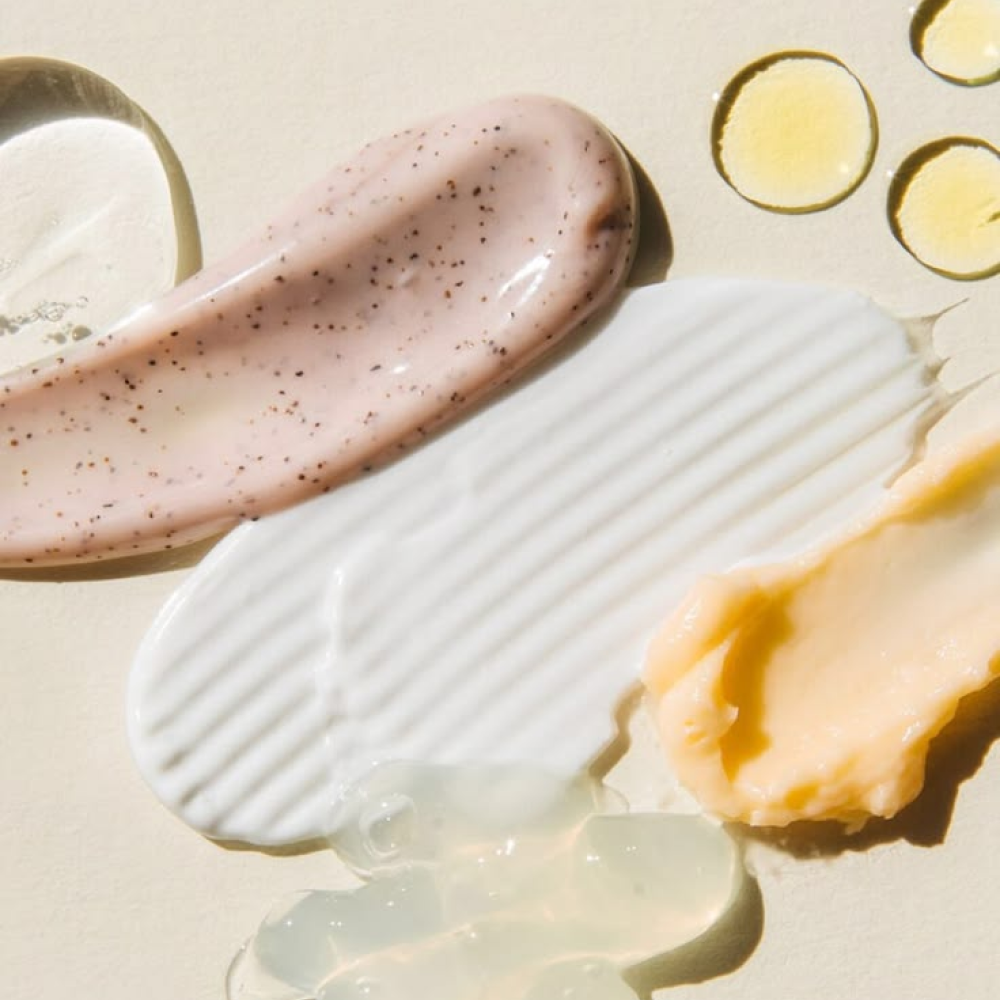

The texture of a skincare product is often an afterthought when making a purchase. Who cares if it’s a cream or an oil or a unicorn’s tear as long as the formula works, right? Not quite. There’s a lot more to texture than personal preference. The texture of a product impacts how it spreads on and absorbs into your skin, making certain textures better suited to some skin types than others. But in the myriad options floating around in the market, how do you choose the right texture for you? We spoke to Dr Sampurna Verma (MBBS, MD), Dermatologist & Founder, Derma Redefined, to break down the different skincare textures, what sets them apart and how to find the right match for your skin.
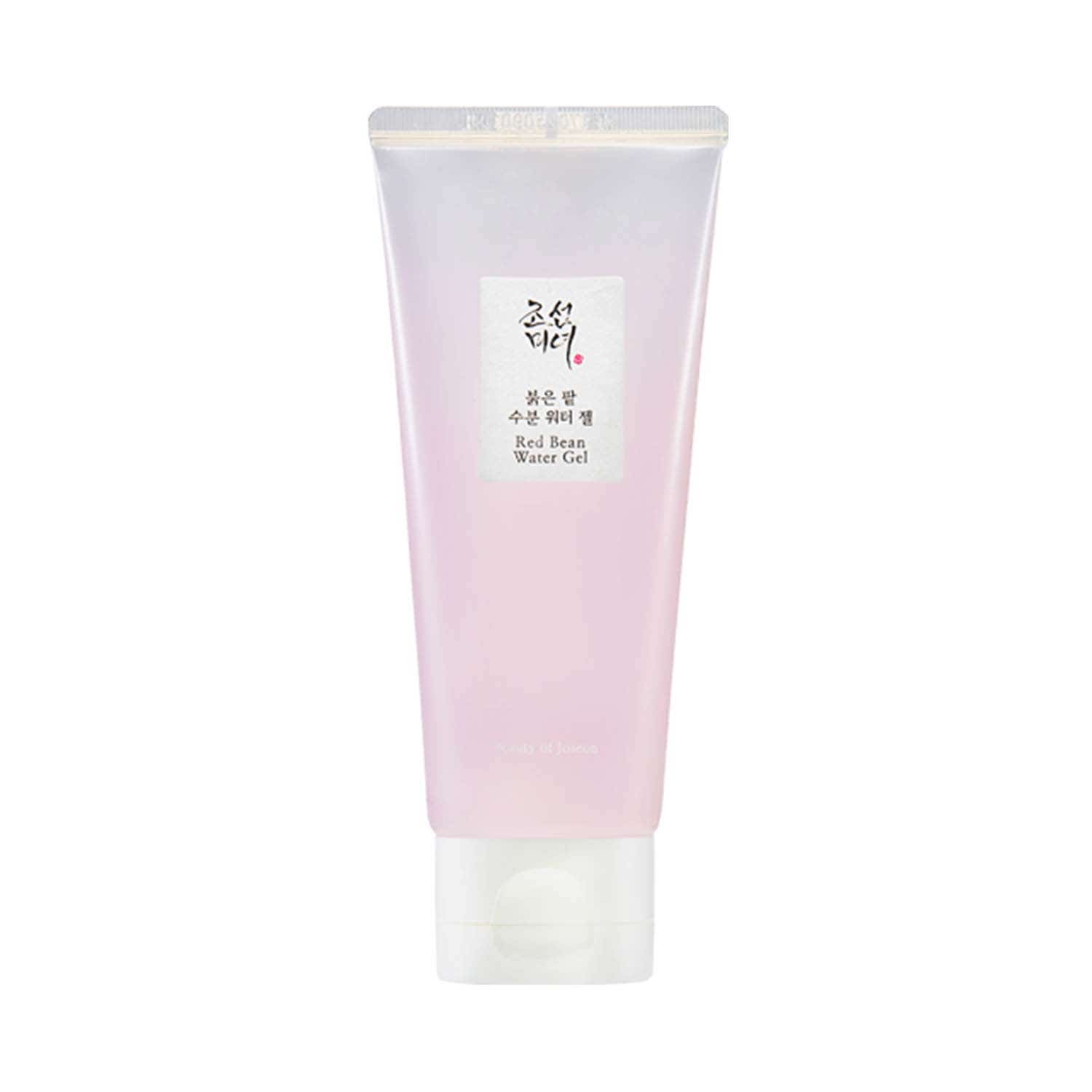

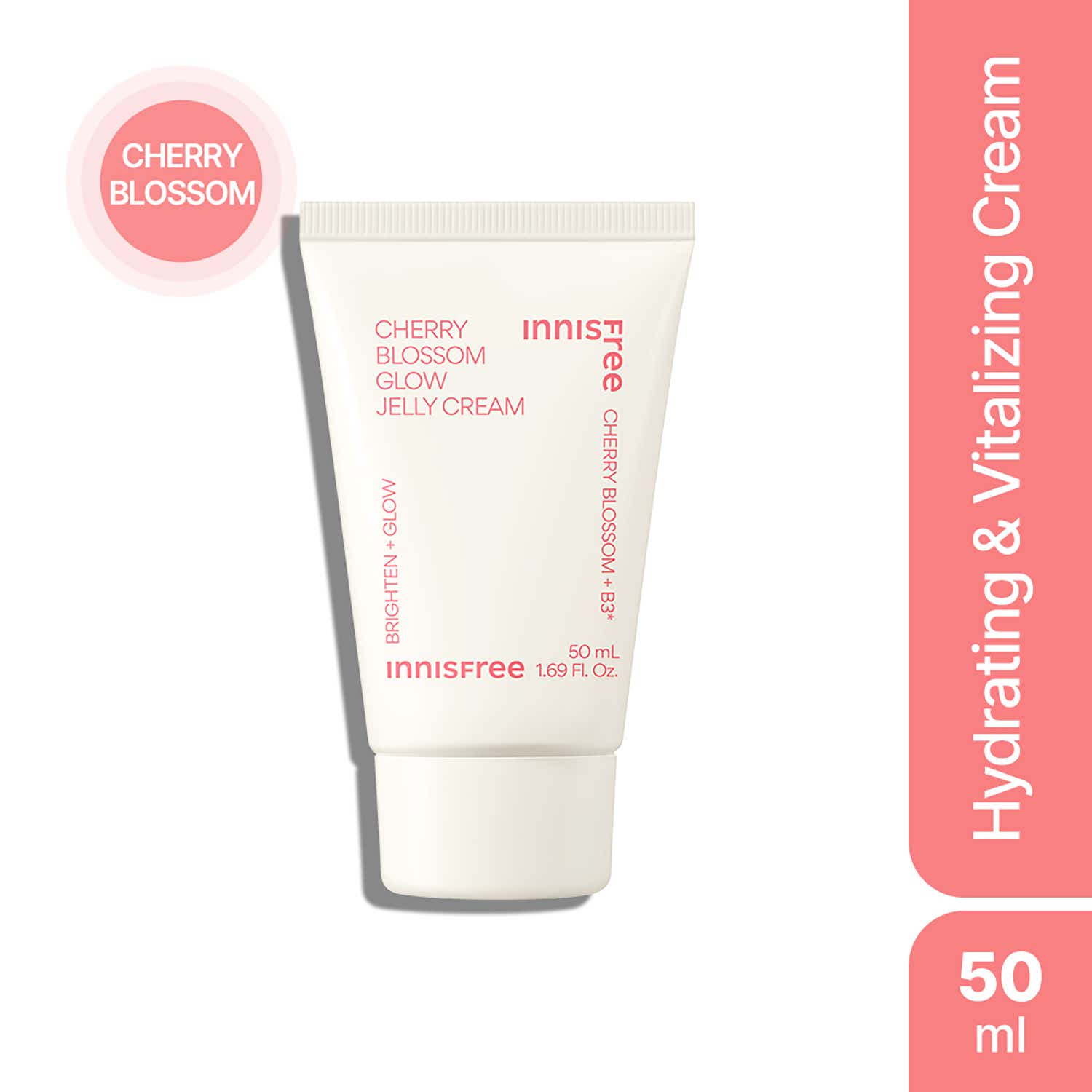


Beauty of Joseon brings its signature Hanbang-inspired approach to this gel moisturiser. Red bean extract, which has been used in Korean skincare tradition for its brightening and pore-refining properties, sits alongside peptides that support skin firmness and hyaluronic acid that offers hydration. The result is a moisturiser that does more than just hydrate. It addresses oiliness, uneven texture and dullness simultaneously, which makes it particularly well-suited to oily and combination skin types. The water-gel texture is light, fast-absorbing and leaves a clean, matte-ish finish that holds up well through humidity.
Laneige's Water Bank range has been a hydration reference point in K-beauty for years and the Blue Hyaluronic Gel is the most lightweight iteration of it. The formula uses blue agave-derived hyaluronic acid, which holds moisture more effectively than standard hyaluronic acid and releases it gradually into the skin rather than all at once. The gel texture absorbs immediately, leaves no residue and gives skin a plump, comfortable finish that holds up through humidity without tipping into greasiness. For skin that needs serious hydration in a format that feels like nothing, this is the one to go with.
Toners can be hit or miss, but this one’s a gentle, creamy in-between that works well for most skin types. It’s calming (thanks to chamomile), slightly brightening (with niacinamide), and hydrating enough to be used alone on oily days or layered under serums. If you like that soft, cushiony skin feel after cleansing, this helps you get there.
This is a lovely pick if you want something calming and hydrating, but still lightweight enough to use daily. The texture feels creamy and comforting, making it ideal when your skin’s feeling sensitive, a bit reactive or just generally out of sorts. It leaves your face feeling softer and smoother, and it’s a good option if your skin tends to feel dry on the surface but still gets oily through the day. It also sits well under makeup, which makes it a great morning toner if you want your skin to look more even and fresh.
If your skin’s been looking a little lacklustre, this collagen-boosting cream from The Face Shop might be what it needs. Infused with marine collagen and antioxidant-rich pomegranate extract, it helps firm, brighten and smooth the skin while restoring its natural bounce. The silky, lightweight texture absorbs quickly, making it ideal for both day and night use. As part of your evening routine, it doubles down on hydration and repair, leaving your skin plumper, fresher and more luminous by morning. Free from parabens and heavy residue, it’s a fuss-free way to keep your skin nourished around the clock.
Lightweight textures such as gels and jellies are generally good options for oily skin. They provide hydration without feeling too heavy or greasy. However, the ingredients in the formula matter just as much as its texture.
Gel moisturisers are usually lightweight and water-based, making them suitable for oily and combination skin. Creams tend to have a richer consistency and contain a combination of water and oils, which helps reduce moisture loss and keep dry skin soft.
Yes, acne-prone skin can use creams, provided the formulation is suitable. Look for lightweight, non-comedogenic products that moisturise without clogging pores. You don't necessarily have to avoid creams simply because you have acne-prone skin.
Not necessarily. Facial oils help soften the skin and reduce moisture loss, while moisturisers can provide hydration along with ingredients that help retain it. If you have very dry skin, using a facial oil alongside a moisturiser may be beneficial.
Yes, texture can influence how a product spreads, feels and sits on your skin. However, its effectiveness also depends on the ingredients and overall formulation. Choosing a texture that suits your skin type can make your routine more comfortable and easier to maintain.
If heavy products make you feel uncomfortable, gels might work out perfectly for you. “Gel-based products are mostly water-based and lightweight and leave behind a refreshing and non-greasy look,” Dr Verma says.
Best suited for: Oily, combination and acne-prone skin types
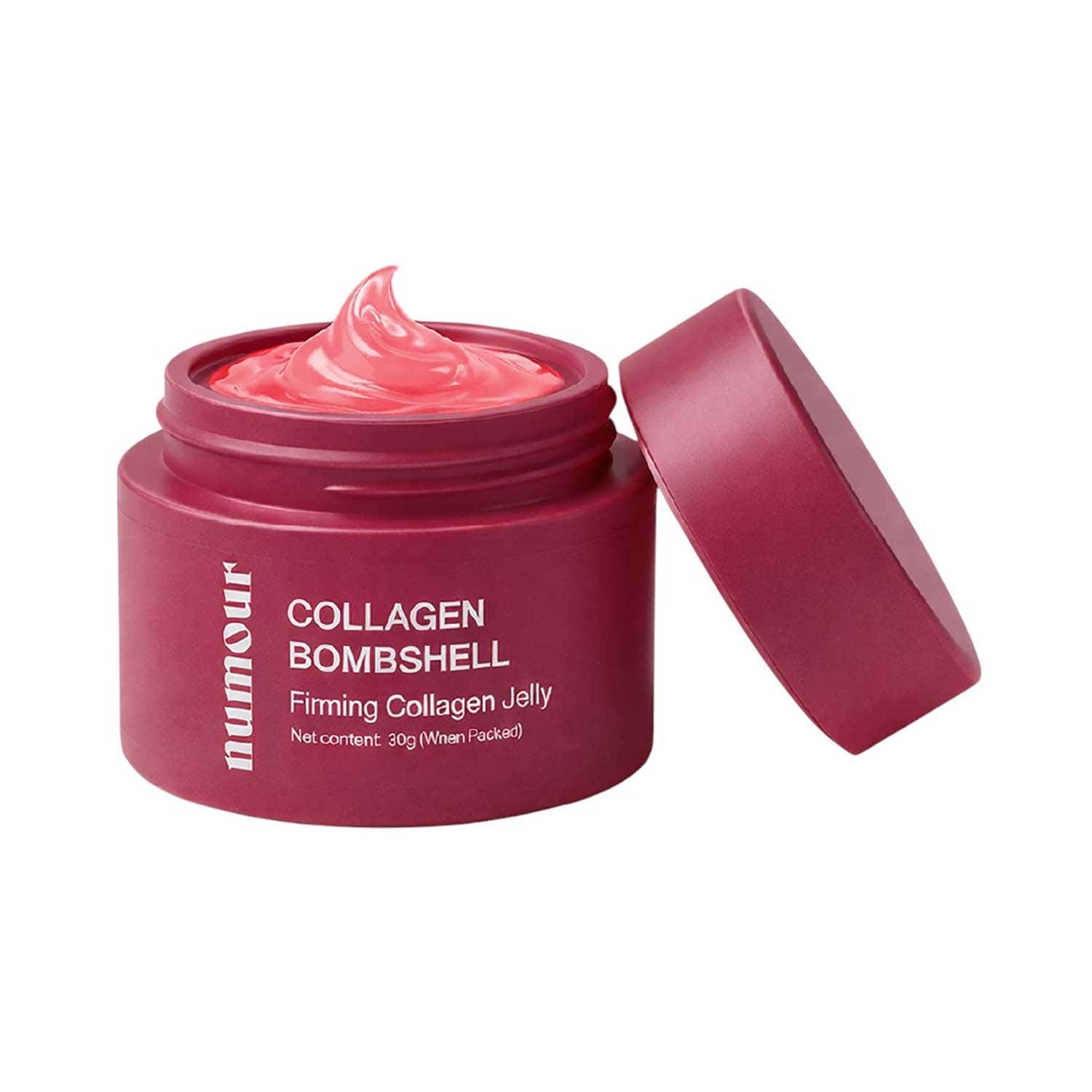
Every bit as fun as it sounds, this texture has a bouncy, cushioned consistency and is extremely satisfying to apply. “Jelly-based skincare formulations give a cooling and dewy effect,” Dr Verma adds.
Best suited for: Oily and combination skin types
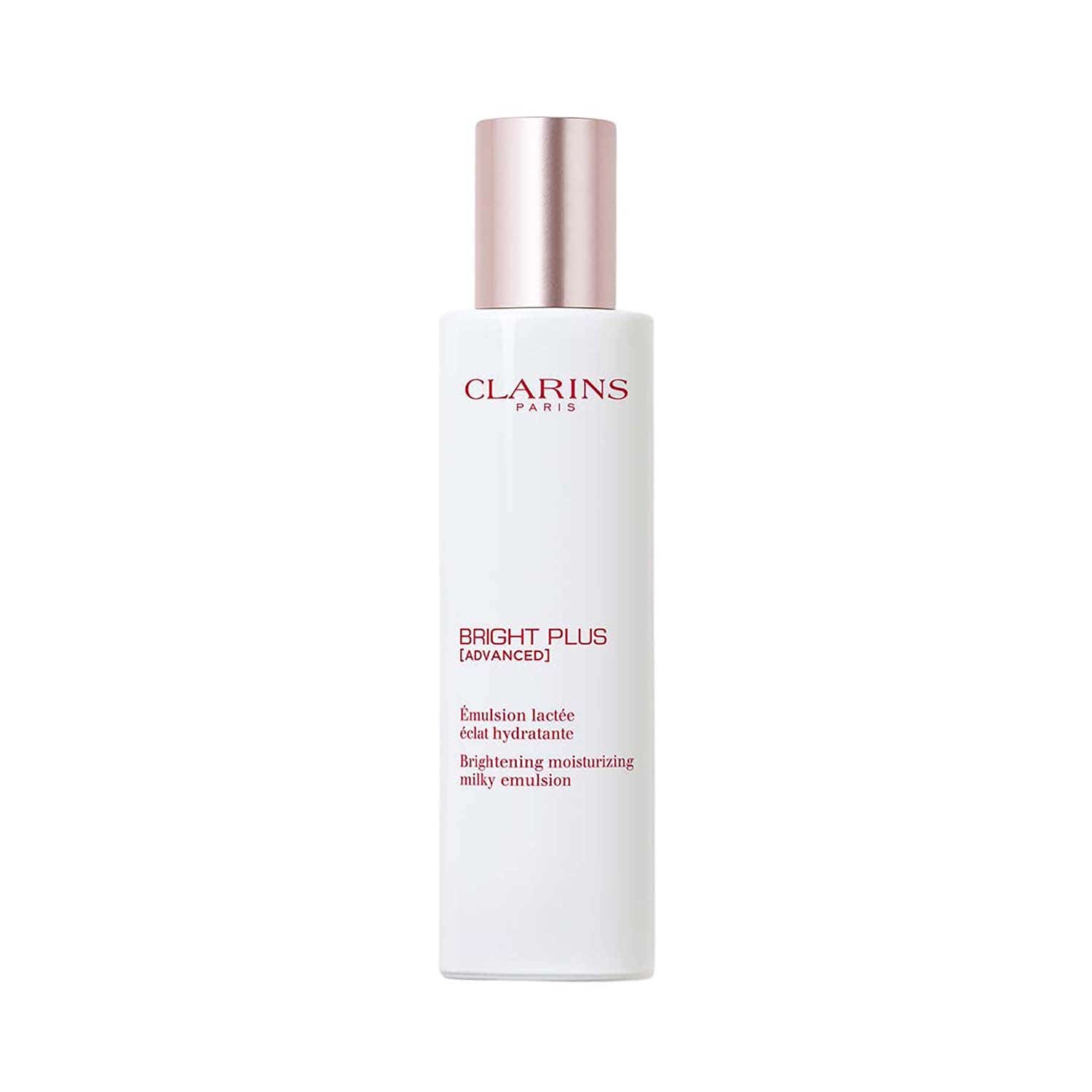
Milky emulsions are all the rage right now and we can see why. “They use a combination of oils and milk and give lightweight moisturisation to the skin,” explains Dr Verma. According to her, they also get absorbed relatively easily and leave you with a smooth skin texture.
Best suited for: Normal, combination and mildly dry skin types
You probably already know what a cream-based product is like, but let’s take a look at what makes it different from other textures. “Cream based skincare products are much thicker than gel-based products and lotions. They have both water and oil in a balanced proportion which enables skin softness and reduces moisture loss,” Dr Verma explains.
Best suited for: Dry and mature skin types and those with a compromised skin barrier
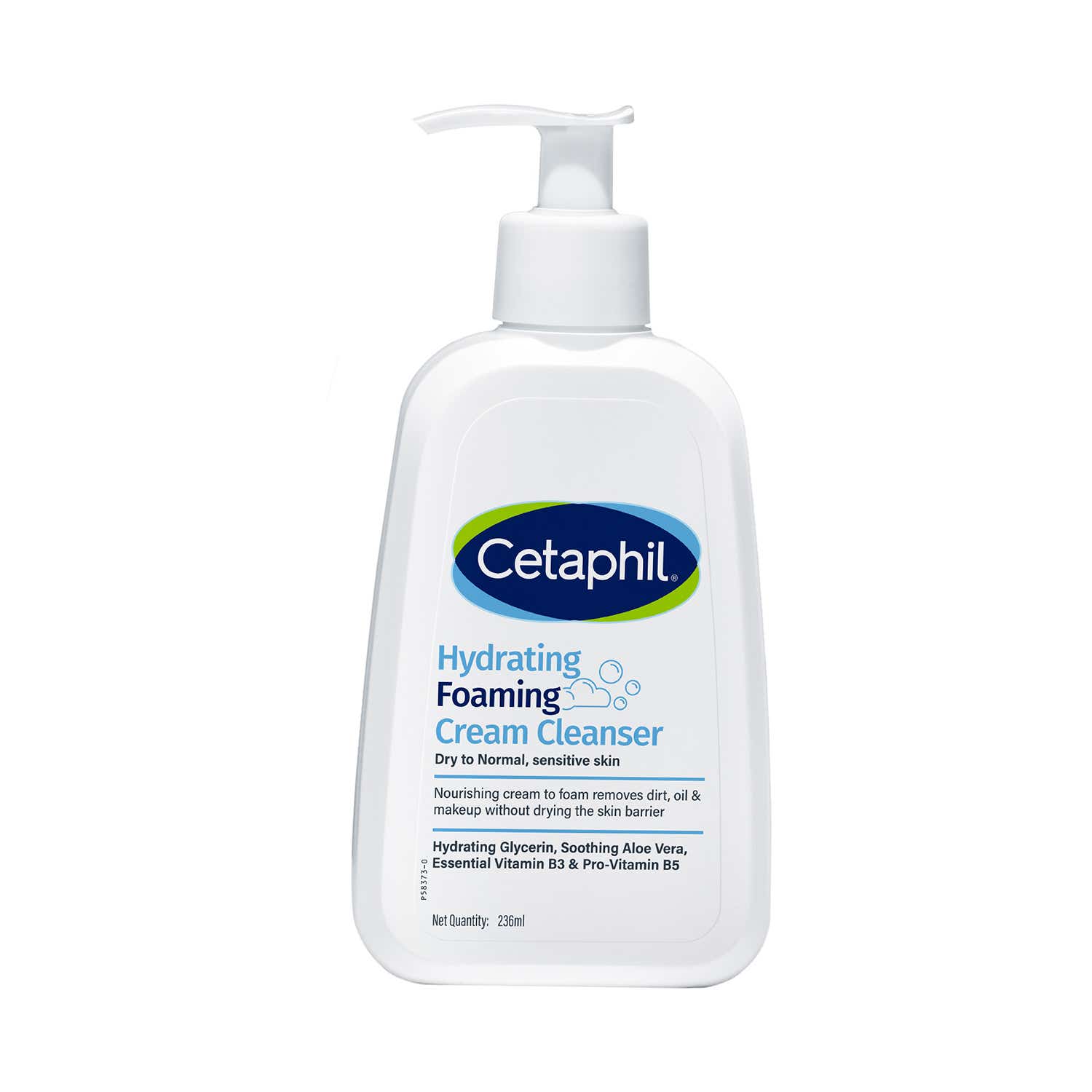
A popular texture in cleansers, foam-based formulations are great at working up a lather. “They give an airy texture and are easier to distribute, but their effectiveness depends upon the cleansing ingredients in the product,” the dermatologist shares.
Best suited for: Oily and combination skin types; gentle formulations are great for sensitive skin types
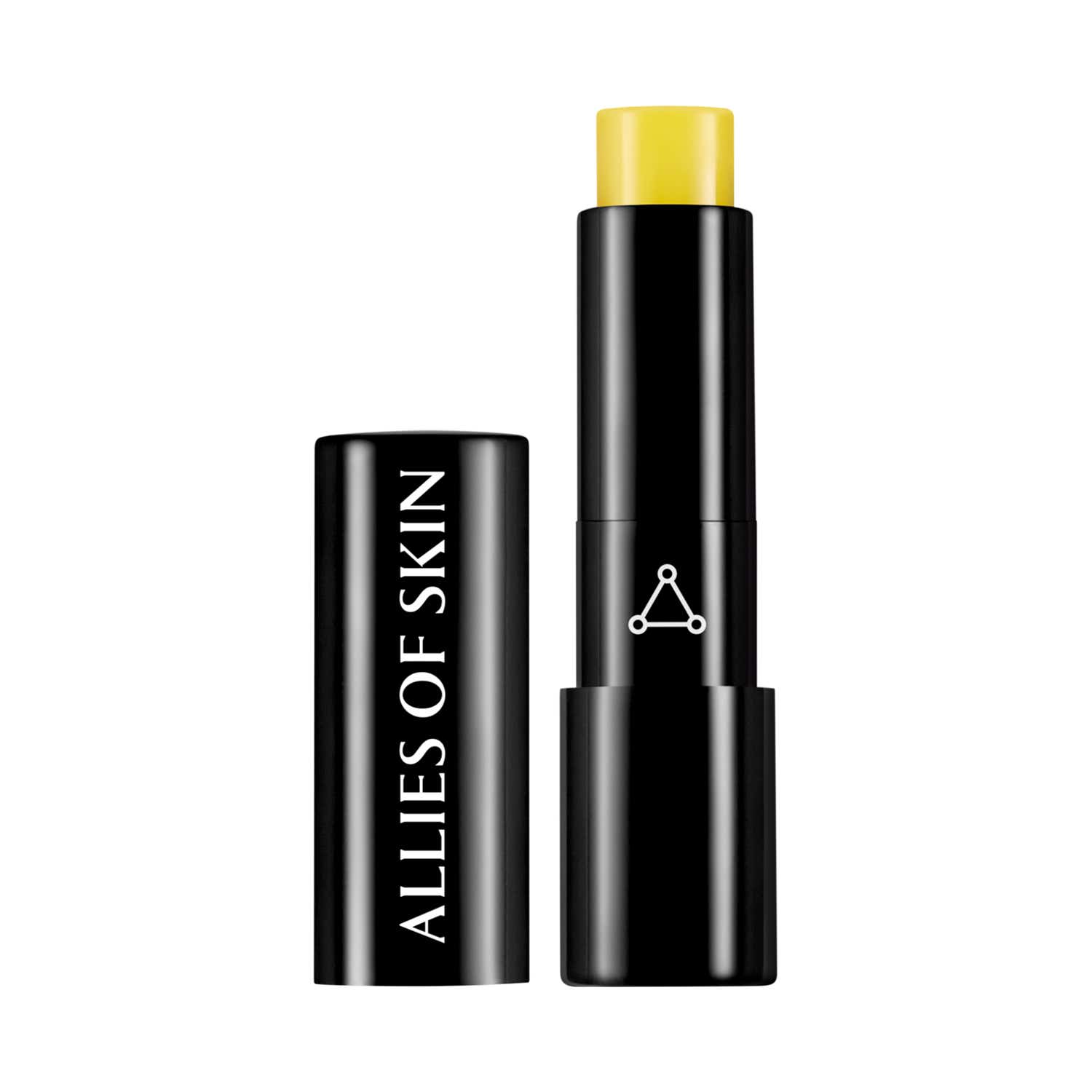
These are thick, buttery textures that melt into your skin. “Balms are constituted of oils, waxes or butters and create a protective layer around the skin, reducing moisture loss,” Dr Verma explains.
Best suited for: Very dry skin types, chapped lips or targeted skin barrier protection
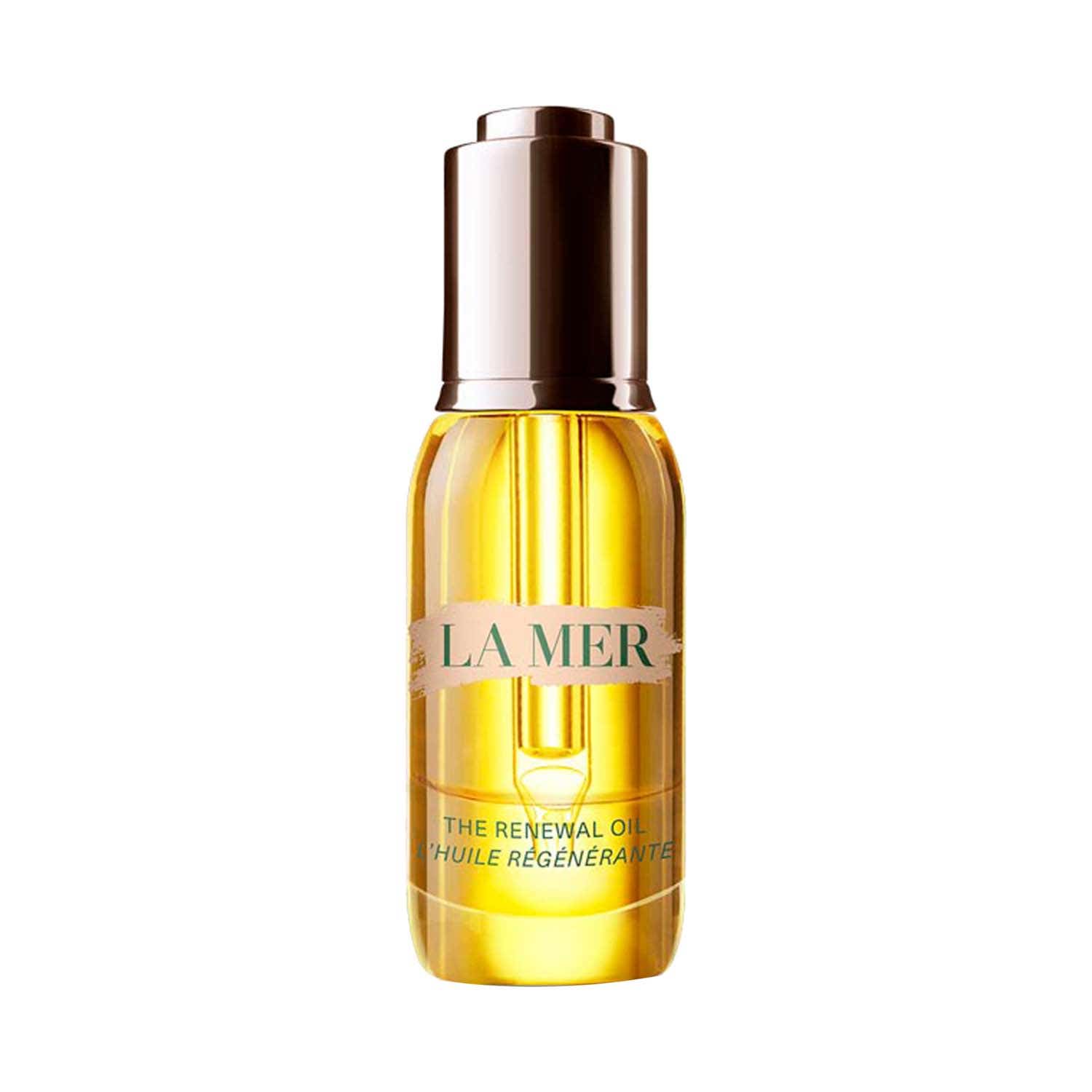
This texture isn’t for everyone, but it can work wonders on the right skin type. “Facial oils soften the skin and also reduce water loss from the skin,” the expert says.
Best suited for: Dry and combination skin types, based upon individual tolerance
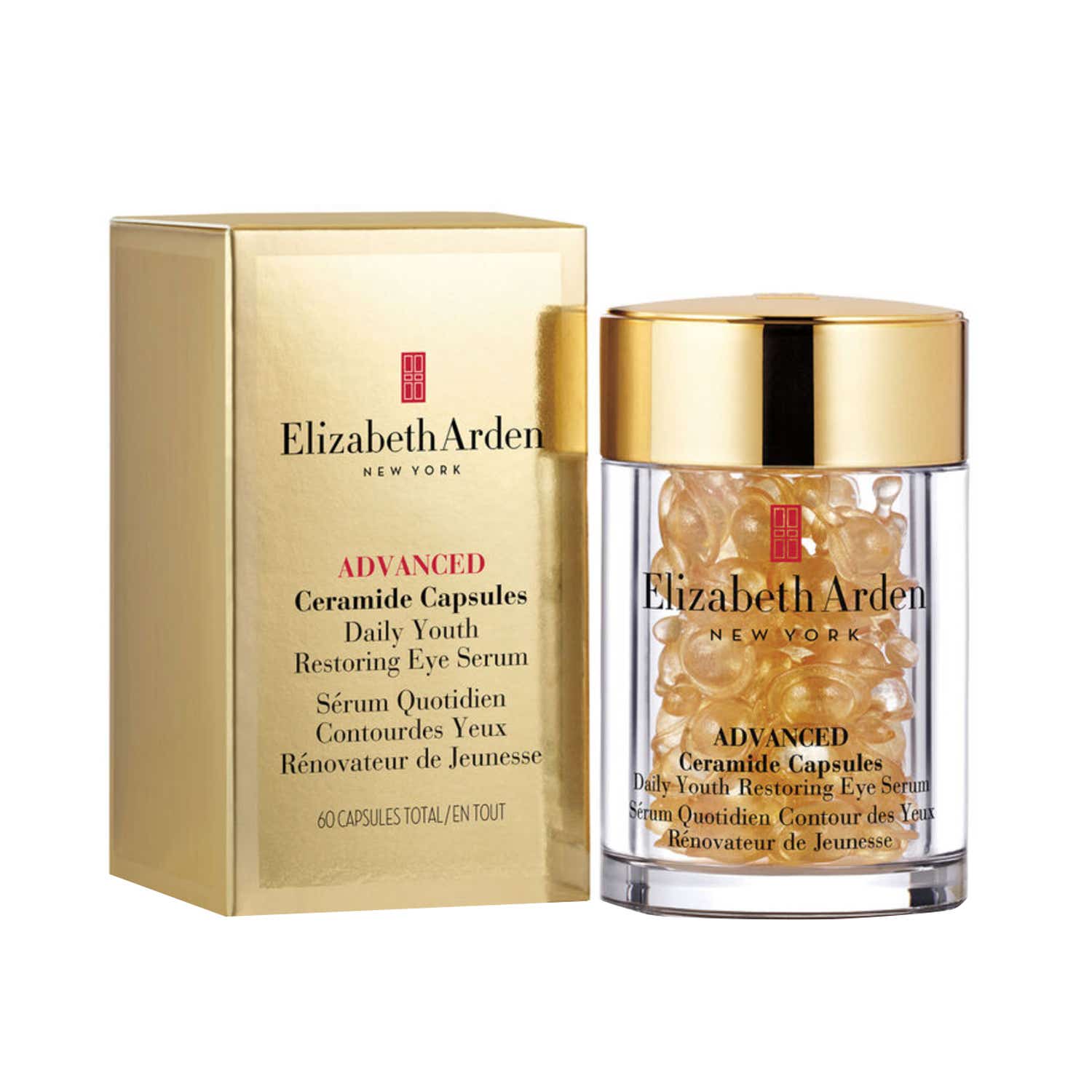
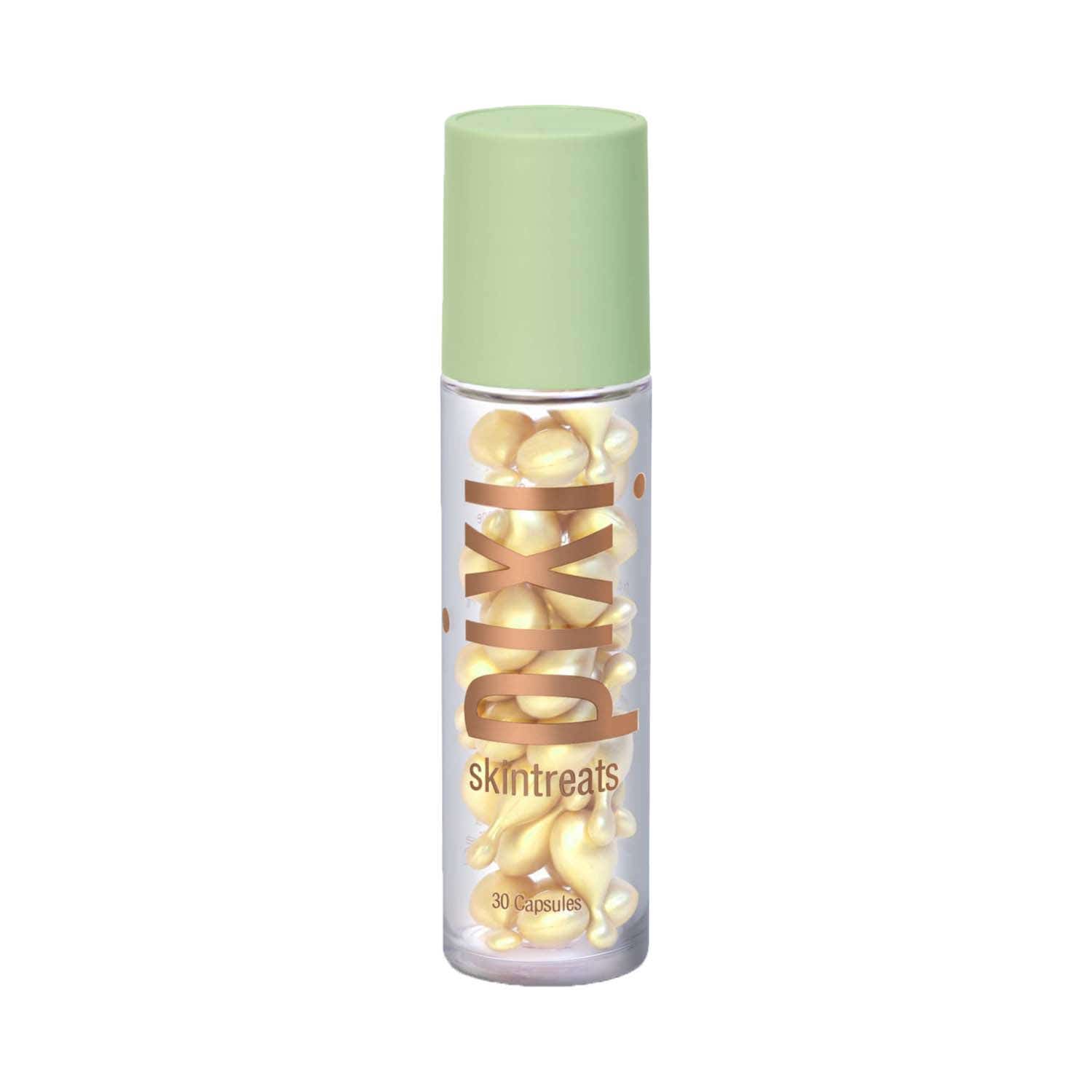
Capsules aren’t technically a texture at all. Dr Verma classifies them as a delivery format. “Consisting of a measured amount of serum, oil and another formulation, capsules may help to protect certain ingredients from air and light exposure,” she explains.
Best suited for: Various skin types, based upon formulations
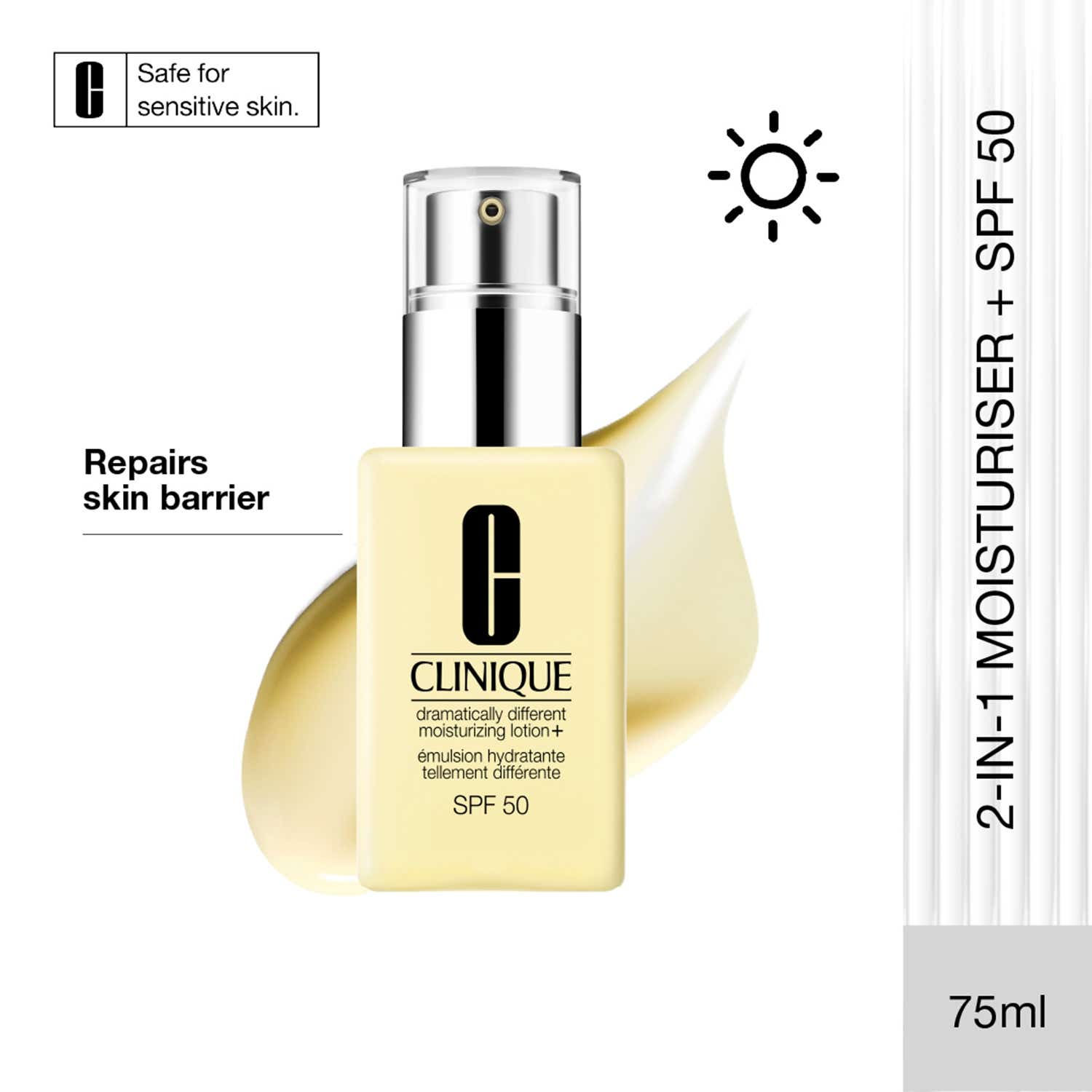
Two other skincare staples worth mentioning are serums and lotions, although neither has one fixed consistency. “Serums deliver targeted ingredients in different consistencies. On the other hand, lotions offer a lighter alternative to creams,” Dr Verma says.
Best suited for: Various skin types, based upon formulations




Lightweight textures such as gels and jellies are generally good options for oily skin. They provide hydration without feeling too heavy or greasy. However, the ingredients in the formula matter just as much as its texture.
Gel moisturisers are usually lightweight and water-based, making them suitable for oily and combination skin. Creams tend to have a richer consistency and contain a combination of water and oils, which helps reduce moisture loss and keep dry skin soft.
Yes, acne-prone skin can use creams, provided the formulation is suitable. Look for lightweight, non-comedogenic products that moisturise without clogging pores. You don't necessarily have to avoid creams simply because you have acne-prone skin.
Not necessarily. Facial oils help soften the skin and reduce moisture loss, while moisturisers can provide hydration along with ingredients that help retain it. If you have very dry skin, using a facial oil alongside a moisturiser may be beneficial.
Yes, texture can influence how a product spreads, feels and sits on your skin. However, its effectiveness also depends on the ingredients and overall formulation. Choosing a texture that suits your skin type can make your routine more comfortable and easier to maintain.
If heavy products make you feel uncomfortable, gels might work out perfectly for you. “Gel-based products are mostly water-based and lightweight and leave behind a refreshing and non-greasy look,” Dr Verma says.
Best suited for: Oily, combination and acne-prone skin types
Every bit as fun as it sounds, this texture has a bouncy, cushioned consistency and is extremely satisfying to apply. “Jelly-based skincare formulations give a cooling and dewy effect,” Dr Verma adds.
Best suited for: Oily and combination skin types
Milky emulsions are all the rage right now and we can see why. “They use a combination of oils and milk and give lightweight moisturisation to the skin,” explains Dr Verma. According to her, they also get absorbed relatively easily and leave you with a smooth skin texture.
Best suited for: Normal, combination and mildly dry skin types
You probably already know what a cream-based product is like, but let’s take a look at what makes it different from other textures. “Cream based skincare products are much thicker than gel-based products and lotions. They have both water and oil in a balanced proportion which enables skin softness and reduces moisture loss,” Dr Verma explains.
Best suited for: Dry and mature skin types and those with a compromised skin barrier
A popular texture in cleansers, foam-based formulations are great at working up a lather. “They give an airy texture and are easier to distribute, but their effectiveness depends upon the cleansing ingredients in the product,” the dermatologist shares.
Best suited for: Oily and combination skin types; gentle formulations are great for sensitive skin types
These are thick, buttery textures that melt into your skin. “Balms are constituted of oils, waxes or butters and create a protective layer around the skin, reducing moisture loss,” Dr Verma explains.
Best suited for: Very dry skin types, chapped lips or targeted skin barrier protection
This texture isn’t for everyone, but it can work wonders on the right skin type. “Facial oils soften the skin and also reduce water loss from the skin,” the expert says.
Best suited for: Dry and combination skin types, based upon individual tolerance
Capsules aren’t technically a texture at all. Dr Verma classifies them as a delivery format. “Consisting of a measured amount of serum, oil and another formulation, capsules may help to protect certain ingredients from air and light exposure,” she explains.
Best suited for: Various skin types, based upon formulations
Two other skincare staples worth mentioning are serums and lotions, although neither has one fixed consistency. “Serums deliver targeted ingredients in different consistencies. On the other hand, lotions offer a lighter alternative to creams,” Dr Verma says.
Best suited for: Various skin types, based upon formulations
Lightweight textures such as gels and jellies are generally good options for oily skin. They provide hydration without feeling too heavy or greasy. However, the ingredients in the formula matter just as much as its texture.
Gel moisturisers are usually lightweight and water-based, making them suitable for oily and combination skin. Creams tend to have a richer consistency and contain a combination of water and oils, which helps reduce moisture loss and keep dry skin soft.
Yes, acne-prone skin can use creams, provided the formulation is suitable. Look for lightweight, non-comedogenic products that moisturise without clogging pores. You don't necessarily have to avoid creams simply because you have acne-prone skin.
Not necessarily. Facial oils help soften the skin and reduce moisture loss, while moisturisers can provide hydration along with ingredients that help retain it. If you have very dry skin, using a facial oil alongside a moisturiser may be beneficial.
Yes, texture can influence how a product spreads, feels and sits on your skin. However, its effectiveness also depends on the ingredients and overall formulation. Choosing a texture that suits your skin type can make your routine more comfortable and easier to maintain.
If heavy products make you feel uncomfortable, gels might work out perfectly for you. “Gel-based products are mostly water-based and lightweight and leave behind a refreshing and non-greasy look,” Dr Verma says.
Best suited for: Oily, combination and acne-prone skin types
Every bit as fun as it sounds, this texture has a bouncy, cushioned consistency and is extremely satisfying to apply. “Jelly-based skincare formulations give a cooling and dewy effect,” Dr Verma adds.
Best suited for: Oily and combination skin types
Milky emulsions are all the rage right now and we can see why. “They use a combination of oils and milk and give lightweight moisturisation to the skin,” explains Dr Verma. According to her, they also get absorbed relatively easily and leave you with a smooth skin texture.
Best suited for: Normal, combination and mildly dry skin types
You probably already know what a cream-based product is like, but let’s take a look at what makes it different from other textures. “Cream based skincare products are much thicker than gel-based products and lotions. They have both water and oil in a balanced proportion which enables skin softness and reduces moisture loss,” Dr Verma explains.
Best suited for: Dry and mature skin types and those with a compromised skin barrier
A popular texture in cleansers, foam-based formulations are great at working up a lather. “They give an airy texture and are easier to distribute, but their effectiveness depends upon the cleansing ingredients in the product,” the dermatologist shares.
Best suited for: Oily and combination skin types; gentle formulations are great for sensitive skin types
These are thick, buttery textures that melt into your skin. “Balms are constituted of oils, waxes or butters and create a protective layer around the skin, reducing moisture loss,” Dr Verma explains.
Best suited for: Very dry skin types, chapped lips or targeted skin barrier protection
This texture isn’t for everyone, but it can work wonders on the right skin type. “Facial oils soften the skin and also reduce water loss from the skin,” the expert says.
Best suited for: Dry and combination skin types, based upon individual tolerance
Capsules aren’t technically a texture at all. Dr Verma classifies them as a delivery format. “Consisting of a measured amount of serum, oil and another formulation, capsules may help to protect certain ingredients from air and light exposure,” she explains.
Best suited for: Various skin types, based upon formulations
Two other skincare staples worth mentioning are serums and lotions, although neither has one fixed consistency. “Serums deliver targeted ingredients in different consistencies. On the other hand, lotions offer a lighter alternative to creams,” Dr Verma says.
Best suited for: Various skin types, based upon formulations
Lightweight textures such as gels and jellies are generally good options for oily skin. They provide hydration without feeling too heavy or greasy. However, the ingredients in the formula matter just as much as its texture.
Gel moisturisers are usually lightweight and water-based, making them suitable for oily and combination skin. Creams tend to have a richer consistency and contain a combination of water and oils, which helps reduce moisture loss and keep dry skin soft.
Yes, acne-prone skin can use creams, provided the formulation is suitable. Look for lightweight, non-comedogenic products that moisturise without clogging pores. You don't necessarily have to avoid creams simply because you have acne-prone skin.
Not necessarily. Facial oils help soften the skin and reduce moisture loss, while moisturisers can provide hydration along with ingredients that help retain it. If you have very dry skin, using a facial oil alongside a moisturiser may be beneficial.
Yes, texture can influence how a product spreads, feels and sits on your skin. However, its effectiveness also depends on the ingredients and overall formulation. Choosing a texture that suits your skin type can make your routine more comfortable and easier to maintain.