
Rituals
Your 10-minute scalp ritual for healthier, bouncier hair
Read Now


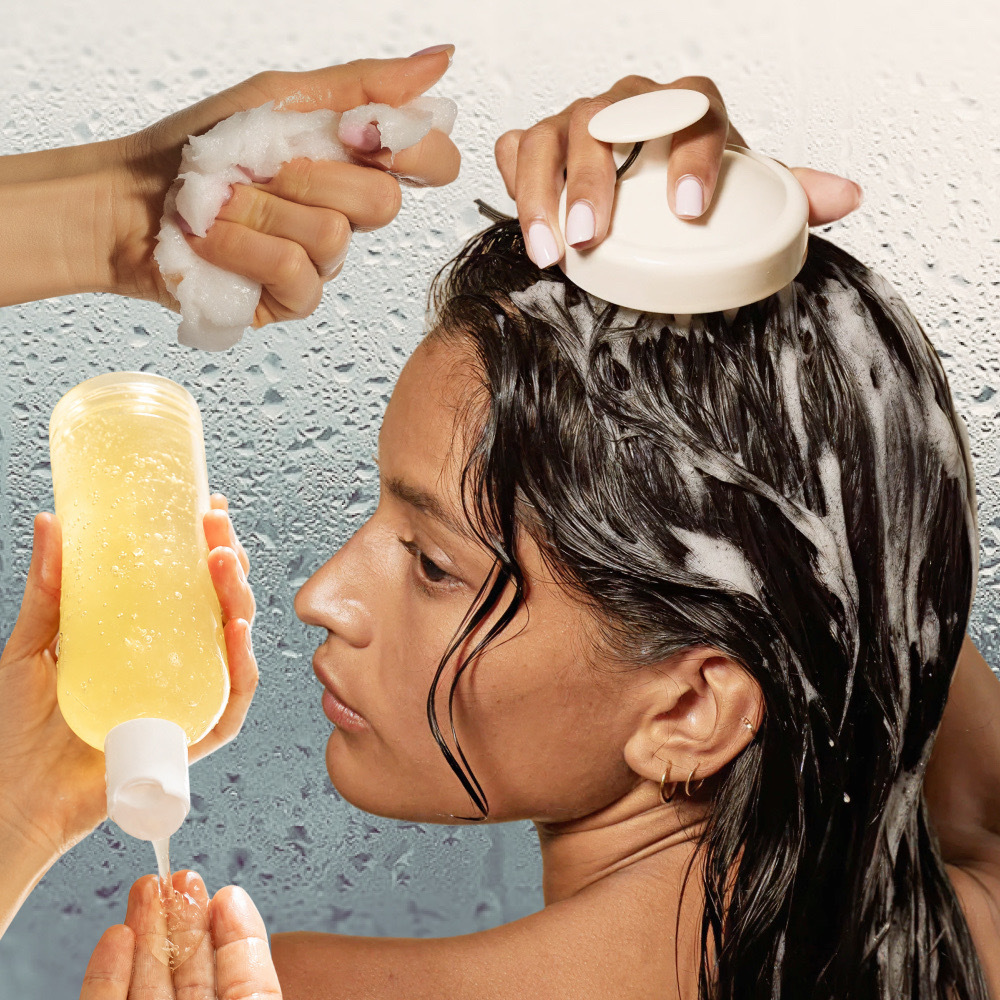

An everything shower isn’t a new concept, but monsoon is a good reason to give the routine a seasonal refresh. The idea is simple: set aside one shower to go beyond the basics and tick off every self-care step on your list. A scalp treatment, double cleanse, body scrub, hair mask, moisturiser, fragrance layering—the kind of routine that leaves you feeling completely reset.
And if there’s one season that calls for it, it’s monsoon. Humidity can make your scalp oilier, leave skin feeling persistently damp, and cause sweat, pollution, and grime to build up faster than usual. Even your favourite fragrances can wear differently in the sticky weather. A dedicated everything shower once or twice a week helps tackle these seasonal concerns in one go, leaving you feeling fresher, cleaner, and far more comfortable.
Here’s your step-by-step monsoon everything shower routine


.PNG)



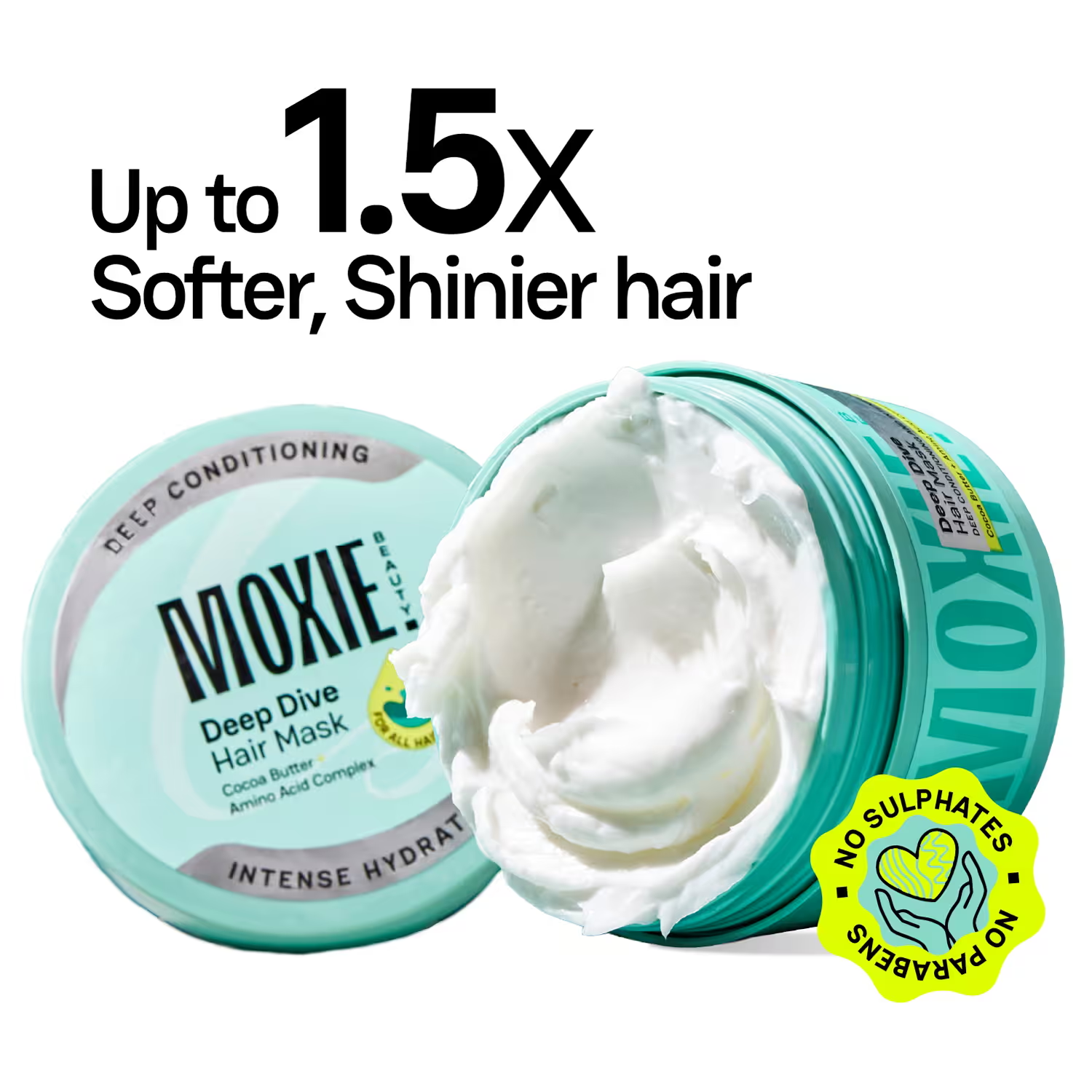
For hair that seems to have a personality change the moment humidity rises, Moxie's Deep Dive Hair Mask is worth reaching for. This deep-conditioning treatment focuses on replenishing moisture while smoothing the cuticle, two things frizz-prone hair benefits from most. With regular use, hair feels softer, looks healthier and becomes noticeably easier to manage, even on those sticky, high-humidity days when frizz usually takes over.
This oil takes the idea of a traditional champi and gives it a modern spin. It blends herbs like amla, neem and brahmi with lightweight oils, so you get all the nourishment without feeling greasy. It’s designed for scalp health and hair strength, but it’s also just a really nice ritual to add to your week. Massage it in before bed, wash it out the next day and your hair feels softer, shinier and a little more cared for.
“After long shoot days, especially, I have a little post-work ritual where I get a proper head champi from my mom. It’s honestly the best stress relief,” says Pragati Namdev from the studio team. “The Inde Wild Champi Hair Oil has become more than just a haircare product for me. I love that it’s infused with herbs and botanicals like brahmi, amla and neem. It helps with blood circulation, soothes my scalp and my hair feels noticeably healthier over time. With oils like castor, sesame, coconut, almond, argan and vitamin E, it feels like a truly nourishing find.”
This one’s for nights when you’re not in the mood to experiment and just want your haircare routine to feel familiar and effective. This herbal hair oil is infused with brahmi, amla and neem, ingredients known to boost blood circulation, soothe scalp irritation and support healthy hair growth. It’s a multitasker, helping you tick off multiple hair goals with one simple step. The formula also features castor oil blended with five potent carrier oils that deeply nourish the scalp and strands, leaving your hair feeling stronger and softer over time. Massage it into your scalp for 10 to 15 minutes to unwind after a long day. Leave it on overnight for a deeper treatment or rinse it out after 30 minutes with a mild shampoo.
Inde Wild and its founder Diipa Büller-Khosla are bringing the traditional ritual of champi back—an ancient self-care practice worth making time for in your busy lives—recasting it as a modern essential. The hair oil combines Ayurvedic ingredients like brahmi, amla and neem with a blend of nourishing oils including castor, coconut and argan. Although the formula is rich and is known to deeply condition your roots, it’s still manageable for regular use. When used regularly, it helps strengthen lengths, support scalp health and soften the visible effects of dryness, frizz and breakage.
Some gifts feel meaningful because of the memories attached to them and this one does exactly that. Inspired by the familiarity of a traditional champi, this hair oil turns haircare into a slower, more comforting ritual. It nourishes the scalp and hair while still feeling lightweight and modern enough to fit easily into everyday routines. Thoughtful, calming and quietly nostalgic in the best way.
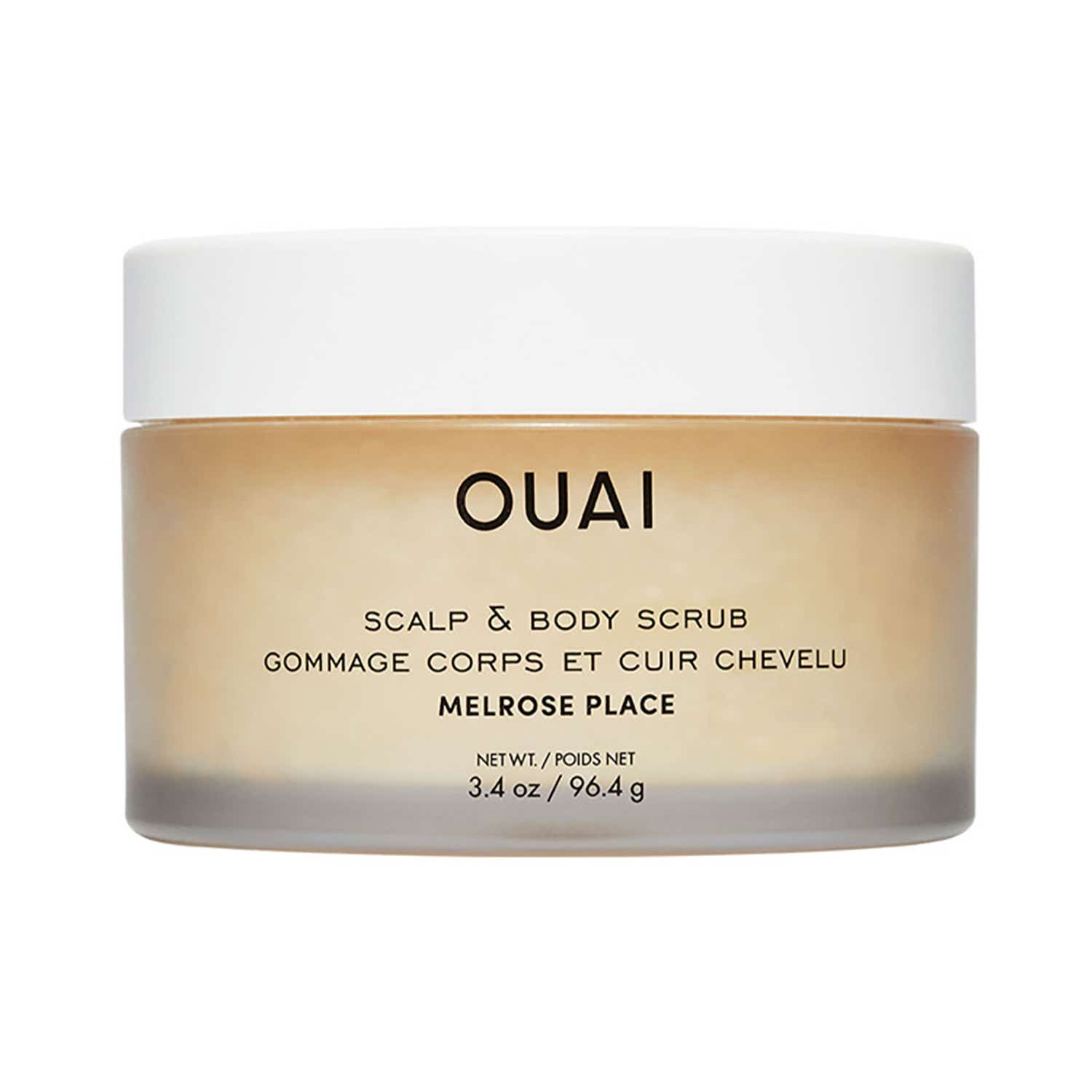
"I picked this up a few months ago mainly because of the packaging, fully expecting it to be a one-time purchase. I’m now on my third restock. What I like most is that the sugar and sea salt formula works for both the scalp and body, so it saves time without feeling like a compromise. It clears away buildup and dead skin while the conditioning ingredients keep my skin from feeling stripped. The Melrose Place scent—clean, floral with a warm musky base—also lingers on the skin longer than I expected. My skin stays smooth for days after using it, not just right after the shower. At this point it’s firmly part of my routine."
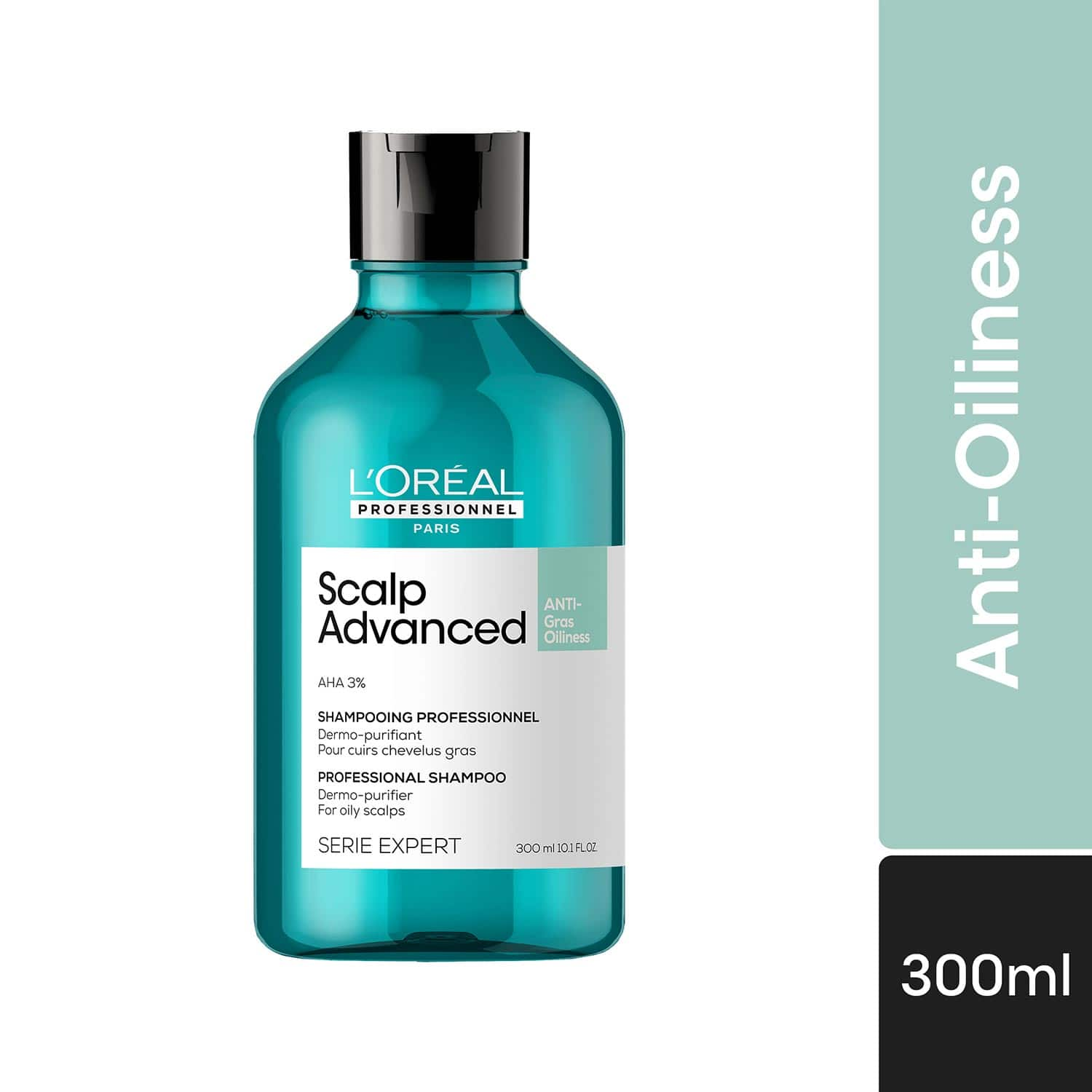
Looking for a dermat-approved pick? Opt for L’Oreal Professionnel’s Scalp Advanced Shampoo. The lightweight gel formula is designed to target oily scalp with 3% AHA concentration, leaving hair manageable and grease-free after just one wash.
- Claims to reduce scalp sebum by 78%
- Deeply cleanses sweat, oil and residue, leaving no trace of buildup
- Works best when paired with the Scalp Advanced mask for a full oil-control regimen
An everything shower starts before the water does. While your hair is still dry, apply a scalp oil, pre-wash treatment or hair serum directly to the roots. For more even coverage, part your hair into sections before working the product in. Twist your hair up, clip it away, and let the treatment sit for 20 to 30 minutes while you get on with the rest of your evening.
This step is especially useful during monsoon, when humidity can leave the scalp feeling greasy much sooner than usual. It may seem counterintuitive, but an oily scalp isn't a reason to skip pre-wash treatments. Look for lightweight formulas with ingredients like rosemary, bhringraj or peptides that nourish the scalp without leaving behind residue. Heavier oils can be difficult to rinse out completely and may leave hair feeling weighed down in humid weather.
Now that you're in the shower, start with your first cleanse. Massage an oil cleanser or cleansing balm onto dry skin to break down sunscreen, excess sebum and daily buildup. Add a little water to emulsify, rinse thoroughly, then follow with a gentle gel or foam cleanser.
Double cleansing helps remove residue more effectively than a single wash, leaving skin feeling genuinely clean and better prepared for the rest of your routine.
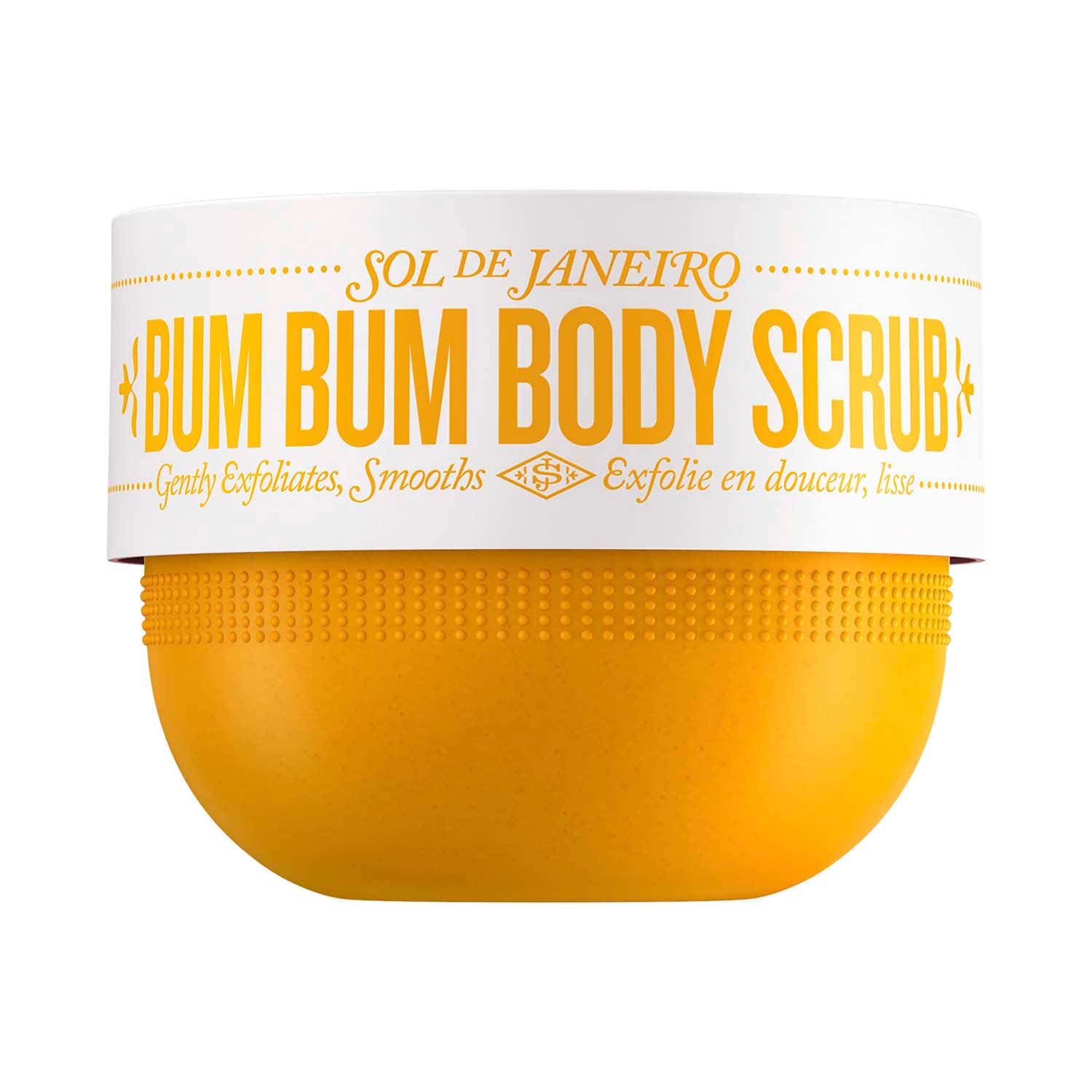
This is the step most people rush through, which is exactly why it belongs in an everything shower. Use a body scrub and spend a little extra time on areas prone to roughness, like the elbows, knees, neck and backs of the arms. Consistent exfoliation helps remove dead skin cells and keeps skin feeling smoother and looking brighter.
During monsoon, it can also help prevent the buildup that thrives in warm, damp conditions. If you're prone to fungal flare-ups, follow with a body wash formulated with ingredients like tea tree oil or other targeted actives.
As for your face, only exfoliate if it's part of your regular routine. A BHA like salicylic acid works well for congestion, while AHAs such as glycolic or lactic acid help improve texture and dullness. Just don't pair a chemical exfoliant with a physical facial scrub on the same day.
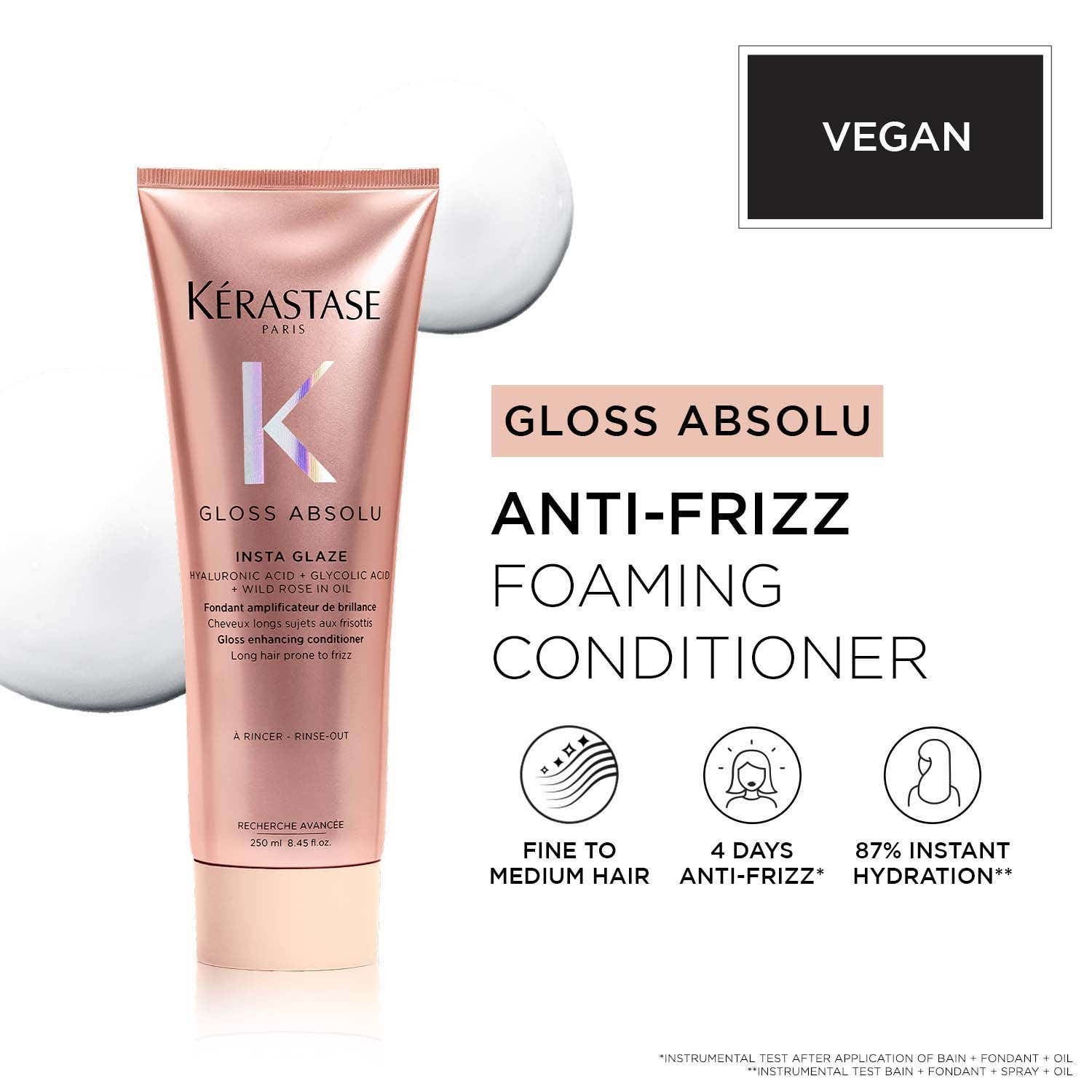
Once your treatment has had time to sit, rinse it out and shampoo as usual. If you've used a generous amount of oil, a second shampoo may help fully cleanse the scalp. Follow with conditioner through the mid-lengths and ends, avoiding the roots to prevent excess buildup.
Before you step out, finish with a cool rinse. It helps smooth the hair cuticle, which can make a noticeable difference to frizz—something every monsoon haircare routine can benefit from.
After exfoliation, your skin is primed to get more out of the products you apply next. Reach for a body wash that targets your specific concern, whether that's body acne, rough texture, dullness or uneven tone.
That said, balance is key. If you've already used a strong exfoliating treatment earlier in your routine, opt for a gentler, more hydrating body wash instead of layering multiple active-heavy products.
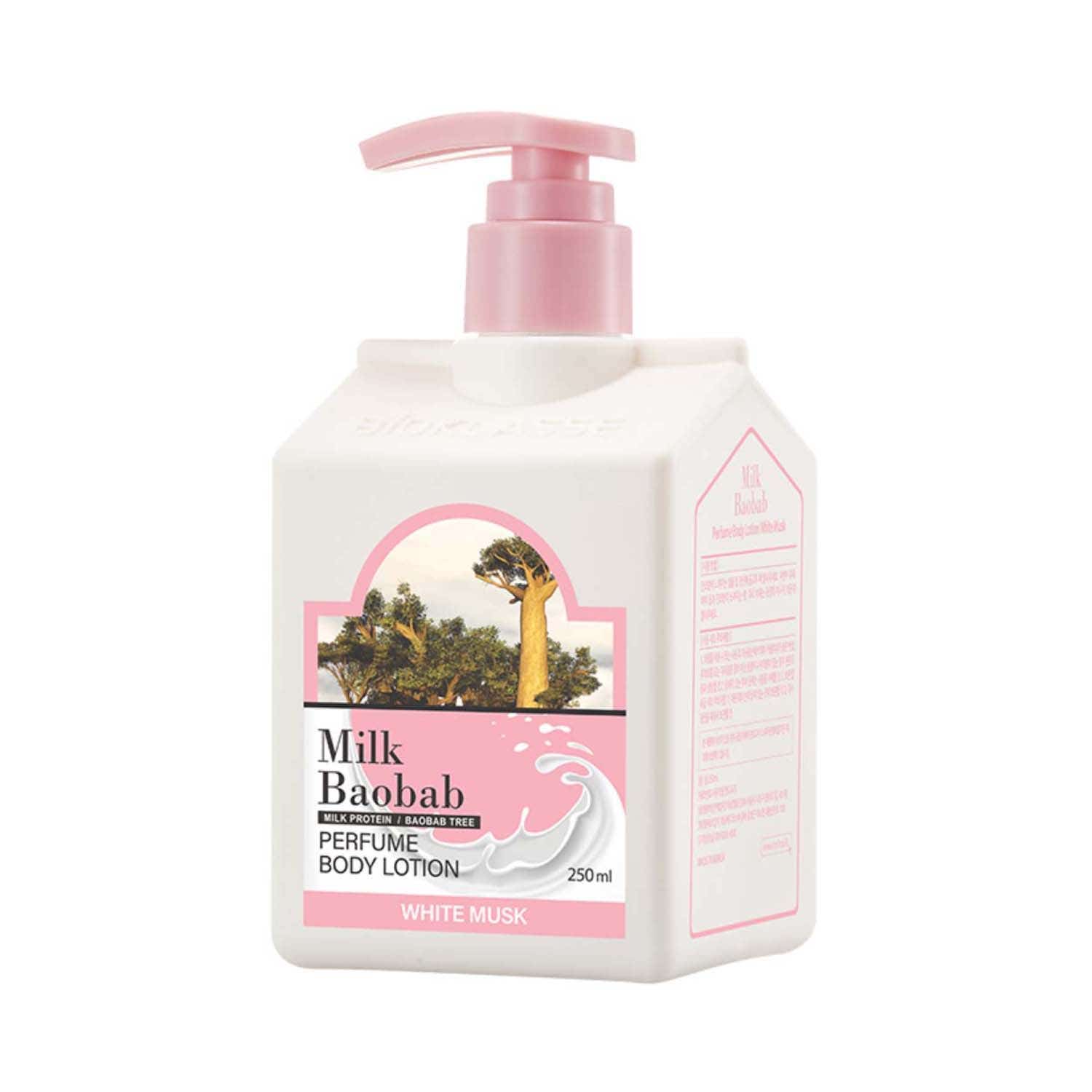
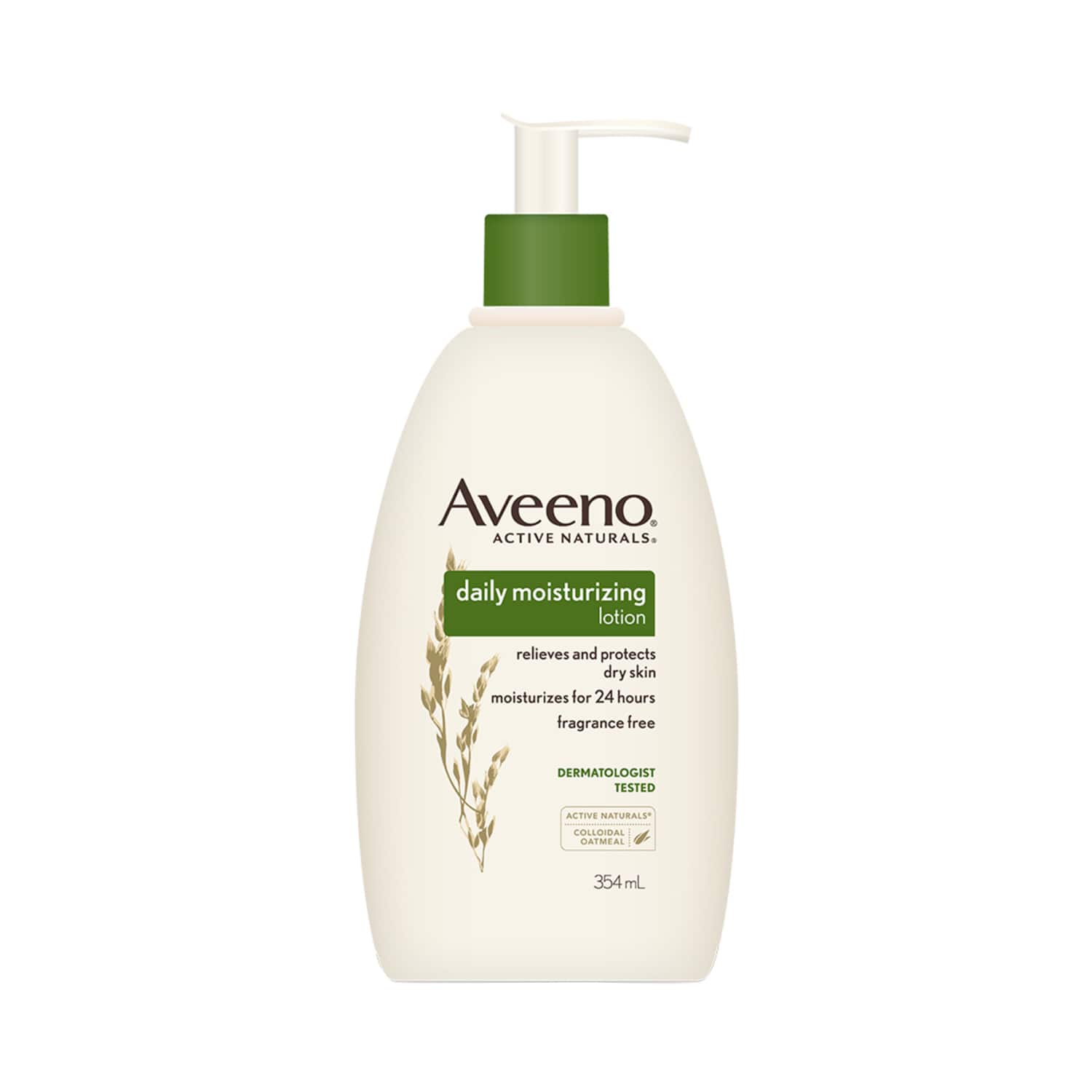
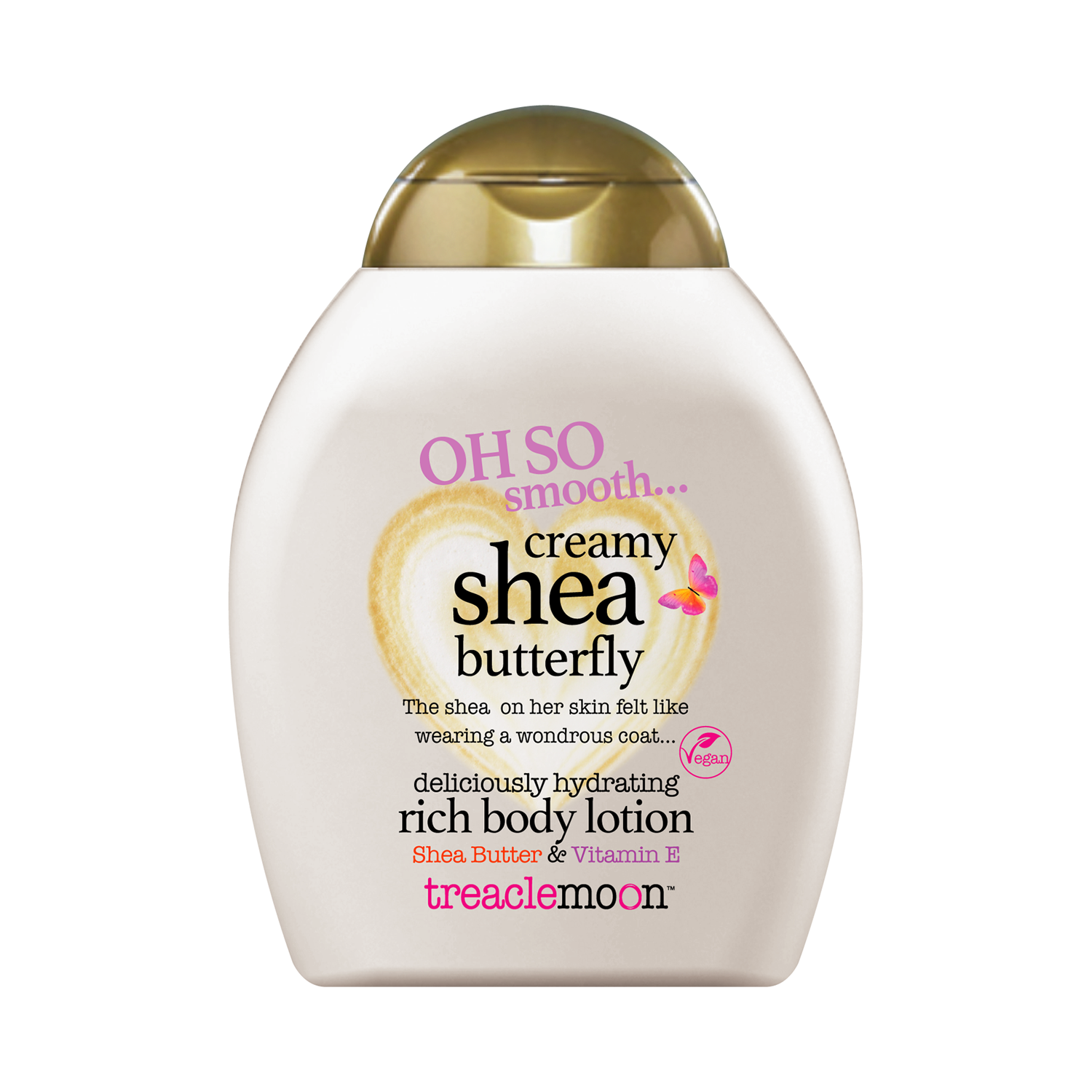
Pat your skin dry rather than rubbing it, then apply body lotion while it's still slightly damp. This helps lock in moisture more effectively and leaves skin feeling comfortable for longer.
One of the biggest skincare misconceptions about monsoon is that humid weather automatically means hydrated skin. In reality, your skin barrier still needs support, particularly after cleansing and exfoliating. A lightweight lotion is usually the sweet spot: hydrating enough to do the job without feeling heavy or sticky.
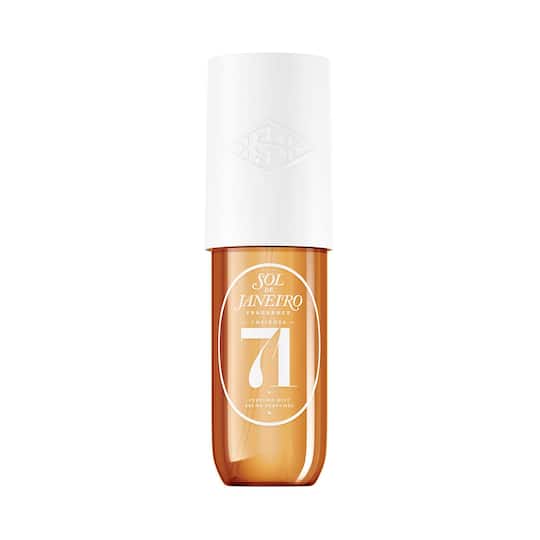
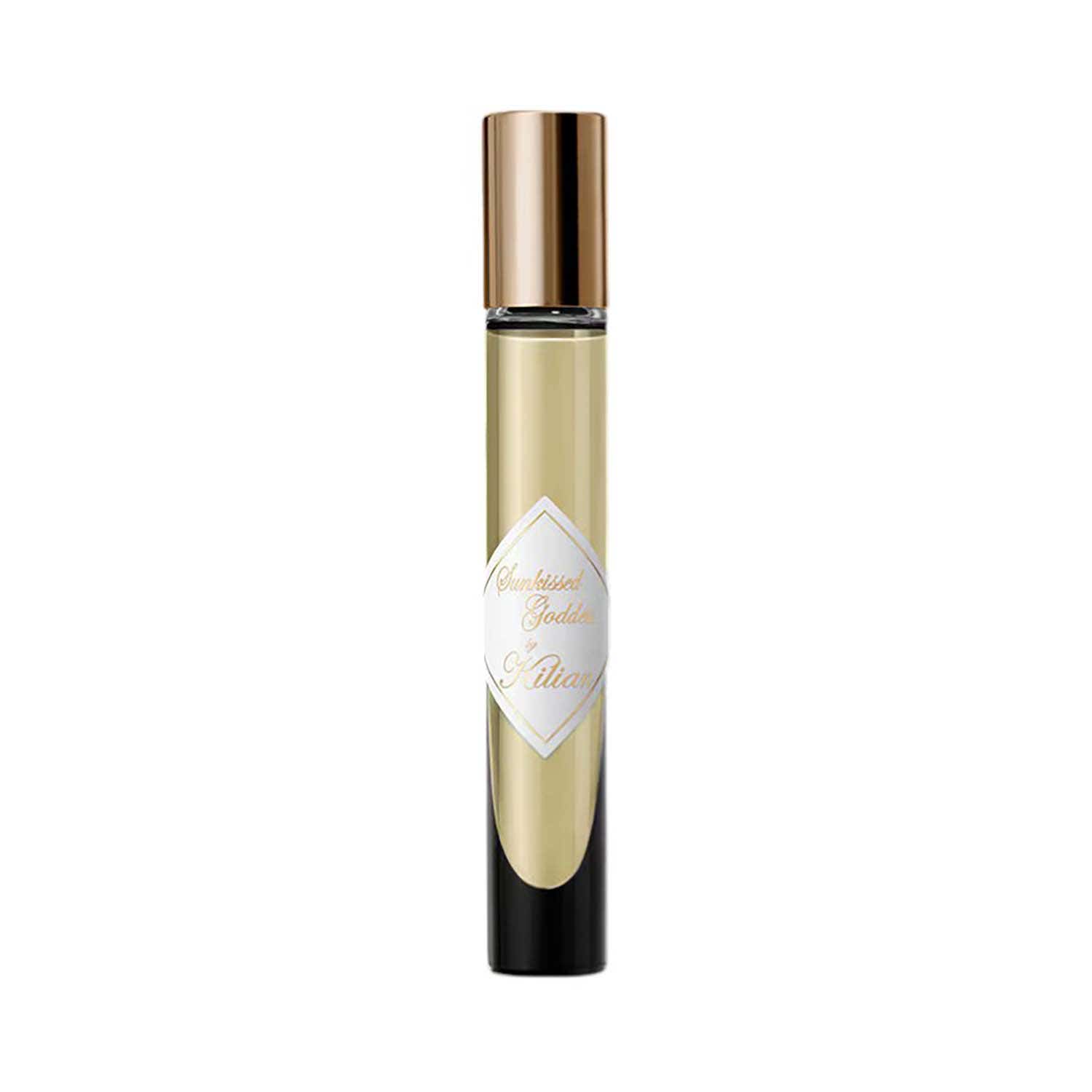
The minutes immediately after a shower are the best time to apply fragrance. Warm skin helps scent cling better, while any remaining moisture gives it something to hold on to. For longer wear, start with a lightly scented body lotion or body oil, follow with a mist, and finish with perfume on your pulse points. Layering helps fragrance last longer throughout the day.
One thing to keep in mind during monsoon: a little goes a long way. Fragrance tends to project more in warm, humid air, so you may need fewer sprays than usual. Start with less than you think you need—you can always add more.



An everything shower starts before the water does. While your hair is still dry, apply a scalp oil, pre-wash treatment or hair serum directly to the roots. For more even coverage, part your hair into sections before working the product in. Twist your hair up, clip it away, and let the treatment sit for 20 to 30 minutes while you get on with the rest of your evening.
This step is especially useful during monsoon, when humidity can leave the scalp feeling greasy much sooner than usual. It may seem counterintuitive, but an oily scalp isn't a reason to skip pre-wash treatments. Look for lightweight formulas with ingredients like rosemary, bhringraj or peptides that nourish the scalp without leaving behind residue. Heavier oils can be difficult to rinse out completely and may leave hair feeling weighed down in humid weather.
Now that you're in the shower, start with your first cleanse. Massage an oil cleanser or cleansing balm onto dry skin to break down sunscreen, excess sebum and daily buildup. Add a little water to emulsify, rinse thoroughly, then follow with a gentle gel or foam cleanser.
Double cleansing helps remove residue more effectively than a single wash, leaving skin feeling genuinely clean and better prepared for the rest of your routine.
This is the step most people rush through, which is exactly why it belongs in an everything shower. Use a body scrub and spend a little extra time on areas prone to roughness, like the elbows, knees, neck and backs of the arms. Consistent exfoliation helps remove dead skin cells and keeps skin feeling smoother and looking brighter.
During monsoon, it can also help prevent the buildup that thrives in warm, damp conditions. If you're prone to fungal flare-ups, follow with a body wash formulated with ingredients like tea tree oil or other targeted actives.
As for your face, only exfoliate if it's part of your regular routine. A BHA like salicylic acid works well for congestion, while AHAs such as glycolic or lactic acid help improve texture and dullness. Just don't pair a chemical exfoliant with a physical facial scrub on the same day.
Once your treatment has had time to sit, rinse it out and shampoo as usual. If you've used a generous amount of oil, a second shampoo may help fully cleanse the scalp. Follow with conditioner through the mid-lengths and ends, avoiding the roots to prevent excess buildup.
Before you step out, finish with a cool rinse. It helps smooth the hair cuticle, which can make a noticeable difference to frizz—something every monsoon haircare routine can benefit from.
After exfoliation, your skin is primed to get more out of the products you apply next. Reach for a body wash that targets your specific concern, whether that's body acne, rough texture, dullness or uneven tone.
That said, balance is key. If you've already used a strong exfoliating treatment earlier in your routine, opt for a gentler, more hydrating body wash instead of layering multiple active-heavy products.
Pat your skin dry rather than rubbing it, then apply body lotion while it's still slightly damp. This helps lock in moisture more effectively and leaves skin feeling comfortable for longer.
One of the biggest skincare misconceptions about monsoon is that humid weather automatically means hydrated skin. In reality, your skin barrier still needs support, particularly after cleansing and exfoliating. A lightweight lotion is usually the sweet spot: hydrating enough to do the job without feeling heavy or sticky.
The minutes immediately after a shower are the best time to apply fragrance. Warm skin helps scent cling better, while any remaining moisture gives it something to hold on to. For longer wear, start with a lightly scented body lotion or body oil, follow with a mist, and finish with perfume on your pulse points. Layering helps fragrance last longer throughout the day.
One thing to keep in mind during monsoon: a little goes a long way. Fragrance tends to project more in warm, humid air, so you may need fewer sprays than usual. Start with less than you think you need—you can always add more.
An everything shower starts before the water does. While your hair is still dry, apply a scalp oil, pre-wash treatment or hair serum directly to the roots. For more even coverage, part your hair into sections before working the product in. Twist your hair up, clip it away, and let the treatment sit for 20 to 30 minutes while you get on with the rest of your evening.
This step is especially useful during monsoon, when humidity can leave the scalp feeling greasy much sooner than usual. It may seem counterintuitive, but an oily scalp isn't a reason to skip pre-wash treatments. Look for lightweight formulas with ingredients like rosemary, bhringraj or peptides that nourish the scalp without leaving behind residue. Heavier oils can be difficult to rinse out completely and may leave hair feeling weighed down in humid weather.
Now that you're in the shower, start with your first cleanse. Massage an oil cleanser or cleansing balm onto dry skin to break down sunscreen, excess sebum and daily buildup. Add a little water to emulsify, rinse thoroughly, then follow with a gentle gel or foam cleanser.
Double cleansing helps remove residue more effectively than a single wash, leaving skin feeling genuinely clean and better prepared for the rest of your routine.
This is the step most people rush through, which is exactly why it belongs in an everything shower. Use a body scrub and spend a little extra time on areas prone to roughness, like the elbows, knees, neck and backs of the arms. Consistent exfoliation helps remove dead skin cells and keeps skin feeling smoother and looking brighter.
During monsoon, it can also help prevent the buildup that thrives in warm, damp conditions. If you're prone to fungal flare-ups, follow with a body wash formulated with ingredients like tea tree oil or other targeted actives.
As for your face, only exfoliate if it's part of your regular routine. A BHA like salicylic acid works well for congestion, while AHAs such as glycolic or lactic acid help improve texture and dullness. Just don't pair a chemical exfoliant with a physical facial scrub on the same day.
Once your treatment has had time to sit, rinse it out and shampoo as usual. If you've used a generous amount of oil, a second shampoo may help fully cleanse the scalp. Follow with conditioner through the mid-lengths and ends, avoiding the roots to prevent excess buildup.
Before you step out, finish with a cool rinse. It helps smooth the hair cuticle, which can make a noticeable difference to frizz—something every monsoon haircare routine can benefit from.
After exfoliation, your skin is primed to get more out of the products you apply next. Reach for a body wash that targets your specific concern, whether that's body acne, rough texture, dullness or uneven tone.
That said, balance is key. If you've already used a strong exfoliating treatment earlier in your routine, opt for a gentler, more hydrating body wash instead of layering multiple active-heavy products.
Pat your skin dry rather than rubbing it, then apply body lotion while it's still slightly damp. This helps lock in moisture more effectively and leaves skin feeling comfortable for longer.
One of the biggest skincare misconceptions about monsoon is that humid weather automatically means hydrated skin. In reality, your skin barrier still needs support, particularly after cleansing and exfoliating. A lightweight lotion is usually the sweet spot: hydrating enough to do the job without feeling heavy or sticky.
The minutes immediately after a shower are the best time to apply fragrance. Warm skin helps scent cling better, while any remaining moisture gives it something to hold on to. For longer wear, start with a lightly scented body lotion or body oil, follow with a mist, and finish with perfume on your pulse points. Layering helps fragrance last longer throughout the day.
One thing to keep in mind during monsoon: a little goes a long way. Fragrance tends to project more in warm, humid air, so you may need fewer sprays than usual. Start with less than you think you need—you can always add more.


An everything shower starts before the water does. While your hair is still dry, apply a scalp oil, pre-wash treatment or hair serum directly to the roots. For more even coverage, part your hair into sections before working the product in. Twist your hair up, clip it away, and let the treatment sit for 20 to 30 minutes while you get on with the rest of your evening.
This step is especially useful during monsoon, when humidity can leave the scalp feeling greasy much sooner than usual. It may seem counterintuitive, but an oily scalp isn't a reason to skip pre-wash treatments. Look for lightweight formulas with ingredients like rosemary, bhringraj or peptides that nourish the scalp without leaving behind residue. Heavier oils can be difficult to rinse out completely and may leave hair feeling weighed down in humid weather.
Now that you're in the shower, start with your first cleanse. Massage an oil cleanser or cleansing balm onto dry skin to break down sunscreen, excess sebum and daily buildup. Add a little water to emulsify, rinse thoroughly, then follow with a gentle gel or foam cleanser.
Double cleansing helps remove residue more effectively than a single wash, leaving skin feeling genuinely clean and better prepared for the rest of your routine.
This is the step most people rush through, which is exactly why it belongs in an everything shower. Use a body scrub and spend a little extra time on areas prone to roughness, like the elbows, knees, neck and backs of the arms. Consistent exfoliation helps remove dead skin cells and keeps skin feeling smoother and looking brighter.
During monsoon, it can also help prevent the buildup that thrives in warm, damp conditions. If you're prone to fungal flare-ups, follow with a body wash formulated with ingredients like tea tree oil or other targeted actives.
As for your face, only exfoliate if it's part of your regular routine. A BHA like salicylic acid works well for congestion, while AHAs such as glycolic or lactic acid help improve texture and dullness. Just don't pair a chemical exfoliant with a physical facial scrub on the same day.
Once your treatment has had time to sit, rinse it out and shampoo as usual. If you've used a generous amount of oil, a second shampoo may help fully cleanse the scalp. Follow with conditioner through the mid-lengths and ends, avoiding the roots to prevent excess buildup.
Before you step out, finish with a cool rinse. It helps smooth the hair cuticle, which can make a noticeable difference to frizz—something every monsoon haircare routine can benefit from.
After exfoliation, your skin is primed to get more out of the products you apply next. Reach for a body wash that targets your specific concern, whether that's body acne, rough texture, dullness or uneven tone.
That said, balance is key. If you've already used a strong exfoliating treatment earlier in your routine, opt for a gentler, more hydrating body wash instead of layering multiple active-heavy products.
Pat your skin dry rather than rubbing it, then apply body lotion while it's still slightly damp. This helps lock in moisture more effectively and leaves skin feeling comfortable for longer.
One of the biggest skincare misconceptions about monsoon is that humid weather automatically means hydrated skin. In reality, your skin barrier still needs support, particularly after cleansing and exfoliating. A lightweight lotion is usually the sweet spot: hydrating enough to do the job without feeling heavy or sticky.
The minutes immediately after a shower are the best time to apply fragrance. Warm skin helps scent cling better, while any remaining moisture gives it something to hold on to. For longer wear, start with a lightly scented body lotion or body oil, follow with a mist, and finish with perfume on your pulse points. Layering helps fragrance last longer throughout the day.
One thing to keep in mind during monsoon: a little goes a long way. Fragrance tends to project more in warm, humid air, so you may need fewer sprays than usual. Start with less than you think you need—you can always add more.