

Powder Room
6 hair tools celebrity hairstylist Daksh Nidhi always keeps in his kit
Read Now


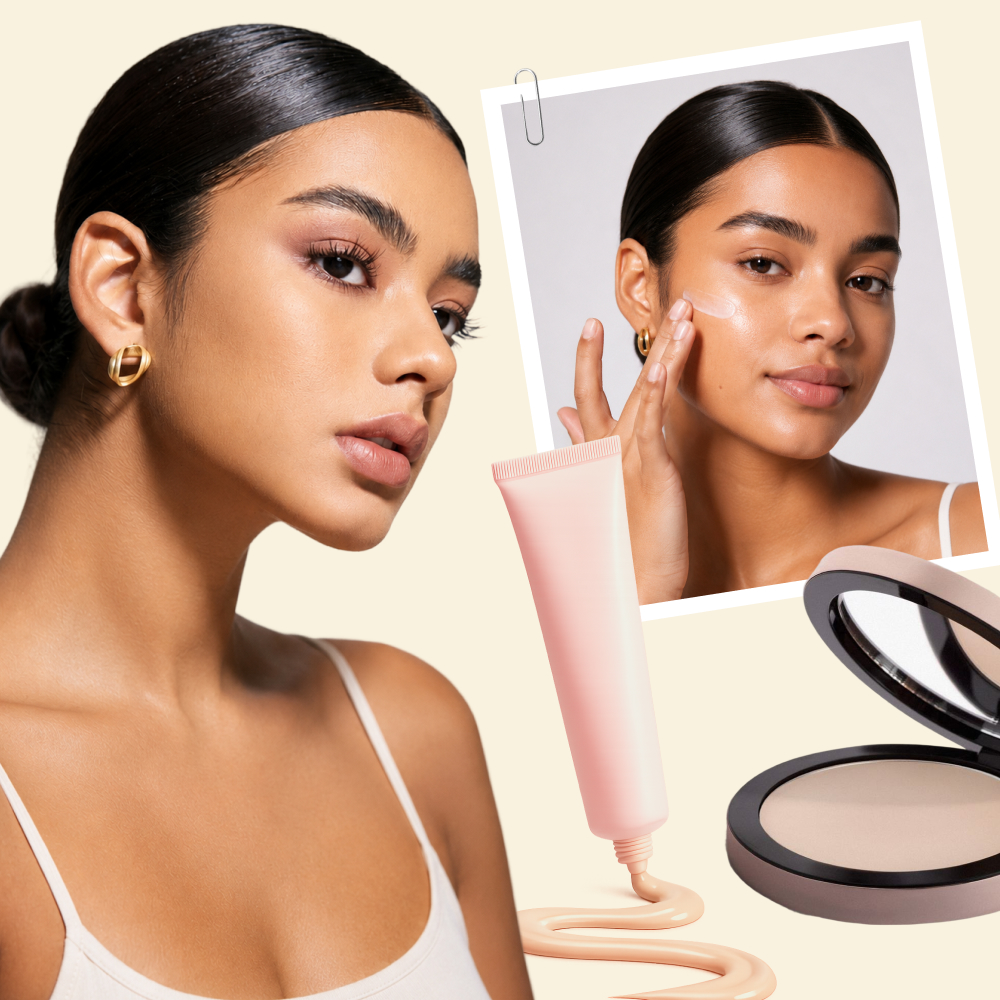

Monsoon has a way of putting every makeup routine to the test. You leave home with a smooth, fresh base, only to find it looking patchy, shiny or disappearing altogether by the time you reach your destination. It’s easy to blame the rain, but the real culprit is the humidity. As moisture in the air mixes with sweat and excess oil, even your most trusted base products can start to separate, crease or slide around.
The good news? A monsoon-proof base isn't about piling on long-wear formulas or making your makeup completely waterproof. According to Riddhima Sharma Khubchandani, makeup expert, it comes down to working with the weather instead of against it. Think lightweight layers, strategic product placement and skin prep that gives your makeup the best possible canvas to hold on to. The mantra is simple: less is more.
Beauty of Joseon Red Bean Water Gel, Lightweight Korean Peptide Moisturizer For Oily Skin (100 ml)
Ahead, we've broken down an expert-backed step-by-step monsoon base routine that helps your makeup stay fresh, comfortable and natural-looking through sticky commutes, surprise showers and everything in between.
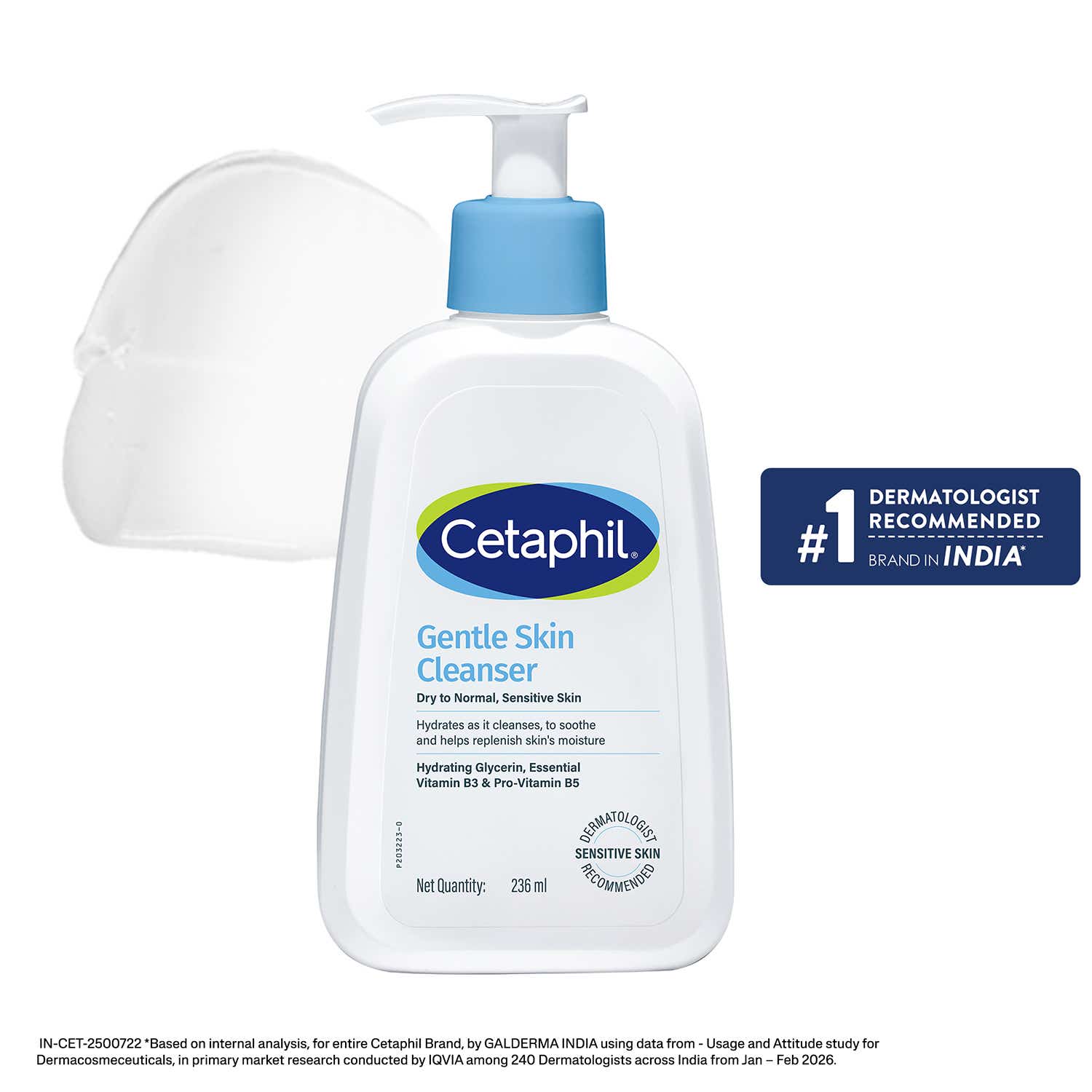
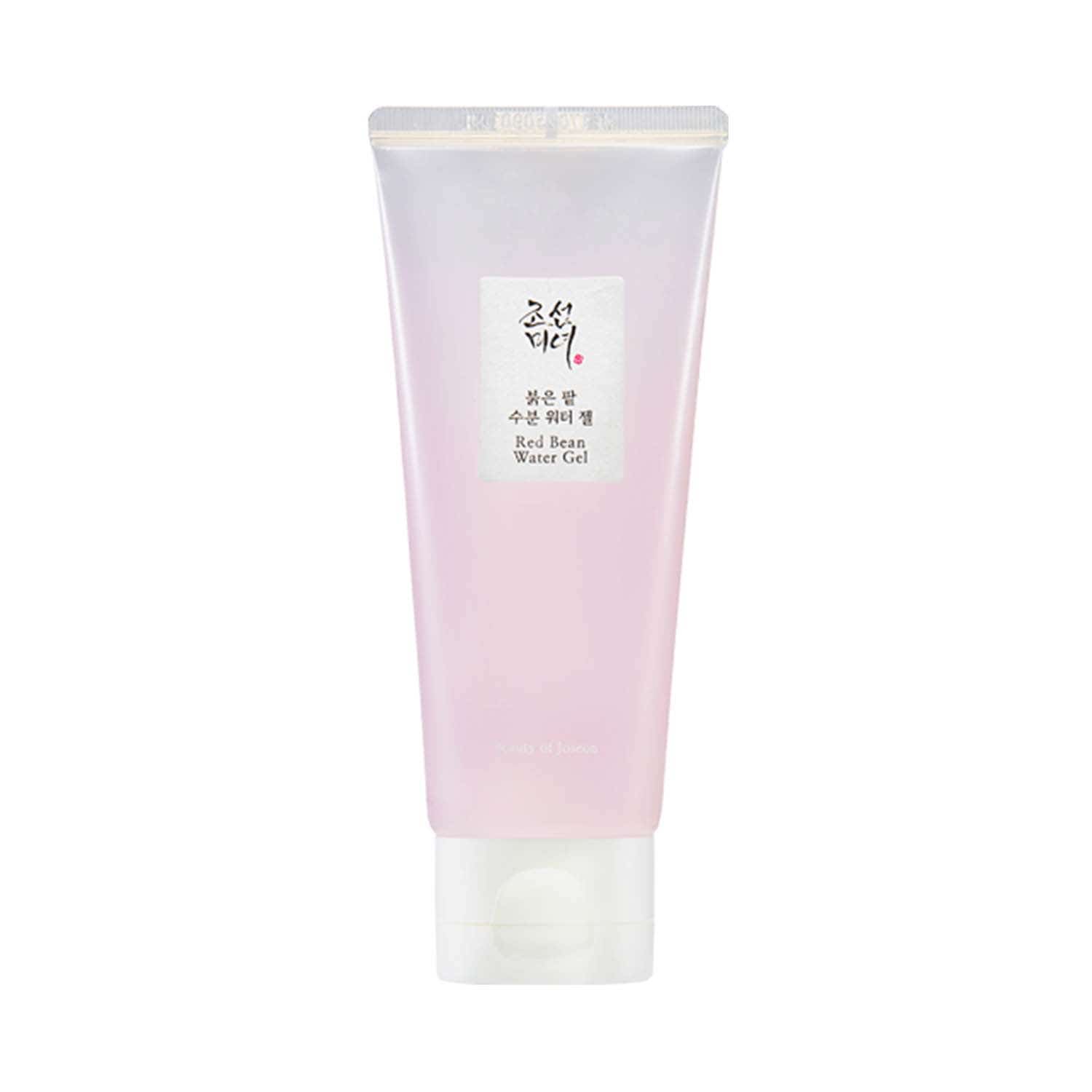

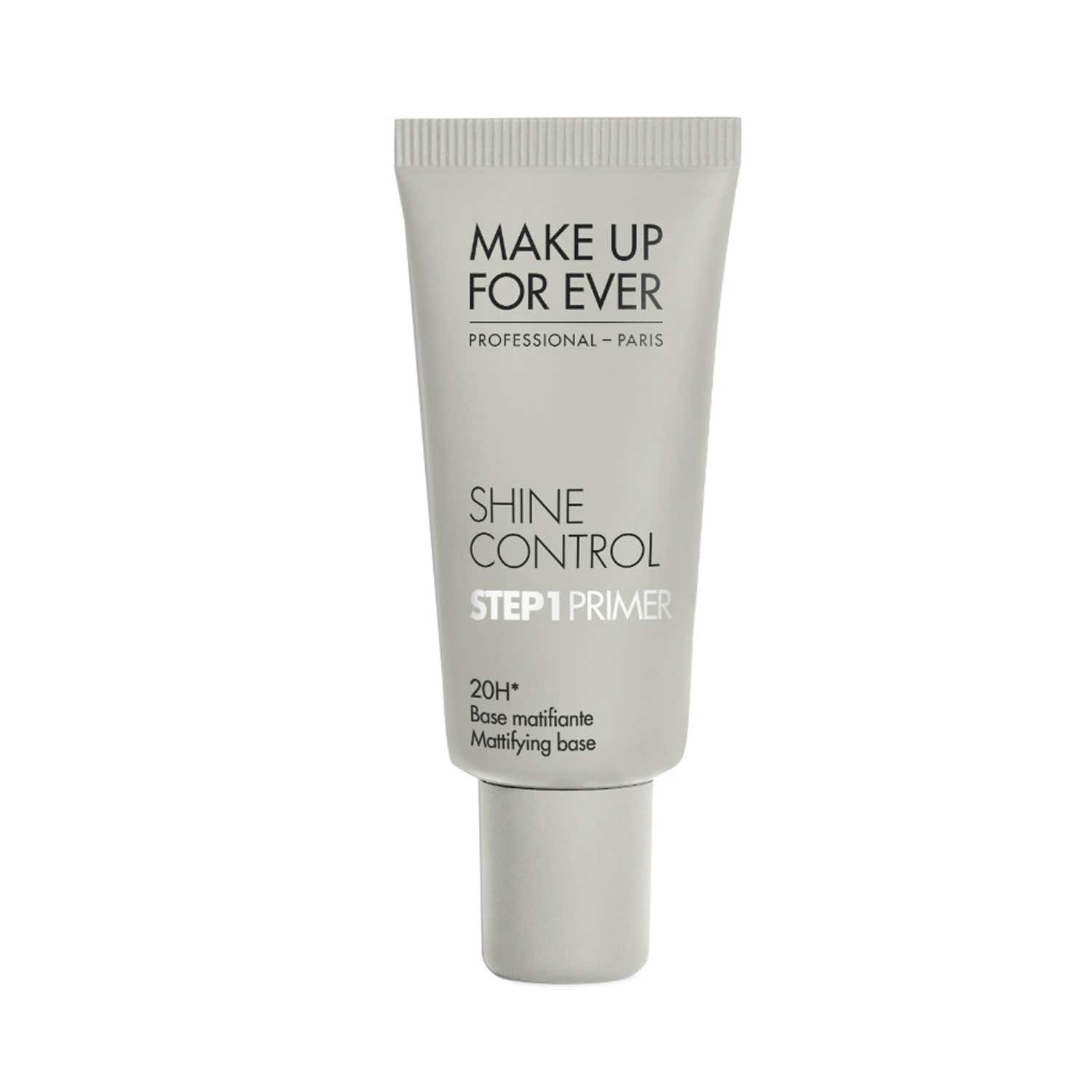
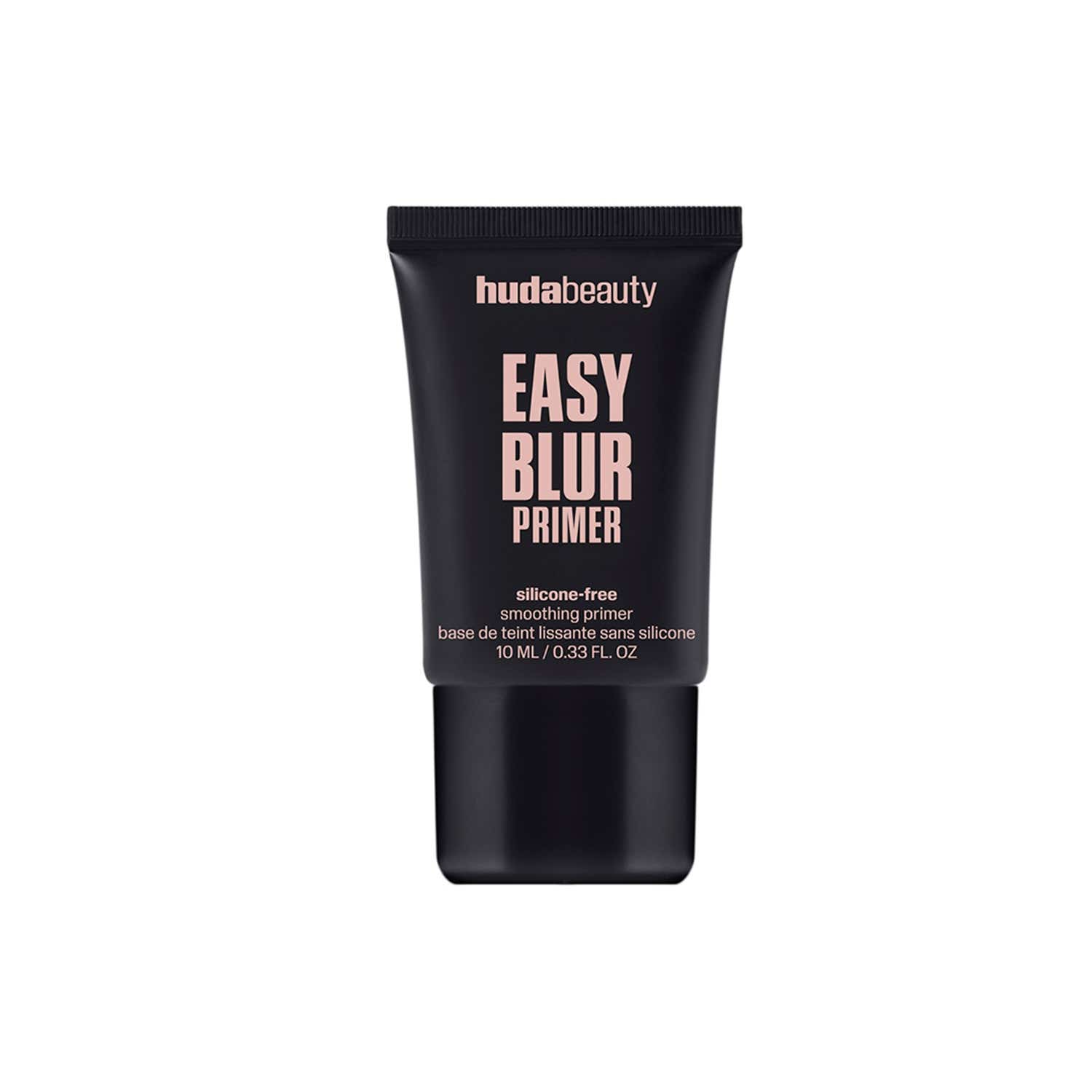
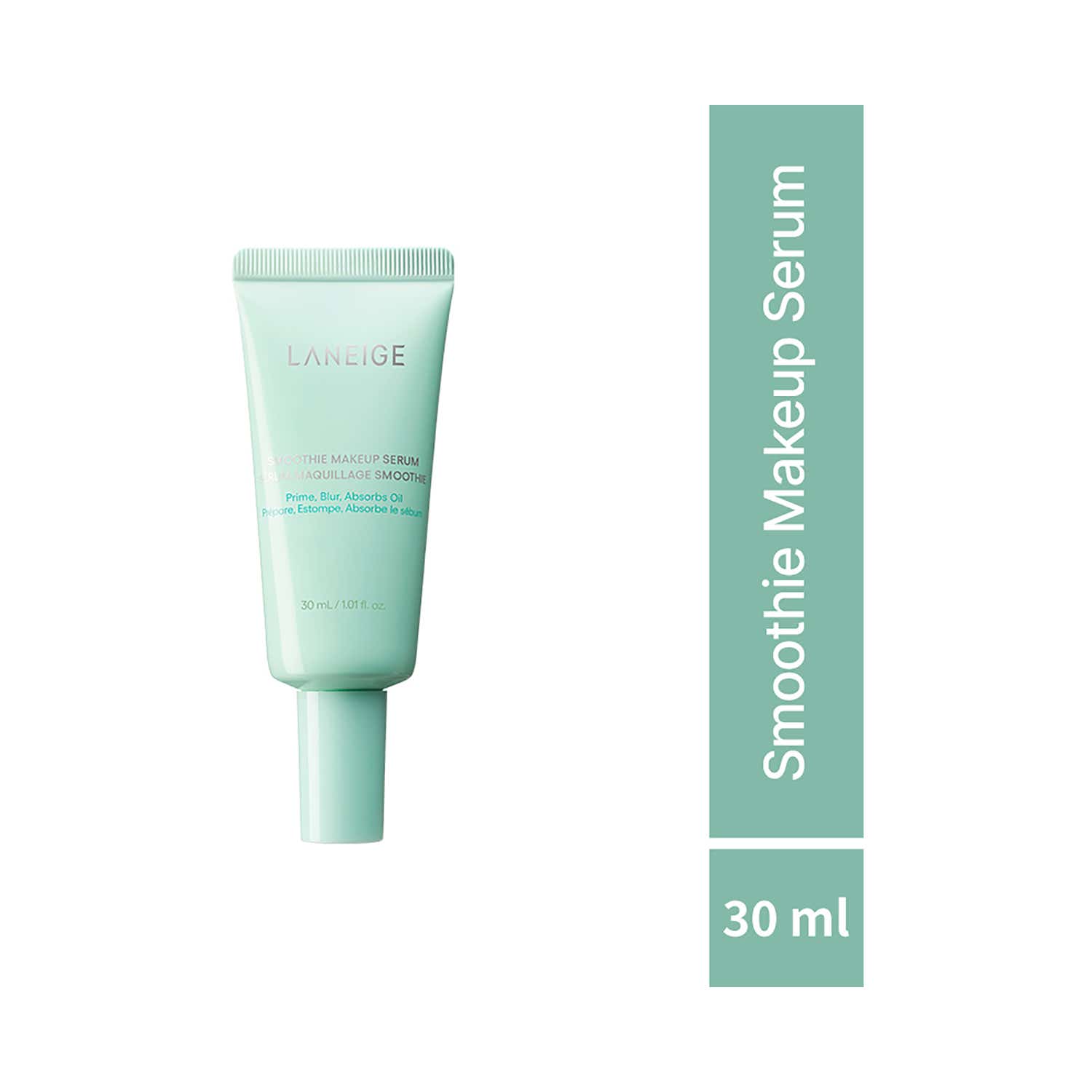

Beauty of Joseon brings its signature Hanbang-inspired approach to this gel moisturiser. Red bean extract, which has been used in Korean skincare tradition for its brightening and pore-refining properties, sits alongside peptides that support skin firmness and hyaluronic acid that offers hydration. The result is a moisturiser that does more than just hydrate. It addresses oiliness, uneven texture and dullness simultaneously, which makes it particularly well-suited to oily and combination skin types. The water-gel texture is light, fast-absorbing and leaves a clean, matte-ish finish that holds up well through humidity.
“It’s the product that makes me look alive when I’m running on four hours of sleep. The coverage is seamless, it blends in seconds and the sponge tip makes it so easy that I can use it in the back of a car. If I didn’t have this, everyone would ask if I’m okay.” - Megha Sharma, Editorial
If your makeup never seems to last through monsoon, don't blame your foundation just yet. A long-wearing base starts with skincare, and skipping this step can affect everything that follows. Begin by cleansing your face thoroughly to remove excess oil and any residue sitting on the skin. Follow with a hydrating mist and a lightweight gel moisturiser that hydrates without feeling heavy.
"Proper skincare directly impacts makeup longevity," says Khubchandani. Rather than rushing straight into makeup, give your skincare five to ten minutes to absorb fully. If you notice any excess product still sitting on the surface, gently blot it away with a soft tissue before you begin your base. A well-prepped canvas gives every product that follows a better chance of staying put.
A primer can make all the difference, but only if you're using the right one. Instead of applying it all over your face out of habit, think about where your skin actually needs the extra support.
If you have oily skin, choose a mattifying primer and pair it with a soft matte foundation rather than an ultra-matte formula. Combination skin benefits from a more targeted approach. Apply primer only on the T-zone or wherever you tend to get oily, then follow with a lightweight, sheer foundation. If your skin is on the drier side, a hydrating primer and a water-based or dewy foundation will help your complexion stay fresh and comfortable throughout the day.
"Your primer and foundation should complement your skin type rather than fight it," says Khubchandani. "Applying primer only where you need it often gives a more natural, longer-lasting result."
This is where many monsoon routines go wrong. It feels logical to apply more foundation in the hope that it'll last longer, but heavier layers are often the first to separate once humidity sets in.
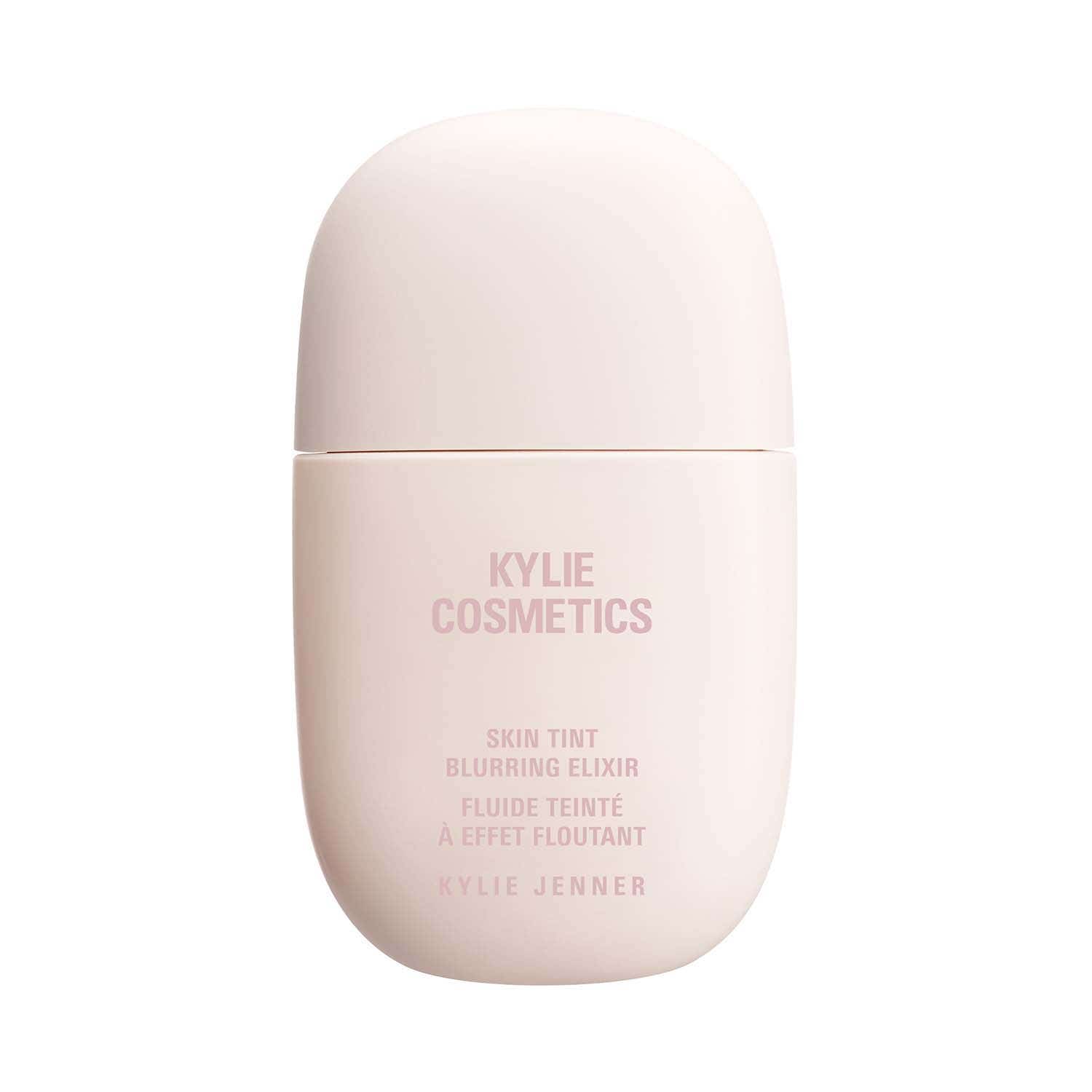
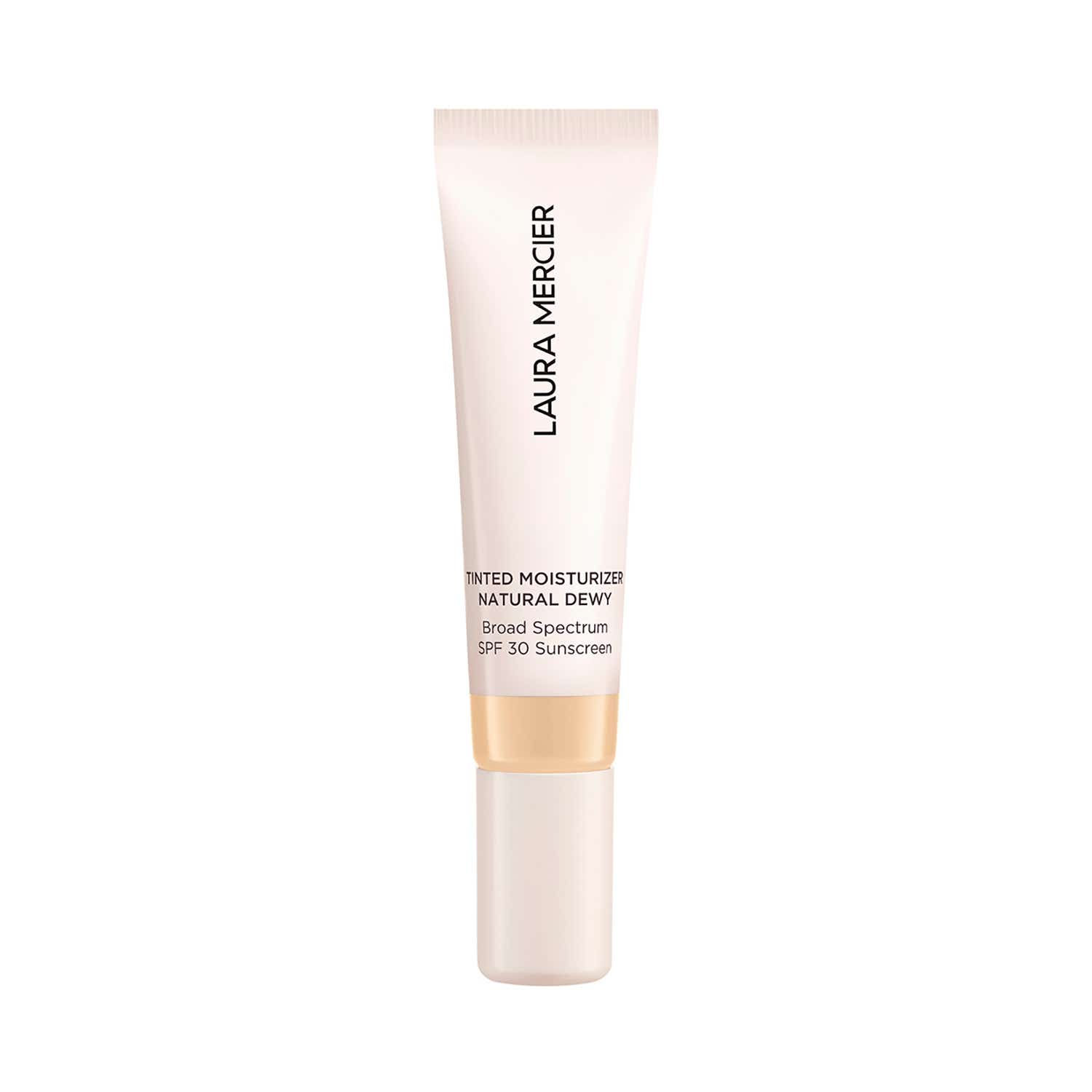
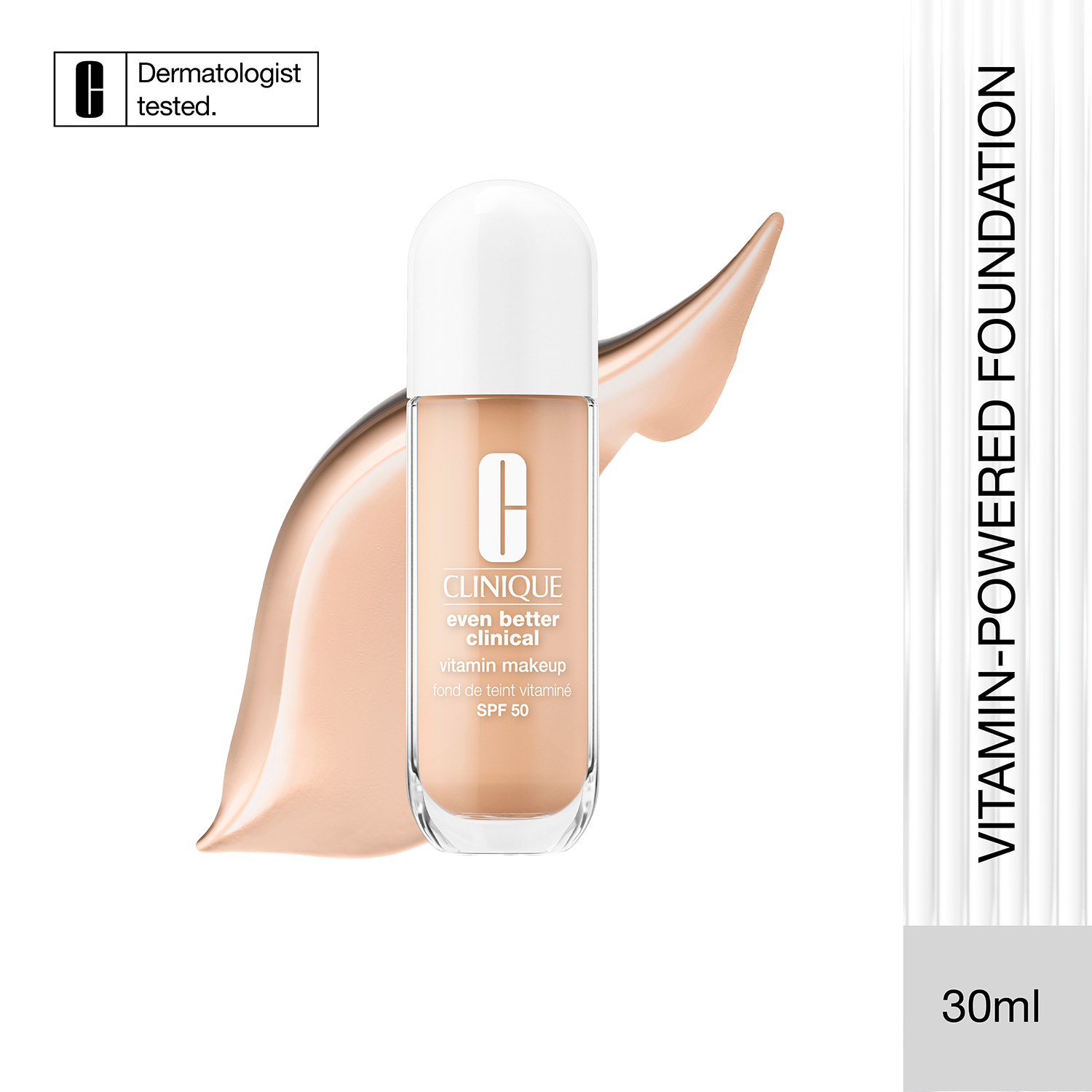
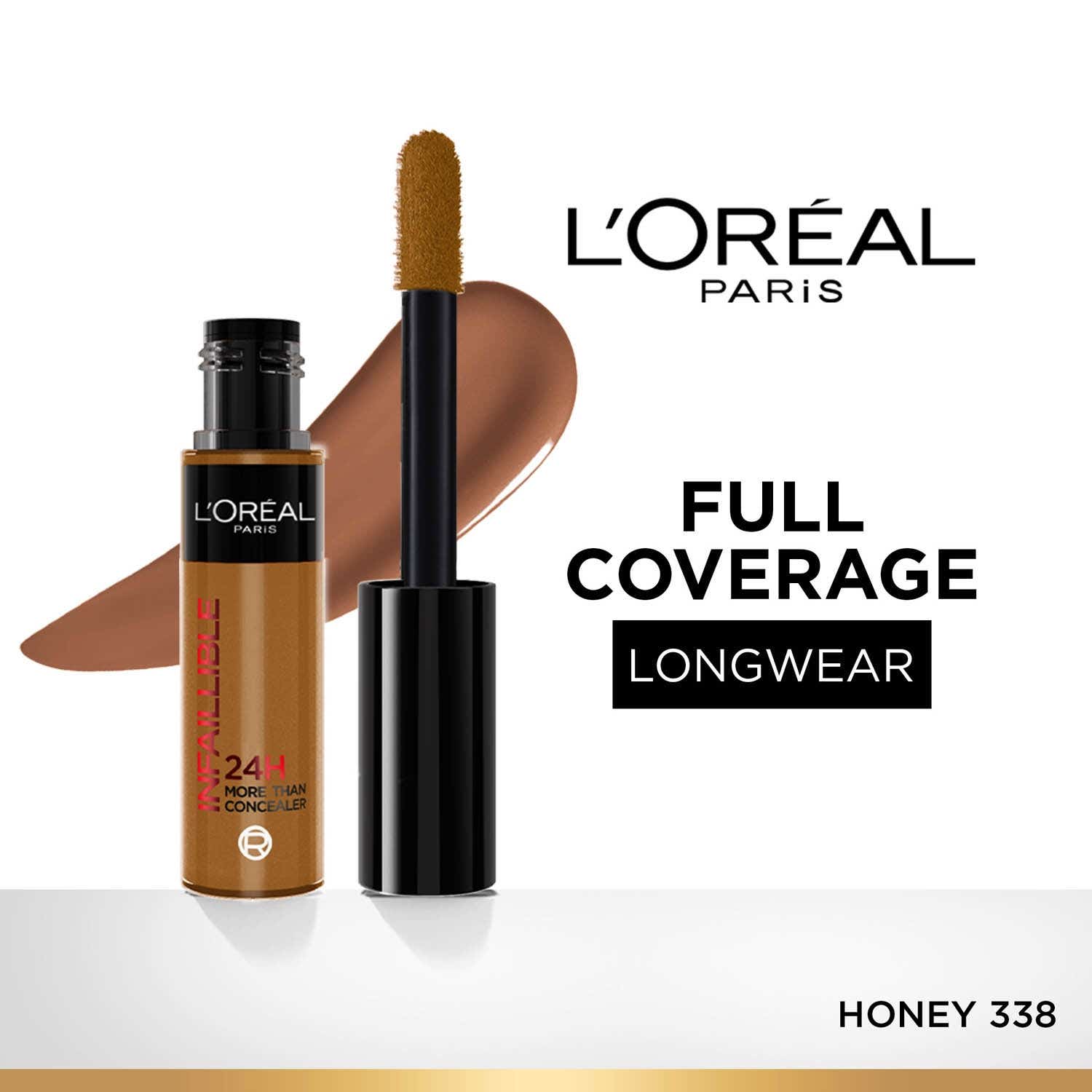
Instead, start with a skin tint, tinted moisturiser or lightweight foundation and build only where it's needed. Correct redness or pigmentation first, then add concealer sparingly over areas that need a little extra coverage. "Avoid applying multiple heavy layers. Use thin, strategic layers instead," says Khubchandani. "Makeup that blends into the skin lasts much longer than makeup sitting on top of it."
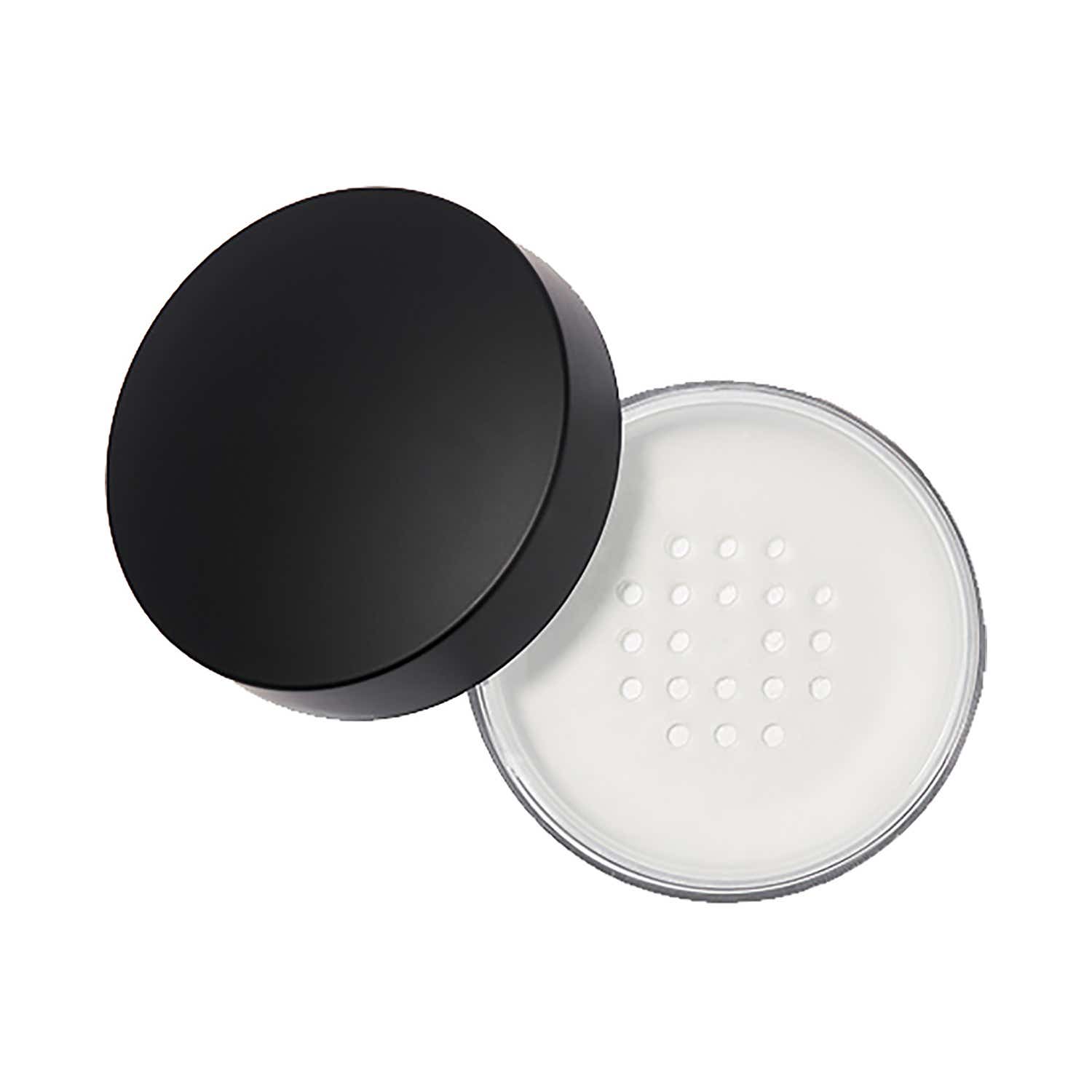
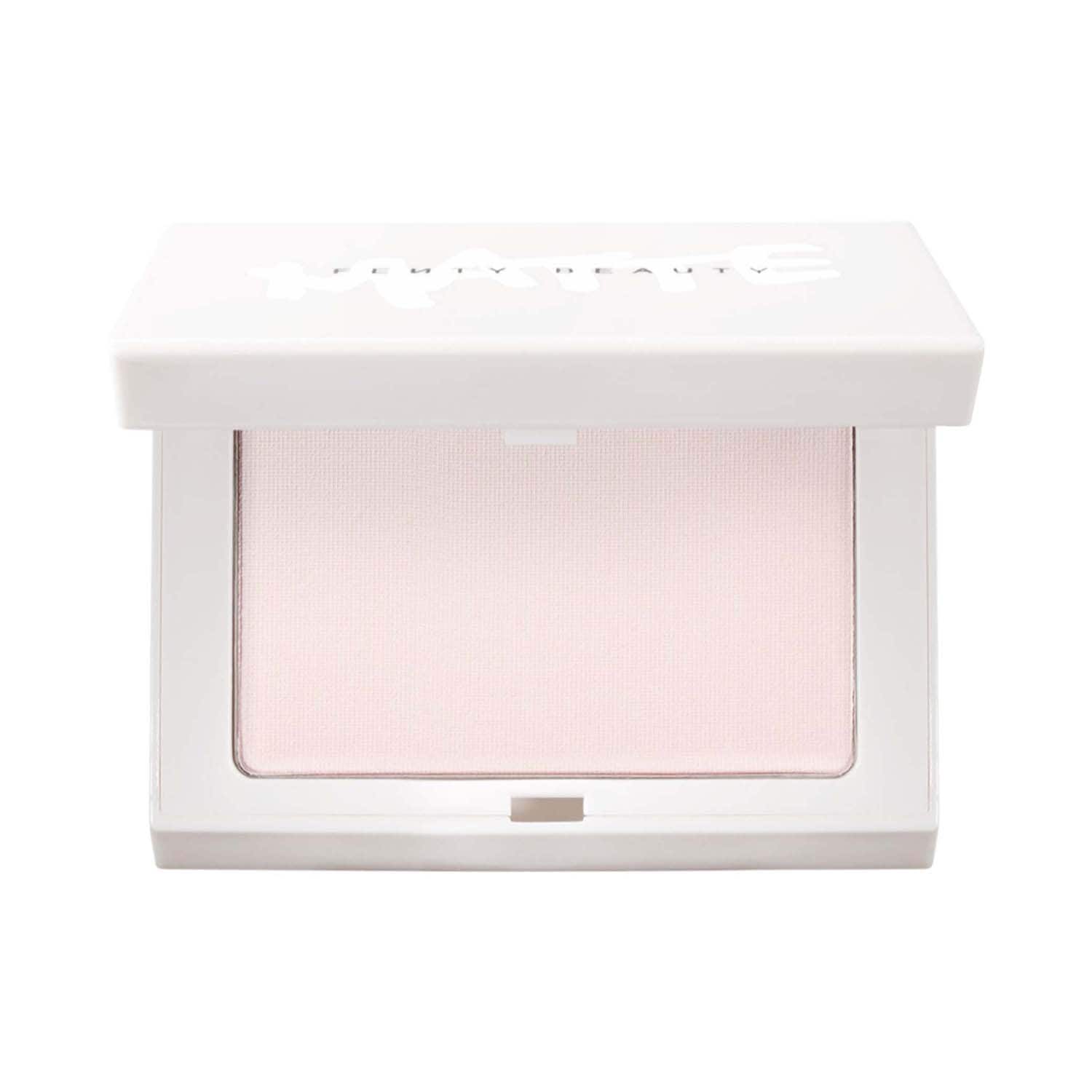
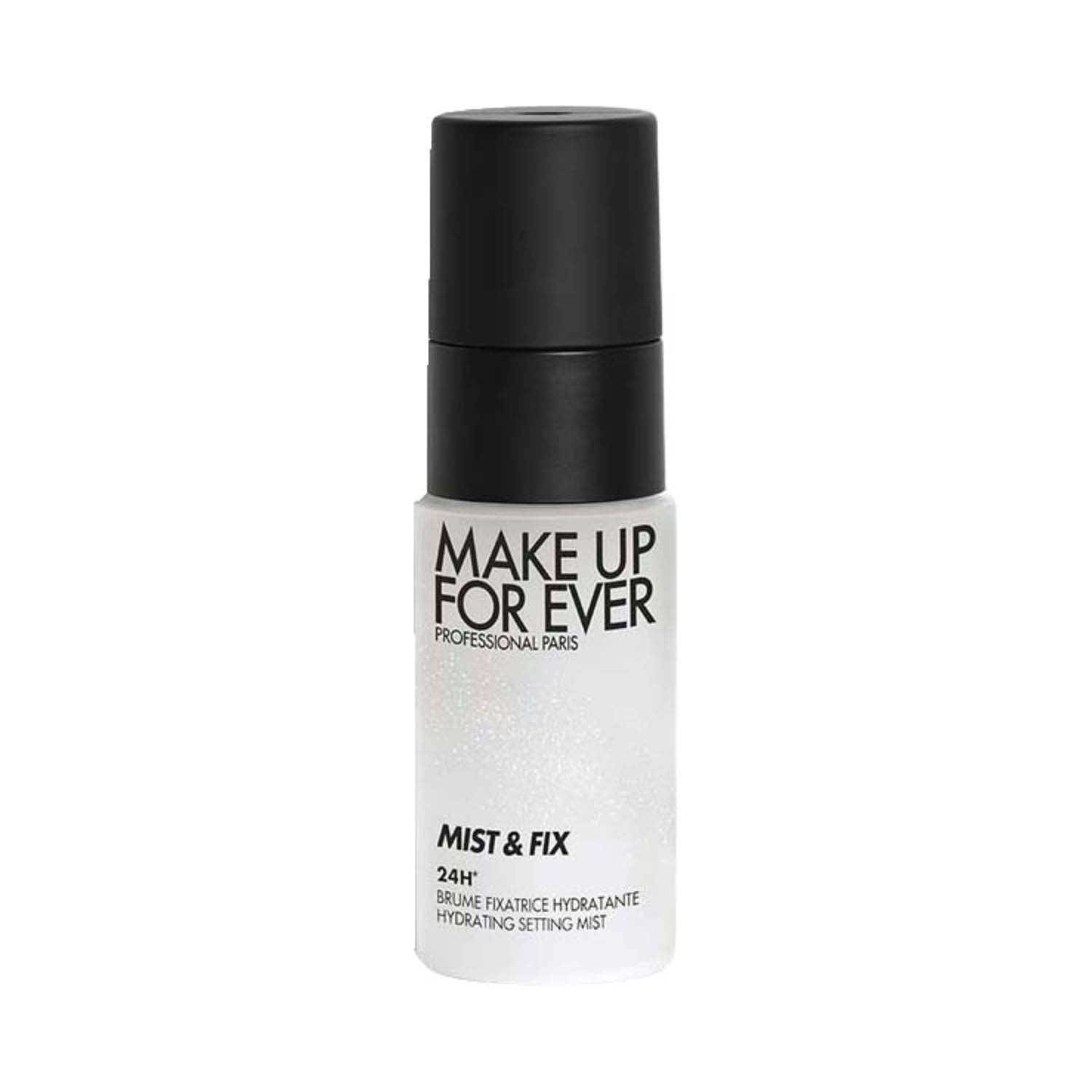
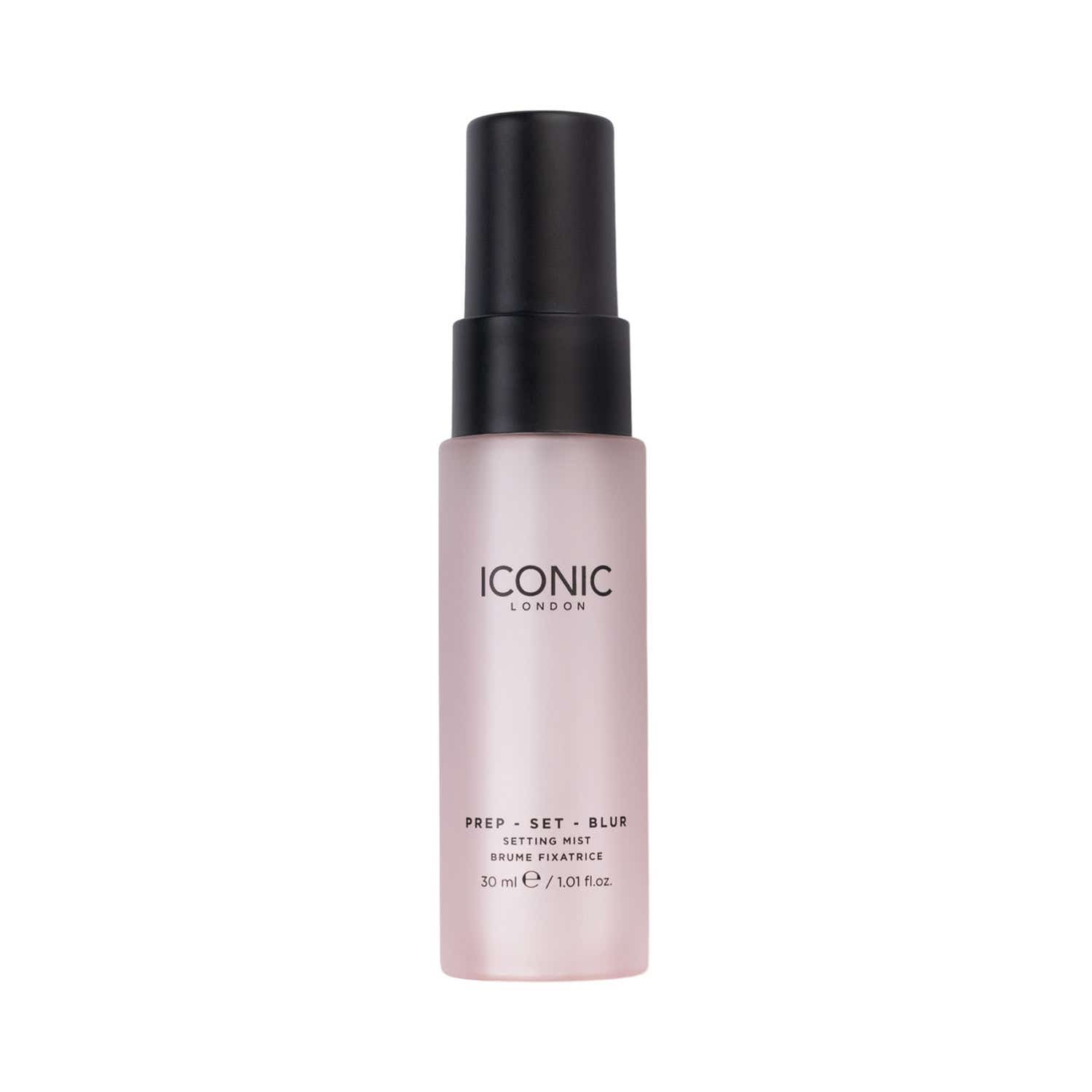
Powder has its place, but using more of it won't necessarily make your makeup last longer. In fact, over-powdering can leave the skin looking dry or textured as the day goes on. Instead, lightly dust translucent setting powder only where makeup naturally tends to crease or get oily, such as under the eyes, around the mouth and across the T-zone.
"Too much powder mixed with humidity can create texture," explains Khubchandani. Once you've lightly set those areas, finish with a hydrating setting spray and allow it to dry completely before moving on.
Once your base is in place, the rest of your makeup should follow the same light-handed approach. Cream blush and bronzer add a fresh, skin-like finish, but they don't need to be built up in multiple layers.
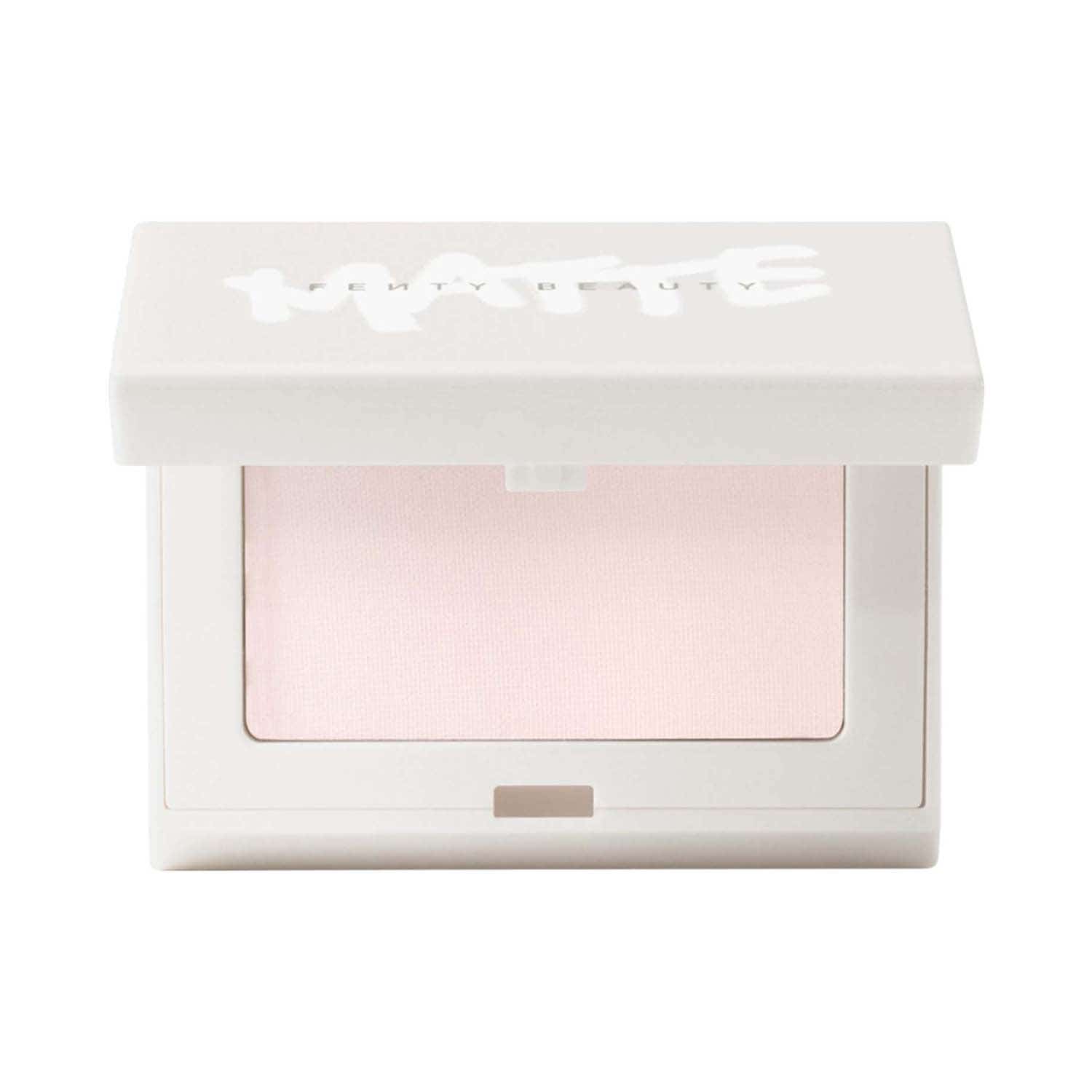
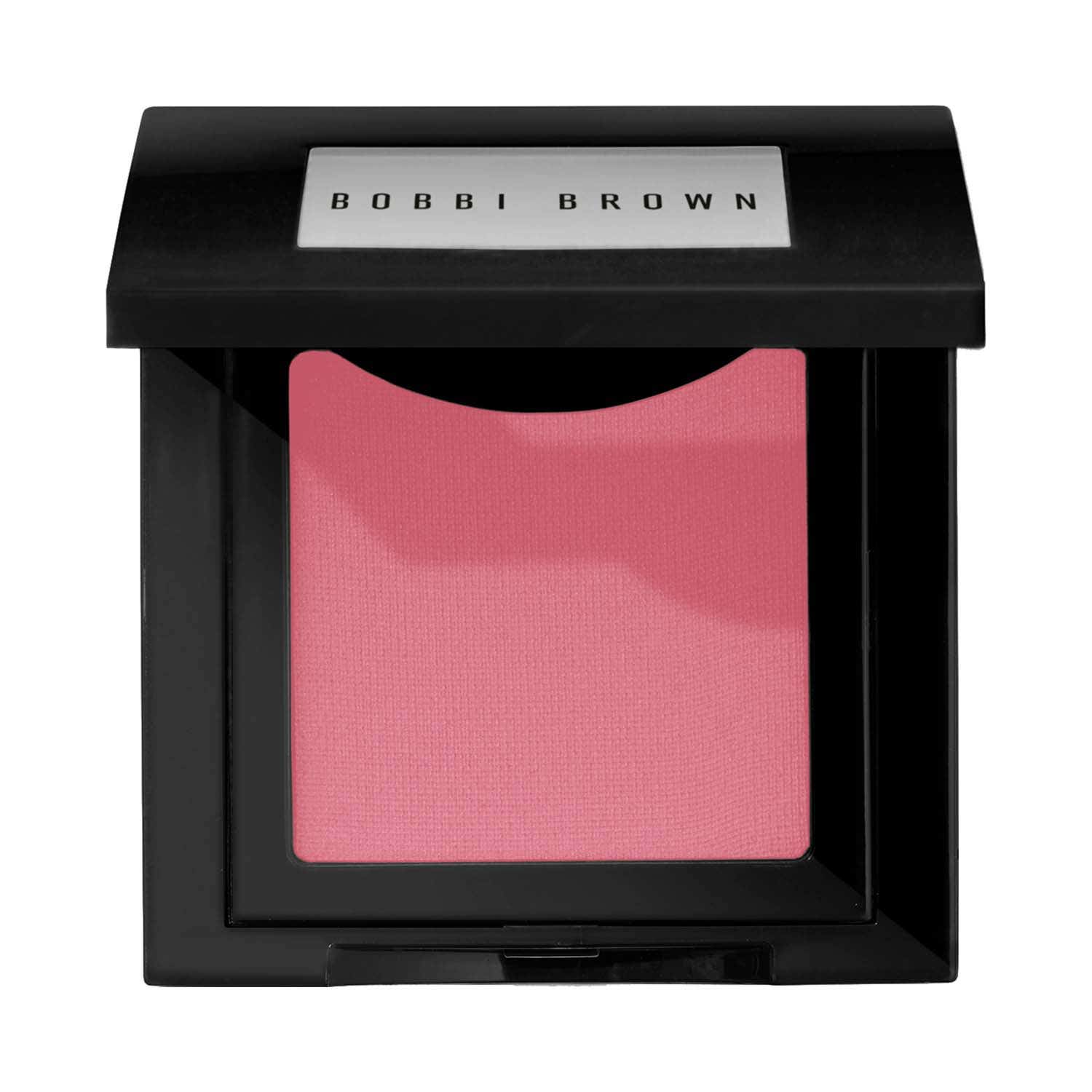
"For cream blush and bronzer, use them sparingly and lightly set them with matching powder products," advises Khubchandani. This helps lock in the colour while keeping it looking natural. During skin prep, swap a heavy lip mask for a lightweight lip balm, then finish with a sheer lipstick, tinted lip balm or another lightweight lip colour that feels comfortable throughout the day.
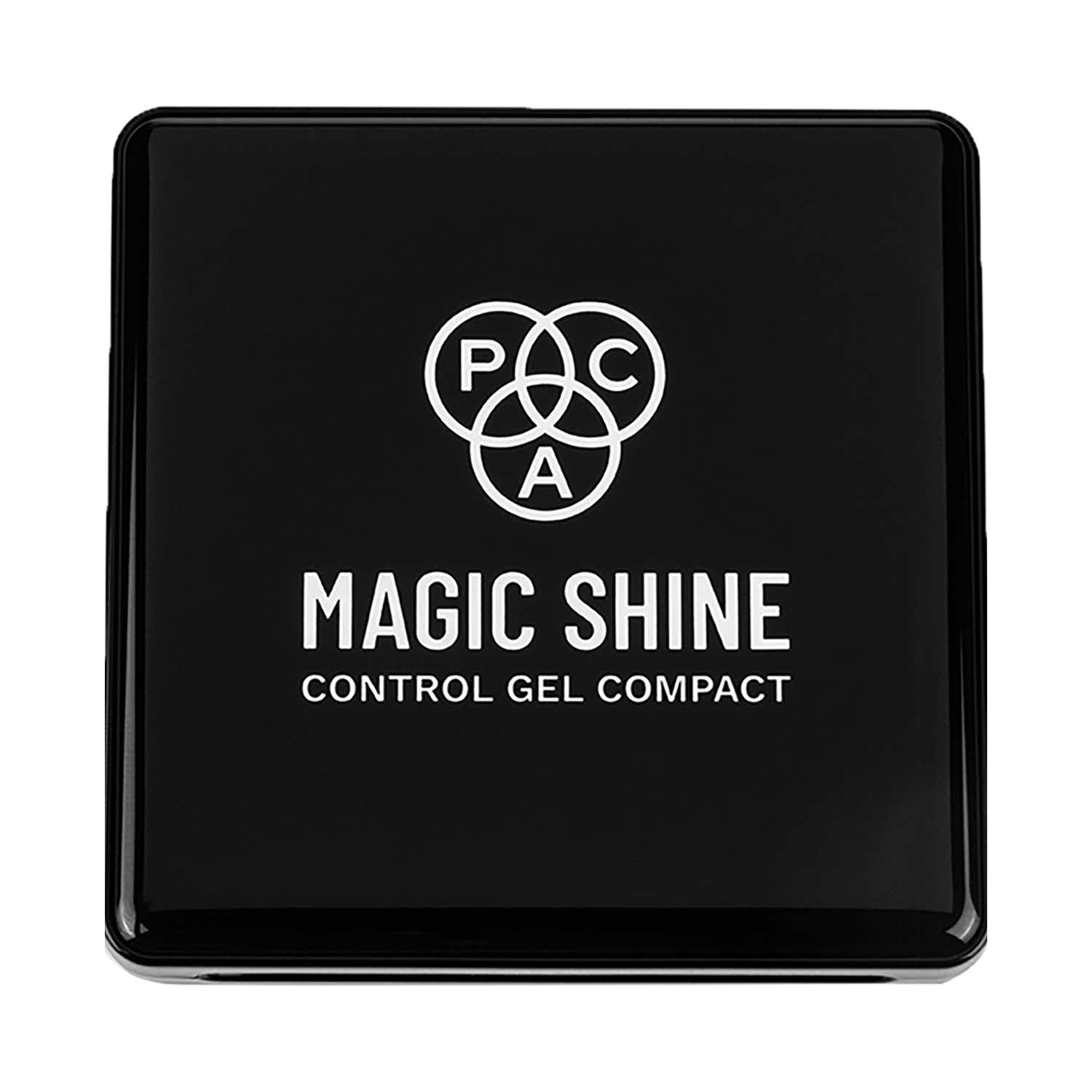
By afternoon, a little shine is almost inevitable. The instinct is to reach straight for pressed powder, but that can often make your base look heavier than it needs to.
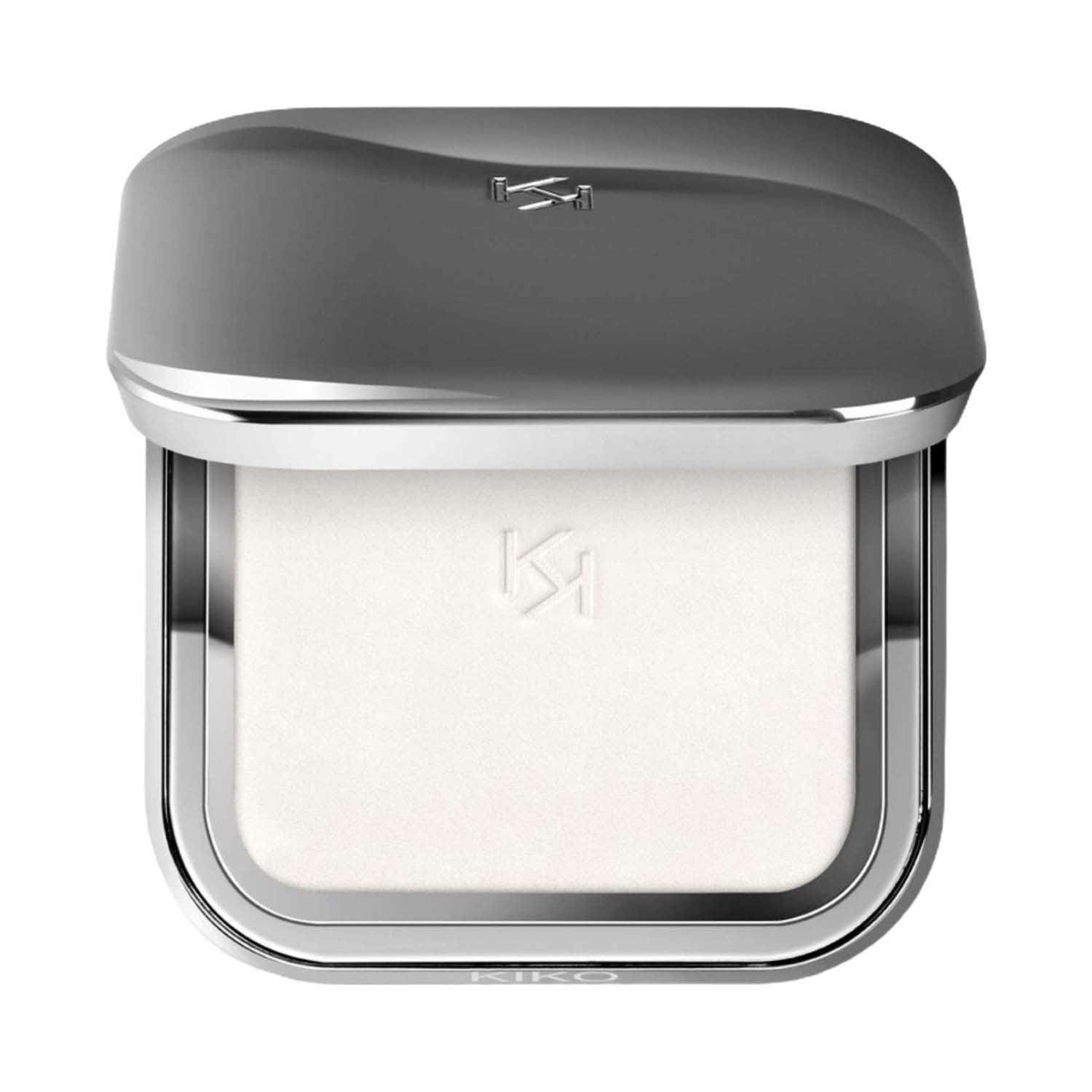
"Never apply powder directly over oily skin," says Khubchandani. "Blot excess oil first using blotting paper or a soft tissue, and only then apply compact or setting powder." If your foundation has shifted slightly, gently pressing the area with a powder puff can help smooth everything back into place without disturbing the rest of your makeup.
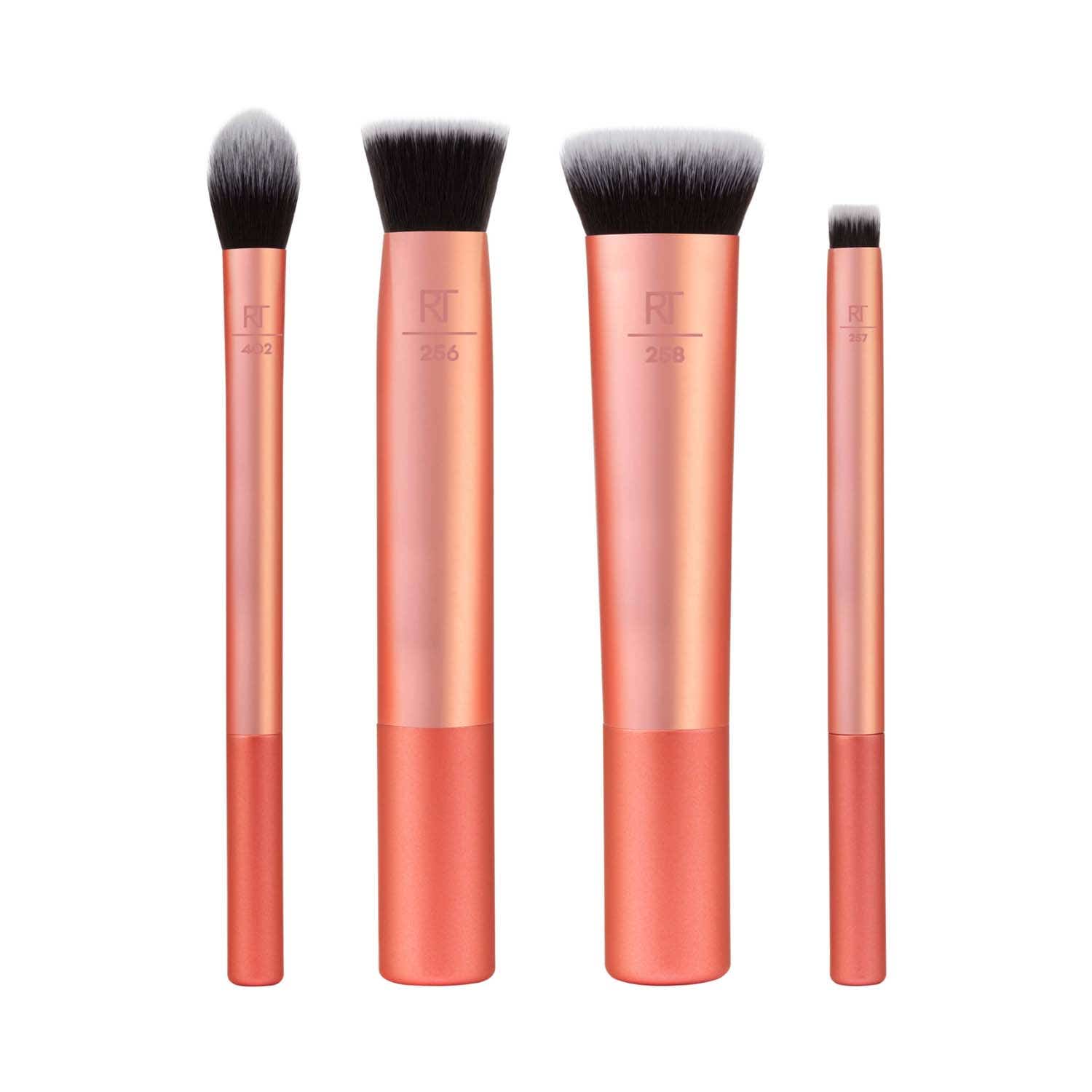
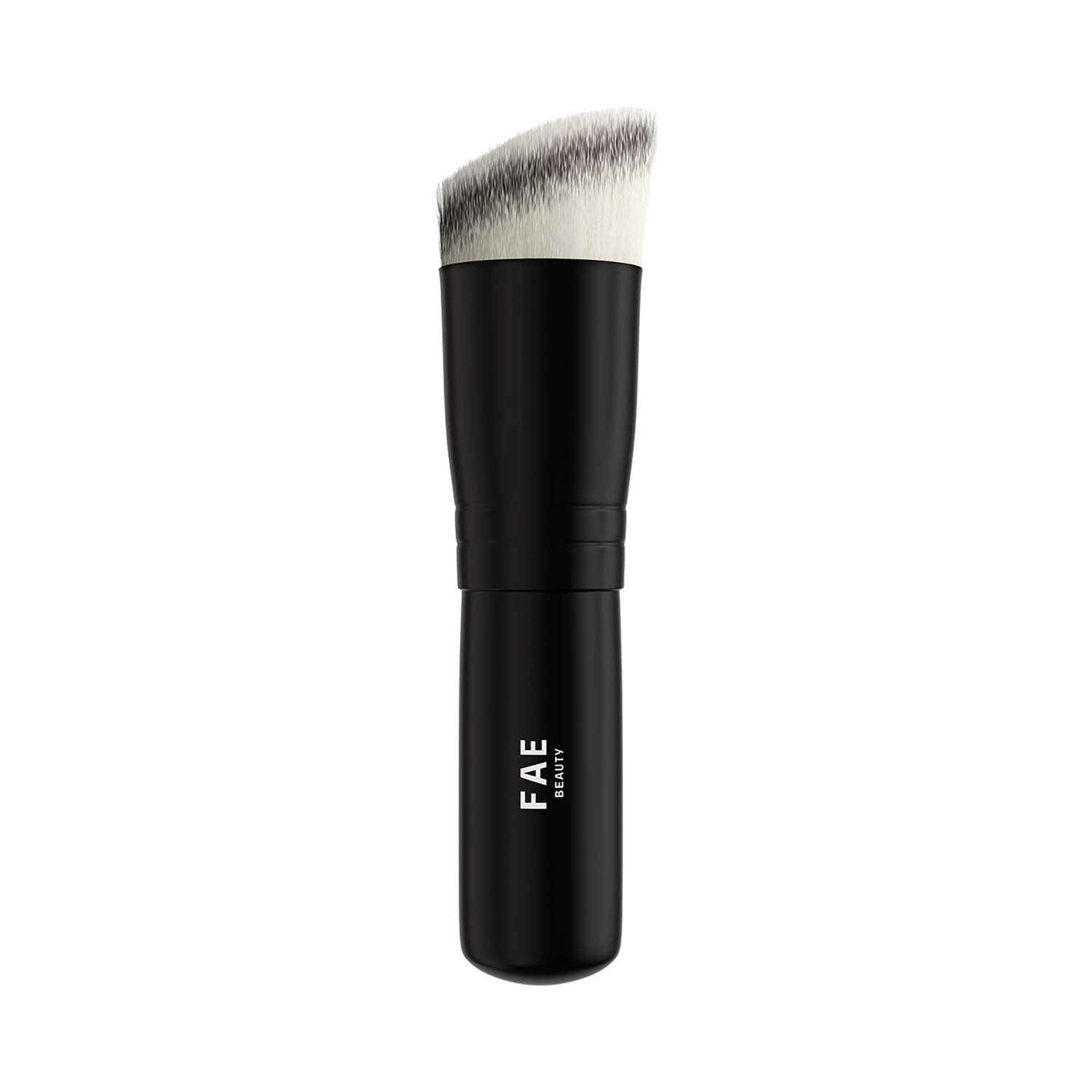
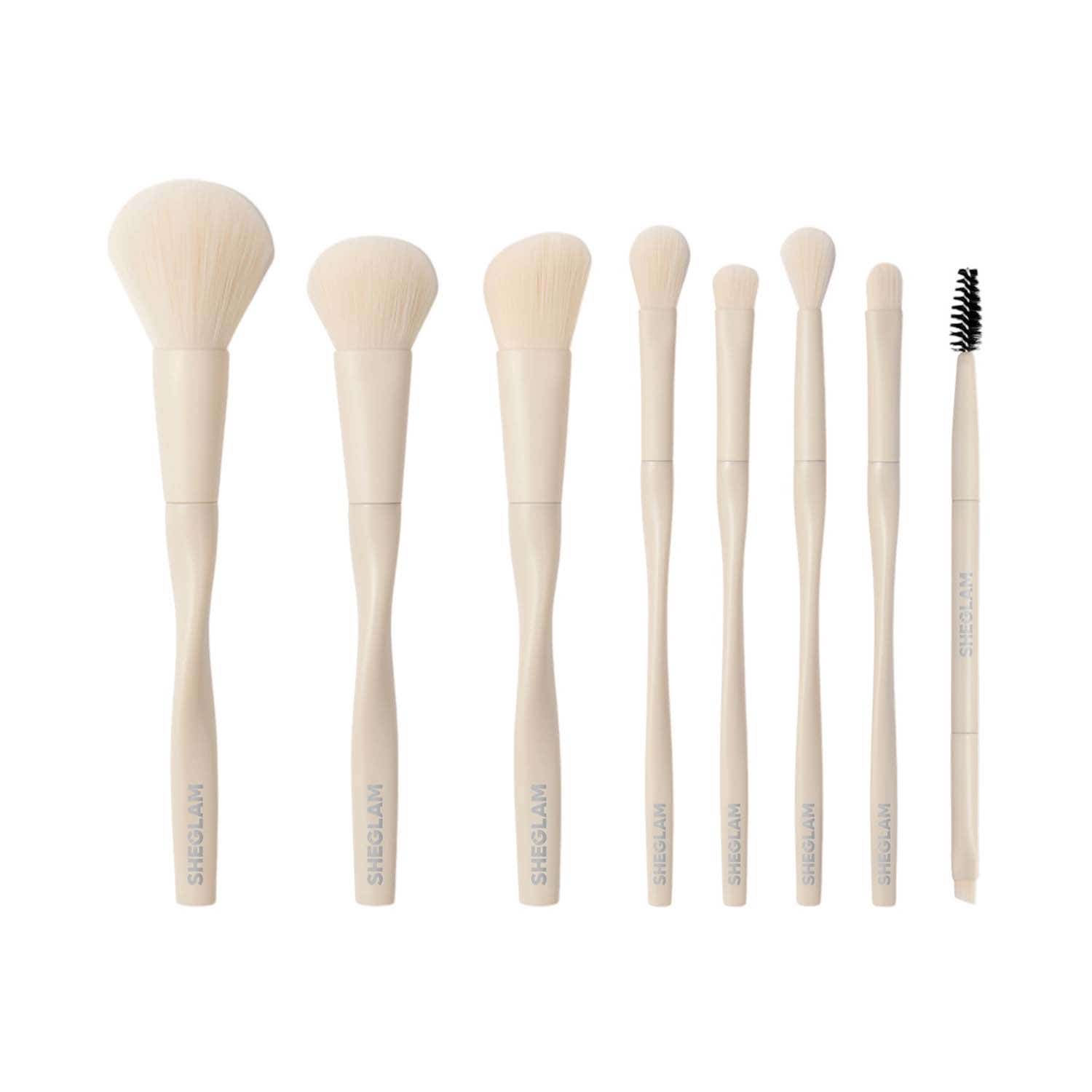
Sometimes it's not the products that need changing but the way you're applying them. The right tools can help create a thinner, more seamless base without any extra effort.
"Your tool should help blend the product into the skin while removing excess product, keeping the base thin and natural," says Khubchandani. She recommends using your fingers, a damp makeup sponge or a buffing brush. Your fingertips, in particular, use your natural body heat to melt cream products into the skin for a more natural finish. Flat brushes, on the other hand, tend to pack on too much product, making the base look heavier than intended.
Even the best base can benefit from a quick refresh after a long commute or an unexpectedly rainy day. Rather than carrying your entire makeup bag, keep a few essentials close at hand: blotting papers or soft tissues, a mini translucent powder or compact, a powder puff and, if you have space, a travel-sized setting spray.
And if you do get caught in the rain, don't panic. "Fewer layers mean less product to separate, crease or become patchy," says Khubchandani. That's exactly why a lighter, more thoughtful routine will almost always outperform a heavier one during monsoon.



If your makeup never seems to last through monsoon, don't blame your foundation just yet. A long-wearing base starts with skincare, and skipping this step can affect everything that follows. Begin by cleansing your face thoroughly to remove excess oil and any residue sitting on the skin. Follow with a hydrating mist and a lightweight gel moisturiser that hydrates without feeling heavy.
"Proper skincare directly impacts makeup longevity," says Khubchandani. Rather than rushing straight into makeup, give your skincare five to ten minutes to absorb fully. If you notice any excess product still sitting on the surface, gently blot it away with a soft tissue before you begin your base. A well-prepped canvas gives every product that follows a better chance of staying put.
A primer can make all the difference, but only if you're using the right one. Instead of applying it all over your face out of habit, think about where your skin actually needs the extra support.
If you have oily skin, choose a mattifying primer and pair it with a soft matte foundation rather than an ultra-matte formula. Combination skin benefits from a more targeted approach. Apply primer only on the T-zone or wherever you tend to get oily, then follow with a lightweight, sheer foundation. If your skin is on the drier side, a hydrating primer and a water-based or dewy foundation will help your complexion stay fresh and comfortable throughout the day.
"Your primer and foundation should complement your skin type rather than fight it," says Khubchandani. "Applying primer only where you need it often gives a more natural, longer-lasting result."
This is where many monsoon routines go wrong. It feels logical to apply more foundation in the hope that it'll last longer, but heavier layers are often the first to separate once humidity sets in.
Instead, start with a skin tint, tinted moisturiser or lightweight foundation and build only where it's needed. Correct redness or pigmentation first, then add concealer sparingly over areas that need a little extra coverage. "Avoid applying multiple heavy layers. Use thin, strategic layers instead," says Khubchandani. "Makeup that blends into the skin lasts much longer than makeup sitting on top of it."
Powder has its place, but using more of it won't necessarily make your makeup last longer. In fact, over-powdering can leave the skin looking dry or textured as the day goes on. Instead, lightly dust translucent setting powder only where makeup naturally tends to crease or get oily, such as under the eyes, around the mouth and across the T-zone.
"Too much powder mixed with humidity can create texture," explains Khubchandani. Once you've lightly set those areas, finish with a hydrating setting spray and allow it to dry completely before moving on.
Once your base is in place, the rest of your makeup should follow the same light-handed approach. Cream blush and bronzer add a fresh, skin-like finish, but they don't need to be built up in multiple layers.
"For cream blush and bronzer, use them sparingly and lightly set them with matching powder products," advises Khubchandani. This helps lock in the colour while keeping it looking natural. During skin prep, swap a heavy lip mask for a lightweight lip balm, then finish with a sheer lipstick, tinted lip balm or another lightweight lip colour that feels comfortable throughout the day.
By afternoon, a little shine is almost inevitable. The instinct is to reach straight for pressed powder, but that can often make your base look heavier than it needs to.
"Never apply powder directly over oily skin," says Khubchandani. "Blot excess oil first using blotting paper or a soft tissue, and only then apply compact or setting powder." If your foundation has shifted slightly, gently pressing the area with a powder puff can help smooth everything back into place without disturbing the rest of your makeup.
Sometimes it's not the products that need changing but the way you're applying them. The right tools can help create a thinner, more seamless base without any extra effort.
"Your tool should help blend the product into the skin while removing excess product, keeping the base thin and natural," says Khubchandani. She recommends using your fingers, a damp makeup sponge or a buffing brush. Your fingertips, in particular, use your natural body heat to melt cream products into the skin for a more natural finish. Flat brushes, on the other hand, tend to pack on too much product, making the base look heavier than intended.
Even the best base can benefit from a quick refresh after a long commute or an unexpectedly rainy day. Rather than carrying your entire makeup bag, keep a few essentials close at hand: blotting papers or soft tissues, a mini translucent powder or compact, a powder puff and, if you have space, a travel-sized setting spray.
And if you do get caught in the rain, don't panic. "Fewer layers mean less product to separate, crease or become patchy," says Khubchandani. That's exactly why a lighter, more thoughtful routine will almost always outperform a heavier one during monsoon.
If your makeup never seems to last through monsoon, don't blame your foundation just yet. A long-wearing base starts with skincare, and skipping this step can affect everything that follows. Begin by cleansing your face thoroughly to remove excess oil and any residue sitting on the skin. Follow with a hydrating mist and a lightweight gel moisturiser that hydrates without feeling heavy.
"Proper skincare directly impacts makeup longevity," says Khubchandani. Rather than rushing straight into makeup, give your skincare five to ten minutes to absorb fully. If you notice any excess product still sitting on the surface, gently blot it away with a soft tissue before you begin your base. A well-prepped canvas gives every product that follows a better chance of staying put.
A primer can make all the difference, but only if you're using the right one. Instead of applying it all over your face out of habit, think about where your skin actually needs the extra support.
If you have oily skin, choose a mattifying primer and pair it with a soft matte foundation rather than an ultra-matte formula. Combination skin benefits from a more targeted approach. Apply primer only on the T-zone or wherever you tend to get oily, then follow with a lightweight, sheer foundation. If your skin is on the drier side, a hydrating primer and a water-based or dewy foundation will help your complexion stay fresh and comfortable throughout the day.
"Your primer and foundation should complement your skin type rather than fight it," says Khubchandani. "Applying primer only where you need it often gives a more natural, longer-lasting result."
This is where many monsoon routines go wrong. It feels logical to apply more foundation in the hope that it'll last longer, but heavier layers are often the first to separate once humidity sets in.
Instead, start with a skin tint, tinted moisturiser or lightweight foundation and build only where it's needed. Correct redness or pigmentation first, then add concealer sparingly over areas that need a little extra coverage. "Avoid applying multiple heavy layers. Use thin, strategic layers instead," says Khubchandani. "Makeup that blends into the skin lasts much longer than makeup sitting on top of it."
Powder has its place, but using more of it won't necessarily make your makeup last longer. In fact, over-powdering can leave the skin looking dry or textured as the day goes on. Instead, lightly dust translucent setting powder only where makeup naturally tends to crease or get oily, such as under the eyes, around the mouth and across the T-zone.
"Too much powder mixed with humidity can create texture," explains Khubchandani. Once you've lightly set those areas, finish with a hydrating setting spray and allow it to dry completely before moving on.
Once your base is in place, the rest of your makeup should follow the same light-handed approach. Cream blush and bronzer add a fresh, skin-like finish, but they don't need to be built up in multiple layers.
"For cream blush and bronzer, use them sparingly and lightly set them with matching powder products," advises Khubchandani. This helps lock in the colour while keeping it looking natural. During skin prep, swap a heavy lip mask for a lightweight lip balm, then finish with a sheer lipstick, tinted lip balm or another lightweight lip colour that feels comfortable throughout the day.
By afternoon, a little shine is almost inevitable. The instinct is to reach straight for pressed powder, but that can often make your base look heavier than it needs to.
"Never apply powder directly over oily skin," says Khubchandani. "Blot excess oil first using blotting paper or a soft tissue, and only then apply compact or setting powder." If your foundation has shifted slightly, gently pressing the area with a powder puff can help smooth everything back into place without disturbing the rest of your makeup.
Sometimes it's not the products that need changing but the way you're applying them. The right tools can help create a thinner, more seamless base without any extra effort.
"Your tool should help blend the product into the skin while removing excess product, keeping the base thin and natural," says Khubchandani. She recommends using your fingers, a damp makeup sponge or a buffing brush. Your fingertips, in particular, use your natural body heat to melt cream products into the skin for a more natural finish. Flat brushes, on the other hand, tend to pack on too much product, making the base look heavier than intended.
Even the best base can benefit from a quick refresh after a long commute or an unexpectedly rainy day. Rather than carrying your entire makeup bag, keep a few essentials close at hand: blotting papers or soft tissues, a mini translucent powder or compact, a powder puff and, if you have space, a travel-sized setting spray.
And if you do get caught in the rain, don't panic. "Fewer layers mean less product to separate, crease or become patchy," says Khubchandani. That's exactly why a lighter, more thoughtful routine will almost always outperform a heavier one during monsoon.


If your makeup never seems to last through monsoon, don't blame your foundation just yet. A long-wearing base starts with skincare, and skipping this step can affect everything that follows. Begin by cleansing your face thoroughly to remove excess oil and any residue sitting on the skin. Follow with a hydrating mist and a lightweight gel moisturiser that hydrates without feeling heavy.
"Proper skincare directly impacts makeup longevity," says Khubchandani. Rather than rushing straight into makeup, give your skincare five to ten minutes to absorb fully. If you notice any excess product still sitting on the surface, gently blot it away with a soft tissue before you begin your base. A well-prepped canvas gives every product that follows a better chance of staying put.
A primer can make all the difference, but only if you're using the right one. Instead of applying it all over your face out of habit, think about where your skin actually needs the extra support.
If you have oily skin, choose a mattifying primer and pair it with a soft matte foundation rather than an ultra-matte formula. Combination skin benefits from a more targeted approach. Apply primer only on the T-zone or wherever you tend to get oily, then follow with a lightweight, sheer foundation. If your skin is on the drier side, a hydrating primer and a water-based or dewy foundation will help your complexion stay fresh and comfortable throughout the day.
"Your primer and foundation should complement your skin type rather than fight it," says Khubchandani. "Applying primer only where you need it often gives a more natural, longer-lasting result."
This is where many monsoon routines go wrong. It feels logical to apply more foundation in the hope that it'll last longer, but heavier layers are often the first to separate once humidity sets in.
Instead, start with a skin tint, tinted moisturiser or lightweight foundation and build only where it's needed. Correct redness or pigmentation first, then add concealer sparingly over areas that need a little extra coverage. "Avoid applying multiple heavy layers. Use thin, strategic layers instead," says Khubchandani. "Makeup that blends into the skin lasts much longer than makeup sitting on top of it."
Powder has its place, but using more of it won't necessarily make your makeup last longer. In fact, over-powdering can leave the skin looking dry or textured as the day goes on. Instead, lightly dust translucent setting powder only where makeup naturally tends to crease or get oily, such as under the eyes, around the mouth and across the T-zone.
"Too much powder mixed with humidity can create texture," explains Khubchandani. Once you've lightly set those areas, finish with a hydrating setting spray and allow it to dry completely before moving on.
Once your base is in place, the rest of your makeup should follow the same light-handed approach. Cream blush and bronzer add a fresh, skin-like finish, but they don't need to be built up in multiple layers.
"For cream blush and bronzer, use them sparingly and lightly set them with matching powder products," advises Khubchandani. This helps lock in the colour while keeping it looking natural. During skin prep, swap a heavy lip mask for a lightweight lip balm, then finish with a sheer lipstick, tinted lip balm or another lightweight lip colour that feels comfortable throughout the day.
By afternoon, a little shine is almost inevitable. The instinct is to reach straight for pressed powder, but that can often make your base look heavier than it needs to.
"Never apply powder directly over oily skin," says Khubchandani. "Blot excess oil first using blotting paper or a soft tissue, and only then apply compact or setting powder." If your foundation has shifted slightly, gently pressing the area with a powder puff can help smooth everything back into place without disturbing the rest of your makeup.
Sometimes it's not the products that need changing but the way you're applying them. The right tools can help create a thinner, more seamless base without any extra effort.
"Your tool should help blend the product into the skin while removing excess product, keeping the base thin and natural," says Khubchandani. She recommends using your fingers, a damp makeup sponge or a buffing brush. Your fingertips, in particular, use your natural body heat to melt cream products into the skin for a more natural finish. Flat brushes, on the other hand, tend to pack on too much product, making the base look heavier than intended.
Even the best base can benefit from a quick refresh after a long commute or an unexpectedly rainy day. Rather than carrying your entire makeup bag, keep a few essentials close at hand: blotting papers or soft tissues, a mini translucent powder or compact, a powder puff and, if you have space, a travel-sized setting spray.
And if you do get caught in the rain, don't panic. "Fewer layers mean less product to separate, crease or become patchy," says Khubchandani. That's exactly why a lighter, more thoughtful routine will almost always outperform a heavier one during monsoon.