Beauty Front Benchers
How to transition your skincare between seasons without overhauling everything
Read Now


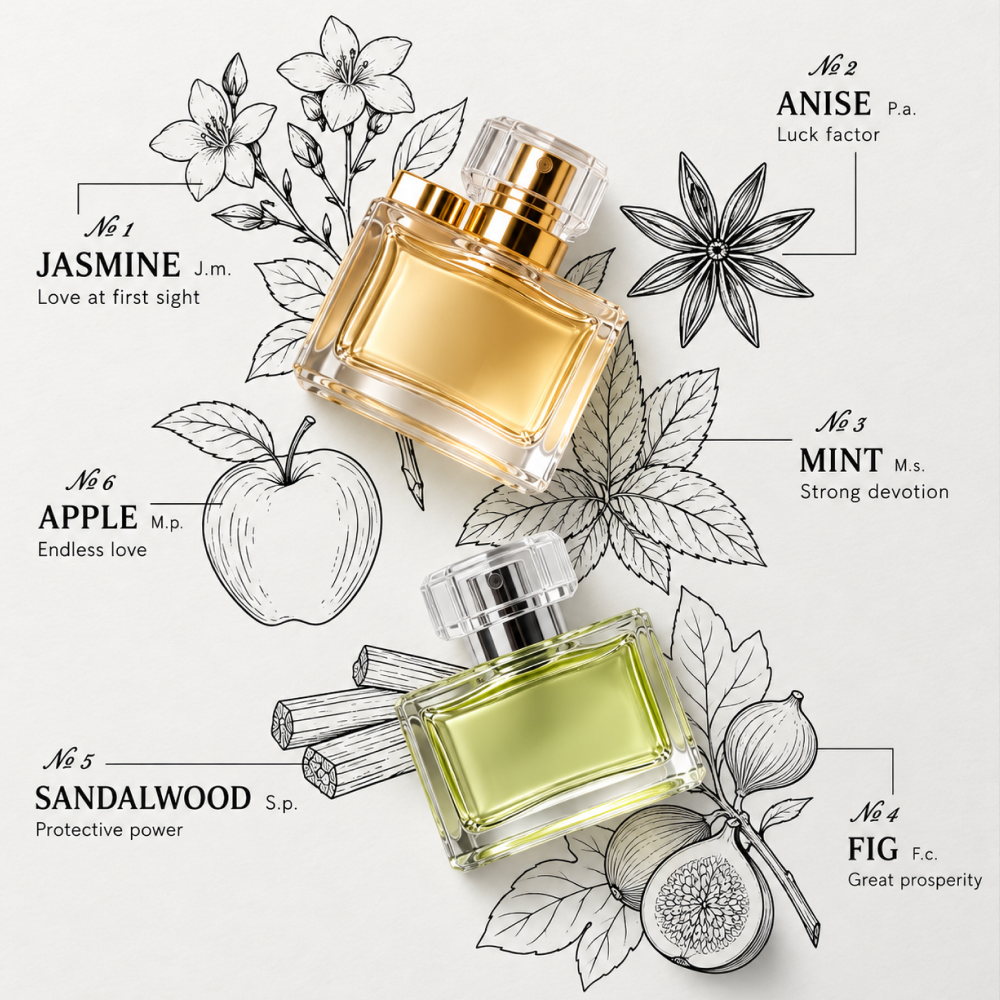

If you’ve been wearing the same perfume for years because shopping for a new one feels too intimidating, I don’t blame you (been there, done that). Choosing a new scent is not for the faint of heart. There are rows upon rows of bottles, jargon that you have no way of deciphering on the spot, and don’t even get me started on the sales assistant who keeps hitting you with questions you have no idea how to answer. The fact is, most of us were never actually taught how fragrance works, so we fake our way through it, buying scents we don’t fully understand. Which is why we’ve curated this crash course on fragrances that I wish someone had handed me years ago.
In this guide, we take you through the different fragrance families, explain how notes and concentrations work, and show you how to test various scents without overwhelming your senses. Ready, class?
Every perfume belongs to a family, and once you figure out yours, things get so much easier when you’re shopping in the perfume aisle. You probably already know about floral and fruity scents, but just in case you don’t, florals tend to smell soft, romantic and sometimes sweet, with notes such as rose, jasmine or tuberose, while fruity fragrances are usually juicy and a little bit sweeter, thanks to notes like berries, peach, pear or mango. Fresh scents are clean and crisp with citrusy or aquatic notes, whereas woody fragrances tend to have a warm and earthy vibe, with notes like sandalwood, cedar or vetiver. There are also the rich and spicy amber fragrances and the deliciously edible gourmands.
But how do you figure out which fragrance family is meant for you? It really comes down to identifying patterns in scents you already adore. If you love the smell of the ocean or fresh citrus, you might like fresh scents. If flowers are your thing, floral scents are an obvious place to start. But don’t feel pressured to pick a lane—most of us aren't loyal to just one fragrance family. You might be a floral-fruity hybrid, or woody on cold days and fresh for the rest of the year.
A fragrance is made up of multiple notes. If all those notes were to hit you at once, it would give yourself and everyone around you a headache. Much like a movie or a book, a fragrance is designed to follow a three-act structure. Top notes are the ones you smell immediately after spraying, and are usually light notes such as citrus, herbs or a few different types of fruits. Since they’re also the quickest to fade, what you smell in those first few minutes isn’t necessarily what your perfume will smell like an hour later. As the top notes fade, the heart notes become more noticeable. These give the fragrance much of its character and often include florals, spices or richer fruits. And finally, the last to enter the stage are the base notes. Deep scents such as woods, musk, amber and vanilla tend to linger on your skin for a long time, sometimes even until the morning after.
What does this tell you? You don’t need to commit to a perfume after a quick trial at the store. It’s perfectly okay—in fact, it’s advisable to give it some time to show you what else it’s got.
Have you seen those EDP and EDT labels on fragrance bottles? They’re not just fancy French jargon. They tell you roughly how concentrated your fragrance is, which can affect how strong it smells, how long it lasts and how much it costs. Let’s take a closer look at each of the labels.
A great everyday pick, EDT scents typically have around 5–15% fragrance concentration. They’re easy to wear and layer, but are also the first to fade, so you might have to carry them on you if you’re going to be out all day.
EDPs are a step up in concentration, usually at 10-20%. They’re known to last a good deal longer, giving you more bang for your buck.
If you want something that’ll have your back all day without reapplication, this might be the one for you. With a concentration that can go up to 40%, a parfum will generally last you through the day.
There are a few unspoken rules for perfume shopping. First and foremost, don’t rely on the paper strips alone. The scent will react differently with your skin, so it’s important that you test it out on yourself as well. When you spray on the perfume, avoid rubbing your wrists together to ensure that the notes remain intact. Second, don’t overwhelm your nose by trying out too many scents in one go. Pick three based on the fragrance families that resonate with you, and if you aren’t fancying any, take a break and come back a little bit later for round two. Lastly, don’t buy a new fragrance on the spot, no matter how much you like it. Take at least 40 minutes to an hour to see how the notes unfold with time. You’ll be surprised at how much of a difference it can make.
Every perfume belongs to a family, and once you figure out yours, things get so much easier when you’re shopping in the perfume aisle. You probably already know about floral and fruity scents, but just in case you don’t, florals tend to smell soft, romantic and sometimes sweet, with notes such as rose, jasmine or tuberose, while fruity fragrances are usually juicy and a little bit sweeter, thanks to notes like berries, peach, pear or mango. Fresh scents are clean and crisp with citrusy or aquatic notes, whereas woody fragrances tend to have a warm and earthy vibe, with notes like sandalwood, cedar or vetiver. There are also the rich and spicy amber fragrances and the deliciously edible gourmands.
But how do you figure out which fragrance family is meant for you? It really comes down to identifying patterns in scents you already adore. If you love the smell of the ocean or fresh citrus, you might like fresh scents. If flowers are your thing, floral scents are an obvious place to start. But don’t feel pressured to pick a lane—most of us aren't loyal to just one fragrance family. You might be a floral-fruity hybrid, or woody on cold days and fresh for the rest of the year.
A fragrance is made up of multiple notes. If all those notes were to hit you at once, it would give yourself and everyone around you a headache. Much like a movie or a book, a fragrance is designed to follow a three-act structure. Top notes are the ones you smell immediately after spraying, and are usually light notes such as citrus, herbs or a few different types of fruits. Since they’re also the quickest to fade, what you smell in those first few minutes isn’t necessarily what your perfume will smell like an hour later. As the top notes fade, the heart notes become more noticeable. These give the fragrance much of its character and often include florals, spices or richer fruits. And finally, the last to enter the stage are the base notes. Deep scents such as woods, musk, amber and vanilla tend to linger on your skin for a long time, sometimes even until the morning after.
What does this tell you? You don’t need to commit to a perfume after a quick trial at the store. It’s perfectly okay—in fact, it’s advisable to give it some time to show you what else it’s got.
Have you seen those EDP and EDT labels on fragrance bottles? They’re not just fancy French jargon. They tell you roughly how concentrated your fragrance is, which can affect how strong it smells, how long it lasts and how much it costs. Let’s take a closer look at each of the labels.
A great everyday pick, EDT scents typically have around 5–15% fragrance concentration. They’re easy to wear and layer, but are also the first to fade, so you might have to carry them on you if you’re going to be out all day.
EDPs are a step up in concentration, usually at 10-20%. They’re known to last a good deal longer, giving you more bang for your buck.
If you want something that’ll have your back all day without reapplication, this might be the one for you. With a concentration that can go up to 40%, a parfum will generally last you through the day.
There are a few unspoken rules for perfume shopping. First and foremost, don’t rely on the paper strips alone. The scent will react differently with your skin, so it’s important that you test it out on yourself as well. When you spray on the perfume, avoid rubbing your wrists together to ensure that the notes remain intact. Second, don’t overwhelm your nose by trying out too many scents in one go. Pick three based on the fragrance families that resonate with you, and if you aren’t fancying any, take a break and come back a little bit later for round two. Lastly, don’t buy a new fragrance on the spot, no matter how much you like it. Take at least 40 minutes to an hour to see how the notes unfold with time. You’ll be surprised at how much of a difference it can make.


Every perfume belongs to a family, and once you figure out yours, things get so much easier when you’re shopping in the perfume aisle. You probably already know about floral and fruity scents, but just in case you don’t, florals tend to smell soft, romantic and sometimes sweet, with notes such as rose, jasmine or tuberose, while fruity fragrances are usually juicy and a little bit sweeter, thanks to notes like berries, peach, pear or mango. Fresh scents are clean and crisp with citrusy or aquatic notes, whereas woody fragrances tend to have a warm and earthy vibe, with notes like sandalwood, cedar or vetiver. There are also the rich and spicy amber fragrances and the deliciously edible gourmands.
But how do you figure out which fragrance family is meant for you? It really comes down to identifying patterns in scents you already adore. If you love the smell of the ocean or fresh citrus, you might like fresh scents. If flowers are your thing, floral scents are an obvious place to start. But don’t feel pressured to pick a lane—most of us aren't loyal to just one fragrance family. You might be a floral-fruity hybrid, or woody on cold days and fresh for the rest of the year.
A fragrance is made up of multiple notes. If all those notes were to hit you at once, it would give yourself and everyone around you a headache. Much like a movie or a book, a fragrance is designed to follow a three-act structure. Top notes are the ones you smell immediately after spraying, and are usually light notes such as citrus, herbs or a few different types of fruits. Since they’re also the quickest to fade, what you smell in those first few minutes isn’t necessarily what your perfume will smell like an hour later. As the top notes fade, the heart notes become more noticeable. These give the fragrance much of its character and often include florals, spices or richer fruits. And finally, the last to enter the stage are the base notes. Deep scents such as woods, musk, amber and vanilla tend to linger on your skin for a long time, sometimes even until the morning after.
What does this tell you? You don’t need to commit to a perfume after a quick trial at the store. It’s perfectly okay—in fact, it’s advisable to give it some time to show you what else it’s got.
Have you seen those EDP and EDT labels on fragrance bottles? They’re not just fancy French jargon. They tell you roughly how concentrated your fragrance is, which can affect how strong it smells, how long it lasts and how much it costs. Let’s take a closer look at each of the labels.
A great everyday pick, EDT scents typically have around 5–15% fragrance concentration. They’re easy to wear and layer, but are also the first to fade, so you might have to carry them on you if you’re going to be out all day.
EDPs are a step up in concentration, usually at 10-20%. They’re known to last a good deal longer, giving you more bang for your buck.
If you want something that’ll have your back all day without reapplication, this might be the one for you. With a concentration that can go up to 40%, a parfum will generally last you through the day.
There are a few unspoken rules for perfume shopping. First and foremost, don’t rely on the paper strips alone. The scent will react differently with your skin, so it’s important that you test it out on yourself as well. When you spray on the perfume, avoid rubbing your wrists together to ensure that the notes remain intact. Second, don’t overwhelm your nose by trying out too many scents in one go. Pick three based on the fragrance families that resonate with you, and if you aren’t fancying any, take a break and come back a little bit later for round two. Lastly, don’t buy a new fragrance on the spot, no matter how much you like it. Take at least 40 minutes to an hour to see how the notes unfold with time. You’ll be surprised at how much of a difference it can make.
.jpg)