%20scalp.jpg)



Beauty Front Benchers
Cushion foundations are having a moment again—Here’s why
Read Now


.jpg)

For years, haircare has been about the lengths: masks for dry ends, creams for curls, oils for shine and mists for a just-washed finish. 2026 has offered some innovative options, too. Dissolvable sheets and powder-to-liquid shampoos are on the market. Curly hair doesn’t need to be doused in heavy creams or gels anymore; foam formats are available. Some rituals have stayed the same, that childhood champi is not leaving our weekly schedule anytime soon. But among these exciting, grounding practices there has been one shift; beauty shoppers are focusing more on scalp health.
Hair grows from follicles in the scalp, so scalp health plays a key role in determining its growth and appearance. Take stress, for instance: just as it disrupts the body’s natural rhythms, it can also affect the condition of our scalp, resulting in breakage, dryness and thinning of the hair. Many are turning to preventative solutions or treatments, all of which target the ‘root’ cause. While shampoos clean the surface, the sugar or salt granules in scalp scrubs are effective in washing away product residue, leftover oil and pollution. While hair serums are to be used on the lengths to control frizz or add shine and softness, root serums on the other hand, go deep and can target specific concerns.
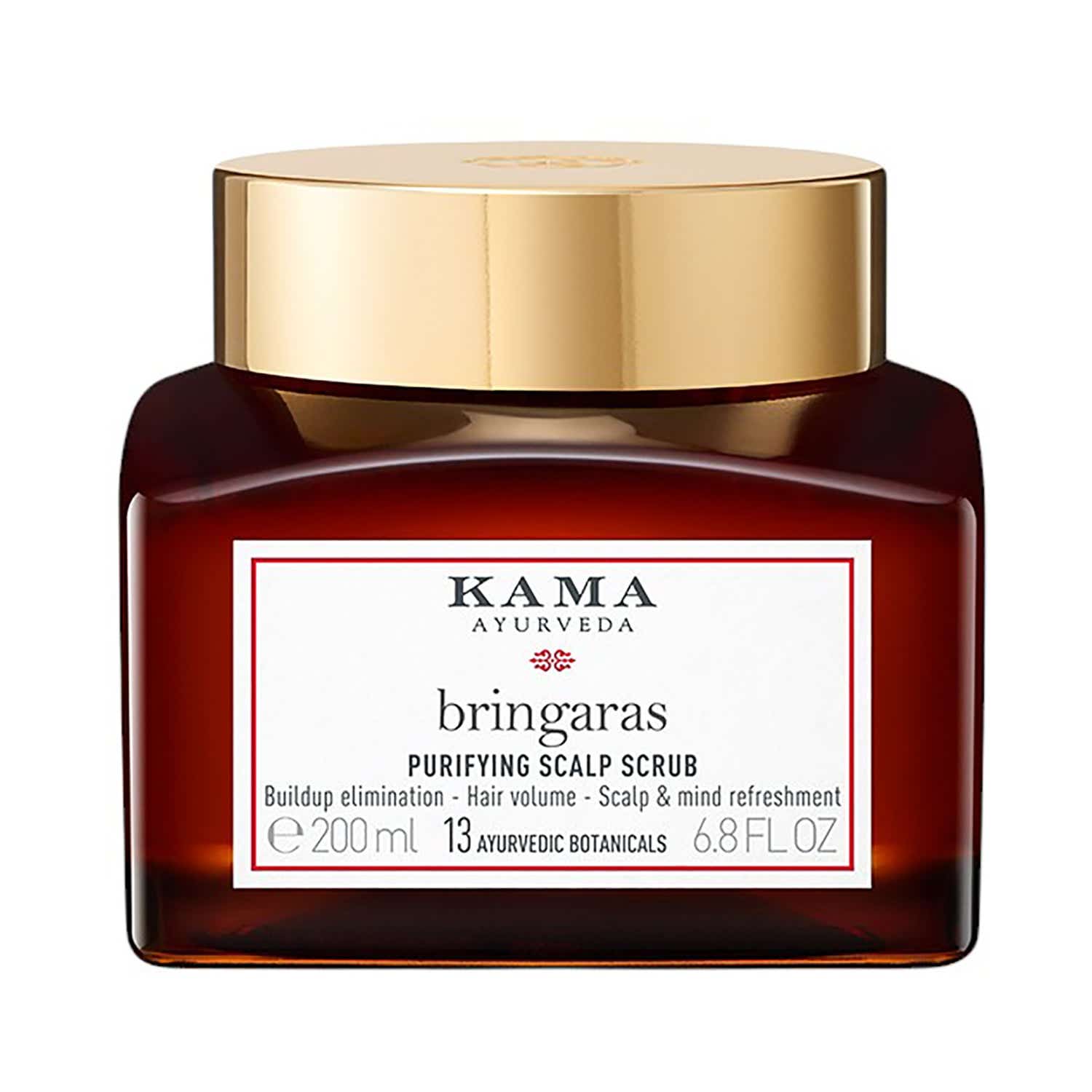
Double-duty and deceptively lush, this scrub uses fine sugar crystals to exfoliate gently but effectively—whether you’re tackling scalp buildup or dull, flaky skin. The coconut oil base keeps things soft and nourished, and the rose-lychee scent is enough to give your mood an automatic boost. It’s the kind of product that turns a routine wash into a ritual. Add it to your Sunday reset or midweek deep clean and you’ll realise it was the product you didn’t know was missing from your routine.
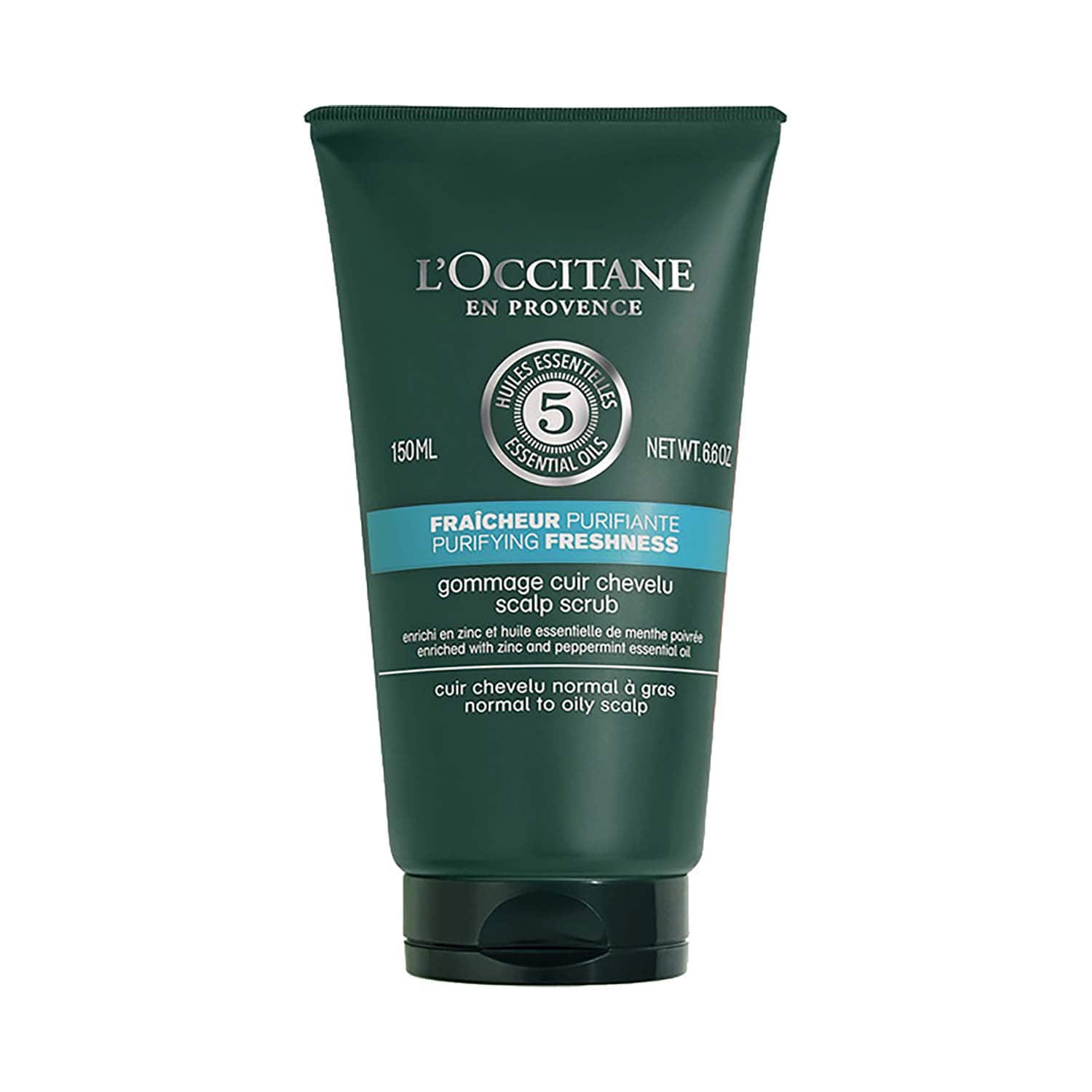
This isn’t your average gritty scrub. Formulated with sea salt and peppermint essential oil, it exfoliates dead skin cells and product build-up without stripping the scalp. Think of it as a reset button—ideal for those who use dry shampoo daily or have an oily scalp prone to congestion.
If you think only people who do intense, sweaty workouts need to deep clean their scalp, you’re wrong. Any person who has an oily scalp or regularly uses hair styling products can have a scalp scrub on their bathroom shelf. Exfoliating the scalp removes dead skin, unclogging hair follicles. This can lead to healthier roots, reduced flakiness and better product absorption. Massaging a scrub into your scalp and washing it off can also improve blood circulation and reduce bacterial build-up.
However, scalp exfoliation doesn’t need to be a tiring daily chore—those with oily skin can do it twice a week. For normal scalps, once a week is enough, and those with sensitive or dry scalps should limit it to every 10 to 14 days. People with dandruff, psoriasis or eczema should consult a doctor before making any changes to their haircare routine.
While doing scalp care, use lukewarm water and products with nourishing ingredients like aloe vera, tea tree oil, coconut oil, oatmeal, niacinamide, centella, hyaluronic acid and ceramides post-shower to restore the scalp barrier. Avoid over-exfoliation by aggressively scratching your skin as it can disrupt your skin’s pH.
Hair growth serums have become another mainstay in haircare routines. These small bottles can be used to target specific concerns, but they are not a cure-all. Sometimes there can be genetic or hormonal factors behind hair issues, so in severe cases it is best to see a trichologist. That being said, the beauty market at the moment is flooded with serums. Severe hair loss? Premature greying? There’s a serum for that. Many stimulate the scalp, help in hair regrowth and support blood circulation, thus strengthening the scalp. Often, they include potent blends of biotin, caffeine, rosemary oil, peptides, apple seeds and more.
For the best results, consistent application is crucial to create a healthier scalp for hair to grow. Also, root serums are not miracle products that give results overnight. Most people start noticing improvement in a few weeks but it usually takes six to 12 weeks of frequent use to see substantial results. There are several serums available right now, with both dermatologists and beauty creators suggesting new names very often. But what serum is best for you depends on your scalp type, sensitivity and individual concerns. Just like skincare, the answer is to approach scalp health with patience.
The progression in haircare is less about finding magical products and more about building a routine that gives hair the attention it deserves, from root to tip. The first step is to understand the needs of your hair and choose your care accordingly. While hair scrubs can be a part of your everything shower routine, root serums can also be integrated into your late-night oiling sessions.



If you think only people who do intense, sweaty workouts need to deep clean their scalp, you’re wrong. Any person who has an oily scalp or regularly uses hair styling products can have a scalp scrub on their bathroom shelf. Exfoliating the scalp removes dead skin, unclogging hair follicles. This can lead to healthier roots, reduced flakiness and better product absorption. Massaging a scrub into your scalp and washing it off can also improve blood circulation and reduce bacterial build-up.
However, scalp exfoliation doesn’t need to be a tiring daily chore—those with oily skin can do it twice a week. For normal scalps, once a week is enough, and those with sensitive or dry scalps should limit it to every 10 to 14 days. People with dandruff, psoriasis or eczema should consult a doctor before making any changes to their haircare routine.
While doing scalp care, use lukewarm water and products with nourishing ingredients like aloe vera, tea tree oil, coconut oil, oatmeal, niacinamide, centella, hyaluronic acid and ceramides post-shower to restore the scalp barrier. Avoid over-exfoliation by aggressively scratching your skin as it can disrupt your skin’s pH.
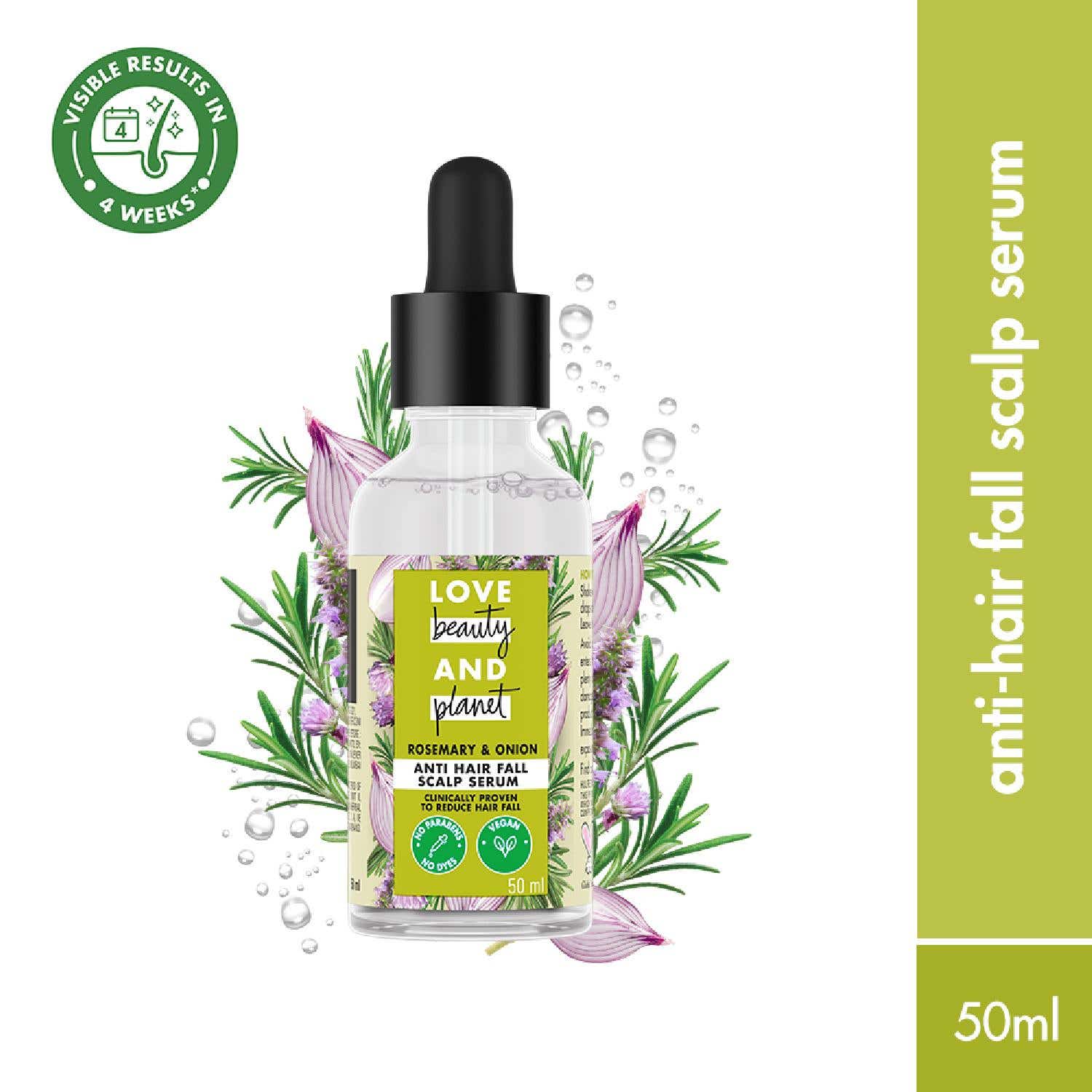
Hair growth serums have become another mainstay in haircare routines. These small bottles can be used to target specific concerns, but they are not a cure-all. Sometimes there can be genetic or hormonal factors behind hair issues, so in severe cases it is best to see a trichologist. That being said, the beauty market at the moment is flooded with serums. Severe hair loss? Premature greying? There’s a serum for that. Many stimulate the scalp, help in hair regrowth and support blood circulation, thus strengthening the scalp. Often, they include potent blends of biotin, caffeine, rosemary oil, peptides, apple seeds and more.
For the best results, consistent application is crucial to create a healthier scalp for hair to grow. Also, root serums are not miracle products that give results overnight. Most people start noticing improvement in a few weeks but it usually takes six to 12 weeks of frequent use to see substantial results. There are several serums available right now, with both dermatologists and beauty creators suggesting new names very often. But what serum is best for you depends on your scalp type, sensitivity and individual concerns. Just like skincare, the answer is to approach scalp health with patience.
The progression in haircare is less about finding magical products and more about building a routine that gives hair the attention it deserves, from root to tip. The first step is to understand the needs of your hair and choose your care accordingly. While hair scrubs can be a part of your everything shower routine, root serums can also be integrated into your late-night oiling sessions.
If you think only people who do intense, sweaty workouts need to deep clean their scalp, you’re wrong. Any person who has an oily scalp or regularly uses hair styling products can have a scalp scrub on their bathroom shelf. Exfoliating the scalp removes dead skin, unclogging hair follicles. This can lead to healthier roots, reduced flakiness and better product absorption. Massaging a scrub into your scalp and washing it off can also improve blood circulation and reduce bacterial build-up.
However, scalp exfoliation doesn’t need to be a tiring daily chore—those with oily skin can do it twice a week. For normal scalps, once a week is enough, and those with sensitive or dry scalps should limit it to every 10 to 14 days. People with dandruff, psoriasis or eczema should consult a doctor before making any changes to their haircare routine.
While doing scalp care, use lukewarm water and products with nourishing ingredients like aloe vera, tea tree oil, coconut oil, oatmeal, niacinamide, centella, hyaluronic acid and ceramides post-shower to restore the scalp barrier. Avoid over-exfoliation by aggressively scratching your skin as it can disrupt your skin’s pH.
Hair growth serums have become another mainstay in haircare routines. These small bottles can be used to target specific concerns, but they are not a cure-all. Sometimes there can be genetic or hormonal factors behind hair issues, so in severe cases it is best to see a trichologist. That being said, the beauty market at the moment is flooded with serums. Severe hair loss? Premature greying? There’s a serum for that. Many stimulate the scalp, help in hair regrowth and support blood circulation, thus strengthening the scalp. Often, they include potent blends of biotin, caffeine, rosemary oil, peptides, apple seeds and more.
For the best results, consistent application is crucial to create a healthier scalp for hair to grow. Also, root serums are not miracle products that give results overnight. Most people start noticing improvement in a few weeks but it usually takes six to 12 weeks of frequent use to see substantial results. There are several serums available right now, with both dermatologists and beauty creators suggesting new names very often. But what serum is best for you depends on your scalp type, sensitivity and individual concerns. Just like skincare, the answer is to approach scalp health with patience.
The progression in haircare is less about finding magical products and more about building a routine that gives hair the attention it deserves, from root to tip. The first step is to understand the needs of your hair and choose your care accordingly. While hair scrubs can be a part of your everything shower routine, root serums can also be integrated into your late-night oiling sessions.


If you think only people who do intense, sweaty workouts need to deep clean their scalp, you’re wrong. Any person who has an oily scalp or regularly uses hair styling products can have a scalp scrub on their bathroom shelf. Exfoliating the scalp removes dead skin, unclogging hair follicles. This can lead to healthier roots, reduced flakiness and better product absorption. Massaging a scrub into your scalp and washing it off can also improve blood circulation and reduce bacterial build-up.
However, scalp exfoliation doesn’t need to be a tiring daily chore—those with oily skin can do it twice a week. For normal scalps, once a week is enough, and those with sensitive or dry scalps should limit it to every 10 to 14 days. People with dandruff, psoriasis or eczema should consult a doctor before making any changes to their haircare routine.
While doing scalp care, use lukewarm water and products with nourishing ingredients like aloe vera, tea tree oil, coconut oil, oatmeal, niacinamide, centella, hyaluronic acid and ceramides post-shower to restore the scalp barrier. Avoid over-exfoliation by aggressively scratching your skin as it can disrupt your skin’s pH.
Hair growth serums have become another mainstay in haircare routines. These small bottles can be used to target specific concerns, but they are not a cure-all. Sometimes there can be genetic or hormonal factors behind hair issues, so in severe cases it is best to see a trichologist. That being said, the beauty market at the moment is flooded with serums. Severe hair loss? Premature greying? There’s a serum for that. Many stimulate the scalp, help in hair regrowth and support blood circulation, thus strengthening the scalp. Often, they include potent blends of biotin, caffeine, rosemary oil, peptides, apple seeds and more.
For the best results, consistent application is crucial to create a healthier scalp for hair to grow. Also, root serums are not miracle products that give results overnight. Most people start noticing improvement in a few weeks but it usually takes six to 12 weeks of frequent use to see substantial results. There are several serums available right now, with both dermatologists and beauty creators suggesting new names very often. But what serum is best for you depends on your scalp type, sensitivity and individual concerns. Just like skincare, the answer is to approach scalp health with patience.
The progression in haircare is less about finding magical products and more about building a routine that gives hair the attention it deserves, from root to tip. The first step is to understand the needs of your hair and choose your care accordingly. While hair scrubs can be a part of your everything shower routine, root serums can also be integrated into your late-night oiling sessions.