
.jpg)
Beauty Front Benchers
The new front of haircare involves scalp scrubs and root serums
Read Now



Remember your mum’s compact powder, the original on-the-go touch-up tech? Cushion foundation took that idea, added a liquid formula and a satisfying tap, and ended up on every For You page again. If your feed has suddenly been full of little compacts and tap-tap-tap application videos, you’re not imagining it. Cushion foundation is back, and it looks like it’s staying.
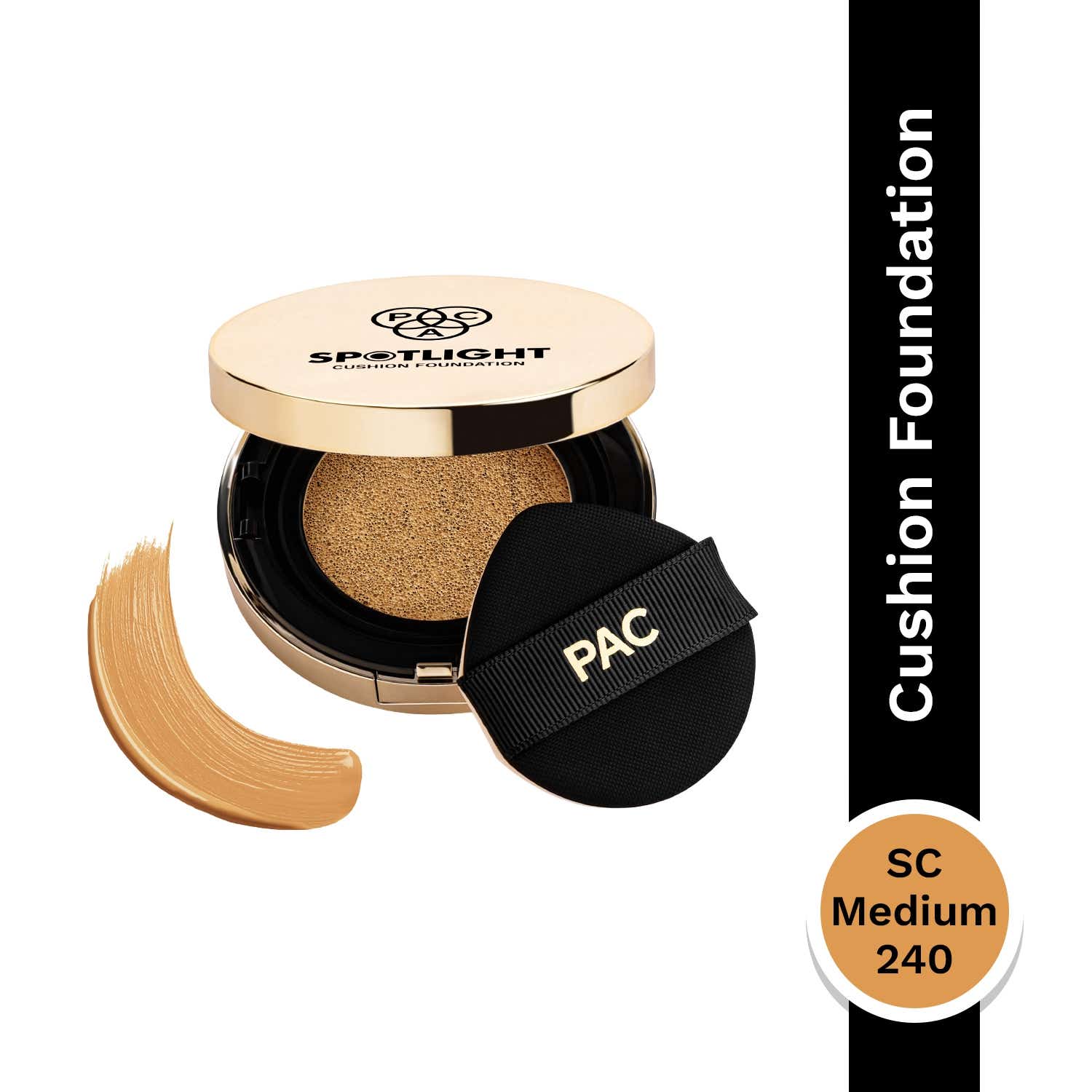
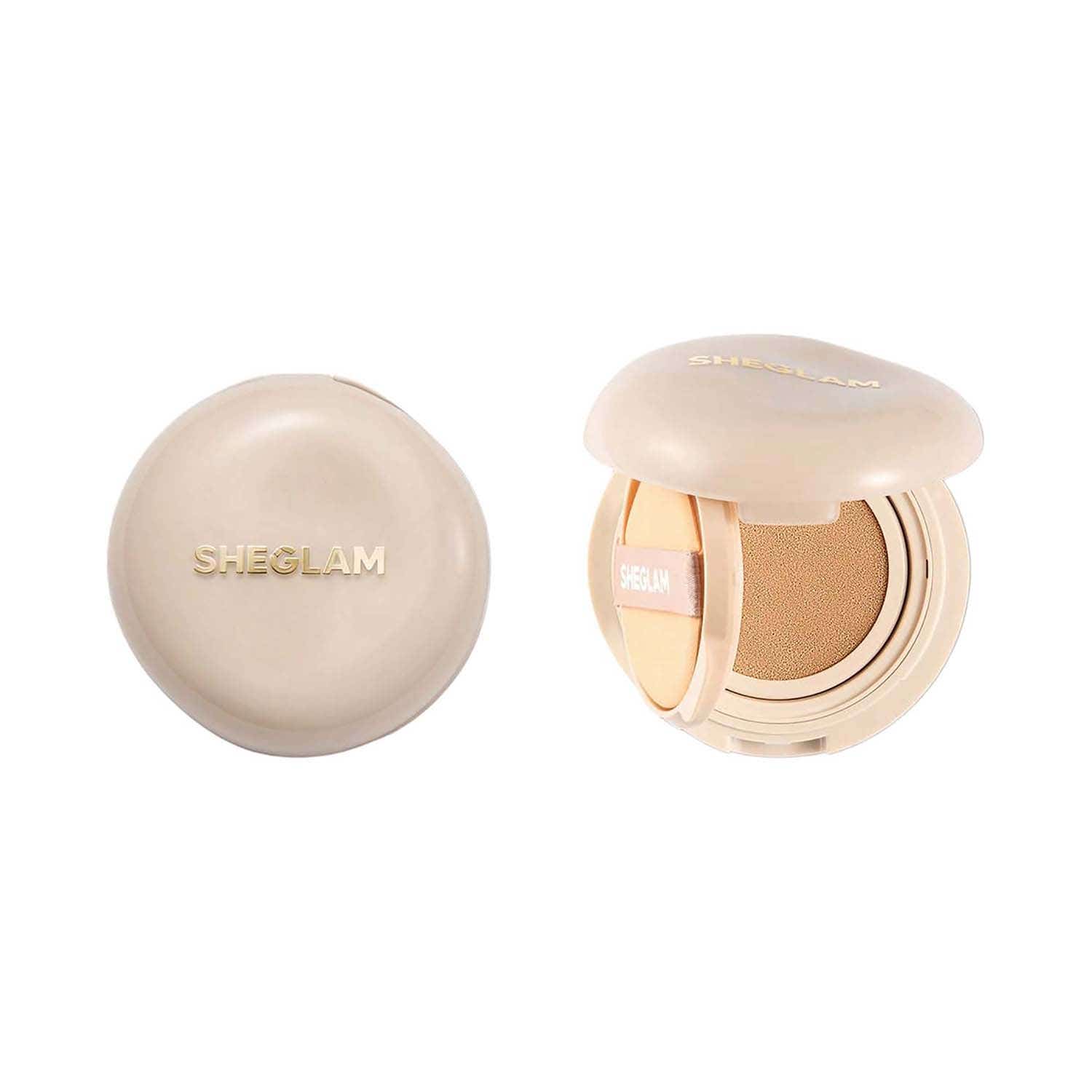
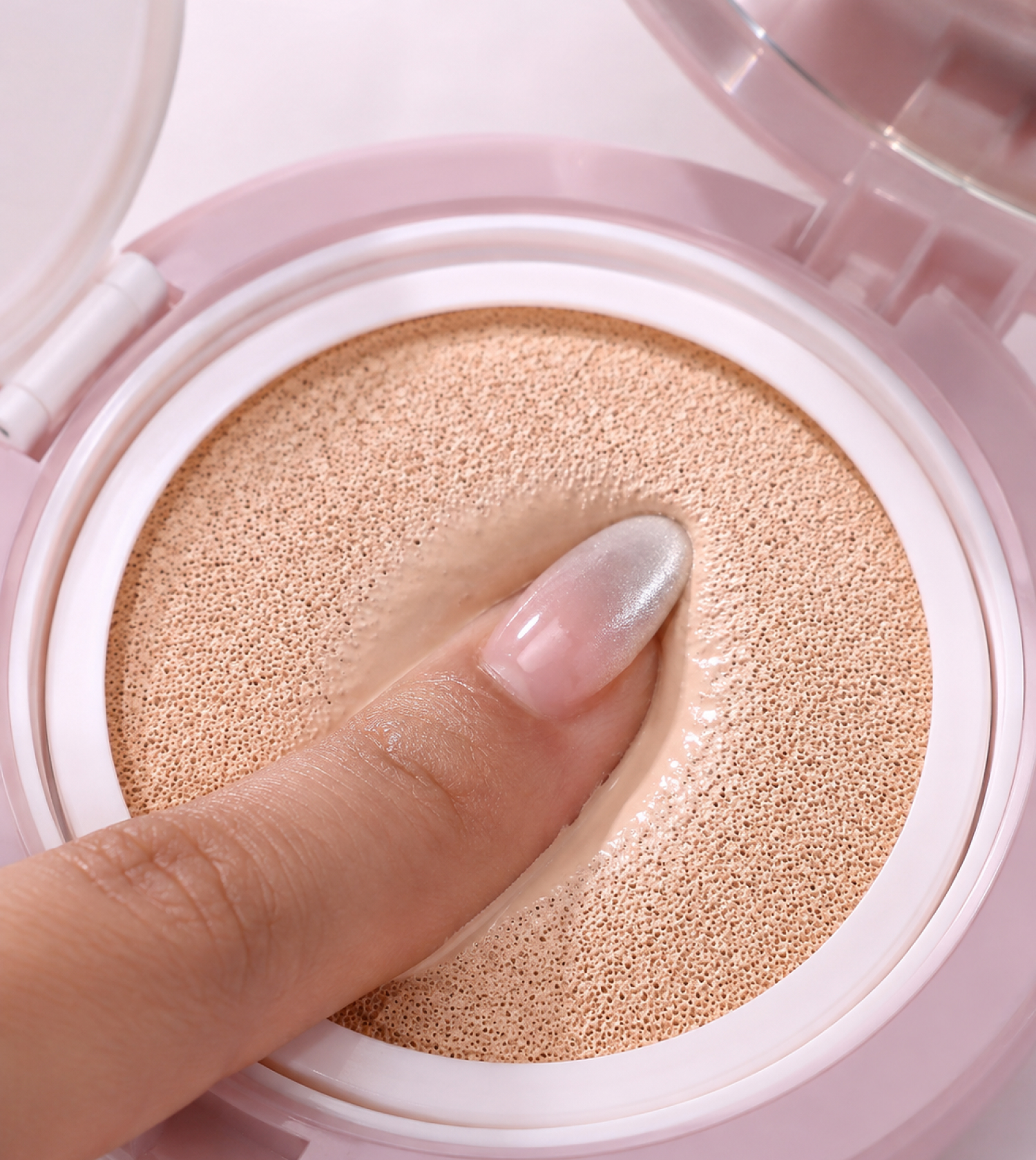
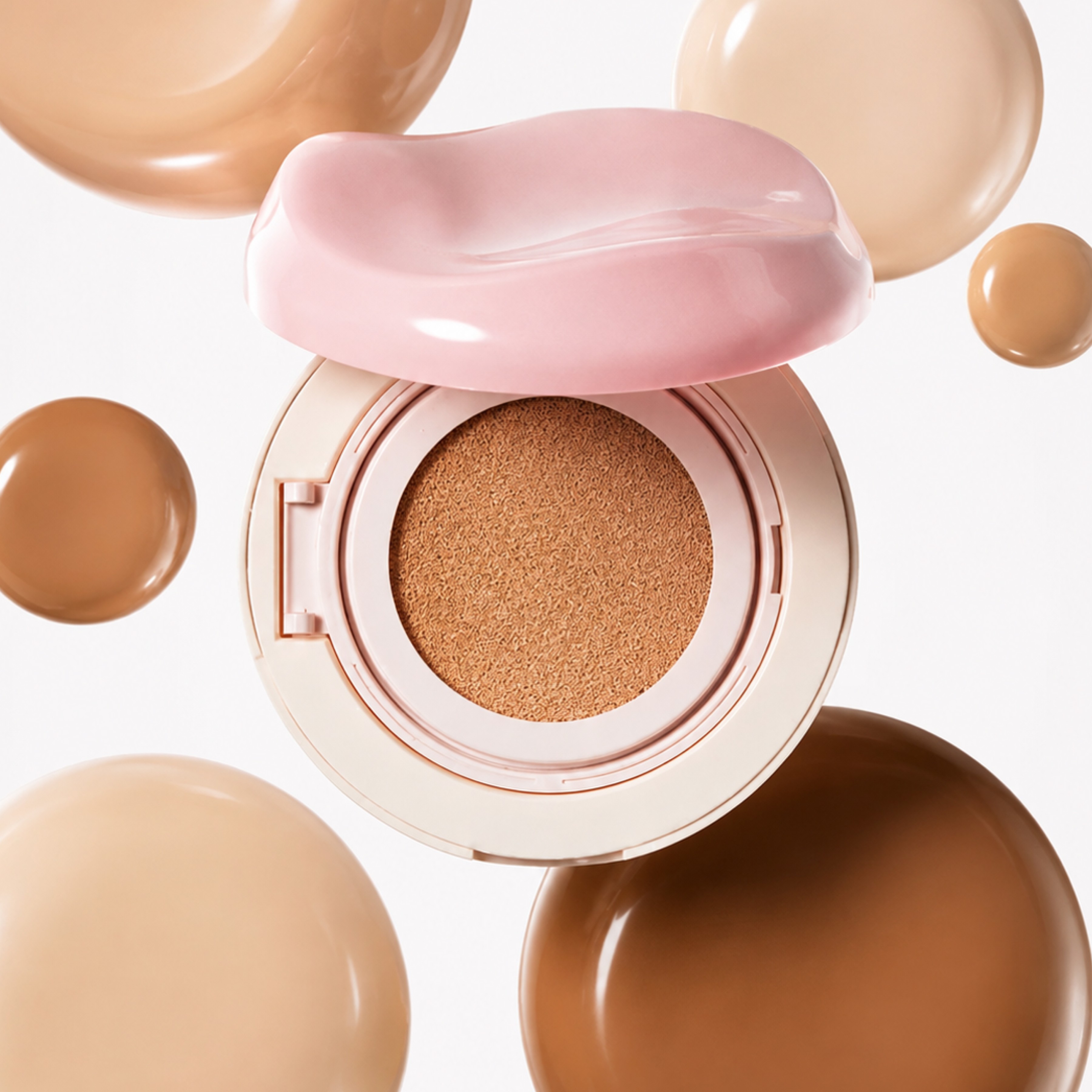
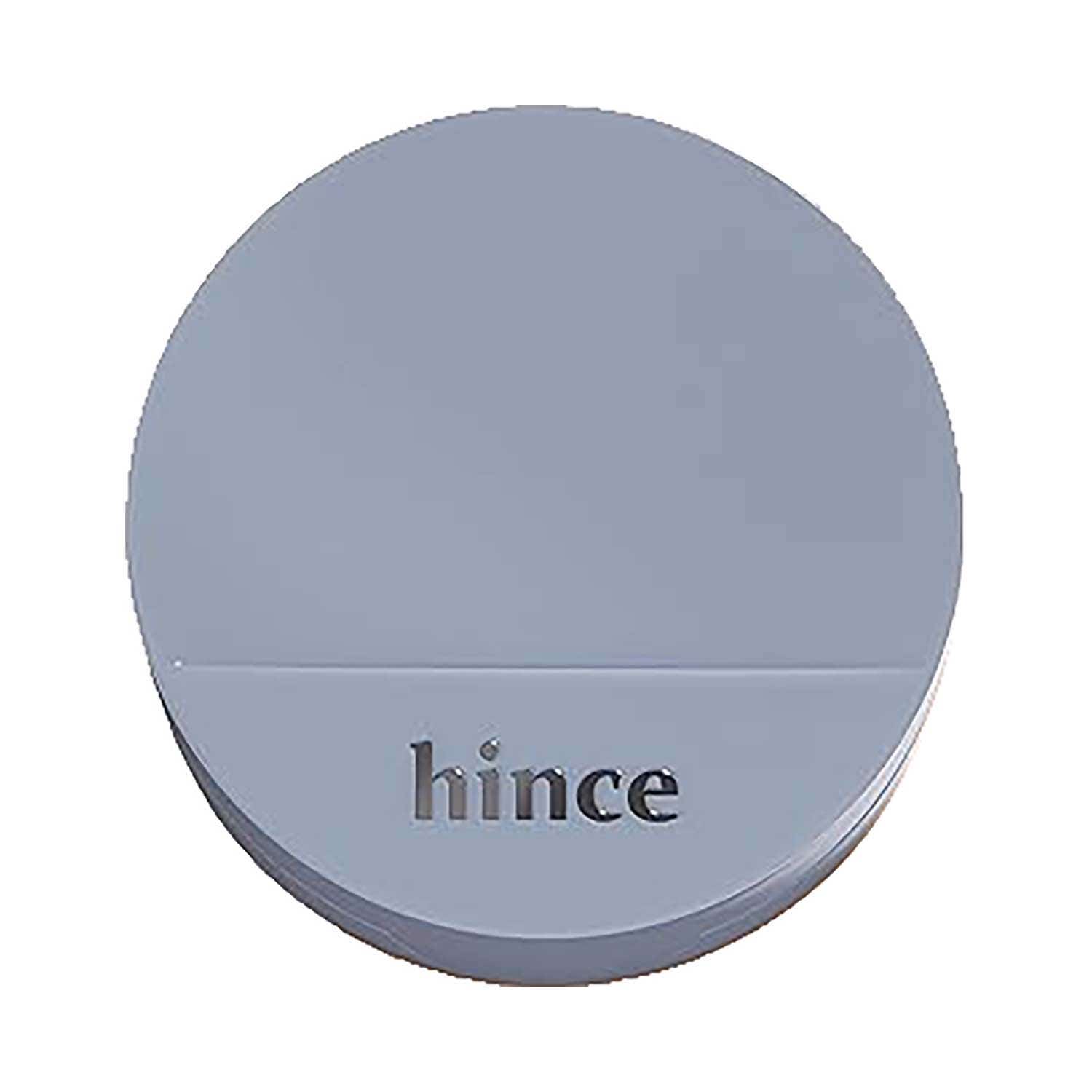
A cushion foundation is liquid foundation soaked into a sponge and housed inside a compact, usually with a puff tucked into the lid. You press the puff into the sponge, then press it onto your skin. There’s no pouring, there are no brushes and there’s barely any mess.
The format originated in Korea over a decade ago and became a staple of K-beauty routines. It solved a specific problem: how to get your skin looking like skin, not like it’s wearing makeup, in under a minute. The best cushion foundations now come with added skincare benefits too. Think, hyaluronic acid, SPF or niacinamide, so you get coverage and care in the same step.
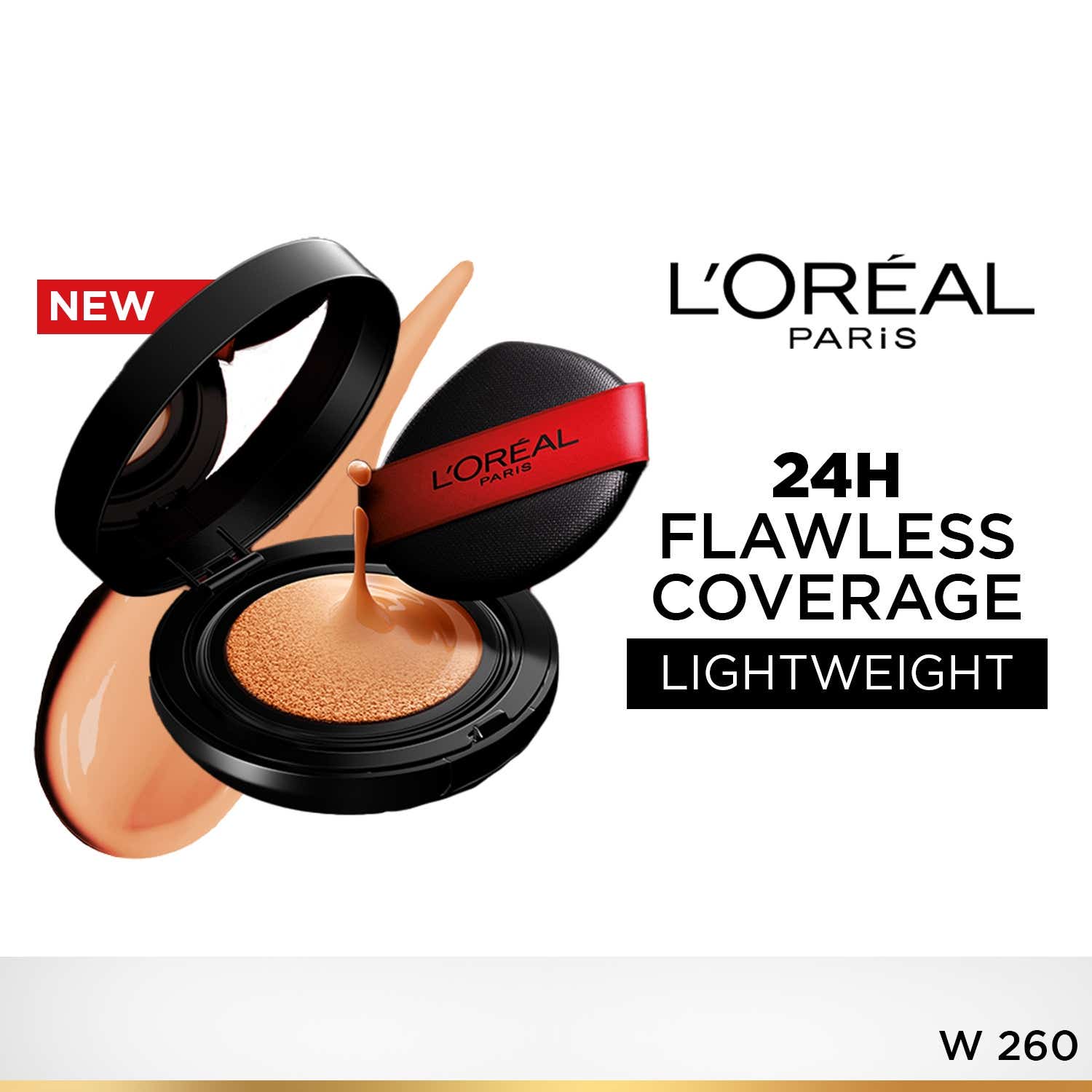
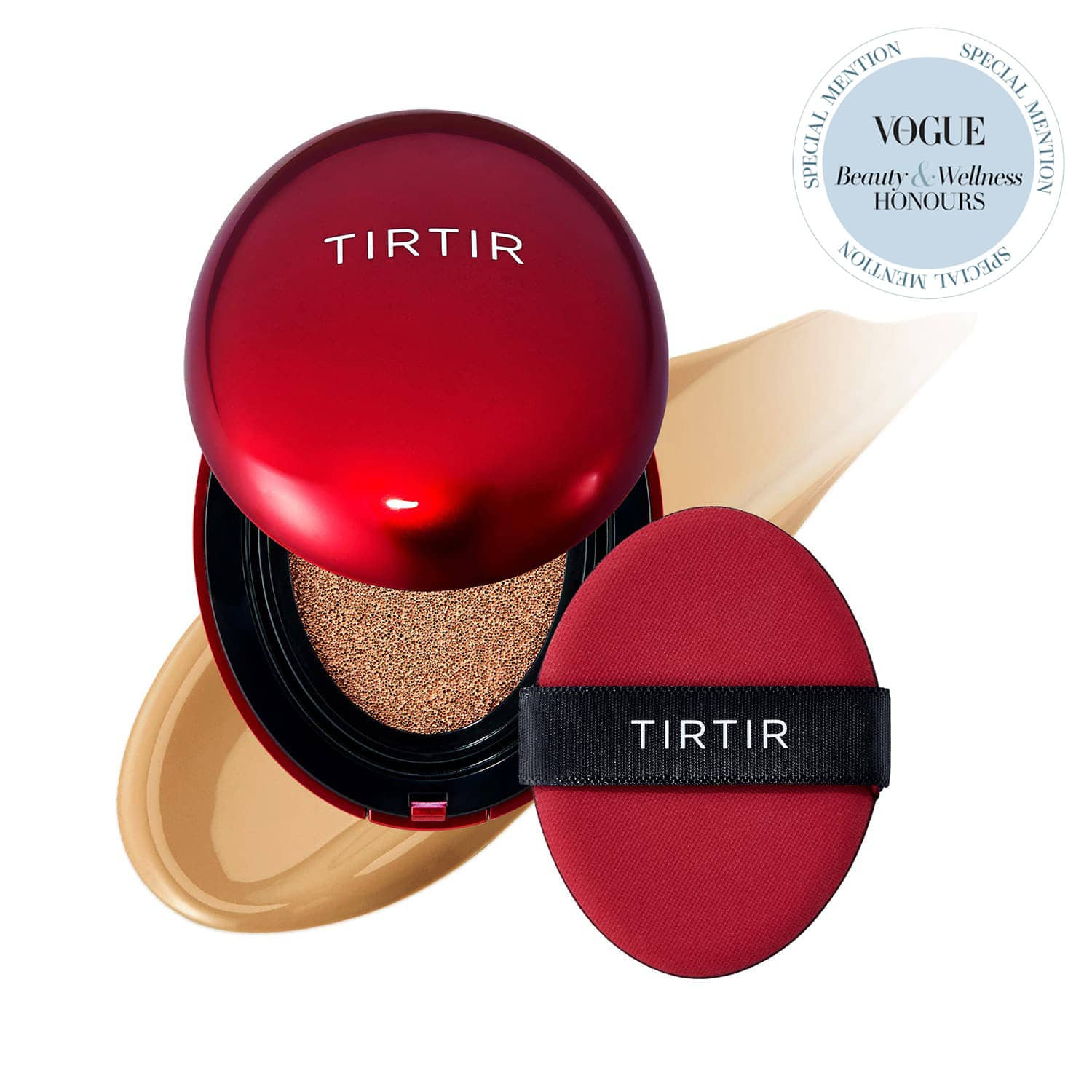
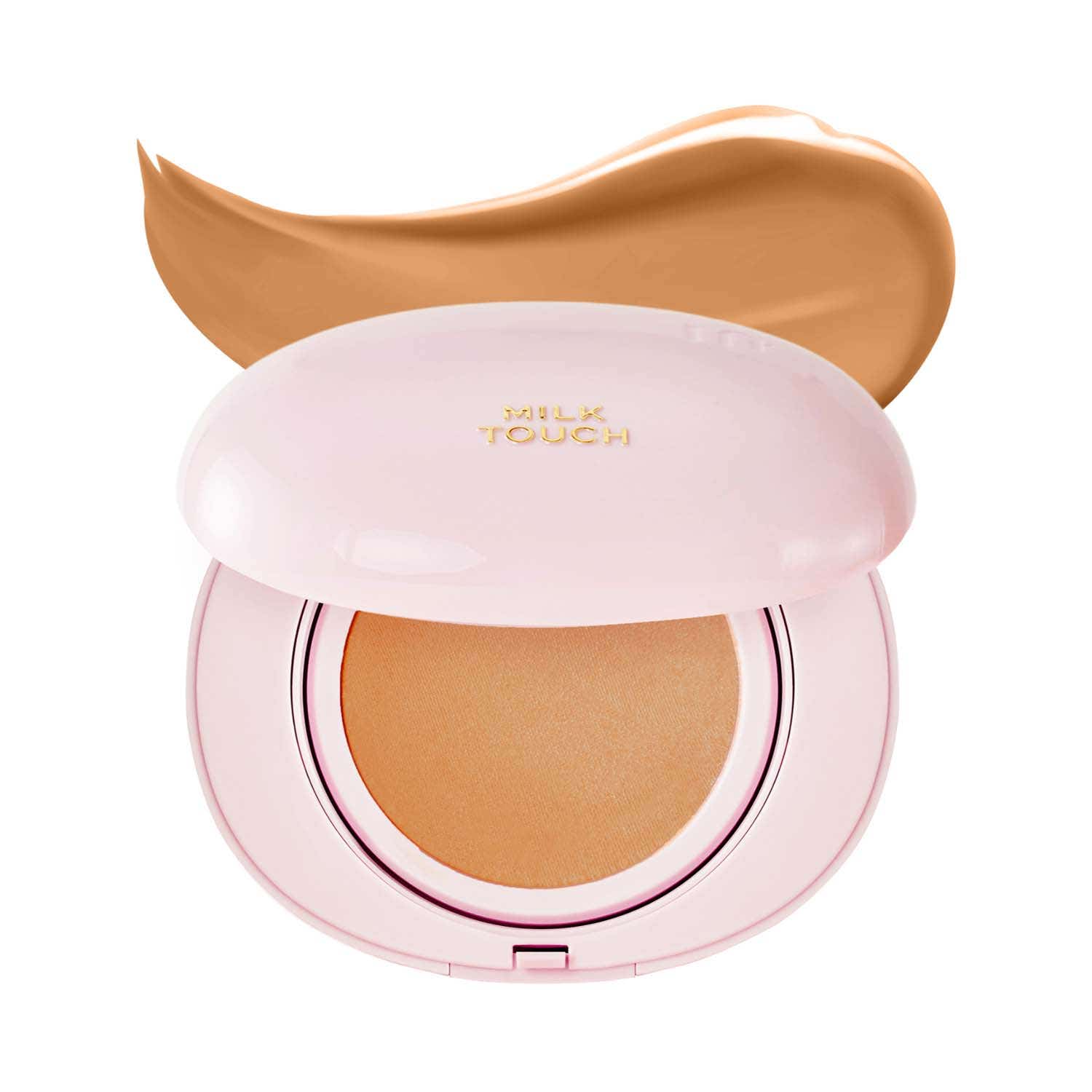
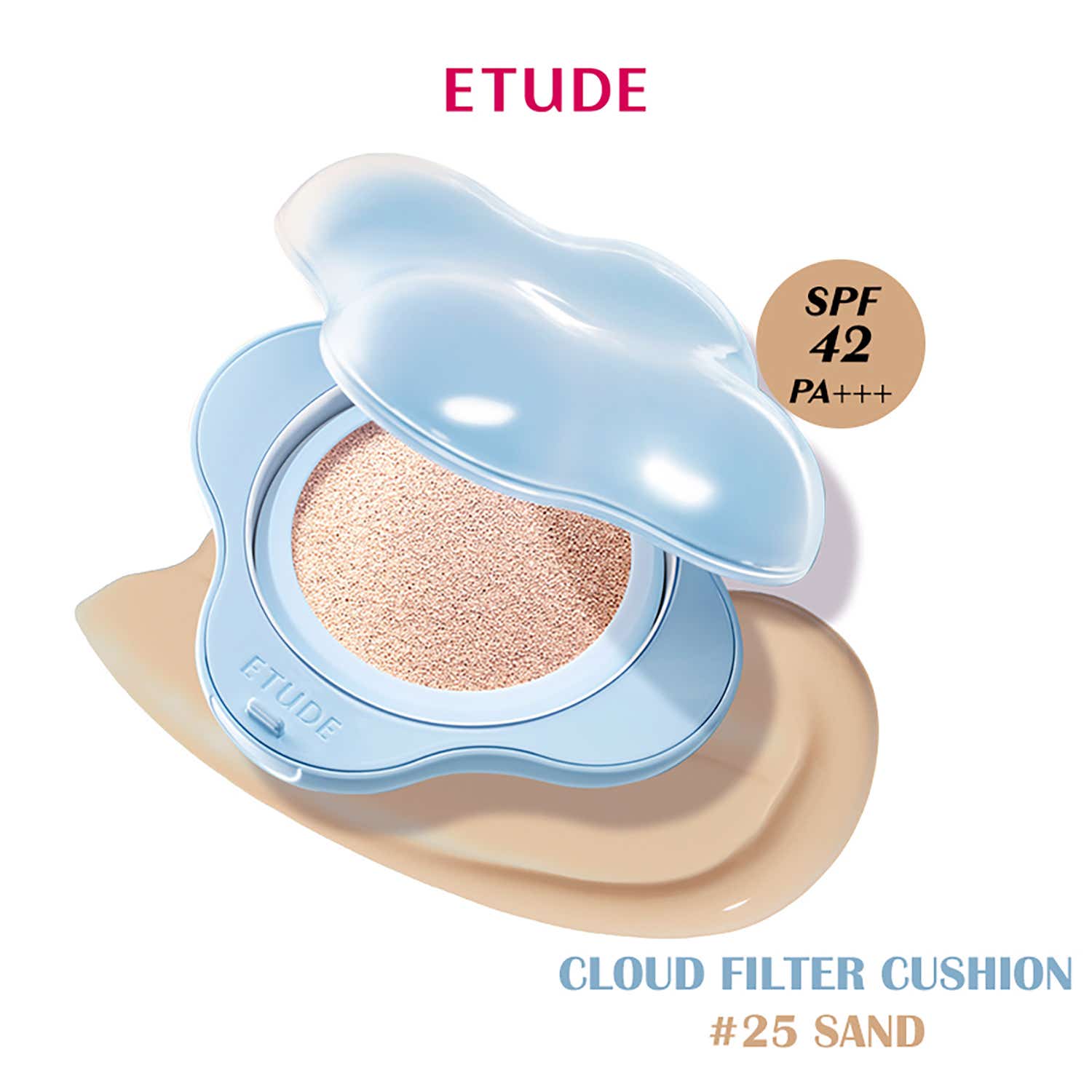
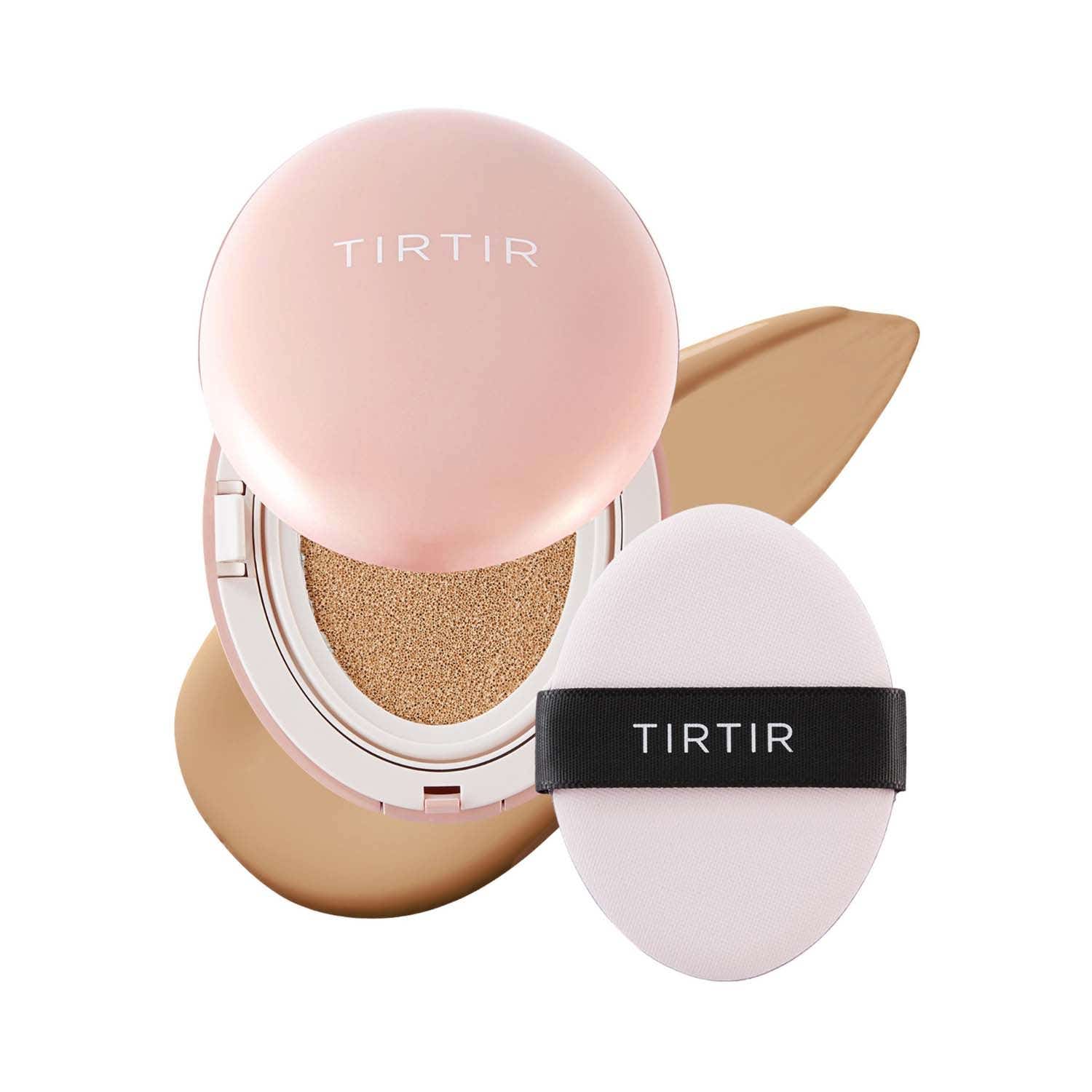
TIRTIR earned a viral crown for its cushion foundation and for good reason. The formula has truly redefined what foundation can do for your skin. The breathable composition packed with hyaluronic acid, niacinamide and botanical extracts provides buildable coverage that’s feather-touch on the skin. Add to it a unique cushion applicator that certifies even distribution that looks very skin-like. The lightweight texture means you can layer it throughout the day for touchups without getting the heavy, cakey feeling.
A few things are happening at once. The broader shift towards your ‘skin but better’ makeup, glass skin, skinimalism and minimal-effort dewiness, plays directly into what cushions do best. They were never built for heavy, full-glam coverage. They’re built to make it look like a genuinely healthy skin day.
There’s also the convenience factor. A cushion compact is spill-proof, easy to carry and quick enough to use in a car or in-between meetings. Add in built-in SPF, and it becomes a multitasking product that suits a routine with very little patience for extra steps.
And then there’s the format itself. There’s something satisfying about the tap-tap application, and if you’ve spent any time on beauty content lately, you’ll know a good ritual sells almost as well as a good result.
Coverage: Liquid foundations generally offer more buildable, heavier coverage, better suited to full-glam days or covering visible texture and pigmentation. Cushions tend to sit in the light-to-medium range, though formulas have improved a fair bit over the years.
Finish: Cushions almost always lean dewy and skin-like. Liquid foundations span a wider range—matte, satin, dewy, depending on what you pick.
Application: Cushion wins on speed. No brushes, no blending tools, no cleanup. Liquid foundation usually needs a sponge or brush and a few extra minutes.
Portability: Cushions are made for touch-ups on the go. Liquid foundation bottles are bulkier and not exactly built for reapplication out of a bag.
Longevity: Liquid foundations, especially long-wear or matte formulas, tend to hold up longer through the day without a touch-up. Cushions may need reapplication by midday, particularly in humid weather.
Basically, if your priority is a quick, dewy, skin-like base you can touch up anywhere, cushion wins. If you want heavier coverage that lasts all day without a reapplication, liquid still has the edge.
Getting the skin-but-better look takes a bit of technique. Here’s how to use cushion foundation well:
1. Prep skin properly first. Cushions sit close to the surface, so texture shows through quickly. Moisturise and let it absorb before applying.
2. Tap, don’t rub. Press the puff onto the sponge, then bounce it onto your skin in a stippling motion. Rubbing drags product and can look patchy.
3. Build in thin layers. Start with one layer all over, then go back only where you need more coverage, like under the eyes, around the nose, or on any redness.
4. Finish with your fingers. For a softer finish, do a quick fingertip press after the puff helps melt the product into your skin.
5. Set only where needed. Cushions already look soft and powdery, so there’s no need for a full face of setting powder. Touch up the T-zone if you’re oily.
6. Keep the puff clean. Wash or swap it regularly. A dirty puff will undo all the good the formula is doing.
A few things are happening at once. The broader shift towards your ‘skin but better’ makeup, glass skin, skinimalism and minimal-effort dewiness, plays directly into what cushions do best. They were never built for heavy, full-glam coverage. They’re built to make it look like a genuinely healthy skin day.
There’s also the convenience factor. A cushion compact is spill-proof, easy to carry and quick enough to use in a car or in-between meetings. Add in built-in SPF, and it becomes a multitasking product that suits a routine with very little patience for extra steps.
And then there’s the format itself. There’s something satisfying about the tap-tap application, and if you’ve spent any time on beauty content lately, you’ll know a good ritual sells almost as well as a good result.
Coverage: Liquid foundations generally offer more buildable, heavier coverage, better suited to full-glam days or covering visible texture and pigmentation. Cushions tend to sit in the light-to-medium range, though formulas have improved a fair bit over the years.
Finish: Cushions almost always lean dewy and skin-like. Liquid foundations span a wider range—matte, satin, dewy, depending on what you pick.
Application: Cushion wins on speed. No brushes, no blending tools, no cleanup. Liquid foundation usually needs a sponge or brush and a few extra minutes.
Portability: Cushions are made for touch-ups on the go. Liquid foundation bottles are bulkier and not exactly built for reapplication out of a bag.
Longevity: Liquid foundations, especially long-wear or matte formulas, tend to hold up longer through the day without a touch-up. Cushions may need reapplication by midday, particularly in humid weather.
Basically, if your priority is a quick, dewy, skin-like base you can touch up anywhere, cushion wins. If you want heavier coverage that lasts all day without a reapplication, liquid still has the edge.
Getting the skin-but-better look takes a bit of technique. Here’s how to use cushion foundation well:
1. Prep skin properly first. Cushions sit close to the surface, so texture shows through quickly. Moisturise and let it absorb before applying.
2. Tap, don’t rub. Press the puff onto the sponge, then bounce it onto your skin in a stippling motion. Rubbing drags product and can look patchy.
3. Build in thin layers. Start with one layer all over, then go back only where you need more coverage, like under the eyes, around the nose, or on any redness.
4. Finish with your fingers. For a softer finish, do a quick fingertip press after the puff helps melt the product into your skin.
5. Set only where needed. Cushions already look soft and powdery, so there’s no need for a full face of setting powder. Touch up the T-zone if you’re oily.
6. Keep the puff clean. Wash or swap it regularly. A dirty puff will undo all the good the formula is doing.
A few things are happening at once. The broader shift towards your ‘skin but better’ makeup, glass skin, skinimalism and minimal-effort dewiness, plays directly into what cushions do best. They were never built for heavy, full-glam coverage. They’re built to make it look like a genuinely healthy skin day.
There’s also the convenience factor. A cushion compact is spill-proof, easy to carry and quick enough to use in a car or in-between meetings. Add in built-in SPF, and it becomes a multitasking product that suits a routine with very little patience for extra steps.
And then there’s the format itself. There’s something satisfying about the tap-tap application, and if you’ve spent any time on beauty content lately, you’ll know a good ritual sells almost as well as a good result.
Coverage: Liquid foundations generally offer more buildable, heavier coverage, better suited to full-glam days or covering visible texture and pigmentation. Cushions tend to sit in the light-to-medium range, though formulas have improved a fair bit over the years.
Finish: Cushions almost always lean dewy and skin-like. Liquid foundations span a wider range—matte, satin, dewy, depending on what you pick.
Application: Cushion wins on speed. No brushes, no blending tools, no cleanup. Liquid foundation usually needs a sponge or brush and a few extra minutes.
Portability: Cushions are made for touch-ups on the go. Liquid foundation bottles are bulkier and not exactly built for reapplication out of a bag.
Longevity: Liquid foundations, especially long-wear or matte formulas, tend to hold up longer through the day without a touch-up. Cushions may need reapplication by midday, particularly in humid weather.
Basically, if your priority is a quick, dewy, skin-like base you can touch up anywhere, cushion wins. If you want heavier coverage that lasts all day without a reapplication, liquid still has the edge.
Getting the skin-but-better look takes a bit of technique. Here’s how to use cushion foundation well:
1. Prep skin properly first. Cushions sit close to the surface, so texture shows through quickly. Moisturise and let it absorb before applying.
2. Tap, don’t rub. Press the puff onto the sponge, then bounce it onto your skin in a stippling motion. Rubbing drags product and can look patchy.
3. Build in thin layers. Start with one layer all over, then go back only where you need more coverage, like under the eyes, around the nose, or on any redness.
4. Finish with your fingers. For a softer finish, do a quick fingertip press after the puff helps melt the product into your skin.
5. Set only where needed. Cushions already look soft and powdery, so there’s no need for a full face of setting powder. Touch up the T-zone if you’re oily.
6. Keep the puff clean. Wash or swap it regularly. A dirty puff will undo all the good the formula is doing.


A few things are happening at once. The broader shift towards your ‘skin but better’ makeup, glass skin, skinimalism and minimal-effort dewiness, plays directly into what cushions do best. They were never built for heavy, full-glam coverage. They’re built to make it look like a genuinely healthy skin day.
There’s also the convenience factor. A cushion compact is spill-proof, easy to carry and quick enough to use in a car or in-between meetings. Add in built-in SPF, and it becomes a multitasking product that suits a routine with very little patience for extra steps.
And then there’s the format itself. There’s something satisfying about the tap-tap application, and if you’ve spent any time on beauty content lately, you’ll know a good ritual sells almost as well as a good result.
Coverage: Liquid foundations generally offer more buildable, heavier coverage, better suited to full-glam days or covering visible texture and pigmentation. Cushions tend to sit in the light-to-medium range, though formulas have improved a fair bit over the years.
Finish: Cushions almost always lean dewy and skin-like. Liquid foundations span a wider range—matte, satin, dewy, depending on what you pick.
Application: Cushion wins on speed. No brushes, no blending tools, no cleanup. Liquid foundation usually needs a sponge or brush and a few extra minutes.
Portability: Cushions are made for touch-ups on the go. Liquid foundation bottles are bulkier and not exactly built for reapplication out of a bag.
Longevity: Liquid foundations, especially long-wear or matte formulas, tend to hold up longer through the day without a touch-up. Cushions may need reapplication by midday, particularly in humid weather.
Basically, if your priority is a quick, dewy, skin-like base you can touch up anywhere, cushion wins. If you want heavier coverage that lasts all day without a reapplication, liquid still has the edge.
Getting the skin-but-better look takes a bit of technique. Here’s how to use cushion foundation well:
1. Prep skin properly first. Cushions sit close to the surface, so texture shows through quickly. Moisturise and let it absorb before applying.
2. Tap, don’t rub. Press the puff onto the sponge, then bounce it onto your skin in a stippling motion. Rubbing drags product and can look patchy.
3. Build in thin layers. Start with one layer all over, then go back only where you need more coverage, like under the eyes, around the nose, or on any redness.
4. Finish with your fingers. For a softer finish, do a quick fingertip press after the puff helps melt the product into your skin.
5. Set only where needed. Cushions already look soft and powdery, so there’s no need for a full face of setting powder. Touch up the T-zone if you’re oily.
6. Keep the puff clean. Wash or swap it regularly. A dirty puff will undo all the good the formula is doing.