

Beauty Front Benchers
How to choose the right lip colour for your undertone
Read Now


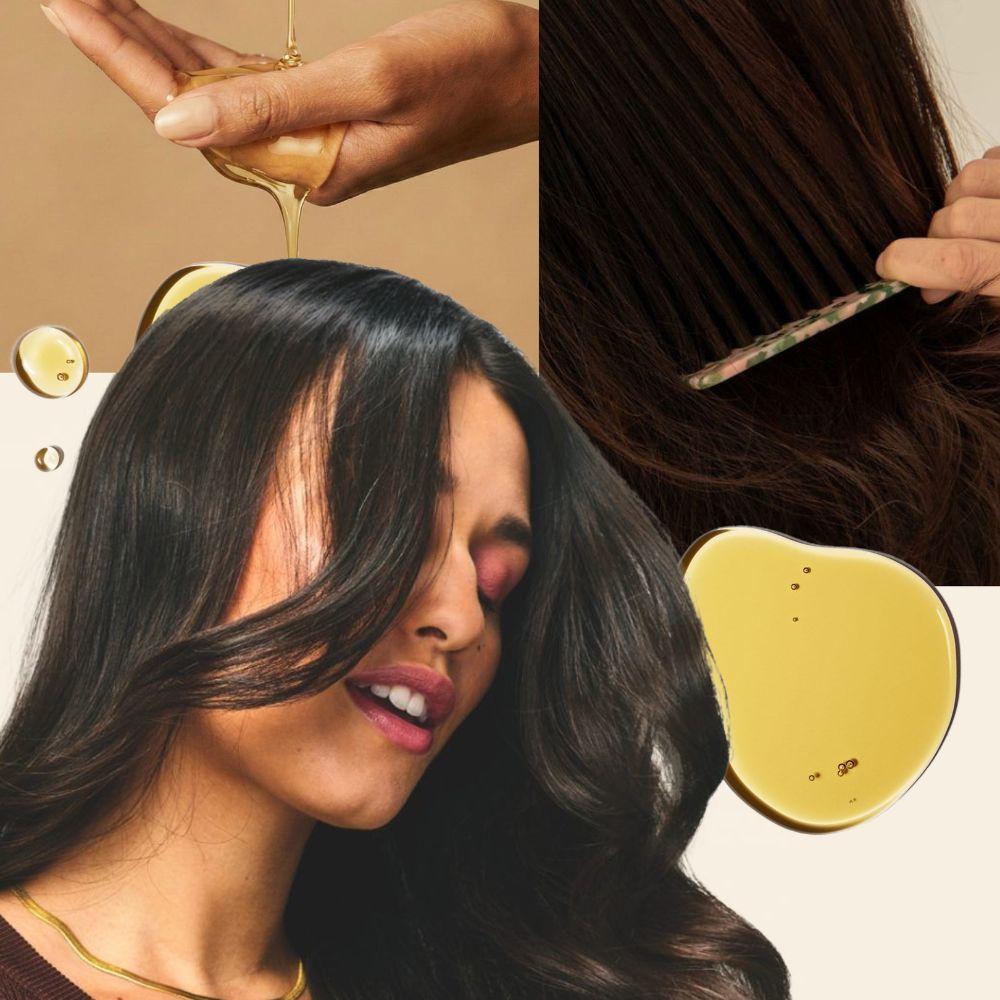

Contrary to popular belief, oiling your hair in the summer is not a cardinal sin. In fact, when done right, it can help your hair handle the season a lot better. Heat, sun exposure, sweat, frequent washing and long hours in air-conditioned rooms can leave your strands feeling drier and rougher than expected, so skipping nourishment altogether may not be the best move.
The problem is not the hair oil itself, but the way we approach it. A generous scalp massage and overnight soak may feel comforting in cooler months, but in peak summer, that same routine can leave your roots flat and sticky. The trick is to be more strategic about timing, amount, placement and formula in the warmer months. Not sure how to go about it? Follow this comprehensive guide on how to oil your hair in the summer.
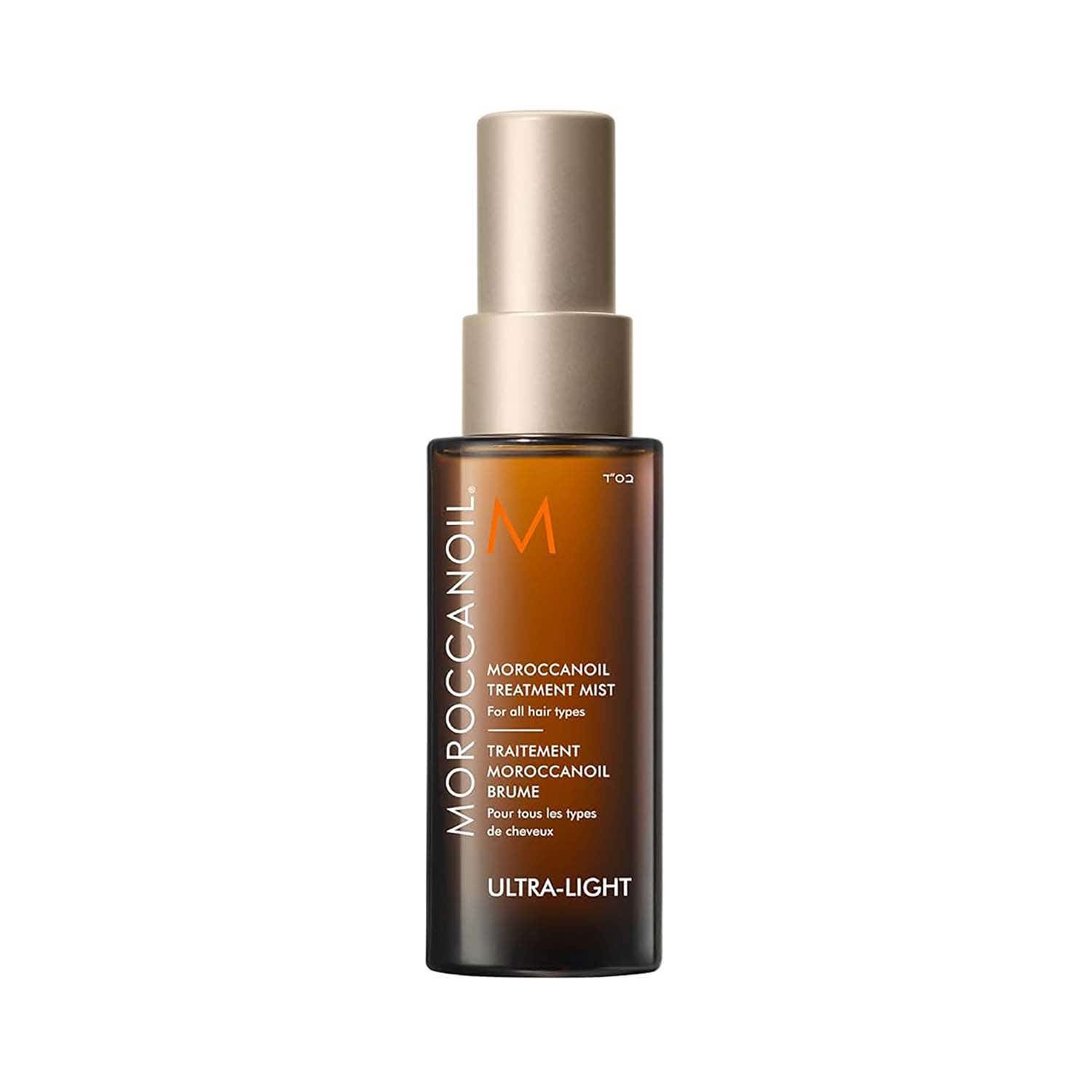
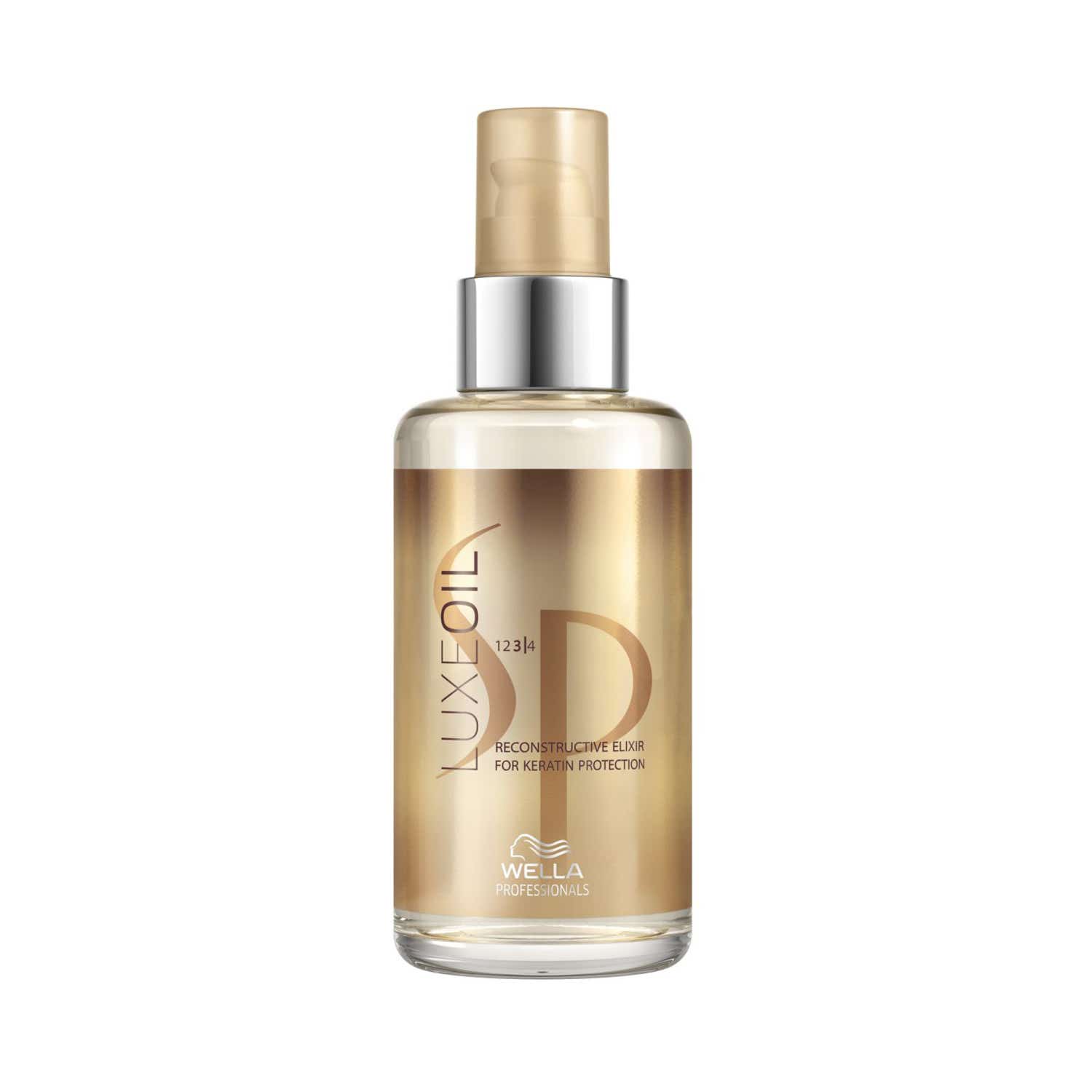
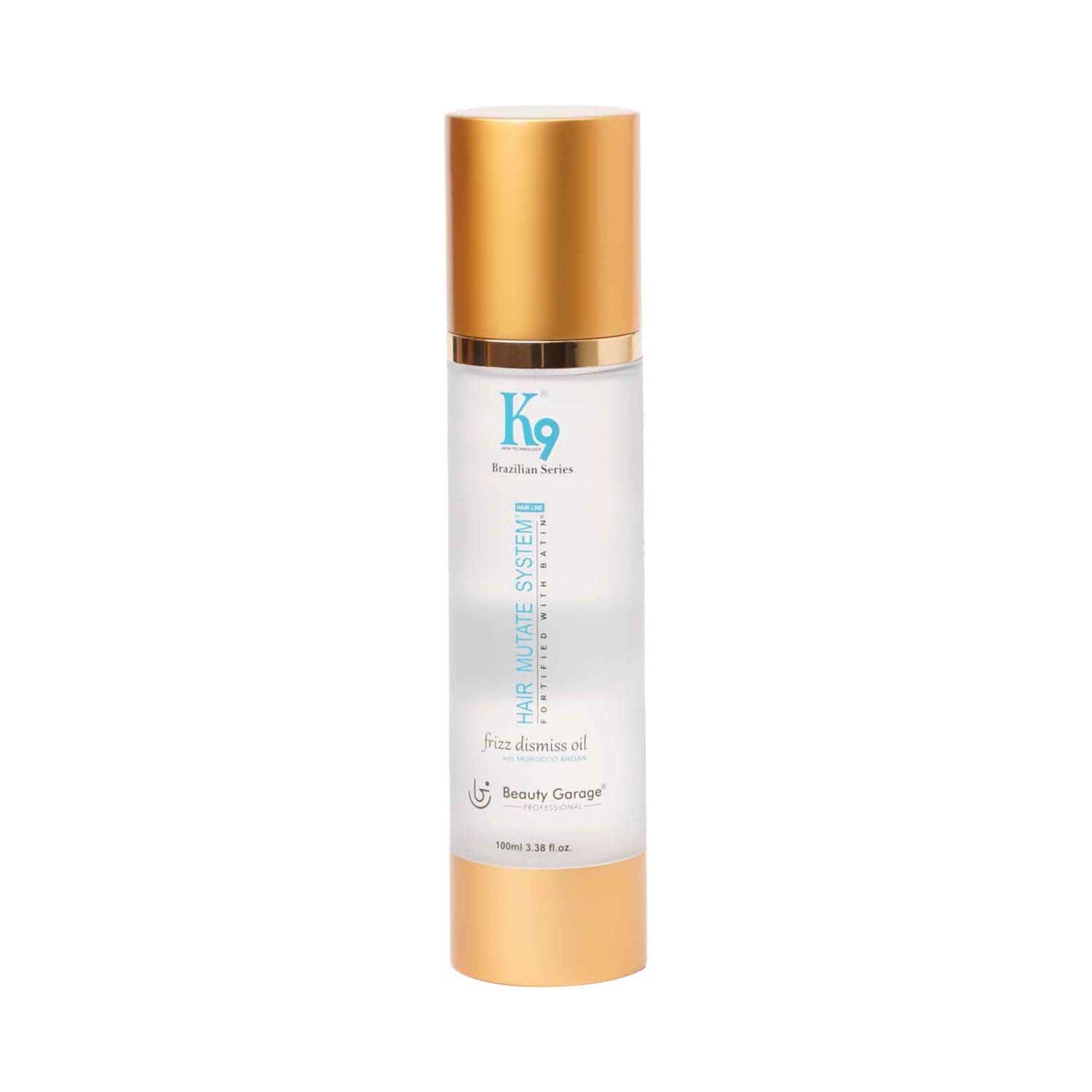
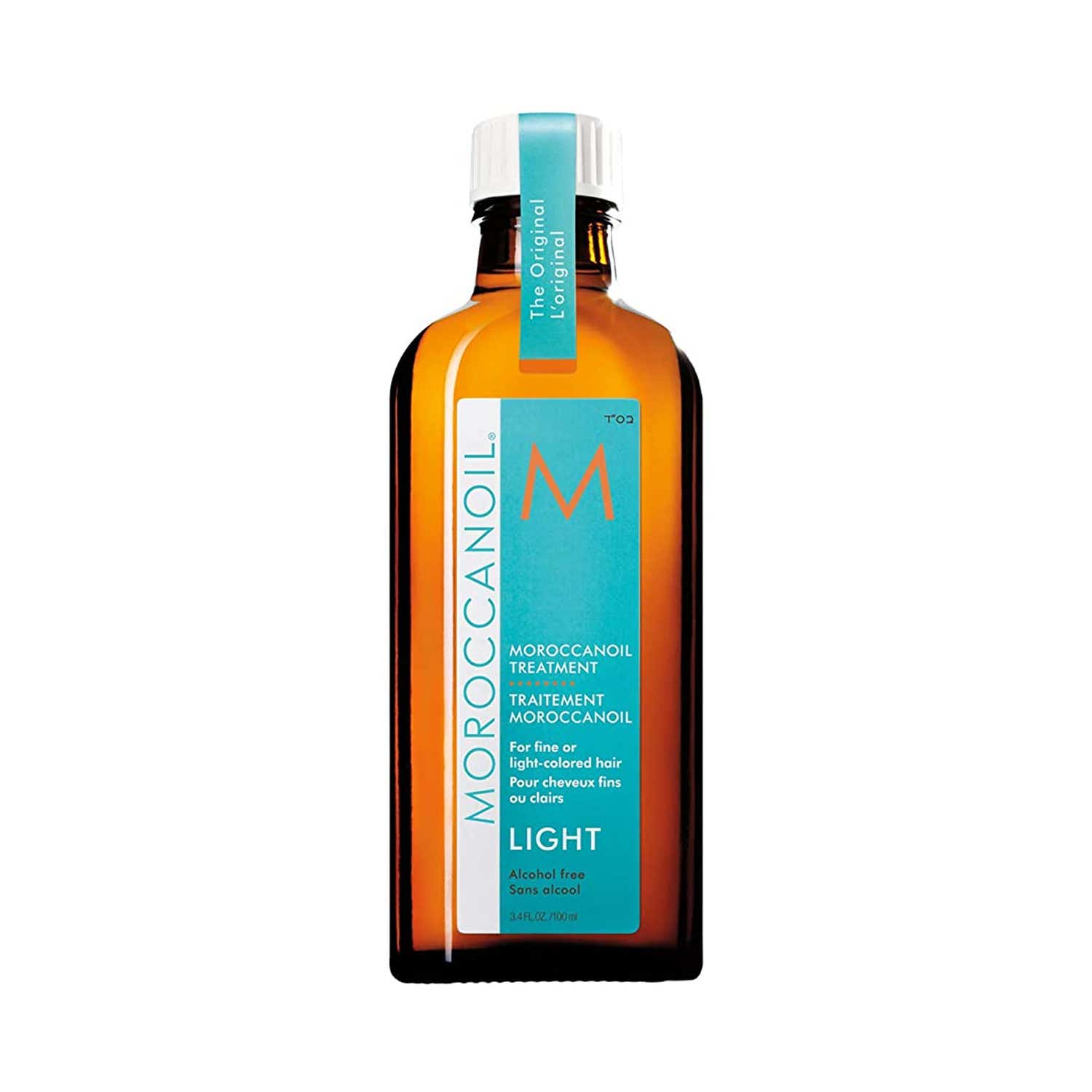
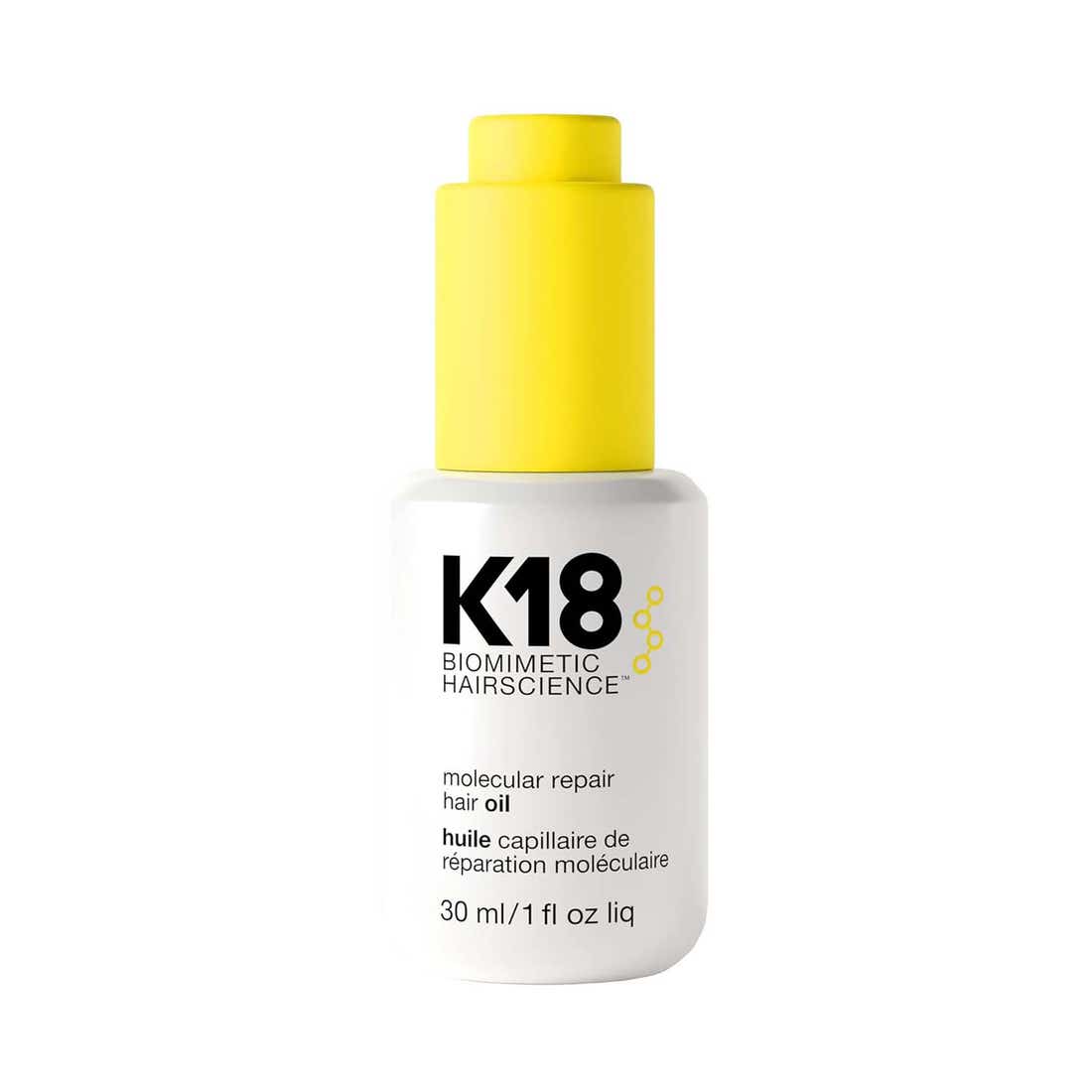
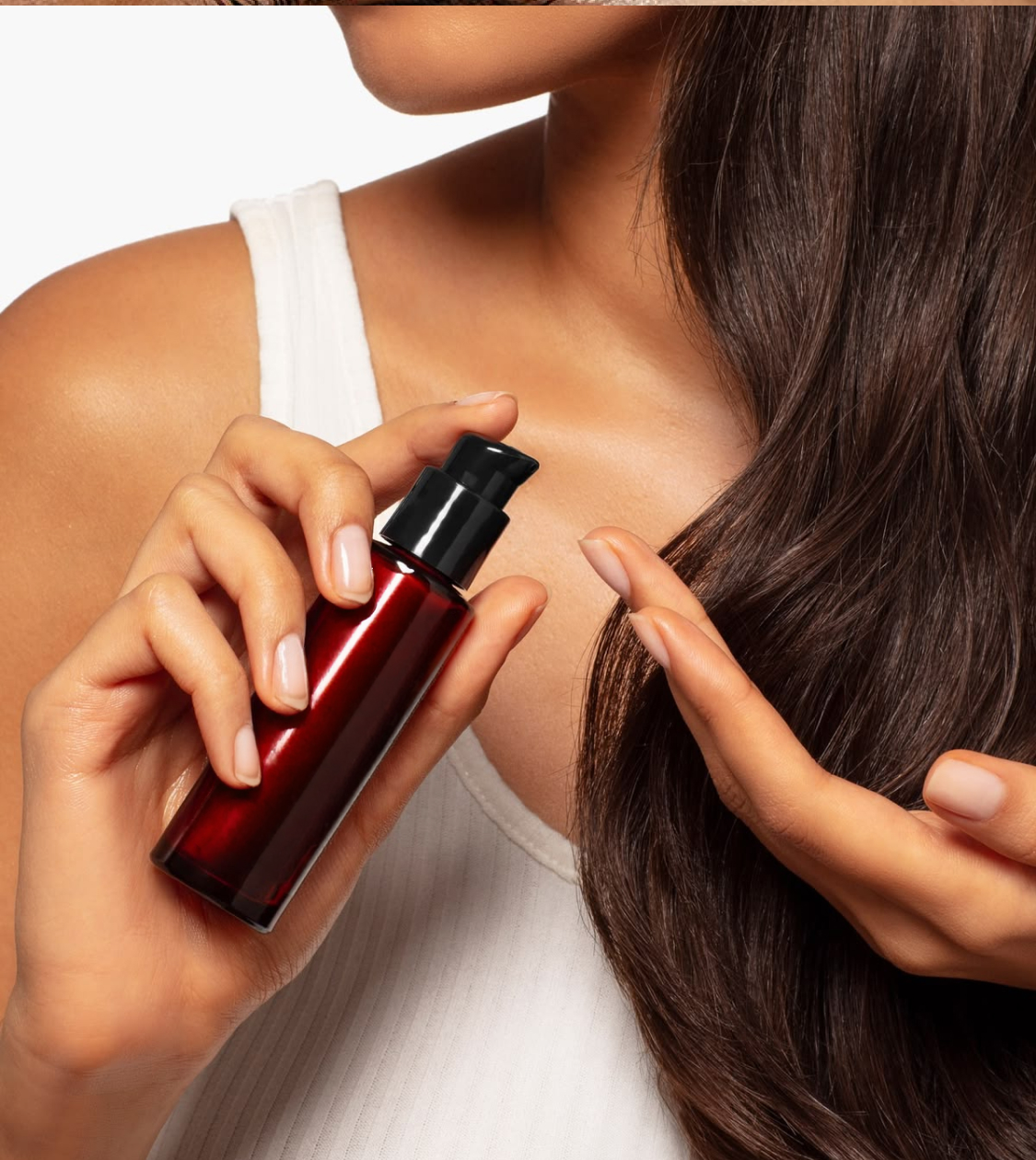
The rich hair oil you swear by in the winter has no place in your summer hair oiling routine. Instead, look for a lighter formula that spreads easily and rinses out without a fight. Lighter oils and oil blends are usually easier to work with in warmer weather, especially if you have fine hair that’s prone to greasiness. You can also go for an oil serum or oil mist to ensure that your hair doesn’t feel weighed down after oiling.
Remember, less is more. Start with a much smaller amount than you usually would, especially if you have fine hair. A few drops should be enough for the lengths and ends, while thicker or very dry hair may need a little more. The safest approach is to pour a pea-sized amount in your hand, warm it between your palms and apply it to your lengths. Only add more oil if your hair still feels dry because, once you’ve gone overboard, there’s no elegant fix except washing it out rigorously. Also, avoid pouring oil directly onto your scalp or hair—that’s how you end up with uneven patches. Apply it with your hands so you can control the amount and spread it evenly.
As Indians, our default setting is to apply hair oil onto our scalp and massage it into the roots. But in summer, the roots are already prone to sweat and greasiness, while the strands are likely to be dry and frizzy. So, unless your scalp feels genuinely dry, keep the oil focused on the mid-lengths and ends instead of working it all the way up to the crown. Warm a small amount between your palms, smooth it down the lengths and use whatever is left on your hands for the ends. That way, your hair gets the nourishment where it actually needs it, without weighing your roots down.
Summer is not the time for overnight hair oil transformations. Letting the oil sit for too long in your hair can lead to greasiness and more buildup over time. Simply apply it 30 minutes to an hour before a shower. Work it through your lengths and ends, let it sit while you finish your pre-shower routine and then wash it out properly. This also makes oiling feel a lot less of a chore because you are not committing to a time-consuming routine. It’s just a straightforward, targeted step in your haircare regimen.
The biggest mistake you can make in your summer oiling routine is rushing the final step. Not rinsing out the oil properly can lead to sticky and greasy roots, limp or slightly coated lengths and an overall flat experience. Focus the shampoo on the scalp, where sweat, oil and buildup usually collect and let the rinse carry the product through the rest of your hair instead of scrubbing your ends aggressively. If your hair still feels heavy after one wash, it’s okay to go for a second gentle cleanse—gentle being the key word here.
FYI, you don’t need to oil your hair just because it’s self-care Sunday. In summer, your oiling routine should depend on the needs of your hair and scalp. If your lengths are rough, frizzy or dry after too much sun or time spent in air conditioning, a light pre-wash oiling session can help. But if your scalp already feels oily or your strands are flat, it’s perfectly fine to space it out. As far as frequency goes, there’s no strict rule. Some hair types may need hair oiling once a week, while others may need it only when the lengths start to look dry.
The rich hair oil you swear by in the winter has no place in your summer hair oiling routine. Instead, look for a lighter formula that spreads easily and rinses out without a fight. Lighter oils and oil blends are usually easier to work with in warmer weather, especially if you have fine hair that’s prone to greasiness. You can also go for an oil serum or oil mist to ensure that your hair doesn’t feel weighed down after oiling.
Remember, less is more. Start with a much smaller amount than you usually would, especially if you have fine hair. A few drops should be enough for the lengths and ends, while thicker or very dry hair may need a little more. The safest approach is to pour a pea-sized amount in your hand, warm it between your palms and apply it to your lengths. Only add more oil if your hair still feels dry because, once you’ve gone overboard, there’s no elegant fix except washing it out rigorously. Also, avoid pouring oil directly onto your scalp or hair—that’s how you end up with uneven patches. Apply it with your hands so you can control the amount and spread it evenly.
As Indians, our default setting is to apply hair oil onto our scalp and massage it into the roots. But in summer, the roots are already prone to sweat and greasiness, while the strands are likely to be dry and frizzy. So, unless your scalp feels genuinely dry, keep the oil focused on the mid-lengths and ends instead of working it all the way up to the crown. Warm a small amount between your palms, smooth it down the lengths and use whatever is left on your hands for the ends. That way, your hair gets the nourishment where it actually needs it, without weighing your roots down.
Summer is not the time for overnight hair oil transformations. Letting the oil sit for too long in your hair can lead to greasiness and more buildup over time. Simply apply it 30 minutes to an hour before a shower. Work it through your lengths and ends, let it sit while you finish your pre-shower routine and then wash it out properly. This also makes oiling feel a lot less of a chore because you are not committing to a time-consuming routine. It’s just a straightforward, targeted step in your haircare regimen.
The biggest mistake you can make in your summer oiling routine is rushing the final step. Not rinsing out the oil properly can lead to sticky and greasy roots, limp or slightly coated lengths and an overall flat experience. Focus the shampoo on the scalp, where sweat, oil and buildup usually collect and let the rinse carry the product through the rest of your hair instead of scrubbing your ends aggressively. If your hair still feels heavy after one wash, it’s okay to go for a second gentle cleanse—gentle being the key word here.
FYI, you don’t need to oil your hair just because it’s self-care Sunday. In summer, your oiling routine should depend on the needs of your hair and scalp. If your lengths are rough, frizzy or dry after too much sun or time spent in air conditioning, a light pre-wash oiling session can help. But if your scalp already feels oily or your strands are flat, it’s perfectly fine to space it out. As far as frequency goes, there’s no strict rule. Some hair types may need hair oiling once a week, while others may need it only when the lengths start to look dry.


The rich hair oil you swear by in the winter has no place in your summer hair oiling routine. Instead, look for a lighter formula that spreads easily and rinses out without a fight. Lighter oils and oil blends are usually easier to work with in warmer weather, especially if you have fine hair that’s prone to greasiness. You can also go for an oil serum or oil mist to ensure that your hair doesn’t feel weighed down after oiling.
Remember, less is more. Start with a much smaller amount than you usually would, especially if you have fine hair. A few drops should be enough for the lengths and ends, while thicker or very dry hair may need a little more. The safest approach is to pour a pea-sized amount in your hand, warm it between your palms and apply it to your lengths. Only add more oil if your hair still feels dry because, once you’ve gone overboard, there’s no elegant fix except washing it out rigorously. Also, avoid pouring oil directly onto your scalp or hair—that’s how you end up with uneven patches. Apply it with your hands so you can control the amount and spread it evenly.
As Indians, our default setting is to apply hair oil onto our scalp and massage it into the roots. But in summer, the roots are already prone to sweat and greasiness, while the strands are likely to be dry and frizzy. So, unless your scalp feels genuinely dry, keep the oil focused on the mid-lengths and ends instead of working it all the way up to the crown. Warm a small amount between your palms, smooth it down the lengths and use whatever is left on your hands for the ends. That way, your hair gets the nourishment where it actually needs it, without weighing your roots down.
Summer is not the time for overnight hair oil transformations. Letting the oil sit for too long in your hair can lead to greasiness and more buildup over time. Simply apply it 30 minutes to an hour before a shower. Work it through your lengths and ends, let it sit while you finish your pre-shower routine and then wash it out properly. This also makes oiling feel a lot less of a chore because you are not committing to a time-consuming routine. It’s just a straightforward, targeted step in your haircare regimen.
The biggest mistake you can make in your summer oiling routine is rushing the final step. Not rinsing out the oil properly can lead to sticky and greasy roots, limp or slightly coated lengths and an overall flat experience. Focus the shampoo on the scalp, where sweat, oil and buildup usually collect and let the rinse carry the product through the rest of your hair instead of scrubbing your ends aggressively. If your hair still feels heavy after one wash, it’s okay to go for a second gentle cleanse—gentle being the key word here.
FYI, you don’t need to oil your hair just because it’s self-care Sunday. In summer, your oiling routine should depend on the needs of your hair and scalp. If your lengths are rough, frizzy or dry after too much sun or time spent in air conditioning, a light pre-wash oiling session can help. But if your scalp already feels oily or your strands are flat, it’s perfectly fine to space it out. As far as frequency goes, there’s no strict rule. Some hair types may need hair oiling once a week, while others may need it only when the lengths start to look dry.