




Beauty Front Benchers
How to make your blush last all day (and well into the night)
Read Now


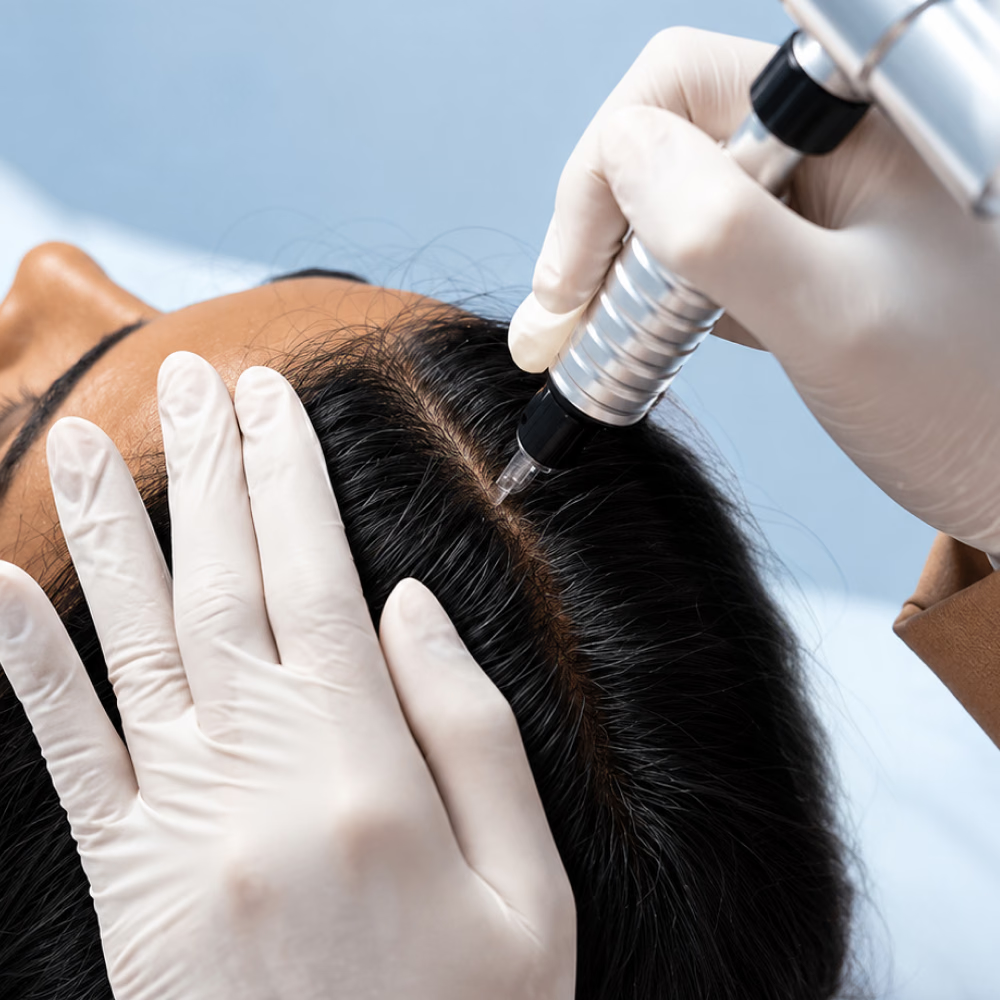

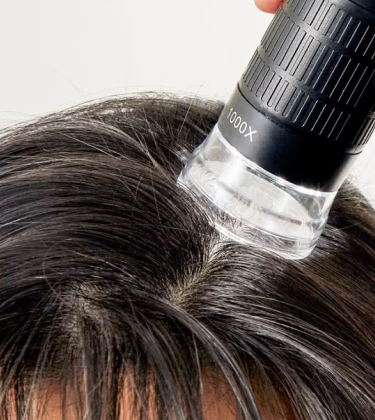
You've made it through months of humidity, unexpected downpours and frizzy hair days. But just when you think the worst is behind you, you start noticing more hair than usual on your pillow, in the shower drain and tangled in your brush. If this sounds familiar, there's a possible explanation. Hair shedding can become more noticeable in the weeks following the monsoon, even when your scalp seemed perfectly fine throughout the rainy season.
To understand why this happens and what you can do about it, we spoke to Sunita Chhetri, a certified trichologist with an Advanced Diploma in Trichology from IICAD, Bengaluru. Here, she explains what happens to your scalp during the monsoon, the signs worth paying attention to and how to care for your hair as the seasons change.




Be Bodywise features ketoconazole at a dermat-approved 1% concentration, without the dermat-clinic price tag. This is the shampoo to reach for if you've never used a medicated one before and want to see what ‘treating’ dandruff feels like, versus just masking it for a day.
Known for removing oil and dirt from the scalp, this detox shampoo doesn’t disappoint. Because it’s spiked with charcoal and keratin, it tackles impurities while offering a smooth and glossy finish to your strands. This pick is ideal for anyone who has dealt with greasy scalp flat hair.
This is a clarifying shampoo that resets your hair and scalp when buildup starts to show. It removes excess oil, sweat and product residue while keeping your hair soft and manageable. Use it once or twice a week to keep the hair feeling clean and light, especially if you style regularly or live in a polluted environment. It’s the product that improves how your hair behaves overall.
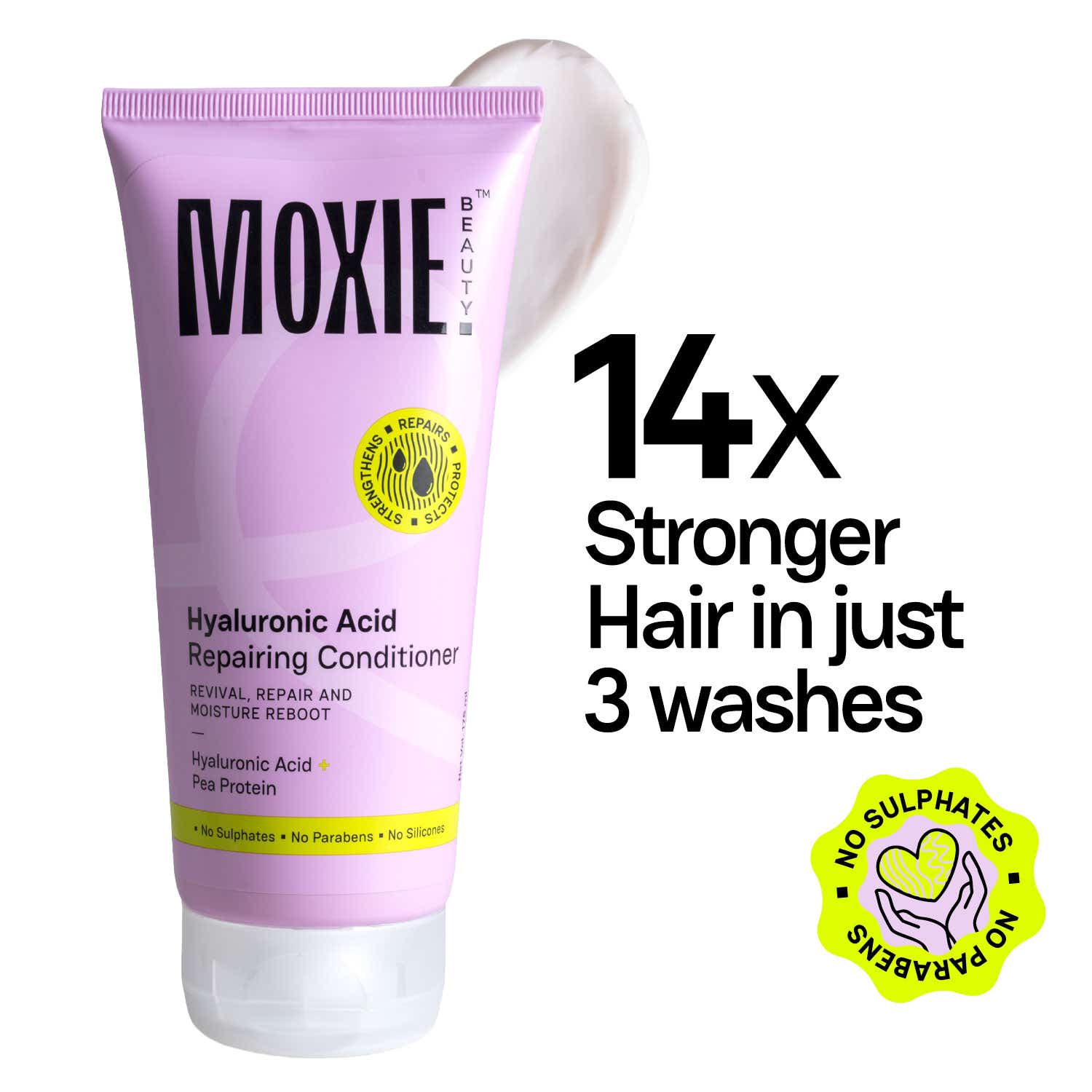
Pilgrim keeps things clean and plant-forward without skimping on the ingredients that actually matter. Redensyl and Anagain form the core of the formula — both well-researched actives, with Anagain sourced from organic pea sprouts known to extend the hair's growth phase. Zinc and green tea extract add scalp health benefits, while argan oil brings lightweight nourishment without any greasiness. A good option for anyone who prefers plant-based formulas but doesn't want to compromise on efficacy.
According to Chhetri, one possible explanation is telogen effluvium, a temporary form of excessive hair shedding that can occur after the body experiences physical or physiological stress.
During the monsoon, your scalp is exposed to increased humidity, sweat and environmental pollutants, all of which can affect its condition. "Humidity, sweat, rainwater and pollution all disrupt the scalp microbiome," she explains. In cities such as Mumbai, Delhi, Bengaluru and Chennai, exposure to polluted rainwater can add to the irritation.
Chhetri identifies three factors that may contribute to scalp problems during this period: disruption of the scalp's protective barrier, inflammation and the delayed response of the hair growth cycle. However, seasonal shedding isn't always caused by scalp inflammation, and other factors such as illness, nutritional deficiencies and hormonal changes can also play a role.
Your scalp has its own microbiome, a community of microorganisms that helps maintain a healthy environment for your hair. Increased humidity, sweat and oil can affect this balance, sometimes creating favourable conditions for Malassezia, a yeast naturally present on the skin. "It's a fungus that loves oil," Chhetri says. "When there's excess oil on the scalp, it overgrows, and the overgrowth creates inflammation." This can contribute to conditions such as dandruff and seborrhoeic dermatitis, particularly if you're already prone to them.
To understand hair shedding, it also helps to know how your hair grows. Each strand goes through three main stages: anagen (growth), catagen (transition) and telogen (resting). When the body experiences certain stressors, more follicles than usual can enter the resting phase, eventually resulting in increased shedding. "Think of it as a stress response," Chhetri explains. The important thing to remember is that the hair doesn't necessarily fall out immediately after the triggering event.
There's a delay between the event that triggers telogen effluvium and the point at which you begin noticing more hair fall. "There's a delay of about eight to 12 weeks," Chhetri says. So, if something affected your hair growth cycle in July or August, you might only notice the shedding in September or October.
This explains why hair fall can seem to increase quite suddenly, even when you've already returned to your usual routine. The shedding may continue for several months before settling, depending on the underlying cause.
It's also worth remembering that not every increase in hair fall after the monsoon is telogen effluvium. Persistent or unusually heavy shedding needs a proper assessment.
A little flaking or occasional itching might not seem particularly concerning, especially after months of humid weather. But Chhetri recommends paying attention to changes that persist.
One sign she highlights is yellowish, greasy flakes that cling to the scalp, which can be associated with seborrhoeic dermatitis. Dry, white flakes can have several causes, including dandruff and dry skin, so appearance alone isn't enough to make a diagnosis.
Other symptoms to look out for include:
Seborrhoeic dermatitis and folliculitis are among the conditions that can cause some of these symptoms. Fungal infections such as tinea capitis can also affect the scalp, particularly in children. If the itching, flaking or inflammation persists, it's best to consult a dermatologist rather than trying to diagnose the problem yourself.
You don't need an elaborate routine or an entirely new shelf of products. Chhetri recommends focusing on regular cleansing, conditioning and targeted scalp care, depending on what your hair needs.
After months of sweat, humidity and product build-up, keeping your scalp clean is a good place to start. Chhetri recommends washing your hair three to four times a week, although the right frequency depends on your scalp type, hair texture and activity levels. If your scalp gets oily quickly, you may need to wash it more often.
Choose a shampoo that cleanses effectively without leaving your scalp feeling uncomfortable. If you're prone to dandruff, ingredients such as ketoconazole or other antifungal actives may help, while salicylic acid can help loosen flakes and remove build-up. Medicated shampoos should be used according to their directions or a dermatologist's advice. If your scalp is dry or sensitive, look for a gentle shampoo that doesn't leave it feeling tight or irritated.
Your scalp might be the priority, but your lengths still need attention. Humidity, frequent washing and styling can leave hair feeling rough, tangled or prone to breakage.
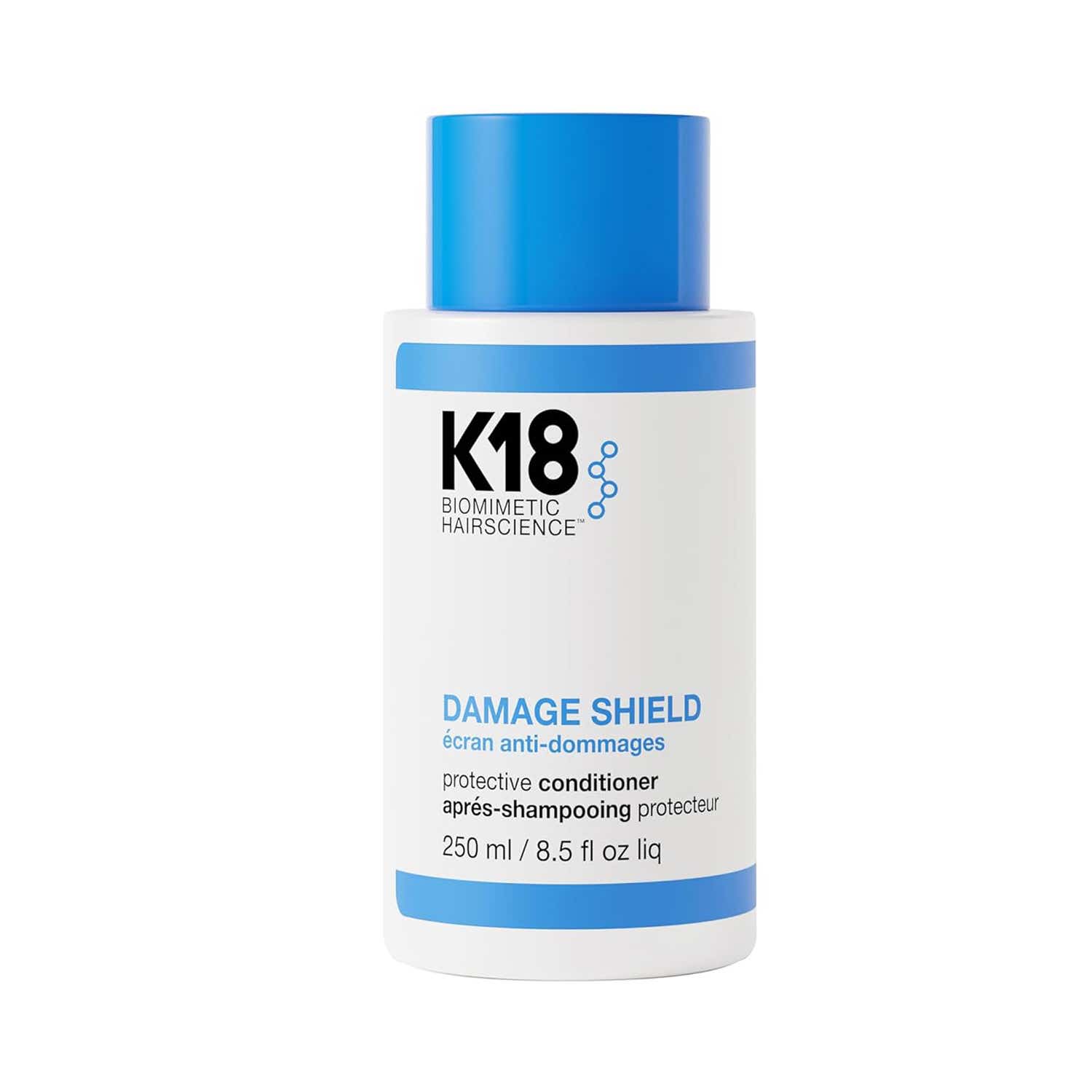
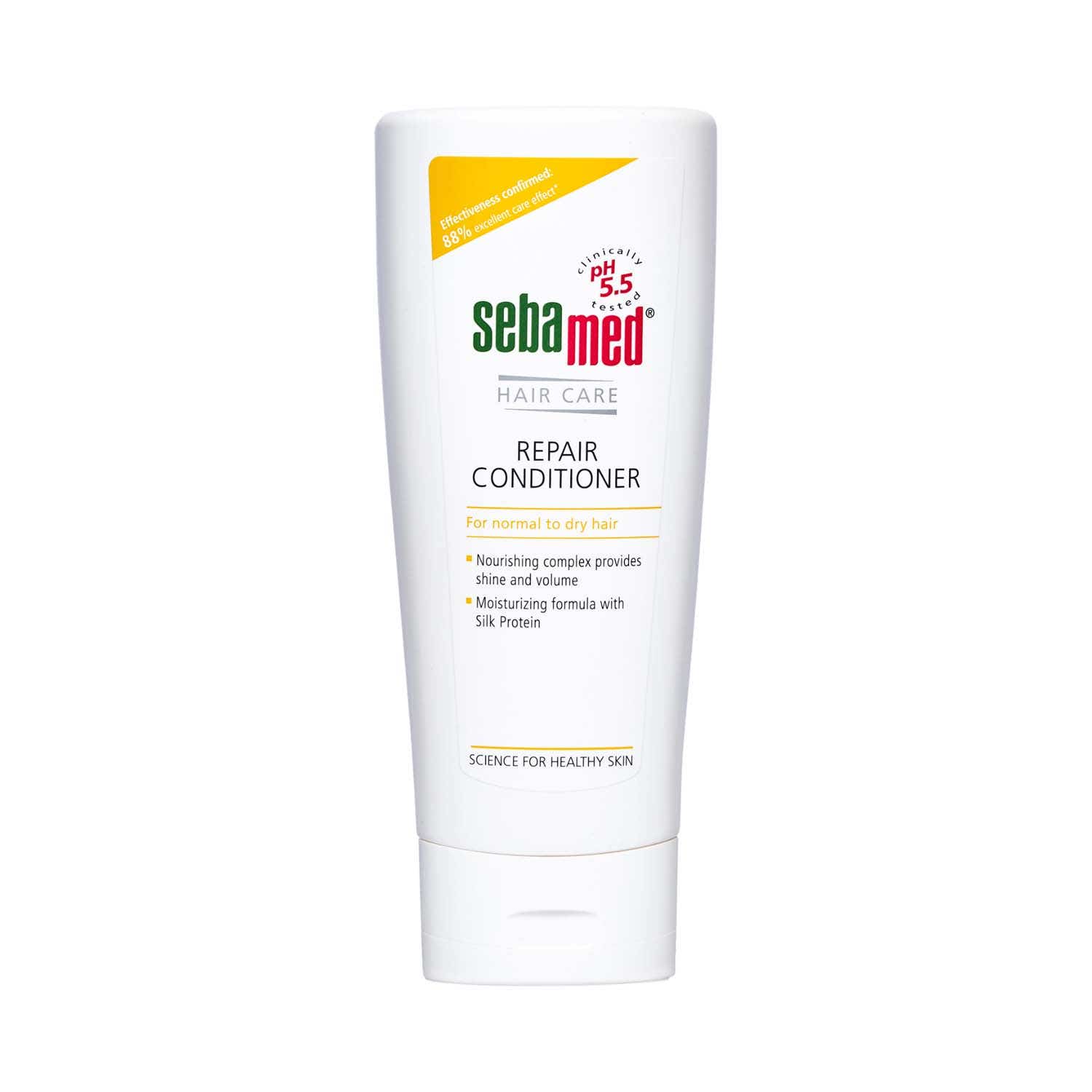
Apply conditioner from the mid-lengths to the ends after shampooing, concentrating on areas that feel particularly dry. Chhetri suggests looking for ingredients such as panthenol and conditioning proteins to help improve softness and manageability.
And if you've been confusing breakage with hair fall, there's an easy distinction to keep in mind: broken strands tend to be shorter, while naturally shed strands are often full-length.
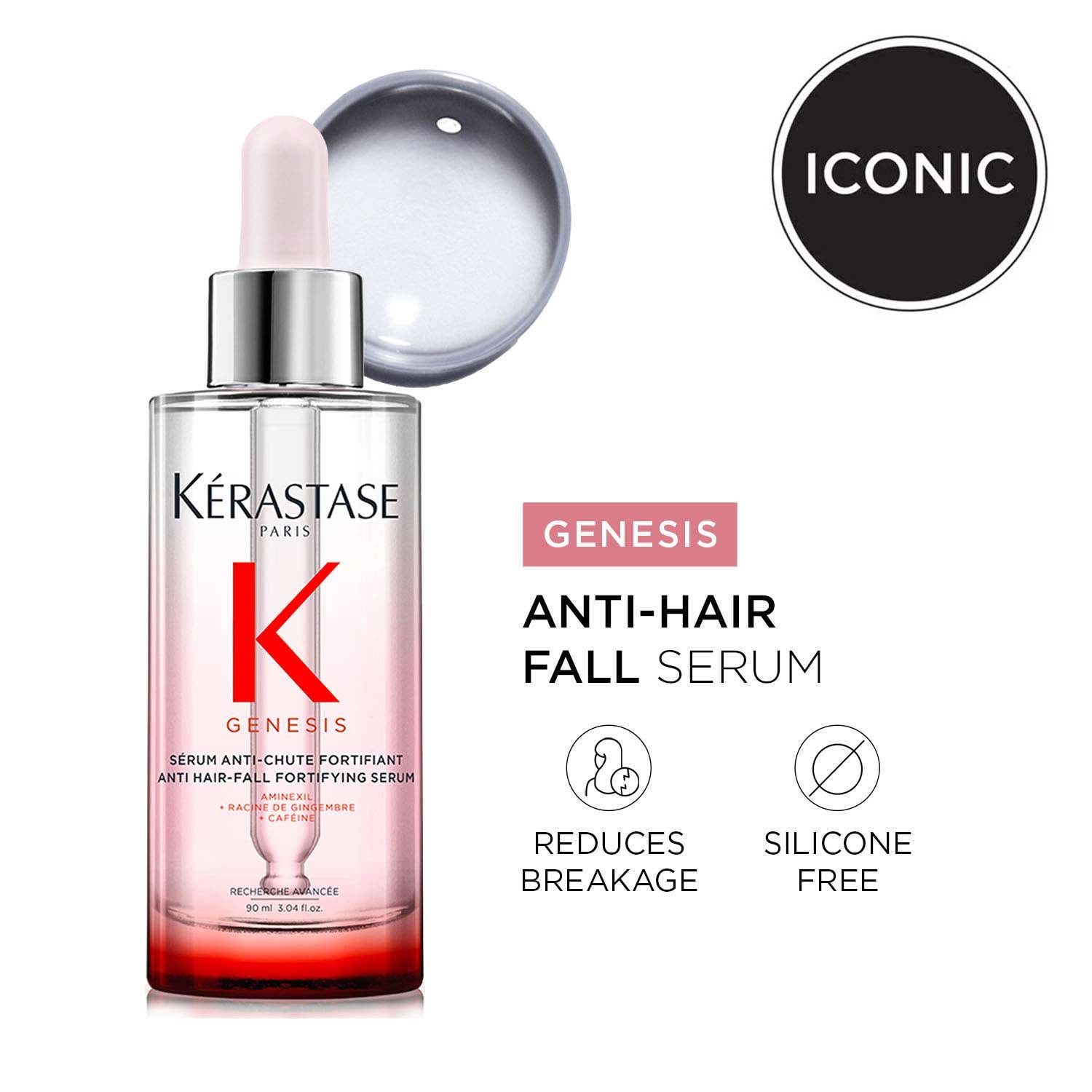
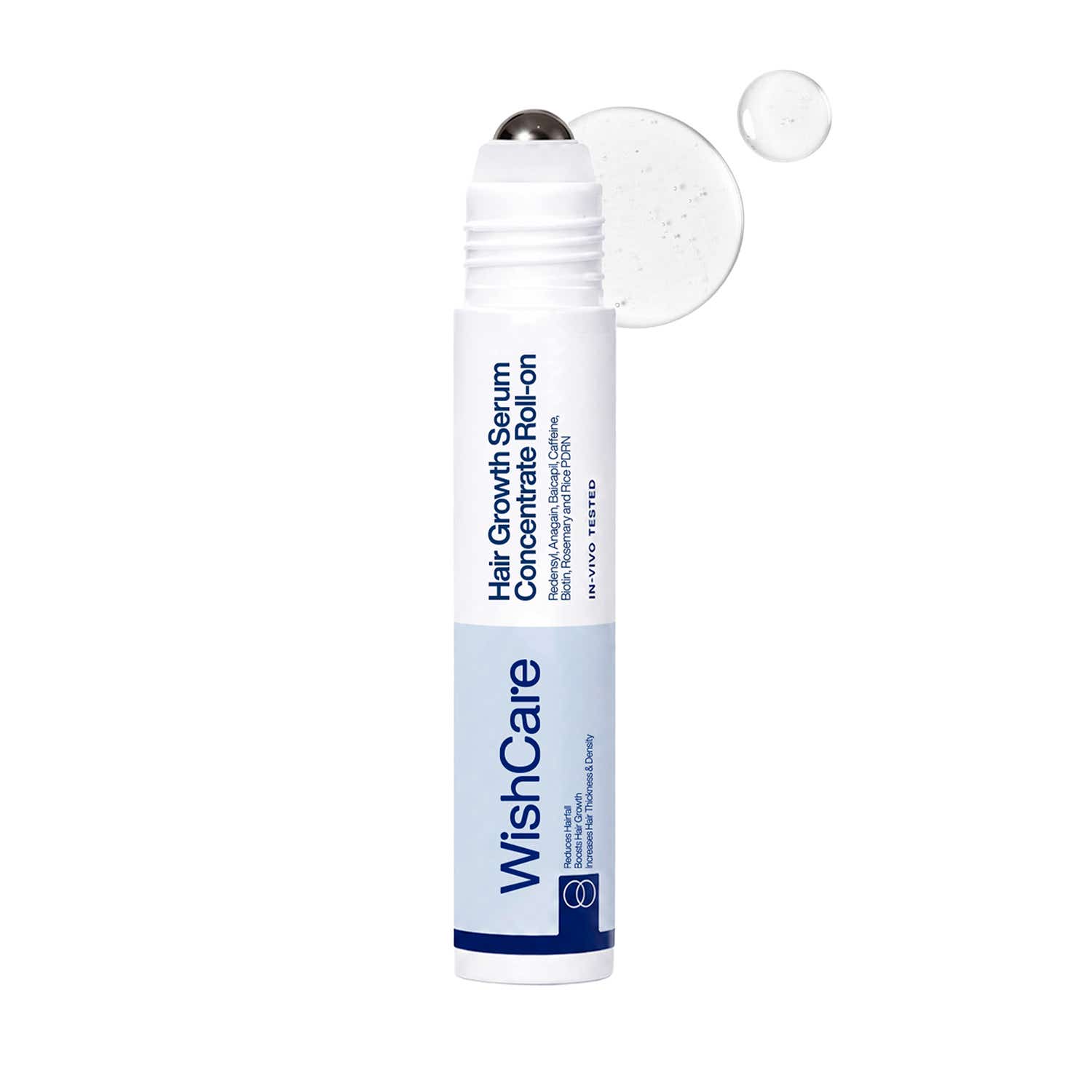
If you're experiencing excessive shedding, a scalp serum might be worth discussing with your dermatologist, depending on what's causing it. Chhetri prefers lightweight scalp serums over heavy oiling, particularly for people dealing with excess oiliness or dandruff. Some serums are formulated to support scalp health, while others contain ingredients marketed for thinning hair.
Keep in mind that not all hair growth serums have the same level of clinical evidence, and a cosmetic serum won't necessarily address the underlying cause of hair loss.
What you do after washing your hair matters, too. Avoid leaving your scalp damp for extended periods, especially if you're prone to irritation. Gently towel-dry your hair, detangle carefully and minimise unnecessary pulling or friction.
If you're using a scalp serum, follow its application instructions. For your lengths, a leave-in conditioner or lightweight serum can help manage frizz, while a heat protectant is useful before blow-drying or using hot tools.
And if you get caught in the rain, there's no need to panic. Simply wash or rinse your hair if it's been exposed to dirty water and dry it thoroughly afterwards. "Let's not make it so complicated," Chhetri says. A consistent routine that suits your scalp is far more useful than adding products you don't really need.
Yes, particularly if you're not getting enough of certain nutrients. Hair is primarily made of keratin, a protein, so adequate protein intake is important for healthy hair growth. Chhetri recommends including protein-rich foods such as eggs, paneer and dal in your everyday meals.
Iron is another nutrient worth paying attention to, especially if you're experiencing increased shedding. Foods such as lentils, beans and leafy greens can contribute to your intake, and pairing plant-based sources of iron with vitamin C-rich foods can improve absorption.
However, changing your diet or taking supplements won't necessarily resolve hair fall if a nutritional deficiency isn't the cause. For clients experiencing significant shedding, Chhetri recommends investigating possible deficiencies before considering supplements. Depending on the symptoms and medical history, a doctor may suggest tests for iron status, thyroid function or certain vitamin deficiencies. "We don't want to self-diagnose," she says. "We need to know what's happening internally."
If you've recently started a new haircare routine and are checking your brush after every wash for signs of improvement, you might need to give it more time.
Hair growth happens gradually, and in cases of telogen effluvium, strands that have already entered the resting phase may continue to shed even after the original trigger has been addressed. "Even if you start a serum today, whatever is in the telogen phase will fall off," Chhetri explains.
For temporary telogen effluvium, shedding often begins to settle within three to six months once the underlying trigger has resolved, although noticeable improvements in hair density can take longer. Chhetri recommends allowing at least three months before assessing changes, while also making sure the cause of the shedding has been identified. "You have to work with the hair cycle, not against it," she says.
Some additional shedding can be temporary, but persistent hair fall shouldn't be dismissed as a seasonal problem. If you're noticing sudden or significant shedding, visible thinning, bald patches or changes in your hairline, book an appointment with a dermatologist. The same applies if your scalp is persistently itchy, painful, inflamed or developing sores.
It's also worth seeking advice if your hair fall continues for several weeks without an obvious explanation, rather than waiting for a new shampoo or serum to make a difference.
The takeaway? Your scalp may need a little extra attention after the monsoon, but the right approach starts with understanding what's causing the problem. A manageable routine, adequate nutrition and timely professional advice can go a long way towards keeping your hair and scalp healthy.


