

Beauty Front Benchers
World Mental Health Day: 5 beauty rituals that help me slow down
Read Now


The monsoon may be over, but your hair might still be feeling the effects. Months of humidity, sweat and rain can leave your scalp prone to buildup, while your strands may feel frizzy, dry and harder to manage. Add frequent styling, heat and product use as the festive season rolls in, and your hair could use a little extra care before you start reaching for the curling iron and blow-dryer.
This is where a post-monsoon reset comes in. The goal isn’t to overhaul your entire routine, but to give your scalp and strands what they need to feel clean, balanced and healthy again. From washing away lingering buildup and restoring moisture to keeping frizz at bay and prepping your hair for styling, here’s our step-by-step guide to getting your hair back on track and ready for the celebrations ahead.




Double-duty and deceptively lush, this scrub uses fine sugar crystals to exfoliate gently but effectively—whether you’re tackling scalp buildup or dull, flaky skin. The coconut oil base keeps things soft and nourished, and the rose-lychee scent is enough to give your mood an automatic boost. It’s the kind of product that turns a routine wash into a ritual. Add it to your Sunday reset or midweek deep clean and you’ll realise it was the product you didn’t know was missing from your routine.
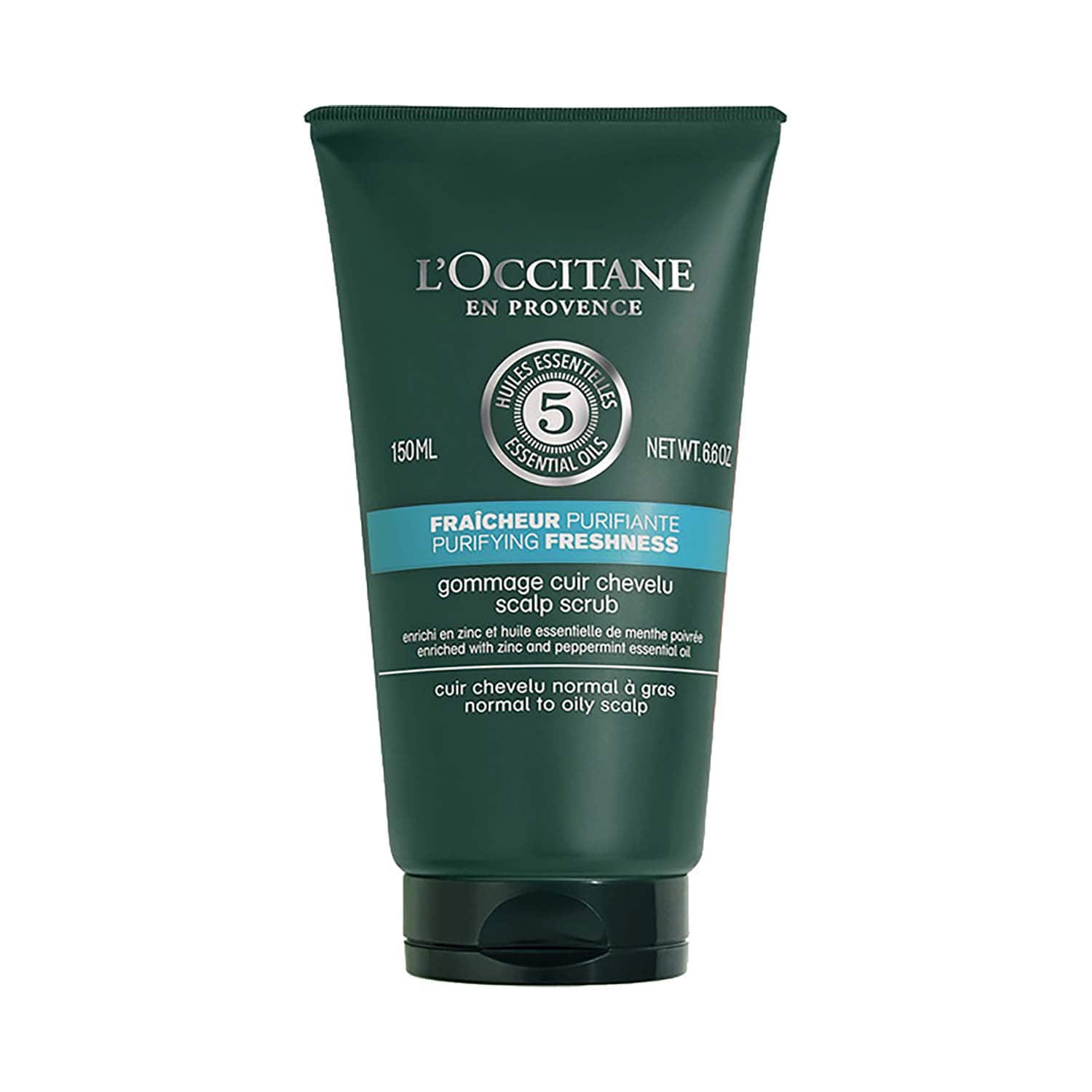
This isn’t your average gritty scrub. Formulated with sea salt and peppermint essential oil, it exfoliates dead skin cells and product build-up without stripping the scalp. Think of it as a reset button—ideal for those who use dry shampoo daily or have an oily scalp prone to congestion.
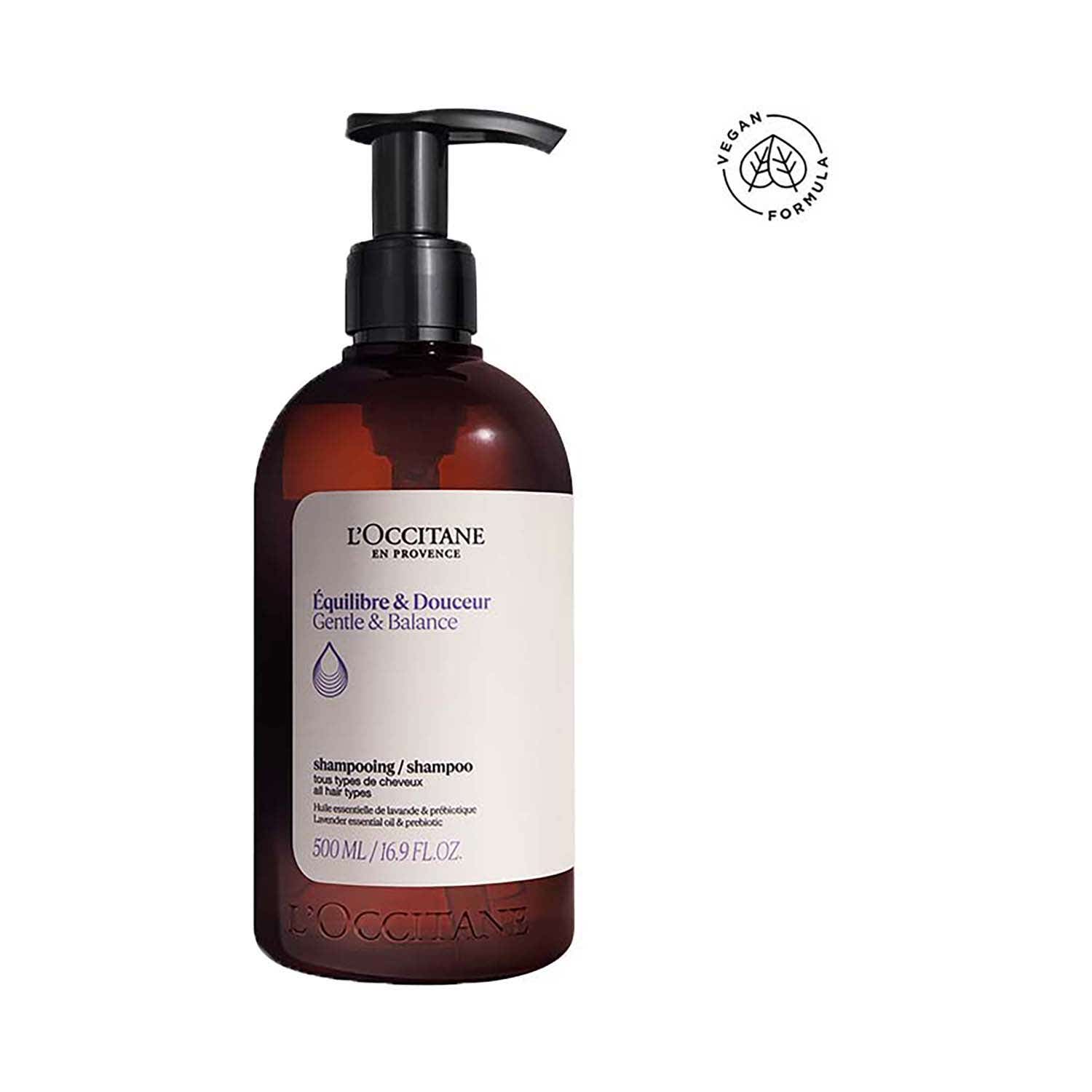
This micellar shampoo cleanses the scalp and hair without stripping the natural oils. It leaves hair feeling light, soft and balanced after each wash. The gentle formula makes it especially suitable for frequent washing or sensitive scalps.
Months of humidity, sweat, rain and frequent washing can leave the scalp prone to excess oil and buildup, while the lengths may feel dry, frizzy or rough. Changes in weather and increased exposure to styling can also make hair harder to manage.
Start with a scalp scrub to remove lingering buildup, followed by a gentle shampoo to cleanse the scalp. Follow with a nourishing hair mask to restore moisture, a serum to manage frizz and a heat protectant before styling.
Once a week is generally enough for most people. Over-exfoliating can irritate the scalp, so use the scrub gently and avoid applying too much pressure. If you have persistent itching, flaking or irritation, consult a dermatologist.
Use a nourishing conditioner or hair mask to keep your lengths moisturised, followed by a lightweight serum to smooth the hair and tame flyaways. Limiting unnecessary heat styling and using heat protection can also help prevent further dryness and frizz.
Apply a heat-protectant product before using a blow-dryer, straightener or curling iron. Avoid excessive heat and repeatedly passing hot tools over the same section, and let your hair dry as much as possible before styling.
The monsoon can leave more than just frizz in its wake. Months of humidity, sweat, dust and excess sebum can accumulate on the scalp, leaving it feeling greasy, itchy or congested, while your lengths may look dull and weighed down. If you've also noticed more shedding than usual, the change in season and the stress your hair has experienced over the past few months could be contributing to it.
With the festive season here, it's a good time to give your scalp and strands a reset before you put them through more styling. Clearing away buildup at the roots and replenishing moisture through the lengths can help create a cleaner, healthier-feeling base for the oils, masks and styling products that follow.
And you don't need to book a salon appointment to do it. Set aside a slow Sunday morning, light a scented candle and turn your bathroom into your own little hair-care ritual. You can work through the steps one after another for a more intensive reset, or simply incorporate them into your regular routine as needed. Either way, consider this your post-monsoon refresh before the festive styling begins.
After months of humidity, sweat and rain, your scalp can accumulate excess oil, product residue and dead skin cells, leaving it feeling greasy, itchy or congested. Start your post-monsoon reset by giving your scalp a thorough but gentle cleanse with an exfoliating scalp scrub.
A scalp scrub can help loosen stubborn buildup and dead skin cells that regular shampoo may not completely remove, leaving your scalp feeling fresher and cleaner. Apply it directly to the scalp and massage gently with your fingertips rather than aggressively scrubbing. Once a week is generally enough—over-exfoliating can irritate the scalp and disrupt its natural barrier.
If you're dealing with persistent flaking, itching or irritation, however, skip the DIY approach and consult a dermatologist instead.
Once you've loosened the buildup, follow with a gentle shampoo to wash away excess oil, sweat and residue without stripping the scalp. This is particularly important as you transition out of the humid monsoon months, when frequent washing can leave the lengths feeling dry even while the scalp gets oily.
Look for a shampoo with mild cleansing agents and ingredients that help maintain the scalp's natural barrier. Gentle shampoos can also be a good option if you have a sensitive or itchy scalp, chemically treated hair or strands that have been weakened by frequent styling.
The goal is a clean scalp that doesn't feel tight or squeaky afterwards—fresh, balanced and ready for the rest of your routine.
The scalp isn't the only part of your hair that needs a reset. Months of humidity, repeated washing and exposure to the elements can leave the lengths feeling rough, frizzy and lacking shine. This is where a weekly deep-conditioning treatment can make a difference.
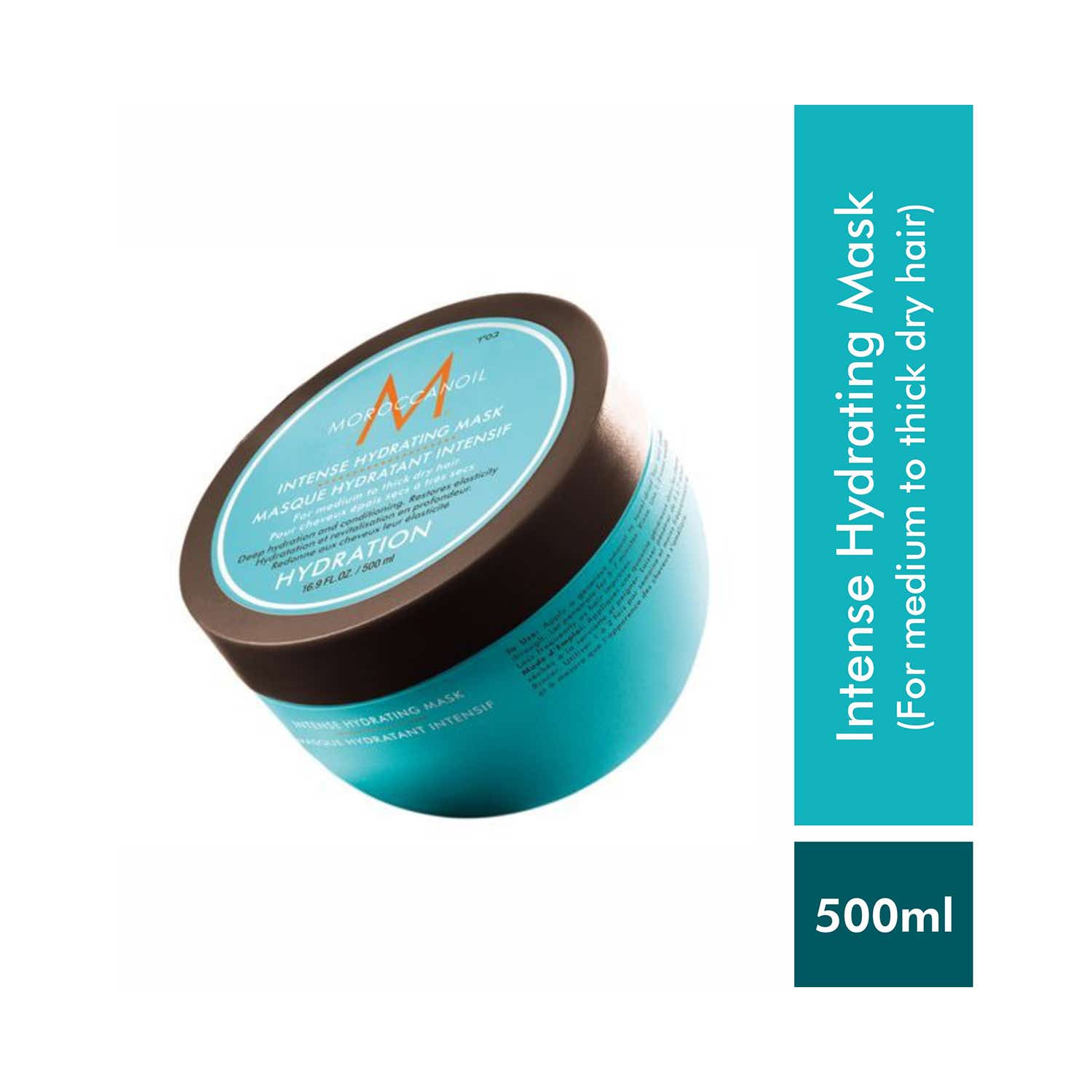
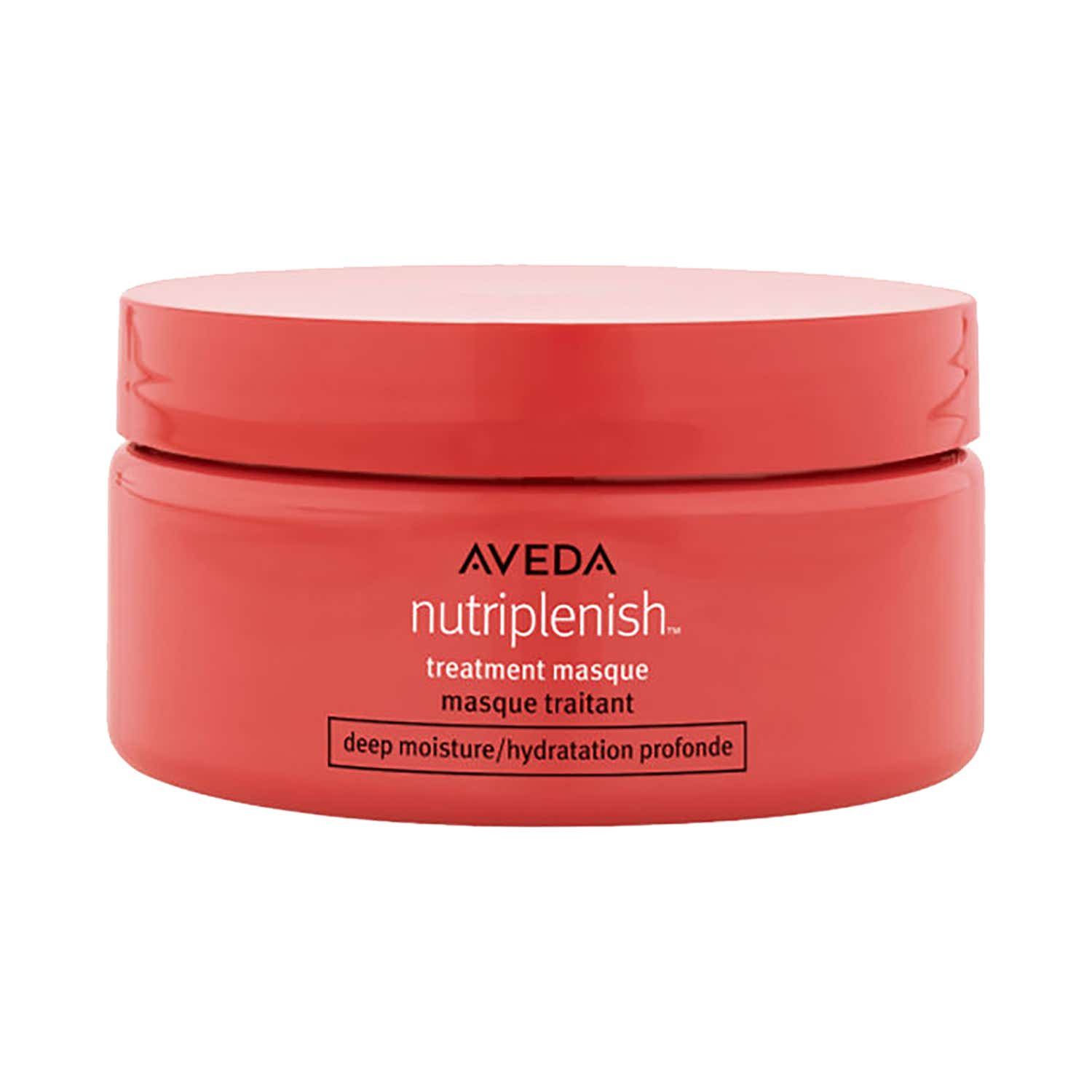
Apply a nourishing mask from the mid-lengths to the ends, comb it through gently for even distribution and leave it on for around 10 to 15 minutes before rinsing thoroughly. A good hair mask can help replenish moisture, smooth the cuticle and leave strands softer and more manageable.
Keep richer formulas away from the scalp and roots, particularly if your hair gets oily easily. Concentrating the treatment where your hair needs it most will help prevent that weighed-down feeling.
If your hair is still battling frizz now that the monsoon has passed, don't be too quick to blame your styling routine. Humidity can disrupt the hair's surface and leave strands looking puffy, rough and difficult to manage. A lightweight serum can help smooth the lengths, tame flyaways and add some much-needed shine.
Work a small amount through damp or dry mid-lengths and ends, depending on the product. Start with less—you can always add more—and avoid applying too much near the roots. This is also the step to reach for before heading out on particularly humid days when you want your hair to stay smoother for longer.
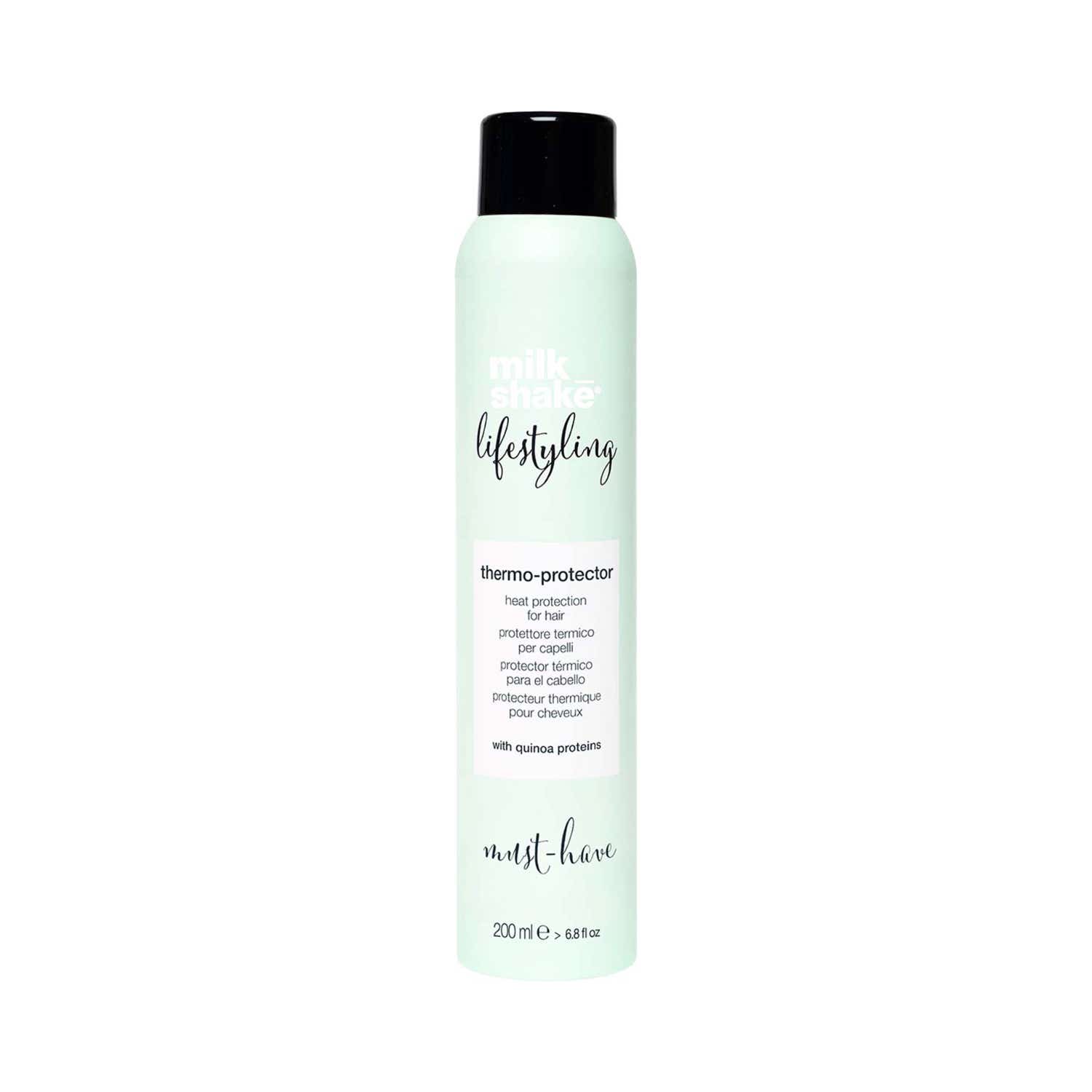
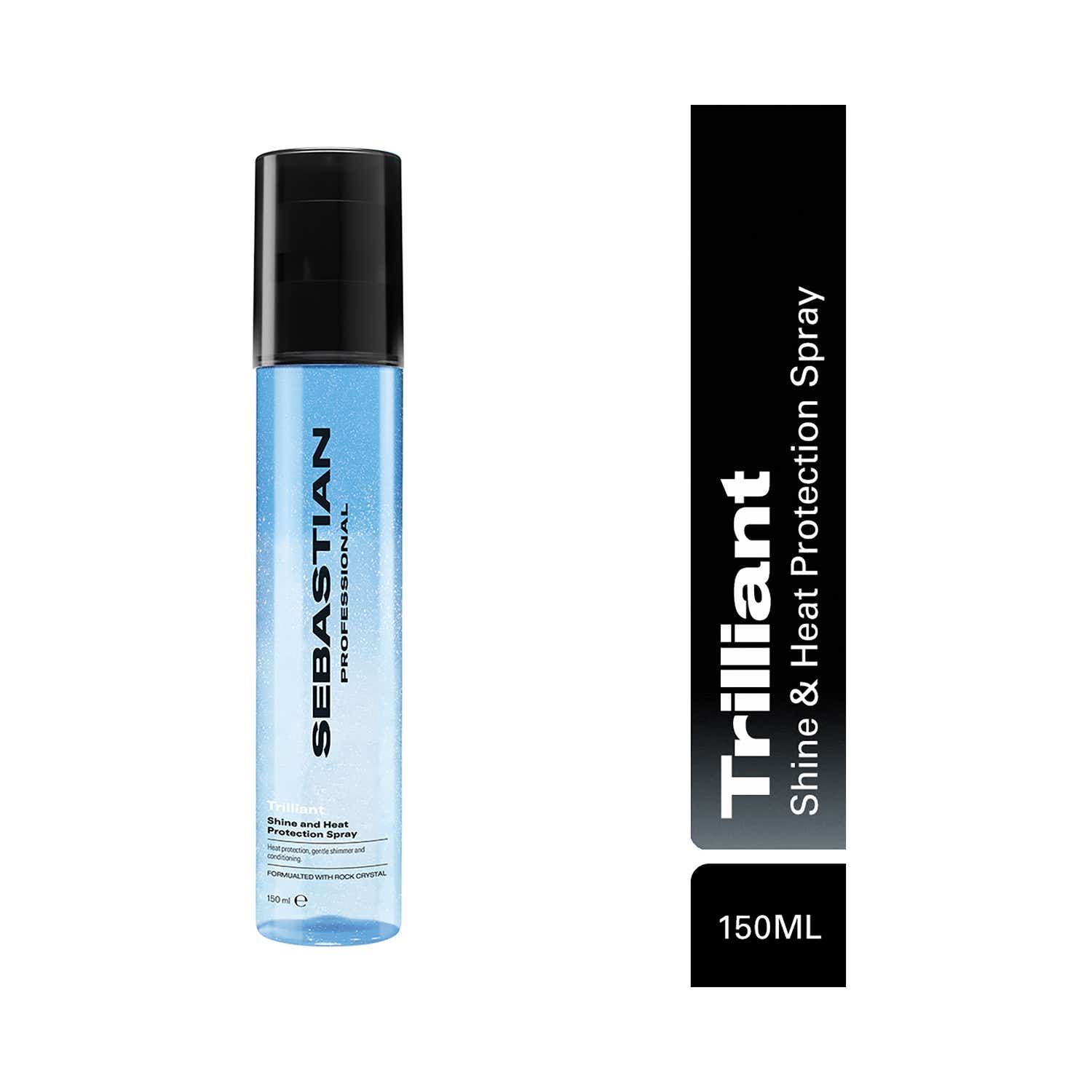
Post-monsoon hair can already be more vulnerable to dryness and breakage, so the last thing you want is to undo all that care with excessive heat. As you move into a season of blow-dries, straighteners and curling wands, make heat protection a non-negotiable part of your routine.
Apply a heat-protectant product evenly through your lengths before using hot tools and avoid repeatedly passing them over the same section. It's also worth being mindful of how you handle wet hair: let it dry as much as possible before styling and detangle gently, starting from the ends and working upwards.
And don't forget your ends. If they're feeling particularly dry or split after the monsoon, a trim can help remove damaged ends and make your hair look instantly healthier.



Months of humidity, sweat, rain and frequent washing can leave the scalp prone to excess oil and buildup, while the lengths may feel dry, frizzy or rough. Changes in weather and increased exposure to styling can also make hair harder to manage.
Start with a scalp scrub to remove lingering buildup, followed by a gentle shampoo to cleanse the scalp. Follow with a nourishing hair mask to restore moisture, a serum to manage frizz and a heat protectant before styling.
Once a week is generally enough for most people. Over-exfoliating can irritate the scalp, so use the scrub gently and avoid applying too much pressure. If you have persistent itching, flaking or irritation, consult a dermatologist.
Use a nourishing conditioner or hair mask to keep your lengths moisturised, followed by a lightweight serum to smooth the hair and tame flyaways. Limiting unnecessary heat styling and using heat protection can also help prevent further dryness and frizz.
Apply a heat-protectant product before using a blow-dryer, straightener or curling iron. Avoid excessive heat and repeatedly passing hot tools over the same section, and let your hair dry as much as possible before styling.
The monsoon can leave more than just frizz in its wake. Months of humidity, sweat, dust and excess sebum can accumulate on the scalp, leaving it feeling greasy, itchy or congested, while your lengths may look dull and weighed down. If you've also noticed more shedding than usual, the change in season and the stress your hair has experienced over the past few months could be contributing to it.
With the festive season here, it's a good time to give your scalp and strands a reset before you put them through more styling. Clearing away buildup at the roots and replenishing moisture through the lengths can help create a cleaner, healthier-feeling base for the oils, masks and styling products that follow.
And you don't need to book a salon appointment to do it. Set aside a slow Sunday morning, light a scented candle and turn your bathroom into your own little hair-care ritual. You can work through the steps one after another for a more intensive reset, or simply incorporate them into your regular routine as needed. Either way, consider this your post-monsoon refresh before the festive styling begins.
After months of humidity, sweat and rain, your scalp can accumulate excess oil, product residue and dead skin cells, leaving it feeling greasy, itchy or congested. Start your post-monsoon reset by giving your scalp a thorough but gentle cleanse with an exfoliating scalp scrub.
A scalp scrub can help loosen stubborn buildup and dead skin cells that regular shampoo may not completely remove, leaving your scalp feeling fresher and cleaner. Apply it directly to the scalp and massage gently with your fingertips rather than aggressively scrubbing. Once a week is generally enough—over-exfoliating can irritate the scalp and disrupt its natural barrier.
If you're dealing with persistent flaking, itching or irritation, however, skip the DIY approach and consult a dermatologist instead.
Once you've loosened the buildup, follow with a gentle shampoo to wash away excess oil, sweat and residue without stripping the scalp. This is particularly important as you transition out of the humid monsoon months, when frequent washing can leave the lengths feeling dry even while the scalp gets oily.
Look for a shampoo with mild cleansing agents and ingredients that help maintain the scalp's natural barrier. Gentle shampoos can also be a good option if you have a sensitive or itchy scalp, chemically treated hair or strands that have been weakened by frequent styling.
The goal is a clean scalp that doesn't feel tight or squeaky afterwards—fresh, balanced and ready for the rest of your routine.
The scalp isn't the only part of your hair that needs a reset. Months of humidity, repeated washing and exposure to the elements can leave the lengths feeling rough, frizzy and lacking shine. This is where a weekly deep-conditioning treatment can make a difference.
Apply a nourishing mask from the mid-lengths to the ends, comb it through gently for even distribution and leave it on for around 10 to 15 minutes before rinsing thoroughly. A good hair mask can help replenish moisture, smooth the cuticle and leave strands softer and more manageable.
Keep richer formulas away from the scalp and roots, particularly if your hair gets oily easily. Concentrating the treatment where your hair needs it most will help prevent that weighed-down feeling.
If your hair is still battling frizz now that the monsoon has passed, don't be too quick to blame your styling routine. Humidity can disrupt the hair's surface and leave strands looking puffy, rough and difficult to manage. A lightweight serum can help smooth the lengths, tame flyaways and add some much-needed shine.
Work a small amount through damp or dry mid-lengths and ends, depending on the product. Start with less—you can always add more—and avoid applying too much near the roots. This is also the step to reach for before heading out on particularly humid days when you want your hair to stay smoother for longer.
Post-monsoon hair can already be more vulnerable to dryness and breakage, so the last thing you want is to undo all that care with excessive heat. As you move into a season of blow-dries, straighteners and curling wands, make heat protection a non-negotiable part of your routine.
Apply a heat-protectant product evenly through your lengths before using hot tools and avoid repeatedly passing them over the same section. It's also worth being mindful of how you handle wet hair: let it dry as much as possible before styling and detangle gently, starting from the ends and working upwards.
And don't forget your ends. If they're feeling particularly dry or split after the monsoon, a trim can help remove damaged ends and make your hair look instantly healthier.
The monsoon can leave more than just frizz in its wake. Months of humidity, sweat, dust and excess sebum can accumulate on the scalp, leaving it feeling greasy, itchy or congested, while your lengths may look dull and weighed down. If you've also noticed more shedding than usual, the change in season and the stress your hair has experienced over the past few months could be contributing to it.
With the festive season here, it's a good time to give your scalp and strands a reset before you put them through more styling. Clearing away buildup at the roots and replenishing moisture through the lengths can help create a cleaner, healthier-feeling base for the oils, masks and styling products that follow.
And you don't need to book a salon appointment to do it. Set aside a slow Sunday morning, light a scented candle and turn your bathroom into your own little hair-care ritual. You can work through the steps one after another for a more intensive reset, or simply incorporate them into your regular routine as needed. Either way, consider this your post-monsoon refresh before the festive styling begins.
After months of humidity, sweat and rain, your scalp can accumulate excess oil, product residue and dead skin cells, leaving it feeling greasy, itchy or congested. Start your post-monsoon reset by giving your scalp a thorough but gentle cleanse with an exfoliating scalp scrub.
A scalp scrub can help loosen stubborn buildup and dead skin cells that regular shampoo may not completely remove, leaving your scalp feeling fresher and cleaner. Apply it directly to the scalp and massage gently with your fingertips rather than aggressively scrubbing. Once a week is generally enough—over-exfoliating can irritate the scalp and disrupt its natural barrier.
If you're dealing with persistent flaking, itching or irritation, however, skip the DIY approach and consult a dermatologist instead.
Once you've loosened the buildup, follow with a gentle shampoo to wash away excess oil, sweat and residue without stripping the scalp. This is particularly important as you transition out of the humid monsoon months, when frequent washing can leave the lengths feeling dry even while the scalp gets oily.
Look for a shampoo with mild cleansing agents and ingredients that help maintain the scalp's natural barrier. Gentle shampoos can also be a good option if you have a sensitive or itchy scalp, chemically treated hair or strands that have been weakened by frequent styling.
The goal is a clean scalp that doesn't feel tight or squeaky afterwards—fresh, balanced and ready for the rest of your routine.
The scalp isn't the only part of your hair that needs a reset. Months of humidity, repeated washing and exposure to the elements can leave the lengths feeling rough, frizzy and lacking shine. This is where a weekly deep-conditioning treatment can make a difference.
Apply a nourishing mask from the mid-lengths to the ends, comb it through gently for even distribution and leave it on for around 10 to 15 minutes before rinsing thoroughly. A good hair mask can help replenish moisture, smooth the cuticle and leave strands softer and more manageable.
Keep richer formulas away from the scalp and roots, particularly if your hair gets oily easily. Concentrating the treatment where your hair needs it most will help prevent that weighed-down feeling.
If your hair is still battling frizz now that the monsoon has passed, don't be too quick to blame your styling routine. Humidity can disrupt the hair's surface and leave strands looking puffy, rough and difficult to manage. A lightweight serum can help smooth the lengths, tame flyaways and add some much-needed shine.
Work a small amount through damp or dry mid-lengths and ends, depending on the product. Start with less—you can always add more—and avoid applying too much near the roots. This is also the step to reach for before heading out on particularly humid days when you want your hair to stay smoother for longer.
Post-monsoon hair can already be more vulnerable to dryness and breakage, so the last thing you want is to undo all that care with excessive heat. As you move into a season of blow-dries, straighteners and curling wands, make heat protection a non-negotiable part of your routine.
Apply a heat-protectant product evenly through your lengths before using hot tools and avoid repeatedly passing them over the same section. It's also worth being mindful of how you handle wet hair: let it dry as much as possible before styling and detangle gently, starting from the ends and working upwards.
And don't forget your ends. If they're feeling particularly dry or split after the monsoon, a trim can help remove damaged ends and make your hair look instantly healthier.
Months of humidity, sweat, rain and frequent washing can leave the scalp prone to excess oil and buildup, while the lengths may feel dry, frizzy or rough. Changes in weather and increased exposure to styling can also make hair harder to manage.
Start with a scalp scrub to remove lingering buildup, followed by a gentle shampoo to cleanse the scalp. Follow with a nourishing hair mask to restore moisture, a serum to manage frizz and a heat protectant before styling.
Once a week is generally enough for most people. Over-exfoliating can irritate the scalp, so use the scrub gently and avoid applying too much pressure. If you have persistent itching, flaking or irritation, consult a dermatologist.
Use a nourishing conditioner or hair mask to keep your lengths moisturised, followed by a lightweight serum to smooth the hair and tame flyaways. Limiting unnecessary heat styling and using heat protection can also help prevent further dryness and frizz.
Apply a heat-protectant product before using a blow-dryer, straightener or curling iron. Avoid excessive heat and repeatedly passing hot tools over the same section, and let your hair dry as much as possible before styling.


Months of humidity, sweat, rain and frequent washing can leave the scalp prone to excess oil and buildup, while the lengths may feel dry, frizzy or rough. Changes in weather and increased exposure to styling can also make hair harder to manage.
Start with a scalp scrub to remove lingering buildup, followed by a gentle shampoo to cleanse the scalp. Follow with a nourishing hair mask to restore moisture, a serum to manage frizz and a heat protectant before styling.
Once a week is generally enough for most people. Over-exfoliating can irritate the scalp, so use the scrub gently and avoid applying too much pressure. If you have persistent itching, flaking or irritation, consult a dermatologist.
Use a nourishing conditioner or hair mask to keep your lengths moisturised, followed by a lightweight serum to smooth the hair and tame flyaways. Limiting unnecessary heat styling and using heat protection can also help prevent further dryness and frizz.
Apply a heat-protectant product before using a blow-dryer, straightener or curling iron. Avoid excessive heat and repeatedly passing hot tools over the same section, and let your hair dry as much as possible before styling.
The monsoon can leave more than just frizz in its wake. Months of humidity, sweat, dust and excess sebum can accumulate on the scalp, leaving it feeling greasy, itchy or congested, while your lengths may look dull and weighed down. If you've also noticed more shedding than usual, the change in season and the stress your hair has experienced over the past few months could be contributing to it.
With the festive season here, it's a good time to give your scalp and strands a reset before you put them through more styling. Clearing away buildup at the roots and replenishing moisture through the lengths can help create a cleaner, healthier-feeling base for the oils, masks and styling products that follow.
And you don't need to book a salon appointment to do it. Set aside a slow Sunday morning, light a scented candle and turn your bathroom into your own little hair-care ritual. You can work through the steps one after another for a more intensive reset, or simply incorporate them into your regular routine as needed. Either way, consider this your post-monsoon refresh before the festive styling begins.
After months of humidity, sweat and rain, your scalp can accumulate excess oil, product residue and dead skin cells, leaving it feeling greasy, itchy or congested. Start your post-monsoon reset by giving your scalp a thorough but gentle cleanse with an exfoliating scalp scrub.
A scalp scrub can help loosen stubborn buildup and dead skin cells that regular shampoo may not completely remove, leaving your scalp feeling fresher and cleaner. Apply it directly to the scalp and massage gently with your fingertips rather than aggressively scrubbing. Once a week is generally enough—over-exfoliating can irritate the scalp and disrupt its natural barrier.
If you're dealing with persistent flaking, itching or irritation, however, skip the DIY approach and consult a dermatologist instead.
Once you've loosened the buildup, follow with a gentle shampoo to wash away excess oil, sweat and residue without stripping the scalp. This is particularly important as you transition out of the humid monsoon months, when frequent washing can leave the lengths feeling dry even while the scalp gets oily.
Look for a shampoo with mild cleansing agents and ingredients that help maintain the scalp's natural barrier. Gentle shampoos can also be a good option if you have a sensitive or itchy scalp, chemically treated hair or strands that have been weakened by frequent styling.
The goal is a clean scalp that doesn't feel tight or squeaky afterwards—fresh, balanced and ready for the rest of your routine.
The scalp isn't the only part of your hair that needs a reset. Months of humidity, repeated washing and exposure to the elements can leave the lengths feeling rough, frizzy and lacking shine. This is where a weekly deep-conditioning treatment can make a difference.
Apply a nourishing mask from the mid-lengths to the ends, comb it through gently for even distribution and leave it on for around 10 to 15 minutes before rinsing thoroughly. A good hair mask can help replenish moisture, smooth the cuticle and leave strands softer and more manageable.
Keep richer formulas away from the scalp and roots, particularly if your hair gets oily easily. Concentrating the treatment where your hair needs it most will help prevent that weighed-down feeling.
If your hair is still battling frizz now that the monsoon has passed, don't be too quick to blame your styling routine. Humidity can disrupt the hair's surface and leave strands looking puffy, rough and difficult to manage. A lightweight serum can help smooth the lengths, tame flyaways and add some much-needed shine.
Work a small amount through damp or dry mid-lengths and ends, depending on the product. Start with less—you can always add more—and avoid applying too much near the roots. This is also the step to reach for before heading out on particularly humid days when you want your hair to stay smoother for longer.
Post-monsoon hair can already be more vulnerable to dryness and breakage, so the last thing you want is to undo all that care with excessive heat. As you move into a season of blow-dries, straighteners and curling wands, make heat protection a non-negotiable part of your routine.
Apply a heat-protectant product evenly through your lengths before using hot tools and avoid repeatedly passing them over the same section. It's also worth being mindful of how you handle wet hair: let it dry as much as possible before styling and detangle gently, starting from the ends and working upwards.
And don't forget your ends. If they're feeling particularly dry or split after the monsoon, a trim can help remove damaged ends and make your hair look instantly healthier.
Months of humidity, sweat, rain and frequent washing can leave the scalp prone to excess oil and buildup, while the lengths may feel dry, frizzy or rough. Changes in weather and increased exposure to styling can also make hair harder to manage.
Start with a scalp scrub to remove lingering buildup, followed by a gentle shampoo to cleanse the scalp. Follow with a nourishing hair mask to restore moisture, a serum to manage frizz and a heat protectant before styling.
Once a week is generally enough for most people. Over-exfoliating can irritate the scalp, so use the scrub gently and avoid applying too much pressure. If you have persistent itching, flaking or irritation, consult a dermatologist.
Use a nourishing conditioner or hair mask to keep your lengths moisturised, followed by a lightweight serum to smooth the hair and tame flyaways. Limiting unnecessary heat styling and using heat protection can also help prevent further dryness and frizz.
Apply a heat-protectant product before using a blow-dryer, straightener or curling iron. Avoid excessive heat and repeatedly passing hot tools over the same section, and let your hair dry as much as possible before styling.