



Beauty Front Benchers
Hair fall after the monsoon? A trichologist explains why it happens and what to do
Read Now


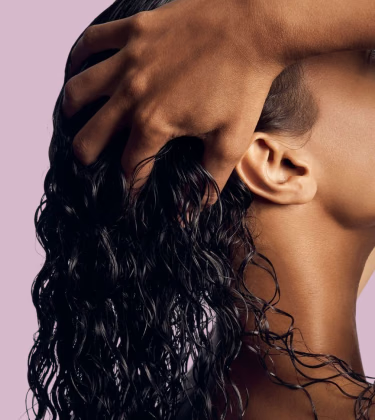
You've spent a good part of the evening getting your curls just right. They look great when you leave the house, but a few hours, several photographs and a turn on the dance floor later, they've started to lose their shape. Between the humidity, heat and constant movement, keeping your curls intact through a festive function can be a challenge.
The good news is that a few small changes to your styling routine can make a difference. How you prep your hair, the way you use your curling tool and, importantly, what you do after styling can all affect how long your curls last. And while the actual curling will take longer depending on your hair length and thickness, the techniques themselves are easy enough to work into your usual routine.



Boost your curls
Ever noticed how heat-styled curls tend to loosen within a few hours? It might have to do with the placement of your hairspray. Instead of holding the can on top of your hair, simply place it below. Stylists usually recommend tipping your head back and then spraying from the bottom up on your curls. Spraying the product at the top weighs the hair down and flattens it; while spraying it at the bottom adds volume and retains the hairstyle for longer.
Here's what to keep in mind the next time you're getting ready.
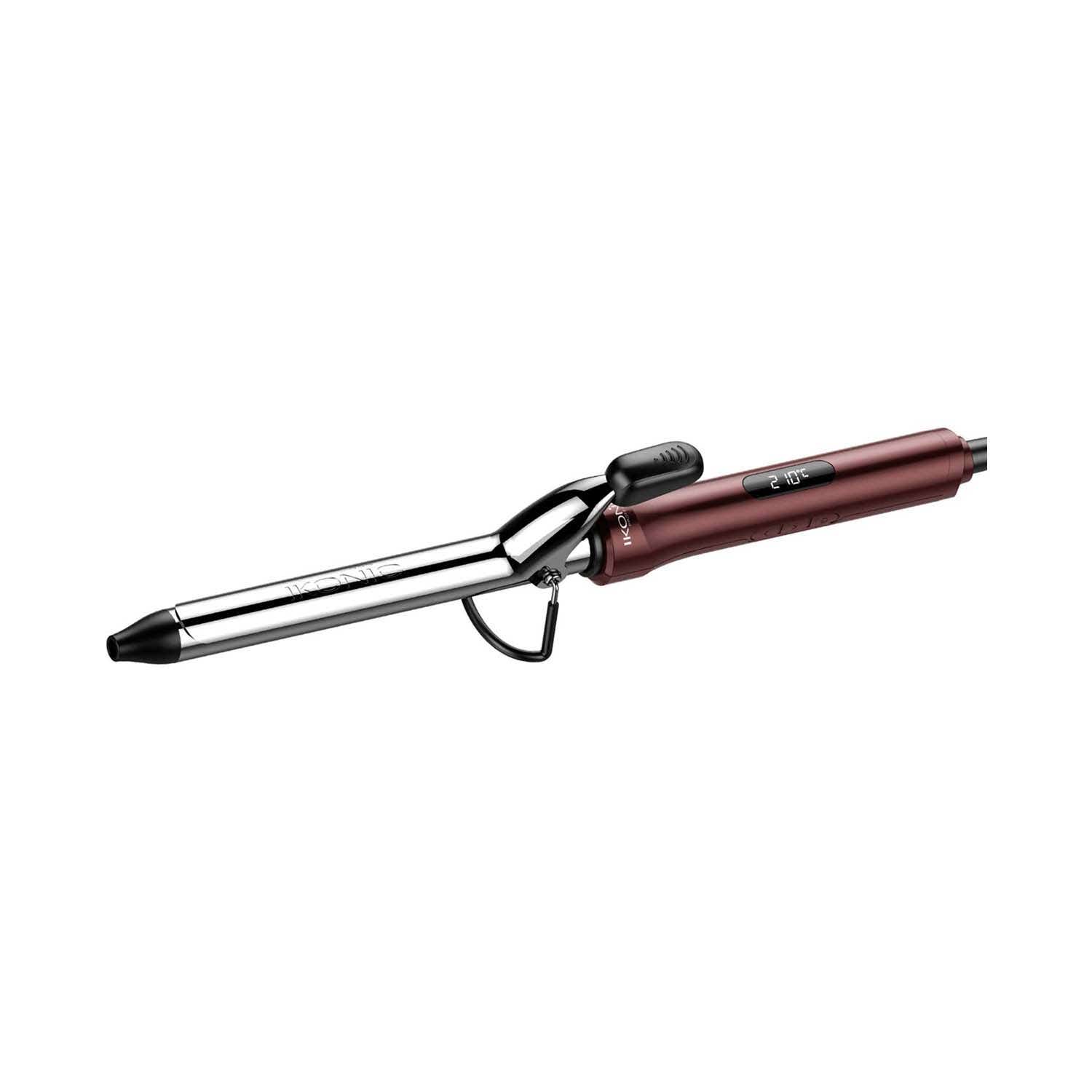
Before you begin, make sure your hair is completely dry if you're using a curling tong. Applying direct heat to damp hair can cause unnecessary damage. If you've just washed your hair, allow enough time to dry it properly before styling.
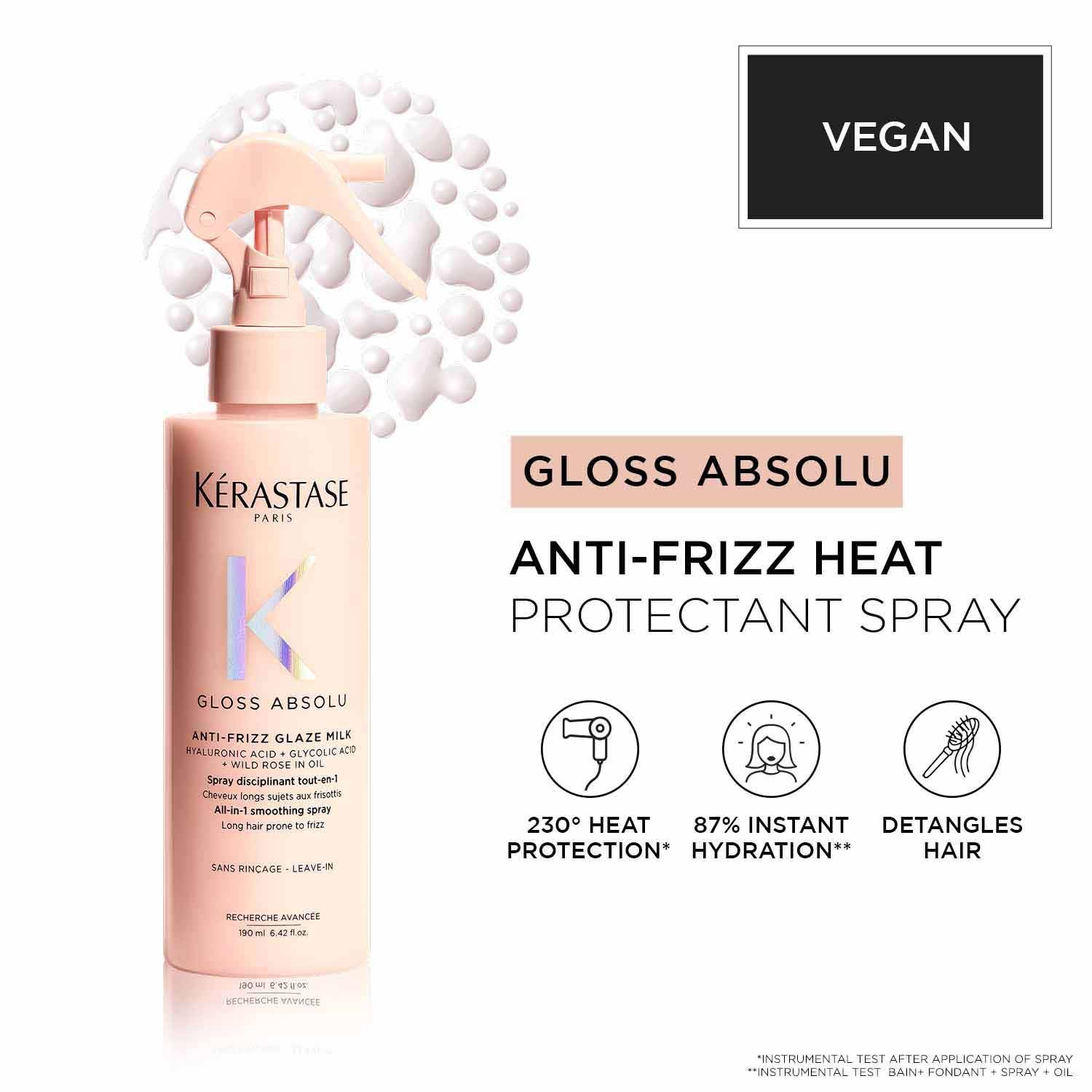
A little preparation can make all the difference to how well your curls hold. Start with a heat protectant to help minimise damage from styling tools, particularly if you regularly use high temperatures. The products you apply beforehand also matter. Too much cream or serum can weigh down finer hair, making freshly styled curls lose their shape sooner.
If you have naturally curly hair, a lightweight curl cream can help define your existing curl pattern and manage frizz. For straight or fine hair that struggles to hold a curl, a styling mousse or setting product may be more effective.
The technique you use while curling your hair can determine whether your style lasts a couple of hours or well into the evening. One of the most common mistakes is working with sections that are too large. Smaller sections allow the heat to distribute more evenly, helping each curl take shape.
Barrel size matters, too. A smaller barrel creates tighter curls that generally take longer to loosen, while a larger barrel produces softer waves. If your hair tends to fall flat quickly, consider starting with slightly tighter curls than your intended look. They'll naturally relax as the evening goes on.
And don't overlook the cooling process. Hair temporarily changes shape when heated, but allowing it to cool in its new position helps the style set.
You've curled your hair, but there's one more step before you're ready to leave. Setting your hairstyle properly helps prevent your curls from dropping too quickly, especially when you're heading into a crowded venue or spending time outdoors.
A flexible-hold hairspray is useful if you want your curls to stay defined without feeling stiff. The trick is to apply just enough to support the style without saturating your hair. And while it might be tempting to run your fingers through your curls immediately, give them time to cool first.
Even with the right products and technique, humidity, sweat and friction can affect your hairstyle over the course of a long evening. These small adjustments can help you get a little more wear out of your curls.
Start with completely dry hair and apply a heat protectant before styling. Work in smaller sections, allow each curl to cool in its shape and finish with a lightweight hairspray. Avoid brushing through your curls immediately after styling, as this can cause them to loosen.
Your hair type, the size of your curling barrel and the products you use can all affect how well your curls hold. Fine or naturally straight hair may struggle to retain curls, particularly in humid weather. Using too much conditioner or styling cream can also weigh hair down.
It's generally best to apply hairspray after curling, once your hair has cooled completely. Use a heat protectant before styling, then finish with a flexible-hold hairspray to help maintain the shape without making your hair stiff.
Use an anti-frizz or anti-humidity styling product and avoid touching your hair too often. Make sure your curls have cooled and set before heading outdoors. A light application of hairspray can also help maintain definition in humid conditions.
Gather your curls loosely into a high ponytail using a silk or satin scrunchie to prevent them from getting flattened while you sleep. A satin pillowcase can also help minimise friction and frizz. The next morning, gently separate and reshape your curls with your fingers, refreshing only the sections that need attention.


