
Beauty Front Benchers
Your head-to-toe guide to festive season body prep
Read Now



Every monsoon skincare conversation seems to start at the face. Barrier repair, a lighter hand with the SPF, a new mist for the commute—all fair game. But somewhere in between, the feet get forgotten entirely, asked to do the most in the worst conditions and given nothing for it in return.
It is worth pausing on why they suffer the way they do. Skin left wet for hours does not simply stay damp and patient—it swells and, then, once finally freed from a shoe, dries out unevenly. Repeat that daily for weeks and the fine lines already present at the heel widen into something more insistent. Add the friction of a soaked strap and whatever the pavement contributed on the walk home, and you arrive at monsoon’s two great foot dilemmas: skin at the heel that has toughened and split and the faint, persistent itch between the toes that no one mentions.

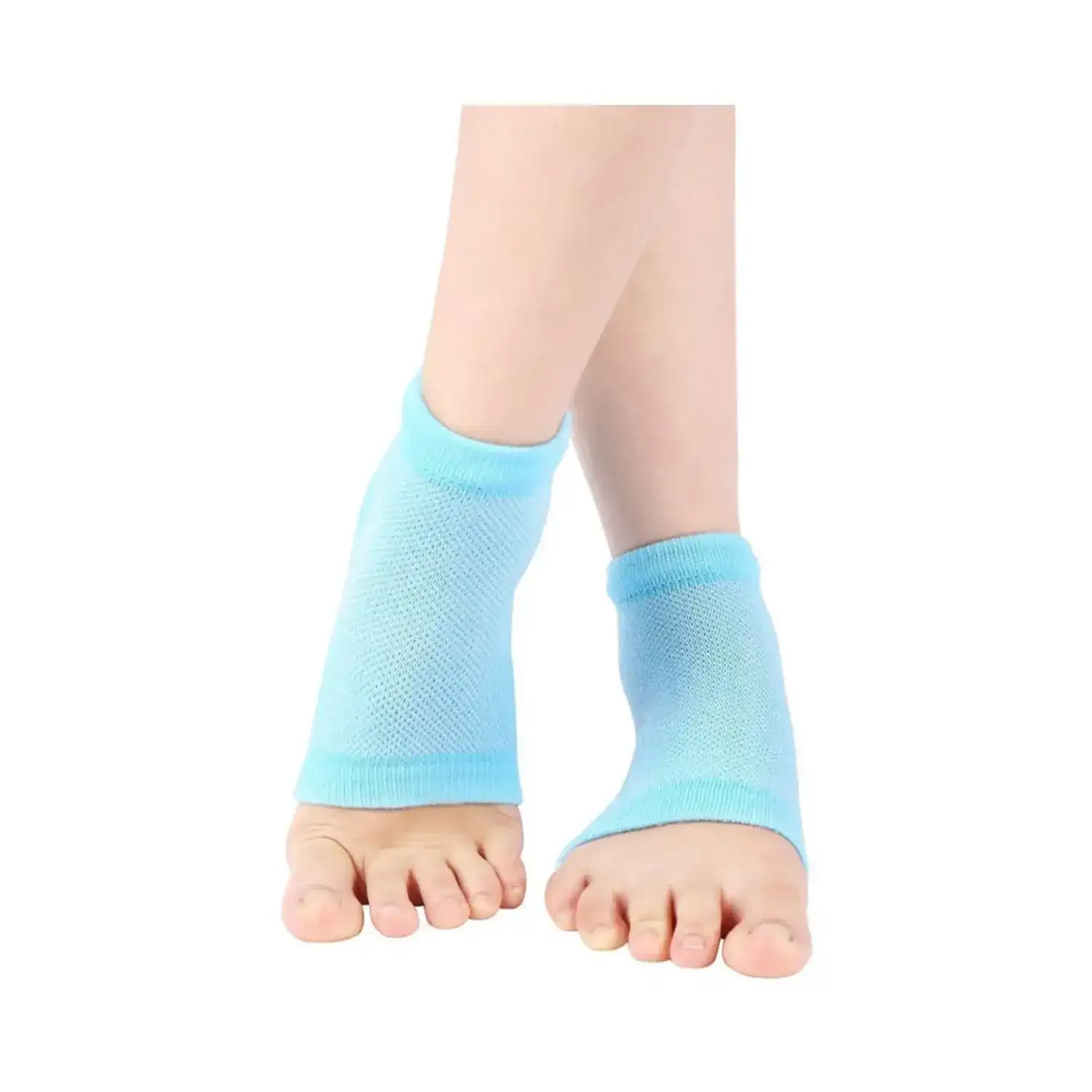
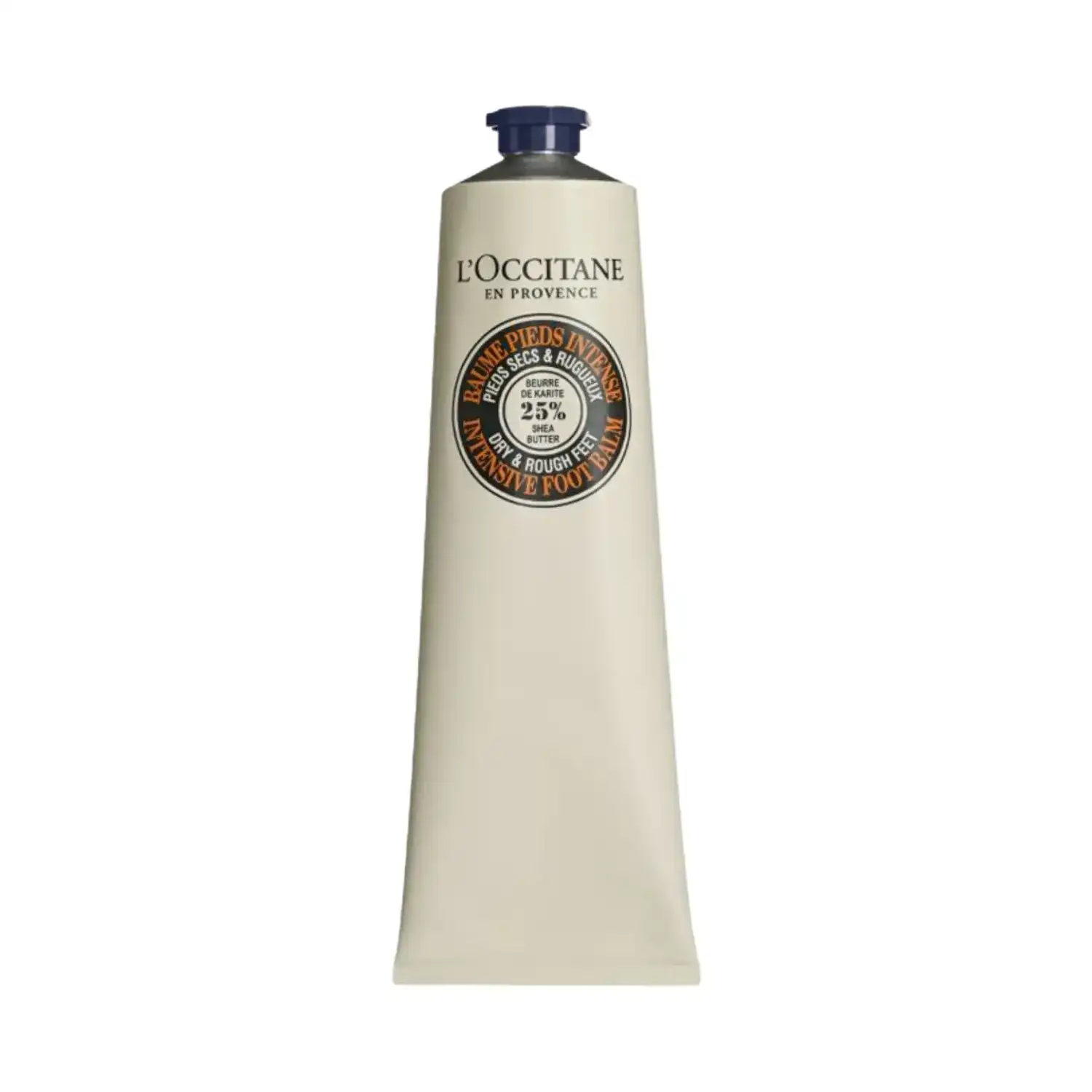

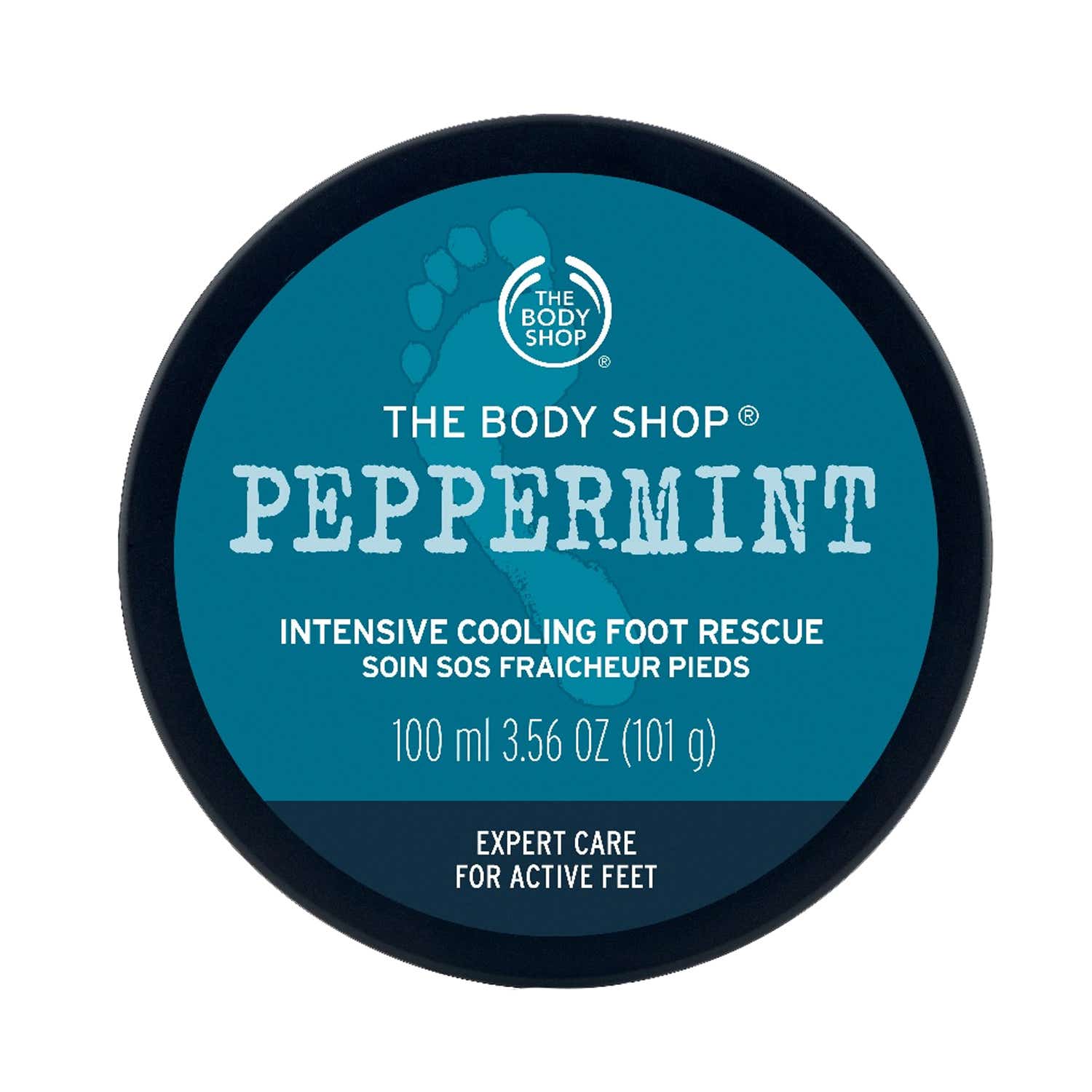
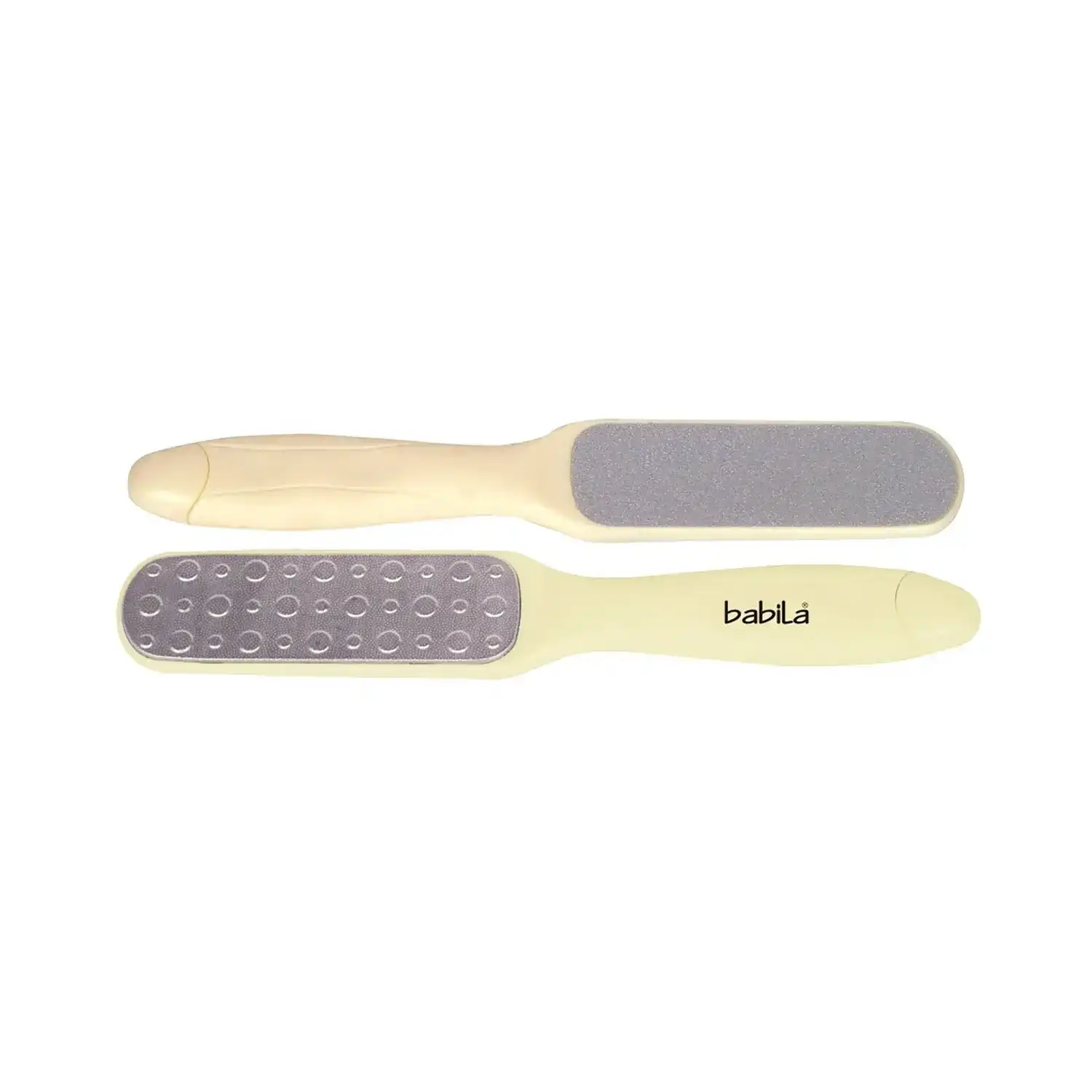
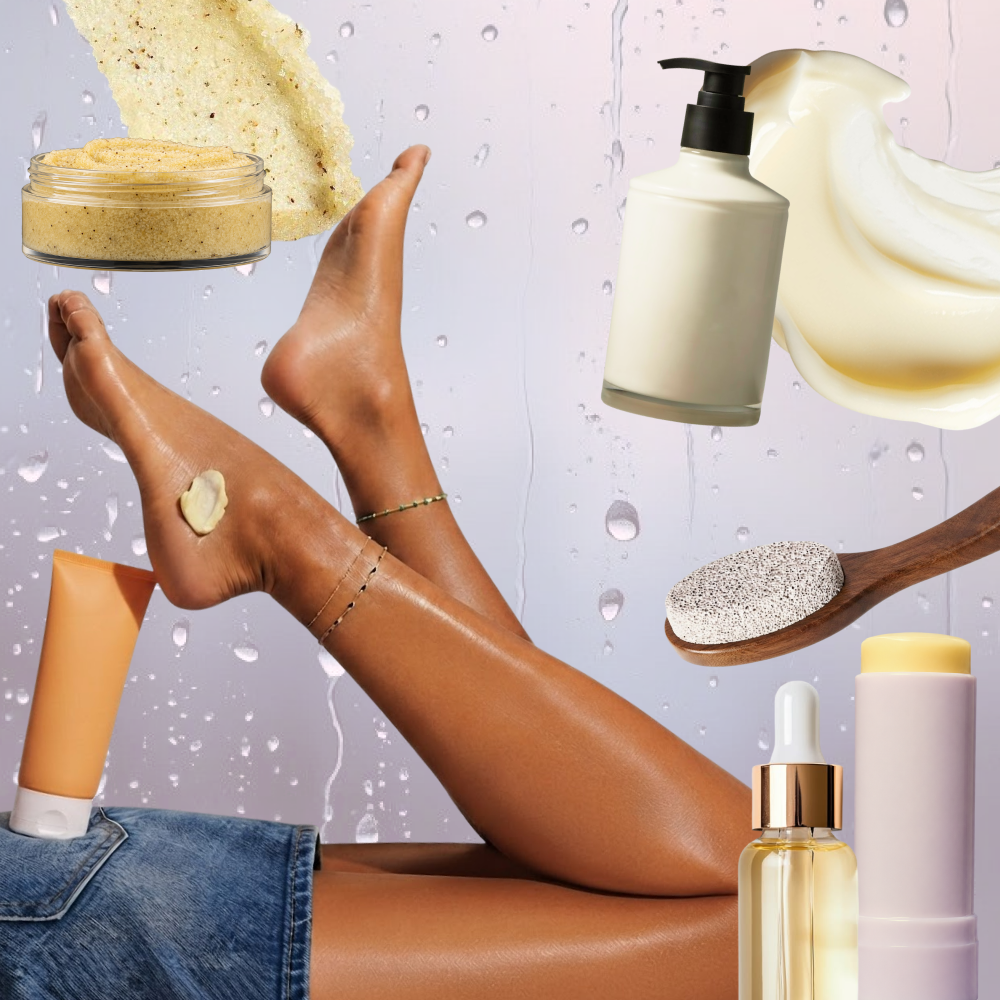
The instinct to scrub aggressively is understandable and best resisted. Begin instead with a short soak, no longer than seven minutes, in water that is warm rather than punishing—very hot water undoes more moisture than it restores. Once the skin has softened, a foot file or pumice stone can be drawn gently over the toughened areas. Once or twice a week is sufficient; anything more frequent tends to provoke the very splitting it is meant to prevent.
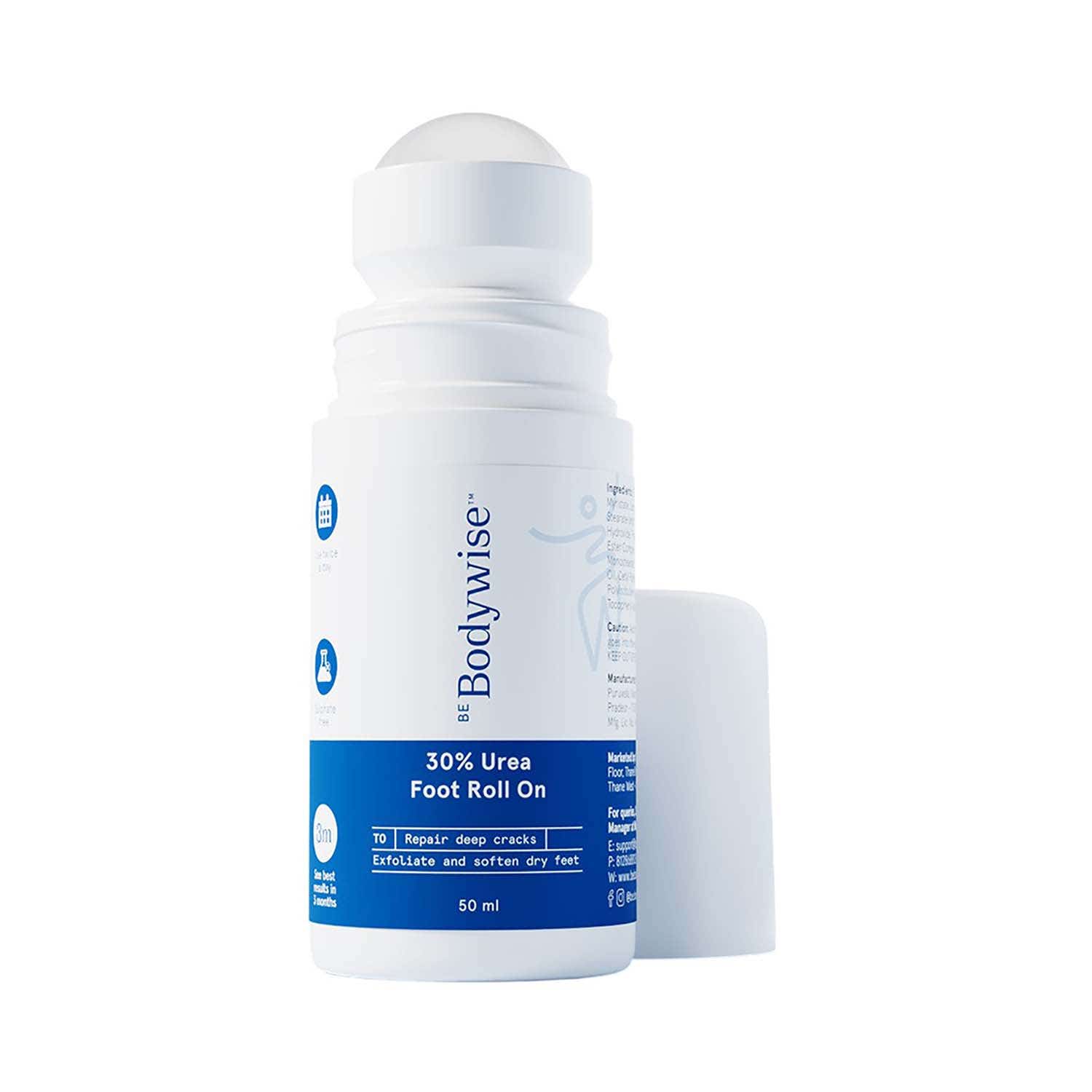
What matters more than the filing is what follows it. Urea, in a concentration of around 10 to 25%, remains the most effective ingredient for this particular problem—it dissolves the built-up, hardened skin while simultaneously drawing moisture into it, which is a rarer combination than it sounds. Apply it while the skin is still faintly damp from the soak, and once more before bed. For heel that has properly cracked rather than merely dried, a formula finished with ceramides or a touch of petroleum jelly will do more of the overnight work. A pair of cotton socks afterwards keeps the cream where it belongs, rather than on the sheets.
The rain is rarely the actual culprit. The trouble begins in the waiting—feet held inside sodden footwear for hours, which is as close to a fungal invitation as skin can extend. Where possible, carry a second pair of socks, or a dry pair of flats, to change into once you have reached somewhere sheltered. A small antifungal or medicated powder, kept at a desk drawer or in a bag, is worth the modest inconvenience; a light dusting between the toes once they have properly dried can spare a good deal of later discomfort.
Footwear deserves the same patience—let it dry fully before it is worn again, rather than reaching for the same damp pair out of habit. Newspaper, stuffed loosely inside, speeds the process along considerably. And where the season allows a choice, rubber or EVA holds up better against the rain than leather or fabric, purely because it releases water rather than holding onto it.
The moment you are home, wash your feet properly, particularly between the toes, and dry them with the same attention you would give your face. This single step is the one most often abandoned, and the one that matters most in keeping infection at bay. A little of the same urea cream, or something lighter if the heel is behaving itself, finishes the ritual—followed, ideally, by a few bare minutes before socks return.
Where a crack draws blood, or an itch refuses to settle, or a nail begins to discolour, this becomes a matter for a dermatologist rather than the bathroom cabinet. Everything else, though, tends to respond quickly to a little consistency—which, in the end, is most of what good care ever asks for.
The instinct to scrub aggressively is understandable and best resisted. Begin instead with a short soak, no longer than seven minutes, in water that is warm rather than punishing—very hot water undoes more moisture than it restores. Once the skin has softened, a foot file or pumice stone can be drawn gently over the toughened areas. Once or twice a week is sufficient; anything more frequent tends to provoke the very splitting it is meant to prevent.
What matters more than the filing is what follows it. Urea, in a concentration of around 10 to 25%, remains the most effective ingredient for this particular problem—it dissolves the built-up, hardened skin while simultaneously drawing moisture into it, which is a rarer combination than it sounds. Apply it while the skin is still faintly damp from the soak, and once more before bed. For heel that has properly cracked rather than merely dried, a formula finished with ceramides or a touch of petroleum jelly will do more of the overnight work. A pair of cotton socks afterwards keeps the cream where it belongs, rather than on the sheets.
The rain is rarely the actual culprit. The trouble begins in the waiting—feet held inside sodden footwear for hours, which is as close to a fungal invitation as skin can extend. Where possible, carry a second pair of socks, or a dry pair of flats, to change into once you have reached somewhere sheltered. A small antifungal or medicated powder, kept at a desk drawer or in a bag, is worth the modest inconvenience; a light dusting between the toes once they have properly dried can spare a good deal of later discomfort.
Footwear deserves the same patience—let it dry fully before it is worn again, rather than reaching for the same damp pair out of habit. Newspaper, stuffed loosely inside, speeds the process along considerably. And where the season allows a choice, rubber or EVA holds up better against the rain than leather or fabric, purely because it releases water rather than holding onto it.
The moment you are home, wash your feet properly, particularly between the toes, and dry them with the same attention you would give your face. This single step is the one most often abandoned, and the one that matters most in keeping infection at bay. A little of the same urea cream, or something lighter if the heel is behaving itself, finishes the ritual—followed, ideally, by a few bare minutes before socks return.
Where a crack draws blood, or an itch refuses to settle, or a nail begins to discolour, this becomes a matter for a dermatologist rather than the bathroom cabinet. Everything else, though, tends to respond quickly to a little consistency—which, in the end, is most of what good care ever asks for.


The instinct to scrub aggressively is understandable and best resisted. Begin instead with a short soak, no longer than seven minutes, in water that is warm rather than punishing—very hot water undoes more moisture than it restores. Once the skin has softened, a foot file or pumice stone can be drawn gently over the toughened areas. Once or twice a week is sufficient; anything more frequent tends to provoke the very splitting it is meant to prevent.
What matters more than the filing is what follows it. Urea, in a concentration of around 10 to 25%, remains the most effective ingredient for this particular problem—it dissolves the built-up, hardened skin while simultaneously drawing moisture into it, which is a rarer combination than it sounds. Apply it while the skin is still faintly damp from the soak, and once more before bed. For heel that has properly cracked rather than merely dried, a formula finished with ceramides or a touch of petroleum jelly will do more of the overnight work. A pair of cotton socks afterwards keeps the cream where it belongs, rather than on the sheets.
The rain is rarely the actual culprit. The trouble begins in the waiting—feet held inside sodden footwear for hours, which is as close to a fungal invitation as skin can extend. Where possible, carry a second pair of socks, or a dry pair of flats, to change into once you have reached somewhere sheltered. A small antifungal or medicated powder, kept at a desk drawer or in a bag, is worth the modest inconvenience; a light dusting between the toes once they have properly dried can spare a good deal of later discomfort.
Footwear deserves the same patience—let it dry fully before it is worn again, rather than reaching for the same damp pair out of habit. Newspaper, stuffed loosely inside, speeds the process along considerably. And where the season allows a choice, rubber or EVA holds up better against the rain than leather or fabric, purely because it releases water rather than holding onto it.
The moment you are home, wash your feet properly, particularly between the toes, and dry them with the same attention you would give your face. This single step is the one most often abandoned, and the one that matters most in keeping infection at bay. A little of the same urea cream, or something lighter if the heel is behaving itself, finishes the ritual—followed, ideally, by a few bare minutes before socks return.
Where a crack draws blood, or an itch refuses to settle, or a nail begins to discolour, this becomes a matter for a dermatologist rather than the bathroom cabinet. Everything else, though, tends to respond quickly to a little consistency—which, in the end, is most of what good care ever asks for.