
Beauty Front Benchers
Your head-to-toe guide to festive season body prep
Read Now


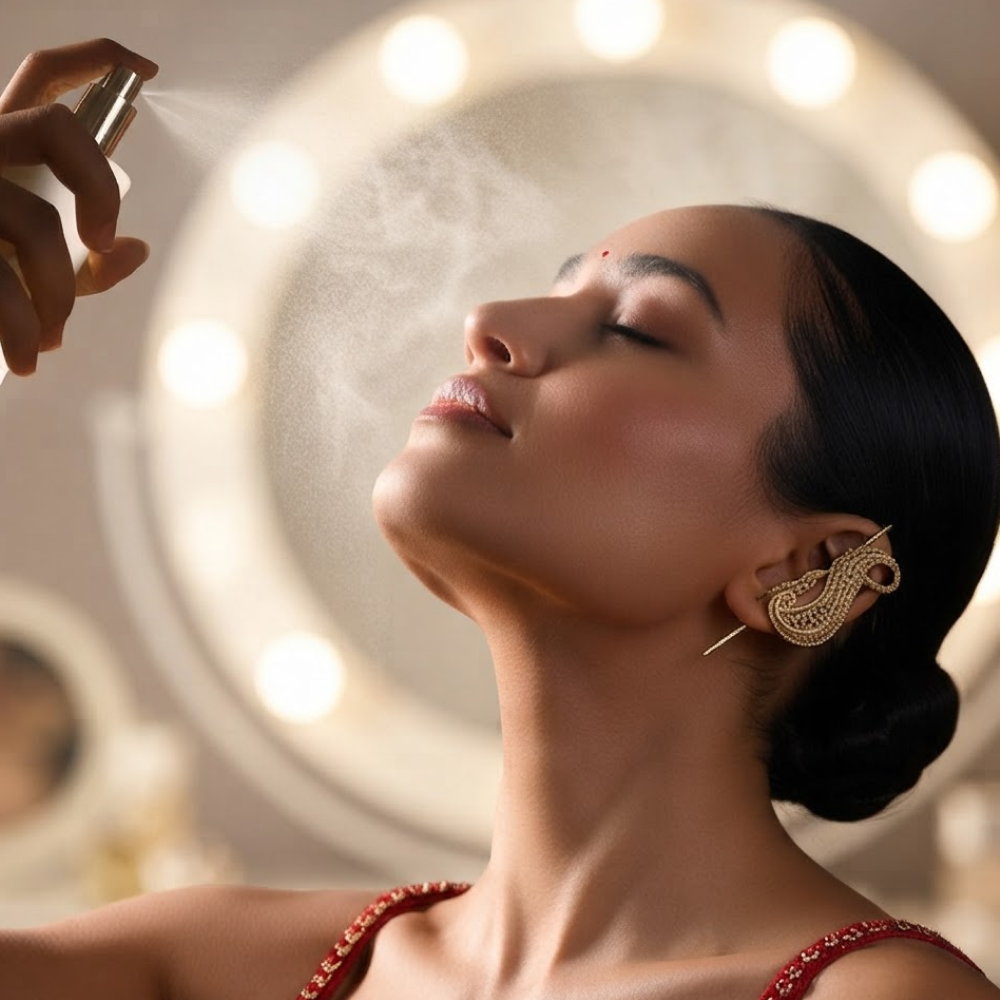

Festive makeup always looks its best right before you leave the house. At 5PM, everything is freshly blended, perfectly set and exactly where you want it. Then, you step outside. Heat, humidity and a long evening of celebrations can quickly put all that work to the test. Your base may feel a little less fresh, and there’s only so much you can fix with whatever fits inside your bag. The trick to making your makeup last is to work with the weather, and not against it.
Ahead, we break down the small switches that make a difference, from how you prep your skin to the way you layer and set your makeup.


.PNG)


.jpeg)


This one will be your go-to if you want a brightening effect. Formulated with kaolin clay powder, rice water, rice amino acids and milk, the toner gently exfoliates the skin while moisturising and soothing it. The antioxidant properties help reverse any damage and improve skin texture. It’s hydrating for dry skin and controls sebum if you have oily skin—a win-win for all mature skin types.
If you’re dealing with combination skin or you feel like your face can’t decide what it wants, this one is a really smart choice. It hydrates without tipping into greasy territory, and it helps your skin look fresher and more even over time. It’s also great for layering because it doesn’t pill or feel sticky, so it works well whether you’re using a simple routine or a more active one. The glow you get from this feels natural and healthy rather than shiny, which makes it ideal if you want radiance but still want your skin to feel balanced.
Inspired by traditional Korean skincare, this rice milk toner is formulated to hydrate, brighten and help balance excess sebum at the same time. Rice extract lends a healthy-looking glow, while the lightweight milky texture leaves skin feeling fresh and replenished without any greasy finish. Suitable for a range of skin types, it strikes the perfect balance between nourishment and lightweight hydration, making it an easy step to incorporate into both morning and evening routines.
One of K-beauty's most talked-about milky toners, TIRTIR's Milk Skin Toner is loved for its ability to leave skin looking fresh, plump and naturally radiant. Its lightweight texture delivers lasting hydration without feeling heavy, while a blend of skin-conditioning ingredients helps maintain a healthy-looking complexion. The travel-friendly size also makes it perfect for topping up your skincare routine wherever you are.
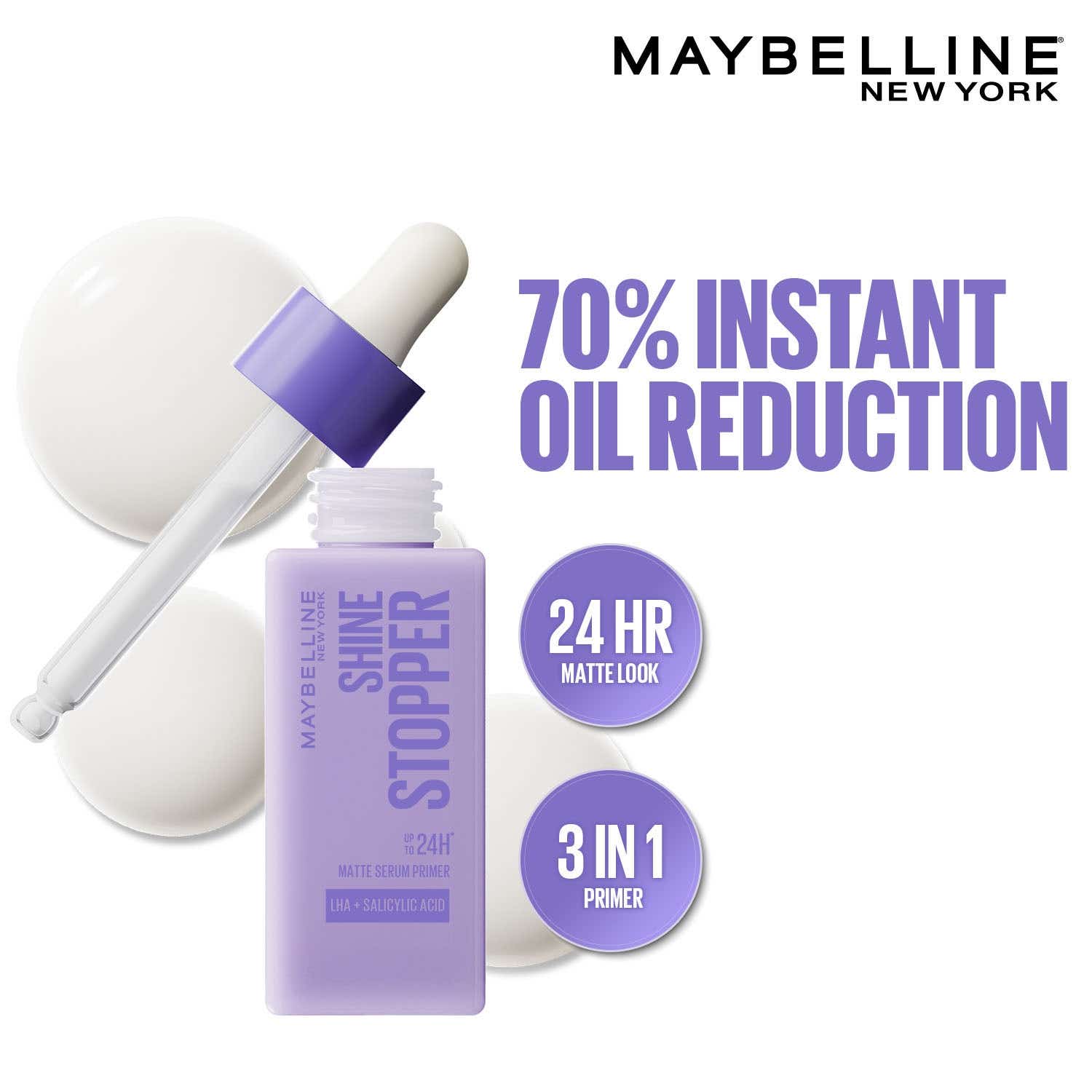
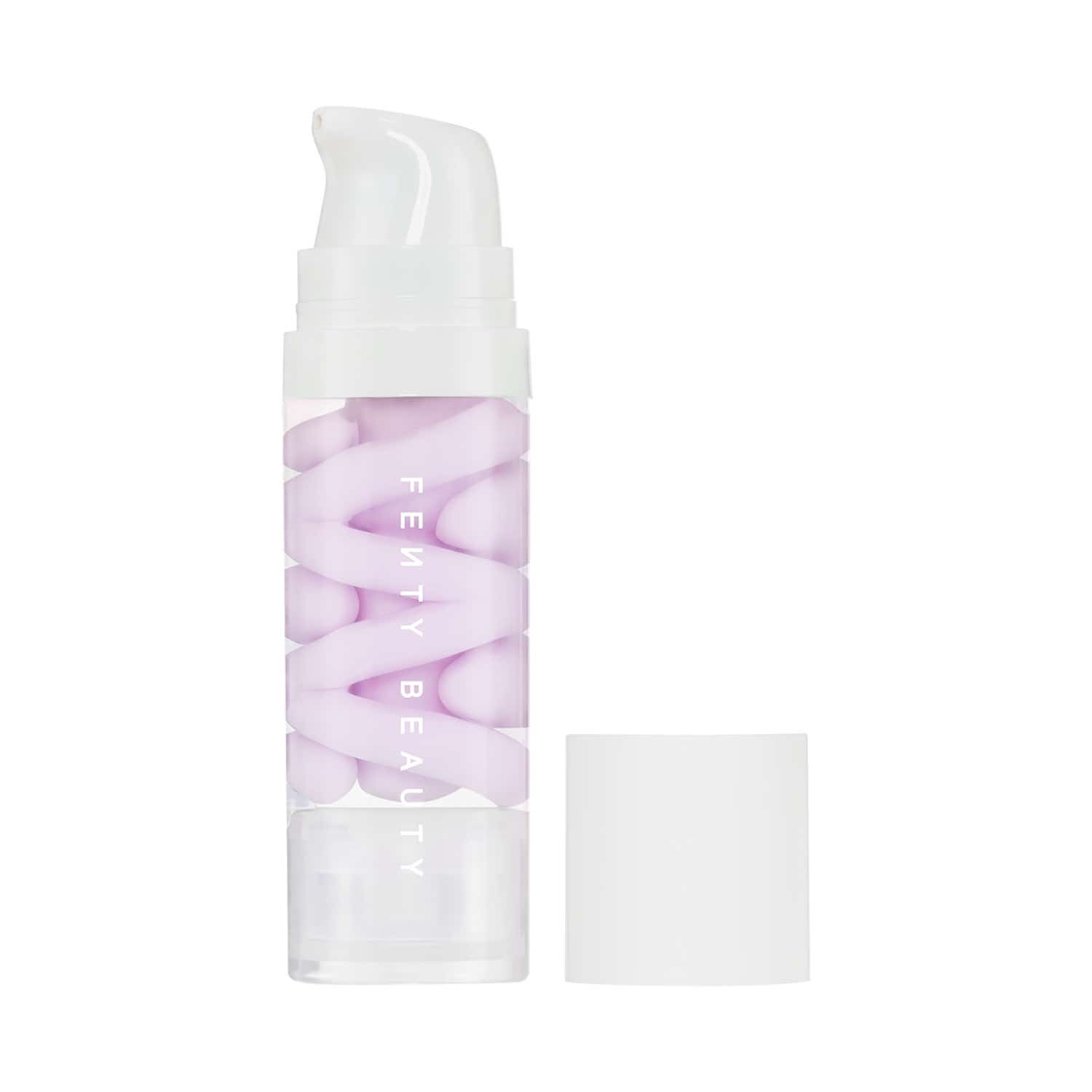
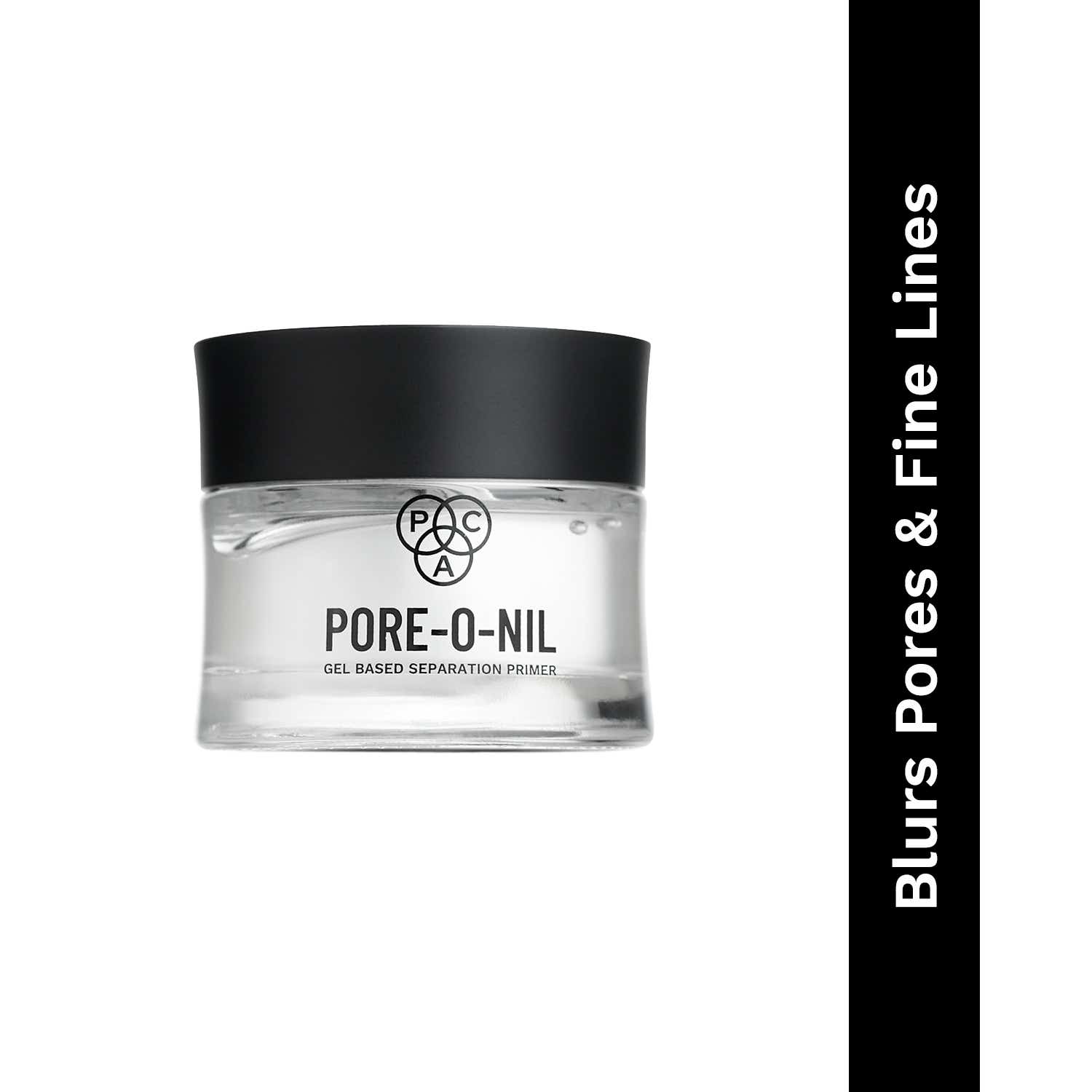
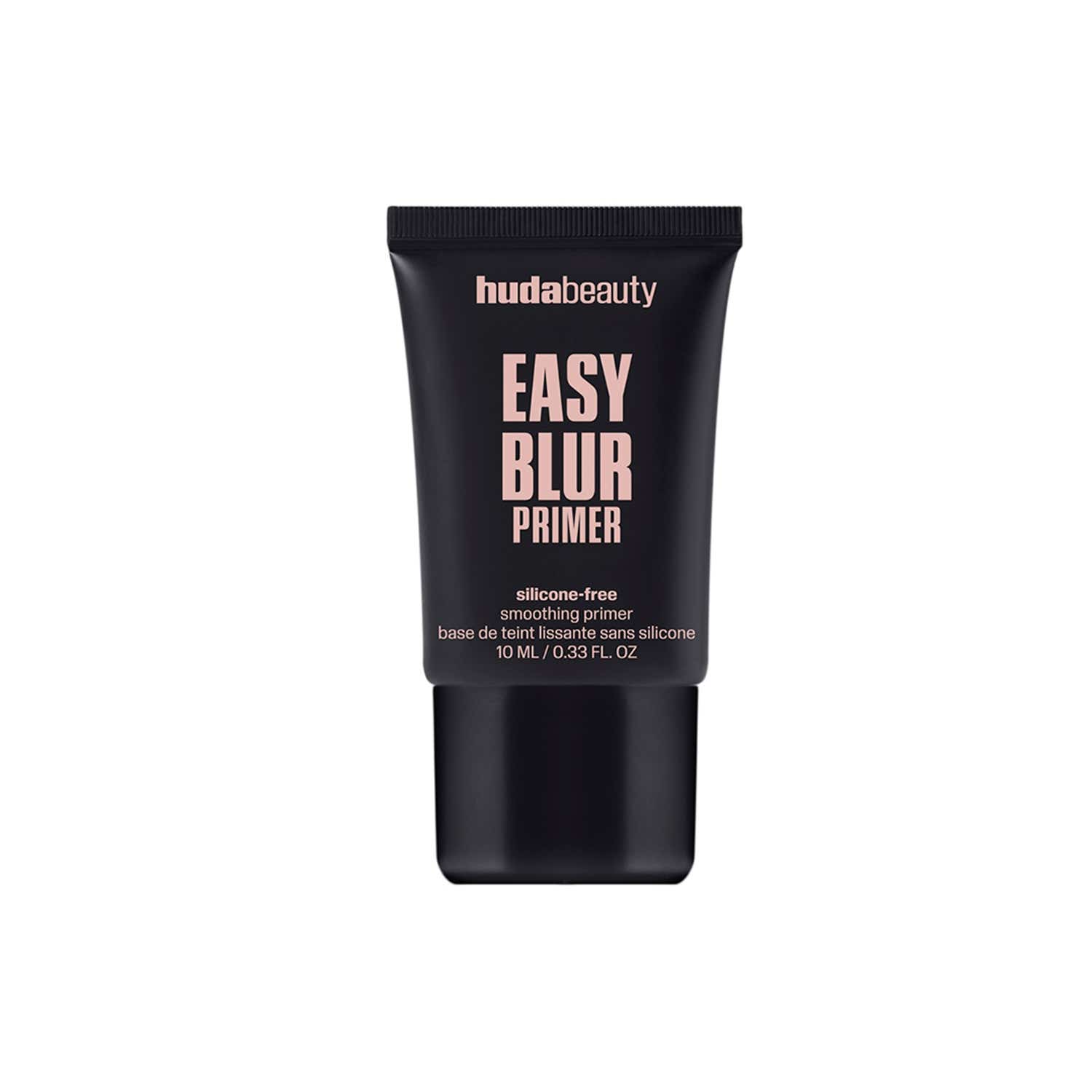
The kind of primer that makes your makeup sit better and last longer. It smooths uneven texture and softens the look of pores so your base glides on easily. The lightweight feel makes it perfect for everyday use, giving your skin that polished, even finish before foundation.
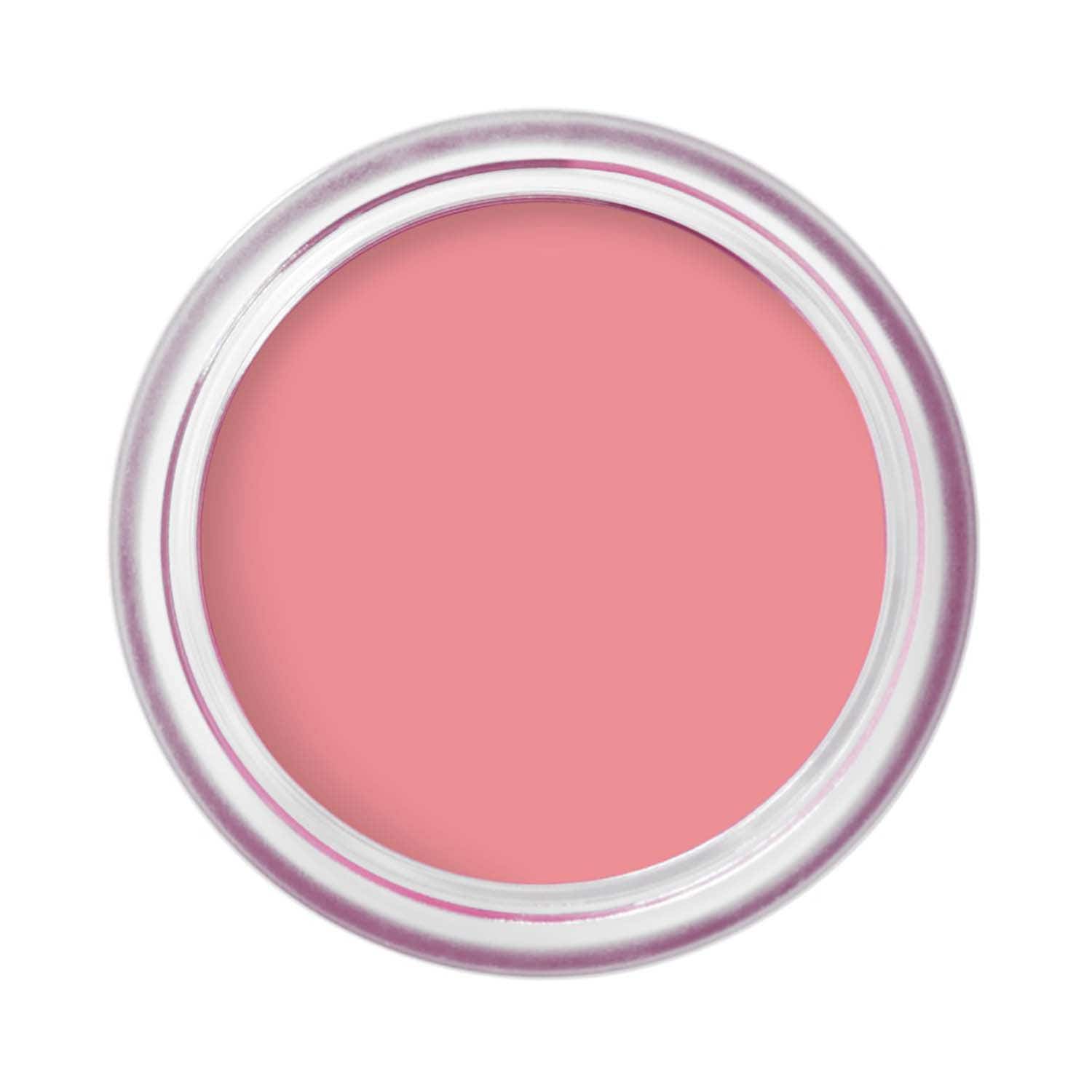
A velvet, cloud-like finish that's also doing skincare work in the background, Akind One For All Multi-Tint in Prime Time is formulated with hyaluronic acid, jojoba oil and a peptide complex. This means your lips, cheeks and eyes are getting a nourishing treatment alongside the colour. It’s buildable, blurring and holds up through a long day without settling or fading oddly. Additionally, it’s barrier-loving.
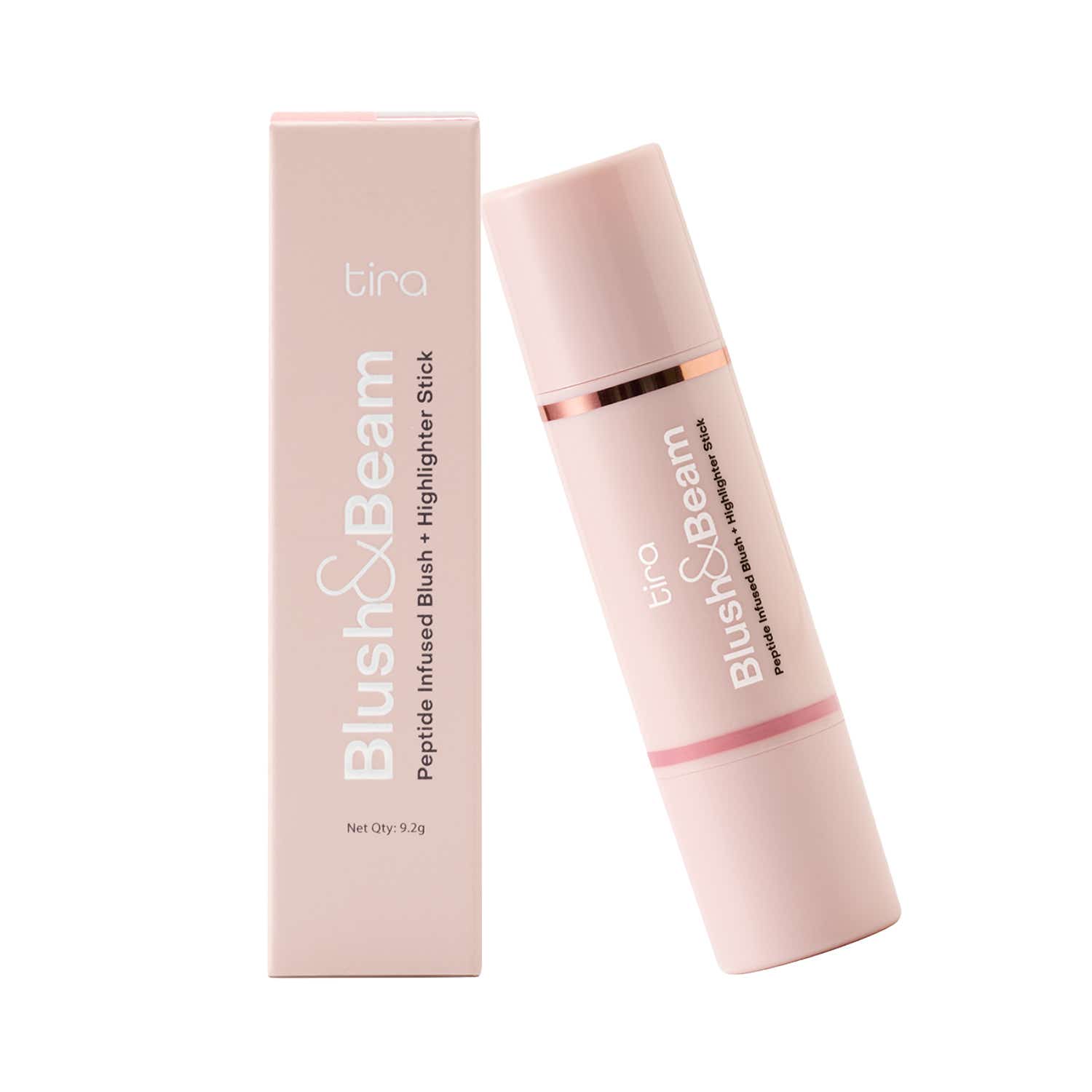
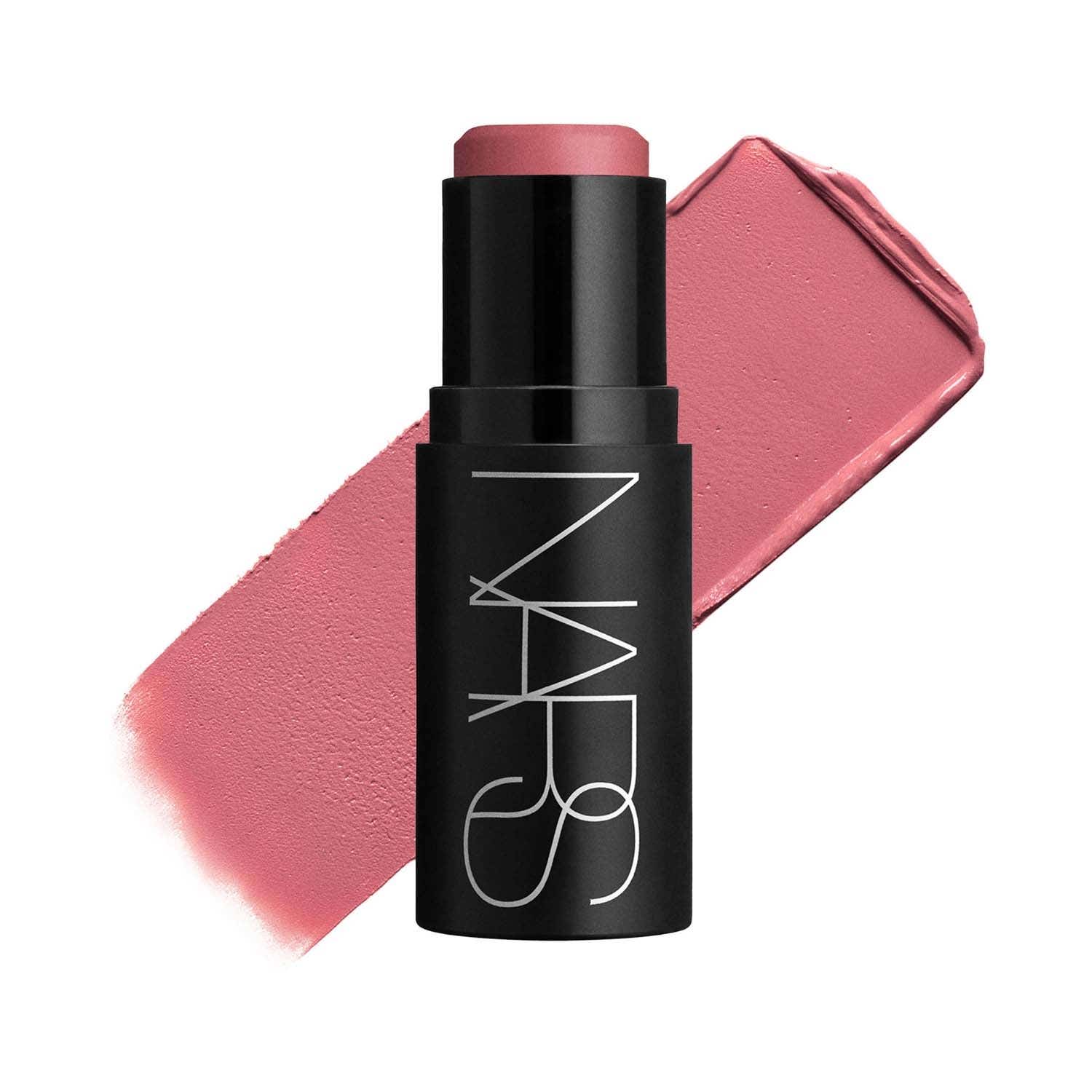
This duo stick is a really handy pick for winter when you want your skin to look healthier and more awake without doing a full face. The blush side adds a warm pink flush, while the highlighter brings a subtle glow that makes cheeks look lifted and fresh. It’s easy to use, quick to blend and great for busy mornings. You can keep it soft and natural or layer it up depending on the vibe you’re going for.
A: Both, but the lasting power comes from how you apply it. Setting spray works by binding your makeup layers together into a more cohesive film on the skin, which reduces the chance of individual products shifting or breaking down separately. The key is to mist from a distance and let it dry on its own—pressing or touching your face afterwards undoes most of the work.
A: Usually, it comes down to either too many layers or skipping adequate skin prep. Heavy skincare underneath makeup gives it nowhere to sit, causing it to pill or bunch over time. Try scaling back your base routine to lighter textures, and allow each layer to fully absorb before applying the next. Using less product and building coverage gradually also helps—thick applications tend to crack and settle into fine lines faster than thin ones.
A: Blotting first, then powdering if needed. Blotting papers lift excess oil without disturbing your makeup, while powder applied directly over oil can cause it to look patchy or thick. Once you've blotted, a light press of powder only where it's needed—the T-zone, sides of the nose—keeps things in check without adding unnecessary texture.
A: You can, but placement matters. A dewy or skin-finish foundation works well in humidity if you keep it off the areas that tend to get oiliest—typically the T-zone—and concentrate it on drier areas like the cheeks and temples where that finish reads as healthy rather than greasy. Setting the centre of the face lightly with powder balances the overall look.
A: A thin layer of concealer patted onto the lid and set with a small amount of powder before shadow application works as a reasonable substitute. The concealer creates a neutral base that helps pigment adhere, and the powder absorbs the oils that cause creasing. It won't give you the exact grip of a dedicated primer, but it makes a visible difference, especially with cream or shimmer shadows that tend to move more.
How you tend to your skin before you apply makeup determines how your look wears throughout the day. The idea is to trade in rich, occlusive formulas for light layers. Think fast-absorbing, souped-up skin treatments that don’t overwhelm your skin. Keep the layers considered, and allow each product to sink in for a minute before reaching for the next one. The fewer the products vying for space beneath your makeup, the less there is to shift, pill or smudge.
Priming is all about precise placement; it needn’t be a full-face affair. To prevent excess shine, opt for a mattifying formula, but reserve it for the areas that actually need it. There’s little point in mattifying the whole face when shine mostly surfaces around your T-zone. On the other hand, for dry, parched patches, use a hydrating formula. Apply sparingly, and let it settle on your skin until it dries. If your skin texture is pronounced in certain areas, a pore-blurring primer can do the trick.
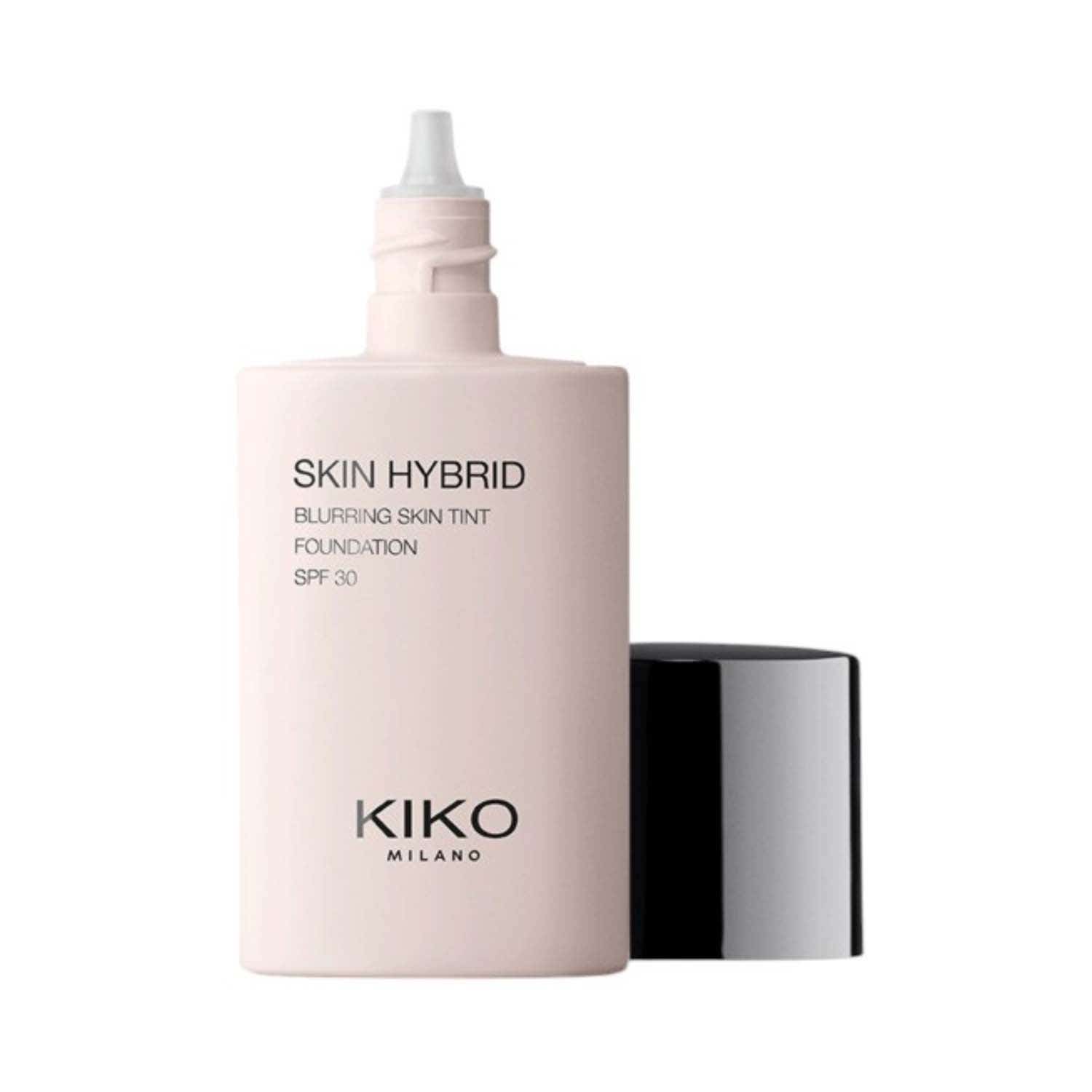
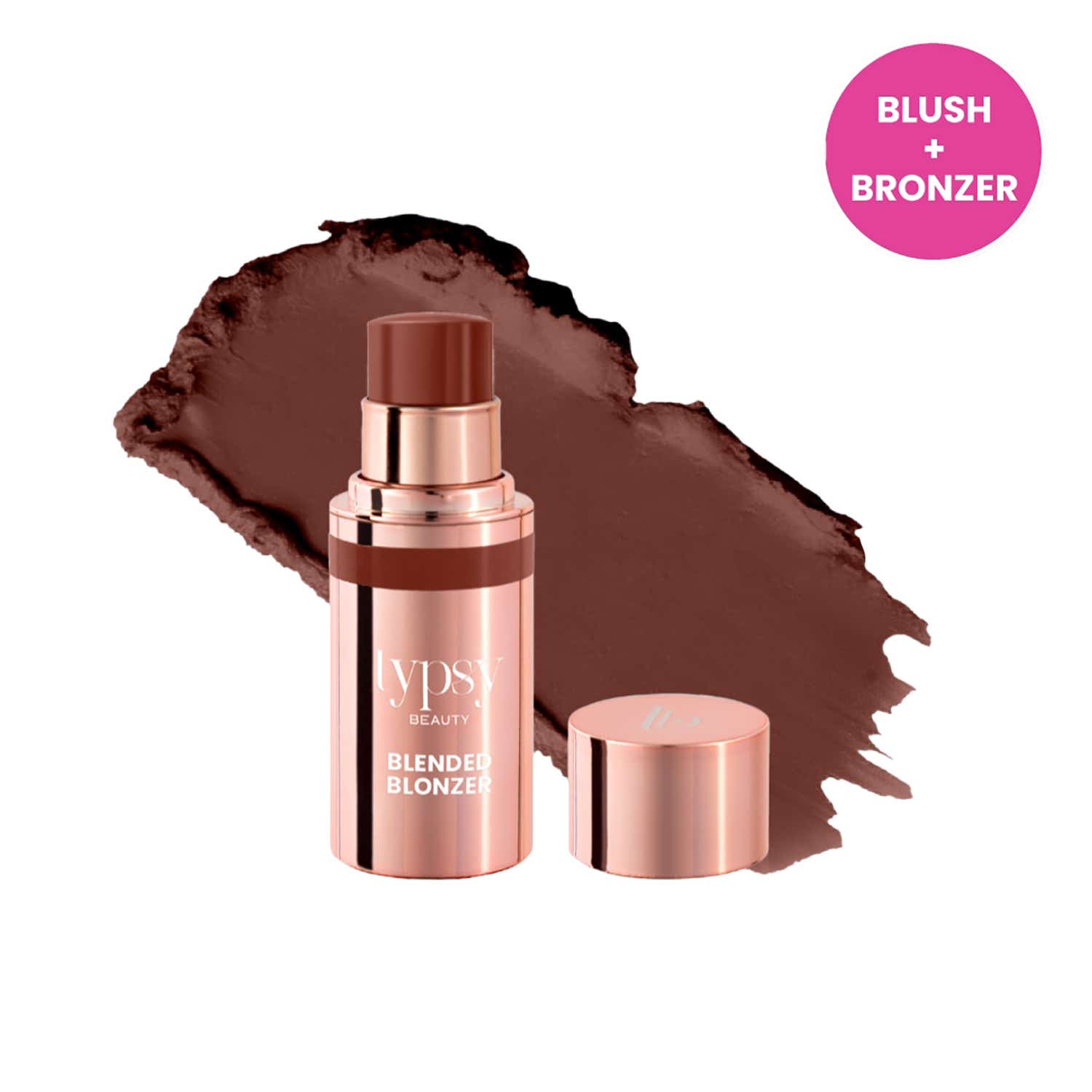
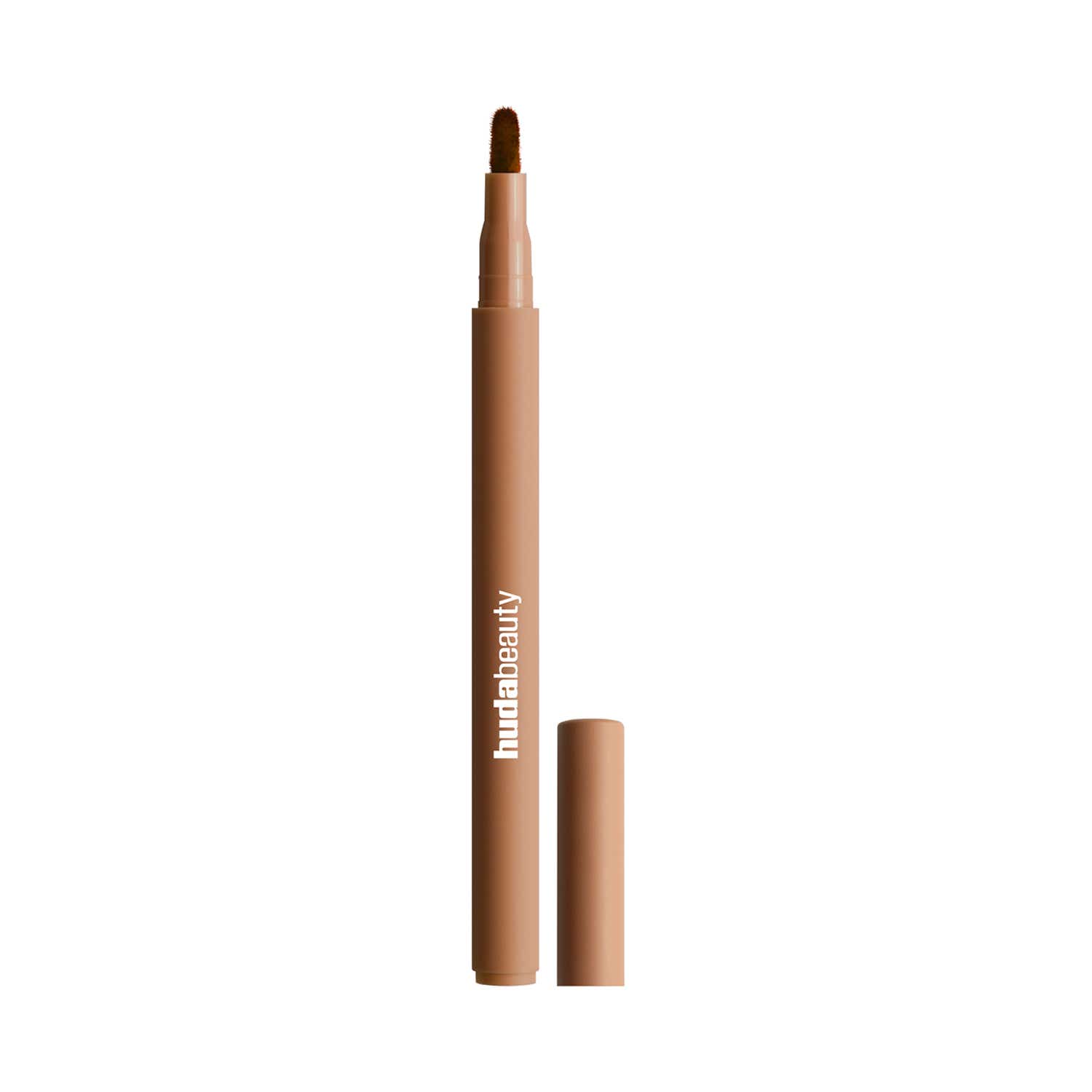
Reach for formulas that can pull double (or triple) duty. Think: a tint that delivers a fresh flush to lips and cheeks, a foundation infused with skin-loving benefits, or a bronzer that brings warmth to your face and eyes. The trick is to streamline your routine without compromising on the finish. Look for lightweight textures that blend and build well across different areas of the face, so your makeup stays fresh and looks cohesive rather than feeling weighed down.
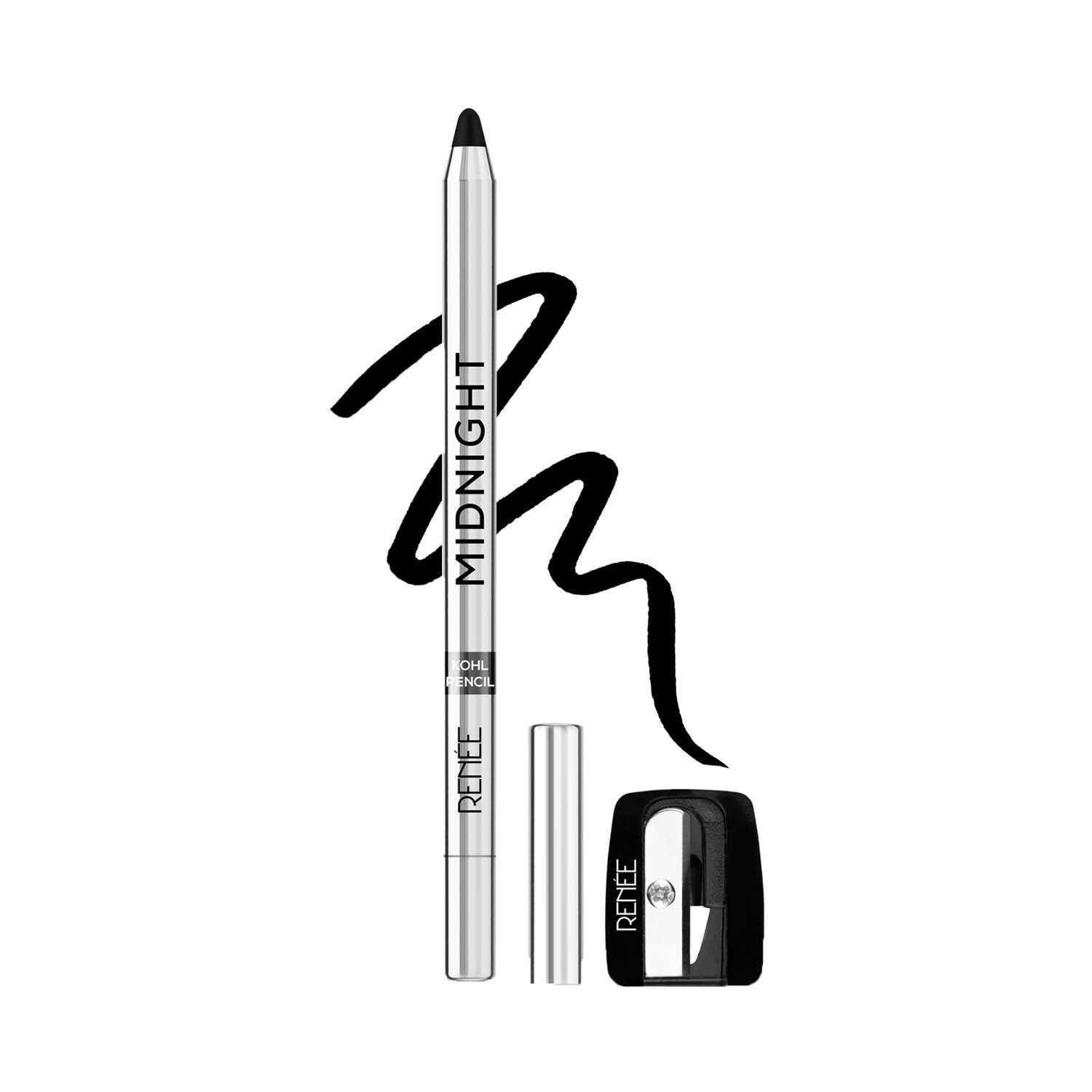
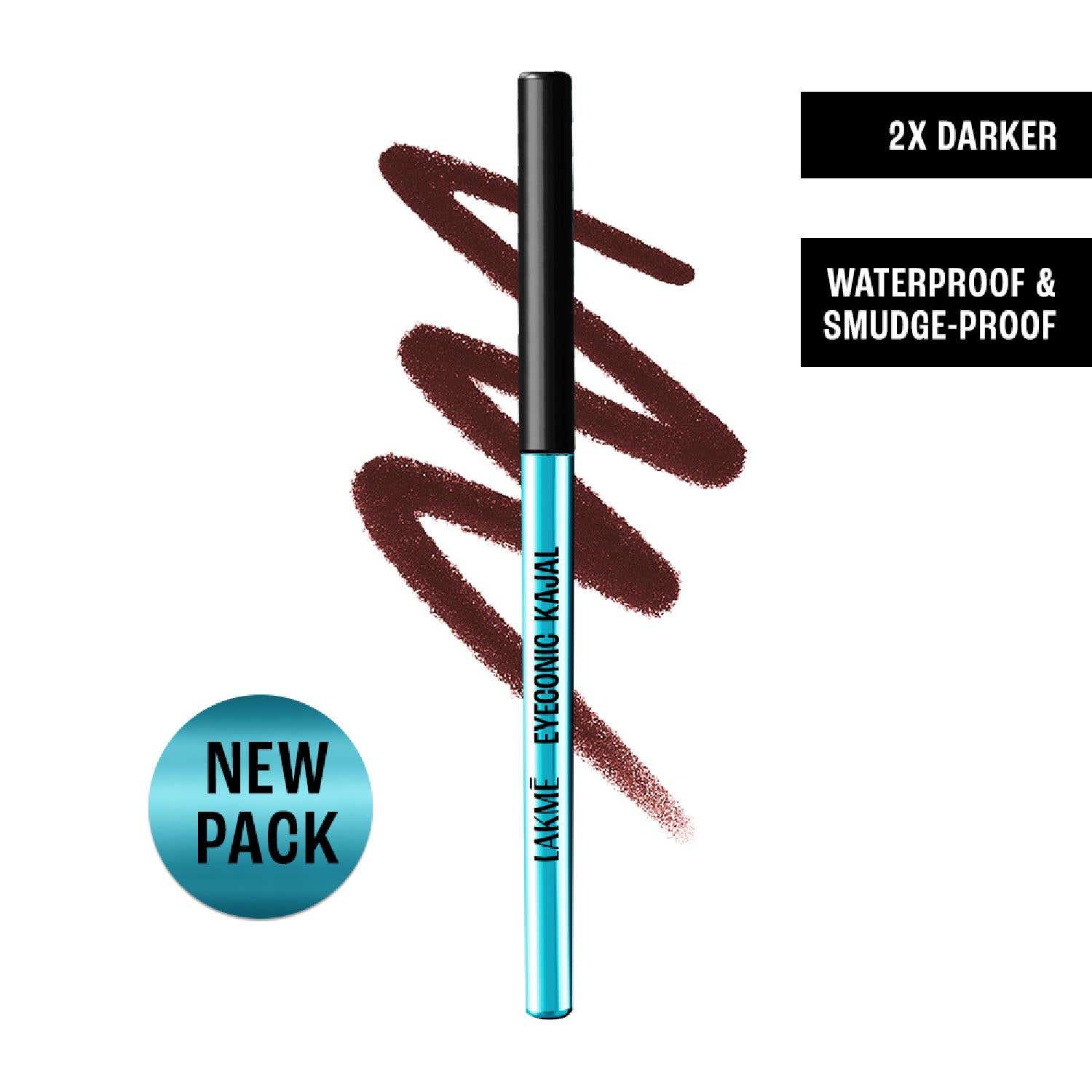
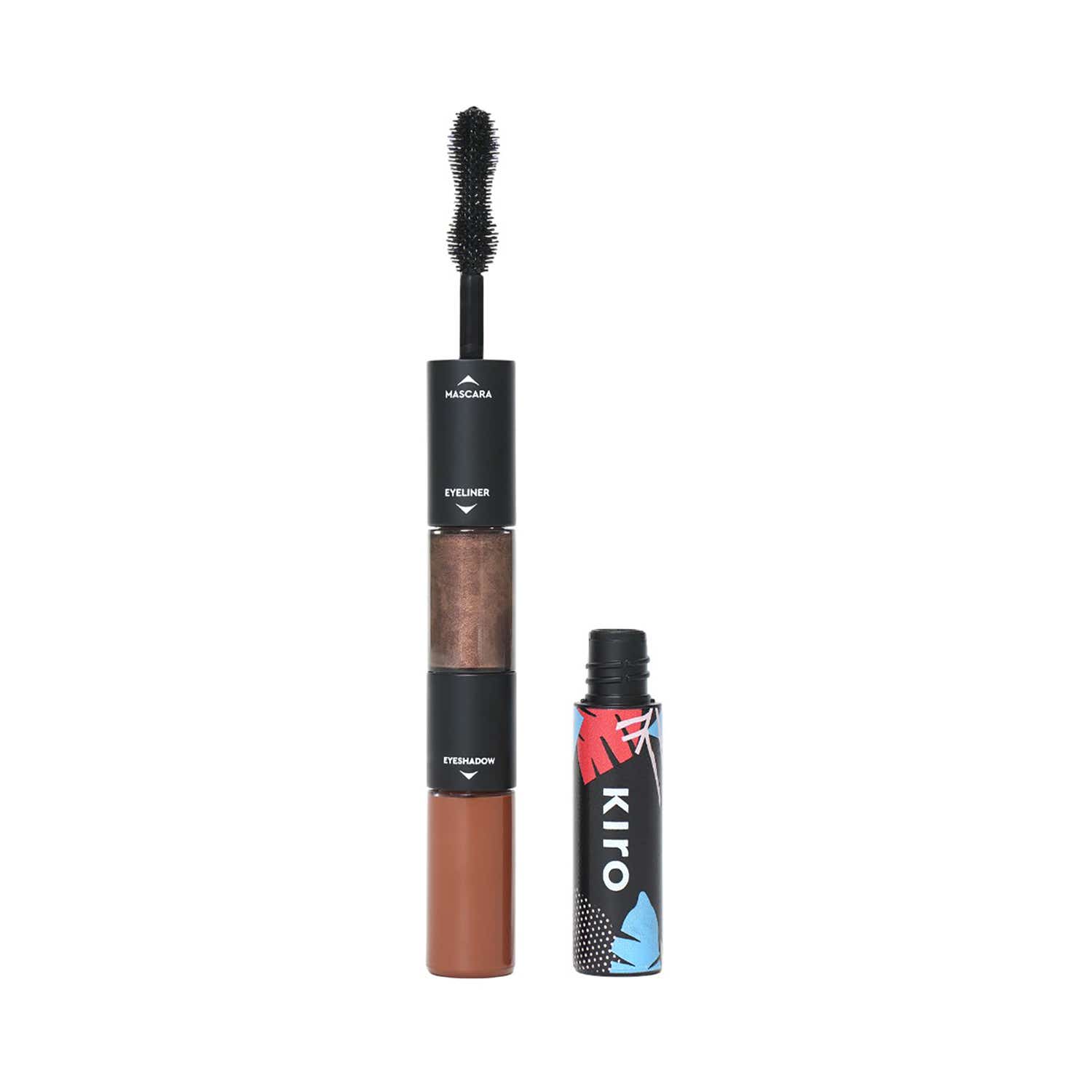
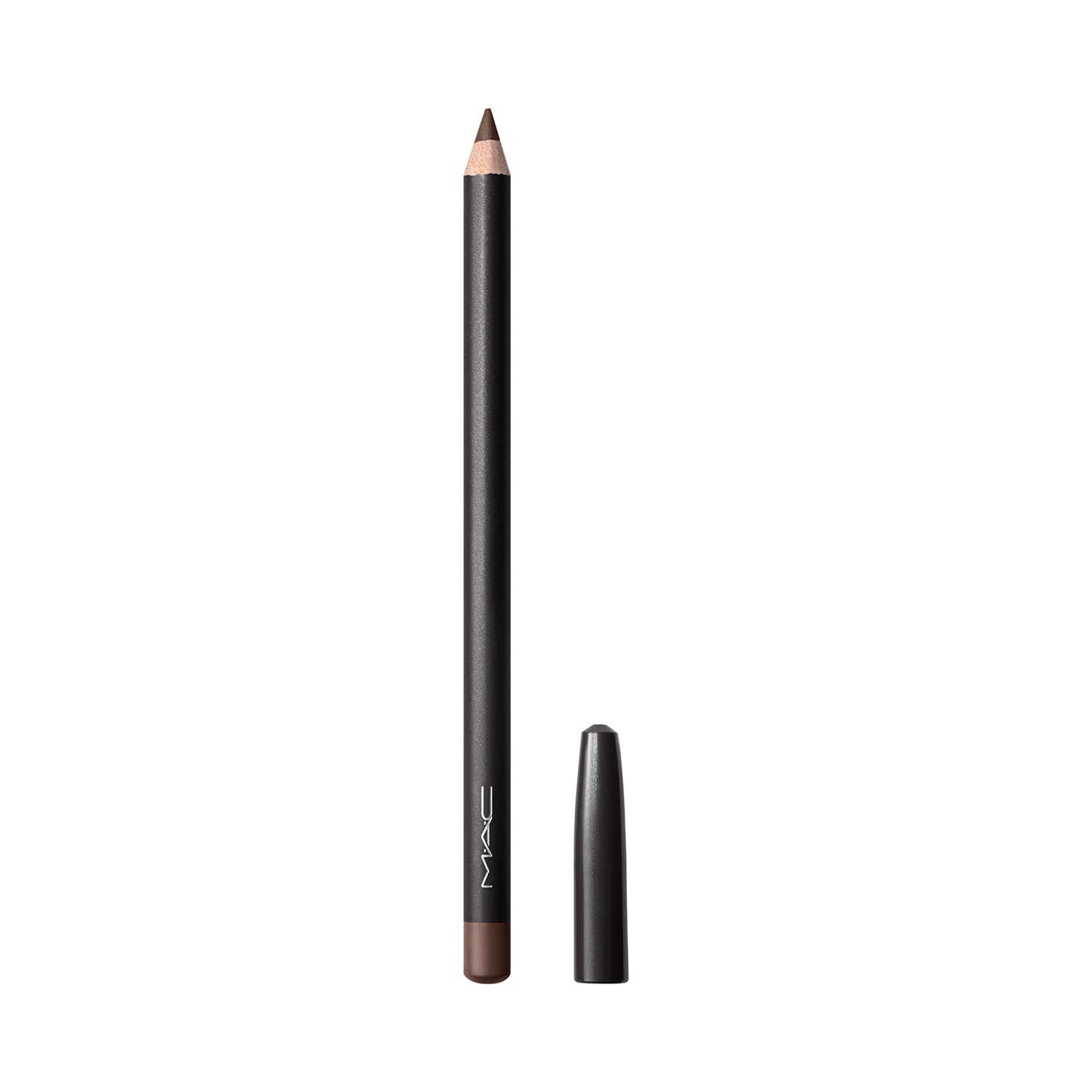
Amidst constant movement, oil production and humidity, eye makeup is naturally susceptible to creasing, smudging and transferring. The result? Shadow that settles into the crease, and liner that migrates far beyond the waterline. Start by prepping your lids with a light layer of primer, then build your shadow gradually, increasing the intensity as you go rather than depositing too much pigment at once. For kajal, mascara and eyeliner, opt for waterproof or water-resistant formulas to help preserve the precision of your look.
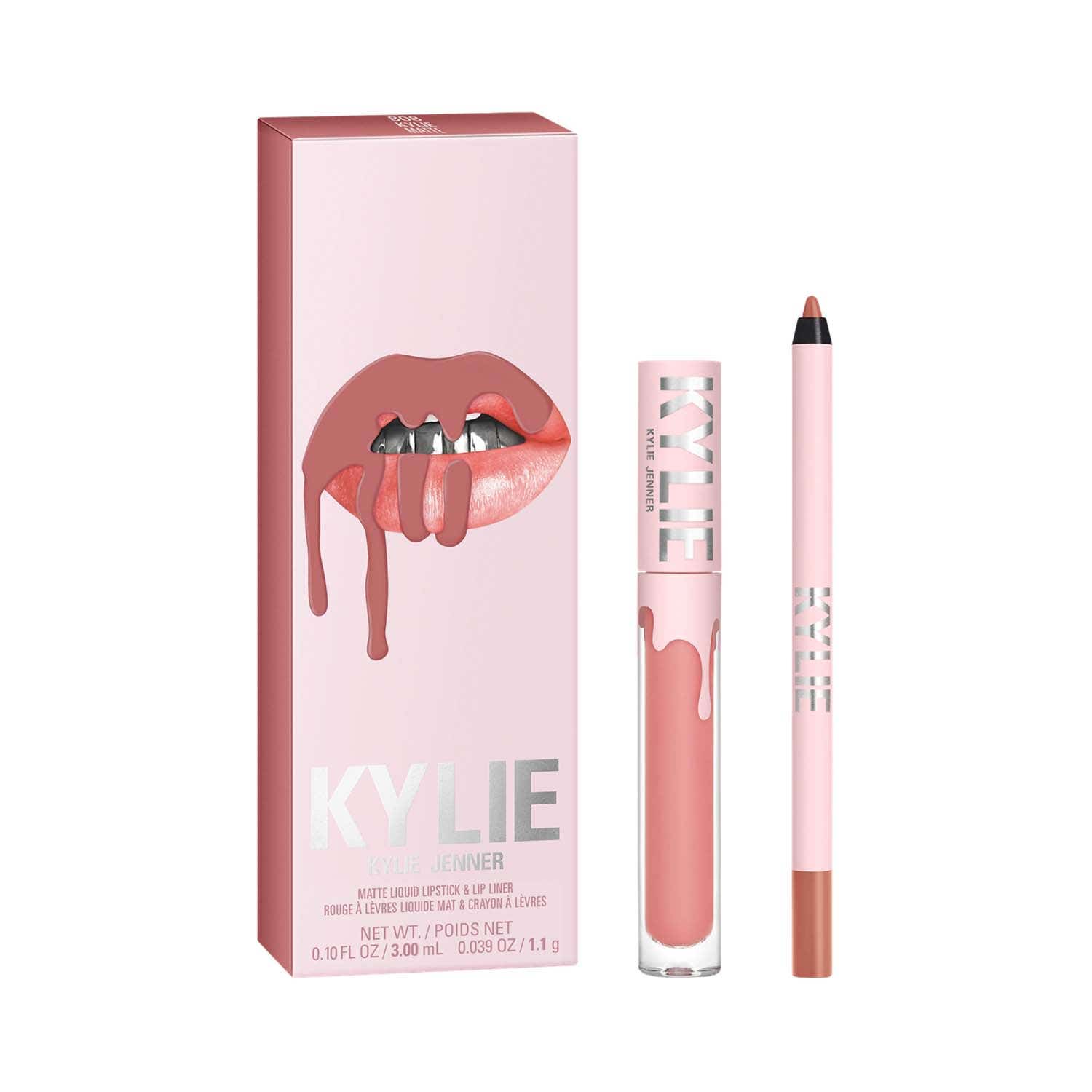
Humidity calls for something slightly more steadfast than a gloss. Start by defining the edges of your lips with a lip liner to prevent colour from bleeding, then fill in with a transfer-resistant matte or satin formula. Since these finishes tend to contain higher concentrations of waxes and pigments, they are less prone to movement—making them better equipped to hold their own against heat, crowded rooms and the inevitable festive feast.
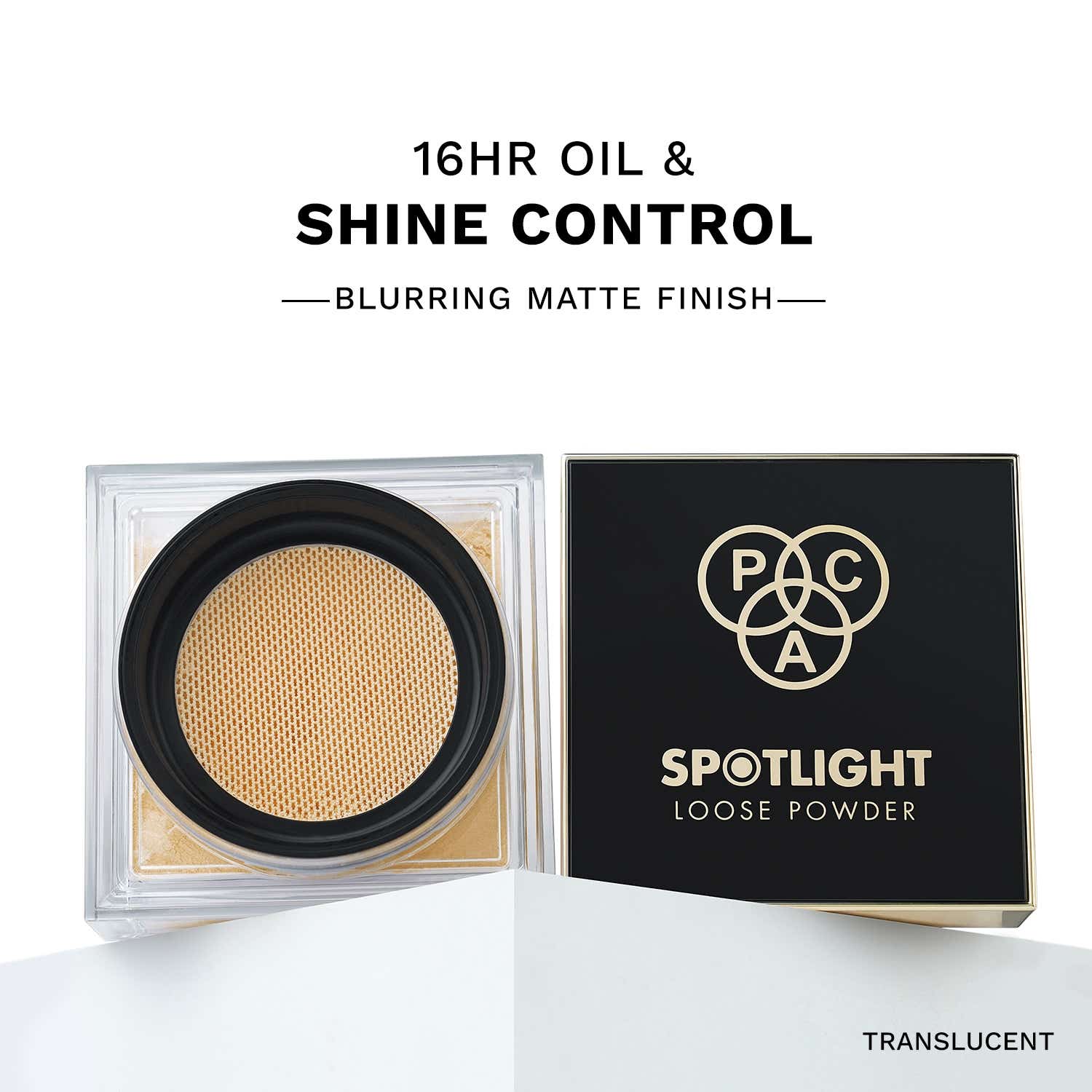
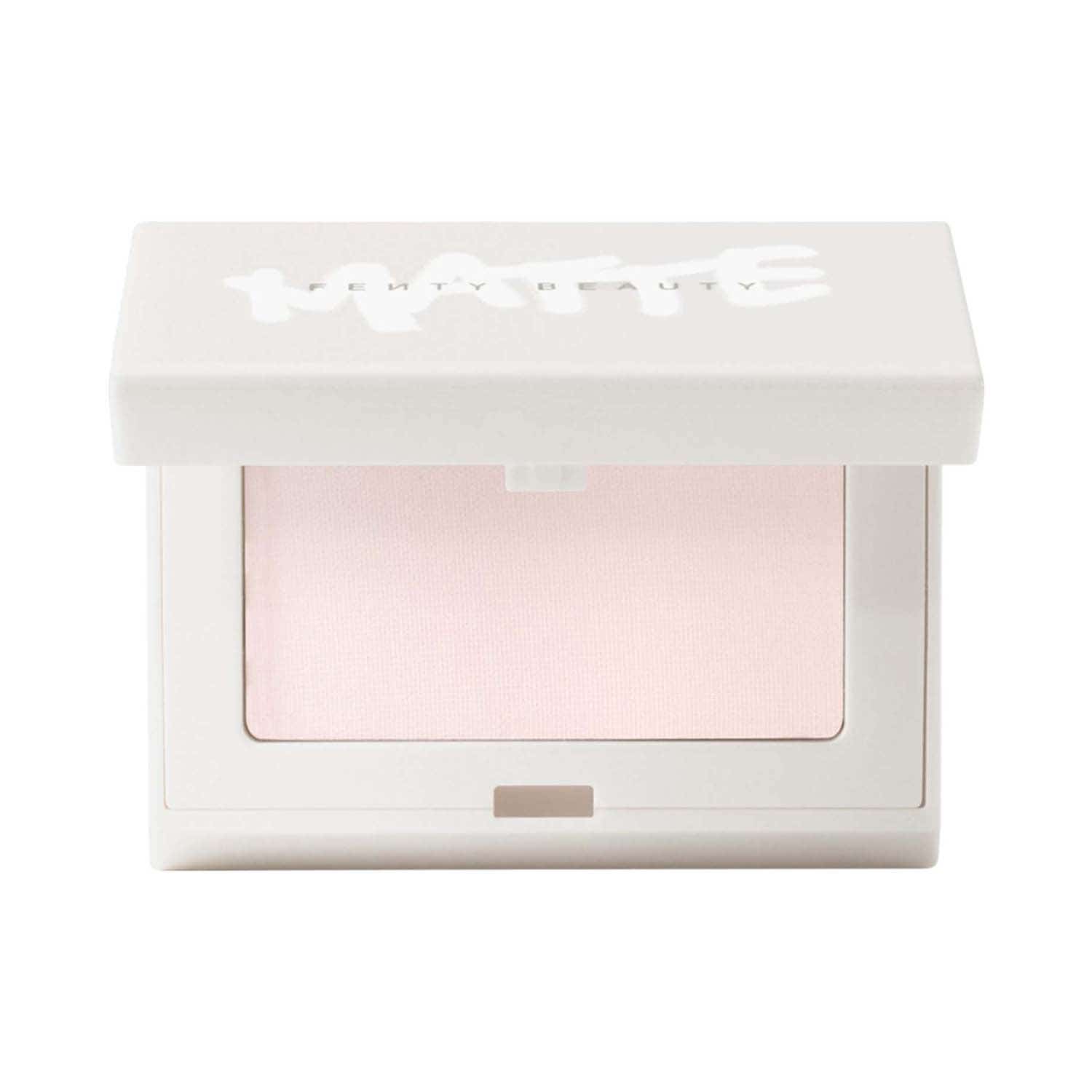
The sides of the nose, around the mouth, under the lower lip—these are areas where your skin naturally creases throughout the day. Use a small, fluffy brush to press a little powder precisely where makeup tends to shift. It’s enough to keep your base from gathering, while allowing the rest of your skin to retain a fresh, dimensional finish.
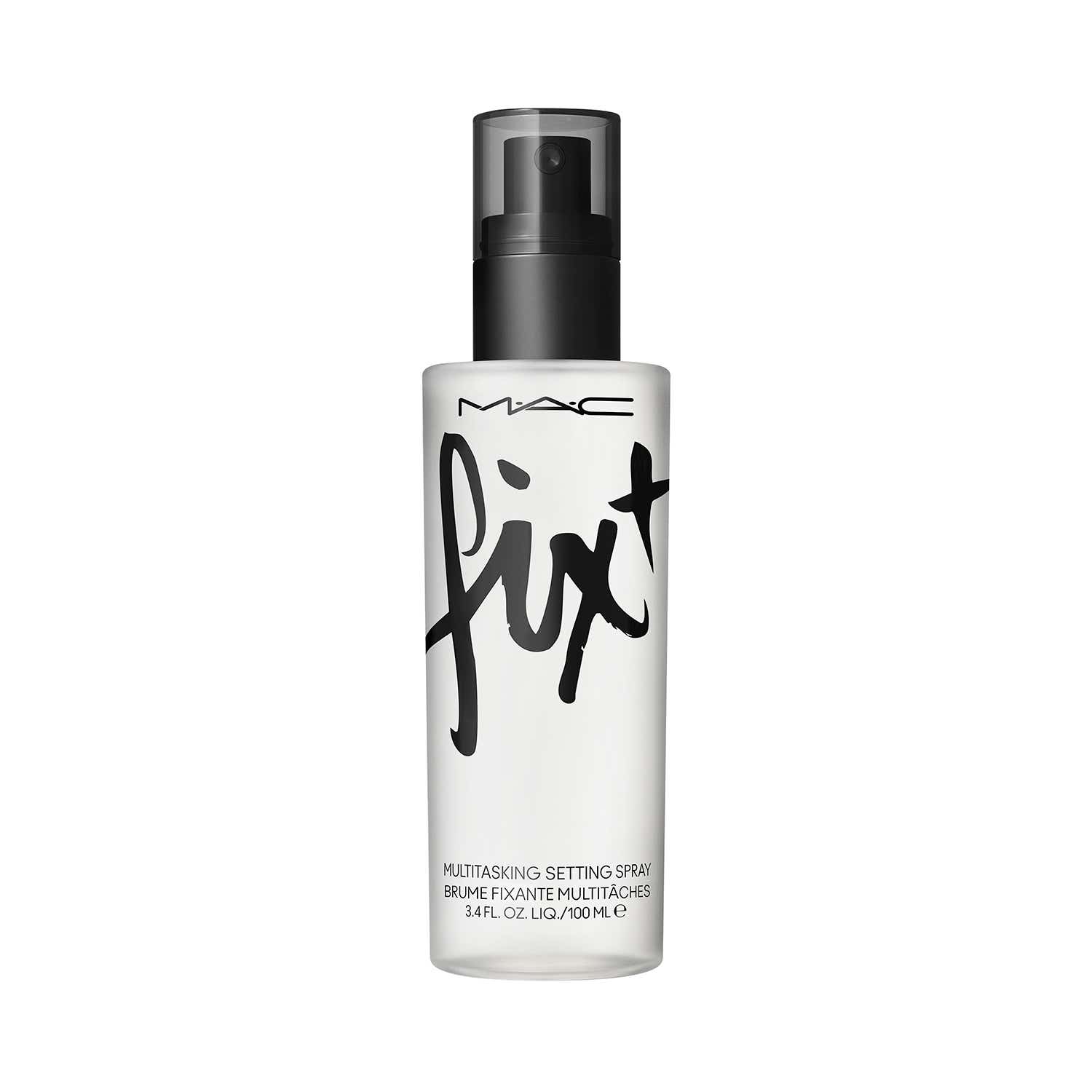
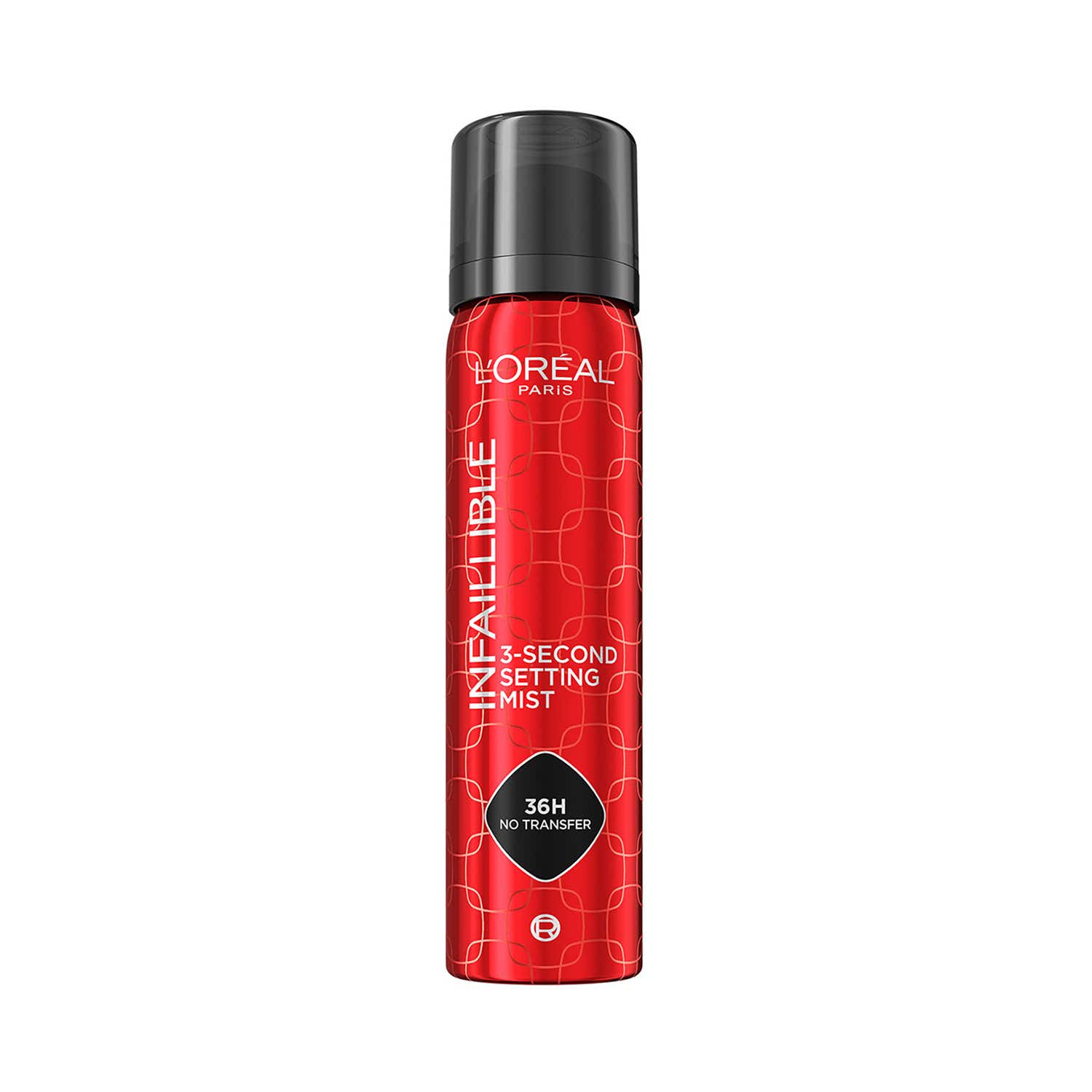
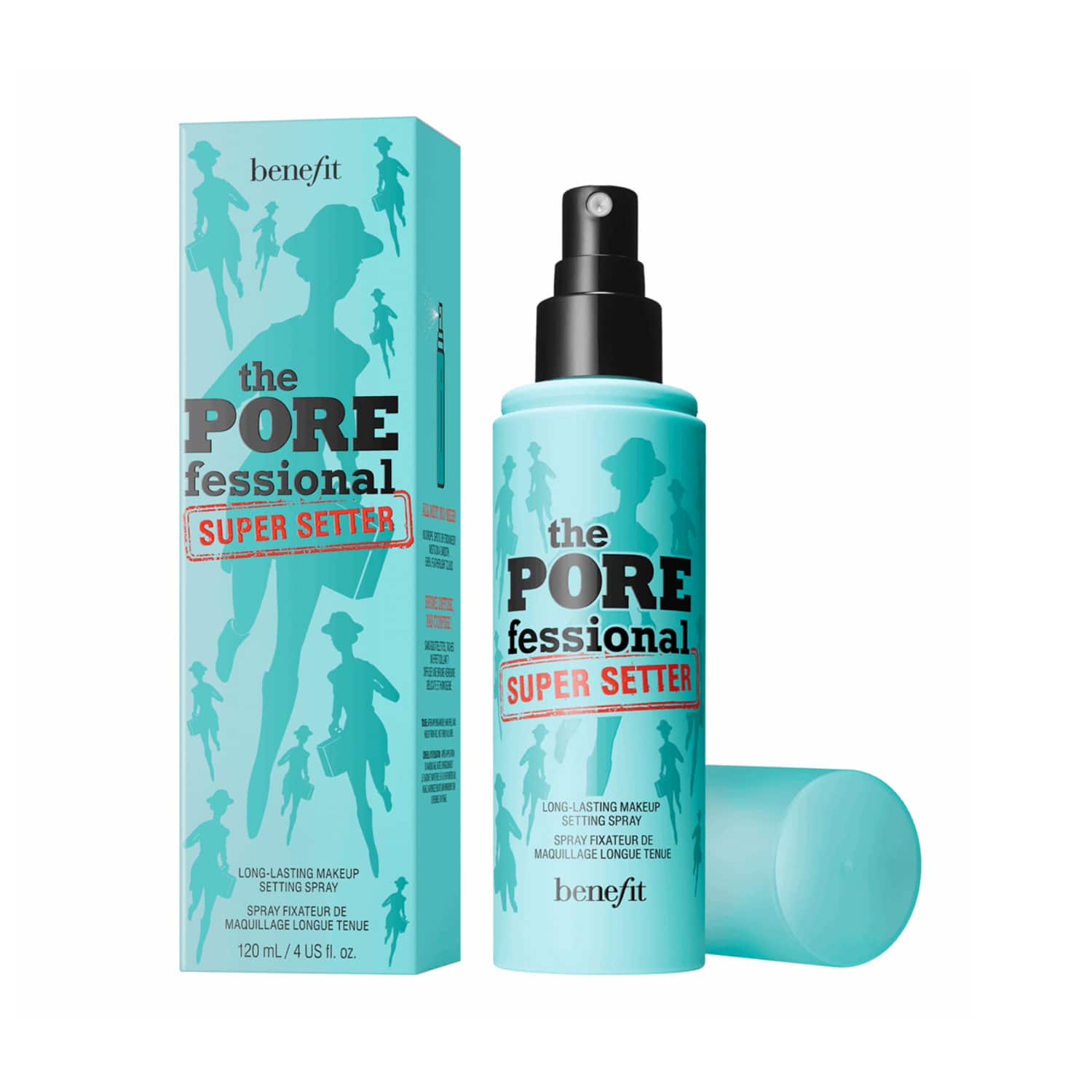
The final step in your routine: setting spray. Hold the bottle at arm’s length and mist lightly across the face. This will allow the spray to meld your makeup layers into an even, seamless finish. Then—and this is important—leave it alone. The key here is restraint, so resist the temptation to over-saturate your skin. More spray doesn’t necessarily translate to more staying power.




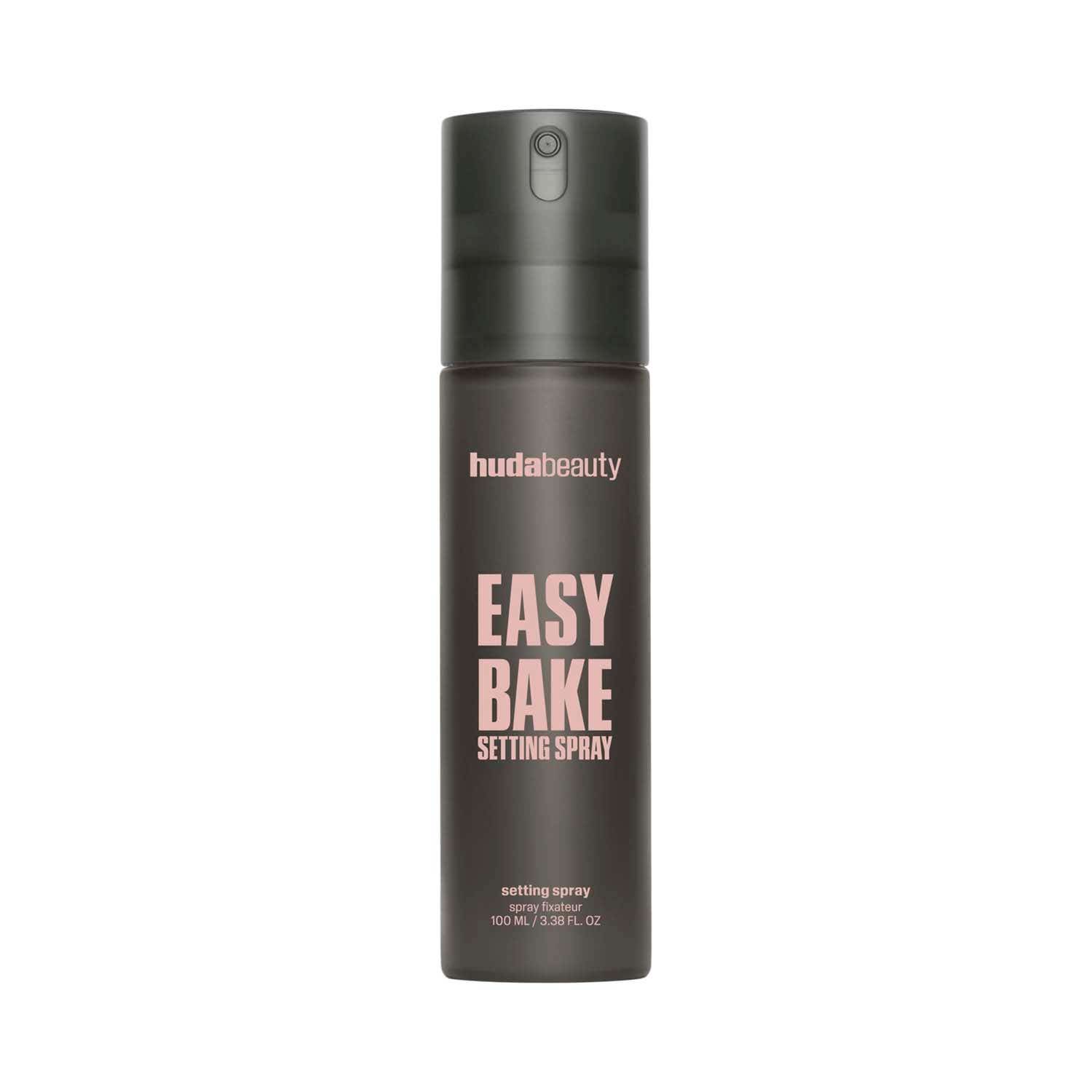
A: Both, but the lasting power comes from how you apply it. Setting spray works by binding your makeup layers together into a more cohesive film on the skin, which reduces the chance of individual products shifting or breaking down separately. The key is to mist from a distance and let it dry on its own—pressing or touching your face afterwards undoes most of the work.
A: Usually, it comes down to either too many layers or skipping adequate skin prep. Heavy skincare underneath makeup gives it nowhere to sit, causing it to pill or bunch over time. Try scaling back your base routine to lighter textures, and allow each layer to fully absorb before applying the next. Using less product and building coverage gradually also helps—thick applications tend to crack and settle into fine lines faster than thin ones.
A: Blotting first, then powdering if needed. Blotting papers lift excess oil without disturbing your makeup, while powder applied directly over oil can cause it to look patchy or thick. Once you've blotted, a light press of powder only where it's needed—the T-zone, sides of the nose—keeps things in check without adding unnecessary texture.
A: You can, but placement matters. A dewy or skin-finish foundation works well in humidity if you keep it off the areas that tend to get oiliest—typically the T-zone—and concentrate it on drier areas like the cheeks and temples where that finish reads as healthy rather than greasy. Setting the centre of the face lightly with powder balances the overall look.
A: A thin layer of concealer patted onto the lid and set with a small amount of powder before shadow application works as a reasonable substitute. The concealer creates a neutral base that helps pigment adhere, and the powder absorbs the oils that cause creasing. It won't give you the exact grip of a dedicated primer, but it makes a visible difference, especially with cream or shimmer shadows that tend to move more.
How you tend to your skin before you apply makeup determines how your look wears throughout the day. The idea is to trade in rich, occlusive formulas for light layers. Think fast-absorbing, souped-up skin treatments that don’t overwhelm your skin. Keep the layers considered, and allow each product to sink in for a minute before reaching for the next one. The fewer the products vying for space beneath your makeup, the less there is to shift, pill or smudge.
Priming is all about precise placement; it needn’t be a full-face affair. To prevent excess shine, opt for a mattifying formula, but reserve it for the areas that actually need it. There’s little point in mattifying the whole face when shine mostly surfaces around your T-zone. On the other hand, for dry, parched patches, use a hydrating formula. Apply sparingly, and let it settle on your skin until it dries. If your skin texture is pronounced in certain areas, a pore-blurring primer can do the trick.
Reach for formulas that can pull double (or triple) duty. Think: a tint that delivers a fresh flush to lips and cheeks, a foundation infused with skin-loving benefits, or a bronzer that brings warmth to your face and eyes. The trick is to streamline your routine without compromising on the finish. Look for lightweight textures that blend and build well across different areas of the face, so your makeup stays fresh and looks cohesive rather than feeling weighed down.
Amidst constant movement, oil production and humidity, eye makeup is naturally susceptible to creasing, smudging and transferring. The result? Shadow that settles into the crease, and liner that migrates far beyond the waterline. Start by prepping your lids with a light layer of primer, then build your shadow gradually, increasing the intensity as you go rather than depositing too much pigment at once. For kajal, mascara and eyeliner, opt for waterproof or water-resistant formulas to help preserve the precision of your look.
Humidity calls for something slightly more steadfast than a gloss. Start by defining the edges of your lips with a lip liner to prevent colour from bleeding, then fill in with a transfer-resistant matte or satin formula. Since these finishes tend to contain higher concentrations of waxes and pigments, they are less prone to movement—making them better equipped to hold their own against heat, crowded rooms and the inevitable festive feast.
The sides of the nose, around the mouth, under the lower lip—these are areas where your skin naturally creases throughout the day. Use a small, fluffy brush to press a little powder precisely where makeup tends to shift. It’s enough to keep your base from gathering, while allowing the rest of your skin to retain a fresh, dimensional finish.
The final step in your routine: setting spray. Hold the bottle at arm’s length and mist lightly across the face. This will allow the spray to meld your makeup layers into an even, seamless finish. Then—and this is important—leave it alone. The key here is restraint, so resist the temptation to over-saturate your skin. More spray doesn’t necessarily translate to more staying power.
How you tend to your skin before you apply makeup determines how your look wears throughout the day. The idea is to trade in rich, occlusive formulas for light layers. Think fast-absorbing, souped-up skin treatments that don’t overwhelm your skin. Keep the layers considered, and allow each product to sink in for a minute before reaching for the next one. The fewer the products vying for space beneath your makeup, the less there is to shift, pill or smudge.
Priming is all about precise placement; it needn’t be a full-face affair. To prevent excess shine, opt for a mattifying formula, but reserve it for the areas that actually need it. There’s little point in mattifying the whole face when shine mostly surfaces around your T-zone. On the other hand, for dry, parched patches, use a hydrating formula. Apply sparingly, and let it settle on your skin until it dries. If your skin texture is pronounced in certain areas, a pore-blurring primer can do the trick.
Reach for formulas that can pull double (or triple) duty. Think: a tint that delivers a fresh flush to lips and cheeks, a foundation infused with skin-loving benefits, or a bronzer that brings warmth to your face and eyes. The trick is to streamline your routine without compromising on the finish. Look for lightweight textures that blend and build well across different areas of the face, so your makeup stays fresh and looks cohesive rather than feeling weighed down.
Amidst constant movement, oil production and humidity, eye makeup is naturally susceptible to creasing, smudging and transferring. The result? Shadow that settles into the crease, and liner that migrates far beyond the waterline. Start by prepping your lids with a light layer of primer, then build your shadow gradually, increasing the intensity as you go rather than depositing too much pigment at once. For kajal, mascara and eyeliner, opt for waterproof or water-resistant formulas to help preserve the precision of your look.
Humidity calls for something slightly more steadfast than a gloss. Start by defining the edges of your lips with a lip liner to prevent colour from bleeding, then fill in with a transfer-resistant matte or satin formula. Since these finishes tend to contain higher concentrations of waxes and pigments, they are less prone to movement—making them better equipped to hold their own against heat, crowded rooms and the inevitable festive feast.
The sides of the nose, around the mouth, under the lower lip—these are areas where your skin naturally creases throughout the day. Use a small, fluffy brush to press a little powder precisely where makeup tends to shift. It’s enough to keep your base from gathering, while allowing the rest of your skin to retain a fresh, dimensional finish.
The final step in your routine: setting spray. Hold the bottle at arm’s length and mist lightly across the face. This will allow the spray to meld your makeup layers into an even, seamless finish. Then—and this is important—leave it alone. The key here is restraint, so resist the temptation to over-saturate your skin. More spray doesn’t necessarily translate to more staying power.
A: Both, but the lasting power comes from how you apply it. Setting spray works by binding your makeup layers together into a more cohesive film on the skin, which reduces the chance of individual products shifting or breaking down separately. The key is to mist from a distance and let it dry on its own—pressing or touching your face afterwards undoes most of the work.
A: Usually, it comes down to either too many layers or skipping adequate skin prep. Heavy skincare underneath makeup gives it nowhere to sit, causing it to pill or bunch over time. Try scaling back your base routine to lighter textures, and allow each layer to fully absorb before applying the next. Using less product and building coverage gradually also helps—thick applications tend to crack and settle into fine lines faster than thin ones.
A: Blotting first, then powdering if needed. Blotting papers lift excess oil without disturbing your makeup, while powder applied directly over oil can cause it to look patchy or thick. Once you've blotted, a light press of powder only where it's needed—the T-zone, sides of the nose—keeps things in check without adding unnecessary texture.
A: You can, but placement matters. A dewy or skin-finish foundation works well in humidity if you keep it off the areas that tend to get oiliest—typically the T-zone—and concentrate it on drier areas like the cheeks and temples where that finish reads as healthy rather than greasy. Setting the centre of the face lightly with powder balances the overall look.
A: A thin layer of concealer patted onto the lid and set with a small amount of powder before shadow application works as a reasonable substitute. The concealer creates a neutral base that helps pigment adhere, and the powder absorbs the oils that cause creasing. It won't give you the exact grip of a dedicated primer, but it makes a visible difference, especially with cream or shimmer shadows that tend to move more.


A: Both, but the lasting power comes from how you apply it. Setting spray works by binding your makeup layers together into a more cohesive film on the skin, which reduces the chance of individual products shifting or breaking down separately. The key is to mist from a distance and let it dry on its own—pressing or touching your face afterwards undoes most of the work.
A: Usually, it comes down to either too many layers or skipping adequate skin prep. Heavy skincare underneath makeup gives it nowhere to sit, causing it to pill or bunch over time. Try scaling back your base routine to lighter textures, and allow each layer to fully absorb before applying the next. Using less product and building coverage gradually also helps—thick applications tend to crack and settle into fine lines faster than thin ones.
A: Blotting first, then powdering if needed. Blotting papers lift excess oil without disturbing your makeup, while powder applied directly over oil can cause it to look patchy or thick. Once you've blotted, a light press of powder only where it's needed—the T-zone, sides of the nose—keeps things in check without adding unnecessary texture.
A: You can, but placement matters. A dewy or skin-finish foundation works well in humidity if you keep it off the areas that tend to get oiliest—typically the T-zone—and concentrate it on drier areas like the cheeks and temples where that finish reads as healthy rather than greasy. Setting the centre of the face lightly with powder balances the overall look.
A: A thin layer of concealer patted onto the lid and set with a small amount of powder before shadow application works as a reasonable substitute. The concealer creates a neutral base that helps pigment adhere, and the powder absorbs the oils that cause creasing. It won't give you the exact grip of a dedicated primer, but it makes a visible difference, especially with cream or shimmer shadows that tend to move more.
How you tend to your skin before you apply makeup determines how your look wears throughout the day. The idea is to trade in rich, occlusive formulas for light layers. Think fast-absorbing, souped-up skin treatments that don’t overwhelm your skin. Keep the layers considered, and allow each product to sink in for a minute before reaching for the next one. The fewer the products vying for space beneath your makeup, the less there is to shift, pill or smudge.
Priming is all about precise placement; it needn’t be a full-face affair. To prevent excess shine, opt for a mattifying formula, but reserve it for the areas that actually need it. There’s little point in mattifying the whole face when shine mostly surfaces around your T-zone. On the other hand, for dry, parched patches, use a hydrating formula. Apply sparingly, and let it settle on your skin until it dries. If your skin texture is pronounced in certain areas, a pore-blurring primer can do the trick.
Reach for formulas that can pull double (or triple) duty. Think: a tint that delivers a fresh flush to lips and cheeks, a foundation infused with skin-loving benefits, or a bronzer that brings warmth to your face and eyes. The trick is to streamline your routine without compromising on the finish. Look for lightweight textures that blend and build well across different areas of the face, so your makeup stays fresh and looks cohesive rather than feeling weighed down.
Amidst constant movement, oil production and humidity, eye makeup is naturally susceptible to creasing, smudging and transferring. The result? Shadow that settles into the crease, and liner that migrates far beyond the waterline. Start by prepping your lids with a light layer of primer, then build your shadow gradually, increasing the intensity as you go rather than depositing too much pigment at once. For kajal, mascara and eyeliner, opt for waterproof or water-resistant formulas to help preserve the precision of your look.
Humidity calls for something slightly more steadfast than a gloss. Start by defining the edges of your lips with a lip liner to prevent colour from bleeding, then fill in with a transfer-resistant matte or satin formula. Since these finishes tend to contain higher concentrations of waxes and pigments, they are less prone to movement—making them better equipped to hold their own against heat, crowded rooms and the inevitable festive feast.
The sides of the nose, around the mouth, under the lower lip—these are areas where your skin naturally creases throughout the day. Use a small, fluffy brush to press a little powder precisely where makeup tends to shift. It’s enough to keep your base from gathering, while allowing the rest of your skin to retain a fresh, dimensional finish.
The final step in your routine: setting spray. Hold the bottle at arm’s length and mist lightly across the face. This will allow the spray to meld your makeup layers into an even, seamless finish. Then—and this is important—leave it alone. The key here is restraint, so resist the temptation to over-saturate your skin. More spray doesn’t necessarily translate to more staying power.
A: Both, but the lasting power comes from how you apply it. Setting spray works by binding your makeup layers together into a more cohesive film on the skin, which reduces the chance of individual products shifting or breaking down separately. The key is to mist from a distance and let it dry on its own—pressing or touching your face afterwards undoes most of the work.
A: Usually, it comes down to either too many layers or skipping adequate skin prep. Heavy skincare underneath makeup gives it nowhere to sit, causing it to pill or bunch over time. Try scaling back your base routine to lighter textures, and allow each layer to fully absorb before applying the next. Using less product and building coverage gradually also helps—thick applications tend to crack and settle into fine lines faster than thin ones.
A: Blotting first, then powdering if needed. Blotting papers lift excess oil without disturbing your makeup, while powder applied directly over oil can cause it to look patchy or thick. Once you've blotted, a light press of powder only where it's needed—the T-zone, sides of the nose—keeps things in check without adding unnecessary texture.
A: You can, but placement matters. A dewy or skin-finish foundation works well in humidity if you keep it off the areas that tend to get oiliest—typically the T-zone—and concentrate it on drier areas like the cheeks and temples where that finish reads as healthy rather than greasy. Setting the centre of the face lightly with powder balances the overall look.
A: A thin layer of concealer patted onto the lid and set with a small amount of powder before shadow application works as a reasonable substitute. The concealer creates a neutral base that helps pigment adhere, and the powder absorbs the oils that cause creasing. It won't give you the exact grip of a dedicated primer, but it makes a visible difference, especially with cream or shimmer shadows that tend to move more.