
Ingredient Lab
Hanbang: The K-beauty ingredient trend coming to take over
Read Now


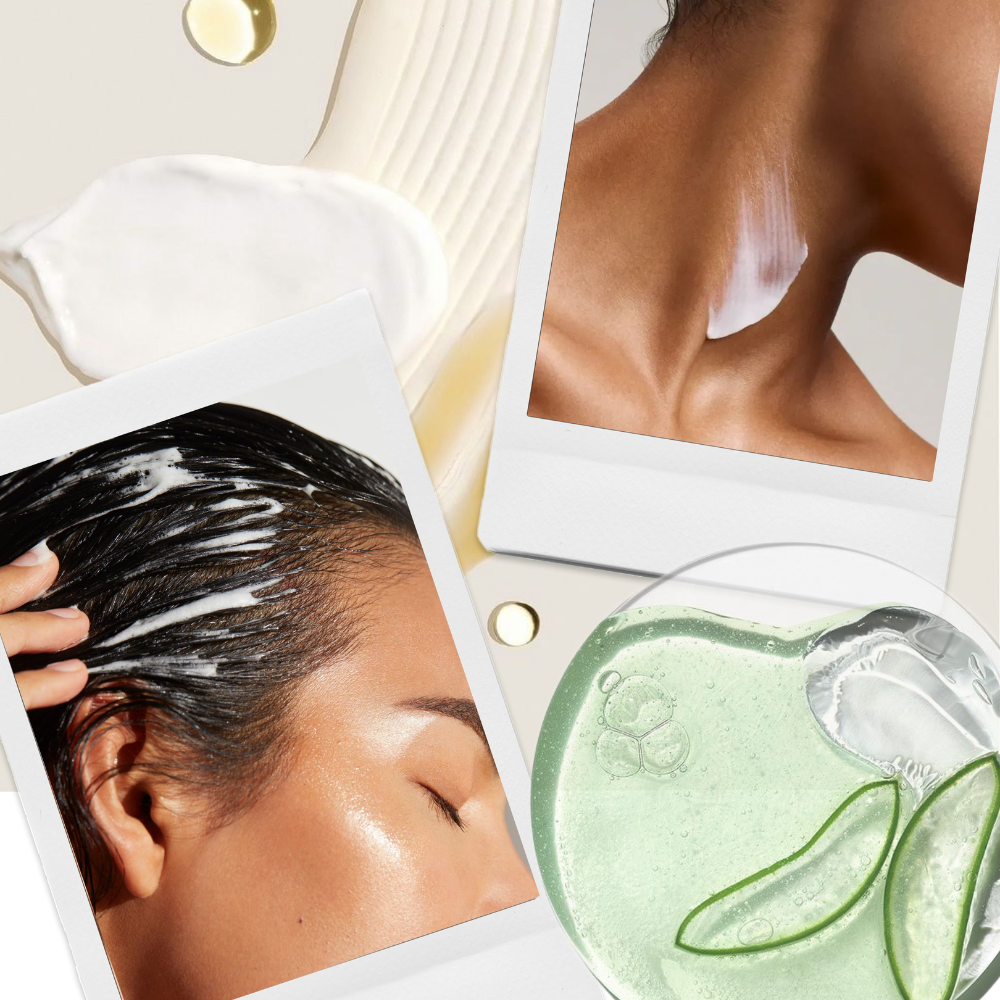

Your face routine gets the full luxury treatment. Serums are layered with intention, actives are carefully timed and every ingredient has a purpose. But when it comes to body care, most of us are still stuck in a rinse, moisturise, repeat cycle that hasn’t changed in years. Which is strange, considering the skin below your neck has concerns of its own. Dryness, body acne, rough texture, uneven tone, dullness—it’s all part of the picture. And just like facial skin, body skin responds incredibly well to targeted ingredients when you give it the chance.
The good news is that body care is no longer an afterthought. Today’s formulas are packed with the same hardworking ingredients that made your facial skincare routine better, bringing a more thoughtful approach to everything from exfoliation to hydration. Consider this your guide to the ingredients that deserve a place well beyond your bathroom shelf.



You may have heard of retinol’s reputation as a nocturnal creature—and with good reason. Given its propensity to make skin sensitive to the sun’s UV rays, retinol is favoured for nighttime use. Since the skin repairs itself over the course of the night, Re’equil’s Retinol Night Cream tags along for the ride to prevent any premature signs of ageing.
If you’re already familiar with retinol and ready for something a little stronger, this night cream offers a 0.5% concentration that supports smoother texture, softer fine lines and a more even tone over time. It’s fragrance free and non comedogenic with a formula designed to encourage collagen and elastin while still keeping the skin barrier in mind. Because it’s a higher strength product it’s best to start slowly with a few nights a week, watch how your skin responds and always pair it with sunscreen the next morning. A patch test is sensible too as stronger retinols can sometimes lead to dryness or mild flaking while your skin adjusts.
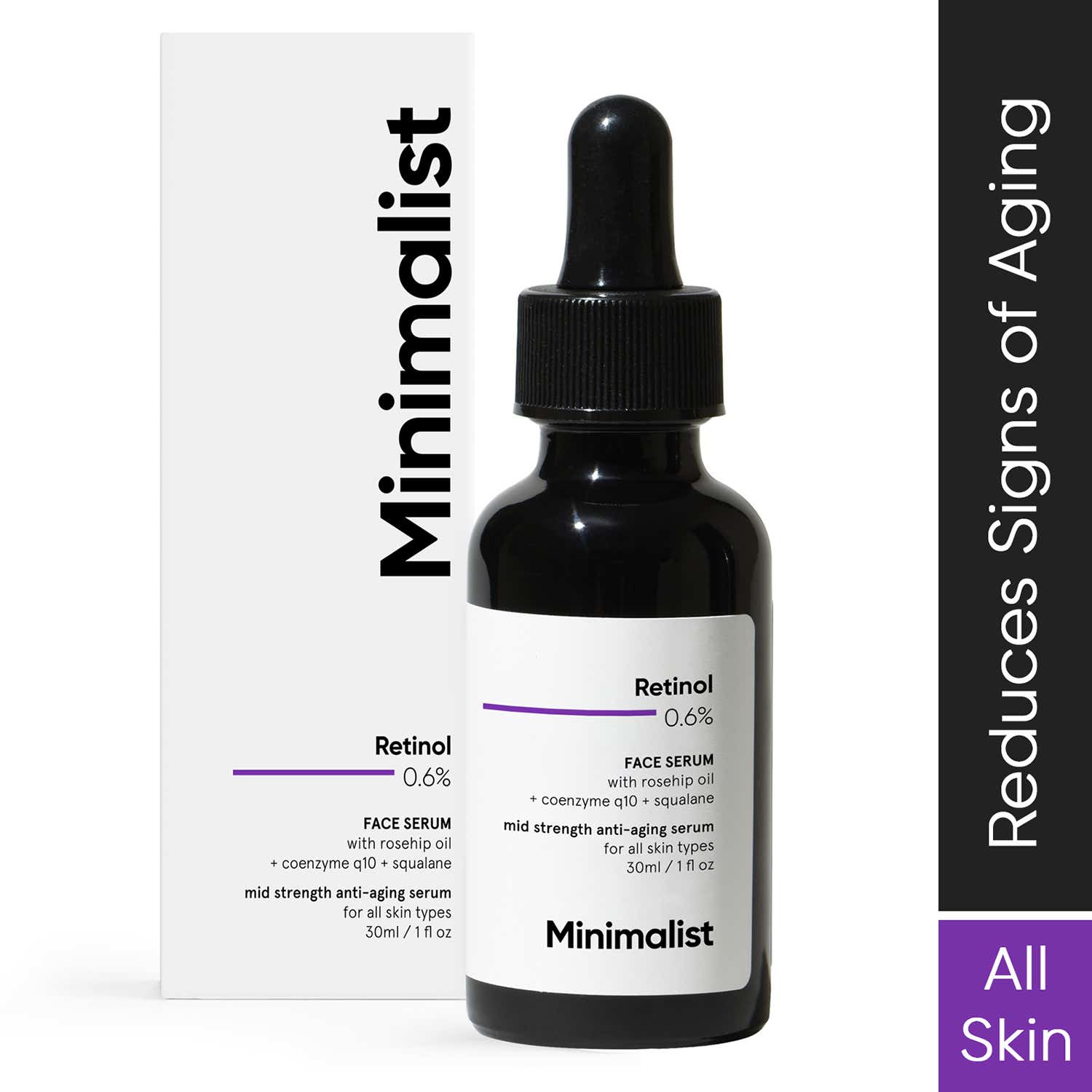
This mid strength serum pairs 0.6% retinol with nourishing ingredients like coenzyme Q10, squalane and rosehip oil to support renewal while giving the skin a bit of comfort. It’s a good choice if you’ve used lower strength retinol for some time and want something more noticeable without jumping straight into very strong territory. The formula is stable and water free which helps keep the retinol effective, though you’ll still want to build up gradually and treat your barrier kindly. As always, SPF in the daytime is essential.
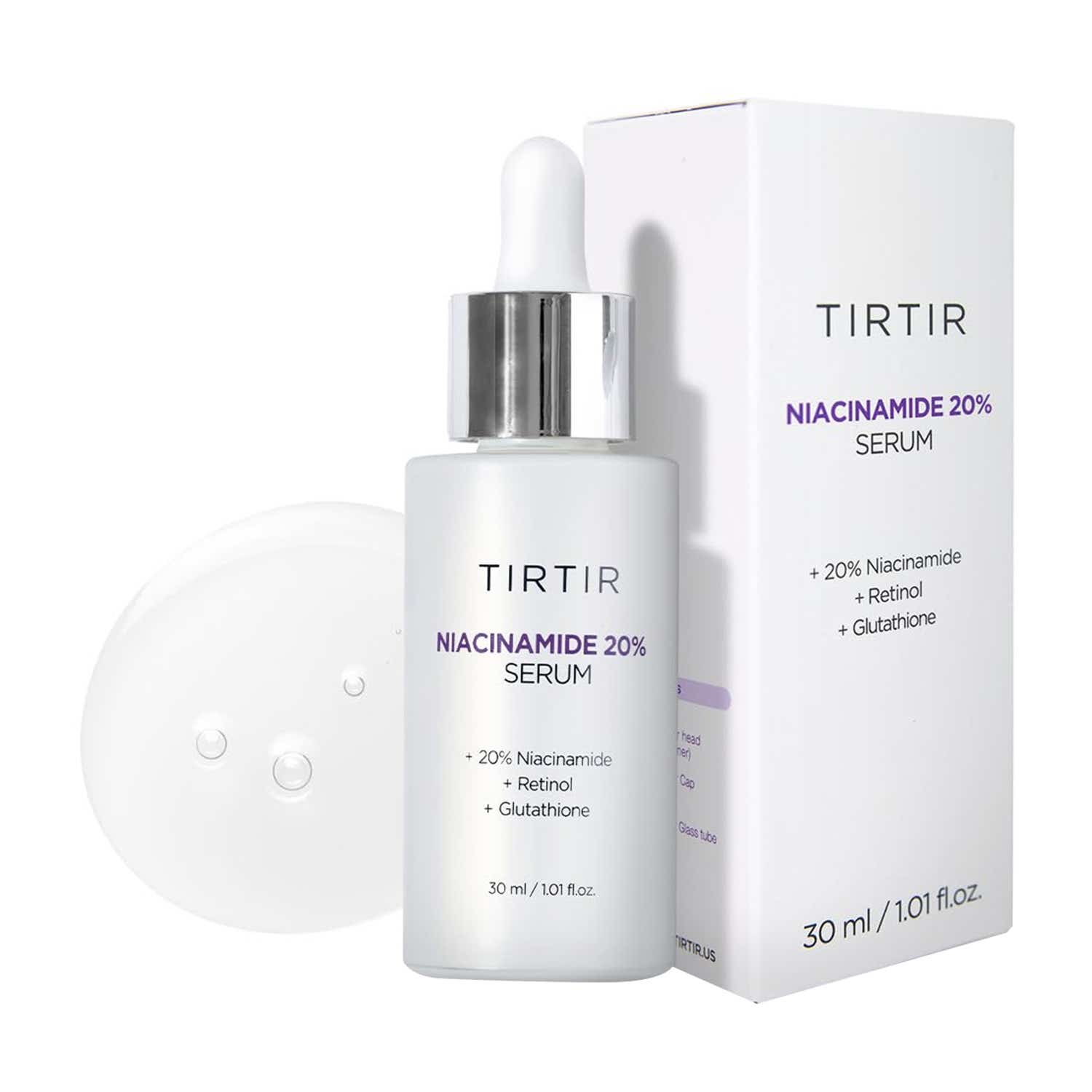
Niacinamide—you’ve probably heard the name more times than you’ve checked your DMs. But does this serum live up to the buzz? For us, it absolutely did. This lightweight, fast-absorbing serum is a multitasker’s dream. Niacinamide targets issues like excess oil, large pores and uneven skin tone, while zinc swoops in to calm inflammation. From the first week of use, we noticed a striking difference in texture and shine control (goodbye, mid-day T-zone grease). Perfect for combination-to-oily skin types, this serum could be your go-to if blackheads and redness have overstayed their welcome. Pro tip? Use it sparingly if you’re layering it with other actives, like vitamin C, to avoid irritation.
Morning and/or night, after cleansing and before your heavier serums or moisturisers
This formula targets breakouts, oil and uneven tone with a simple but effective mix of niacinamide and zinc. It helps calm your skin over time and keeps things balanced. Straightforward, reliable and worth the hype.
Exfoliation—necessary but tricky territory. The Ordinary’s Glycolic Acid Toner is an honestly priced take on chemical exfoliation, packed with a 7% punch. We’ve all heard how glycolic acid works wonders to reveal glowy, smooth skin by gently dissolving dead skin cells. And trust us, this toner did exactly that. After just a few uses, dry patches vanished, dullness diminished and our skin had that I-just-had-a-facial radiance.
But here’s the catch—it’s strong. If you’re new to acids, start slow. And sensitive skin types? Proceed with caution, as it might be a bit much. Apply it with a cotton pad post-cleansing, but avoid sensitive areas like the eyes and your lips.
Stick to evenings and no more than three to four times a week. And don’t forget sunscreen during the day—exfoliation makes your skin more vulnerable to UV damage.
Retinol has earned its reputation as one of skincare’s hardest-working ingredients and there is a case to be made to add it to your bodycare routine as well. The skin on your body loses firmness, develops uneven texture and holds onto roughness just as easily, particularly around the arms, knees and elbows. By accelerating cell turnover and supporting collagen production, retinol helps smooth, refine and gradually improve skin that feels dry or textured. Over time, it can make body skin look noticeably clearer and more even, especially in areas prone to bumpiness or dullness. Since body skin is generally more resilient, retinol can often be used more comfortably below the neck, though it’s still best introduced gradually and paired with daily SPF on exposed areas.
Niacinamide is the kind of ingredient that quietly improves almost everything. It’s a form of Vitamin B3 and it helps strengthen the skin barrier, reduce redness, regulate oil production and brighten uneven tone, all without being overly harsh or sensitising. On the body, it’s particularly effective for areas that tend to develop pigmentation or discoloration, like the underarms, inner thighs and backs of the arms. It also helps skin hold onto moisture more efficiently, making it ideal for anyone dealing with persistent dryness or that slightly dull, flat-looking texture body lotion alone never quite fixes. Gentle, versatile and easy to layer into a routine, niacinamide is one of the easiest upgrades you can make to your body care lineup.
If your body skin feels rough, bumpy or perpetually dull, AHAs are often the missing step. Ingredients like glycolic acid and lactic acid work by dissolving the layer of dead skin cells that sits on the surface, helping reveal smoother, brighter skin underneath. They’re especially effective for concerns like keratosis pilaris, strawberry skin and rough patches that tend to linger on the arms, legs and back. Glycolic acid penetrates more deeply, making it ideal for thicker or more textured areas, while lactic acid offers gentler exfoliation with the added benefit of hydration. The result is skin that looks clearer, feels softer and reflects light in a way that basic scrubs rarely achieve.
Body care often focuses on sealing moisture into the skin, but hyaluronic acid takes hydration a step further by helping draw water into the skin itself. Known for its ability to hold up to 1000 times its weight in water, it leaves skin looking plumper, smoother and noticeably fresher. This matters even more for the body, where skin naturally contains fewer oil glands and loses moisture more easily than the face. When applied onto damp skin after a shower, hyaluronic acid helps combat that tight, dehydrated feeling and gives dry or crepey skin a softer, healthier-looking finish. Think of it as the difference between skin that’s simply moisturised and skin that actually feels deeply hydrated.
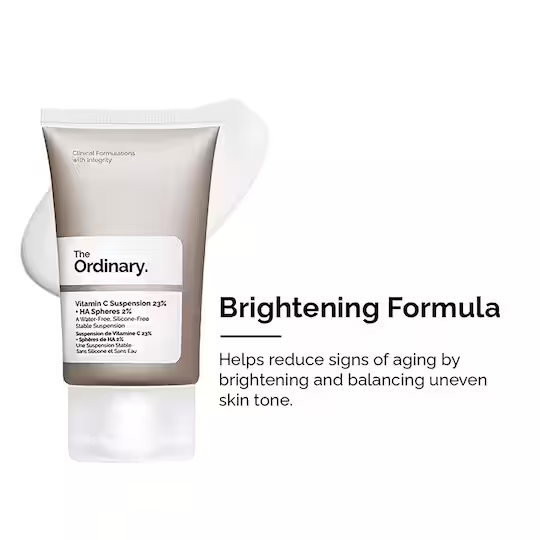
Vitamin C does far more than add brightness to the skin. As a powerful antioxidant, it helps defend against environmental stressors like pollution and UV exposure while also targeting uneven tone, pigmentation and lingering dark marks. On the body, it’s particularly useful for sun-exposed areas like the shoulders, chest and arms, where dullness and discoloration tend to build up gradually over time. It’s also one of the easiest ways to give often-neglected areas like the neck and décolletage a healthier, more luminous look. With consistent use, Vitamin C can help skin appear clearer, fresher and far more even overall.


Retinol has earned its reputation as one of skincare’s hardest-working ingredients and there is a case to be made to add it to your bodycare routine as well. The skin on your body loses firmness, develops uneven texture and holds onto roughness just as easily, particularly around the arms, knees and elbows. By accelerating cell turnover and supporting collagen production, retinol helps smooth, refine and gradually improve skin that feels dry or textured. Over time, it can make body skin look noticeably clearer and more even, especially in areas prone to bumpiness or dullness. Since body skin is generally more resilient, retinol can often be used more comfortably below the neck, though it’s still best introduced gradually and paired with daily SPF on exposed areas.
Niacinamide is the kind of ingredient that quietly improves almost everything. It’s a form of Vitamin B3 and it helps strengthen the skin barrier, reduce redness, regulate oil production and brighten uneven tone, all without being overly harsh or sensitising. On the body, it’s particularly effective for areas that tend to develop pigmentation or discoloration, like the underarms, inner thighs and backs of the arms. It also helps skin hold onto moisture more efficiently, making it ideal for anyone dealing with persistent dryness or that slightly dull, flat-looking texture body lotion alone never quite fixes. Gentle, versatile and easy to layer into a routine, niacinamide is one of the easiest upgrades you can make to your body care lineup.
If your body skin feels rough, bumpy or perpetually dull, AHAs are often the missing step. Ingredients like glycolic acid and lactic acid work by dissolving the layer of dead skin cells that sits on the surface, helping reveal smoother, brighter skin underneath. They’re especially effective for concerns like keratosis pilaris, strawberry skin and rough patches that tend to linger on the arms, legs and back. Glycolic acid penetrates more deeply, making it ideal for thicker or more textured areas, while lactic acid offers gentler exfoliation with the added benefit of hydration. The result is skin that looks clearer, feels softer and reflects light in a way that basic scrubs rarely achieve.
Body care often focuses on sealing moisture into the skin, but hyaluronic acid takes hydration a step further by helping draw water into the skin itself. Known for its ability to hold up to 1000 times its weight in water, it leaves skin looking plumper, smoother and noticeably fresher. This matters even more for the body, where skin naturally contains fewer oil glands and loses moisture more easily than the face. When applied onto damp skin after a shower, hyaluronic acid helps combat that tight, dehydrated feeling and gives dry or crepey skin a softer, healthier-looking finish. Think of it as the difference between skin that’s simply moisturised and skin that actually feels deeply hydrated.
Vitamin C does far more than add brightness to the skin. As a powerful antioxidant, it helps defend against environmental stressors like pollution and UV exposure while also targeting uneven tone, pigmentation and lingering dark marks. On the body, it’s particularly useful for sun-exposed areas like the shoulders, chest and arms, where dullness and discoloration tend to build up gradually over time. It’s also one of the easiest ways to give often-neglected areas like the neck and décolletage a healthier, more luminous look. With consistent use, Vitamin C can help skin appear clearer, fresher and far more even overall.
Retinol has earned its reputation as one of skincare’s hardest-working ingredients and there is a case to be made to add it to your bodycare routine as well. The skin on your body loses firmness, develops uneven texture and holds onto roughness just as easily, particularly around the arms, knees and elbows. By accelerating cell turnover and supporting collagen production, retinol helps smooth, refine and gradually improve skin that feels dry or textured. Over time, it can make body skin look noticeably clearer and more even, especially in areas prone to bumpiness or dullness. Since body skin is generally more resilient, retinol can often be used more comfortably below the neck, though it’s still best introduced gradually and paired with daily SPF on exposed areas.
Niacinamide is the kind of ingredient that quietly improves almost everything. It’s a form of Vitamin B3 and it helps strengthen the skin barrier, reduce redness, regulate oil production and brighten uneven tone, all without being overly harsh or sensitising. On the body, it’s particularly effective for areas that tend to develop pigmentation or discoloration, like the underarms, inner thighs and backs of the arms. It also helps skin hold onto moisture more efficiently, making it ideal for anyone dealing with persistent dryness or that slightly dull, flat-looking texture body lotion alone never quite fixes. Gentle, versatile and easy to layer into a routine, niacinamide is one of the easiest upgrades you can make to your body care lineup.
If your body skin feels rough, bumpy or perpetually dull, AHAs are often the missing step. Ingredients like glycolic acid and lactic acid work by dissolving the layer of dead skin cells that sits on the surface, helping reveal smoother, brighter skin underneath. They’re especially effective for concerns like keratosis pilaris, strawberry skin and rough patches that tend to linger on the arms, legs and back. Glycolic acid penetrates more deeply, making it ideal for thicker or more textured areas, while lactic acid offers gentler exfoliation with the added benefit of hydration. The result is skin that looks clearer, feels softer and reflects light in a way that basic scrubs rarely achieve.
Body care often focuses on sealing moisture into the skin, but hyaluronic acid takes hydration a step further by helping draw water into the skin itself. Known for its ability to hold up to 1000 times its weight in water, it leaves skin looking plumper, smoother and noticeably fresher. This matters even more for the body, where skin naturally contains fewer oil glands and loses moisture more easily than the face. When applied onto damp skin after a shower, hyaluronic acid helps combat that tight, dehydrated feeling and gives dry or crepey skin a softer, healthier-looking finish. Think of it as the difference between skin that’s simply moisturised and skin that actually feels deeply hydrated.
Vitamin C does far more than add brightness to the skin. As a powerful antioxidant, it helps defend against environmental stressors like pollution and UV exposure while also targeting uneven tone, pigmentation and lingering dark marks. On the body, it’s particularly useful for sun-exposed areas like the shoulders, chest and arms, where dullness and discoloration tend to build up gradually over time. It’s also one of the easiest ways to give often-neglected areas like the neck and décolletage a healthier, more luminous look. With consistent use, Vitamin C can help skin appear clearer, fresher and far more even overall.


Retinol has earned its reputation as one of skincare’s hardest-working ingredients and there is a case to be made to add it to your bodycare routine as well. The skin on your body loses firmness, develops uneven texture and holds onto roughness just as easily, particularly around the arms, knees and elbows. By accelerating cell turnover and supporting collagen production, retinol helps smooth, refine and gradually improve skin that feels dry or textured. Over time, it can make body skin look noticeably clearer and more even, especially in areas prone to bumpiness or dullness. Since body skin is generally more resilient, retinol can often be used more comfortably below the neck, though it’s still best introduced gradually and paired with daily SPF on exposed areas.
Niacinamide is the kind of ingredient that quietly improves almost everything. It’s a form of Vitamin B3 and it helps strengthen the skin barrier, reduce redness, regulate oil production and brighten uneven tone, all without being overly harsh or sensitising. On the body, it’s particularly effective for areas that tend to develop pigmentation or discoloration, like the underarms, inner thighs and backs of the arms. It also helps skin hold onto moisture more efficiently, making it ideal for anyone dealing with persistent dryness or that slightly dull, flat-looking texture body lotion alone never quite fixes. Gentle, versatile and easy to layer into a routine, niacinamide is one of the easiest upgrades you can make to your body care lineup.
If your body skin feels rough, bumpy or perpetually dull, AHAs are often the missing step. Ingredients like glycolic acid and lactic acid work by dissolving the layer of dead skin cells that sits on the surface, helping reveal smoother, brighter skin underneath. They’re especially effective for concerns like keratosis pilaris, strawberry skin and rough patches that tend to linger on the arms, legs and back. Glycolic acid penetrates more deeply, making it ideal for thicker or more textured areas, while lactic acid offers gentler exfoliation with the added benefit of hydration. The result is skin that looks clearer, feels softer and reflects light in a way that basic scrubs rarely achieve.
Body care often focuses on sealing moisture into the skin, but hyaluronic acid takes hydration a step further by helping draw water into the skin itself. Known for its ability to hold up to 1000 times its weight in water, it leaves skin looking plumper, smoother and noticeably fresher. This matters even more for the body, where skin naturally contains fewer oil glands and loses moisture more easily than the face. When applied onto damp skin after a shower, hyaluronic acid helps combat that tight, dehydrated feeling and gives dry or crepey skin a softer, healthier-looking finish. Think of it as the difference between skin that’s simply moisturised and skin that actually feels deeply hydrated.
Vitamin C does far more than add brightness to the skin. As a powerful antioxidant, it helps defend against environmental stressors like pollution and UV exposure while also targeting uneven tone, pigmentation and lingering dark marks. On the body, it’s particularly useful for sun-exposed areas like the shoulders, chest and arms, where dullness and discoloration tend to build up gradually over time. It’s also one of the easiest ways to give often-neglected areas like the neck and décolletage a healthier, more luminous look. With consistent use, Vitamin C can help skin appear clearer, fresher and far more even overall.