

Ingredient Lab
Amino acids are making a comeback and your skin has plenty to gain
Read Now


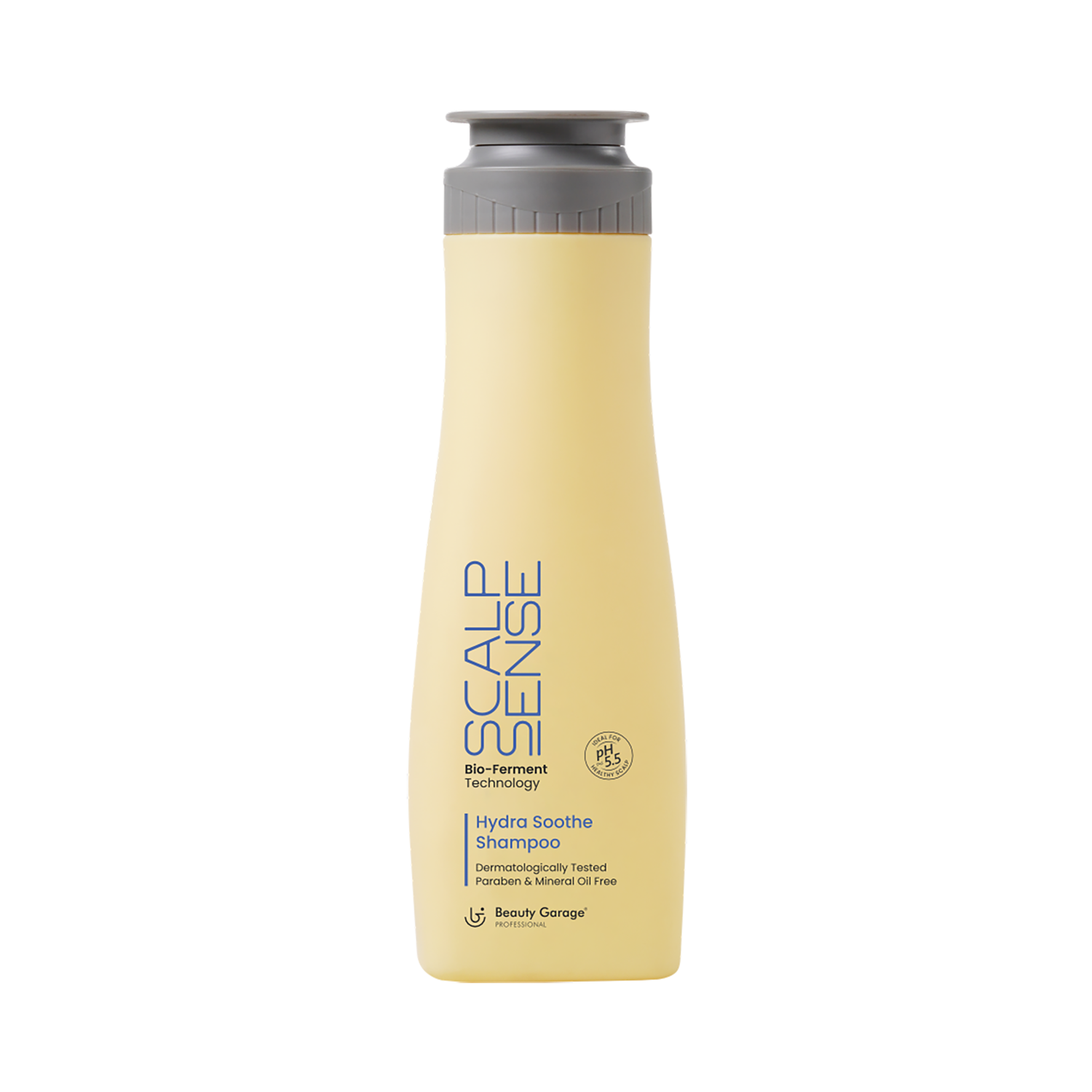
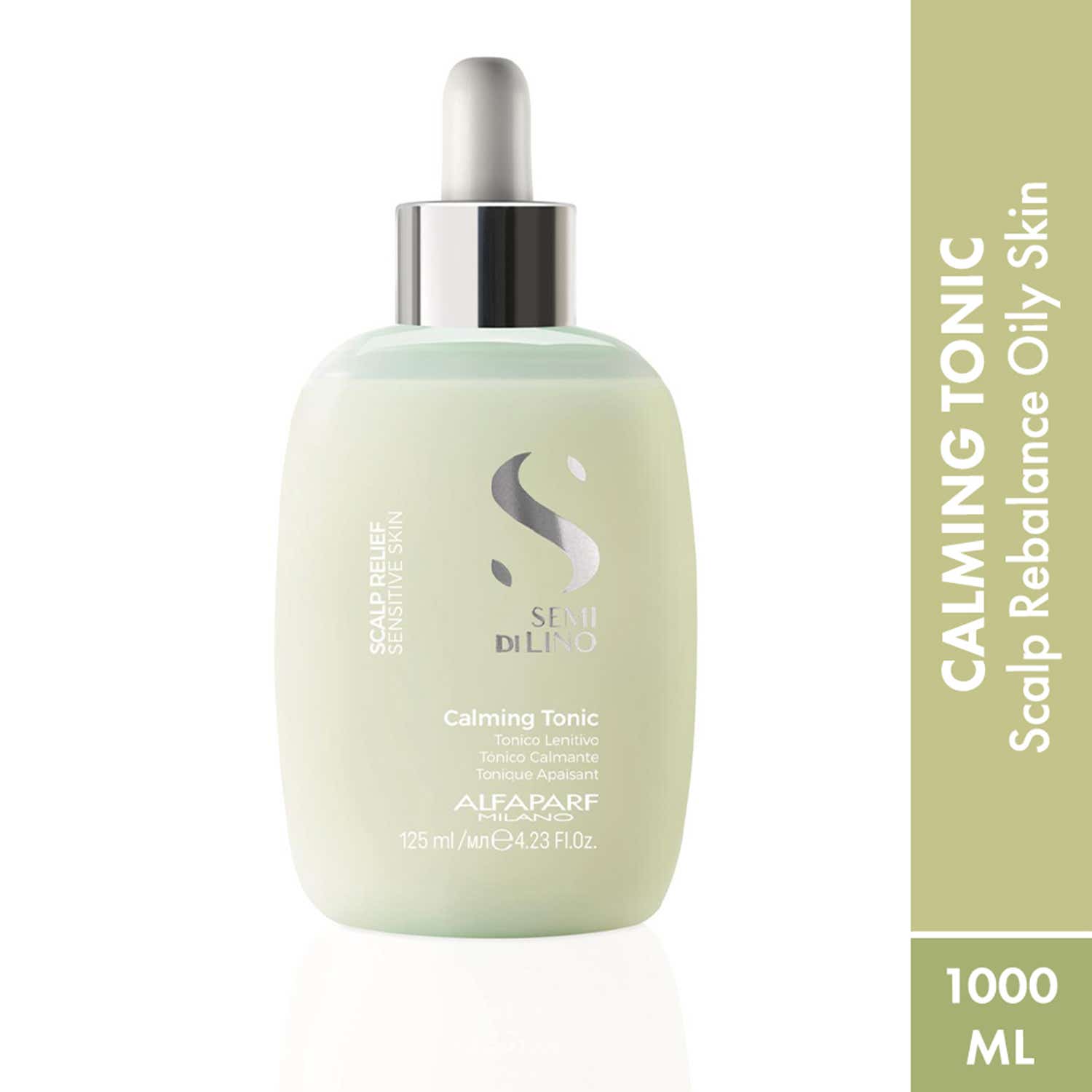
As much as we love the colder months, winter isn't always kind to our hair and scalp. Between the temptation to stretch wash days a little longer and the piping-hot showers we rely on to get through chilly mornings, our haircare routines tend to take a back seat. Unfortunately, our scalps often end up paying the price. The combination of cold weather, low humidity and frequent hot showers can strip the scalp of its natural moisture, leaving it feeling dry, itchy and flaky. Add a build-up of oil, sweat and product residue from those skipped wash days, and things can get even more uncomfortable. The good news? A few thoughtful changes to your haircare routine can make all the difference. Swapping your usual summer staples for formulas with ingredients that address your scalp's changing needs is a good place to start. So, if itchiness and flakes have become an unwelcome part of your winter routine, here's what to look for in your shampoos and serums.


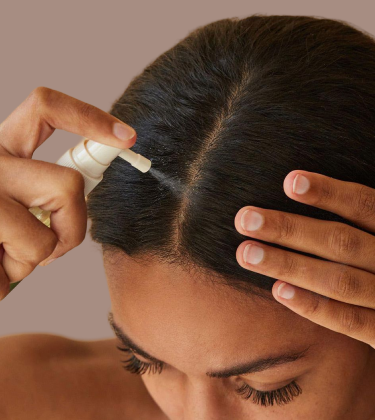
Packed with adaptogens, hyaluronic acid and red clover flower extract, this serum nourishes and hydrates your scalp, promoting a healthier environment for hair growth. Besides, it promises to soothe dryness, irritation and itchiness that comes with heat styling, all while infusing your hair with peptides that boost thickness and volume.
Designed for stressed scalps and thinning hair, this daily serum blends adaptogens and peptides to support your scalp’s barrier while boosting density over time. It’s lightweight, absorbs fast and doesn’t leave any residue—ideal if your scalp tends to feel suffocated in the heat. Expect healthier strands from the root up with consistent use.
A healthy scalp environment plays a bigger role in hair growth than it often gets credit for; and this serum is built around that idea. This scalp serum by OUAI focuses on keeping the scalp hydrated, calm and balanced so your hair has the right conditions to grow. The formula is designed to hydrate and balance the scalp, with adaptogens and hyaluronic acid working together to support a healthier environment for hair growth. Red clover flower extract helps ease dryness and irritation, while peptides support the look of thicker, fuller hair.
Cold weather, low humidity and frequent hot showers can strip the scalp of its natural moisture, leaving it feeling dry, tight and itchy. Indoor heating and harsh shampoos can make matters worse. Switching to a gentle, hydrating shampoo and incorporating moisturising scalp treatments can help keep dryness in check.
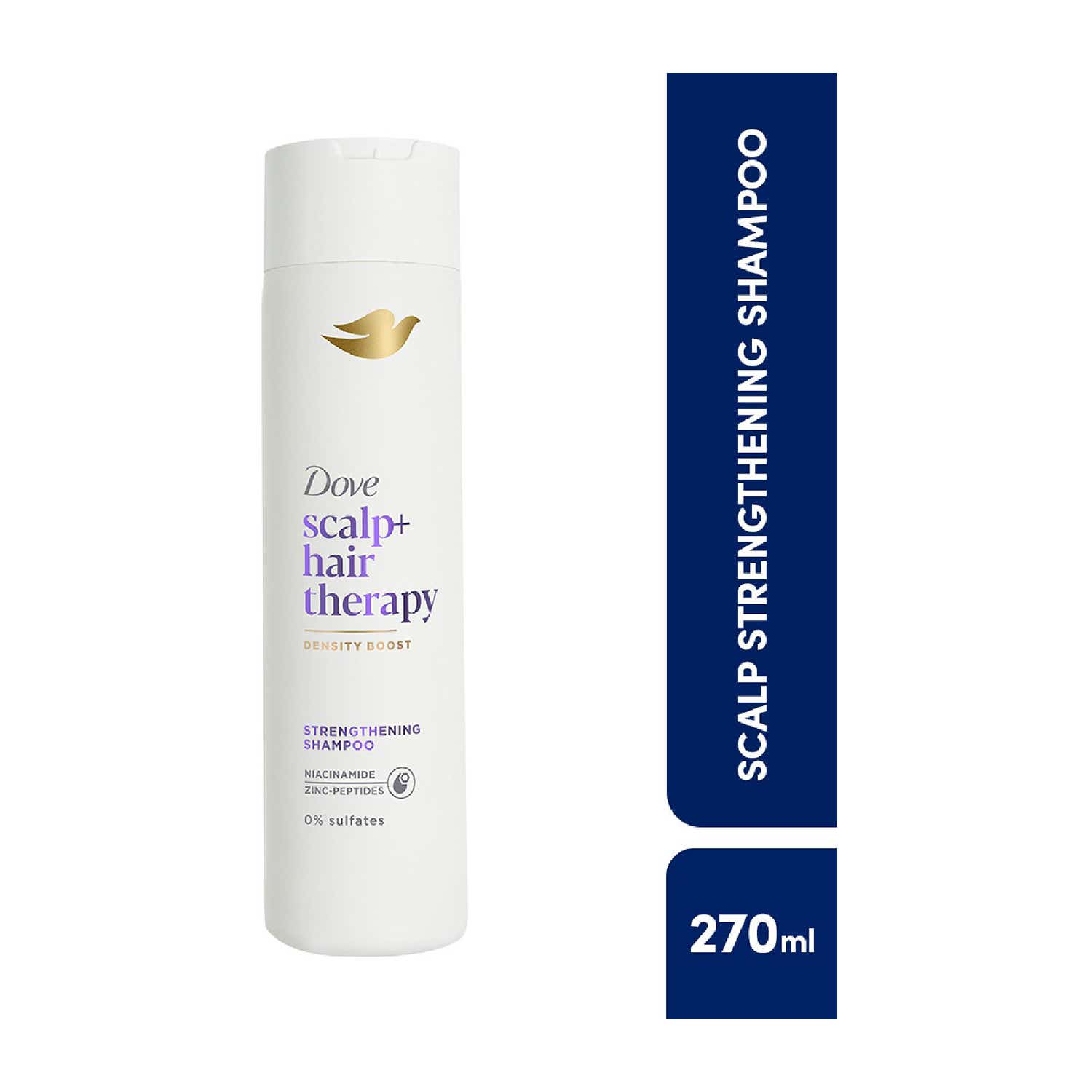
Hyaluronic acid, niacinamide and aloe vera are particularly useful for a dry winter scalp. Hyaluronic acid helps attract and retain moisture, niacinamide supports the skin barrier and aloe vera can soothe mild irritation. Look for shampoos and leave-in scalp serums containing these ingredients to help maintain hydration.
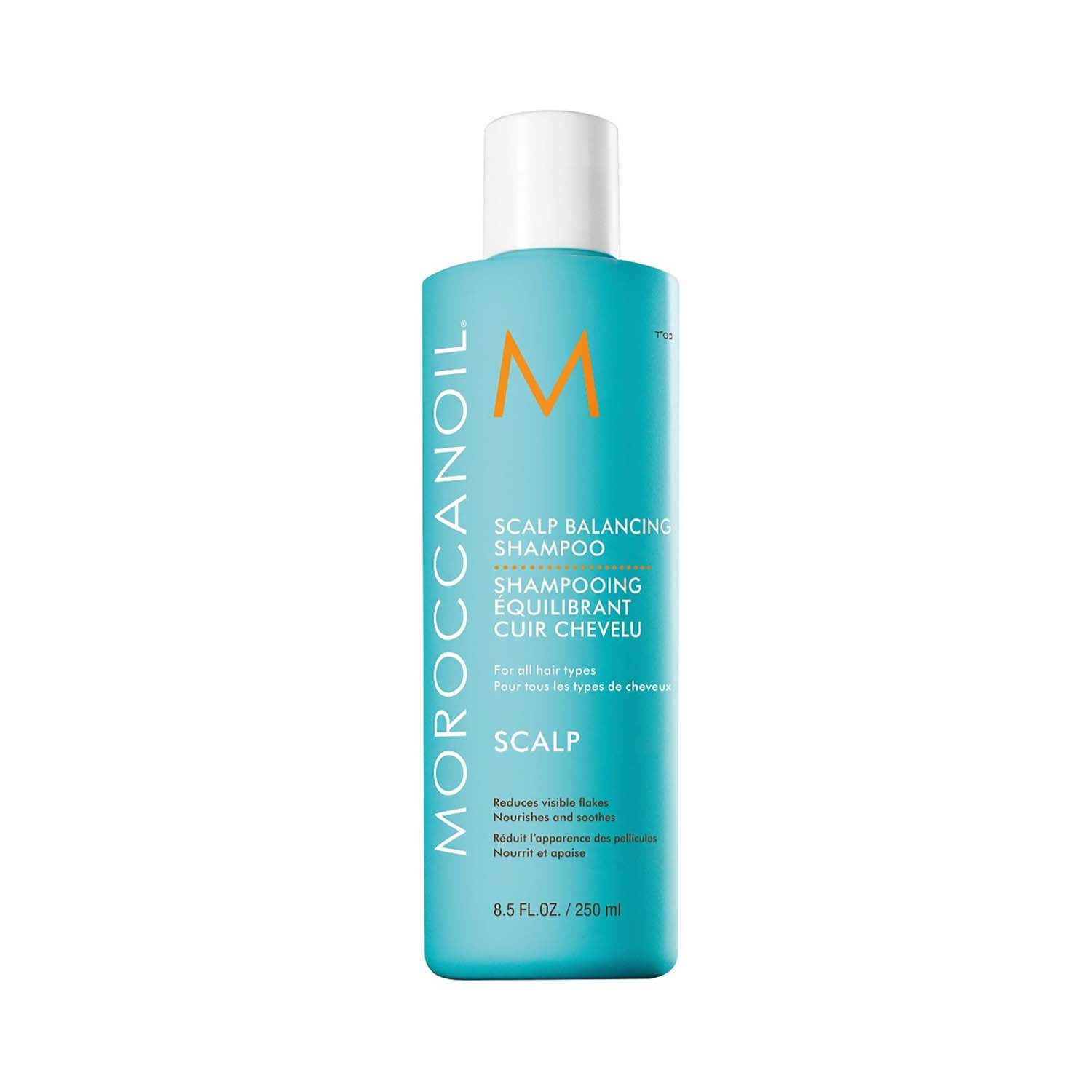
A dry scalp typically produces small, dry flakes and may feel tight or itchy. Dandruff, on the other hand, often causes larger, sometimes oily flakes and may be accompanied by redness or persistent itching. Since the symptoms can overlap, it's best to consult a dermatologist if you're unsure or the flaking continues.
There's no one-size-fits-all rule. Your ideal wash frequency depends on your scalp type, hair texture and how quickly oil and product residue accumulate. If your scalp is oily, you may need to wash it more frequently, while a drier scalp might benefit from less frequent cleansing. The key is to maintain a consistent routine without allowing excessive build-up.
Yes, salicylic acid can help loosen dead skin cells and remove excess oil and build-up from the scalp. It's particularly useful for managing certain types of flaking, including dandruff-related scaling. However, using it too frequently can aggravate dryness, so start with a gentle scalp treatment and follow the product's recommended usage instructions.
Chances are, you're already familiar with the benefits of hyaluronic acid for your face, but here's something worth remembering: your scalp is skin too, and it needs just as much attention. If you've ever stepped out of a hot shower only to find your scalp feeling unusually tight or itchy, dehydration could be one of the culprits. That's where hyaluronic acid comes in. As a humectant, it attracts and binds water, helping replenish moisture and keep the scalp feeling hydrated and comfortable. It's particularly useful during winter, when dry indoor air and long, hot showers can leave your scalp feeling parched. While you'll find the ingredient in shampoos, a leave-in scalp serum gives it more time to work its magic without being rinsed away. Look for a lightweight formula that hydrates without leaving your roots feeling greasy or weighed down.
Your face isn't the only place where the skin barrier needs a little extra care during winter. Your scalp has its own protective barrier, which helps retain moisture and keep external irritants at bay. When this barrier is compromised, you might notice persistent dryness, tightness or an itch that doesn't seem to go away, no matter how often you wash your hair. Enter niacinamide, a form of vitamin B3 that's earned its place in skincare routines for good reason. Known for its barrier-supporting properties, it can help improve moisture retention and support the skin's natural production of ceramides, which play an important role in keeping the barrier healthy. It's a particularly useful ingredient to look for if your scalp feels easily irritated or struggles to stay comfortable through the colder months. Consider incorporating a niacinamide-infused shampoo into your wash routine, followed by a suitable leave-in scalp serum for additional care. Just remember that persistent itching isn't always a sign of a weakened barrier, so it's worth getting it checked if the discomfort continues.
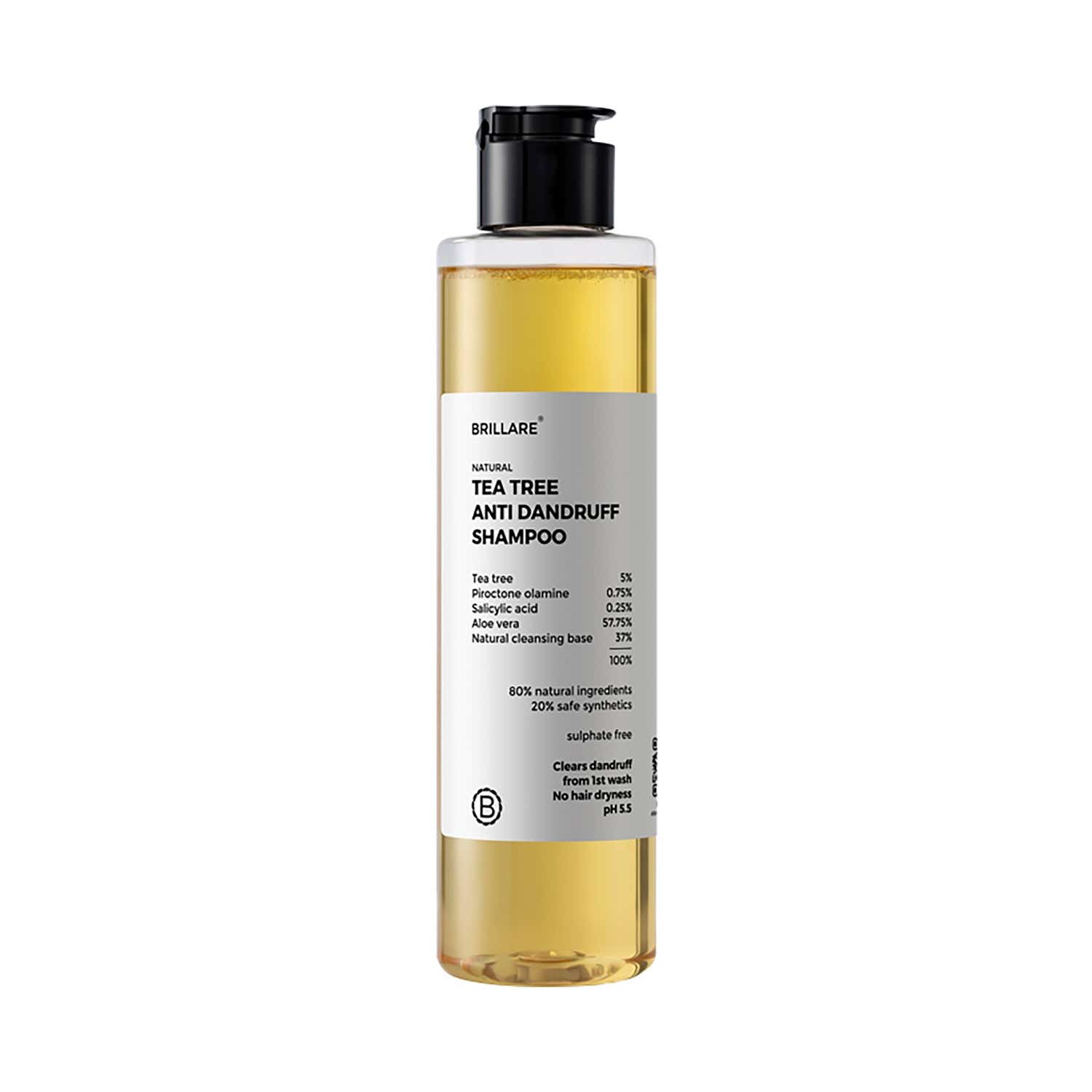
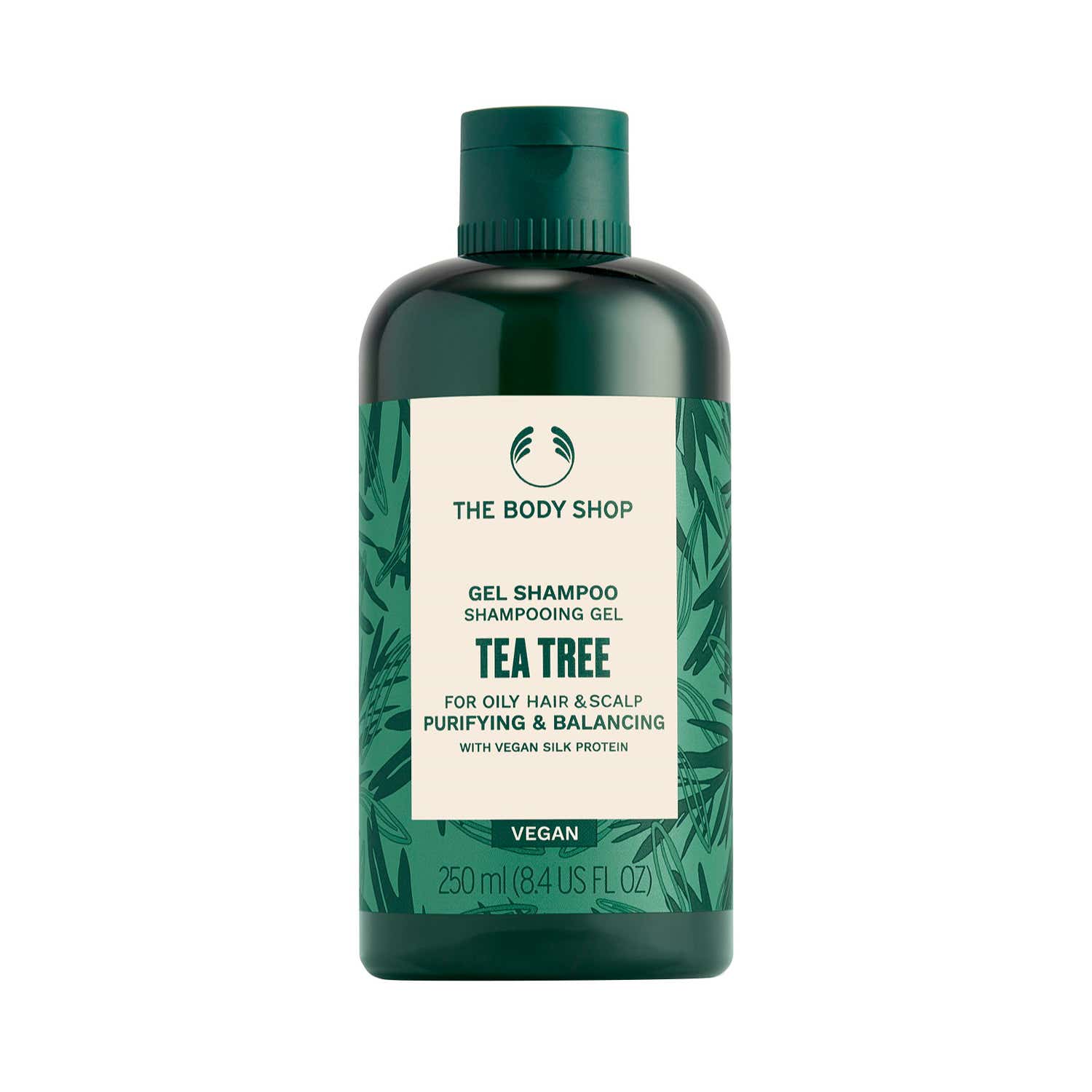
Few things are more frustrating than spotting flakes on your favourite dark jumper, especially when you've only just left the house. And if your scalp is already prone to dandruff, the colder months can make managing it feel like an even bigger task. While dandruff isn't simply a result of dryness, changes in weather and scalp care habits can sometimes make the symptoms more noticeable. Tea tree oil is one ingredient worth considering, thanks to its antimicrobial and anti-inflammatory properties. It may help manage mild dandruff and ease some of the itchiness that often accompanies it. Rather than applying pure tea tree oil directly to your scalp, look for a shampoo formulated with the ingredient, which offers a gentler, more convenient way to incorporate it into your routine. That said, tea tree oil can irritate sensitive skin, and it isn't a substitute for a medicated anti-dandruff treatment. If the flaking is persistent, severe or accompanied by redness, a dermatologist can help you find a more targeted solution.
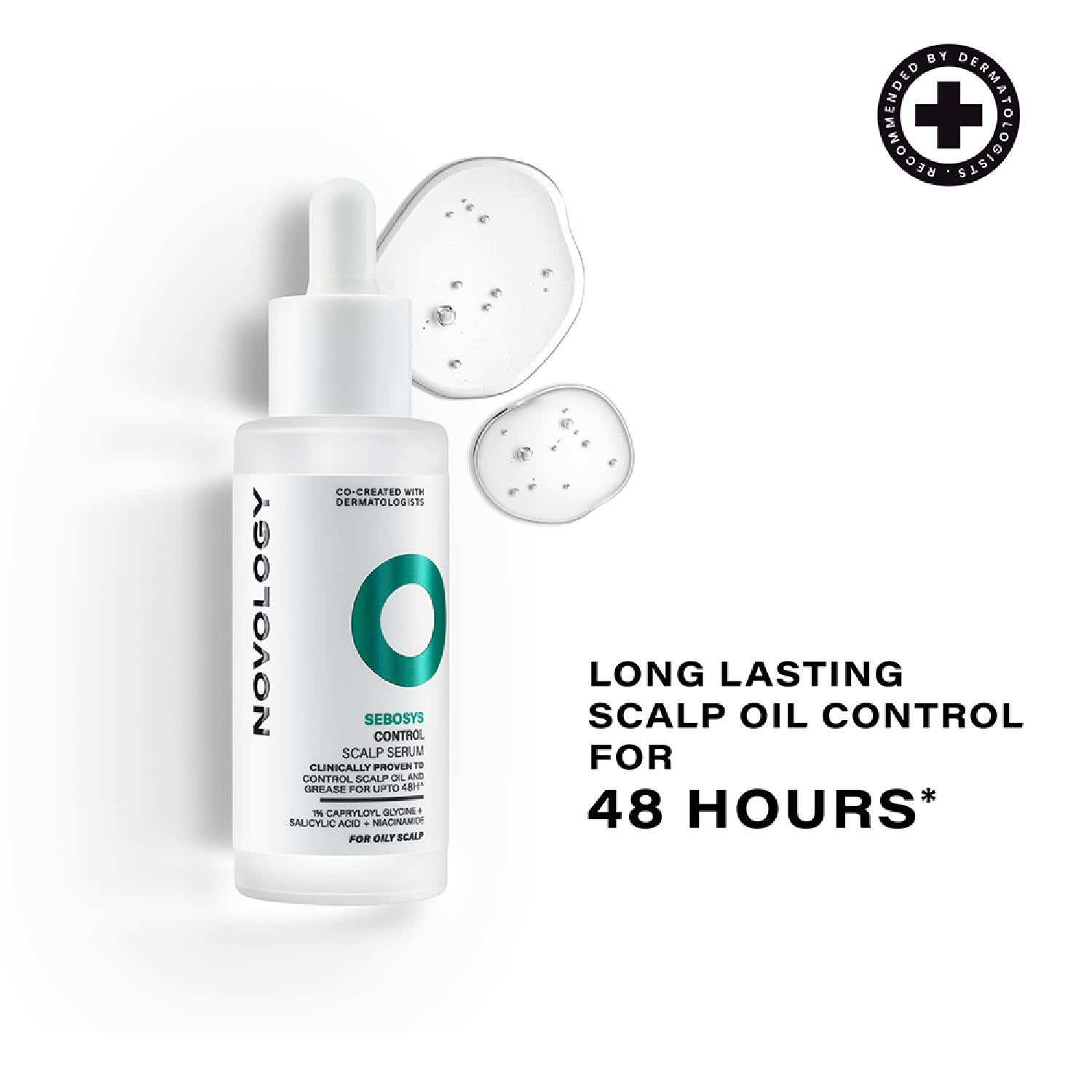
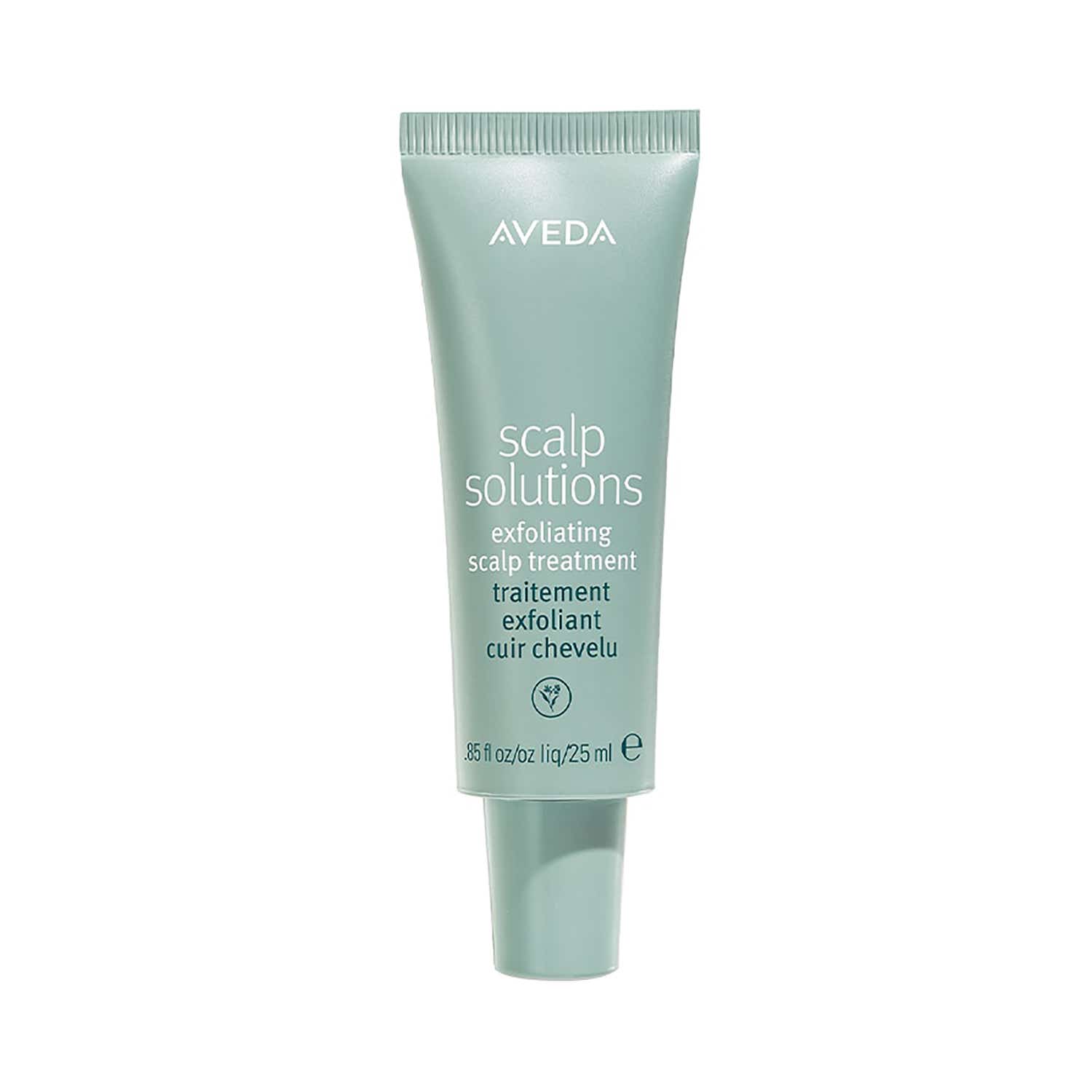
We won't judge you for putting off hair wash day when the temperature drops. We've all negotiated with ourselves over whether another day of dry shampoo will do the trick. But stretching the time between washes can allow excess oil, dead skin cells and styling product residue to accumulate on the scalp. And much like the skin on your face, your scalp can benefit from some gentle exfoliation to keep that build-up in check. Salicylic acid, a beta-hydroxy acid (BHA), is particularly useful here. This oil-soluble exfoliant helps loosen dead skin cells and clear away excess oil, making it a helpful addition to your routine if you're dealing with a flaky or congested scalp. You'll find it in clarifying shampoos and dedicated scalp treatments, both of which can help give your scalp a more thorough cleanse. The key, however, is not to overdo it. Since winter can already leave the scalp feeling dry, excessive exfoliation may cause further irritation. Start with a treatment once a week, or as directed on the product, and adjust the frequency depending on how your scalp responds.
There's a reason aloe vera has remained a skincare favourite for generations. Whether it's a little too much time in the sun or skin that's feeling particularly sensitive, this ingredient is often one of the first we reach for. And its soothing benefits can extend to the scalp too. Naturally rich in water and known for its calming properties, aloe vera can help hydrate the skin and ease the feeling of mild dryness and irritation. This makes it a welcome addition to your winter haircare routine, particularly if your scalp tends to feel tight or uncomfortable after washing. For everyday care, a gentle, aloe vera-infused shampoo can help cleanse without leaving the scalp feeling stripped. If you're dealing with more persistent dryness, a lightweight leave-in serum or lotion with soothing and moisturising ingredients may offer some extra comfort between washes. Just be mindful that even natural ingredients can cause reactions, so it's always worth patch-testing a new formula, especially if your scalp is sensitive.
Cold weather, low humidity and frequent hot showers can strip the scalp of its natural moisture, leaving it feeling dry, tight and itchy. Indoor heating and harsh shampoos can make matters worse. Switching to a gentle, hydrating shampoo and incorporating moisturising scalp treatments can help keep dryness in check.
Hyaluronic acid, niacinamide and aloe vera are particularly useful for a dry winter scalp. Hyaluronic acid helps attract and retain moisture, niacinamide supports the skin barrier and aloe vera can soothe mild irritation. Look for shampoos and leave-in scalp serums containing these ingredients to help maintain hydration.
A dry scalp typically produces small, dry flakes and may feel tight or itchy. Dandruff, on the other hand, often causes larger, sometimes oily flakes and may be accompanied by redness or persistent itching. Since the symptoms can overlap, it's best to consult a dermatologist if you're unsure or the flaking continues.
There's no one-size-fits-all rule. Your ideal wash frequency depends on your scalp type, hair texture and how quickly oil and product residue accumulate. If your scalp is oily, you may need to wash it more frequently, while a drier scalp might benefit from less frequent cleansing. The key is to maintain a consistent routine without allowing excessive build-up.
Yes, salicylic acid can help loosen dead skin cells and remove excess oil and build-up from the scalp. It's particularly useful for managing certain types of flaking, including dandruff-related scaling. However, using it too frequently can aggravate dryness, so start with a gentle scalp treatment and follow the product's recommended usage instructions.
Chances are, you're already familiar with the benefits of hyaluronic acid for your face, but here's something worth remembering: your scalp is skin too, and it needs just as much attention. If you've ever stepped out of a hot shower only to find your scalp feeling unusually tight or itchy, dehydration could be one of the culprits. That's where hyaluronic acid comes in. As a humectant, it attracts and binds water, helping replenish moisture and keep the scalp feeling hydrated and comfortable. It's particularly useful during winter, when dry indoor air and long, hot showers can leave your scalp feeling parched. While you'll find the ingredient in shampoos, a leave-in scalp serum gives it more time to work its magic without being rinsed away. Look for a lightweight formula that hydrates without leaving your roots feeling greasy or weighed down.
Your face isn't the only place where the skin barrier needs a little extra care during winter. Your scalp has its own protective barrier, which helps retain moisture and keep external irritants at bay. When this barrier is compromised, you might notice persistent dryness, tightness or an itch that doesn't seem to go away, no matter how often you wash your hair. Enter niacinamide, a form of vitamin B3 that's earned its place in skincare routines for good reason. Known for its barrier-supporting properties, it can help improve moisture retention and support the skin's natural production of ceramides, which play an important role in keeping the barrier healthy. It's a particularly useful ingredient to look for if your scalp feels easily irritated or struggles to stay comfortable through the colder months. Consider incorporating a niacinamide-infused shampoo into your wash routine, followed by a suitable leave-in scalp serum for additional care. Just remember that persistent itching isn't always a sign of a weakened barrier, so it's worth getting it checked if the discomfort continues.
Few things are more frustrating than spotting flakes on your favourite dark jumper, especially when you've only just left the house. And if your scalp is already prone to dandruff, the colder months can make managing it feel like an even bigger task. While dandruff isn't simply a result of dryness, changes in weather and scalp care habits can sometimes make the symptoms more noticeable. Tea tree oil is one ingredient worth considering, thanks to its antimicrobial and anti-inflammatory properties. It may help manage mild dandruff and ease some of the itchiness that often accompanies it. Rather than applying pure tea tree oil directly to your scalp, look for a shampoo formulated with the ingredient, which offers a gentler, more convenient way to incorporate it into your routine. That said, tea tree oil can irritate sensitive skin, and it isn't a substitute for a medicated anti-dandruff treatment. If the flaking is persistent, severe or accompanied by redness, a dermatologist can help you find a more targeted solution.
We won't judge you for putting off hair wash day when the temperature drops. We've all negotiated with ourselves over whether another day of dry shampoo will do the trick. But stretching the time between washes can allow excess oil, dead skin cells and styling product residue to accumulate on the scalp. And much like the skin on your face, your scalp can benefit from some gentle exfoliation to keep that build-up in check. Salicylic acid, a beta-hydroxy acid (BHA), is particularly useful here. This oil-soluble exfoliant helps loosen dead skin cells and clear away excess oil, making it a helpful addition to your routine if you're dealing with a flaky or congested scalp. You'll find it in clarifying shampoos and dedicated scalp treatments, both of which can help give your scalp a more thorough cleanse. The key, however, is not to overdo it. Since winter can already leave the scalp feeling dry, excessive exfoliation may cause further irritation. Start with a treatment once a week, or as directed on the product, and adjust the frequency depending on how your scalp responds.
There's a reason aloe vera has remained a skincare favourite for generations. Whether it's a little too much time in the sun or skin that's feeling particularly sensitive, this ingredient is often one of the first we reach for. And its soothing benefits can extend to the scalp too. Naturally rich in water and known for its calming properties, aloe vera can help hydrate the skin and ease the feeling of mild dryness and irritation. This makes it a welcome addition to your winter haircare routine, particularly if your scalp tends to feel tight or uncomfortable after washing. For everyday care, a gentle, aloe vera-infused shampoo can help cleanse without leaving the scalp feeling stripped. If you're dealing with more persistent dryness, a lightweight leave-in serum or lotion with soothing and moisturising ingredients may offer some extra comfort between washes. Just be mindful that even natural ingredients can cause reactions, so it's always worth patch-testing a new formula, especially if your scalp is sensitive.
Cold weather, low humidity and frequent hot showers can strip the scalp of its natural moisture, leaving it feeling dry, tight and itchy. Indoor heating and harsh shampoos can make matters worse. Switching to a gentle, hydrating shampoo and incorporating moisturising scalp treatments can help keep dryness in check.
Hyaluronic acid, niacinamide and aloe vera are particularly useful for a dry winter scalp. Hyaluronic acid helps attract and retain moisture, niacinamide supports the skin barrier and aloe vera can soothe mild irritation. Look for shampoos and leave-in scalp serums containing these ingredients to help maintain hydration.
A dry scalp typically produces small, dry flakes and may feel tight or itchy. Dandruff, on the other hand, often causes larger, sometimes oily flakes and may be accompanied by redness or persistent itching. Since the symptoms can overlap, it's best to consult a dermatologist if you're unsure or the flaking continues.
There's no one-size-fits-all rule. Your ideal wash frequency depends on your scalp type, hair texture and how quickly oil and product residue accumulate. If your scalp is oily, you may need to wash it more frequently, while a drier scalp might benefit from less frequent cleansing. The key is to maintain a consistent routine without allowing excessive build-up.
Yes, salicylic acid can help loosen dead skin cells and remove excess oil and build-up from the scalp. It's particularly useful for managing certain types of flaking, including dandruff-related scaling. However, using it too frequently can aggravate dryness, so start with a gentle scalp treatment and follow the product's recommended usage instructions.
Chances are, you're already familiar with the benefits of hyaluronic acid for your face, but here's something worth remembering: your scalp is skin too, and it needs just as much attention. If you've ever stepped out of a hot shower only to find your scalp feeling unusually tight or itchy, dehydration could be one of the culprits. That's where hyaluronic acid comes in. As a humectant, it attracts and binds water, helping replenish moisture and keep the scalp feeling hydrated and comfortable. It's particularly useful during winter, when dry indoor air and long, hot showers can leave your scalp feeling parched. While you'll find the ingredient in shampoos, a leave-in scalp serum gives it more time to work its magic without being rinsed away. Look for a lightweight formula that hydrates without leaving your roots feeling greasy or weighed down.
Your face isn't the only place where the skin barrier needs a little extra care during winter. Your scalp has its own protective barrier, which helps retain moisture and keep external irritants at bay. When this barrier is compromised, you might notice persistent dryness, tightness or an itch that doesn't seem to go away, no matter how often you wash your hair. Enter niacinamide, a form of vitamin B3 that's earned its place in skincare routines for good reason. Known for its barrier-supporting properties, it can help improve moisture retention and support the skin's natural production of ceramides, which play an important role in keeping the barrier healthy. It's a particularly useful ingredient to look for if your scalp feels easily irritated or struggles to stay comfortable through the colder months. Consider incorporating a niacinamide-infused shampoo into your wash routine, followed by a suitable leave-in scalp serum for additional care. Just remember that persistent itching isn't always a sign of a weakened barrier, so it's worth getting it checked if the discomfort continues.
Few things are more frustrating than spotting flakes on your favourite dark jumper, especially when you've only just left the house. And if your scalp is already prone to dandruff, the colder months can make managing it feel like an even bigger task. While dandruff isn't simply a result of dryness, changes in weather and scalp care habits can sometimes make the symptoms more noticeable. Tea tree oil is one ingredient worth considering, thanks to its antimicrobial and anti-inflammatory properties. It may help manage mild dandruff and ease some of the itchiness that often accompanies it. Rather than applying pure tea tree oil directly to your scalp, look for a shampoo formulated with the ingredient, which offers a gentler, more convenient way to incorporate it into your routine. That said, tea tree oil can irritate sensitive skin, and it isn't a substitute for a medicated anti-dandruff treatment. If the flaking is persistent, severe or accompanied by redness, a dermatologist can help you find a more targeted solution.
We won't judge you for putting off hair wash day when the temperature drops. We've all negotiated with ourselves over whether another day of dry shampoo will do the trick. But stretching the time between washes can allow excess oil, dead skin cells and styling product residue to accumulate on the scalp. And much like the skin on your face, your scalp can benefit from some gentle exfoliation to keep that build-up in check. Salicylic acid, a beta-hydroxy acid (BHA), is particularly useful here. This oil-soluble exfoliant helps loosen dead skin cells and clear away excess oil, making it a helpful addition to your routine if you're dealing with a flaky or congested scalp. You'll find it in clarifying shampoos and dedicated scalp treatments, both of which can help give your scalp a more thorough cleanse. The key, however, is not to overdo it. Since winter can already leave the scalp feeling dry, excessive exfoliation may cause further irritation. Start with a treatment once a week, or as directed on the product, and adjust the frequency depending on how your scalp responds.
There's a reason aloe vera has remained a skincare favourite for generations. Whether it's a little too much time in the sun or skin that's feeling particularly sensitive, this ingredient is often one of the first we reach for. And its soothing benefits can extend to the scalp too. Naturally rich in water and known for its calming properties, aloe vera can help hydrate the skin and ease the feeling of mild dryness and irritation. This makes it a welcome addition to your winter haircare routine, particularly if your scalp tends to feel tight or uncomfortable after washing. For everyday care, a gentle, aloe vera-infused shampoo can help cleanse without leaving the scalp feeling stripped. If you're dealing with more persistent dryness, a lightweight leave-in serum or lotion with soothing and moisturising ingredients may offer some extra comfort between washes. Just be mindful that even natural ingredients can cause reactions, so it's always worth patch-testing a new formula, especially if your scalp is sensitive.
Cold weather, low humidity and frequent hot showers can strip the scalp of its natural moisture, leaving it feeling dry, tight and itchy. Indoor heating and harsh shampoos can make matters worse. Switching to a gentle, hydrating shampoo and incorporating moisturising scalp treatments can help keep dryness in check.
Hyaluronic acid, niacinamide and aloe vera are particularly useful for a dry winter scalp. Hyaluronic acid helps attract and retain moisture, niacinamide supports the skin barrier and aloe vera can soothe mild irritation. Look for shampoos and leave-in scalp serums containing these ingredients to help maintain hydration.
A dry scalp typically produces small, dry flakes and may feel tight or itchy. Dandruff, on the other hand, often causes larger, sometimes oily flakes and may be accompanied by redness or persistent itching. Since the symptoms can overlap, it's best to consult a dermatologist if you're unsure or the flaking continues.
There's no one-size-fits-all rule. Your ideal wash frequency depends on your scalp type, hair texture and how quickly oil and product residue accumulate. If your scalp is oily, you may need to wash it more frequently, while a drier scalp might benefit from less frequent cleansing. The key is to maintain a consistent routine without allowing excessive build-up.
Yes, salicylic acid can help loosen dead skin cells and remove excess oil and build-up from the scalp. It's particularly useful for managing certain types of flaking, including dandruff-related scaling. However, using it too frequently can aggravate dryness, so start with a gentle scalp treatment and follow the product's recommended usage instructions.