

Ingredient Lab
Ingredients that work while you sleep (and why they deserve a place in your nighttime routine)
Read Now


Skincare speak is packed with more actives, more 10-step routines and more products claiming to solve all your skin problems. Despite what the marketing maestros will tell you, more isn’t always the answer when it comes to your skin. There’s only so much a quick fix (or a series of quick fixes, even) can do, and the beauty industry is finally acknowledging this gap in its approach to skincare. That’s perhaps why amino acids are trending again. These naturally occurring compounds may not have the same hype as ingredients such as retinol, but if you look closer, you’ll see that they’re pretty essential when it comes to long-term skin health. So, if amino acids haven't been on your skincare radar yet, here's why they should be.

Before we get into their skincare benefits, let’s take a moment to understand what amino acids actually are. Popularly referred to as the building blocks of proteins, amino acids are naturally occurring compounds that are essential to pretty much everything your body does, be it building and repairing muscles or maintaining healthy hair, skin and nails. There are 20 main amino acids that make up proteins, nine of which are considered essential because your body can't produce them on its own and needs to get them from food.
And how are they relevant particularly to skincare, you ask? Amino acids help make up proteins such as collagen, elastin and keratin, which contribute to your skin’s structure, strength, and elasticity. They're also a major part of your skin's natural moisturising factor (NMF), a group of substances that help the outermost layer of your skin hold on to water and stay hydrated. The important thing to note is that amino acids are not foreign to your skin. They’re already a part of its natural makeup, which is another reason to incorporate them into your skincare routine.
Now that we have the basics out of the way, it’s time to get to the good stuff. Here’s what amino acids can do for your skin and why you should consider adding them to your routine.
One of the biggest benefits of amino acids is their ability to keep your skin hydrated. They act as humectants, helping your skin stay soft and supple. We know what you’re probably thinking: if amino acids are already naturally present in your skin, why would you need to apply them topically for added hydration? Well, here’s the thing. Amino acids are water-soluble, which means that some of those present in your skin's natural moisturising factor can be washed away when you bathe or cleanse your face. Even though your skin does replenish them naturally, products containing amino acids can give it an extra hydration boost and keep your looking skin plump.
The hydration provided by amino acids is linked to a stronger skin barrier, which is your skin’s first line of defence against external irritants, pollutants and excessive moisture loss. When it gets compromised, you may experience itchiness, dryness, tightness and sensitivity. By supporting your skin’s natural moisturising factor, they help maintain the hydration needed for the barrier to function properly.
We’re not saying amino acids are going to magically make your skin look 10 years younger. What they can do, however, is support healthier-looking skin as you age. Amino acids are the building blocks of collagen and elastin, the proteins responsible for your skin's firmness and elasticity. Topical application doesn’t necessarily boost collagen production, but it does help in moisture retention and an improved natural barrier, which further decreases the appearance of fine lines caused by dehydration and wear. It’s a long game, sure, but it’s a game worth playing.
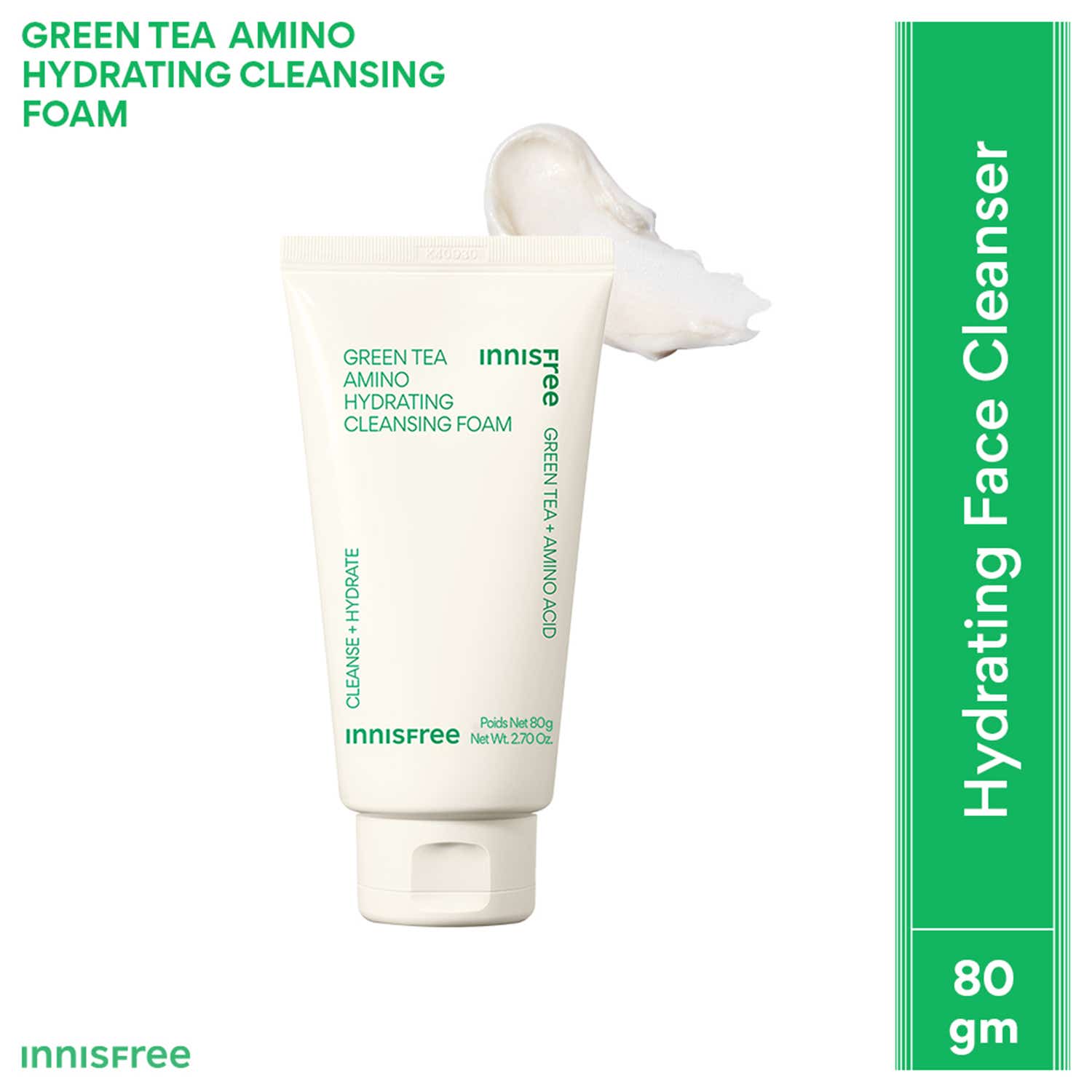
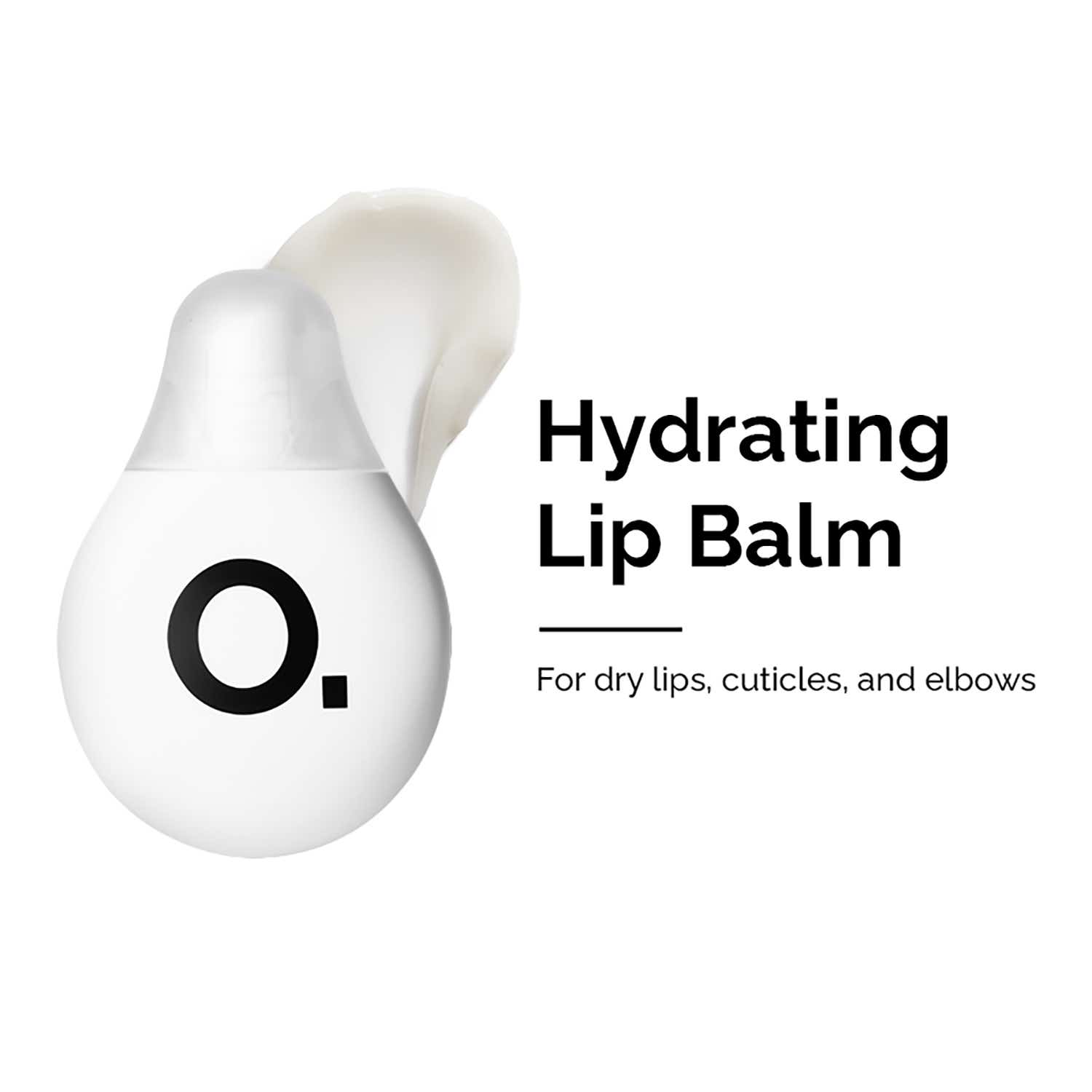
Since amino acids are already quite common in skincare, you can find them in everything from cleansers to serums and moisturisers. Look out for names like glycine, serine, arginine and proline on ingredient labels and you might realise that you’ve already been using them. Here are our top product picks to incorporate amino acids into every step of your skincare routine.
Innisfree Green Tea Amino Acid Foam Cleanser (80 g)
Plum 5% Niacinamide Face Serum With Amino Acid - Fades Blemishes For Bright Skin, (30ml)
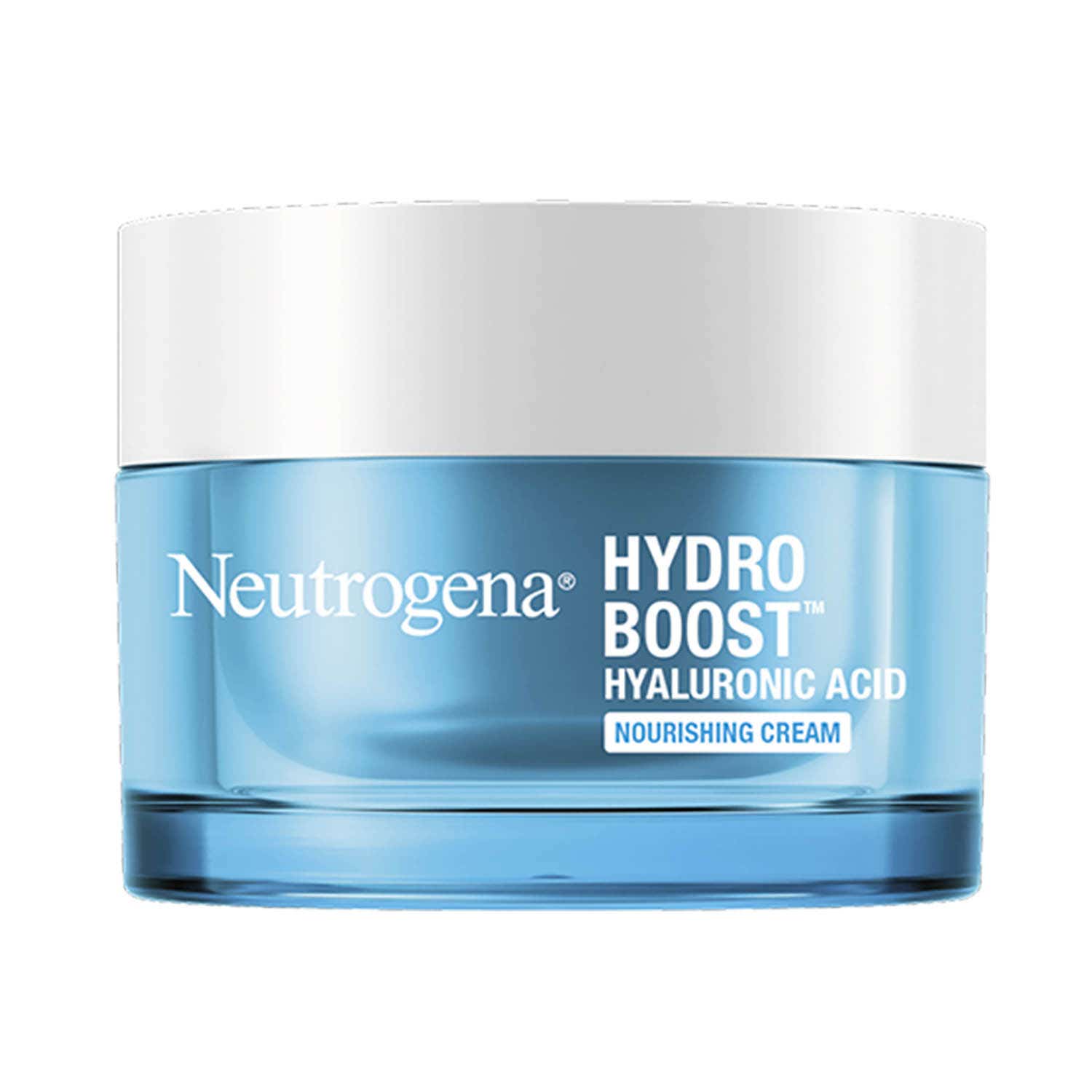
Neutrogena Hydro Boost Hyaluronic Acid Nourishing Cream With Ceramides For Dry Skin (50g)
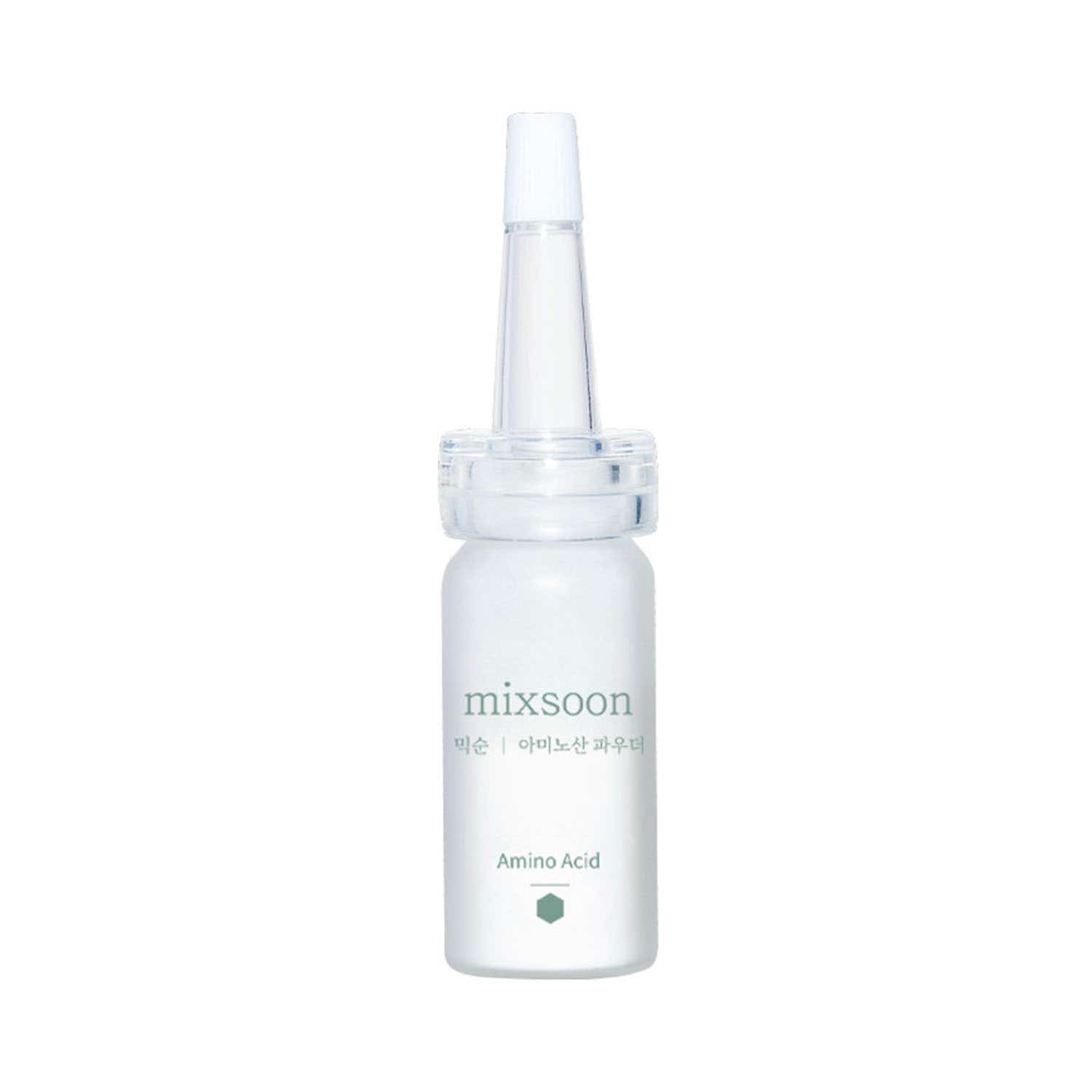
Mixsoon Amino Acid Powder (8 g)
Yes, amino acids are generally suitable for all skin types, including dry, oily and sensitive skin. They help maintain hydration and support your skin’s natural barrier.
Yes, amino acids are gentle enough for daily use. You can incorporate them into your morning and evening skincare routines through serums, moisturisers or cleansers.
Yes, amino acids work well with both vitamin C and retinol. In fact, they can be especially useful when using these actives, as they help maintain hydration and support the skin barrier, reducing the dryness and tightness that retinol can sometimes cause.
Amino acids help keep your skin hydrated, which can make fine lines caused by dehydration appear less noticeable. However, applying amino acids topically doesn't necessarily increase collagen production or reverse wrinkles.
Both ingredients help keep your skin hydrated, but they work differently. Amino acids are part of your skin’s natural moisturising factor, while hyaluronic acid is a humectant that attracts and holds water. They can also be used together for added hydration.