
Ingredient Lab
There's a new hydrator on the block: polyglutamic acid
Read Now


There are two kinds of people at 11 pm. Those who have completed their entire skincare routine, applied lip balm and are already halfway through a book. And those who are negotiating with themselves about whether washing their face is really necessary. Whichever camp you fall into, there's something to be said for a good nighttime skincare routine.
While you're asleep, your skin is still very much at work. It continues to renew itself, maintain its protective barrier and recover from the environmental stressors it encounters throughout the day. But contrary to what the beauty industry might have you believe, your skin doesn't suddenly switch into repair mode the moment your head hits the pillow. These processes happen around the clock.
What makes nighttime skincare particularly useful is that certain ingredients are better suited to evenings, either because sunlight can affect their stability or because they require a little more care when it comes to application.

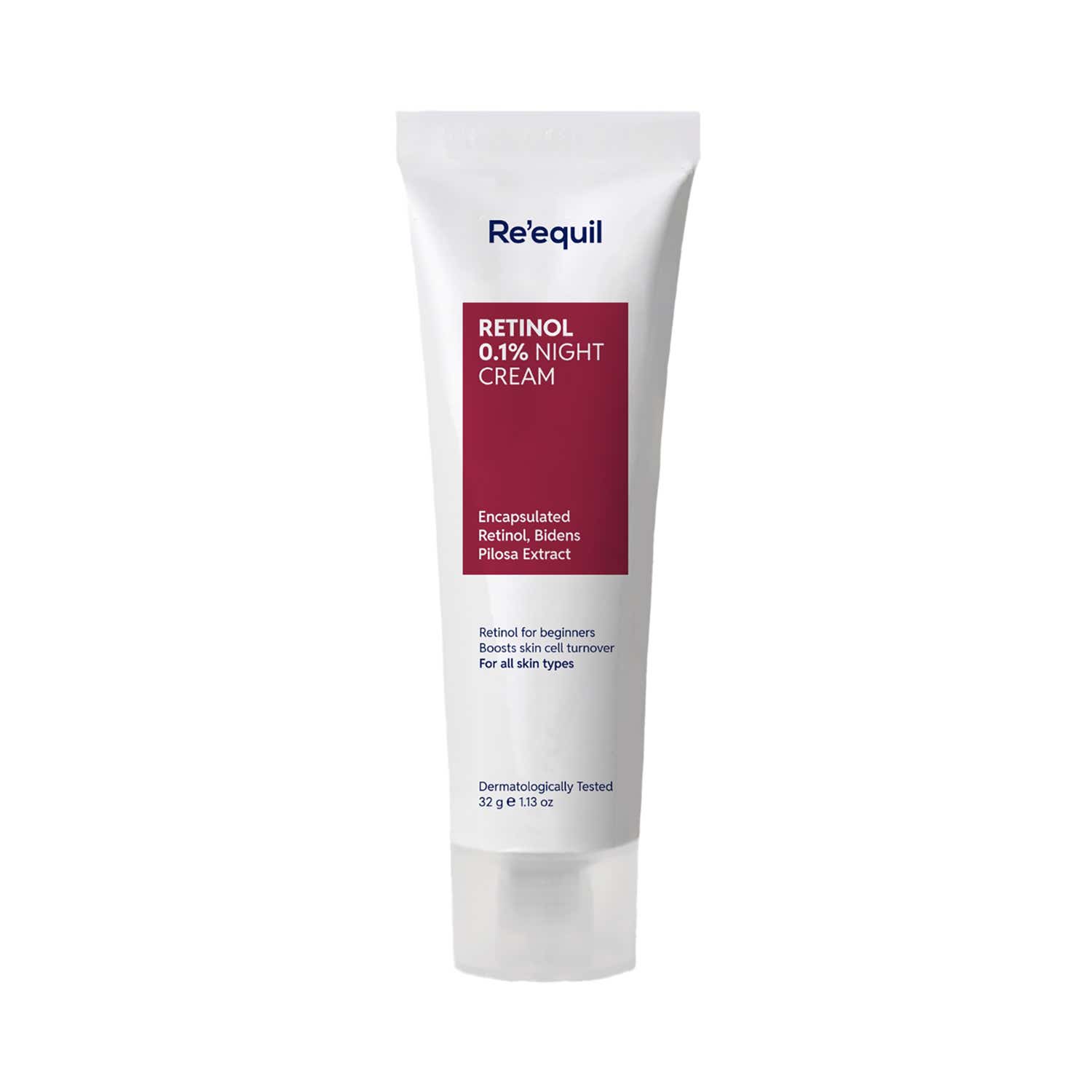

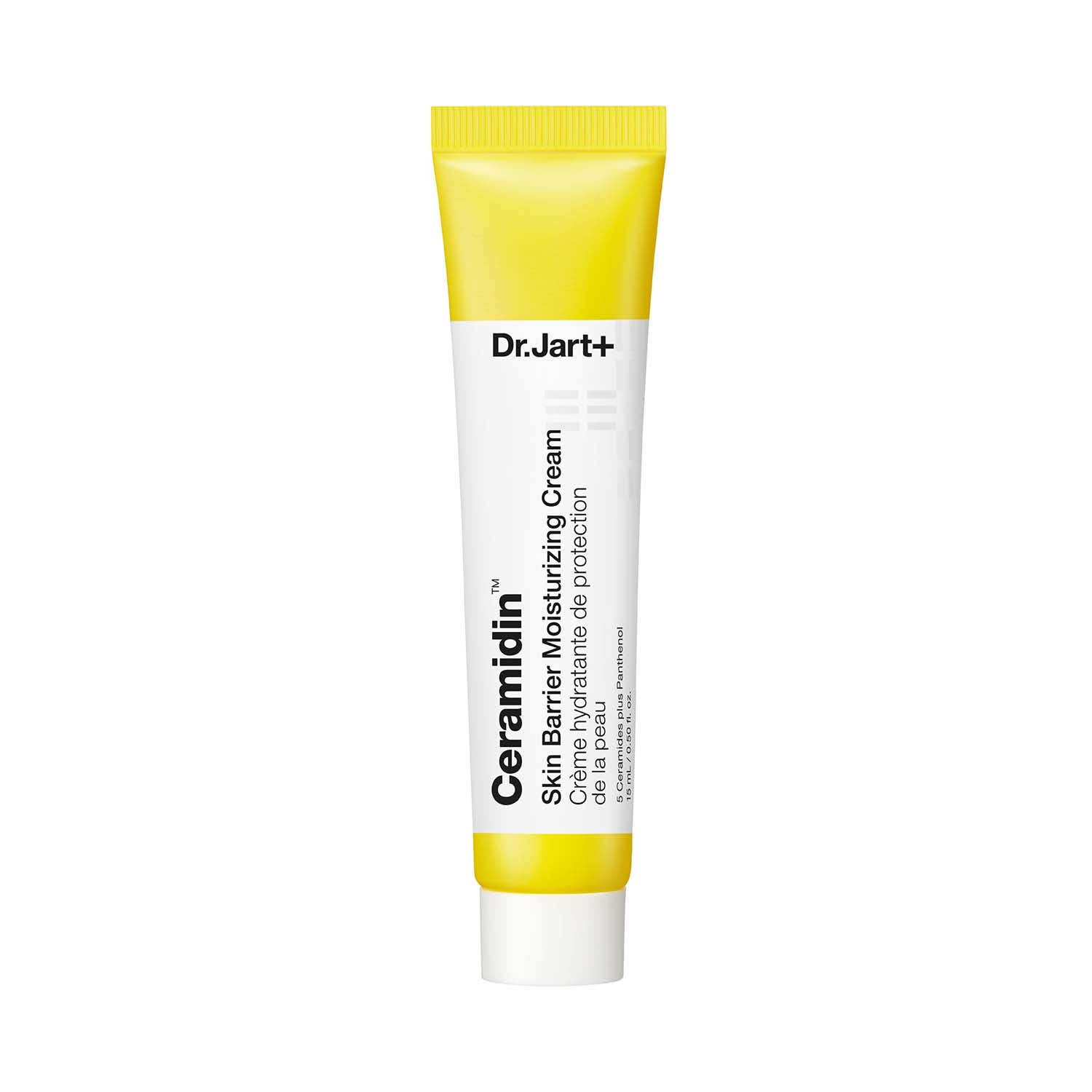


This is a great option if you want to explore retinol but prefer a softer approach. It blends retinol with granactive retinoid, bakuchiol and niacinamide to create a formula that supports clearer texture and more even looking skin while feeling gentler on the face. The lightweight serum absorbs easily and suits people who are starting out or who know their skin can be reactive. Even though it’s designed to be mild you still want to take it slow, begin with a couple of evenings a week and introduce SPF into your morning routine as retinol makes skin more sensitive to sunlight.
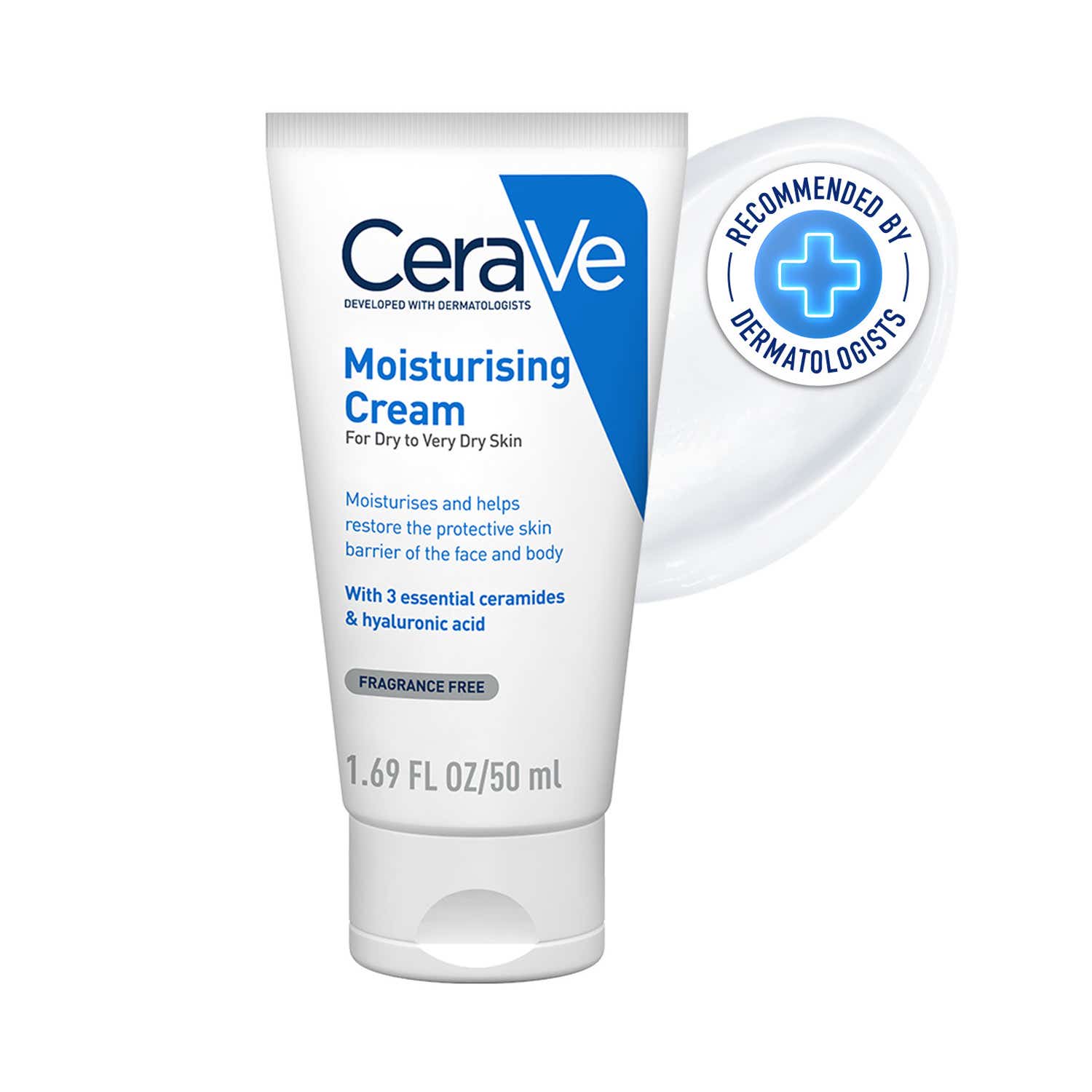
CeraVe’s ceramide and hyaluronic acid formula has built a loyal following for good reason. MVE technology releases moisture gradually through the day so skin stays hydrated well past the initial application, instead of drying out a few hours in. The cream itself is fairly light for a barrier-repair formula, absorbing at a steady pace and settling into a soft, cushioned finish. It’s a dependable pick for the days monsoon swings the other way entirely and dryness creeps in despite all the humidity outside, which happens more often than people expect.
This is a rich, non-greasy cream for face and body with three essential ceramides, hyaluronic acid and MVE technology that releases hydration over 24 hours. Fragrance-free, non-comedogenic, developed with dermatologists and suitable for eczema-prone skin, the 50ml fits in a handbag too.
A true classic among Korean beauty products, this emulsion from The Face Shop blends rice extract, rice bran oil and ceramides to create a lightweight moisturiser that softens and brightens the skin. The formula absorbs easily and offers long-lasting hydration without feeling greasy, making it suitable for both dry and combination skin types. Rice extract is a well-known brightening agent in Korean skincare; and this product is especially helpful for those dealing with uneven tone or rough texture.
This lightweight Korean emulsion is a good pick if your skin feels dry, dull or uneven but you still prefer something that sinks in quickly. Ceramides help support the skin barrier and lock in moisture, while rice extract and rice bran oil work on dullness and uneven tone over time. The texture is fresh, fluid and non-sticky, making it easy to layer into both morning and evening routines.
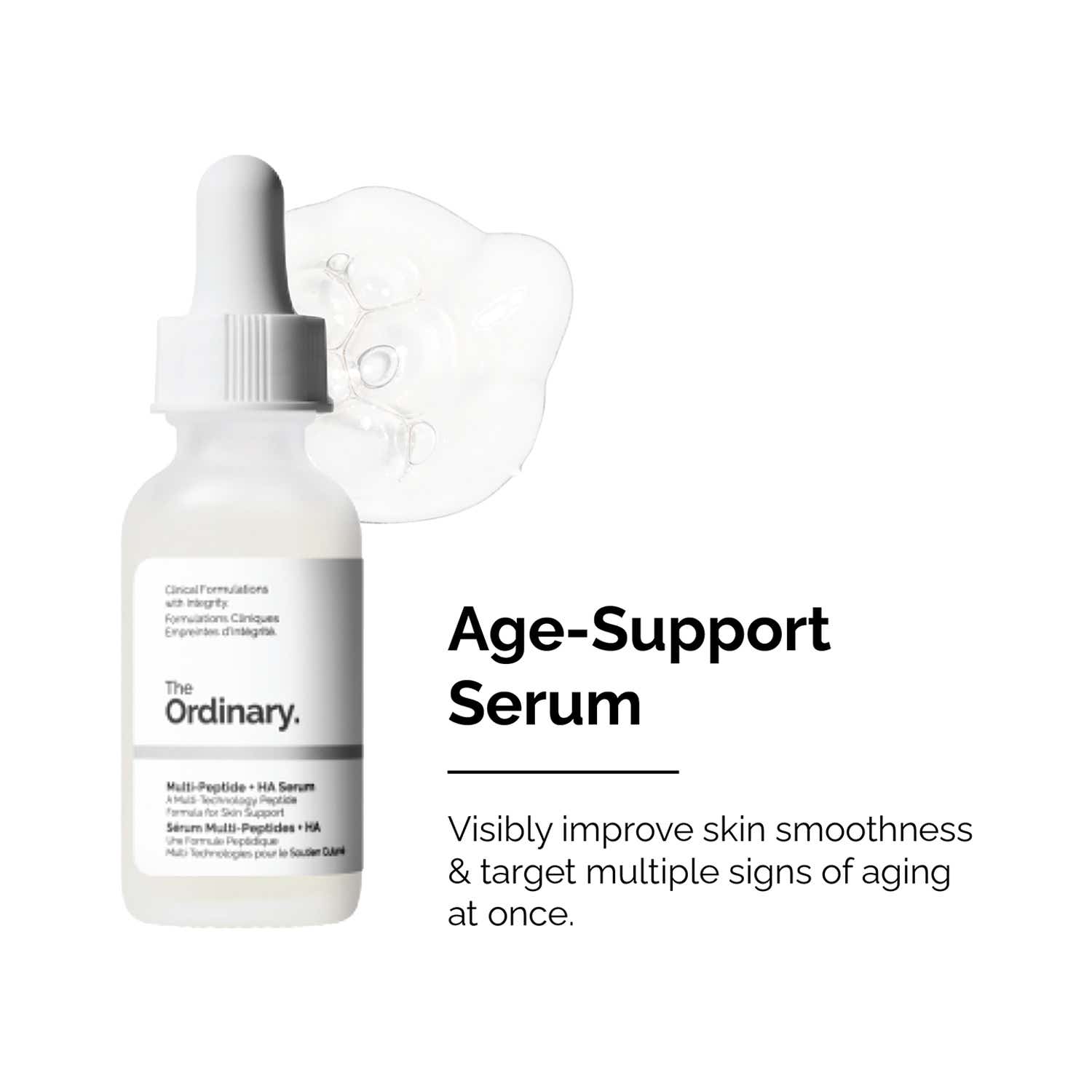
Once you’ve tried Snail Mucin, this is a great follow-up. It’s a watery serum packed with peptides (six of them), plus niacinamide and adenosine to help brighten, smooth, and support elasticity. It sinks in fast and layers easily under other products—think of it as a skin prep step that quietly makes everything else work a little better.
Not your average serum, not quite a toner—this one sits somewhere beautifully in between. Lightweight and fast-absorbing, it’s designed to be the first step after cleansing, helping the rest of your skincare work harder. With six types of peptides, it’s all about boosting elasticity, smoothing texture and giving dull skin a bit more bounce. Think of it as your routine’s warm-up act, but with main-character energy.
This peptide serum works behind the scenes to smooth out little bumps, reduce the appearance of texture and make everything that goes on top blend better—but you already know that. Our favourite part is that you can think of this as a pre-game for another serum you own. Use it under anything—vitamin C, snail mucin, moisturiser. The lightweight formula sinks in instantly, delivering peptides that help boost overall radiance.
“I honestly never step out without this serum anymore. It’s become my go-to every morning right after cleansing,” says Nidhi Nagvekar from design. “It launched earlier this year and since it’s from COSRX, I was curious to try it. Safe to say, I’m fully obsessed. It has six peptides that help boost collagen and I’ve genuinely seen an improvement in my skin texture along with reduced hyperpigmentation. I’m out for almost nine hours a day in a humid city, so I prefer keeping my skincare lightweight and this fits perfectly into my routine. It absorbs fast and feels comfortable on my skin all day.”
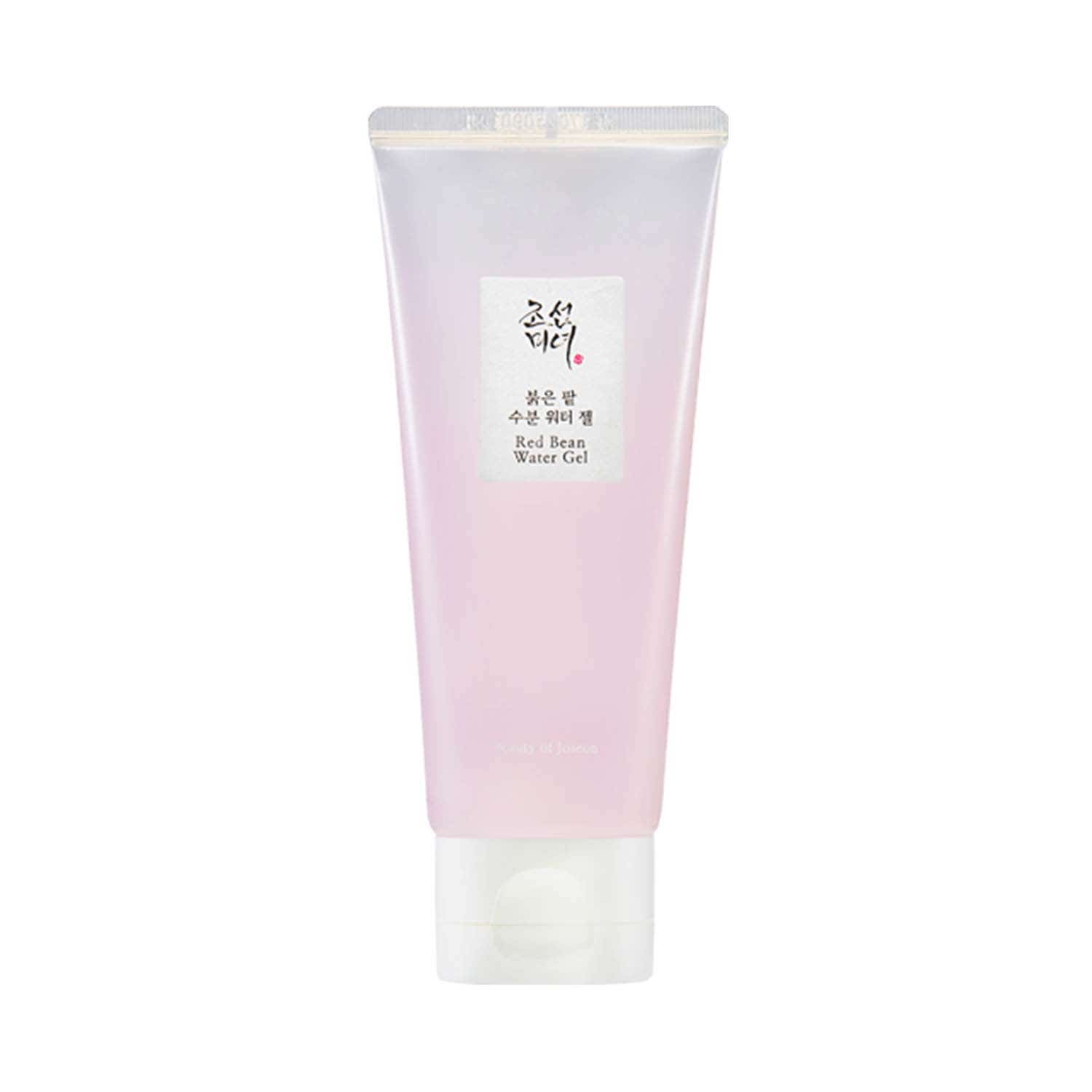
Beauty of Joseon brings its signature Hanbang-inspired approach to this gel moisturiser. Red bean extract, which has been used in Korean skincare tradition for its brightening and pore-refining properties, sits alongside peptides that support skin firmness and hyaluronic acid that offers hydration. The result is a moisturiser that does more than just hydrate. It addresses oiliness, uneven texture and dullness simultaneously, which makes it particularly well-suited to oily and combination skin types. The water-gel texture is light, fast-absorbing and leaves a clean, matte-ish finish that holds up well through humidity.
Not necessarily. Ingredients like retinol are generally recommended for nighttime use, while hyaluronic acid, niacinamide and ceramides work just as well during the day. What matters most is choosing the right ingredients for your skin and using them consistently.
Retinol, ceramides, peptides, hyaluronic acid, AHAs and niacinamide can all be part of a nighttime skincare routine. Each addresses different concerns, from dryness and uneven texture to fine lines and pigmentation.
Yes, retinol and niacinamide can generally be used together. Niacinamide helps support the skin barrier and may make a retinol routine more comfortable, particularly for skin prone to dryness or irritation.
Hyaluronic acid can be applied before retinol to help hydrate the skin. However, if you're prone to irritation, applying retinol to completely dry skin and following with a hydrating moisturiser may be more comfortable.
Hydrating ingredients like hyaluronic acid can make skin feel softer almost immediately. Retinol, peptides and exfoliating acids generally require several weeks of consistent use before noticeable improvements in texture, fine lines or uneven skin tone appear.
Here are the ingredients worth knowing about.
If there's one ingredient that has earned its reputation in PM skincare, it's retinoids. Derived from vitamin A, this family of ingredients is widely studied for its ability to improve uneven texture, fine lines and acne.
Retinoids work by influencing skin cell turnover and supporting collagen production over time. The catch? They can cause dryness, peeling and irritation, particularly when you're starting out.
Nighttime is generally the preferred time to use them because some retinoids are sensitive to light, and applying them in the evening makes it easier to build a consistent routine.
How to use: Start with a low-strength formula two nights a week, followed by moisturiser. Increase frequency gradually as your skin adjusts. Daily sunscreen is essential, and retinoids should be avoided during pregnancy.
Your skin barrier doesn't get nearly enough credit. It's responsible for keeping moisture in and external irritants out, which is especially important when you're using active ingredients or dealing with dryness.
Ceramides are lipids naturally found in the skin. Think of them as part of the material holding your skin cells together. When ceramide levels are depleted, skin can become dry, tight and more prone to irritation. A ceramide-rich moisturiser helps replenish these lipids and support the barrier, making it an excellent final step in your nighttime routine.
How to use: Apply after your serums, ideally while your skin is still slightly damp. Ceramides are suitable for most skin types and can be used every night.
Peptides have become regulars in anti-ageing skincare conversations, although the science behind them is a little more nuanced than some product claims suggest.
These short chains of amino acids are used in skincare formulations designed to support hydration and improve the appearance of fine lines and firmness. Certain peptides show promise, but their effectiveness depends on the specific peptide, its concentration and the overall formula. They're not a replacement for retinoids or sunscreen, but they can be a useful addition to a routine focused on maintaining healthy-looking skin.
How to use: Look for a peptide serum or moisturiser that fits comfortably into your existing routine. Most can be used nightly without much adjustment.
If your skin tends to feel tight after cleansing or you wake up with dry patches, hyaluronic acid is worth considering.
A humectant, hyaluronic acid attracts and holds water, helping the skin appear smoother and more hydrated. It doesn't need eight hours to start working, but pairing it with a moisturiser before bed can help maintain hydration overnight. The important distinction is that hyaluronic acid draws in water; it doesn't necessarily prevent that water from escaping. That's where your moisturiser comes in.
How to use: Apply a hyaluronic acid serum to slightly damp skin, then follow with a cream containing ingredients such as ceramides, glycerin or squalane.
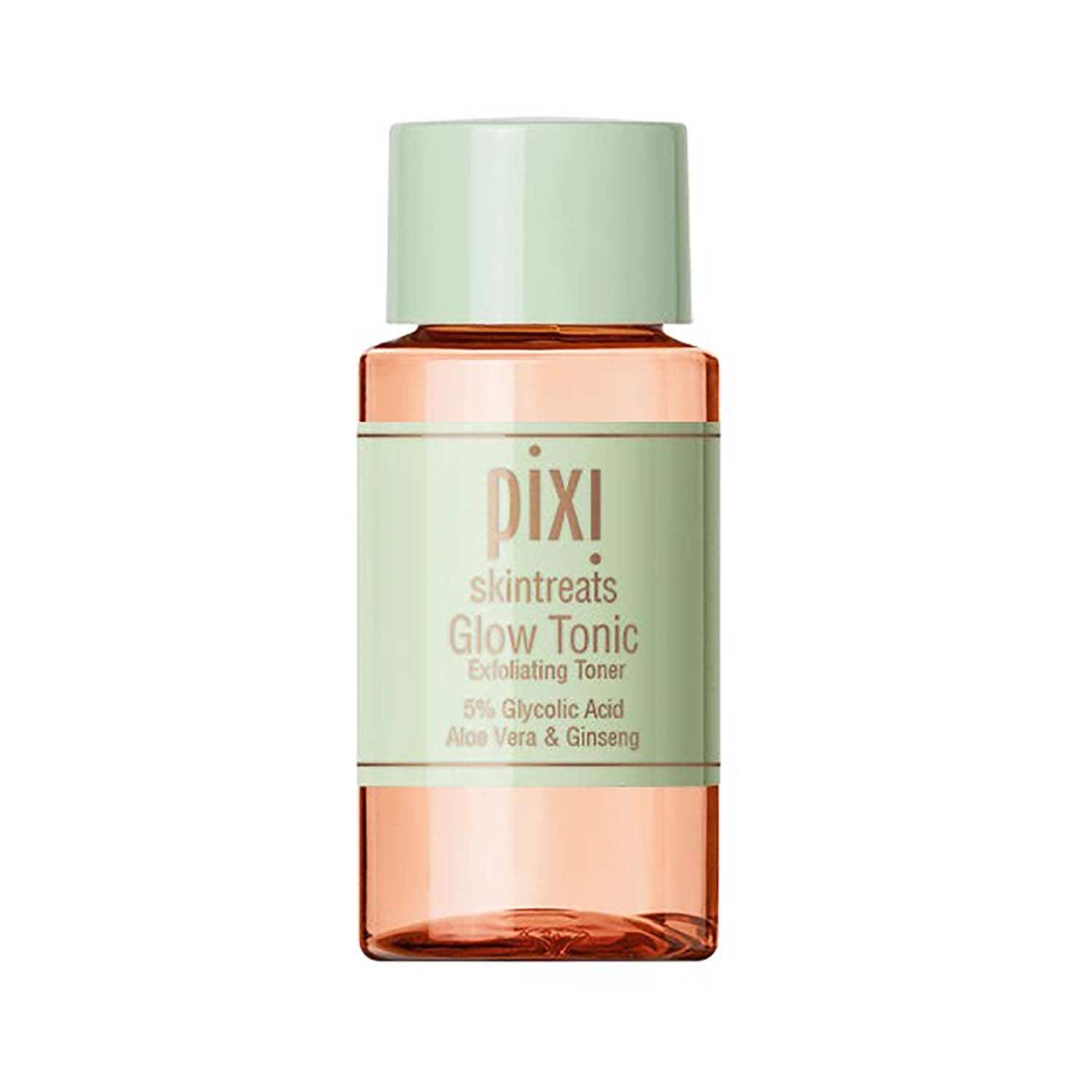
Glycolic and lactic acids belong to a group of exfoliating ingredients known as alpha hydroxy acids, or AHAs. They help loosen the bonds between dead skin cells, encouraging exfoliation and leaving the skin looking smoother over time.
They're particularly useful if you're dealing with rough texture, dullness or superficial pigmentation. However, more exfoliation doesn't necessarily mean better skin. AHAs can cause irritation and increase sensitivity to sunlight, which is why they're often incorporated into evening routines.
How to use: Begin with a gentle formula once or twice a week. Avoid layering it with other potentially irritating actives, particularly strong retinoids, until you know how your skin responds. Wear sunscreen during the day.
Some ingredients are specialists. Niacinamide is more of a multitasker. A form of vitamin B3, it can help support the skin barrier, regulate excess oil, improve uneven skin tone and reduce the appearance of redness. It's also generally well tolerated, making it particularly useful for people who don't want an elaborate routine.
Unlike retinoids, niacinamide isn't specifically a nighttime ingredient. It works just as well in the morning, but its compatibility with many other skincare ingredients makes it easy to include before bed.
How to use: A serum or moisturiser containing around 2–5% niacinamide is a sensible starting point. Higher concentrations aren't automatically more effective and may irritate some skin types.




Not necessarily. Ingredients like retinol are generally recommended for nighttime use, while hyaluronic acid, niacinamide and ceramides work just as well during the day. What matters most is choosing the right ingredients for your skin and using them consistently.
Retinol, ceramides, peptides, hyaluronic acid, AHAs and niacinamide can all be part of a nighttime skincare routine. Each addresses different concerns, from dryness and uneven texture to fine lines and pigmentation.
Yes, retinol and niacinamide can generally be used together. Niacinamide helps support the skin barrier and may make a retinol routine more comfortable, particularly for skin prone to dryness or irritation.
Hyaluronic acid can be applied before retinol to help hydrate the skin. However, if you're prone to irritation, applying retinol to completely dry skin and following with a hydrating moisturiser may be more comfortable.
Hydrating ingredients like hyaluronic acid can make skin feel softer almost immediately. Retinol, peptides and exfoliating acids generally require several weeks of consistent use before noticeable improvements in texture, fine lines or uneven skin tone appear.
Here are the ingredients worth knowing about.
If there's one ingredient that has earned its reputation in PM skincare, it's retinoids. Derived from vitamin A, this family of ingredients is widely studied for its ability to improve uneven texture, fine lines and acne.
Retinoids work by influencing skin cell turnover and supporting collagen production over time. The catch? They can cause dryness, peeling and irritation, particularly when you're starting out.
Nighttime is generally the preferred time to use them because some retinoids are sensitive to light, and applying them in the evening makes it easier to build a consistent routine.
How to use: Start with a low-strength formula two nights a week, followed by moisturiser. Increase frequency gradually as your skin adjusts. Daily sunscreen is essential, and retinoids should be avoided during pregnancy.
Your skin barrier doesn't get nearly enough credit. It's responsible for keeping moisture in and external irritants out, which is especially important when you're using active ingredients or dealing with dryness.
Ceramides are lipids naturally found in the skin. Think of them as part of the material holding your skin cells together. When ceramide levels are depleted, skin can become dry, tight and more prone to irritation. A ceramide-rich moisturiser helps replenish these lipids and support the barrier, making it an excellent final step in your nighttime routine.
How to use: Apply after your serums, ideally while your skin is still slightly damp. Ceramides are suitable for most skin types and can be used every night.
Peptides have become regulars in anti-ageing skincare conversations, although the science behind them is a little more nuanced than some product claims suggest.
These short chains of amino acids are used in skincare formulations designed to support hydration and improve the appearance of fine lines and firmness. Certain peptides show promise, but their effectiveness depends on the specific peptide, its concentration and the overall formula. They're not a replacement for retinoids or sunscreen, but they can be a useful addition to a routine focused on maintaining healthy-looking skin.
How to use: Look for a peptide serum or moisturiser that fits comfortably into your existing routine. Most can be used nightly without much adjustment.
If your skin tends to feel tight after cleansing or you wake up with dry patches, hyaluronic acid is worth considering.
A humectant, hyaluronic acid attracts and holds water, helping the skin appear smoother and more hydrated. It doesn't need eight hours to start working, but pairing it with a moisturiser before bed can help maintain hydration overnight. The important distinction is that hyaluronic acid draws in water; it doesn't necessarily prevent that water from escaping. That's where your moisturiser comes in.
How to use: Apply a hyaluronic acid serum to slightly damp skin, then follow with a cream containing ingredients such as ceramides, glycerin or squalane.
Glycolic and lactic acids belong to a group of exfoliating ingredients known as alpha hydroxy acids, or AHAs. They help loosen the bonds between dead skin cells, encouraging exfoliation and leaving the skin looking smoother over time.
They're particularly useful if you're dealing with rough texture, dullness or superficial pigmentation. However, more exfoliation doesn't necessarily mean better skin. AHAs can cause irritation and increase sensitivity to sunlight, which is why they're often incorporated into evening routines.
How to use: Begin with a gentle formula once or twice a week. Avoid layering it with other potentially irritating actives, particularly strong retinoids, until you know how your skin responds. Wear sunscreen during the day.
Some ingredients are specialists. Niacinamide is more of a multitasker. A form of vitamin B3, it can help support the skin barrier, regulate excess oil, improve uneven skin tone and reduce the appearance of redness. It's also generally well tolerated, making it particularly useful for people who don't want an elaborate routine.
Unlike retinoids, niacinamide isn't specifically a nighttime ingredient. It works just as well in the morning, but its compatibility with many other skincare ingredients makes it easy to include before bed.
How to use: A serum or moisturiser containing around 2–5% niacinamide is a sensible starting point. Higher concentrations aren't automatically more effective and may irritate some skin types.
Not necessarily. Ingredients like retinol are generally recommended for nighttime use, while hyaluronic acid, niacinamide and ceramides work just as well during the day. What matters most is choosing the right ingredients for your skin and using them consistently.
Retinol, ceramides, peptides, hyaluronic acid, AHAs and niacinamide can all be part of a nighttime skincare routine. Each addresses different concerns, from dryness and uneven texture to fine lines and pigmentation.
Yes, retinol and niacinamide can generally be used together. Niacinamide helps support the skin barrier and may make a retinol routine more comfortable, particularly for skin prone to dryness or irritation.
Hyaluronic acid can be applied before retinol to help hydrate the skin. However, if you're prone to irritation, applying retinol to completely dry skin and following with a hydrating moisturiser may be more comfortable.
Hydrating ingredients like hyaluronic acid can make skin feel softer almost immediately. Retinol, peptides and exfoliating acids generally require several weeks of consistent use before noticeable improvements in texture, fine lines or uneven skin tone appear.
Here are the ingredients worth knowing about.
If there's one ingredient that has earned its reputation in PM skincare, it's retinoids. Derived from vitamin A, this family of ingredients is widely studied for its ability to improve uneven texture, fine lines and acne.
Retinoids work by influencing skin cell turnover and supporting collagen production over time. The catch? They can cause dryness, peeling and irritation, particularly when you're starting out.
Nighttime is generally the preferred time to use them because some retinoids are sensitive to light, and applying them in the evening makes it easier to build a consistent routine.
How to use: Start with a low-strength formula two nights a week, followed by moisturiser. Increase frequency gradually as your skin adjusts. Daily sunscreen is essential, and retinoids should be avoided during pregnancy.
Your skin barrier doesn't get nearly enough credit. It's responsible for keeping moisture in and external irritants out, which is especially important when you're using active ingredients or dealing with dryness.
Ceramides are lipids naturally found in the skin. Think of them as part of the material holding your skin cells together. When ceramide levels are depleted, skin can become dry, tight and more prone to irritation. A ceramide-rich moisturiser helps replenish these lipids and support the barrier, making it an excellent final step in your nighttime routine.
How to use: Apply after your serums, ideally while your skin is still slightly damp. Ceramides are suitable for most skin types and can be used every night.
Peptides have become regulars in anti-ageing skincare conversations, although the science behind them is a little more nuanced than some product claims suggest.
These short chains of amino acids are used in skincare formulations designed to support hydration and improve the appearance of fine lines and firmness. Certain peptides show promise, but their effectiveness depends on the specific peptide, its concentration and the overall formula. They're not a replacement for retinoids or sunscreen, but they can be a useful addition to a routine focused on maintaining healthy-looking skin.
How to use: Look for a peptide serum or moisturiser that fits comfortably into your existing routine. Most can be used nightly without much adjustment.
If your skin tends to feel tight after cleansing or you wake up with dry patches, hyaluronic acid is worth considering.
A humectant, hyaluronic acid attracts and holds water, helping the skin appear smoother and more hydrated. It doesn't need eight hours to start working, but pairing it with a moisturiser before bed can help maintain hydration overnight. The important distinction is that hyaluronic acid draws in water; it doesn't necessarily prevent that water from escaping. That's where your moisturiser comes in.
How to use: Apply a hyaluronic acid serum to slightly damp skin, then follow with a cream containing ingredients such as ceramides, glycerin or squalane.
Glycolic and lactic acids belong to a group of exfoliating ingredients known as alpha hydroxy acids, or AHAs. They help loosen the bonds between dead skin cells, encouraging exfoliation and leaving the skin looking smoother over time.
They're particularly useful if you're dealing with rough texture, dullness or superficial pigmentation. However, more exfoliation doesn't necessarily mean better skin. AHAs can cause irritation and increase sensitivity to sunlight, which is why they're often incorporated into evening routines.
How to use: Begin with a gentle formula once or twice a week. Avoid layering it with other potentially irritating actives, particularly strong retinoids, until you know how your skin responds. Wear sunscreen during the day.
Some ingredients are specialists. Niacinamide is more of a multitasker. A form of vitamin B3, it can help support the skin barrier, regulate excess oil, improve uneven skin tone and reduce the appearance of redness. It's also generally well tolerated, making it particularly useful for people who don't want an elaborate routine.
Unlike retinoids, niacinamide isn't specifically a nighttime ingredient. It works just as well in the morning, but its compatibility with many other skincare ingredients makes it easy to include before bed.
How to use: A serum or moisturiser containing around 2–5% niacinamide is a sensible starting point. Higher concentrations aren't automatically more effective and may irritate some skin types.
Not necessarily. Ingredients like retinol are generally recommended for nighttime use, while hyaluronic acid, niacinamide and ceramides work just as well during the day. What matters most is choosing the right ingredients for your skin and using them consistently.
Retinol, ceramides, peptides, hyaluronic acid, AHAs and niacinamide can all be part of a nighttime skincare routine. Each addresses different concerns, from dryness and uneven texture to fine lines and pigmentation.
Yes, retinol and niacinamide can generally be used together. Niacinamide helps support the skin barrier and may make a retinol routine more comfortable, particularly for skin prone to dryness or irritation.
Hyaluronic acid can be applied before retinol to help hydrate the skin. However, if you're prone to irritation, applying retinol to completely dry skin and following with a hydrating moisturiser may be more comfortable.
Hydrating ingredients like hyaluronic acid can make skin feel softer almost immediately. Retinol, peptides and exfoliating acids generally require several weeks of consistent use before noticeable improvements in texture, fine lines or uneven skin tone appear.