

Ingredient Lab
Ectoin is the anti-pollution skincare ingredient to know in 2026
Read Now


%20prep.png)

Just when you thought you had your hydrating serums figured out, a new name shows up: polyglutamic acid. It's been building buzz in skincare circles for a while now, and it isn't hard to see why—this ingredient punches well above its weight when it comes to moisture. Whether you're a skincare minimalist or someone who layers six products before bed, polyglutamic acid is worth paying attention to. So before you dismiss it as just another buzzy ingredient, here's everything you need to know about what polyglutamic acid actually is, what it does for your skin, and whether it deserves a permanent spot in your routine.
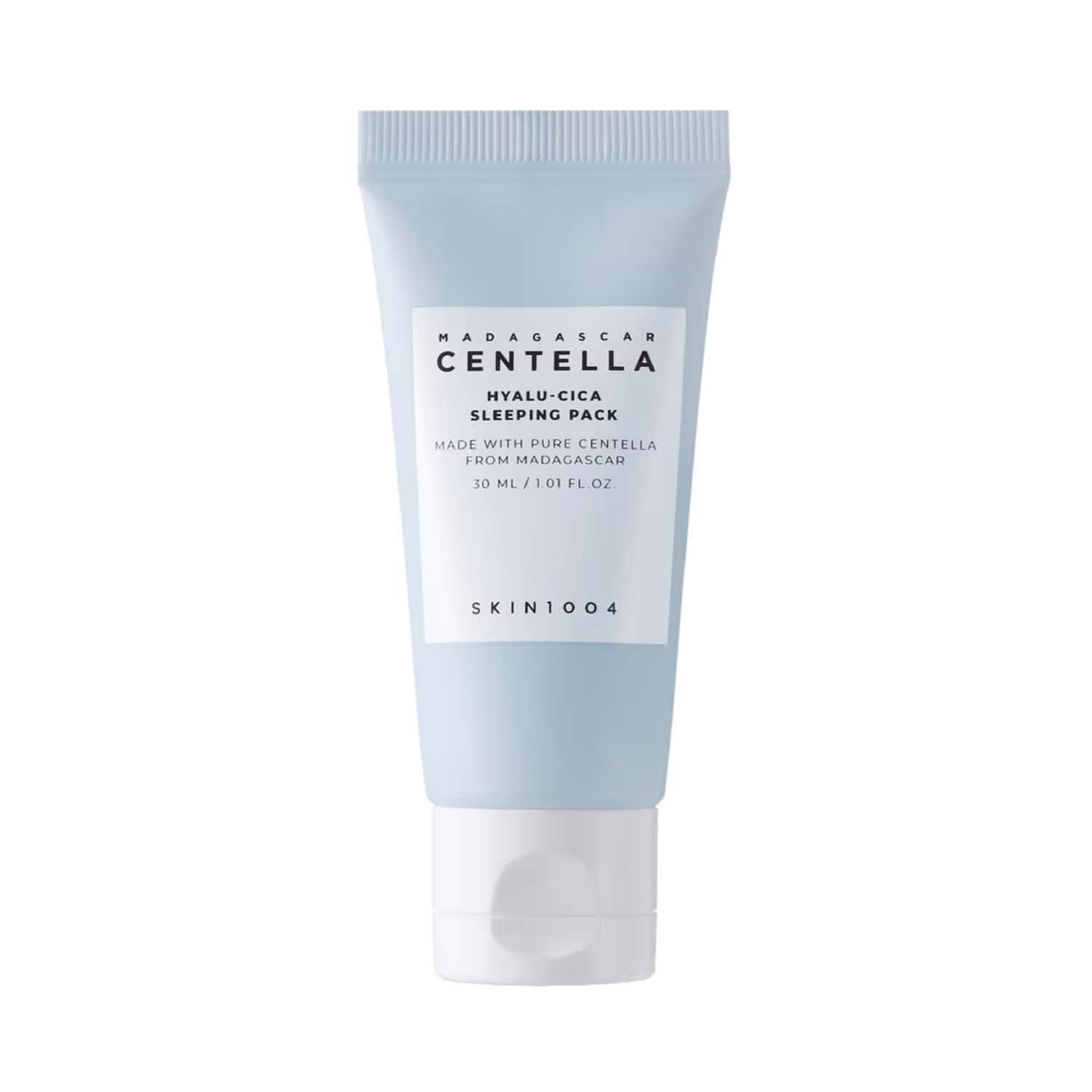
Formulated with five types of hyaluronic acid and centella asiatica extract from Madagascar, this sleeping pack deeply hydrates and soothes the skin while you sleep. The gel texture feels light on the skin yet delivers intense moisture, making it perfect for those who want hydration without any heaviness. It also includes ceramides to support the skin barrier; and is ideal for dry, irritated or barrier-compromised skin types. This will help you wake up to plump, calm and refreshed skin by morning.
This one is built for skin that’s been through it. If yours ends the day red, tight or vaguely irritated, this is the one to reach for. Centella asiatica sourced from Madagascar and five types of hyaluronic acid work together overnight to calm inflammation and flood the skin with deep, lasting hydration. The texture is so lightweight it disappears on contact, which means no sticky pillows and no heavy residue in the morning. It’s alcohol-free, fragrance-free and genuinely kind to reactive skin. The 30ml size is also a great low-commitment way to try it before going bigger.
This cooling, gel-textured overnight mask sinks in fast and leaves nothing behind but soft, calm skin. Centella asiatica takes the lead here, backed by three types of hyaluronic acid and a touch of niacinamide. Sleep on it, and you wake up to skin that feels like it’s had an actual rest.
Not exactly ‘better’, but different. Hyaluronic acid works at multiple depths in the skin, while polyglutamic acid focuses on sealing moisture in at the surface. Used together, they actually work better than either one alone.
It's very unlikely. PGA is non-comedogenic and doesn't clog pores, which makes it a safe pick even for acne-prone or oily skin looking for hydration without heaviness.
Yes, and it's actually a favourite for this. Its smooth, film-forming texture creates a great base for makeup, helping products glide on without clinging to dry patches.
Surface hydration is often visible almost immediately. Skin looks plumper and smoother within minutes of application. Longer-term texture and dehydration improvements usually show up with consistent use over a few weeks.
Yes, it's an easy team player. It pairs especially well with hyaluronic acid, niacinamide and vitamin C, and can even help soften the dryness that sometimes comes with retinol.
Polyglutamic acid, PGA for short, is a hydrating skincare ingredient made from repeating chains of glutamic acid, usually created through a fermentation process (some formulas trace back to fermented soybeans). It's a humectant, which just means it's brilliant at pulling in and holding onto water.
Here's the fun part: PGA molecules are big. Much bigger than most other hydrators. Instead of sinking deep into the skin, polyglutamic acid sits on the surface and forms a soft, breathable film, like a light, invisible blanket that keeps moisture from escaping. That's the whole trick behind polyglutamic acid for skin: less about pushing water deeper, more about locking in what's already there.
Once that surface film forms, it does two things at once. It traps existing moisture in the skin, and it slows down water loss to the air around you (dermatologists call this transepidermal water loss, but you can just think of it as ‘moisture escaping’). The result is skin that stays plumper, smoother and hydrated for longer, without needing constant reapplication.
Because it works on the surface, you'll often notice the effect of applying polyglutamic acid products almost instantly. Skin looks bouncier, feels smoother, and fine lines linked to dehydration look softer.
Hyaluronic acid (HA) and polyglutamic acid are cousins, not rivals. HA has smaller molecules that can work at different depths of the skin, pulling water in from wherever it can find it. PGA, being larger, stays closer to the surface and focuses on locking that moisture in place rather than sourcing it from deep within.
Some studies even suggest PGA can hold several times more water than hyaluronic acid, though its size means it works differently rather than simply “better”. The two actually make a great pair. HA draws the moisture in, and polyglutamic acid helps seal it there, so you get hydration that goes both deep and stays put. If you've been comparing the two trying to pick a side, the truth is you don't have to.
Because it's gentle and non-exfoliating, polyglutamic acid skincare products work for pretty much every skin type. Yes, even sensitive skin. That said, it's an especially good match if you deal with:
Dry or dehydrated skin that never seems to hold onto moisture
Sensitive or reactive skin that struggles with heavier or actives-based routines
Dullness or rough texture, since plumper, better-hydrated skin tends to look more even and radiant
Fine lines that show up more when skin is dehydrated
Since PGA works on the surface, the order you apply it in matters. Here's the easiest way to get it right:
It's easy enough to use daily, and it plays well with most other actives.
Polyglutamic acid, PGA for short, is a hydrating skincare ingredient made from repeating chains of glutamic acid, usually created through a fermentation process (some formulas trace back to fermented soybeans). It's a humectant, which just means it's brilliant at pulling in and holding onto water.
Here's the fun part: PGA molecules are big. Much bigger than most other hydrators. Instead of sinking deep into the skin, polyglutamic acid sits on the surface and forms a soft, breathable film, like a light, invisible blanket that keeps moisture from escaping. That's the whole trick behind polyglutamic acid for skin: less about pushing water deeper, more about locking in what's already there.
Once that surface film forms, it does two things at once. It traps existing moisture in the skin, and it slows down water loss to the air around you (dermatologists call this transepidermal water loss, but you can just think of it as ‘moisture escaping’). The result is skin that stays plumper, smoother and hydrated for longer, without needing constant reapplication.
Because it works on the surface, you'll often notice the effect of applying polyglutamic acid products almost instantly. Skin looks bouncier, feels smoother, and fine lines linked to dehydration look softer.
Hyaluronic acid (HA) and polyglutamic acid are cousins, not rivals. HA has smaller molecules that can work at different depths of the skin, pulling water in from wherever it can find it. PGA, being larger, stays closer to the surface and focuses on locking that moisture in place rather than sourcing it from deep within.
Some studies even suggest PGA can hold several times more water than hyaluronic acid, though its size means it works differently rather than simply “better”. The two actually make a great pair. HA draws the moisture in, and polyglutamic acid helps seal it there, so you get hydration that goes both deep and stays put. If you've been comparing the two trying to pick a side, the truth is you don't have to.
Because it's gentle and non-exfoliating, polyglutamic acid skincare products work for pretty much every skin type. Yes, even sensitive skin. That said, it's an especially good match if you deal with:
Dry or dehydrated skin that never seems to hold onto moisture
Sensitive or reactive skin that struggles with heavier or actives-based routines
Dullness or rough texture, since plumper, better-hydrated skin tends to look more even and radiant
Fine lines that show up more when skin is dehydrated
Since PGA works on the surface, the order you apply it in matters. Here's the easiest way to get it right:
It's easy enough to use daily, and it plays well with most other actives.
Not exactly ‘better’, but different. Hyaluronic acid works at multiple depths in the skin, while polyglutamic acid focuses on sealing moisture in at the surface. Used together, they actually work better than either one alone.
It's very unlikely. PGA is non-comedogenic and doesn't clog pores, which makes it a safe pick even for acne-prone or oily skin looking for hydration without heaviness.
Yes, and it's actually a favourite for this. Its smooth, film-forming texture creates a great base for makeup, helping products glide on without clinging to dry patches.
Surface hydration is often visible almost immediately. Skin looks plumper and smoother within minutes of application. Longer-term texture and dehydration improvements usually show up with consistent use over a few weeks.
Yes, it's an easy team player. It pairs especially well with hyaluronic acid, niacinamide and vitamin C, and can even help soften the dryness that sometimes comes with retinol.


Not exactly ‘better’, but different. Hyaluronic acid works at multiple depths in the skin, while polyglutamic acid focuses on sealing moisture in at the surface. Used together, they actually work better than either one alone.
It's very unlikely. PGA is non-comedogenic and doesn't clog pores, which makes it a safe pick even for acne-prone or oily skin looking for hydration without heaviness.
Yes, and it's actually a favourite for this. Its smooth, film-forming texture creates a great base for makeup, helping products glide on without clinging to dry patches.
Surface hydration is often visible almost immediately. Skin looks plumper and smoother within minutes of application. Longer-term texture and dehydration improvements usually show up with consistent use over a few weeks.
Yes, it's an easy team player. It pairs especially well with hyaluronic acid, niacinamide and vitamin C, and can even help soften the dryness that sometimes comes with retinol.
Polyglutamic acid, PGA for short, is a hydrating skincare ingredient made from repeating chains of glutamic acid, usually created through a fermentation process (some formulas trace back to fermented soybeans). It's a humectant, which just means it's brilliant at pulling in and holding onto water.
Here's the fun part: PGA molecules are big. Much bigger than most other hydrators. Instead of sinking deep into the skin, polyglutamic acid sits on the surface and forms a soft, breathable film, like a light, invisible blanket that keeps moisture from escaping. That's the whole trick behind polyglutamic acid for skin: less about pushing water deeper, more about locking in what's already there.
Once that surface film forms, it does two things at once. It traps existing moisture in the skin, and it slows down water loss to the air around you (dermatologists call this transepidermal water loss, but you can just think of it as ‘moisture escaping’). The result is skin that stays plumper, smoother and hydrated for longer, without needing constant reapplication.
Because it works on the surface, you'll often notice the effect of applying polyglutamic acid products almost instantly. Skin looks bouncier, feels smoother, and fine lines linked to dehydration look softer.
Hyaluronic acid (HA) and polyglutamic acid are cousins, not rivals. HA has smaller molecules that can work at different depths of the skin, pulling water in from wherever it can find it. PGA, being larger, stays closer to the surface and focuses on locking that moisture in place rather than sourcing it from deep within.
Some studies even suggest PGA can hold several times more water than hyaluronic acid, though its size means it works differently rather than simply “better”. The two actually make a great pair. HA draws the moisture in, and polyglutamic acid helps seal it there, so you get hydration that goes both deep and stays put. If you've been comparing the two trying to pick a side, the truth is you don't have to.
Because it's gentle and non-exfoliating, polyglutamic acid skincare products work for pretty much every skin type. Yes, even sensitive skin. That said, it's an especially good match if you deal with:
Dry or dehydrated skin that never seems to hold onto moisture
Sensitive or reactive skin that struggles with heavier or actives-based routines
Dullness or rough texture, since plumper, better-hydrated skin tends to look more even and radiant
Fine lines that show up more when skin is dehydrated
Since PGA works on the surface, the order you apply it in matters. Here's the easiest way to get it right:
It's easy enough to use daily, and it plays well with most other actives.
Not exactly ‘better’, but different. Hyaluronic acid works at multiple depths in the skin, while polyglutamic acid focuses on sealing moisture in at the surface. Used together, they actually work better than either one alone.
It's very unlikely. PGA is non-comedogenic and doesn't clog pores, which makes it a safe pick even for acne-prone or oily skin looking for hydration without heaviness.
Yes, and it's actually a favourite for this. Its smooth, film-forming texture creates a great base for makeup, helping products glide on without clinging to dry patches.
Surface hydration is often visible almost immediately. Skin looks plumper and smoother within minutes of application. Longer-term texture and dehydration improvements usually show up with consistent use over a few weeks.
Yes, it's an easy team player. It pairs especially well with hyaluronic acid, niacinamide and vitamin C, and can even help soften the dryness that sometimes comes with retinol.