
%20prep.png)
Ingredient Lab
There's a new hydrator on the block: polyglutamic acid
Read Now


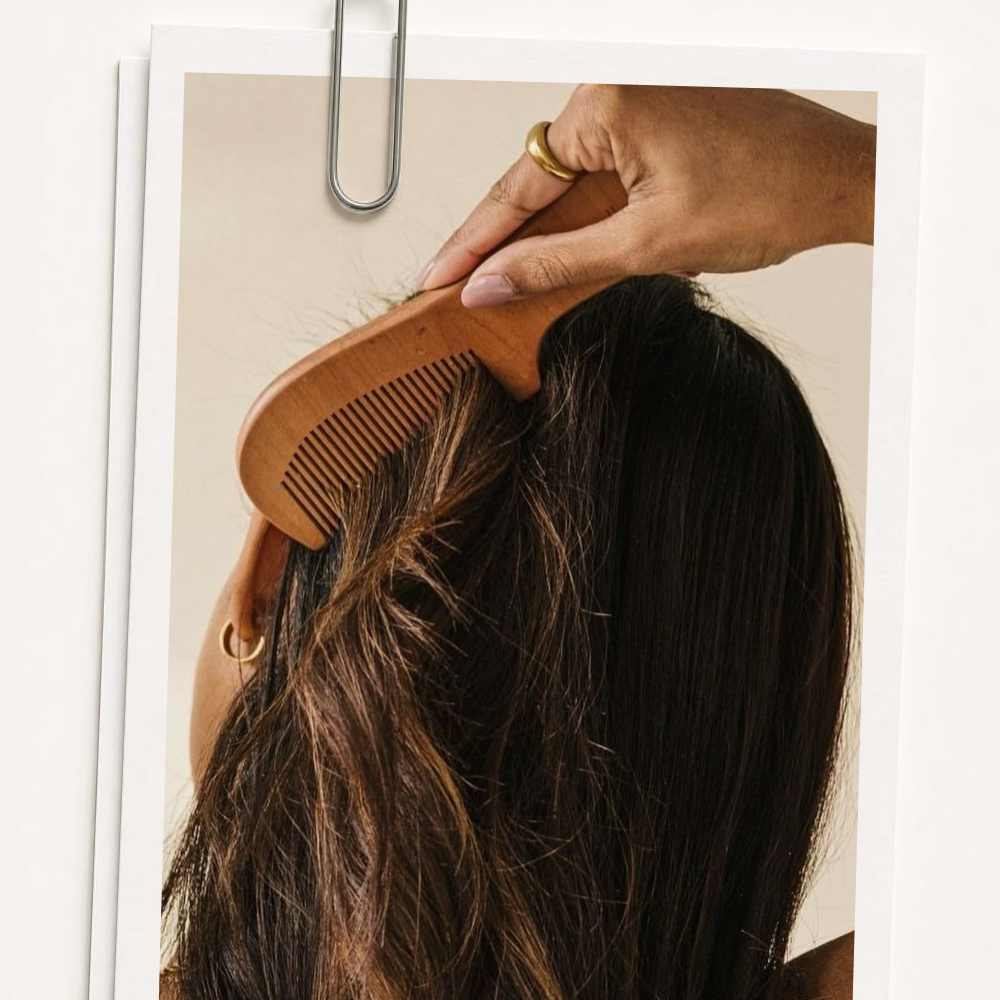

Noticing that your ponytail feels a little less full than it used to, or spotting more strands than usual in the shower, can be unsettling, especially when you’re only in your 30s. But changes in hair density can happen for a number of reasons, from stress and hormonal shifts to nutrition, styling habits and simply the natural hair growth cycle. Rather than reaching for every product that promises thicker, fuller hair, it helps to start by understanding what your scalp and strands actually need.
That’s where the ingredient list comes in. Certain ingredients can help create a healthier environment for hair growth, strengthen fragile strands or support the scalp, depending on what’s behind the thinning. From peptides and caffeine to rosemary and niacinamide, knowing what each one brings to your routine can make choosing your haircare feel a lot less overwhelming. Ahead, we break down the ingredients worth having on your radar, what they can do and how to work them into your routine.
PS: Just don’t expect an overnight transformation. As with most hair-focused actives, regular, consistent use is what matters most.
.jpeg)
.PNG)
.PNG)
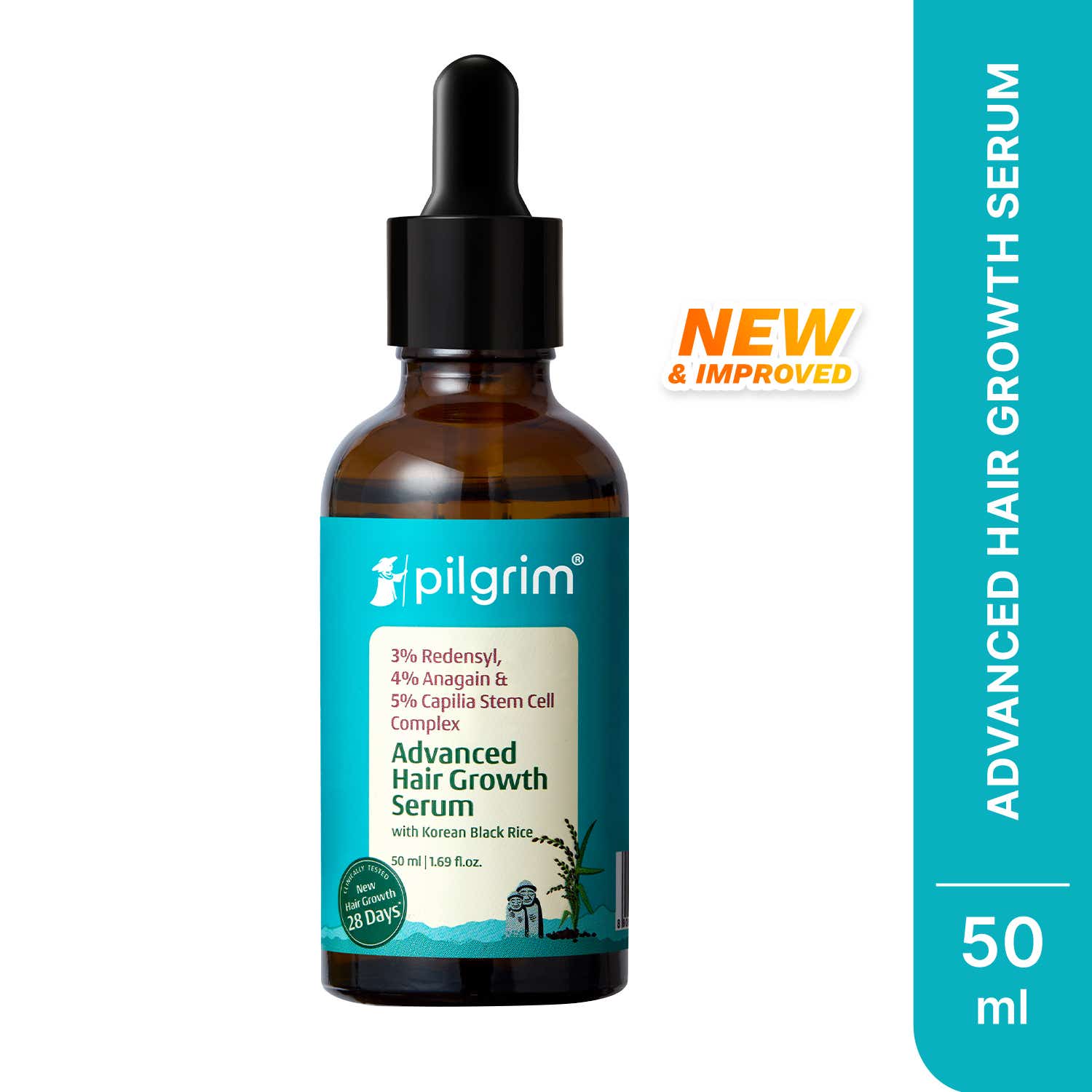
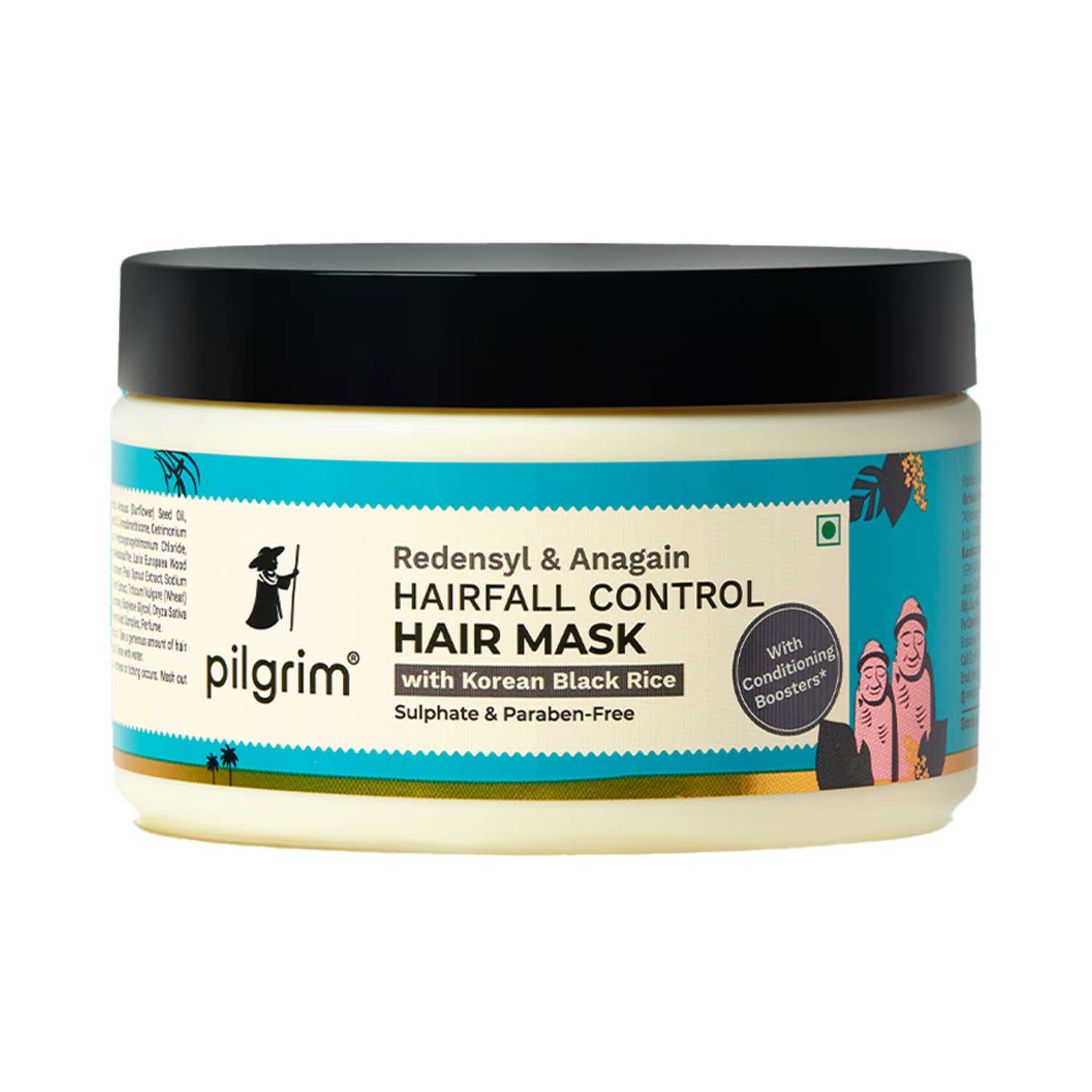
Pilgrim keeps things clean and plant-forward without skimping on the ingredients that actually matter. Redensyl and Anagain form the core of the formula — both well-researched actives, with Anagain sourced from organic pea sprouts known to extend the hair's growth phase. Zinc and green tea extract add scalp health benefits, while argan oil brings lightweight nourishment without any greasiness. A good option for anyone who prefers plant-based formulas but doesn't want to compromise on efficacy.
If your hairfall has moved beyond a phase and into something you want to actively correct, this is a smart pick. Minimalist’s Hair Growth Actives serum is built around concentration and clarity, packing five clinically studied growth actives into one high-strength treatment. Capixyl, redensyl, procapil, anagain and baicapil work together to target hairfall where it begins, encouraging regrowth and increased volume over time. It follows a stripped-back approach, containing no fragrance or essential oils; and promotes a scalp-friendly pH that keeps irritation at bay even with daily use. This formula is not trying to feel luxurious or indulgent. It’s focused, results-driven and designed for consistency.
What makes this serum stand out is the sheer concentration of actives packed into the formula. Capixyl, a peptide-biomimetic complex, addresses hair loss at a hormonal level by inhibiting DHT, while Redensyl targets follicle stem cells directly. Procapil, Anagain and Baicapil add further depth to the formula, supported by saw palmetto and sanguisorba officinalis root extract. If you've tried basic serums without seeing much of a difference, the higher active concentration here makes this a logical and well-priced next step.
Ingredients commonly found in products for thinning hair include Redensyl, Capixyl, Procapil, Anagain, peptides, caffeine, rosemary and Baicapil. They work in different ways to support the scalp, hair follicles and the appearance of fuller, denser hair.
Hair can begin to feel thinner for several reasons, including genetics, hormonal changes, stress, nutritional deficiencies, certain medical conditions and changes in the natural hair growth cycle. If thinning is sudden, significant or persistent, it’s best to consult a dermatologist to understand the underlying cause.
Hair serums containing targeted actives can support scalp health, reduce the appearance of hair fall or help hair look fuller and denser with consistent use. However, results depend on the cause of thinning and cosmetic serums may not address underlying medical or hormonal factors.
Hair grows in cycles, so visible changes generally take time. How quickly you notice a difference will depend on the formula, how consistently you use it and the cause of your hair thinning. Follow the product’s recommended usage and give your routine time to work.
If thinning hair has put scalp serums on your radar, chances are you’ve already spotted Redensyl on a few ingredient lists. The plant-derived active is commonly used in formulas designed to support the natural hair growth cycle and help improve the appearance of density over time. It’s particularly popular in leave-in serums, where it’s often paired with other ingredients that target hair fall and weakened roots. While it won’t deliver an overnight change, incorporating it consistently into your routine can help support stronger, fuller-looking hair over time.
You may already know the benefits of peptides for your skin, but they have a place in your haircare routine too. Capixyl is a peptide-based active commonly found in scalp serums formulated for thinning hair and reduced density. It works by supporting the hair follicles and creating a healthier environment for stronger, fuller-looking hair. You’ll often find it teamed with other targeted actives such as Redensyl and Procapil, making it a particularly useful ingredient to look for when increased shedding or a noticeably thinner ponytail has become a concern.
Another name you’re likely to spot while browsing hair growth serums is Procapil. The active is used in leave-on scalp treatments to support the hair at the root and help improve the appearance of density, making it particularly relevant if your strands are beginning to feel less abundant than they once did. Rather than focusing on the lengths, formulas containing Procapil are applied directly to the scalp, where they can become part of a more targeted routine for thinning and hair fall. As with most hair-focused actives, regular use over time is more important than expecting an immediate difference.
The name may sound complicated, but Anagain actually comes from something rather familiar: pea sprouts. The plant-derived active is used in haircare formulas designed to support the natural hair growth cycle, which is why it has become a regular addition to serums targeting thinning and hair fall. It’s often paired with ingredients such as Redensyl to give the scalp and roots more comprehensive support. If your goal is to improve the appearance of density and encourage healthier-looking hair over time, it’s one of the newer actives worth recognising on an ingredient list.
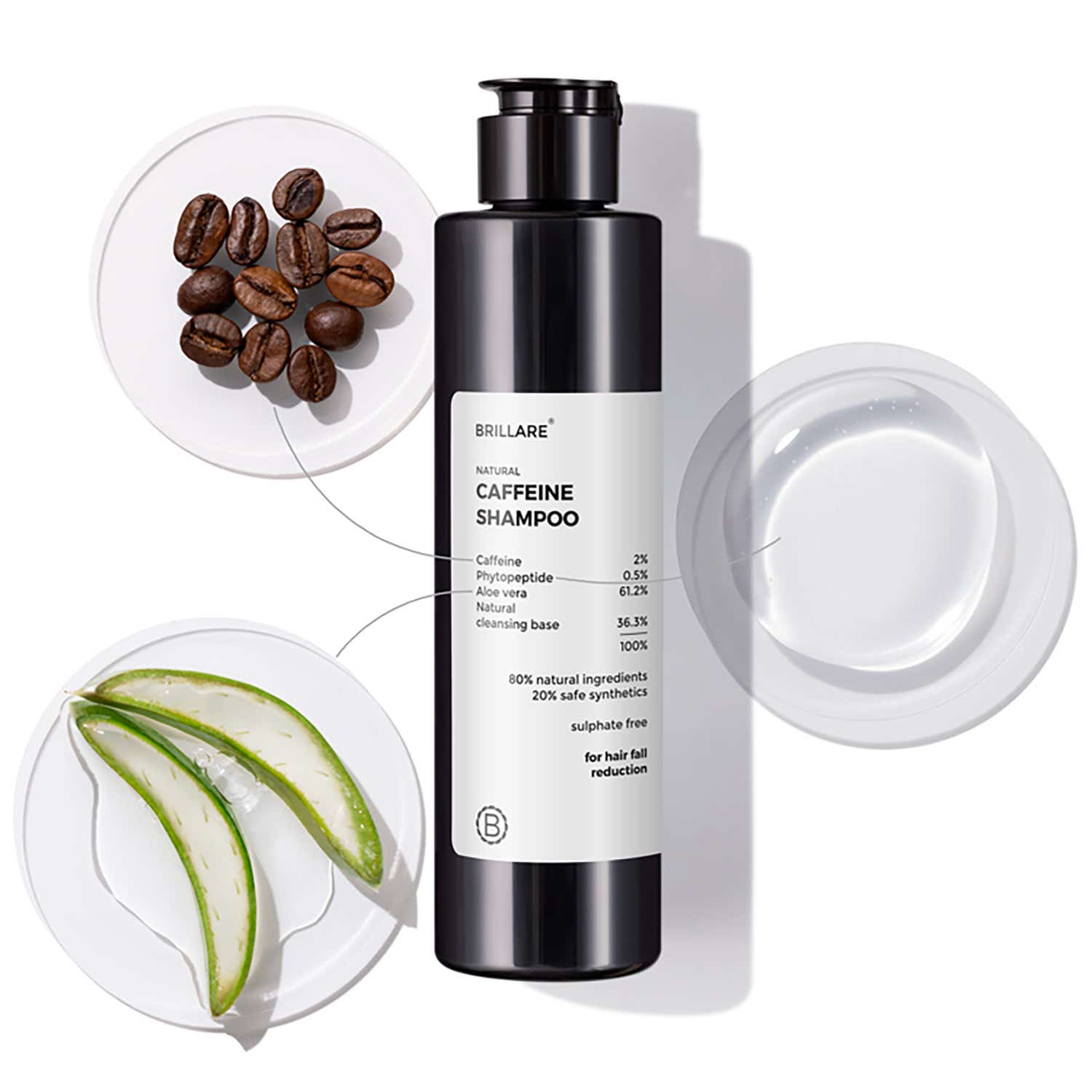
Caffeine may be best known for helping you through slow mornings, but it has also earned a place in scalp care. When used topically, it can help support the hair follicles and is increasingly being included in formulas created for hair fall and thinning. Research into its role in hair growth is still developing, so it’s better thought of as a supporting ingredient rather than a solution on its own. Look for it in a leave-in treatment alongside other targeted actives, particularly if you want to build a more well-rounded routine for your scalp and roots.
Peptides have long been a familiar sight in skincare, and now they’re finding their way into scalp serums too. Different peptide blends are used to support the scalp and roots, with formulas often designed to help hair appear thicker, fuller and denser with continued use. They can be particularly useful if your concern is an overall loss of volume rather than simply dry or damaged lengths. Most peptide scalp treatments also come in lightweight, leave-in formulas, so they can easily slot into your routine without leaving the roots feeling heavy or adding another elaborate step.
Rosemary may have found viral fame on social media, but its association with haircare goes well beyond the latest beauty trend. The botanical ingredient is commonly used to support scalp health and has also been studied for its potential role in encouraging hair growth, making it an interesting option when thinning is a concern. However, more isn’t necessarily better, and applying undiluted rosemary essential oil directly to the scalp can cause irritation. A properly formulated serum offers a much simpler way to incorporate the ingredient into your routine, especially when it’s paired with other actives that support density and the roots.
It may not be as instantly recognisable as rosemary or caffeine, but Baicapil is quietly becoming a regular feature in formulas made for thinning hair. This plant-derived active is used to support the natural hair growth cycle and help improve the appearance of density, making it worth looking out for if your hair has started to feel noticeably less full. You’ll often find it alongside actives such as Redensyl and Anagain rather than on its own, allowing several ingredients to work together in one targeted scalp treatment. So, while it may not be the buzziest name on the bottle, it’s certainly one worth knowing.
If thinning hair has put scalp serums on your radar, chances are you’ve already spotted Redensyl on a few ingredient lists. The plant-derived active is commonly used in formulas designed to support the natural hair growth cycle and help improve the appearance of density over time. It’s particularly popular in leave-in serums, where it’s often paired with other ingredients that target hair fall and weakened roots. While it won’t deliver an overnight change, incorporating it consistently into your routine can help support stronger, fuller-looking hair over time.
You may already know the benefits of peptides for your skin, but they have a place in your haircare routine too. Capixyl is a peptide-based active commonly found in scalp serums formulated for thinning hair and reduced density. It works by supporting the hair follicles and creating a healthier environment for stronger, fuller-looking hair. You’ll often find it teamed with other targeted actives such as Redensyl and Procapil, making it a particularly useful ingredient to look for when increased shedding or a noticeably thinner ponytail has become a concern.
Another name you’re likely to spot while browsing hair growth serums is Procapil. The active is used in leave-on scalp treatments to support the hair at the root and help improve the appearance of density, making it particularly relevant if your strands are beginning to feel less abundant than they once did. Rather than focusing on the lengths, formulas containing Procapil are applied directly to the scalp, where they can become part of a more targeted routine for thinning and hair fall. As with most hair-focused actives, regular use over time is more important than expecting an immediate difference.
The name may sound complicated, but Anagain actually comes from something rather familiar: pea sprouts. The plant-derived active is used in haircare formulas designed to support the natural hair growth cycle, which is why it has become a regular addition to serums targeting thinning and hair fall. It’s often paired with ingredients such as Redensyl to give the scalp and roots more comprehensive support. If your goal is to improve the appearance of density and encourage healthier-looking hair over time, it’s one of the newer actives worth recognising on an ingredient list.
Caffeine may be best known for helping you through slow mornings, but it has also earned a place in scalp care. When used topically, it can help support the hair follicles and is increasingly being included in formulas created for hair fall and thinning. Research into its role in hair growth is still developing, so it’s better thought of as a supporting ingredient rather than a solution on its own. Look for it in a leave-in treatment alongside other targeted actives, particularly if you want to build a more well-rounded routine for your scalp and roots.
Peptides have long been a familiar sight in skincare, and now they’re finding their way into scalp serums too. Different peptide blends are used to support the scalp and roots, with formulas often designed to help hair appear thicker, fuller and denser with continued use. They can be particularly useful if your concern is an overall loss of volume rather than simply dry or damaged lengths. Most peptide scalp treatments also come in lightweight, leave-in formulas, so they can easily slot into your routine without leaving the roots feeling heavy or adding another elaborate step.
Rosemary may have found viral fame on social media, but its association with haircare goes well beyond the latest beauty trend. The botanical ingredient is commonly used to support scalp health and has also been studied for its potential role in encouraging hair growth, making it an interesting option when thinning is a concern. However, more isn’t necessarily better, and applying undiluted rosemary essential oil directly to the scalp can cause irritation. A properly formulated serum offers a much simpler way to incorporate the ingredient into your routine, especially when it’s paired with other actives that support density and the roots.
It may not be as instantly recognisable as rosemary or caffeine, but Baicapil is quietly becoming a regular feature in formulas made for thinning hair. This plant-derived active is used to support the natural hair growth cycle and help improve the appearance of density, making it worth looking out for if your hair has started to feel noticeably less full. You’ll often find it alongside actives such as Redensyl and Anagain rather than on its own, allowing several ingredients to work together in one targeted scalp treatment. So, while it may not be the buzziest name on the bottle, it’s certainly one worth knowing.
Ingredients commonly found in products for thinning hair include Redensyl, Capixyl, Procapil, Anagain, peptides, caffeine, rosemary and Baicapil. They work in different ways to support the scalp, hair follicles and the appearance of fuller, denser hair.
Hair can begin to feel thinner for several reasons, including genetics, hormonal changes, stress, nutritional deficiencies, certain medical conditions and changes in the natural hair growth cycle. If thinning is sudden, significant or persistent, it’s best to consult a dermatologist to understand the underlying cause.
Hair serums containing targeted actives can support scalp health, reduce the appearance of hair fall or help hair look fuller and denser with consistent use. However, results depend on the cause of thinning and cosmetic serums may not address underlying medical or hormonal factors.
Hair grows in cycles, so visible changes generally take time. How quickly you notice a difference will depend on the formula, how consistently you use it and the cause of your hair thinning. Follow the product’s recommended usage and give your routine time to work.


Ingredients commonly found in products for thinning hair include Redensyl, Capixyl, Procapil, Anagain, peptides, caffeine, rosemary and Baicapil. They work in different ways to support the scalp, hair follicles and the appearance of fuller, denser hair.
Hair can begin to feel thinner for several reasons, including genetics, hormonal changes, stress, nutritional deficiencies, certain medical conditions and changes in the natural hair growth cycle. If thinning is sudden, significant or persistent, it’s best to consult a dermatologist to understand the underlying cause.
Hair serums containing targeted actives can support scalp health, reduce the appearance of hair fall or help hair look fuller and denser with consistent use. However, results depend on the cause of thinning and cosmetic serums may not address underlying medical or hormonal factors.
Hair grows in cycles, so visible changes generally take time. How quickly you notice a difference will depend on the formula, how consistently you use it and the cause of your hair thinning. Follow the product’s recommended usage and give your routine time to work.
If thinning hair has put scalp serums on your radar, chances are you’ve already spotted Redensyl on a few ingredient lists. The plant-derived active is commonly used in formulas designed to support the natural hair growth cycle and help improve the appearance of density over time. It’s particularly popular in leave-in serums, where it’s often paired with other ingredients that target hair fall and weakened roots. While it won’t deliver an overnight change, incorporating it consistently into your routine can help support stronger, fuller-looking hair over time.
You may already know the benefits of peptides for your skin, but they have a place in your haircare routine too. Capixyl is a peptide-based active commonly found in scalp serums formulated for thinning hair and reduced density. It works by supporting the hair follicles and creating a healthier environment for stronger, fuller-looking hair. You’ll often find it teamed with other targeted actives such as Redensyl and Procapil, making it a particularly useful ingredient to look for when increased shedding or a noticeably thinner ponytail has become a concern.
Another name you’re likely to spot while browsing hair growth serums is Procapil. The active is used in leave-on scalp treatments to support the hair at the root and help improve the appearance of density, making it particularly relevant if your strands are beginning to feel less abundant than they once did. Rather than focusing on the lengths, formulas containing Procapil are applied directly to the scalp, where they can become part of a more targeted routine for thinning and hair fall. As with most hair-focused actives, regular use over time is more important than expecting an immediate difference.
The name may sound complicated, but Anagain actually comes from something rather familiar: pea sprouts. The plant-derived active is used in haircare formulas designed to support the natural hair growth cycle, which is why it has become a regular addition to serums targeting thinning and hair fall. It’s often paired with ingredients such as Redensyl to give the scalp and roots more comprehensive support. If your goal is to improve the appearance of density and encourage healthier-looking hair over time, it’s one of the newer actives worth recognising on an ingredient list.
Caffeine may be best known for helping you through slow mornings, but it has also earned a place in scalp care. When used topically, it can help support the hair follicles and is increasingly being included in formulas created for hair fall and thinning. Research into its role in hair growth is still developing, so it’s better thought of as a supporting ingredient rather than a solution on its own. Look for it in a leave-in treatment alongside other targeted actives, particularly if you want to build a more well-rounded routine for your scalp and roots.
Peptides have long been a familiar sight in skincare, and now they’re finding their way into scalp serums too. Different peptide blends are used to support the scalp and roots, with formulas often designed to help hair appear thicker, fuller and denser with continued use. They can be particularly useful if your concern is an overall loss of volume rather than simply dry or damaged lengths. Most peptide scalp treatments also come in lightweight, leave-in formulas, so they can easily slot into your routine without leaving the roots feeling heavy or adding another elaborate step.
Rosemary may have found viral fame on social media, but its association with haircare goes well beyond the latest beauty trend. The botanical ingredient is commonly used to support scalp health and has also been studied for its potential role in encouraging hair growth, making it an interesting option when thinning is a concern. However, more isn’t necessarily better, and applying undiluted rosemary essential oil directly to the scalp can cause irritation. A properly formulated serum offers a much simpler way to incorporate the ingredient into your routine, especially when it’s paired with other actives that support density and the roots.
It may not be as instantly recognisable as rosemary or caffeine, but Baicapil is quietly becoming a regular feature in formulas made for thinning hair. This plant-derived active is used to support the natural hair growth cycle and help improve the appearance of density, making it worth looking out for if your hair has started to feel noticeably less full. You’ll often find it alongside actives such as Redensyl and Anagain rather than on its own, allowing several ingredients to work together in one targeted scalp treatment. So, while it may not be the buzziest name on the bottle, it’s certainly one worth knowing.
Ingredients commonly found in products for thinning hair include Redensyl, Capixyl, Procapil, Anagain, peptides, caffeine, rosemary and Baicapil. They work in different ways to support the scalp, hair follicles and the appearance of fuller, denser hair.
Hair can begin to feel thinner for several reasons, including genetics, hormonal changes, stress, nutritional deficiencies, certain medical conditions and changes in the natural hair growth cycle. If thinning is sudden, significant or persistent, it’s best to consult a dermatologist to understand the underlying cause.
Hair serums containing targeted actives can support scalp health, reduce the appearance of hair fall or help hair look fuller and denser with consistent use. However, results depend on the cause of thinning and cosmetic serums may not address underlying medical or hormonal factors.
Hair grows in cycles, so visible changes generally take time. How quickly you notice a difference will depend on the formula, how consistently you use it and the cause of your hair thinning. Follow the product’s recommended usage and give your routine time to work.