%20prep.png)
Ingredient Lab
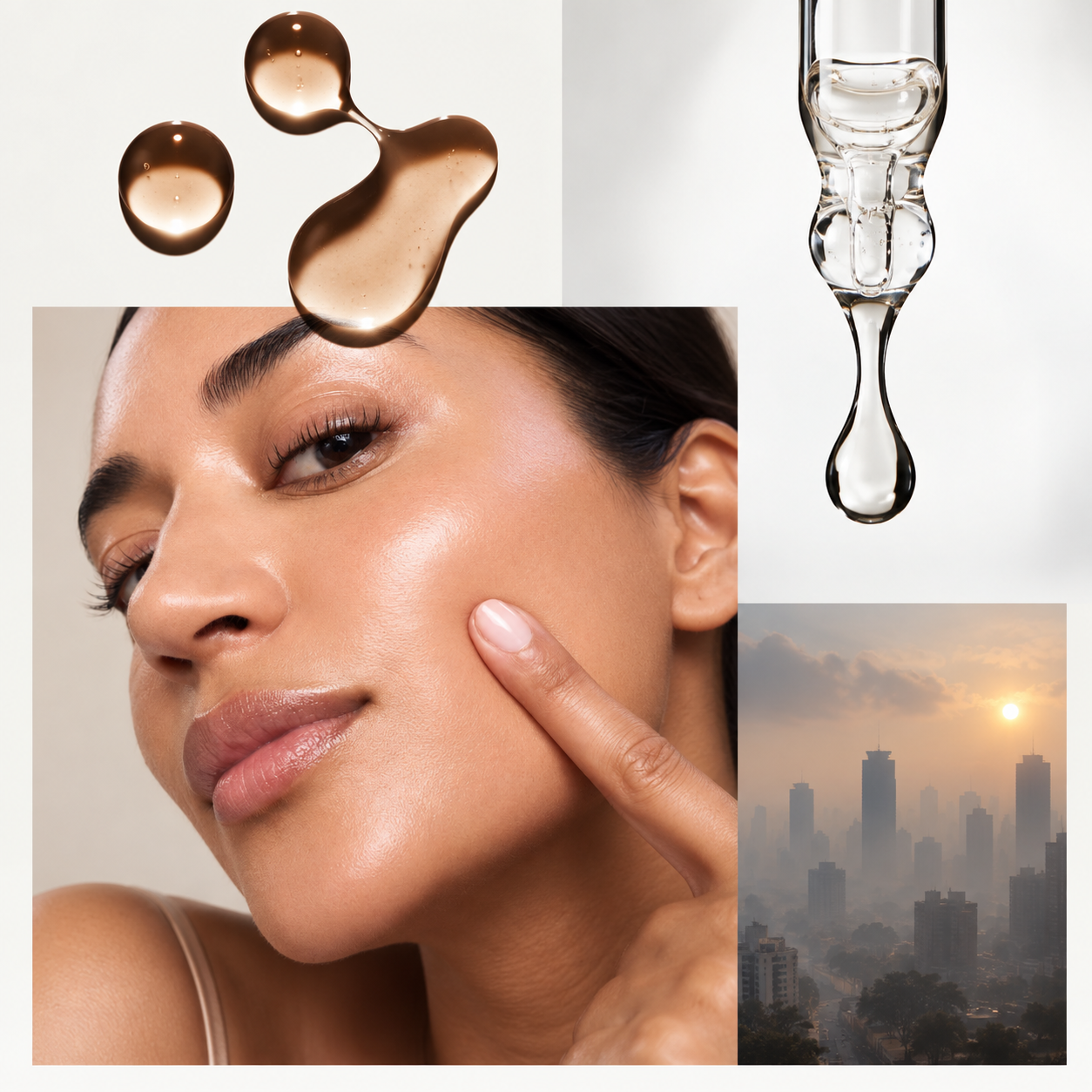
There's a new hydrator on the block: polyglutamic acid
Read Now


Check the back of your conditioner. Then your moisturiser, your sheet mask, your lip balm and what the pharmacy sold you the last time you had a patch of angry skin. Panthenol is probably in most of them, sitting in the middle of the ingredient list while niacinamide and hyaluronic acid get the front of the bottle.
It’s one of the least glamorous ingredients in beauty and one of the most useful, largely because it works on hair and skin through slightly different mechanisms and does a decent job at both.
.jpeg)
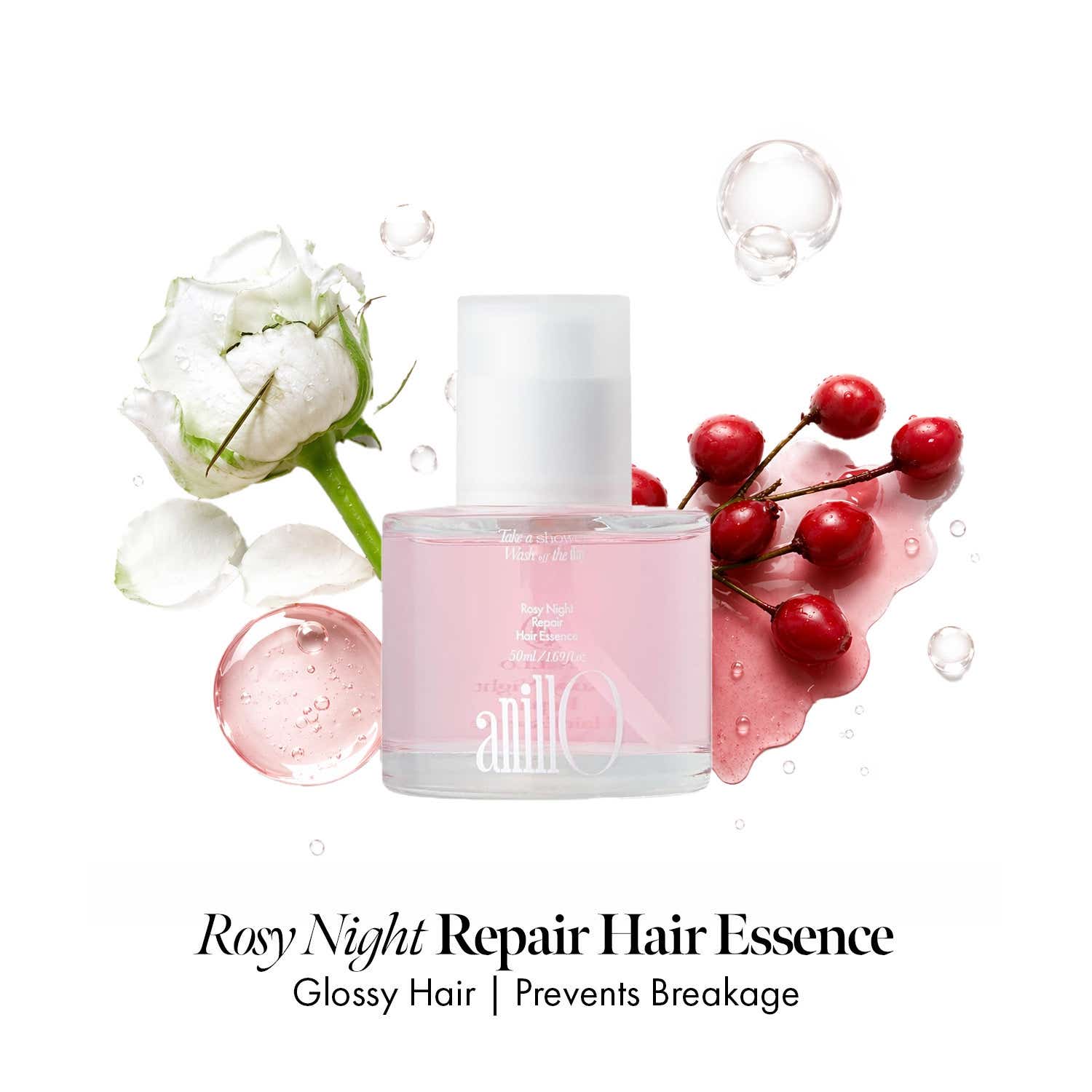
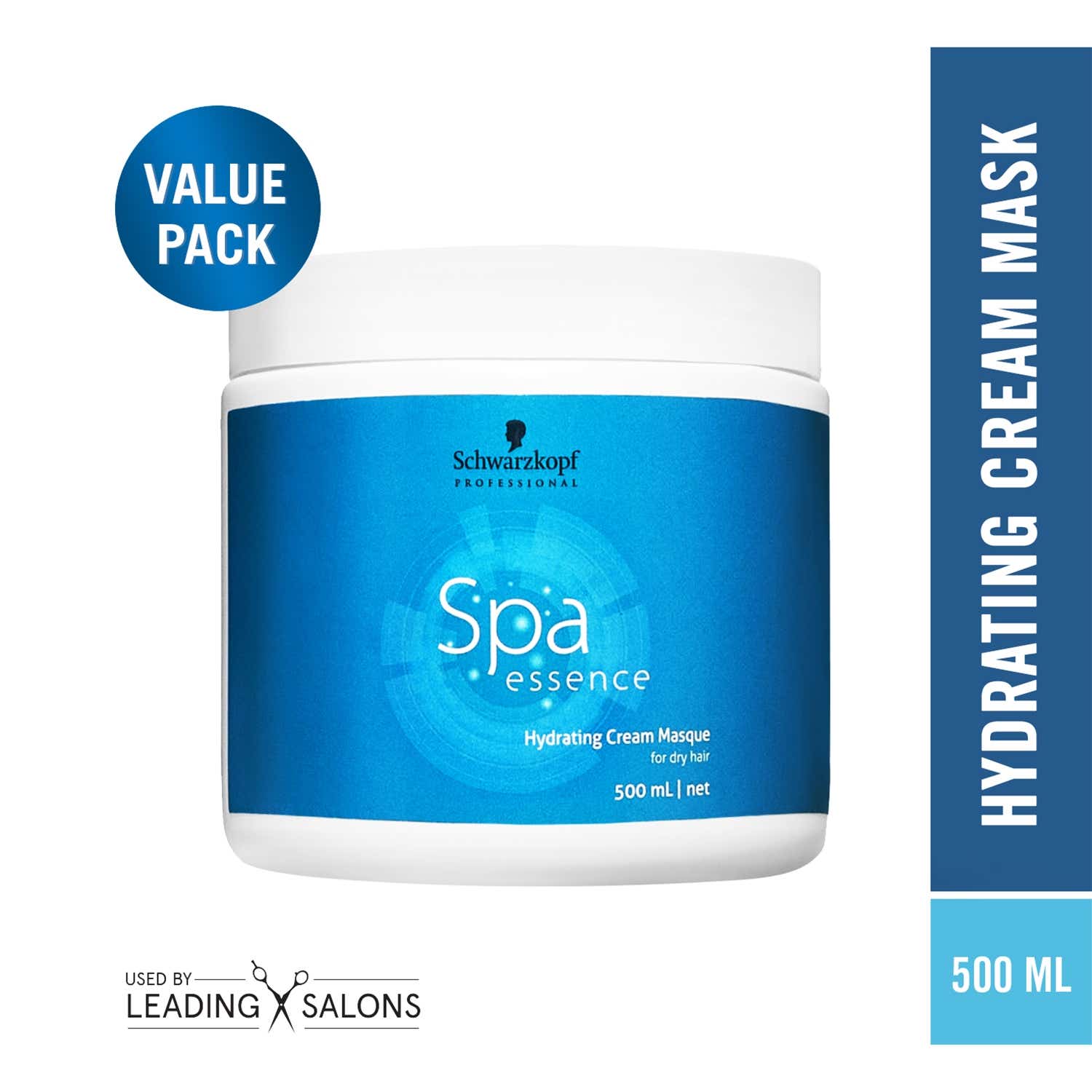
Not all hair needs repair—sometimes it simply needs hydration. Schwarzkopf's Spa Essence Hydrating Cream Masque is a great option for hair that's dry, dehydrated or lacking softness rather than severely damaged. The rich cream formula delivers lasting moisture without feeling overly heavy, helping hair stay smoother, softer and easier to manage. Consider it a moisture boost before monsoon puts your strands through their annual humidity test.
Panthenol is provitamin B5. Once it’s on your skin, it converts into pantothenic acid, which is the actual vitamin, and which your body uses in the process of making fats. Those fats are part of what holds your skin barrier together.
You’ll see it on labels as Panthenol, D-Panthenol, Dexpanthenol or Provitamin B5. D-panthenol is the biologically active version. Most formulas use it or a mix that contains it.
The thing that makes panthenol unusually good at its job is size. It’s small enough to get past the surface, which matters much more than it sounds, because a lot of hydrating ingredients simply sit on top and evaporate.
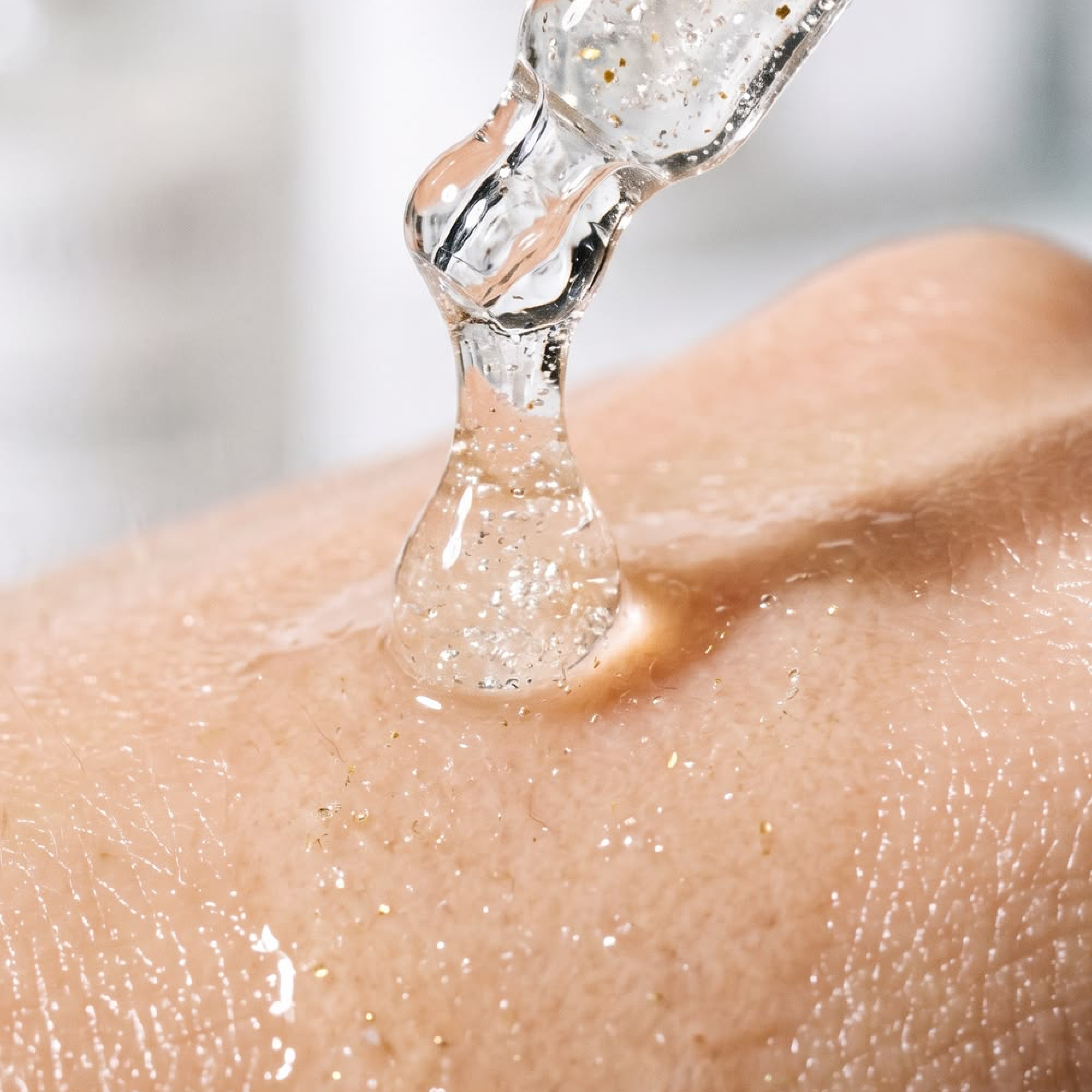
Panthenol pulls water into the upper layers of skin and holds it there. That part is straightforward humectant behaviour, similar to glycerin.
The more interesting part is what it does to barrier function. In a 30-day study, formulations at both 1% and 5% panthenol produced significant reductions in transepidermal water loss, which is the measure of how much moisture escapes through compromised skin. Lower is better. Separately, 5% dexpanthenol preparations have been shown to speed up epidermal regeneration compared with placebo, which is why the ointment your chemist recommends for nappy rash, cracked lips and post-tattoo skin is usually panthenol-based.
It’s also one of the calmest ingredients on the shelf. Studies consistently report no irritation, which is why it turns up in post-laser creams, post-acid serums and anything aimed at reactive skin. If retinol has left your face tight and pink, panthenol is a reasonable thing to reach for.
For a long time, panthenol was assumed to work on hair the way silicones do, by coating the outside and improving slip. Research published in the International Journal of Cosmetic Science this year suggests it goes further than that.
Using spectroscopic imaging, researchers tracked panthenol penetrating into the cortex, the protein-dense core of the hair. NMR data showed direct interaction between panthenol and the hair’s own proteins, with hydrogen bonds forming between the two. Treated hair showed higher break stress and a higher elastic modulus than untreated hair, meaning it took more force to snap and had more give before it did.
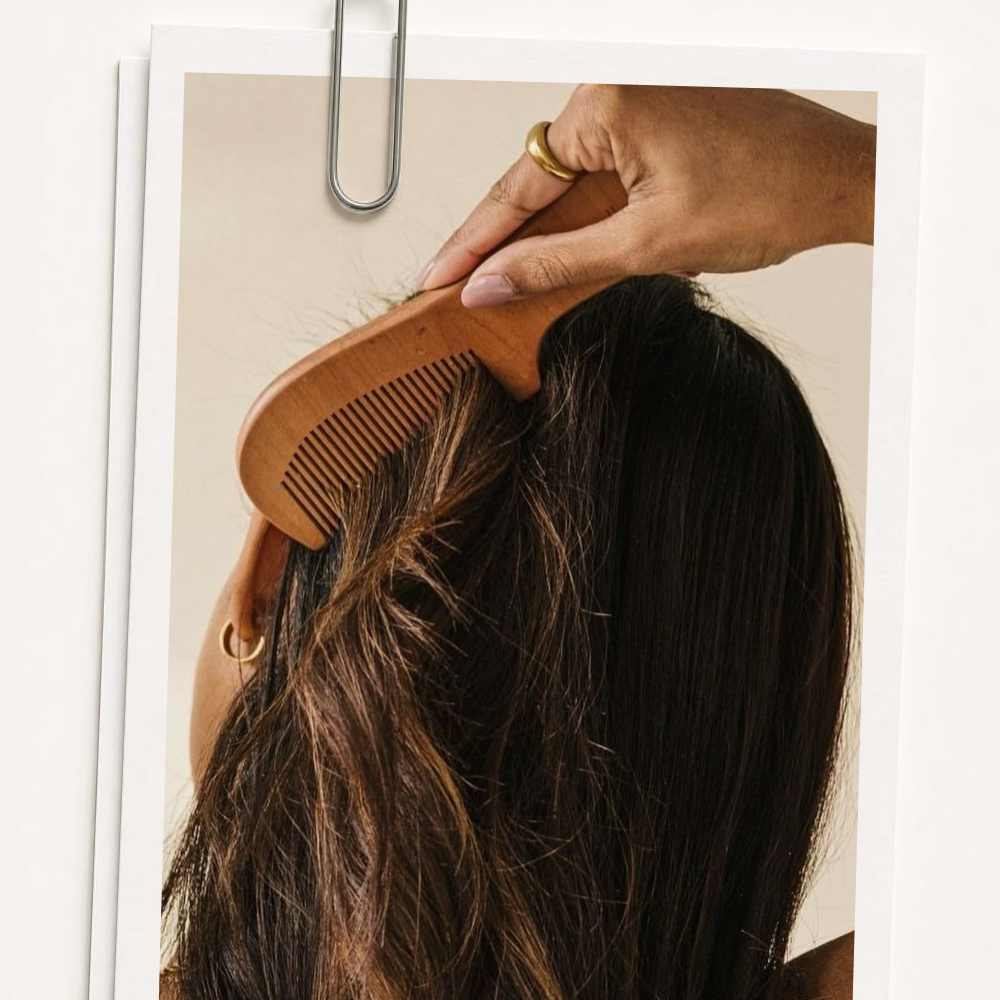
In practice this shows up as less breakage on the brush, better elasticity in wet hair and a bit more body, since panthenol adds a small amount of thickness to each strand.
Concentration matters. Below 1%, you’re unlikely to notice much. Most decent formulas sit between 1% and 5%.
Panthenol layers with essentially everything. There’s no conflict with acids, retinoids, niacinamide or vitamin C, and it often improves how those feel.
What it won’t do: it isn’t a bond builder, so it won’t rebuild disulfide bonds broken by bleach. It won’t mend split ends, though it makes them behave better. It has no effect on hair growth. And on very oily skin, high-percentage panthenol creams can feel tacky, in which case a serum or gel texture is the easier route.
Panthenol is a background ingredient that makes hair and skin function better with very little risk attached.
Panthenol is provitamin B5. Once it’s on your skin, it converts into pantothenic acid, which is the actual vitamin, and which your body uses in the process of making fats. Those fats are part of what holds your skin barrier together.
You’ll see it on labels as Panthenol, D-Panthenol, Dexpanthenol or Provitamin B5. D-panthenol is the biologically active version. Most formulas use it or a mix that contains it.
The thing that makes panthenol unusually good at its job is size. It’s small enough to get past the surface, which matters much more than it sounds, because a lot of hydrating ingredients simply sit on top and evaporate.
Panthenol pulls water into the upper layers of skin and holds it there. That part is straightforward humectant behaviour, similar to glycerin.
The more interesting part is what it does to barrier function. In a 30-day study, formulations at both 1% and 5% panthenol produced significant reductions in transepidermal water loss, which is the measure of how much moisture escapes through compromised skin. Lower is better. Separately, 5% dexpanthenol preparations have been shown to speed up epidermal regeneration compared with placebo, which is why the ointment your chemist recommends for nappy rash, cracked lips and post-tattoo skin is usually panthenol-based.
It’s also one of the calmest ingredients on the shelf. Studies consistently report no irritation, which is why it turns up in post-laser creams, post-acid serums and anything aimed at reactive skin. If retinol has left your face tight and pink, panthenol is a reasonable thing to reach for.
For a long time, panthenol was assumed to work on hair the way silicones do, by coating the outside and improving slip. Research published in the International Journal of Cosmetic Science this year suggests it goes further than that.
Using spectroscopic imaging, researchers tracked panthenol penetrating into the cortex, the protein-dense core of the hair. NMR data showed direct interaction between panthenol and the hair’s own proteins, with hydrogen bonds forming between the two. Treated hair showed higher break stress and a higher elastic modulus than untreated hair, meaning it took more force to snap and had more give before it did.
In practice this shows up as less breakage on the brush, better elasticity in wet hair and a bit more body, since panthenol adds a small amount of thickness to each strand.
Concentration matters. Below 1%, you’re unlikely to notice much. Most decent formulas sit between 1% and 5%.
Panthenol layers with essentially everything. There’s no conflict with acids, retinoids, niacinamide or vitamin C, and it often improves how those feel.
What it won’t do: it isn’t a bond builder, so it won’t rebuild disulfide bonds broken by bleach. It won’t mend split ends, though it makes them behave better. It has no effect on hair growth. And on very oily skin, high-percentage panthenol creams can feel tacky, in which case a serum or gel texture is the easier route.
Panthenol is a background ingredient that makes hair and skin function better with very little risk attached.
Panthenol is provitamin B5. Once it’s on your skin, it converts into pantothenic acid, which is the actual vitamin, and which your body uses in the process of making fats. Those fats are part of what holds your skin barrier together.
You’ll see it on labels as Panthenol, D-Panthenol, Dexpanthenol or Provitamin B5. D-panthenol is the biologically active version. Most formulas use it or a mix that contains it.
The thing that makes panthenol unusually good at its job is size. It’s small enough to get past the surface, which matters much more than it sounds, because a lot of hydrating ingredients simply sit on top and evaporate.
Panthenol pulls water into the upper layers of skin and holds it there. That part is straightforward humectant behaviour, similar to glycerin.
The more interesting part is what it does to barrier function. In a 30-day study, formulations at both 1% and 5% panthenol produced significant reductions in transepidermal water loss, which is the measure of how much moisture escapes through compromised skin. Lower is better. Separately, 5% dexpanthenol preparations have been shown to speed up epidermal regeneration compared with placebo, which is why the ointment your chemist recommends for nappy rash, cracked lips and post-tattoo skin is usually panthenol-based.
It’s also one of the calmest ingredients on the shelf. Studies consistently report no irritation, which is why it turns up in post-laser creams, post-acid serums and anything aimed at reactive skin. If retinol has left your face tight and pink, panthenol is a reasonable thing to reach for.
For a long time, panthenol was assumed to work on hair the way silicones do, by coating the outside and improving slip. Research published in the International Journal of Cosmetic Science this year suggests it goes further than that.
Using spectroscopic imaging, researchers tracked panthenol penetrating into the cortex, the protein-dense core of the hair. NMR data showed direct interaction between panthenol and the hair’s own proteins, with hydrogen bonds forming between the two. Treated hair showed higher break stress and a higher elastic modulus than untreated hair, meaning it took more force to snap and had more give before it did.
In practice this shows up as less breakage on the brush, better elasticity in wet hair and a bit more body, since panthenol adds a small amount of thickness to each strand.
Concentration matters. Below 1%, you’re unlikely to notice much. Most decent formulas sit between 1% and 5%.
Panthenol layers with essentially everything. There’s no conflict with acids, retinoids, niacinamide or vitamin C, and it often improves how those feel.
What it won’t do: it isn’t a bond builder, so it won’t rebuild disulfide bonds broken by bleach. It won’t mend split ends, though it makes them behave better. It has no effect on hair growth. And on very oily skin, high-percentage panthenol creams can feel tacky, in which case a serum or gel texture is the easier route.
Panthenol is a background ingredient that makes hair and skin function better with very little risk attached.


Panthenol is provitamin B5. Once it’s on your skin, it converts into pantothenic acid, which is the actual vitamin, and which your body uses in the process of making fats. Those fats are part of what holds your skin barrier together.
You’ll see it on labels as Panthenol, D-Panthenol, Dexpanthenol or Provitamin B5. D-panthenol is the biologically active version. Most formulas use it or a mix that contains it.
The thing that makes panthenol unusually good at its job is size. It’s small enough to get past the surface, which matters much more than it sounds, because a lot of hydrating ingredients simply sit on top and evaporate.
Panthenol pulls water into the upper layers of skin and holds it there. That part is straightforward humectant behaviour, similar to glycerin.
The more interesting part is what it does to barrier function. In a 30-day study, formulations at both 1% and 5% panthenol produced significant reductions in transepidermal water loss, which is the measure of how much moisture escapes through compromised skin. Lower is better. Separately, 5% dexpanthenol preparations have been shown to speed up epidermal regeneration compared with placebo, which is why the ointment your chemist recommends for nappy rash, cracked lips and post-tattoo skin is usually panthenol-based.
It’s also one of the calmest ingredients on the shelf. Studies consistently report no irritation, which is why it turns up in post-laser creams, post-acid serums and anything aimed at reactive skin. If retinol has left your face tight and pink, panthenol is a reasonable thing to reach for.
For a long time, panthenol was assumed to work on hair the way silicones do, by coating the outside and improving slip. Research published in the International Journal of Cosmetic Science this year suggests it goes further than that.
Using spectroscopic imaging, researchers tracked panthenol penetrating into the cortex, the protein-dense core of the hair. NMR data showed direct interaction between panthenol and the hair’s own proteins, with hydrogen bonds forming between the two. Treated hair showed higher break stress and a higher elastic modulus than untreated hair, meaning it took more force to snap and had more give before it did.
In practice this shows up as less breakage on the brush, better elasticity in wet hair and a bit more body, since panthenol adds a small amount of thickness to each strand.
Concentration matters. Below 1%, you’re unlikely to notice much. Most decent formulas sit between 1% and 5%.
Panthenol layers with essentially everything. There’s no conflict with acids, retinoids, niacinamide or vitamin C, and it often improves how those feel.
What it won’t do: it isn’t a bond builder, so it won’t rebuild disulfide bonds broken by bleach. It won’t mend split ends, though it makes them behave better. It has no effect on hair growth. And on very oily skin, high-percentage panthenol creams can feel tacky, in which case a serum or gel texture is the easier route.
Panthenol is a background ingredient that makes hair and skin function better with very little risk attached.