
Ingredient Lab
How to read an ingredient list without a chemistry degree
Read Now


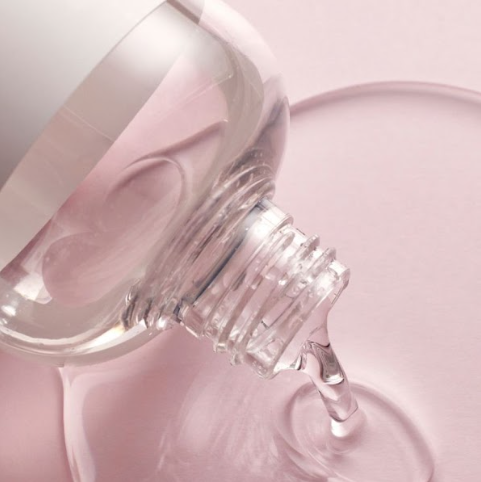

Flip over your favourite K-beauty serum and scan the ingredients list. Somewhere near the top, you’ll probably find Bifida Ferment Lysate (BFL). It sounds like something from a biology textbook. But it might be the most useful thing in your skincare routine right now.
Fermented ingredients have been part of Korean cosmetic formulation for decades, which makes cultural sense in a country where fermentation is a way of life. Kimchi, doenjang, makgeolli—fermentation is in the food and the tradition. It was only a matter of time before the beauty industry caught up.
BFL came onto the global radar when Lancôme put it at the centre of their Advanced Génifique serum. It was when everyone wanted to know what it was. But Korean brands had been formulating with it for years at higher concentrations and in the essences and toners that sit at the heart of a K-beauty routine.


.PNG)
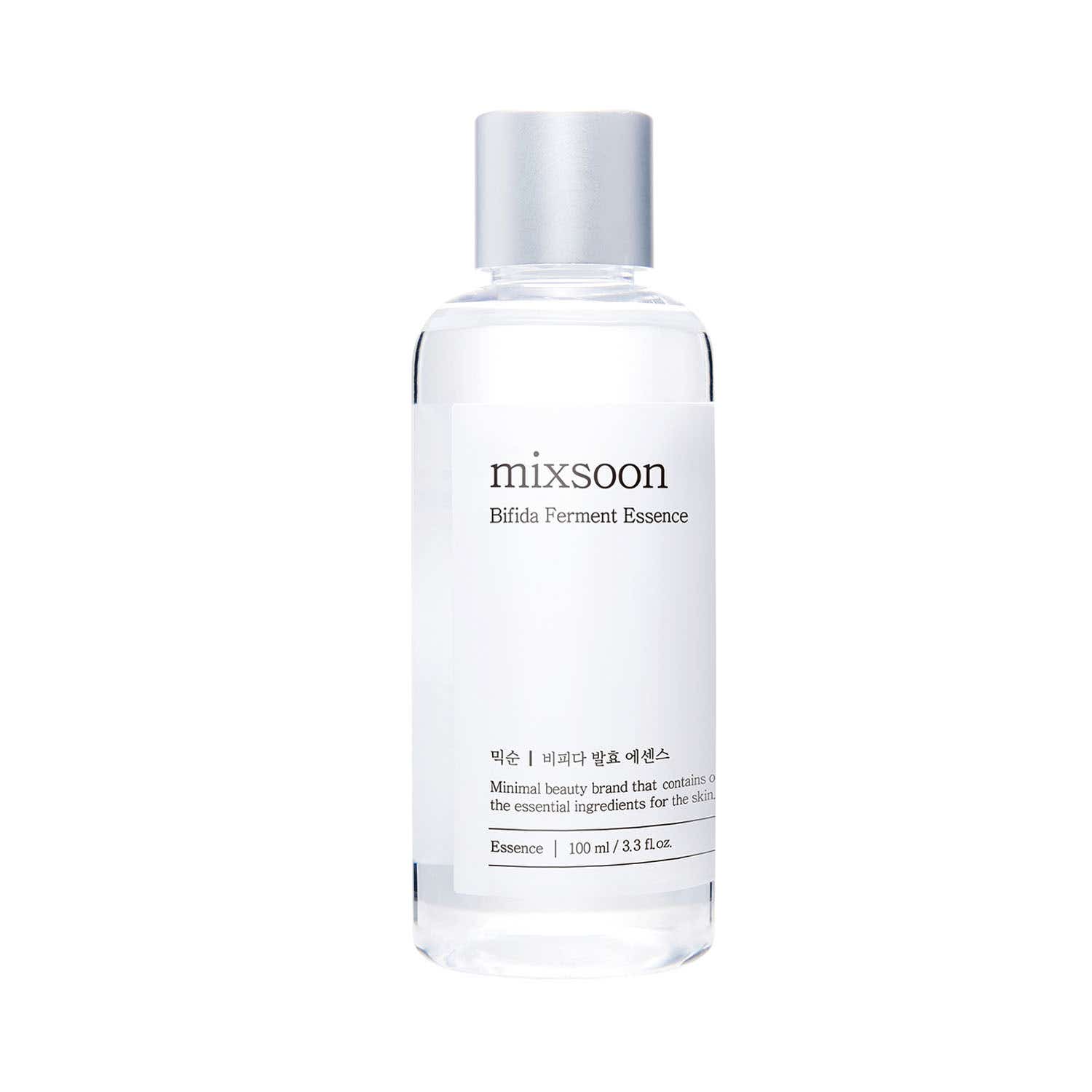
This formula uses multiple molecular weights of hyaluronic acid, allowing hydration to reach different levels of the skin rather than staying on the surface. It’s a more complete approach that helps maintain moisture for longer. Beta-glucan adds a calming element, supporting the skin barrier and reducing irritation.
The texture is lightweight with a slight bounce, spreading easily and absorbing quickly. It suits most skin types, including oily and combination, and leaves skin feeling properly hydrated and plump without heaviness.
Bifida—a powerhouse probiotic that strengthens, repairs, and restores balance. Think of it as a gut-health boost, but for your skin. This Mixsoon mask is gentle yet mighty, leaving your complexion healthier, stronger, and more radiant than before. It is ideal for sensitive or compromised skin.
Bifida Ferment Lysate is a postbiotic. It sounds complicated, but the idea is simple: you take Bifidobacterium—a strain of bacteria that lives naturally in the gut and on healthy skin—ferment it, break it down and collect what’s left. That liquid, rich in proteins, enzymes and amino acids, is what goes into your skincare.
Here’s something that doesn't get said enough: your skin barrier is doing an extraordinary amount of work, all day, every day, without you thinking about it once. It’s the outermost layer of your skin—a tightly packed structure of skin cells held together by a mix of fats, functioning like a wall between you and everything the world is throwing at you: pollution, UV, bacteria, wind, the cold. When it’s working well, you barely notice it. Skin feels comfortable, looks even, holds onto moisture without trying. When it’s not working well, you know. There’s tightness after cleansing. Redness appears out of nowhere. There’s a general sense that your skin is just annoyed constantly.
The frustrating thing is how easy it is to damage the barrier without meaning to. Over-exfoliating, using too many actives at once, stress, pollution, even tap water, over time, can strip it down. The barrier is resilient, but it has limits—and most of us are pushing them.
This is where BFL earns its place. Because it’s derived from bacteria the skin already knows, it doesn’t land like a foreign substance trying to do a job. It lands like a signal the skin was waiting for. The result is skin that rebuilds, rebalances and recovers, rather than just being acted upon.
It rebuilds the barrier from the inside out. BFL tells your skin to produce more of the proteins that hold its outer layer together. When those proteins are depleted, the barrier gets leaky and reactive. BFL helps close the gaps. It puts the microbiome back in order.
Your skin’s surface is home to a community of microorganisms, some helpful, some not. When that community gets thrown off by a new active, a course of antibiotics or a change in climate, the troublesome microorganisms tend to take over—which is often why acne flares up when you’d least expect it. BFL helps restore the balance.
If any of the following sounds familiar, the barrier-restoring ingredient should be a non-negotiable in your routine:
The best thing about BFL, aside from what it does, is how easy it is to live with. Use it early in your routine. It’s most commonly found in toners, essences and lightweight serums—the steps that come before heavier treatments and moisturisers. Apply it when your skin is clean and most ready to absorb.
Pair it with the obvious allies like ceramides, niacinamide and hyaluronic acid. They’re all working towards the same goal of a healthy, hydrated barrier. Layering them with BFL will give your skin everything it needs at once.
Unlike actives that need to be used carefully, BFL is gentle enough for morning and night, and for daily use. It gets more effective the more consistently you use it. Also, the higher up BFL appears on an ingredient list, the more of it is in the formula. If it’s buried near the bottom, it’s essentially decorative. Look for it in the top half—that’s where concentrations are high enough to do something.
The best BFL formulas tend to pair it with ingredients working in the same direction. Lactobacillus Ferment is another postbiotic that helps keep the skin’s microbiome balanced. Beta-glucan calms and plumps. Panthenol speeds up barrier repair. Ceramides directly replenish the fats the barrier needs to stay intact. Any combination of these alongside BFL is a very good sign.
Korean beauty has always played a long game. BFL is proof that the most effective ingredients aren’t always the loudest ones. Sometimes, they’re just the ones that have been there all along.
Bifida Ferment Lysate is a postbiotic. It sounds complicated, but the idea is simple: you take Bifidobacterium—a strain of bacteria that lives naturally in the gut and on healthy skin—ferment it, break it down and collect what’s left. That liquid, rich in proteins, enzymes and amino acids, is what goes into your skincare.
Here’s something that doesn't get said enough: your skin barrier is doing an extraordinary amount of work, all day, every day, without you thinking about it once. It’s the outermost layer of your skin—a tightly packed structure of skin cells held together by a mix of fats, functioning like a wall between you and everything the world is throwing at you: pollution, UV, bacteria, wind, the cold. When it’s working well, you barely notice it. Skin feels comfortable, looks even, holds onto moisture without trying. When it’s not working well, you know. There’s tightness after cleansing. Redness appears out of nowhere. There’s a general sense that your skin is just annoyed constantly.
The frustrating thing is how easy it is to damage the barrier without meaning to. Over-exfoliating, using too many actives at once, stress, pollution, even tap water, over time, can strip it down. The barrier is resilient, but it has limits—and most of us are pushing them.
This is where BFL earns its place. Because it’s derived from bacteria the skin already knows, it doesn’t land like a foreign substance trying to do a job. It lands like a signal the skin was waiting for. The result is skin that rebuilds, rebalances and recovers, rather than just being acted upon.
It rebuilds the barrier from the inside out. BFL tells your skin to produce more of the proteins that hold its outer layer together. When those proteins are depleted, the barrier gets leaky and reactive. BFL helps close the gaps. It puts the microbiome back in order.
Your skin’s surface is home to a community of microorganisms, some helpful, some not. When that community gets thrown off by a new active, a course of antibiotics or a change in climate, the troublesome microorganisms tend to take over—which is often why acne flares up when you’d least expect it. BFL helps restore the balance.
If any of the following sounds familiar, the barrier-restoring ingredient should be a non-negotiable in your routine:
The best thing about BFL, aside from what it does, is how easy it is to live with. Use it early in your routine. It’s most commonly found in toners, essences and lightweight serums—the steps that come before heavier treatments and moisturisers. Apply it when your skin is clean and most ready to absorb.
Pair it with the obvious allies like ceramides, niacinamide and hyaluronic acid. They’re all working towards the same goal of a healthy, hydrated barrier. Layering them with BFL will give your skin everything it needs at once.
Unlike actives that need to be used carefully, BFL is gentle enough for morning and night, and for daily use. It gets more effective the more consistently you use it. Also, the higher up BFL appears on an ingredient list, the more of it is in the formula. If it’s buried near the bottom, it’s essentially decorative. Look for it in the top half—that’s where concentrations are high enough to do something.
The best BFL formulas tend to pair it with ingredients working in the same direction. Lactobacillus Ferment is another postbiotic that helps keep the skin’s microbiome balanced. Beta-glucan calms and plumps. Panthenol speeds up barrier repair. Ceramides directly replenish the fats the barrier needs to stay intact. Any combination of these alongside BFL is a very good sign.
Korean beauty has always played a long game. BFL is proof that the most effective ingredients aren’t always the loudest ones. Sometimes, they’re just the ones that have been there all along.


Bifida Ferment Lysate is a postbiotic. It sounds complicated, but the idea is simple: you take Bifidobacterium—a strain of bacteria that lives naturally in the gut and on healthy skin—ferment it, break it down and collect what’s left. That liquid, rich in proteins, enzymes and amino acids, is what goes into your skincare.
Here’s something that doesn't get said enough: your skin barrier is doing an extraordinary amount of work, all day, every day, without you thinking about it once. It’s the outermost layer of your skin—a tightly packed structure of skin cells held together by a mix of fats, functioning like a wall between you and everything the world is throwing at you: pollution, UV, bacteria, wind, the cold. When it’s working well, you barely notice it. Skin feels comfortable, looks even, holds onto moisture without trying. When it’s not working well, you know. There’s tightness after cleansing. Redness appears out of nowhere. There’s a general sense that your skin is just annoyed constantly.
The frustrating thing is how easy it is to damage the barrier without meaning to. Over-exfoliating, using too many actives at once, stress, pollution, even tap water, over time, can strip it down. The barrier is resilient, but it has limits—and most of us are pushing them.
This is where BFL earns its place. Because it’s derived from bacteria the skin already knows, it doesn’t land like a foreign substance trying to do a job. It lands like a signal the skin was waiting for. The result is skin that rebuilds, rebalances and recovers, rather than just being acted upon.
It rebuilds the barrier from the inside out. BFL tells your skin to produce more of the proteins that hold its outer layer together. When those proteins are depleted, the barrier gets leaky and reactive. BFL helps close the gaps. It puts the microbiome back in order.
Your skin’s surface is home to a community of microorganisms, some helpful, some not. When that community gets thrown off by a new active, a course of antibiotics or a change in climate, the troublesome microorganisms tend to take over—which is often why acne flares up when you’d least expect it. BFL helps restore the balance.
If any of the following sounds familiar, the barrier-restoring ingredient should be a non-negotiable in your routine:
The best thing about BFL, aside from what it does, is how easy it is to live with. Use it early in your routine. It’s most commonly found in toners, essences and lightweight serums—the steps that come before heavier treatments and moisturisers. Apply it when your skin is clean and most ready to absorb.
Pair it with the obvious allies like ceramides, niacinamide and hyaluronic acid. They’re all working towards the same goal of a healthy, hydrated barrier. Layering them with BFL will give your skin everything it needs at once.
Unlike actives that need to be used carefully, BFL is gentle enough for morning and night, and for daily use. It gets more effective the more consistently you use it. Also, the higher up BFL appears on an ingredient list, the more of it is in the formula. If it’s buried near the bottom, it’s essentially decorative. Look for it in the top half—that’s where concentrations are high enough to do something.
The best BFL formulas tend to pair it with ingredients working in the same direction. Lactobacillus Ferment is another postbiotic that helps keep the skin’s microbiome balanced. Beta-glucan calms and plumps. Panthenol speeds up barrier repair. Ceramides directly replenish the fats the barrier needs to stay intact. Any combination of these alongside BFL is a very good sign.
Korean beauty has always played a long game. BFL is proof that the most effective ingredients aren’t always the loudest ones. Sometimes, they’re just the ones that have been there all along.