

Ingredient Lab
Encapsulated actives: The K-beauty products where the formula literally bursts on your skin
Read Now


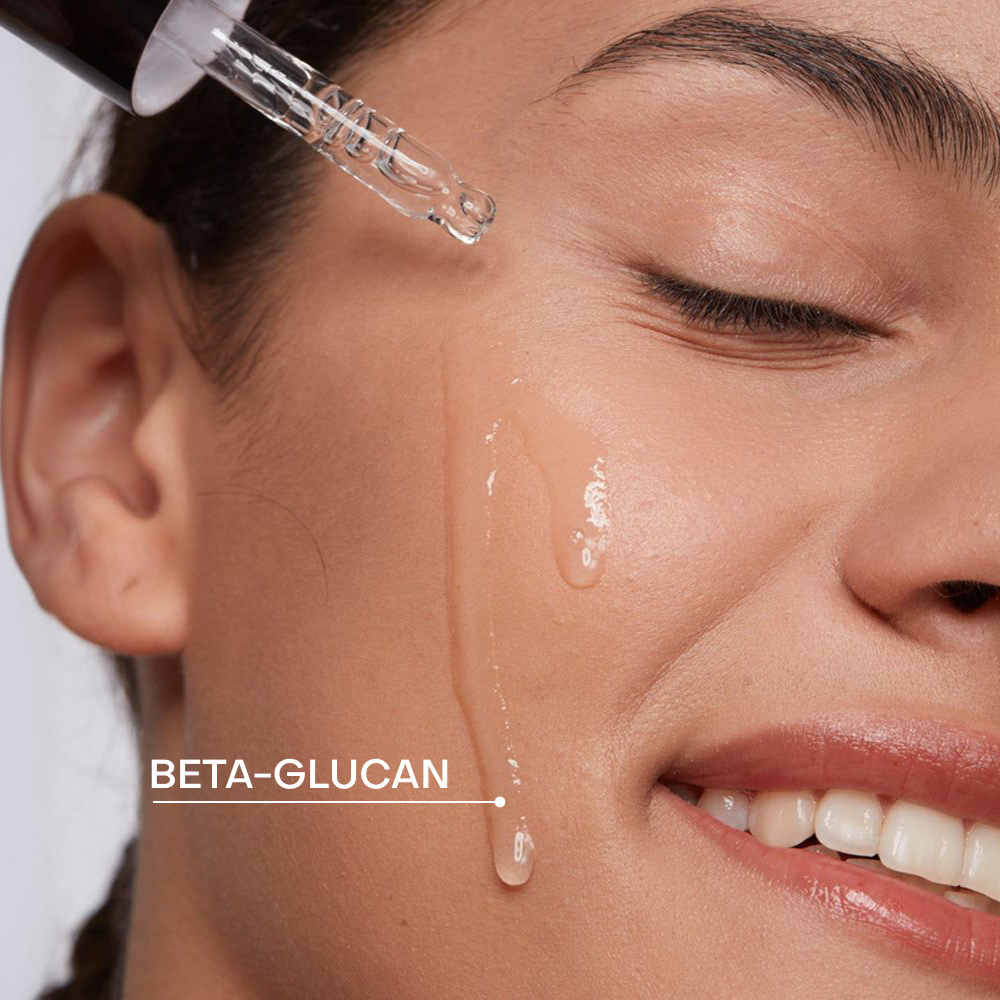

While retinol was getting its own Reddit threads and vitamin C was collecting a cult following, beta-glucan was doing some of the most important work in skincare—strengthening the barrier, calming angry skin and making every other product in your routine perform better. Dermatologists have been recommending it for years. The beauty internet is only just catching up.
If your skin tends to feel reactive, tight after cleansing or just a little sensitive for no obvious reason, this one’s worth knowing about.
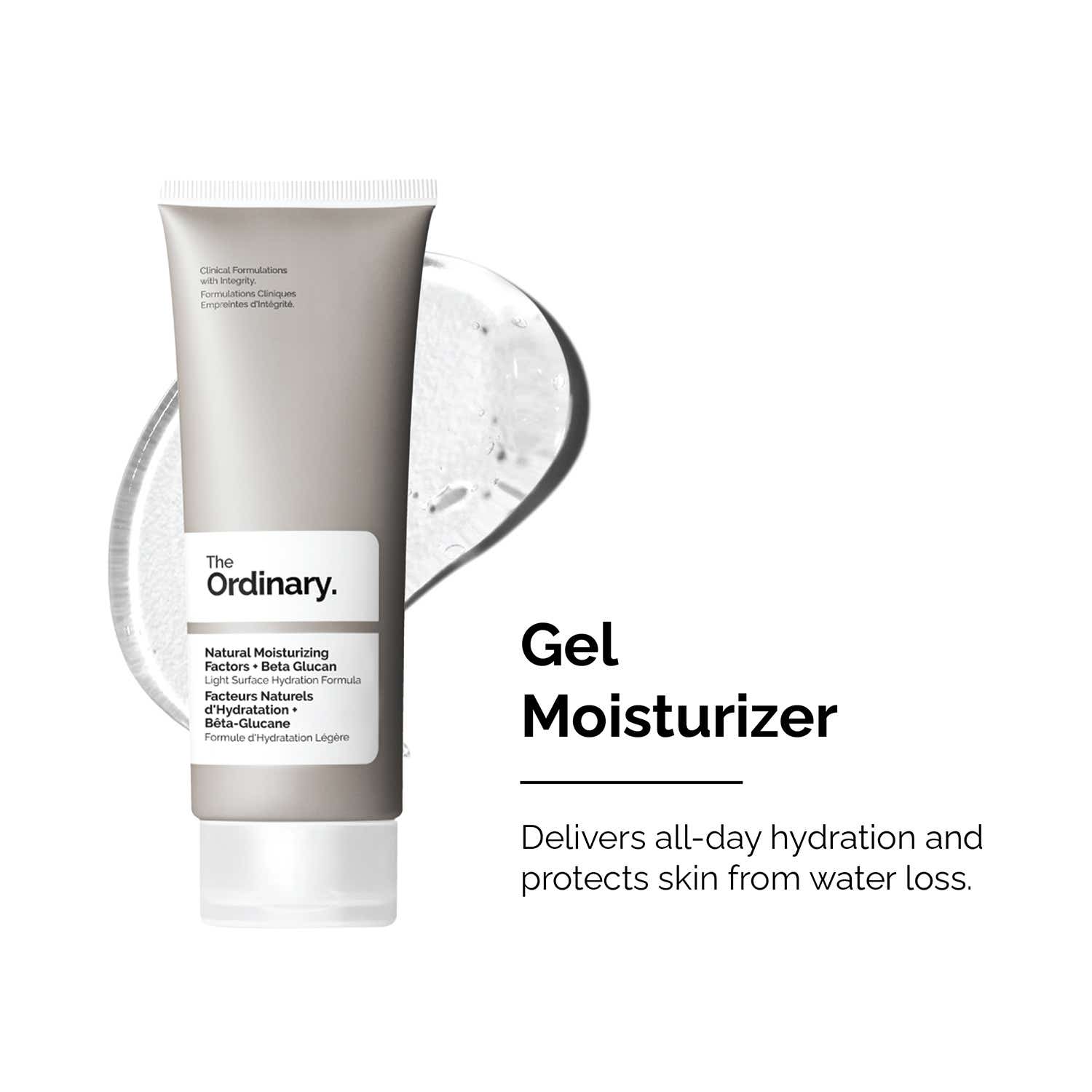


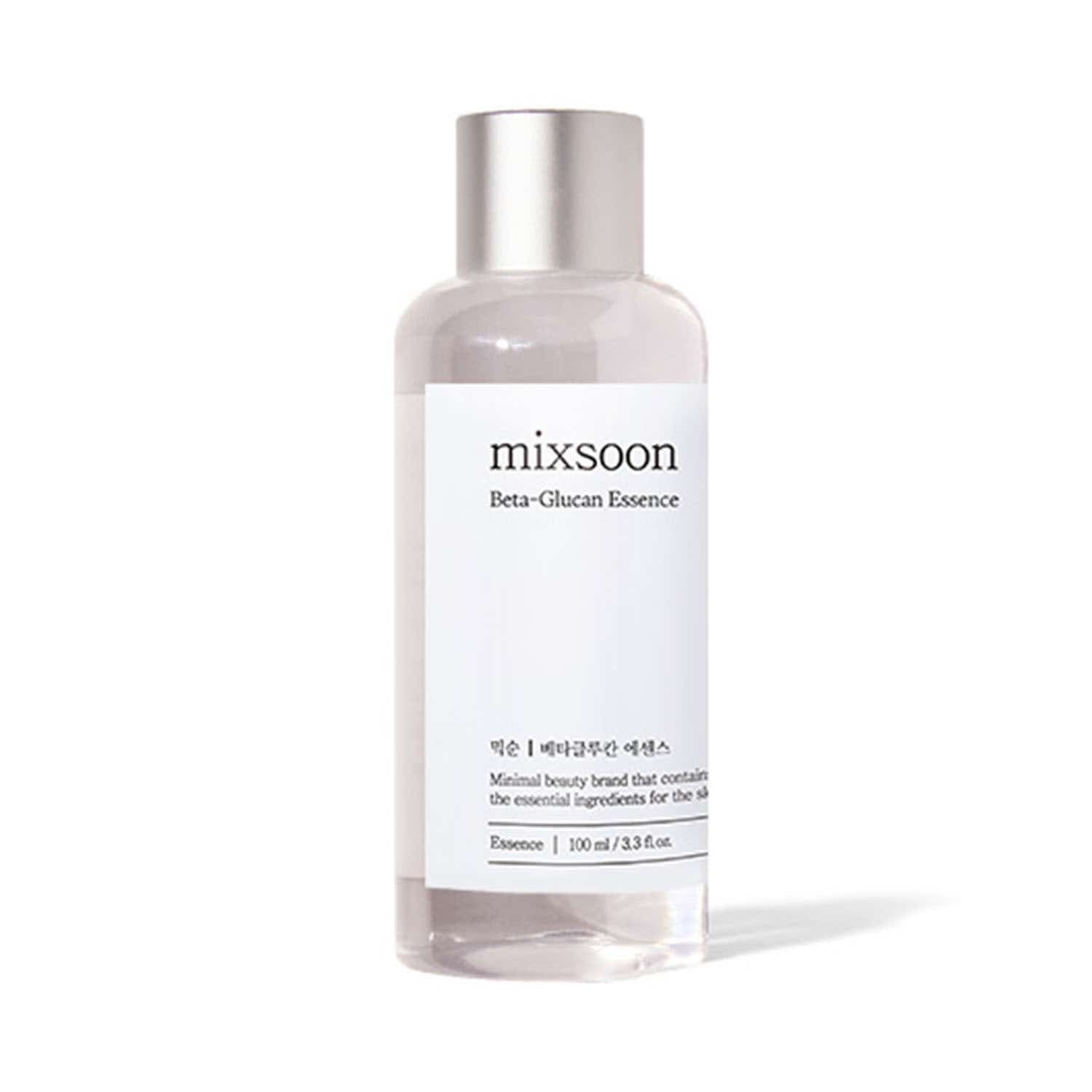
The Ordinary keeps this one simple and effective. Natural moisturising factors are compounds already found in the skin that help keep it hydrated, and this formula helps replenish them when your barrier feels depleted. Beta glucan adds another layer of support by helping soothe and hydrate the skin. Lightweight, straightforward and easy to use, it is a solid everyday moisturiser for barrier care on a budget.
The skincare equivalent of stepping outside for air. This cooling mist instantly soothes tight, tired skin without feeling sticky. With bamboo extract and a light gel-water texture, it hydrates while giving you a subtle fresh feeling—no perfume-y finish, just skin that feels calmer and more alive. A great one to keep at your desk or bedside table.
It’s a naturally occurring sugar molecule—found in oats, yeast, mushrooms and barley—that your skin responds to really well. In skincare terms, it’s a humectant (meaning it draws moisture in and holds it there) and a barrier-strengthening ingredient. These are two things your skin needs consistently, not just when it’s in crisis.
The comparison that usually comes up is hyaluronic acid—and beta-glucan can hold its own. Some research suggests it retains moisture just as effectively, while being gentler on skin that tends to react. What makes it particularly interesting is that it works a little deeper than most hydrators: it activates the skin’s own repair response, helping it recognise damage and recover faster. It also promises calmer, bouncier, more resilient skin, without the adjustment period that stronger actives require.
Think of your skin barrier as the thing that decides what stays in and what stays out. When it’s working well, skin holds moisture, stays balanced and shrugs off irritation. When it’s not—from over-exfoliation, sun exposure, stress or just using too many actives at once—everything starts to feel a bit off, your skin is reactive to products you’ve used for years, it feels tight and it’s slow to heal after a breakout.
Beta-glucan helps restore that balance. It hydrates, yes, but it also tells the skin to start repairing itself, which means fewer flare-ups, less post-breakout redness and a general improvement in how your skin handles everything you throw at it. It’s also genuinely soothing, so if you’ve pushed too hard with exfoliation or retinol and need something to calm your skin down, this is a solid choice.
And for anyone who avoids heavy barrier products because they’re worried about congestion: beta-glucan is lightweight and non-comedogenic. Oily and acne-prone skin needs barrier support too.
It shows up in serums, moisturisers and sheet masks, so there are plenty of ways to bring it in without overhauling your whole routine.
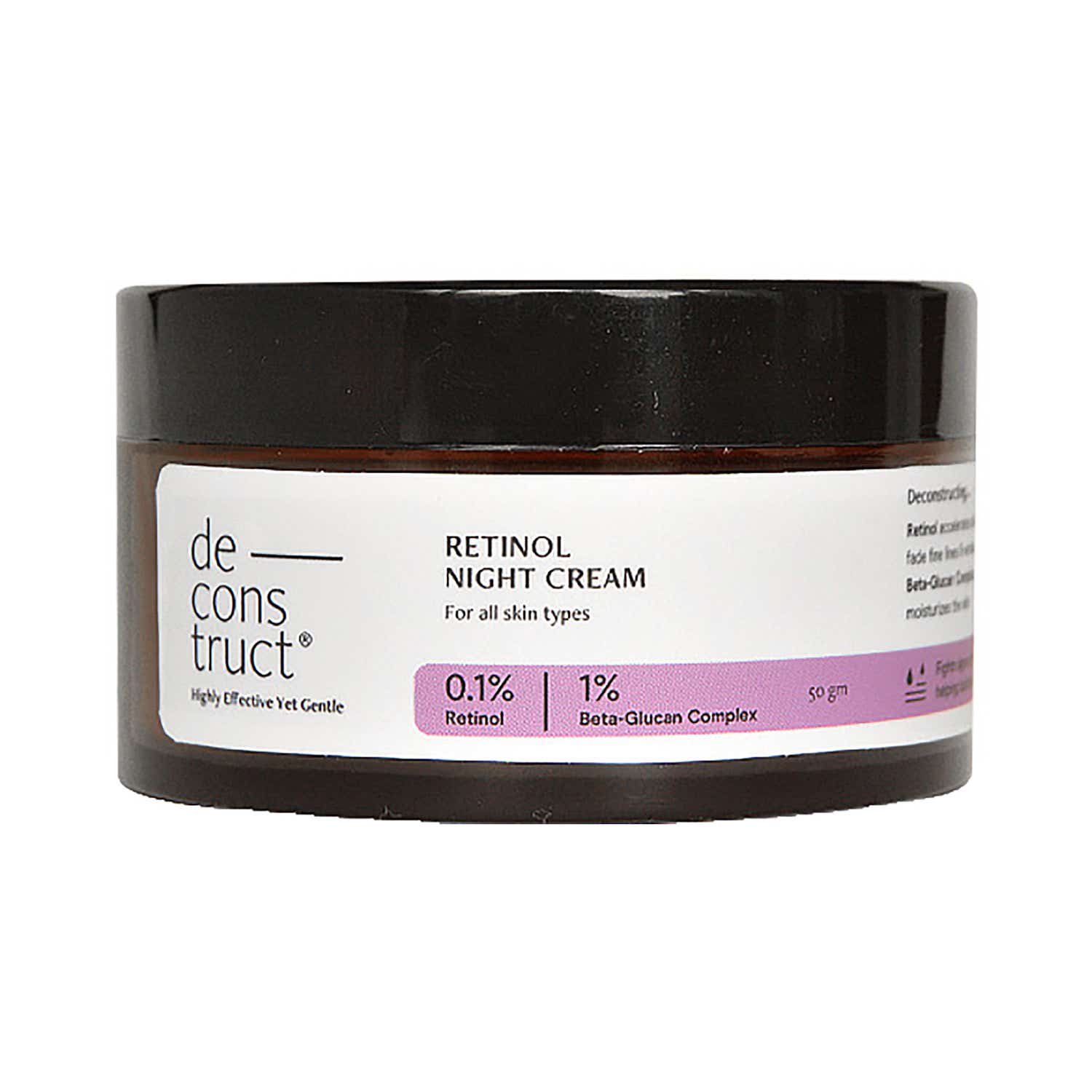
It plays well with almost everything: niacinamide, ceramides, hyaluronic acid. If you’re using retinol or AHAs and finding your skin hasn’t fully adjusted, layering beta-glucan in can help take the edge off. It doesn’t interfere with your actives—if anything, it makes your skin more capable of tolerating them over time.
It’s a naturally occurring sugar molecule—found in oats, yeast, mushrooms and barley—that your skin responds to really well. In skincare terms, it’s a humectant (meaning it draws moisture in and holds it there) and a barrier-strengthening ingredient. These are two things your skin needs consistently, not just when it’s in crisis.
The comparison that usually comes up is hyaluronic acid—and beta-glucan can hold its own. Some research suggests it retains moisture just as effectively, while being gentler on skin that tends to react. What makes it particularly interesting is that it works a little deeper than most hydrators: it activates the skin’s own repair response, helping it recognise damage and recover faster. It also promises calmer, bouncier, more resilient skin, without the adjustment period that stronger actives require.
Think of your skin barrier as the thing that decides what stays in and what stays out. When it’s working well, skin holds moisture, stays balanced and shrugs off irritation. When it’s not—from over-exfoliation, sun exposure, stress or just using too many actives at once—everything starts to feel a bit off, your skin is reactive to products you’ve used for years, it feels tight and it’s slow to heal after a breakout.
Beta-glucan helps restore that balance. It hydrates, yes, but it also tells the skin to start repairing itself, which means fewer flare-ups, less post-breakout redness and a general improvement in how your skin handles everything you throw at it. It’s also genuinely soothing, so if you’ve pushed too hard with exfoliation or retinol and need something to calm your skin down, this is a solid choice.
And for anyone who avoids heavy barrier products because they’re worried about congestion: beta-glucan is lightweight and non-comedogenic. Oily and acne-prone skin needs barrier support too.
It shows up in serums, moisturisers and sheet masks, so there are plenty of ways to bring it in without overhauling your whole routine.
It plays well with almost everything: niacinamide, ceramides, hyaluronic acid. If you’re using retinol or AHAs and finding your skin hasn’t fully adjusted, layering beta-glucan in can help take the edge off. It doesn’t interfere with your actives—if anything, it makes your skin more capable of tolerating them over time.


It’s a naturally occurring sugar molecule—found in oats, yeast, mushrooms and barley—that your skin responds to really well. In skincare terms, it’s a humectant (meaning it draws moisture in and holds it there) and a barrier-strengthening ingredient. These are two things your skin needs consistently, not just when it’s in crisis.
The comparison that usually comes up is hyaluronic acid—and beta-glucan can hold its own. Some research suggests it retains moisture just as effectively, while being gentler on skin that tends to react. What makes it particularly interesting is that it works a little deeper than most hydrators: it activates the skin’s own repair response, helping it recognise damage and recover faster. It also promises calmer, bouncier, more resilient skin, without the adjustment period that stronger actives require.
Think of your skin barrier as the thing that decides what stays in and what stays out. When it’s working well, skin holds moisture, stays balanced and shrugs off irritation. When it’s not—from over-exfoliation, sun exposure, stress or just using too many actives at once—everything starts to feel a bit off, your skin is reactive to products you’ve used for years, it feels tight and it’s slow to heal after a breakout.
Beta-glucan helps restore that balance. It hydrates, yes, but it also tells the skin to start repairing itself, which means fewer flare-ups, less post-breakout redness and a general improvement in how your skin handles everything you throw at it. It’s also genuinely soothing, so if you’ve pushed too hard with exfoliation or retinol and need something to calm your skin down, this is a solid choice.
And for anyone who avoids heavy barrier products because they’re worried about congestion: beta-glucan is lightweight and non-comedogenic. Oily and acne-prone skin needs barrier support too.
It shows up in serums, moisturisers and sheet masks, so there are plenty of ways to bring it in without overhauling your whole routine.
It plays well with almost everything: niacinamide, ceramides, hyaluronic acid. If you’re using retinol or AHAs and finding your skin hasn’t fully adjusted, layering beta-glucan in can help take the edge off. It doesn’t interfere with your actives—if anything, it makes your skin more capable of tolerating them over time.