
Ingredient Lab
What’s really happening when an ingredient is “fermented”
Read Now


If your skin has been behaving strangely this monsoon—a bit more sensitive than usual, products stinging that never used to, a breakout that showed up out of nowhere—you’re not imagining it, and you haven’t done anything wrong. The season just has a way of destabilising things under the surface.
Which is also, coincidentally, when everyone starts asking about ceramide and peptide serums. Both have been having their moment. Both are genuinely worth knowing about. But they do different things, they work at different speeds and when your skin is already feeling fragile, that difference matters quite a lot.
Here’s how to figure out which one your skin is asking for right now.
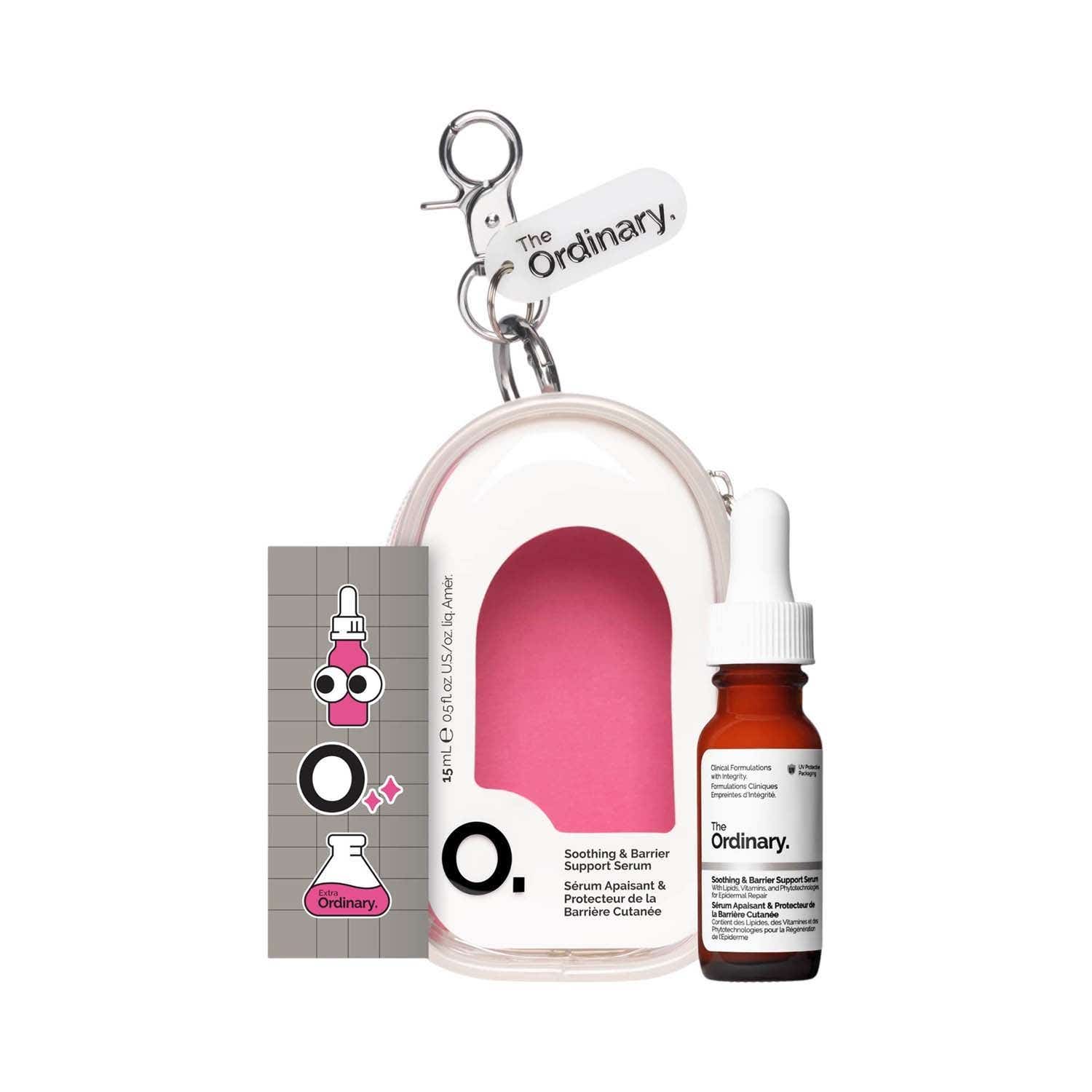
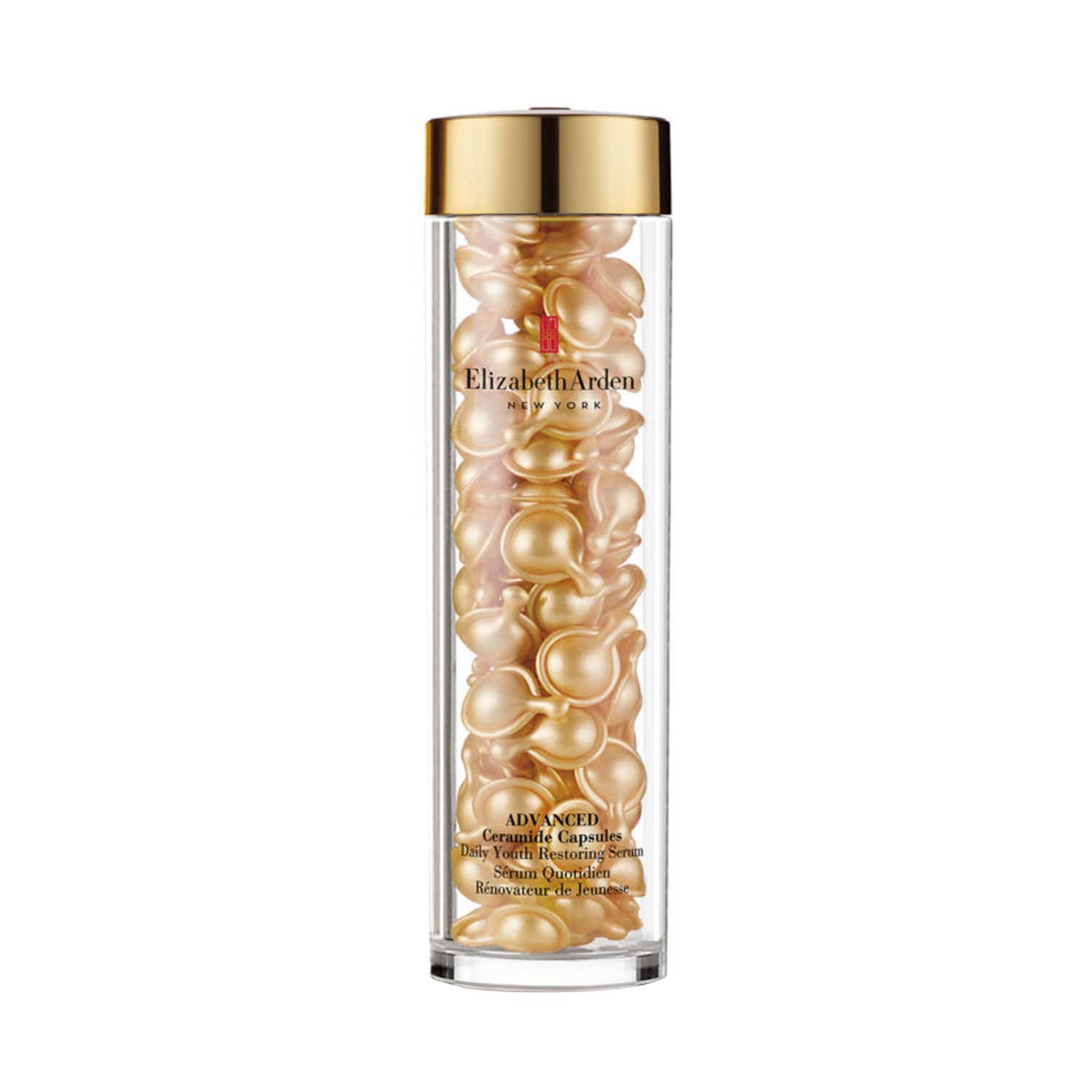
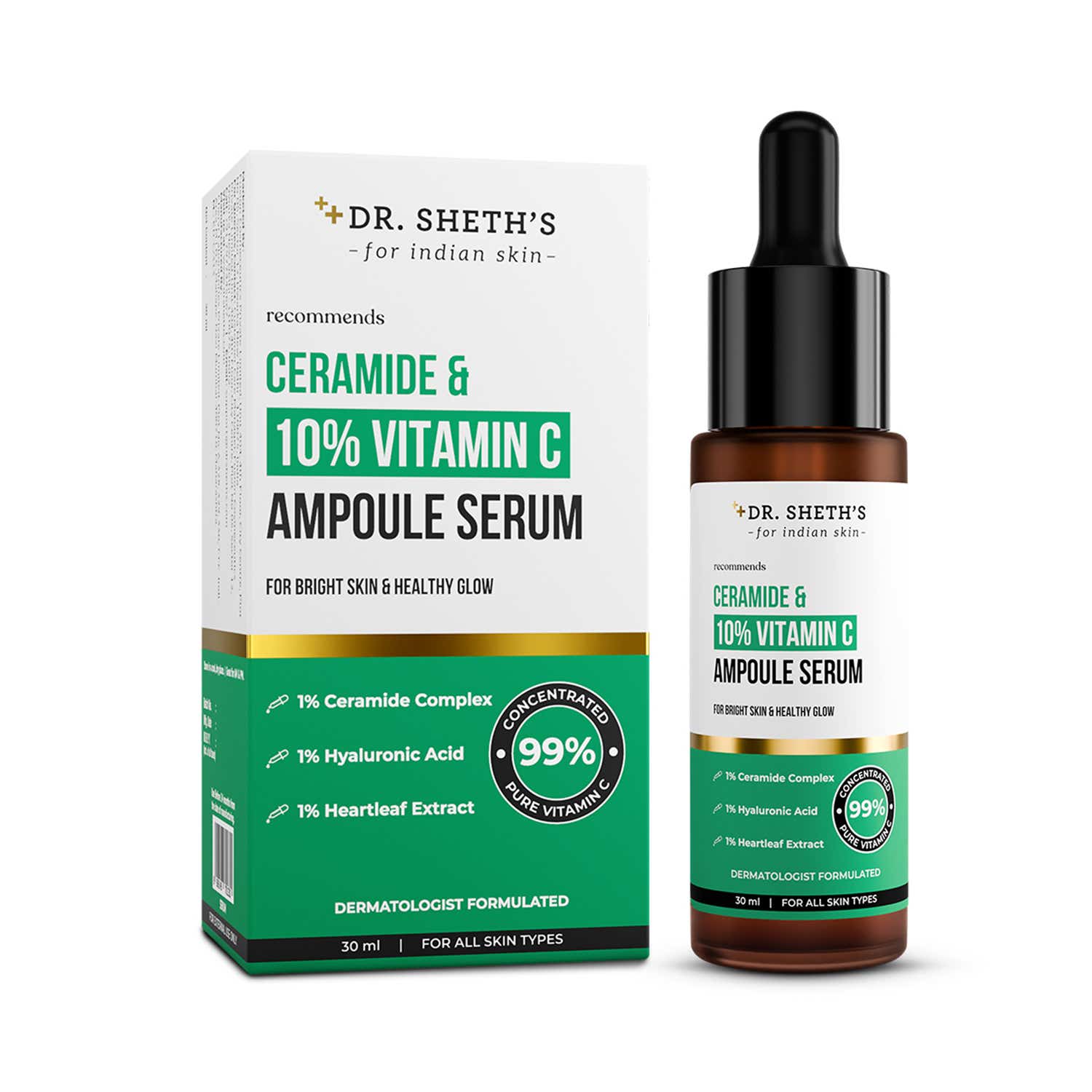
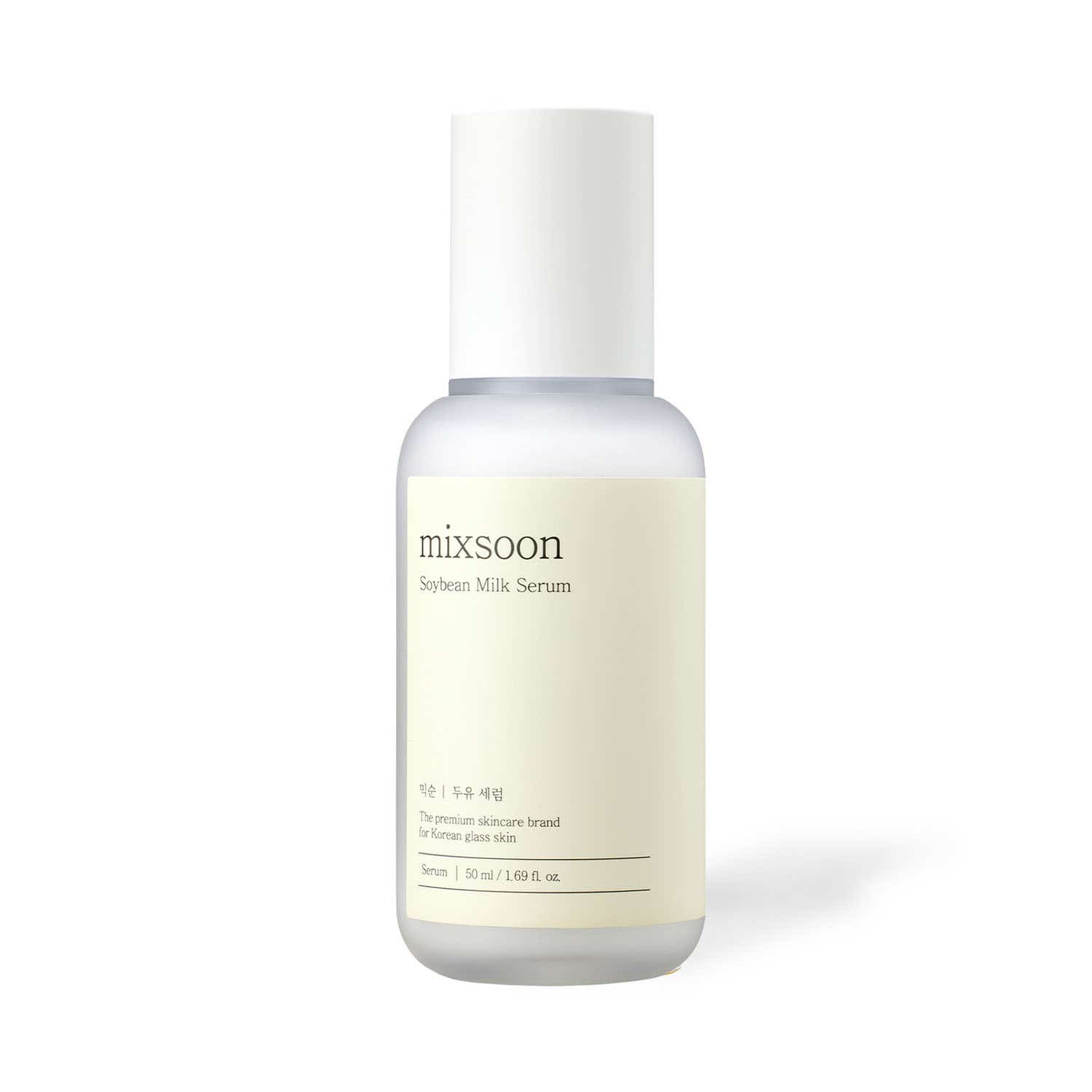
Ceramides are lipids—fat molecules—that your skin naturally produces to hold itself together. Think of the skin barrier as a brick wall: your skin cells are the bricks and ceramides are the mortar filling the gaps between them. When that mortar is intact, moisture stays in, environmental irritants stay out and everything functions as it should.
The problem is that ceramide levels drop over time and a lot of what we encounter daily contributes to it—like humidity, pollution, active exfoliation, air conditioning and certain cleansers. In monsoon specifically, the constant switch between outdoor humidity and air-conditioned interiors is particularly disruptive. The barrier gets confused, and then compromised. The result is skin that feels sensitised, flares up easily and can’t quite hold onto hydration the way it should—something that’s even more noticeable if your skin already leans towards reactivity.
A ceramide serum steps in to quite literally rebuild what’s been lost. Instead of treating a symptom, it’s fixing the structure. And once the structure is sound, everything else in your routine starts working better.
Peptides are short chains of amino acids—the building blocks of proteins like collagen and elastin. When applied topically, they work as signalling agents: they tell the skin that repair is needed, prompting it to produce more collagen, improve elasticity and firm up over time. Some peptides also have targeted roles, like calming inflammation or supporting wound healing.
They’re one of the most research-backed anti-ageing ingredients in skincare and they tend to be gentler than retinol while delivering real, visible results with consistent use.
The key phrase there is consistent use over time. Peptides are a slow build—they’re working at the level of cellular communication, not instant barrier repair. They’re a long game ingredient.
Here’s the thing about humidity: it doesn’t protect your barrier—it can actually worsen the damage. Sweat and sebum dissolve the lipids that hold the barrier together. Wet-then-dry cycles from rain and AC cause the skin to expand and contract. Skin also tends to be more prone to congestion and breakouts during this period, which is frustrating when it already feels like it’s struggling. The underlying cause in most cases is the same: structural instability, not dryness.
This is why ceramides have a clearer brief in monsoon. They address the actual problem—barrier breakdown—rather than the downstream effects of it. When your skin’s foundation is stable, it handles the seasonal chaos better: less sensitivity, fewer reactive flare-ups and a calmer response to everything else you’re putting on it.
Peptides, on the other hand, are most effective when the barrier is in reasonable shape. When the barrier is compromised, there’s less certainty that signalling ingredients are penetrating correctly—and it’s very common for skin to react to actives it normally handles well, especially if it’s going through a reactive or broken-out phase. It’s not a sign that something is wrong with your skin; it’s the barrier telling you it needs support before it can take on anything else.
If you’re choosing one to prioritise this season, ceramides come first. They do the structural work that monsoon specifically demands, rebuilding the barrier, reducing reactivity and giving your skin the resilience it needs to handle humidity, AC and everything else the season throws at it.
That doesn’t mean putting peptides away until October. If your skin is tolerating them well and your barrier feels intact, there’s no reason to stop. But if you’re noticing new sensitivity, unexpected stinging or a general feeling that your skin is more fragile than usual—ceramides first, peptides once things settle.
In terms of layering: ceramide serum goes on after cleansing and toning, before your moisturiser. Peptide serum can sit in the same slot, or after the ceramide layer if you’re using both. Neither requires a separate routine; it’s more about knowing which one is doing the heavy lifting right now.
Ceramides are lipids—fat molecules—that your skin naturally produces to hold itself together. Think of the skin barrier as a brick wall: your skin cells are the bricks and ceramides are the mortar filling the gaps between them. When that mortar is intact, moisture stays in, environmental irritants stay out and everything functions as it should.
The problem is that ceramide levels drop over time and a lot of what we encounter daily contributes to it—like humidity, pollution, active exfoliation, air conditioning and certain cleansers. In monsoon specifically, the constant switch between outdoor humidity and air-conditioned interiors is particularly disruptive. The barrier gets confused, and then compromised. The result is skin that feels sensitised, flares up easily and can’t quite hold onto hydration the way it should—something that’s even more noticeable if your skin already leans towards reactivity.
A ceramide serum steps in to quite literally rebuild what’s been lost. Instead of treating a symptom, it’s fixing the structure. And once the structure is sound, everything else in your routine starts working better.
Peptides are short chains of amino acids—the building blocks of proteins like collagen and elastin. When applied topically, they work as signalling agents: they tell the skin that repair is needed, prompting it to produce more collagen, improve elasticity and firm up over time. Some peptides also have targeted roles, like calming inflammation or supporting wound healing.
They’re one of the most research-backed anti-ageing ingredients in skincare and they tend to be gentler than retinol while delivering real, visible results with consistent use.
The key phrase there is consistent use over time. Peptides are a slow build—they’re working at the level of cellular communication, not instant barrier repair. They’re a long game ingredient.
Here’s the thing about humidity: it doesn’t protect your barrier—it can actually worsen the damage. Sweat and sebum dissolve the lipids that hold the barrier together. Wet-then-dry cycles from rain and AC cause the skin to expand and contract. Skin also tends to be more prone to congestion and breakouts during this period, which is frustrating when it already feels like it’s struggling. The underlying cause in most cases is the same: structural instability, not dryness.
This is why ceramides have a clearer brief in monsoon. They address the actual problem—barrier breakdown—rather than the downstream effects of it. When your skin’s foundation is stable, it handles the seasonal chaos better: less sensitivity, fewer reactive flare-ups and a calmer response to everything else you’re putting on it.
Peptides, on the other hand, are most effective when the barrier is in reasonable shape. When the barrier is compromised, there’s less certainty that signalling ingredients are penetrating correctly—and it’s very common for skin to react to actives it normally handles well, especially if it’s going through a reactive or broken-out phase. It’s not a sign that something is wrong with your skin; it’s the barrier telling you it needs support before it can take on anything else.
If you’re choosing one to prioritise this season, ceramides come first. They do the structural work that monsoon specifically demands, rebuilding the barrier, reducing reactivity and giving your skin the resilience it needs to handle humidity, AC and everything else the season throws at it.
That doesn’t mean putting peptides away until October. If your skin is tolerating them well and your barrier feels intact, there’s no reason to stop. But if you’re noticing new sensitivity, unexpected stinging or a general feeling that your skin is more fragile than usual—ceramides first, peptides once things settle.
In terms of layering: ceramide serum goes on after cleansing and toning, before your moisturiser. Peptide serum can sit in the same slot, or after the ceramide layer if you’re using both. Neither requires a separate routine; it’s more about knowing which one is doing the heavy lifting right now.
Ceramides are lipids—fat molecules—that your skin naturally produces to hold itself together. Think of the skin barrier as a brick wall: your skin cells are the bricks and ceramides are the mortar filling the gaps between them. When that mortar is intact, moisture stays in, environmental irritants stay out and everything functions as it should.
The problem is that ceramide levels drop over time and a lot of what we encounter daily contributes to it—like humidity, pollution, active exfoliation, air conditioning and certain cleansers. In monsoon specifically, the constant switch between outdoor humidity and air-conditioned interiors is particularly disruptive. The barrier gets confused, and then compromised. The result is skin that feels sensitised, flares up easily and can’t quite hold onto hydration the way it should—something that’s even more noticeable if your skin already leans towards reactivity.
A ceramide serum steps in to quite literally rebuild what’s been lost. Instead of treating a symptom, it’s fixing the structure. And once the structure is sound, everything else in your routine starts working better.
Peptides are short chains of amino acids—the building blocks of proteins like collagen and elastin. When applied topically, they work as signalling agents: they tell the skin that repair is needed, prompting it to produce more collagen, improve elasticity and firm up over time. Some peptides also have targeted roles, like calming inflammation or supporting wound healing.
They’re one of the most research-backed anti-ageing ingredients in skincare and they tend to be gentler than retinol while delivering real, visible results with consistent use.
The key phrase there is consistent use over time. Peptides are a slow build—they’re working at the level of cellular communication, not instant barrier repair. They’re a long game ingredient.
Here’s the thing about humidity: it doesn’t protect your barrier—it can actually worsen the damage. Sweat and sebum dissolve the lipids that hold the barrier together. Wet-then-dry cycles from rain and AC cause the skin to expand and contract. Skin also tends to be more prone to congestion and breakouts during this period, which is frustrating when it already feels like it’s struggling. The underlying cause in most cases is the same: structural instability, not dryness.
This is why ceramides have a clearer brief in monsoon. They address the actual problem—barrier breakdown—rather than the downstream effects of it. When your skin’s foundation is stable, it handles the seasonal chaos better: less sensitivity, fewer reactive flare-ups and a calmer response to everything else you’re putting on it.
Peptides, on the other hand, are most effective when the barrier is in reasonable shape. When the barrier is compromised, there’s less certainty that signalling ingredients are penetrating correctly—and it’s very common for skin to react to actives it normally handles well, especially if it’s going through a reactive or broken-out phase. It’s not a sign that something is wrong with your skin; it’s the barrier telling you it needs support before it can take on anything else.
If you’re choosing one to prioritise this season, ceramides come first. They do the structural work that monsoon specifically demands, rebuilding the barrier, reducing reactivity and giving your skin the resilience it needs to handle humidity, AC and everything else the season throws at it.
That doesn’t mean putting peptides away until October. If your skin is tolerating them well and your barrier feels intact, there’s no reason to stop. But if you’re noticing new sensitivity, unexpected stinging or a general feeling that your skin is more fragile than usual—ceramides first, peptides once things settle.
In terms of layering: ceramide serum goes on after cleansing and toning, before your moisturiser. Peptide serum can sit in the same slot, or after the ceramide layer if you’re using both. Neither requires a separate routine; it’s more about knowing which one is doing the heavy lifting right now.


Ceramides are lipids—fat molecules—that your skin naturally produces to hold itself together. Think of the skin barrier as a brick wall: your skin cells are the bricks and ceramides are the mortar filling the gaps between them. When that mortar is intact, moisture stays in, environmental irritants stay out and everything functions as it should.
The problem is that ceramide levels drop over time and a lot of what we encounter daily contributes to it—like humidity, pollution, active exfoliation, air conditioning and certain cleansers. In monsoon specifically, the constant switch between outdoor humidity and air-conditioned interiors is particularly disruptive. The barrier gets confused, and then compromised. The result is skin that feels sensitised, flares up easily and can’t quite hold onto hydration the way it should—something that’s even more noticeable if your skin already leans towards reactivity.
A ceramide serum steps in to quite literally rebuild what’s been lost. Instead of treating a symptom, it’s fixing the structure. And once the structure is sound, everything else in your routine starts working better.
Peptides are short chains of amino acids—the building blocks of proteins like collagen and elastin. When applied topically, they work as signalling agents: they tell the skin that repair is needed, prompting it to produce more collagen, improve elasticity and firm up over time. Some peptides also have targeted roles, like calming inflammation or supporting wound healing.
They’re one of the most research-backed anti-ageing ingredients in skincare and they tend to be gentler than retinol while delivering real, visible results with consistent use.
The key phrase there is consistent use over time. Peptides are a slow build—they’re working at the level of cellular communication, not instant barrier repair. They’re a long game ingredient.
Here’s the thing about humidity: it doesn’t protect your barrier—it can actually worsen the damage. Sweat and sebum dissolve the lipids that hold the barrier together. Wet-then-dry cycles from rain and AC cause the skin to expand and contract. Skin also tends to be more prone to congestion and breakouts during this period, which is frustrating when it already feels like it’s struggling. The underlying cause in most cases is the same: structural instability, not dryness.
This is why ceramides have a clearer brief in monsoon. They address the actual problem—barrier breakdown—rather than the downstream effects of it. When your skin’s foundation is stable, it handles the seasonal chaos better: less sensitivity, fewer reactive flare-ups and a calmer response to everything else you’re putting on it.
Peptides, on the other hand, are most effective when the barrier is in reasonable shape. When the barrier is compromised, there’s less certainty that signalling ingredients are penetrating correctly—and it’s very common for skin to react to actives it normally handles well, especially if it’s going through a reactive or broken-out phase. It’s not a sign that something is wrong with your skin; it’s the barrier telling you it needs support before it can take on anything else.
If you’re choosing one to prioritise this season, ceramides come first. They do the structural work that monsoon specifically demands, rebuilding the barrier, reducing reactivity and giving your skin the resilience it needs to handle humidity, AC and everything else the season throws at it.
That doesn’t mean putting peptides away until October. If your skin is tolerating them well and your barrier feels intact, there’s no reason to stop. But if you’re noticing new sensitivity, unexpected stinging or a general feeling that your skin is more fragile than usual—ceramides first, peptides once things settle.
In terms of layering: ceramide serum goes on after cleansing and toning, before your moisturiser. Peptide serum can sit in the same slot, or after the ceramide layer if you’re using both. Neither requires a separate routine; it’s more about knowing which one is doing the heavy lifting right now.