




Powder Room
MUA Namrata Soni shares the beauty essentials she swears by
Read Now


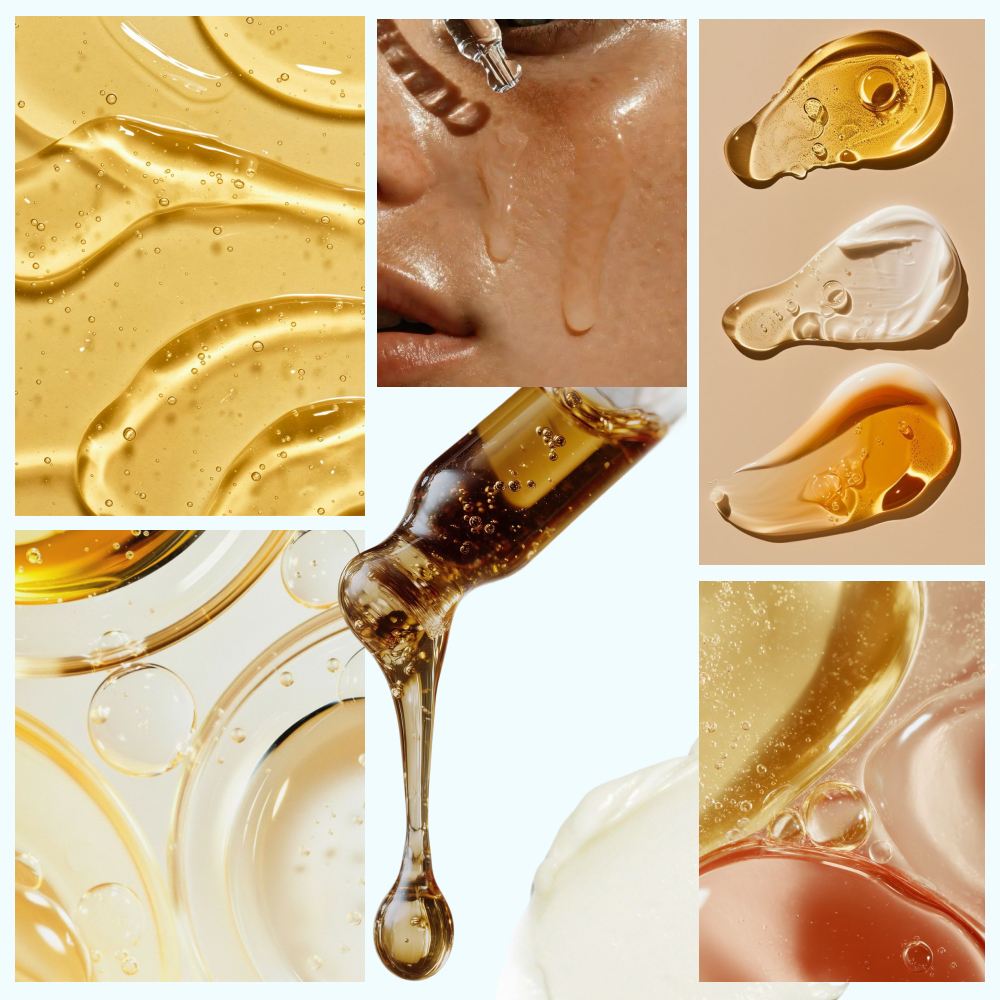

We've all been there—slathering on moisturiser faithfully every single day, only to find our skin still feels tight, dull or somehow thirsty by midday. The culprit (or rather, the missing piece) might not be how much you're moisturising, but what is actually doing the moisturising. Enter: humectants—the unsung heroes of every great skincare routine.
But what exactly are humectants, and why does it feel like every new serum or cream on the market is suddenly leading with one ingredient or another? To cut through the noise and get to the real science, we spoke to Dr Jaishree Sharad, internationally renowned cosmetic dermatologist, author and TEDx speaker, who gave us her inputs on how these ingredients really work—and why they matter more than most of us realise.



.PNG)

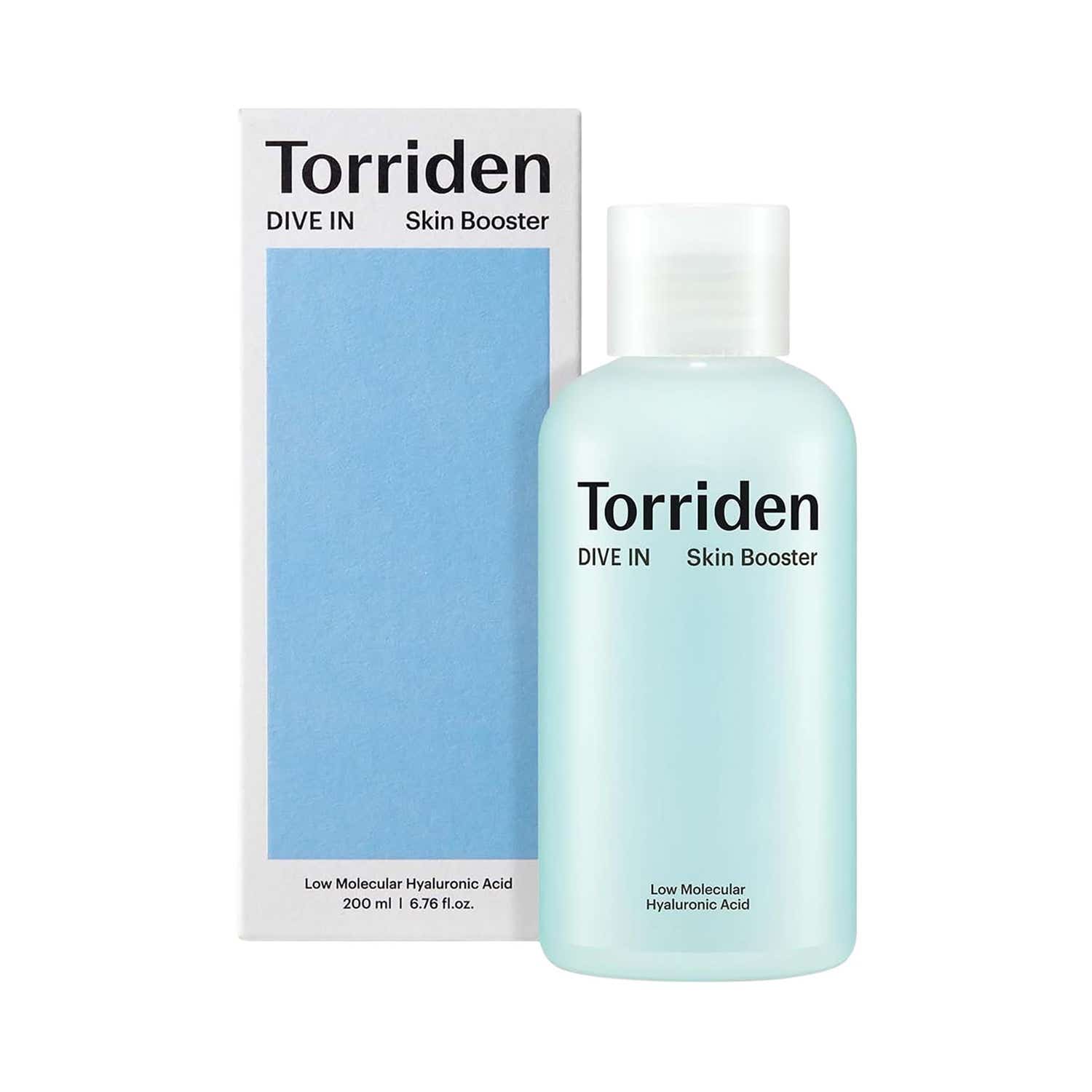
This updated formula uses five molecular weights of hyaluronic acid to deliver hydration at different levels of the skin. Vitamin B5 supports the skin barrier, helping retain that moisture more effectively.
The formula is straightforward, fragrance-free and easy to combine with other products. It’s a reliable option if you want a dedicated hydrating step without adding complexity to your routine.
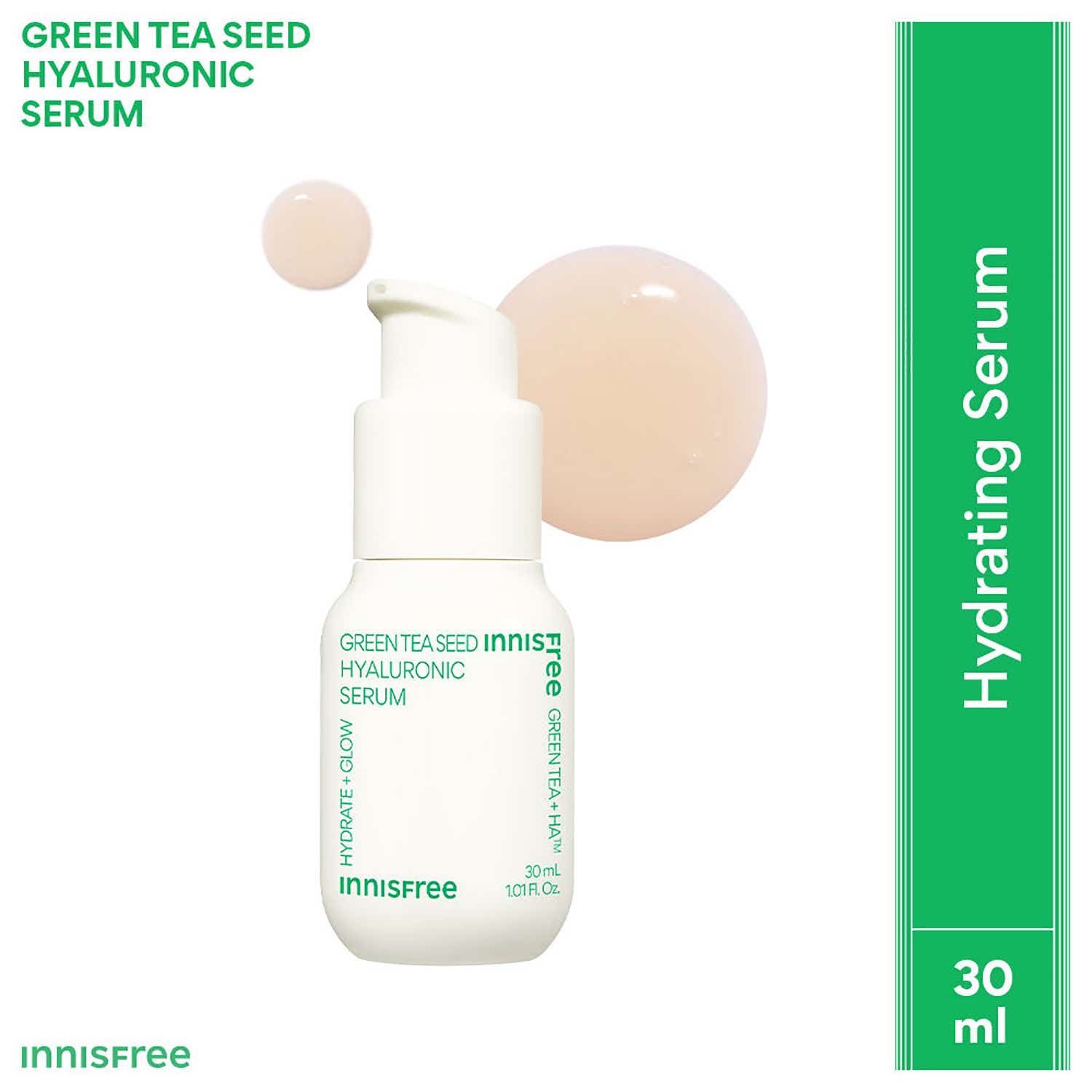
This serum uses three types of hyaluronic acid to deliver layered hydration across different levels of the skin. The focus is on hydration without adding ingredients that could cause irritation or interfere with other actives.
It’s lightweight, fragrance-free and absorbs quickly, making it easy to slot into any routine. It works well as a base layer before heavier products or after exfoliation, when skin needs hydration without additional stimulation.
At their core, humectants have one job: to bring water to the skin. "Humectants are ingredients that attract and retain water from the surroundings," explains Dr Sharad. "They pull in moisture either from the deeper layers of the skin or from environmental humidity to the outer layer of the skin, thus increasing the water content of the epidermis."
To truly appreciate what humectants do, though, it helps to understand where they fit within the broader moisturisation picture—because they're just one piece of the puzzle. "Humectants attract and bind water in the skin. Emollients soften the skin by filling up the spaces between skin cells. Occlusives, on the other hand, create a barrier that traps moisture and prevents water loss," says Dr Sharad. "In other words, emollients and occlusives mainly prevent water loss, while humectants increase the water content in the stratum corneum." In simple terms: humectants attract, emollients smooth, and occlusives seal. Each plays a distinct role—and as we'll see, they work best when used together.
There are more of them than you might expect. "Glycerin, hyaluronic acid, propylene glycol, urea, panthenol and sorbitol are some of the common humectants used in skincare," says Dr Sharad. "Alpha hydroxy acids such as glycolic acid and lactic acid also act as humectants." Yes—your exfoliating acids are pulling double duty.
Of all of these, hyaluronic acid and glycerin tend to get the most airtime, and for good reason. They're both exceptionally effective at drawing moisture into the skin—but they take quite different routes to get there. Hyaluronic acid works on a larger, more structural scale. "It attracts and holds large amounts of water through hydrogen bonding and its negative charge. Its large, flexible structure forms a gel-like network that traps water, helping keep the skin well hydrated and plump," Dr Sharad explains. Glycerin, meanwhile, works at a molecular level with quiet efficiency. "It attracts and holds water with the help of three hydroxyl groups that form strong hydrogen bonds with water. This allows glycerin to draw moisture from the environment and bind it tightly, helping keep the skin hydrated and preventing dryness," she adds.
Here's where many people unknowingly go wrong. Humectants don't work in isolation—and depending on where you live, using one without the right follow-up can actually work against you. "In humid climates, humectants pull water from the atmosphere into the skin, resulting in optimal hydration. In dry climates, they can draw water upward from deeper skin layers. If no occlusive is present, this can potentially worsen surface dryness or irritation over time," says Dr Sharad.
The mechanism behind this is something called trans-epidermal water loss rebound. "Without an occlusive or emollient layer to trap the attracted moisture, water can evaporate back into the air," Dr Sharad warns. "This can make the skin feel tighter or drier immediately after application." It's a good reminder that skincare works best as a system, not a single step.
Sealing that moisture in is where occlusives and emollients earn their place. "Occlusives like petrolatum, squalane and shea butter, when combined with humectants, help reduce evaporation of water through the outermost layer of the skin. Emollients such as ceramides, cholesterol and fatty acids also work hand in hand with humectants to strengthen the lipid barrier," she explains. The takeaway: always follow your humectant with something that locks it in.
Not every humectant suits every skin type, so the right choice does depend on what your skin needs. "For dry skin, humectants like hyaluronic acid, glycerin and low concentrations of urea pair well with occlusives to help seal in moisture. For oily skin, lightweight humectants such as hyaluronic acid and propylene glycol are non-greasy options that help maintain hydration without clogging pores," says Dr Sharad. For those with sensitive skin, the priority is gentleness above all. "Glycerin and panthenol are gentle, non-irritating options. However, individuals with sensitive skin should avoid high concentrations of more reactive alcohol-based humectants," she advises.
The good news is that using humectants effectively doesn't require overhauling your routine—just a bit of intention. "To achieve maximum hydration, apply humectants on clean, slightly damp skin, as this maximizes water binding. Follow this up with an occlusive or emollient product such as a ceramide, petrolatum or dimethicone-based formula to lock the moisture in. In the morning, always finish the routine with sunscreen," says Dr Sharad.
At their core, humectants have one job: to bring water to the skin. "Humectants are ingredients that attract and retain water from the surroundings," explains Dr Sharad. "They pull in moisture either from the deeper layers of the skin or from environmental humidity to the outer layer of the skin, thus increasing the water content of the epidermis."
To truly appreciate what humectants do, though, it helps to understand where they fit within the broader moisturisation picture—because they're just one piece of the puzzle. "Humectants attract and bind water in the skin. Emollients soften the skin by filling up the spaces between skin cells. Occlusives, on the other hand, create a barrier that traps moisture and prevents water loss," says Dr Sharad. "In other words, emollients and occlusives mainly prevent water loss, while humectants increase the water content in the stratum corneum." In simple terms: humectants attract, emollients smooth, and occlusives seal. Each plays a distinct role—and as we'll see, they work best when used together.
There are more of them than you might expect. "Glycerin, hyaluronic acid, propylene glycol, urea, panthenol and sorbitol are some of the common humectants used in skincare," says Dr Sharad. "Alpha hydroxy acids such as glycolic acid and lactic acid also act as humectants." Yes—your exfoliating acids are pulling double duty.
Of all of these, hyaluronic acid and glycerin tend to get the most airtime, and for good reason. They're both exceptionally effective at drawing moisture into the skin—but they take quite different routes to get there. Hyaluronic acid works on a larger, more structural scale. "It attracts and holds large amounts of water through hydrogen bonding and its negative charge. Its large, flexible structure forms a gel-like network that traps water, helping keep the skin well hydrated and plump," Dr Sharad explains. Glycerin, meanwhile, works at a molecular level with quiet efficiency. "It attracts and holds water with the help of three hydroxyl groups that form strong hydrogen bonds with water. This allows glycerin to draw moisture from the environment and bind it tightly, helping keep the skin hydrated and preventing dryness," she adds.
Here's where many people unknowingly go wrong. Humectants don't work in isolation—and depending on where you live, using one without the right follow-up can actually work against you. "In humid climates, humectants pull water from the atmosphere into the skin, resulting in optimal hydration. In dry climates, they can draw water upward from deeper skin layers. If no occlusive is present, this can potentially worsen surface dryness or irritation over time," says Dr Sharad.
The mechanism behind this is something called trans-epidermal water loss rebound. "Without an occlusive or emollient layer to trap the attracted moisture, water can evaporate back into the air," Dr Sharad warns. "This can make the skin feel tighter or drier immediately after application." It's a good reminder that skincare works best as a system, not a single step.
Sealing that moisture in is where occlusives and emollients earn their place. "Occlusives like petrolatum, squalane and shea butter, when combined with humectants, help reduce evaporation of water through the outermost layer of the skin. Emollients such as ceramides, cholesterol and fatty acids also work hand in hand with humectants to strengthen the lipid barrier," she explains. The takeaway: always follow your humectant with something that locks it in.
Not every humectant suits every skin type, so the right choice does depend on what your skin needs. "For dry skin, humectants like hyaluronic acid, glycerin and low concentrations of urea pair well with occlusives to help seal in moisture. For oily skin, lightweight humectants such as hyaluronic acid and propylene glycol are non-greasy options that help maintain hydration without clogging pores," says Dr Sharad. For those with sensitive skin, the priority is gentleness above all. "Glycerin and panthenol are gentle, non-irritating options. However, individuals with sensitive skin should avoid high concentrations of more reactive alcohol-based humectants," she advises.
The good news is that using humectants effectively doesn't require overhauling your routine—just a bit of intention. "To achieve maximum hydration, apply humectants on clean, slightly damp skin, as this maximizes water binding. Follow this up with an occlusive or emollient product such as a ceramide, petrolatum or dimethicone-based formula to lock the moisture in. In the morning, always finish the routine with sunscreen," says Dr Sharad.


At their core, humectants have one job: to bring water to the skin. "Humectants are ingredients that attract and retain water from the surroundings," explains Dr Sharad. "They pull in moisture either from the deeper layers of the skin or from environmental humidity to the outer layer of the skin, thus increasing the water content of the epidermis."
To truly appreciate what humectants do, though, it helps to understand where they fit within the broader moisturisation picture—because they're just one piece of the puzzle. "Humectants attract and bind water in the skin. Emollients soften the skin by filling up the spaces between skin cells. Occlusives, on the other hand, create a barrier that traps moisture and prevents water loss," says Dr Sharad. "In other words, emollients and occlusives mainly prevent water loss, while humectants increase the water content in the stratum corneum." In simple terms: humectants attract, emollients smooth, and occlusives seal. Each plays a distinct role—and as we'll see, they work best when used together.
There are more of them than you might expect. "Glycerin, hyaluronic acid, propylene glycol, urea, panthenol and sorbitol are some of the common humectants used in skincare," says Dr Sharad. "Alpha hydroxy acids such as glycolic acid and lactic acid also act as humectants." Yes—your exfoliating acids are pulling double duty.
Of all of these, hyaluronic acid and glycerin tend to get the most airtime, and for good reason. They're both exceptionally effective at drawing moisture into the skin—but they take quite different routes to get there. Hyaluronic acid works on a larger, more structural scale. "It attracts and holds large amounts of water through hydrogen bonding and its negative charge. Its large, flexible structure forms a gel-like network that traps water, helping keep the skin well hydrated and plump," Dr Sharad explains. Glycerin, meanwhile, works at a molecular level with quiet efficiency. "It attracts and holds water with the help of three hydroxyl groups that form strong hydrogen bonds with water. This allows glycerin to draw moisture from the environment and bind it tightly, helping keep the skin hydrated and preventing dryness," she adds.
Here's where many people unknowingly go wrong. Humectants don't work in isolation—and depending on where you live, using one without the right follow-up can actually work against you. "In humid climates, humectants pull water from the atmosphere into the skin, resulting in optimal hydration. In dry climates, they can draw water upward from deeper skin layers. If no occlusive is present, this can potentially worsen surface dryness or irritation over time," says Dr Sharad.
The mechanism behind this is something called trans-epidermal water loss rebound. "Without an occlusive or emollient layer to trap the attracted moisture, water can evaporate back into the air," Dr Sharad warns. "This can make the skin feel tighter or drier immediately after application." It's a good reminder that skincare works best as a system, not a single step.
Sealing that moisture in is where occlusives and emollients earn their place. "Occlusives like petrolatum, squalane and shea butter, when combined with humectants, help reduce evaporation of water through the outermost layer of the skin. Emollients such as ceramides, cholesterol and fatty acids also work hand in hand with humectants to strengthen the lipid barrier," she explains. The takeaway: always follow your humectant with something that locks it in.
Not every humectant suits every skin type, so the right choice does depend on what your skin needs. "For dry skin, humectants like hyaluronic acid, glycerin and low concentrations of urea pair well with occlusives to help seal in moisture. For oily skin, lightweight humectants such as hyaluronic acid and propylene glycol are non-greasy options that help maintain hydration without clogging pores," says Dr Sharad. For those with sensitive skin, the priority is gentleness above all. "Glycerin and panthenol are gentle, non-irritating options. However, individuals with sensitive skin should avoid high concentrations of more reactive alcohol-based humectants," she advises.
The good news is that using humectants effectively doesn't require overhauling your routine—just a bit of intention. "To achieve maximum hydration, apply humectants on clean, slightly damp skin, as this maximizes water binding. Follow this up with an occlusive or emollient product such as a ceramide, petrolatum or dimethicone-based formula to lock the moisture in. In the morning, always finish the routine with sunscreen," says Dr Sharad.


