


Powder Room
MUA Namrata Soni shares the beauty essentials she swears by
Read Now


.jpg)

If you've ever looked at someone's base makeup and thought it just looked just right—not heavily made up, not bare but somehow smooth and luminous with no visible makeup in sight—you've likely been looking at the faux filter skin effect. The texture is smoothed out and everything looks lit from within, almost as if a gentle soft-focus effect has been placed over the skin in real life. It's a finish that's been taking over beauty conversations lately, and for good reason.
The look has been everywhere: on international runways and across your social media feed. The appeal is obvious. What's less obvious is how to actually recreate it. To understand the technique behind the finish, we spoke to Shradha Luthra, luxury bridal makeup artist, educator and one of our Expert Panellists, who breaks it all down from the very first step.

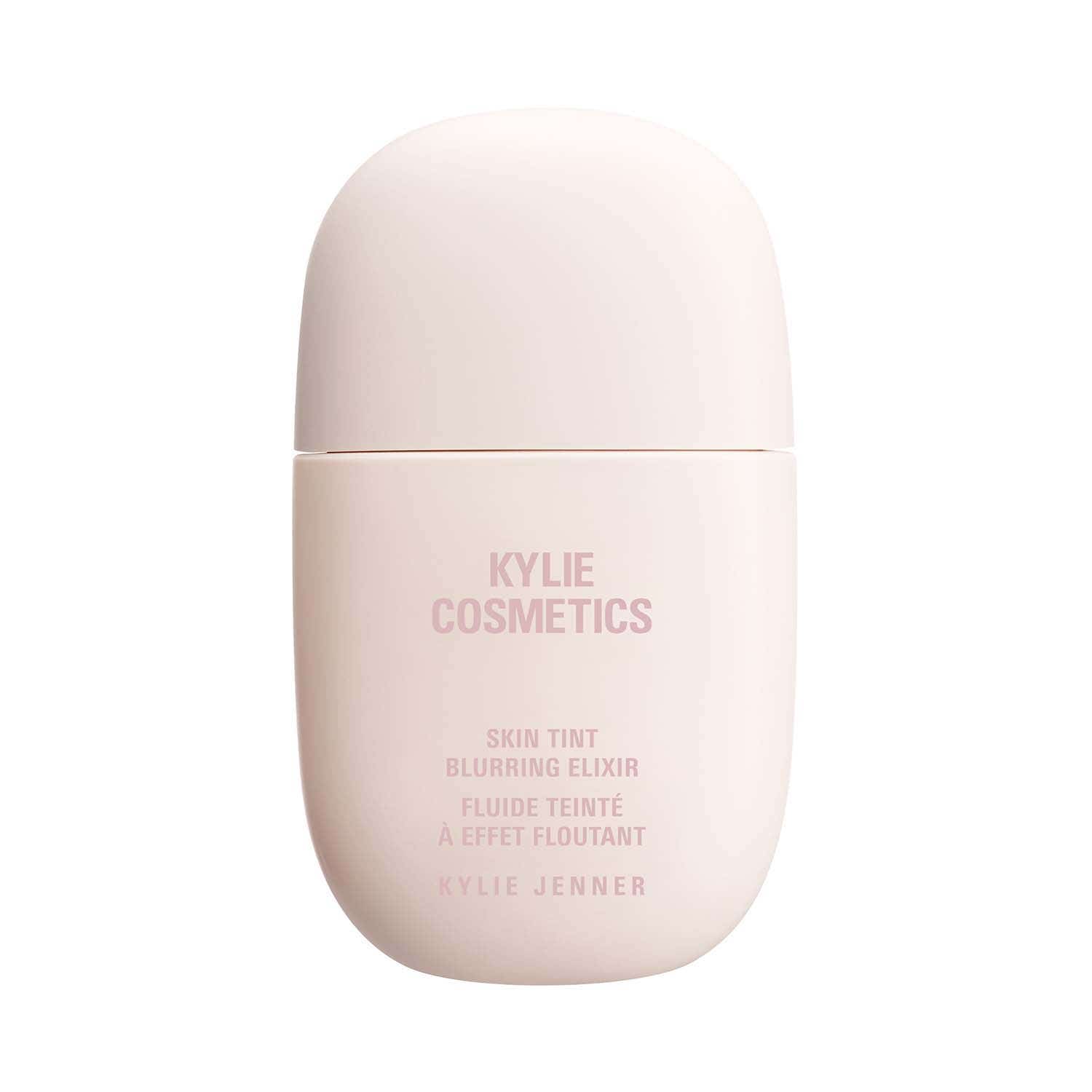


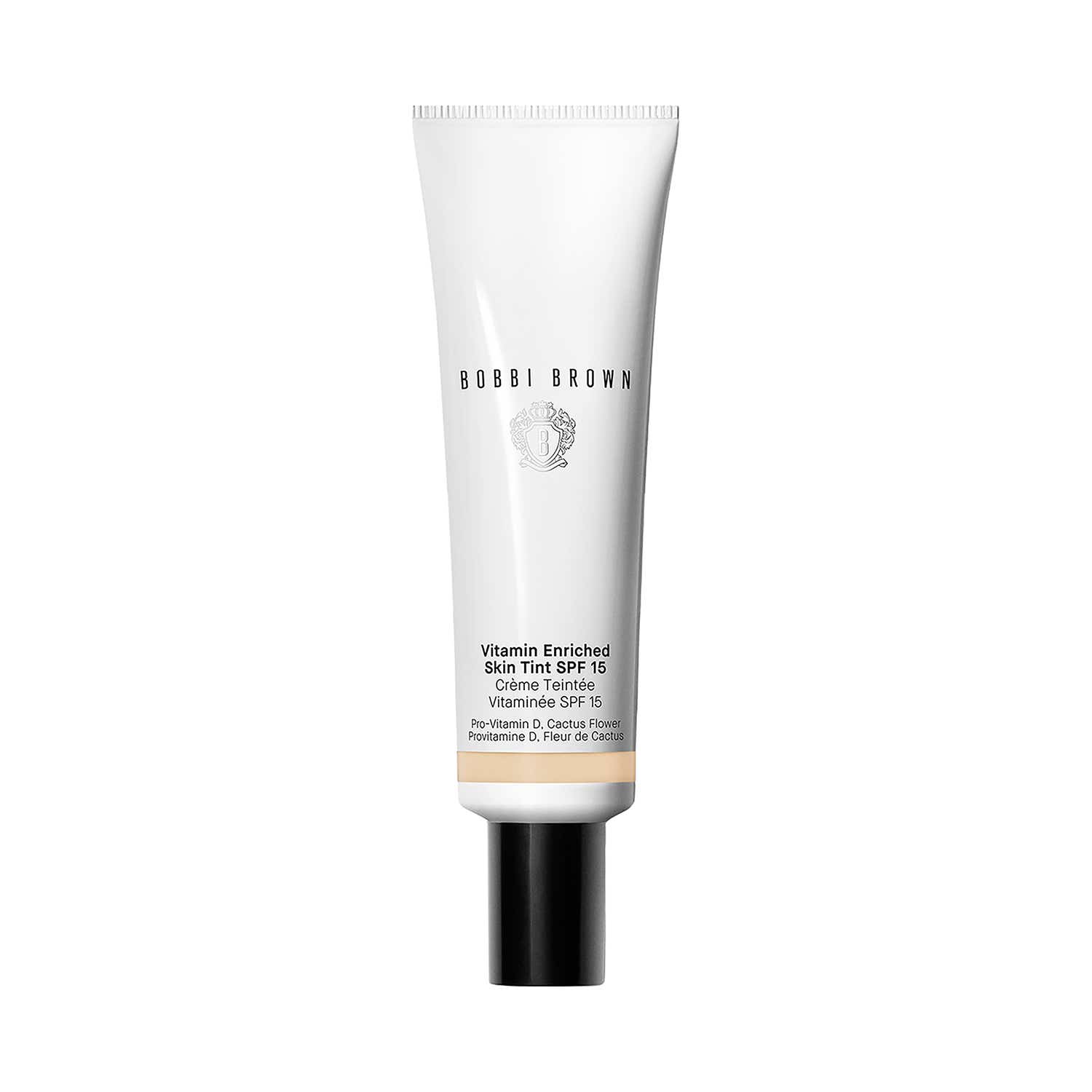

.PNG)
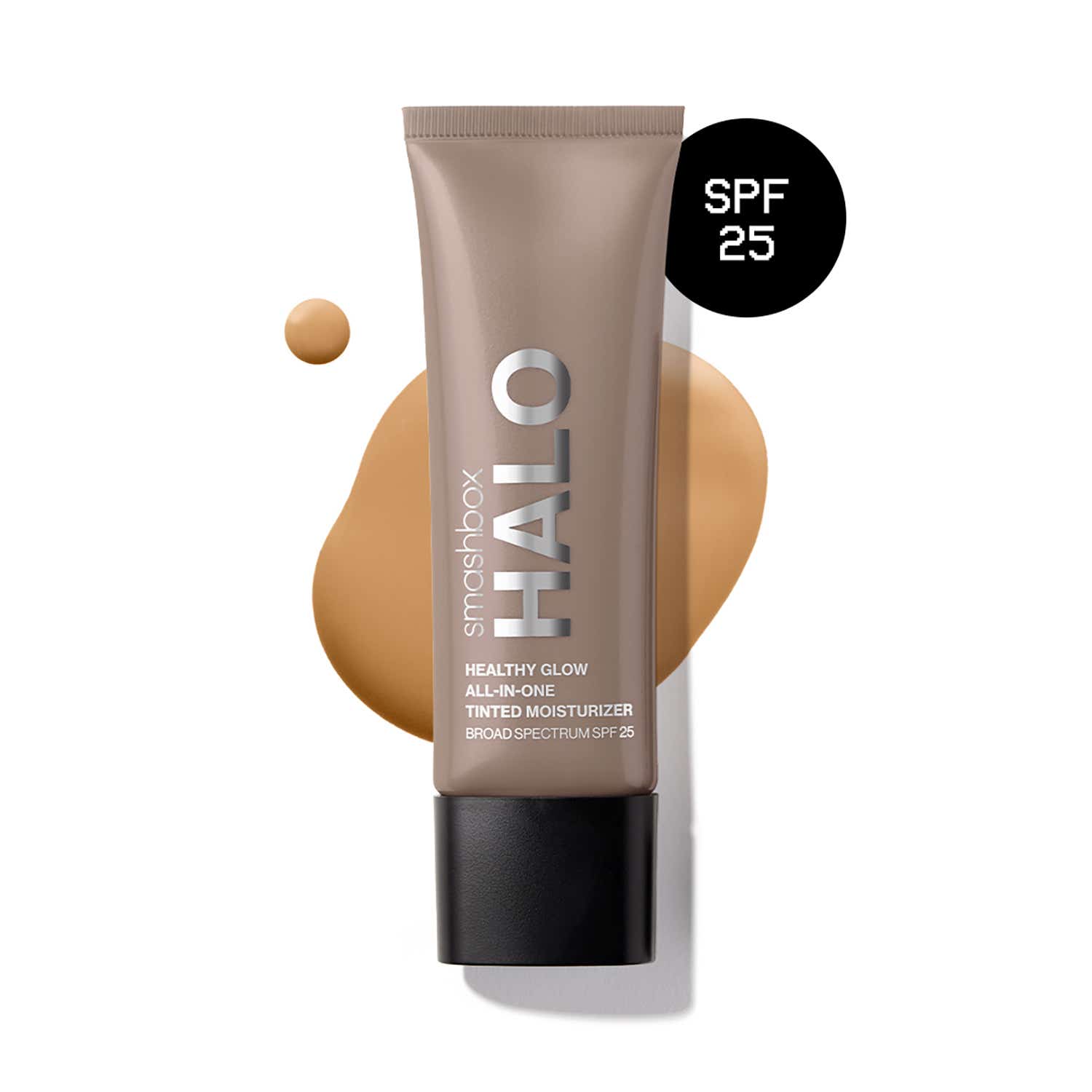
A skin tint, but in stick form, this one delivers light, sheer coverage with a dewy finish that holds up. The serum-in-stick formula glides on easily, melts into the skin and makes you look like you got eight hours of sleep. With a cocktail of nourishing ingredients like marula oil, peptides and hyaluronic acid, it doubles as quick hydration. Toss it in your bag, swipe it on and go.
“This is the one base product I always come back to no matter what new foundation I’m trying. It gives me proper buildable coverage that never looks cakey or flat and it somehow manages to even out my skin tone while still letting my natural texture peek through. What makes it stand out for me is the formula—it’s infused with vitamin C, salicylic acid and hyaluronic acid so it’s actually doing something for my skin while I wear it. The satin-matte finish gives me that polished fresh look without feeling heavy. It wears well through the day, doesn’t cling to dry patches and feels like skincare disguised as makeup.” — Megha Sharma, Editorial
Before you can recreate the look, it helps to understand exactly what you're going for. It isn't the full-coverage, heavily made-up finish of an earlier era. It isn't aggressively dewy skin either. It sits somewhere in the middle: harder to define, but immediately recognisable when you see it.
Luthra describes it as: "That skin where everything just looks softened. Not hidden, not overdone—just beautifully blurred. You can still see the skin and its glow. It just feels more refined. Almost like your skin on its best day, but elevated."
The secret to recreating this look starts even before makeup enters the scene. Luthra is clear that no product, however good, can carry the finish on its own. "This look doesn't exist without good prep. If the skin isn't hydrated and balanced, no amount of makeup will give you that finish."
Her approach puts skin health first and keeps it there. "I always focus on making the skin look healthy first—the makeup is just the final layer, not the fix." In practice, that means moisturising properly, giving your skincare enough time to fully absorb and making sure the skin is calm and settled before anything else comes into play. Skipping or rushing this step works against everything you're trying to build.
With the skin prepped, the next decision is which products to reach for—and here, lighter is always better. Luthra gravitates towards formulas that integrate with the skin rather than sitting on top of it. "I never reach for anything too heavy for this. It's always something that melts into the skin—skin tints, serum foundations or very lightweight bases that you can build only where needed."
The goal is to even things out without taking away the skin's natural depth and dimension. A heavy base will work against the soft, skin-like quality that defines this finish. Whatever you choose should feel like a continuation of the skin, not a layer placed over it.
Getting the application right matters just as much as getting the product right. Luthra's technique is gentle and considered. "It's really about how gently you work with the skin. I like pressing the product in, almost letting it become one with the skin rather than moving it around too much."
She builds in very thin layers, slowly and with intention, and pays close attention to when to stop. Adding too much product too quickly is the most direct route to a heavy finish—the very opposite of what this look calls for.
The biggest pitfall, Luthra says, is simply overdoing it. "Too much product, too much powder, trying to make the skin look completely perfect." The more you push for an airbrushed result, the further you move from the finish you're actually after.
Setting is the step where the finish can quietly unravel if you're not careful. Luthra keeps this step as light as possible. "Very minimal—just a touch of powder where absolutely needed and that's it. The rest of the skin should stay fresh, slightly luminous."
Once everything is in place, she lets it all come together naturally. "I like to let it all melt together, so it doesn't feel like layers sitting on top of each other," she says. The aim is skin that looks like skin—settled and seamless rather than set and stiff.
The approach stays largely the same across skin types, with small adjustments made where needed. On oilier skin, Luthra brings in a little more shine control to keep the finish looking refined. On drier skin, the focus shifts further towards hydration so the glow reads as natural and healthy. "Always, but subtly," she says of these variations.
What stays consistent is the overall feeling. "Soft, skin-like, effortless"—three words that sum up exactly what this look should feel like, regardless of what you're working with.
Before you can recreate the look, it helps to understand exactly what you're going for. It isn't the full-coverage, heavily made-up finish of an earlier era. It isn't aggressively dewy skin either. It sits somewhere in the middle: harder to define, but immediately recognisable when you see it.
Luthra describes it as: "That skin where everything just looks softened. Not hidden, not overdone—just beautifully blurred. You can still see the skin and its glow. It just feels more refined. Almost like your skin on its best day, but elevated."
The secret to recreating this look starts even before makeup enters the scene. Luthra is clear that no product, however good, can carry the finish on its own. "This look doesn't exist without good prep. If the skin isn't hydrated and balanced, no amount of makeup will give you that finish."
Her approach puts skin health first and keeps it there. "I always focus on making the skin look healthy first—the makeup is just the final layer, not the fix." In practice, that means moisturising properly, giving your skincare enough time to fully absorb and making sure the skin is calm and settled before anything else comes into play. Skipping or rushing this step works against everything you're trying to build.
With the skin prepped, the next decision is which products to reach for—and here, lighter is always better. Luthra gravitates towards formulas that integrate with the skin rather than sitting on top of it. "I never reach for anything too heavy for this. It's always something that melts into the skin—skin tints, serum foundations or very lightweight bases that you can build only where needed."
The goal is to even things out without taking away the skin's natural depth and dimension. A heavy base will work against the soft, skin-like quality that defines this finish. Whatever you choose should feel like a continuation of the skin, not a layer placed over it.
Getting the application right matters just as much as getting the product right. Luthra's technique is gentle and considered. "It's really about how gently you work with the skin. I like pressing the product in, almost letting it become one with the skin rather than moving it around too much."
She builds in very thin layers, slowly and with intention, and pays close attention to when to stop. Adding too much product too quickly is the most direct route to a heavy finish—the very opposite of what this look calls for.
The biggest pitfall, Luthra says, is simply overdoing it. "Too much product, too much powder, trying to make the skin look completely perfect." The more you push for an airbrushed result, the further you move from the finish you're actually after.
Setting is the step where the finish can quietly unravel if you're not careful. Luthra keeps this step as light as possible. "Very minimal—just a touch of powder where absolutely needed and that's it. The rest of the skin should stay fresh, slightly luminous."
Once everything is in place, she lets it all come together naturally. "I like to let it all melt together, so it doesn't feel like layers sitting on top of each other," she says. The aim is skin that looks like skin—settled and seamless rather than set and stiff.
The approach stays largely the same across skin types, with small adjustments made where needed. On oilier skin, Luthra brings in a little more shine control to keep the finish looking refined. On drier skin, the focus shifts further towards hydration so the glow reads as natural and healthy. "Always, but subtly," she says of these variations.
What stays consistent is the overall feeling. "Soft, skin-like, effortless"—three words that sum up exactly what this look should feel like, regardless of what you're working with.


Before you can recreate the look, it helps to understand exactly what you're going for. It isn't the full-coverage, heavily made-up finish of an earlier era. It isn't aggressively dewy skin either. It sits somewhere in the middle: harder to define, but immediately recognisable when you see it.
Luthra describes it as: "That skin where everything just looks softened. Not hidden, not overdone—just beautifully blurred. You can still see the skin and its glow. It just feels more refined. Almost like your skin on its best day, but elevated."
The secret to recreating this look starts even before makeup enters the scene. Luthra is clear that no product, however good, can carry the finish on its own. "This look doesn't exist without good prep. If the skin isn't hydrated and balanced, no amount of makeup will give you that finish."
Her approach puts skin health first and keeps it there. "I always focus on making the skin look healthy first—the makeup is just the final layer, not the fix." In practice, that means moisturising properly, giving your skincare enough time to fully absorb and making sure the skin is calm and settled before anything else comes into play. Skipping or rushing this step works against everything you're trying to build.
With the skin prepped, the next decision is which products to reach for—and here, lighter is always better. Luthra gravitates towards formulas that integrate with the skin rather than sitting on top of it. "I never reach for anything too heavy for this. It's always something that melts into the skin—skin tints, serum foundations or very lightweight bases that you can build only where needed."
The goal is to even things out without taking away the skin's natural depth and dimension. A heavy base will work against the soft, skin-like quality that defines this finish. Whatever you choose should feel like a continuation of the skin, not a layer placed over it.
Getting the application right matters just as much as getting the product right. Luthra's technique is gentle and considered. "It's really about how gently you work with the skin. I like pressing the product in, almost letting it become one with the skin rather than moving it around too much."
She builds in very thin layers, slowly and with intention, and pays close attention to when to stop. Adding too much product too quickly is the most direct route to a heavy finish—the very opposite of what this look calls for.
The biggest pitfall, Luthra says, is simply overdoing it. "Too much product, too much powder, trying to make the skin look completely perfect." The more you push for an airbrushed result, the further you move from the finish you're actually after.
Setting is the step where the finish can quietly unravel if you're not careful. Luthra keeps this step as light as possible. "Very minimal—just a touch of powder where absolutely needed and that's it. The rest of the skin should stay fresh, slightly luminous."
Once everything is in place, she lets it all come together naturally. "I like to let it all melt together, so it doesn't feel like layers sitting on top of each other," she says. The aim is skin that looks like skin—settled and seamless rather than set and stiff.
The approach stays largely the same across skin types, with small adjustments made where needed. On oilier skin, Luthra brings in a little more shine control to keep the finish looking refined. On drier skin, the focus shifts further towards hydration so the glow reads as natural and healthy. "Always, but subtly," she says of these variations.
What stays consistent is the overall feeling. "Soft, skin-like, effortless"—three words that sum up exactly what this look should feel like, regardless of what you're working with.


