




Powder Room
MUA Namrata Soni shares the beauty essentials she swears by
Read Now


You've spent time on your makeup, blended everything out, set it and stepped back feeling good about it—only to notice, an hour later, that something looks off. There are little flecks and rolls of product sitting on your skin, and no amount of blending is making them go away. Sound familiar? What you're dealing with is pilling—and it's one of the most frustrating things that can happen to an otherwise great makeup look.
The good news is that it's almost always fixable, and it usually comes down to a handful of very specific reasons. To get to the bottom of it, we spoke to one of our Expert Panellists, Namrata Soni, celebrity makeup artist and hair stylist, who broke it all down for us—why it happens, which products are most likely to be the culprits and exactly what you can do to stop it from happening in the first place.
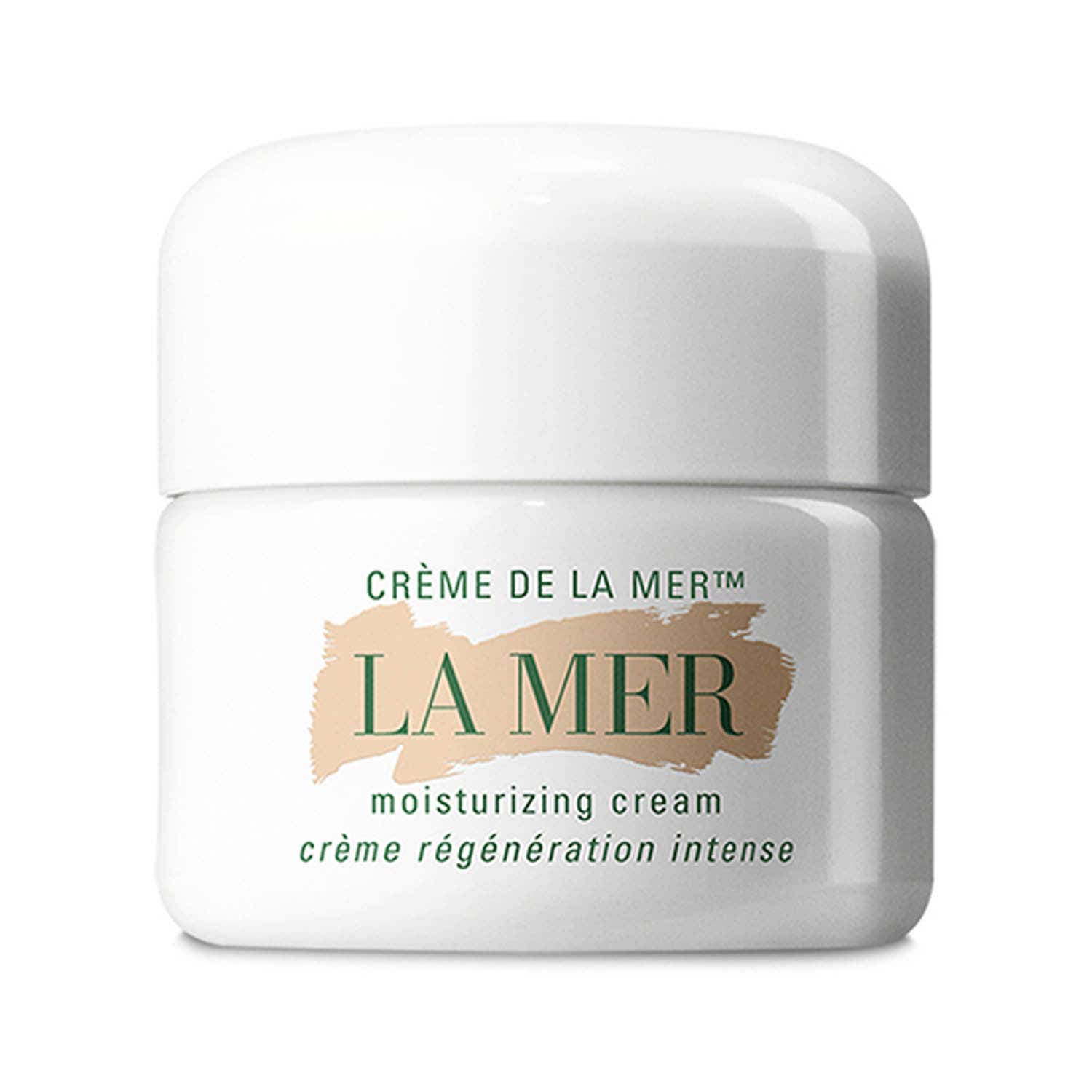

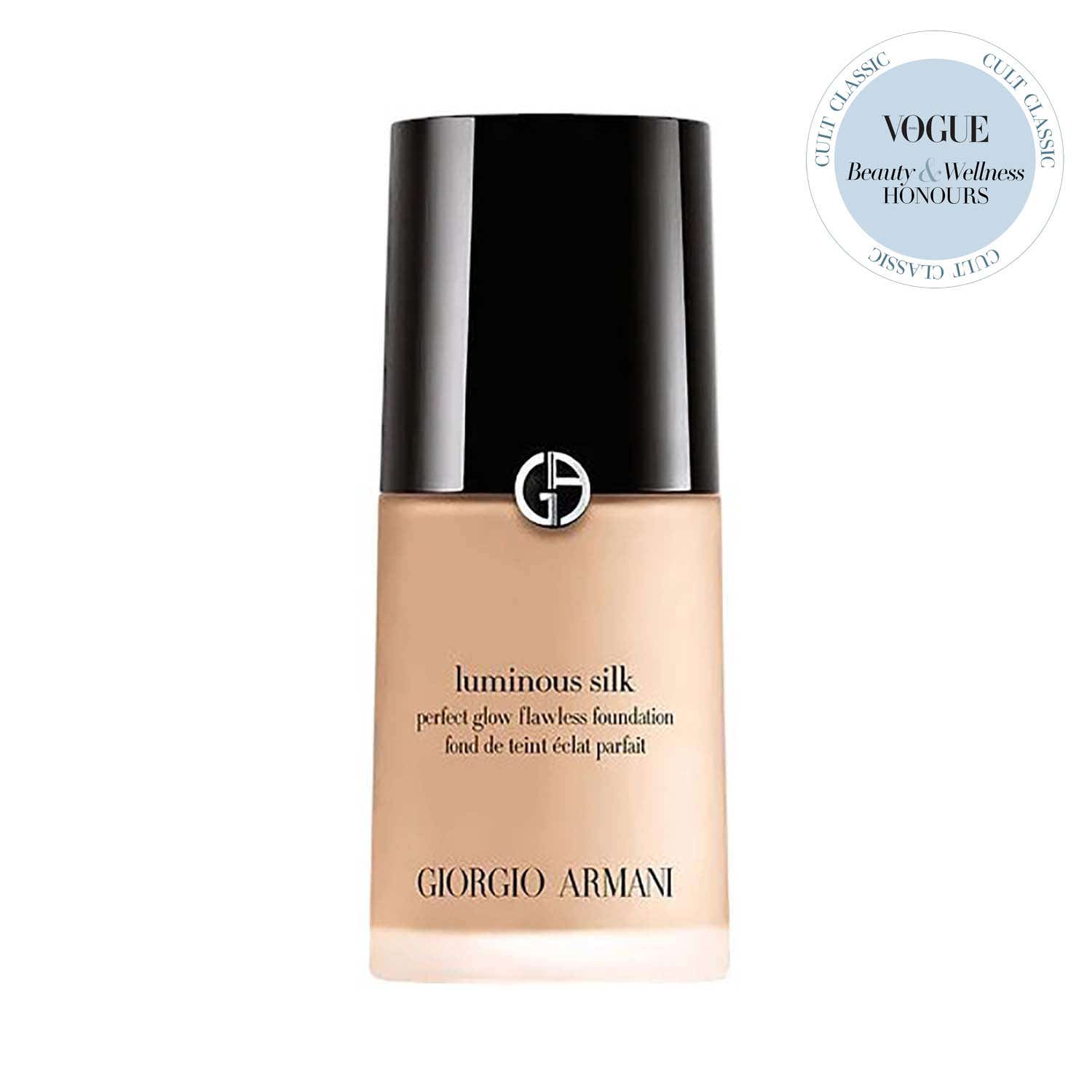

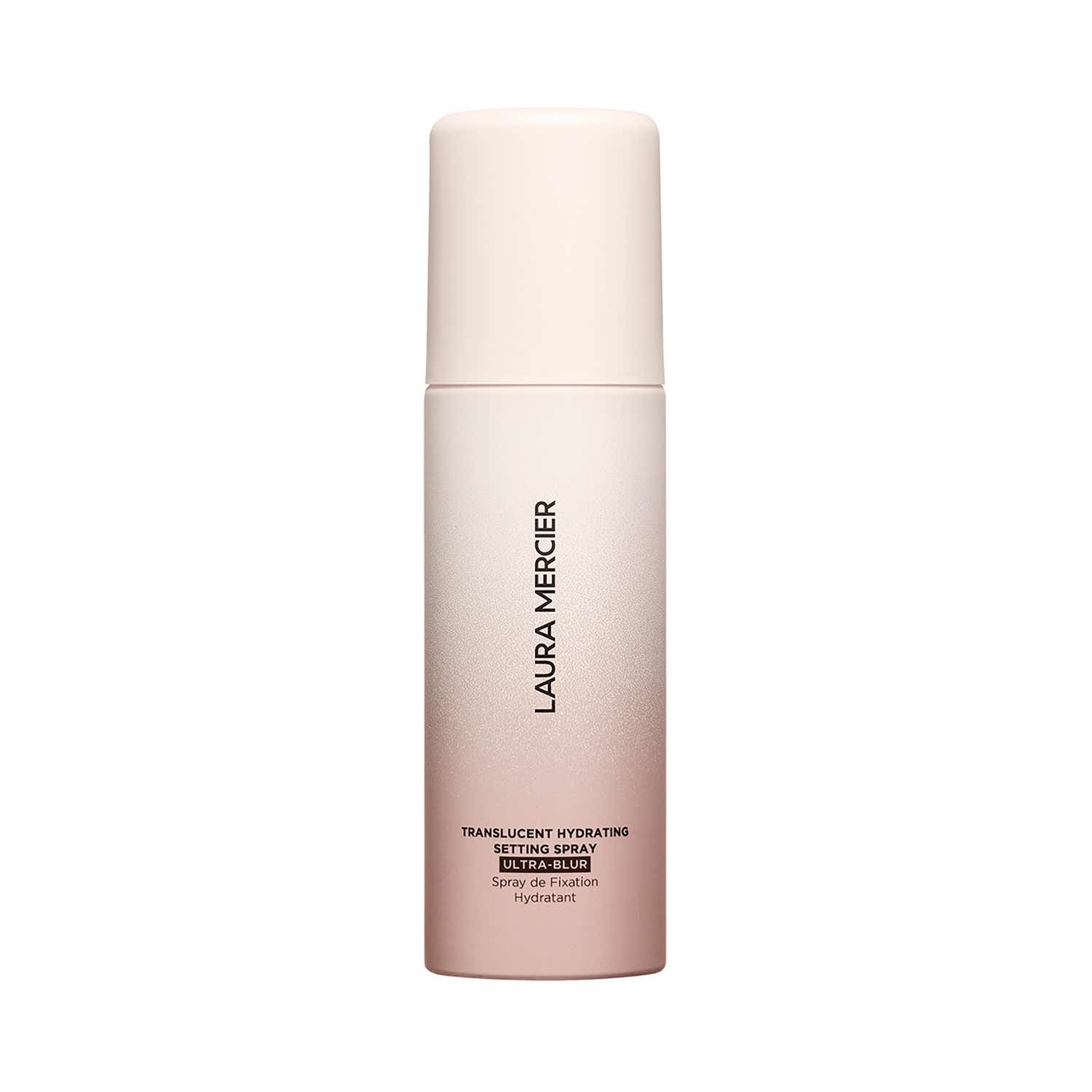
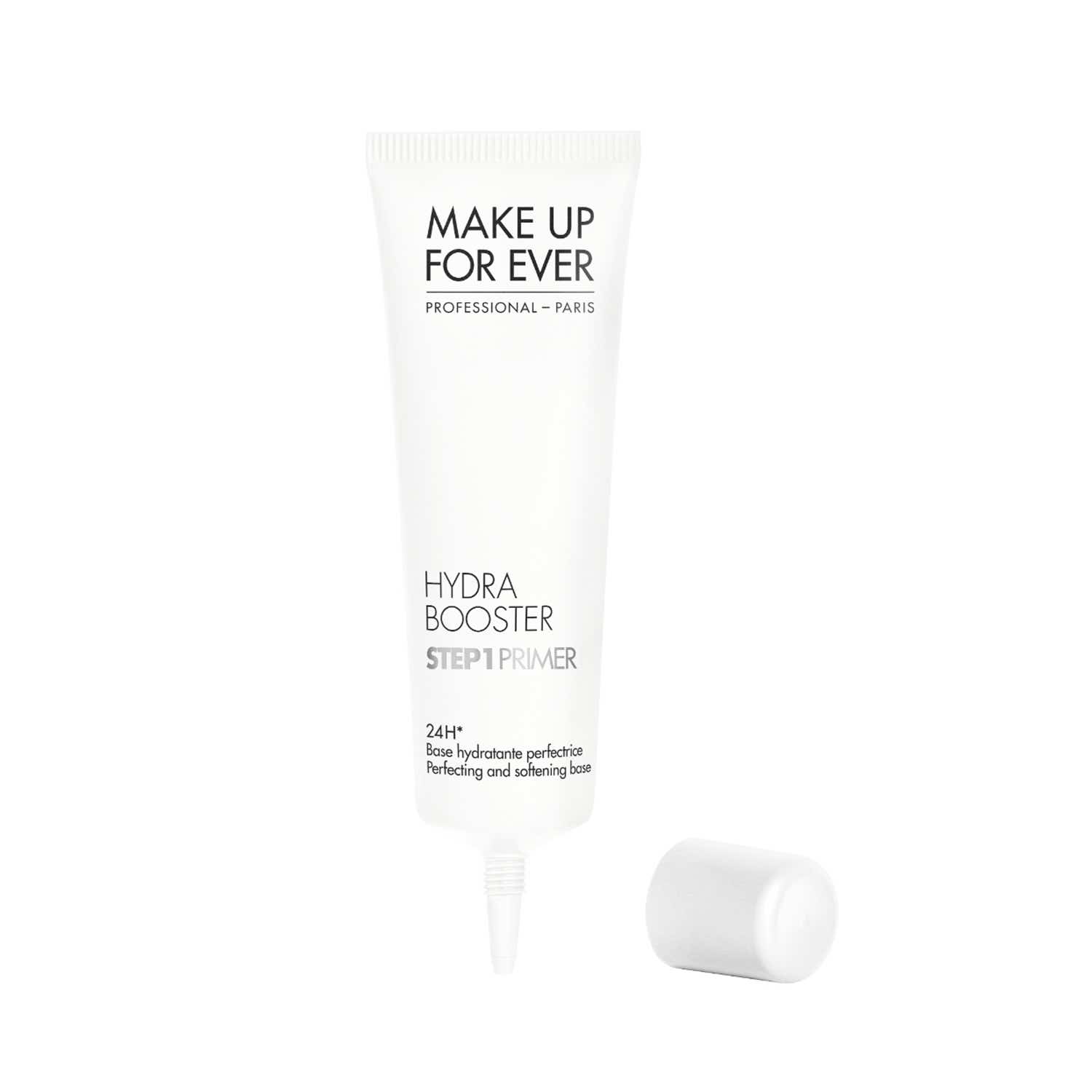
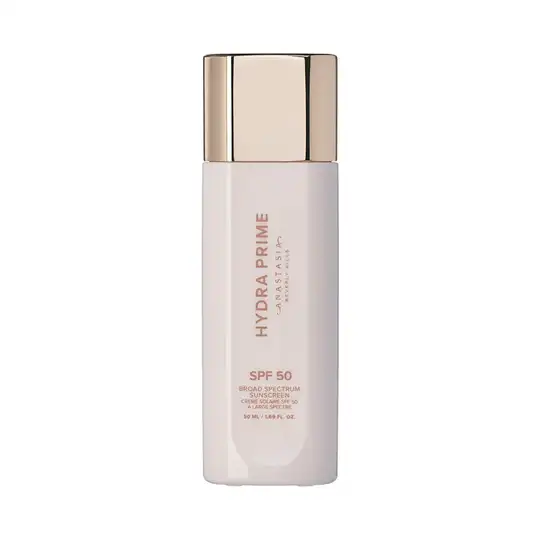

This foundation promises to even out skin tone while maintaining a natural, radiant finish. The formula offers reliable coverage that wears well throughout the day without settling or oxidising. It’s one of NARS’s most widely used base products, particularly favoured for its consistency across long wear and varied conditions.
Pilling isn't random—there's always a reason for it. At its most basic, it happens when products underneath haven't properly absorbed into the skin, when certain ingredients don't sit well together, or when too much product is applied with too much pressure. "You'll see little flakes or tiny rolls of product forming, almost like eraser shavings," says Soni. "It usually comes down to products not having enough time to settle, ingredients that don't get along, or simply too much of everything layered on at once." And more often than not, it starts long before you pick up a foundation brush.
Here's where most people go wrong. In the pursuit of a perfect base, it's easy to pile on product after product—and that's precisely when things start to unravel. "Everyone wants glass skin, but when you have five layers of skincare and then makeup on top, something is bound to react," says Soni. The other piece of the puzzle is patience—or the lack of it. "If your moisturiser or sunscreen is still sitting on the surface when you go in with foundation, it'll move everything around instead of blending into the skin."
Certain textures are more likely to cause trouble than others. Heavy creams, silicone-heavy primers and thick mineral sunscreens are the biggest culprits, particularly when they're stacked on top of each other. "Another thing I see often is mixing very gel-based skincare with heavy silicone makeup—they don't always marry well," she adds. "The key is to keep your prep simple and balanced."
The order matters just as much as the products themselves. Skincare should always move from lightest to heaviest—serum, then moisturiser, then sunscreen—before you go anywhere near primer or foundation. Get that sequence wrong and products end up sitting awkwardly on the skin, with nowhere to go but off. But even with the right products in the right order, there's still one more thing that can trip you up.
Technique can make or break a base. Rubbing—especially after applying primer or sunscreen—is one of the fastest ways to cause pilling. "If you rub the skin too much, you're basically moving the product around instead of letting it sit properly," says Soni. Her approach is to press and tap rather than drag, particularly when using a sponge, because it helps the product settle into the skin rather than lifting what's underneath. "Always give your skincare at least five minutes to settle before going in with makeup."
The condition of your skin itself also plays a role that's easy to underestimate. A buildup of dead skin cells gives makeup an uneven surface to grip onto, which is where catching and rolling begins. Dehydrated skin causes products to sit unevenly and oily skin can break down certain formulas entirely. "That's why good skin prep and regular exfoliation are so important," Soni says. Think of it this way—the smoother and more balanced the canvas, the better everything on top of it will behave. Of course, even when you do everything right, pilling can still catch you off guard. Here's what to do when it does.
The instinct when you spot pilling is to blend it out—but that usually makes it worse. "The worst thing you can do is keep rubbing it," Soni says. Instead, she recommends gently pressing the skin with a damp makeup sponge to smooth everything back into place. A light mist of setting spray, followed by another press of the sponge, can also help melt the layers back together. "And if a small area has already pilled badly, sometimes it's best to just remove that tiny spot and reapply a little product," she adds. A targeted approach always works better than trying to salvage the whole area at once.
Prevention, as always, is easier than the fix. Soni's approach is guided by one simple principle—less but better. "Clean skin is the starting point. Then a lightweight serum if needed, followed by a moisturiser that suits the skin type. Sunscreen is non-negotiable, of course. And then I go in with primer only where it's really needed—usually around the T-zone or where the pores are visible. When the skin is balanced and well-prepped, makeup sits beautifully."
Pilling isn't random—there's always a reason for it. At its most basic, it happens when products underneath haven't properly absorbed into the skin, when certain ingredients don't sit well together, or when too much product is applied with too much pressure. "You'll see little flakes or tiny rolls of product forming, almost like eraser shavings," says Soni. "It usually comes down to products not having enough time to settle, ingredients that don't get along, or simply too much of everything layered on at once." And more often than not, it starts long before you pick up a foundation brush.
Here's where most people go wrong. In the pursuit of a perfect base, it's easy to pile on product after product—and that's precisely when things start to unravel. "Everyone wants glass skin, but when you have five layers of skincare and then makeup on top, something is bound to react," says Soni. The other piece of the puzzle is patience—or the lack of it. "If your moisturiser or sunscreen is still sitting on the surface when you go in with foundation, it'll move everything around instead of blending into the skin."
Certain textures are more likely to cause trouble than others. Heavy creams, silicone-heavy primers and thick mineral sunscreens are the biggest culprits, particularly when they're stacked on top of each other. "Another thing I see often is mixing very gel-based skincare with heavy silicone makeup—they don't always marry well," she adds. "The key is to keep your prep simple and balanced."
The order matters just as much as the products themselves. Skincare should always move from lightest to heaviest—serum, then moisturiser, then sunscreen—before you go anywhere near primer or foundation. Get that sequence wrong and products end up sitting awkwardly on the skin, with nowhere to go but off. But even with the right products in the right order, there's still one more thing that can trip you up.
Technique can make or break a base. Rubbing—especially after applying primer or sunscreen—is one of the fastest ways to cause pilling. "If you rub the skin too much, you're basically moving the product around instead of letting it sit properly," says Soni. Her approach is to press and tap rather than drag, particularly when using a sponge, because it helps the product settle into the skin rather than lifting what's underneath. "Always give your skincare at least five minutes to settle before going in with makeup."
The condition of your skin itself also plays a role that's easy to underestimate. A buildup of dead skin cells gives makeup an uneven surface to grip onto, which is where catching and rolling begins. Dehydrated skin causes products to sit unevenly and oily skin can break down certain formulas entirely. "That's why good skin prep and regular exfoliation are so important," Soni says. Think of it this way—the smoother and more balanced the canvas, the better everything on top of it will behave. Of course, even when you do everything right, pilling can still catch you off guard. Here's what to do when it does.
The instinct when you spot pilling is to blend it out—but that usually makes it worse. "The worst thing you can do is keep rubbing it," Soni says. Instead, she recommends gently pressing the skin with a damp makeup sponge to smooth everything back into place. A light mist of setting spray, followed by another press of the sponge, can also help melt the layers back together. "And if a small area has already pilled badly, sometimes it's best to just remove that tiny spot and reapply a little product," she adds. A targeted approach always works better than trying to salvage the whole area at once.
Prevention, as always, is easier than the fix. Soni's approach is guided by one simple principle—less but better. "Clean skin is the starting point. Then a lightweight serum if needed, followed by a moisturiser that suits the skin type. Sunscreen is non-negotiable, of course. And then I go in with primer only where it's really needed—usually around the T-zone or where the pores are visible. When the skin is balanced and well-prepped, makeup sits beautifully."


Pilling isn't random—there's always a reason for it. At its most basic, it happens when products underneath haven't properly absorbed into the skin, when certain ingredients don't sit well together, or when too much product is applied with too much pressure. "You'll see little flakes or tiny rolls of product forming, almost like eraser shavings," says Soni. "It usually comes down to products not having enough time to settle, ingredients that don't get along, or simply too much of everything layered on at once." And more often than not, it starts long before you pick up a foundation brush.
Here's where most people go wrong. In the pursuit of a perfect base, it's easy to pile on product after product—and that's precisely when things start to unravel. "Everyone wants glass skin, but when you have five layers of skincare and then makeup on top, something is bound to react," says Soni. The other piece of the puzzle is patience—or the lack of it. "If your moisturiser or sunscreen is still sitting on the surface when you go in with foundation, it'll move everything around instead of blending into the skin."
Certain textures are more likely to cause trouble than others. Heavy creams, silicone-heavy primers and thick mineral sunscreens are the biggest culprits, particularly when they're stacked on top of each other. "Another thing I see often is mixing very gel-based skincare with heavy silicone makeup—they don't always marry well," she adds. "The key is to keep your prep simple and balanced."
The order matters just as much as the products themselves. Skincare should always move from lightest to heaviest—serum, then moisturiser, then sunscreen—before you go anywhere near primer or foundation. Get that sequence wrong and products end up sitting awkwardly on the skin, with nowhere to go but off. But even with the right products in the right order, there's still one more thing that can trip you up.
Technique can make or break a base. Rubbing—especially after applying primer or sunscreen—is one of the fastest ways to cause pilling. "If you rub the skin too much, you're basically moving the product around instead of letting it sit properly," says Soni. Her approach is to press and tap rather than drag, particularly when using a sponge, because it helps the product settle into the skin rather than lifting what's underneath. "Always give your skincare at least five minutes to settle before going in with makeup."
The condition of your skin itself also plays a role that's easy to underestimate. A buildup of dead skin cells gives makeup an uneven surface to grip onto, which is where catching and rolling begins. Dehydrated skin causes products to sit unevenly and oily skin can break down certain formulas entirely. "That's why good skin prep and regular exfoliation are so important," Soni says. Think of it this way—the smoother and more balanced the canvas, the better everything on top of it will behave. Of course, even when you do everything right, pilling can still catch you off guard. Here's what to do when it does.
The instinct when you spot pilling is to blend it out—but that usually makes it worse. "The worst thing you can do is keep rubbing it," Soni says. Instead, she recommends gently pressing the skin with a damp makeup sponge to smooth everything back into place. A light mist of setting spray, followed by another press of the sponge, can also help melt the layers back together. "And if a small area has already pilled badly, sometimes it's best to just remove that tiny spot and reapply a little product," she adds. A targeted approach always works better than trying to salvage the whole area at once.
Prevention, as always, is easier than the fix. Soni's approach is guided by one simple principle—less but better. "Clean skin is the starting point. Then a lightweight serum if needed, followed by a moisturiser that suits the skin type. Sunscreen is non-negotiable, of course. And then I go in with primer only where it's really needed—usually around the T-zone or where the pores are visible. When the skin is balanced and well-prepped, makeup sits beautifully."


