Powder Room
An expert-backed guide to identifying and treating different types of acne
Read Now



If you've been layering Retinol, Vitamin C, AHAs and BHAs into your routine in the hopes of faster results, you're not alone—but your skin might be paying the price. More actives doesn't always mean better skin. And knowing when you've crossed the line between effective and excessive can make all the difference.
Breakouts that weren't there before, redness that won't settle, a tightness that no moisturiser seems to fix—these are all signs that your skin is waving a white flag. The tricky part is that these symptoms can look a lot like the concerns you were trying to address in the first place, which makes them easy to miss or misread. To help decode what's really going on, we spoke to Dr Riya Thorat, aesthetic physician and GP dermatologist, who broke down the most common signs that your skin is overwhelmed with actives—and exactly what to do about it.




.PNG)

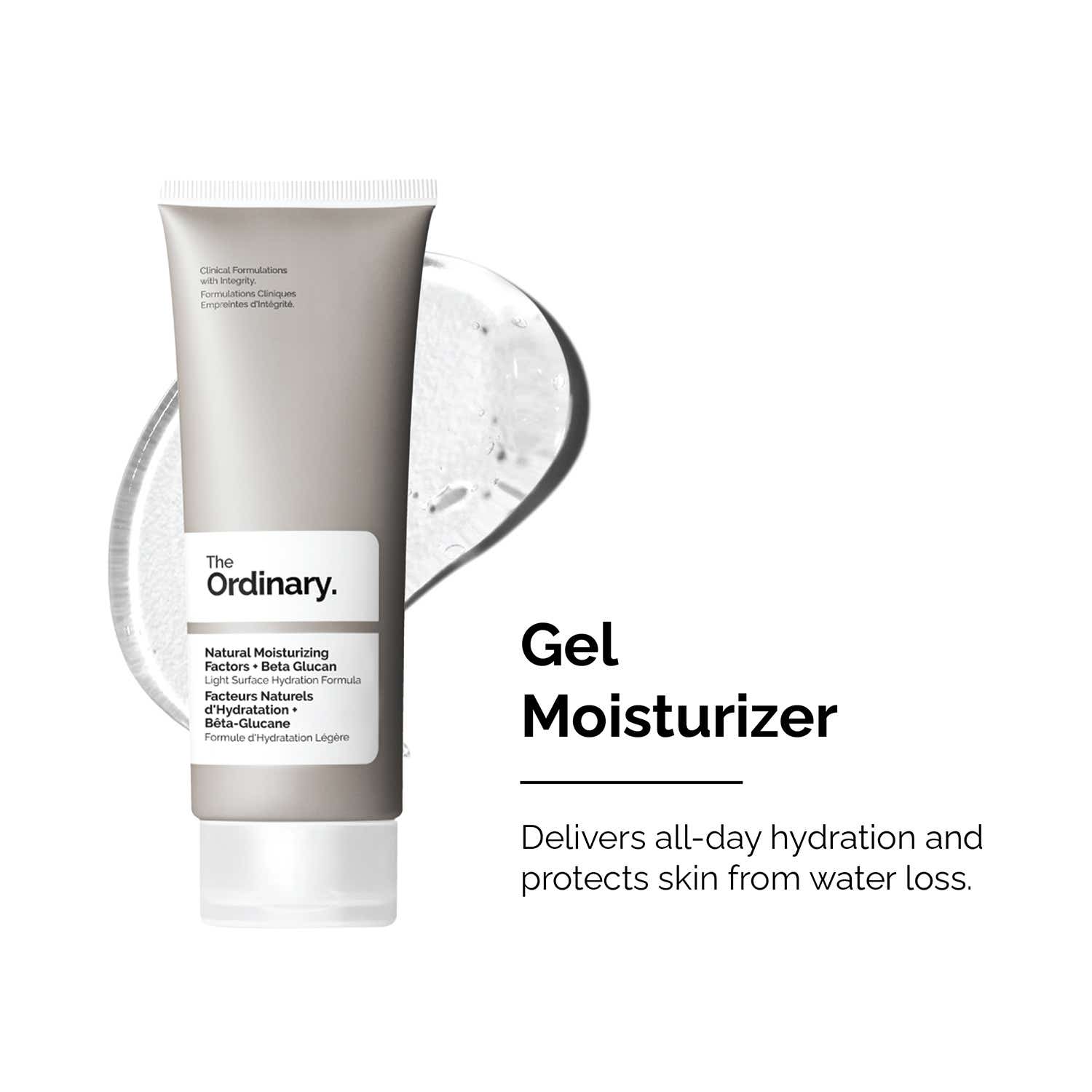
The Ordinary keeps this one simple and effective. Natural moisturising factors are compounds already found in the skin that help keep it hydrated, and this formula helps replenish them when your barrier feels depleted. Beta glucan adds another layer of support by helping soothe and hydrate the skin. Lightweight, straightforward and easy to use, it is a solid everyday moisturiser for barrier care on a budget.

This Beauty of Joseon must-have is light, smooth and totally invisible. It’s made with rice extract and probiotics to calm and moisturise your skin while protecting it from the sun. No white cast, no stickiness—just a soft, fresh finish that works under makeup or on its own. Great for sensitive skin and everyday use.
Finish: Skin-like | Texture: Lightweight cream
This cult-favourite behaves more like a nourishing moisturiser than a typical SPF. The rice extract adds softness, and the finish is a “your skin but better” glow. It layers effortlessly under foundation sticks, cream blushes and tinted moisturisers, without interference. It’s not for those after oil control or grip, but if you want your makeup to melt in naturally, this is a strong pick.
Most dads know they should wear sunscreen, but that doesn’t mean they actually do. The usual complaints are familiar: it feels sticky, leaves a white cast or has a thick texture. This Korean bestseller helps remove some of that friction with a lightweight, creamy texture that blends easily and feels more like a moisturiser than a traditional sunscreen. It offers broad-spectrum protection, while rice extract, fermented grains and niacinamide help keep the skin hydrated and balanced.
This one is for people who know they should wear sunscreen every day but don’t particularly enjoy doing it. Beauty of Joseon’s much-loved formula has SPF 50+ PA++++ protection, along with rice extract and probiotics, in a texture that feels closer to a moisturiser than traditional sunscreen. It sinks in easily, doesn’t leave a noticeable white cast and sits comfortably under makeup. Most importantly, it’s light enough that putting on the recommended amount—or going back in for another layer later—doesn’t feel like a chore.
Before getting into the signs, it helps to understand what's actually happening beneath the surface. Actives—retinoids, acids, Vitamin C, benzoyl peroxide—are designed to change the skin. They're powerful, and that's precisely the point. But when they're stacked without giving the skin enough time to recover, the barrier simply can't keep up. Dr Thorat puts it simply: "Your skin is like a gym muscle. Actives are the workout. Barrier repair is the rest day. No rest means injury." It's a principle that makes complete sense in theory—and yet most of us skip the rest days entirely.
The most telling signals tend to show up together. Dr Thorat calls them the "angry skin trio": burning or stinging when applying water or moisturiser, persistent tightness and flaking, and redness that lingers well beyond the first ten minutes after application. On their own, each of these might seem like a minor irritation. Together, they're a fairly clear message.
Beyond the trio, there are subtler signs worth paying attention to. A sudden sensitivity to products you've used for months without issue, makeup that starts pilling on skin that never behaved that way before, or breakouts and irritation appearing at the same time—these are all signs of a compromised barrier rather than a product that simply isn't working.
Not all actives are created equal and some pairings are far more likely to push the skin over the edge than others. Dr Thorat calls these the "classic barrier bully combinations"—and they're more common than you'd think.
Retinoid and AHA or BHA used on the same night can create an irritation spiral. AHAs, BHAs and scrubs used together lead to over-exfoliation. Strong Vitamin C—specifically L-ascorbic acid—combined with acids or a retinoid in the same routine causes significant stinging. Benzoyl peroxide and a retinoid together cause serious dryness and peeling unless a dermatologist has specifically structured it that way. And as Dr Thorat points out, "Fragrance layered with actives is a sneaky irritation amplifier that most people don't even consider." The underlying rule? "Just because each ingredient is great alone doesn't mean they're best friends together."
It's also worth knowing that the problem isn't always about harsh ingredients. Even gentle actives can overwhelm the skin when used in excess. A PHA toner, a lactic acid serum and an exfoliating cleanser used together—each mild on its own—can collectively add up to anything but. "The dose, frequency and layering matters more than the label," Dr Thorat notes.
This is where a lot of people get stuck. When skin reacts to a new active, the instinct is often to push through, assuming it's just purging. But purging and irritation are two very different things and confusing them can make the situation significantly worse.
Purging is a normal part of adjusting to ingredients that increase cell turnover, like retinoids and AHAs. It typically shows up in the areas where you usually break out, tends to involve whiteheads, blackheads or small pimples and generally begins within two to six weeks of starting a new product, improving by the six to twelve week mark. The skin might be a little dry, but it shouldn't be burning or visibly red.
Irritation looks and feels entirely different. "Burning, stinging, itching, red patches, rashy texture and unusual tightness are all signs of irritation rather than purging," says Dr Thorat. "Breakouts appearing in new areas, skin that feels raw and products that suddenly sting are clear indicators that something has gone wrong. And crucially, irritation gets worse the more you push through it." The simplest way to tell the two apart? "If it hurts, it's not purging."
From here, it's worth looking at the routines themselves—because some of the most common skincare habits are also the most damaging, and they've become so normalised that most people don't realise they're overdoing it. Dr Thorat flags a few patterns worth reconsidering:
If the signs above sound familiar, the approach is simple—though it requires patience. "Think skin rehab, not skincare Olympics," says Dr Thorat.
How long recovery takes depends on how compromised the barrier is. Mild overwhelm typically resolves within three to seven days. Moderate barrier damage can take two to four weeks. Severe irritation may take four to eight weeks or longer and may require prescription support. "Your skin heals faster when you stop testing new products every day," Dr Thorat adds.
Once the skin has had a chance to calm down, rebuilding the barrier is the priority. Barrier builders like ceramides, glycerin, squalane, low-percentage urea and panthenol work to restore the skin's natural protective layer.
Calming ingredients like colloidal oatmeal, centella asiatica, allantoin and niacinamide help reduce inflammation and soothe reactivity—though if your skin is very reactive, it's worth introducing niacinamide a little later rather than immediately. Occlusives like petrolatum, dimethicone and shea butter seal everything in and give the repair process the best possible conditions to work.
The goal at this stage isn't to do more. It's to optimise your skincare routine—until the skin is genuinely ready to handle actives again.
Before getting into the signs, it helps to understand what's actually happening beneath the surface. Actives—retinoids, acids, Vitamin C, benzoyl peroxide—are designed to change the skin. They're powerful, and that's precisely the point. But when they're stacked without giving the skin enough time to recover, the barrier simply can't keep up. Dr Thorat puts it simply: "Your skin is like a gym muscle. Actives are the workout. Barrier repair is the rest day. No rest means injury." It's a principle that makes complete sense in theory—and yet most of us skip the rest days entirely.
The most telling signals tend to show up together. Dr Thorat calls them the "angry skin trio": burning or stinging when applying water or moisturiser, persistent tightness and flaking, and redness that lingers well beyond the first ten minutes after application. On their own, each of these might seem like a minor irritation. Together, they're a fairly clear message.
Beyond the trio, there are subtler signs worth paying attention to. A sudden sensitivity to products you've used for months without issue, makeup that starts pilling on skin that never behaved that way before, or breakouts and irritation appearing at the same time—these are all signs of a compromised barrier rather than a product that simply isn't working.
Not all actives are created equal and some pairings are far more likely to push the skin over the edge than others. Dr Thorat calls these the "classic barrier bully combinations"—and they're more common than you'd think.
Retinoid and AHA or BHA used on the same night can create an irritation spiral. AHAs, BHAs and scrubs used together lead to over-exfoliation. Strong Vitamin C—specifically L-ascorbic acid—combined with acids or a retinoid in the same routine causes significant stinging. Benzoyl peroxide and a retinoid together cause serious dryness and peeling unless a dermatologist has specifically structured it that way. And as Dr Thorat points out, "Fragrance layered with actives is a sneaky irritation amplifier that most people don't even consider." The underlying rule? "Just because each ingredient is great alone doesn't mean they're best friends together."
It's also worth knowing that the problem isn't always about harsh ingredients. Even gentle actives can overwhelm the skin when used in excess. A PHA toner, a lactic acid serum and an exfoliating cleanser used together—each mild on its own—can collectively add up to anything but. "The dose, frequency and layering matters more than the label," Dr Thorat notes.
This is where a lot of people get stuck. When skin reacts to a new active, the instinct is often to push through, assuming it's just purging. But purging and irritation are two very different things and confusing them can make the situation significantly worse.
Purging is a normal part of adjusting to ingredients that increase cell turnover, like retinoids and AHAs. It typically shows up in the areas where you usually break out, tends to involve whiteheads, blackheads or small pimples and generally begins within two to six weeks of starting a new product, improving by the six to twelve week mark. The skin might be a little dry, but it shouldn't be burning or visibly red.
Irritation looks and feels entirely different. "Burning, stinging, itching, red patches, rashy texture and unusual tightness are all signs of irritation rather than purging," says Dr Thorat. "Breakouts appearing in new areas, skin that feels raw and products that suddenly sting are clear indicators that something has gone wrong. And crucially, irritation gets worse the more you push through it." The simplest way to tell the two apart? "If it hurts, it's not purging."
From here, it's worth looking at the routines themselves—because some of the most common skincare habits are also the most damaging, and they've become so normalised that most people don't realise they're overdoing it. Dr Thorat flags a few patterns worth reconsidering:
If the signs above sound familiar, the approach is simple—though it requires patience. "Think skin rehab, not skincare Olympics," says Dr Thorat.
How long recovery takes depends on how compromised the barrier is. Mild overwhelm typically resolves within three to seven days. Moderate barrier damage can take two to four weeks. Severe irritation may take four to eight weeks or longer and may require prescription support. "Your skin heals faster when you stop testing new products every day," Dr Thorat adds.
Once the skin has had a chance to calm down, rebuilding the barrier is the priority. Barrier builders like ceramides, glycerin, squalane, low-percentage urea and panthenol work to restore the skin's natural protective layer.
Calming ingredients like colloidal oatmeal, centella asiatica, allantoin and niacinamide help reduce inflammation and soothe reactivity—though if your skin is very reactive, it's worth introducing niacinamide a little later rather than immediately. Occlusives like petrolatum, dimethicone and shea butter seal everything in and give the repair process the best possible conditions to work.
The goal at this stage isn't to do more. It's to optimise your skincare routine—until the skin is genuinely ready to handle actives again.


Before getting into the signs, it helps to understand what's actually happening beneath the surface. Actives—retinoids, acids, Vitamin C, benzoyl peroxide—are designed to change the skin. They're powerful, and that's precisely the point. But when they're stacked without giving the skin enough time to recover, the barrier simply can't keep up. Dr Thorat puts it simply: "Your skin is like a gym muscle. Actives are the workout. Barrier repair is the rest day. No rest means injury." It's a principle that makes complete sense in theory—and yet most of us skip the rest days entirely.
The most telling signals tend to show up together. Dr Thorat calls them the "angry skin trio": burning or stinging when applying water or moisturiser, persistent tightness and flaking, and redness that lingers well beyond the first ten minutes after application. On their own, each of these might seem like a minor irritation. Together, they're a fairly clear message.
Beyond the trio, there are subtler signs worth paying attention to. A sudden sensitivity to products you've used for months without issue, makeup that starts pilling on skin that never behaved that way before, or breakouts and irritation appearing at the same time—these are all signs of a compromised barrier rather than a product that simply isn't working.
Not all actives are created equal and some pairings are far more likely to push the skin over the edge than others. Dr Thorat calls these the "classic barrier bully combinations"—and they're more common than you'd think.
Retinoid and AHA or BHA used on the same night can create an irritation spiral. AHAs, BHAs and scrubs used together lead to over-exfoliation. Strong Vitamin C—specifically L-ascorbic acid—combined with acids or a retinoid in the same routine causes significant stinging. Benzoyl peroxide and a retinoid together cause serious dryness and peeling unless a dermatologist has specifically structured it that way. And as Dr Thorat points out, "Fragrance layered with actives is a sneaky irritation amplifier that most people don't even consider." The underlying rule? "Just because each ingredient is great alone doesn't mean they're best friends together."
It's also worth knowing that the problem isn't always about harsh ingredients. Even gentle actives can overwhelm the skin when used in excess. A PHA toner, a lactic acid serum and an exfoliating cleanser used together—each mild on its own—can collectively add up to anything but. "The dose, frequency and layering matters more than the label," Dr Thorat notes.
This is where a lot of people get stuck. When skin reacts to a new active, the instinct is often to push through, assuming it's just purging. But purging and irritation are two very different things and confusing them can make the situation significantly worse.
Purging is a normal part of adjusting to ingredients that increase cell turnover, like retinoids and AHAs. It typically shows up in the areas where you usually break out, tends to involve whiteheads, blackheads or small pimples and generally begins within two to six weeks of starting a new product, improving by the six to twelve week mark. The skin might be a little dry, but it shouldn't be burning or visibly red.
Irritation looks and feels entirely different. "Burning, stinging, itching, red patches, rashy texture and unusual tightness are all signs of irritation rather than purging," says Dr Thorat. "Breakouts appearing in new areas, skin that feels raw and products that suddenly sting are clear indicators that something has gone wrong. And crucially, irritation gets worse the more you push through it." The simplest way to tell the two apart? "If it hurts, it's not purging."
From here, it's worth looking at the routines themselves—because some of the most common skincare habits are also the most damaging, and they've become so normalised that most people don't realise they're overdoing it. Dr Thorat flags a few patterns worth reconsidering:
If the signs above sound familiar, the approach is simple—though it requires patience. "Think skin rehab, not skincare Olympics," says Dr Thorat.
How long recovery takes depends on how compromised the barrier is. Mild overwhelm typically resolves within three to seven days. Moderate barrier damage can take two to four weeks. Severe irritation may take four to eight weeks or longer and may require prescription support. "Your skin heals faster when you stop testing new products every day," Dr Thorat adds.
Once the skin has had a chance to calm down, rebuilding the barrier is the priority. Barrier builders like ceramides, glycerin, squalane, low-percentage urea and panthenol work to restore the skin's natural protective layer.
Calming ingredients like colloidal oatmeal, centella asiatica, allantoin and niacinamide help reduce inflammation and soothe reactivity—though if your skin is very reactive, it's worth introducing niacinamide a little later rather than immediately. Occlusives like petrolatum, dimethicone and shea butter seal everything in and give the repair process the best possible conditions to work.
The goal at this stage isn't to do more. It's to optimise your skincare routine—until the skin is genuinely ready to handle actives again.