

Ingredient Lab
Ectoin is the anti-pollution skincare ingredient to know in 2026
Read Now


K-beauty is constantly reinventing the wheel when it comes to skincare, so of course it has found a clever new way to deliver active ingredients as well. You might’ve heard the latest buzzword doing the rounds in skincare circles—encapsulated actives. But what does it mean, exactly? In simple terms, these are ingredients that are kept safely enclosed rather than floating freely through the formula.
It’s a smart little upgrade that can help important actives stay at their best until you’re ready to use them. If you’re curious about encapsulated formulas, we’ve put together a comprehensive guide explaining what they mean, why they matter, and which products are worth trying.
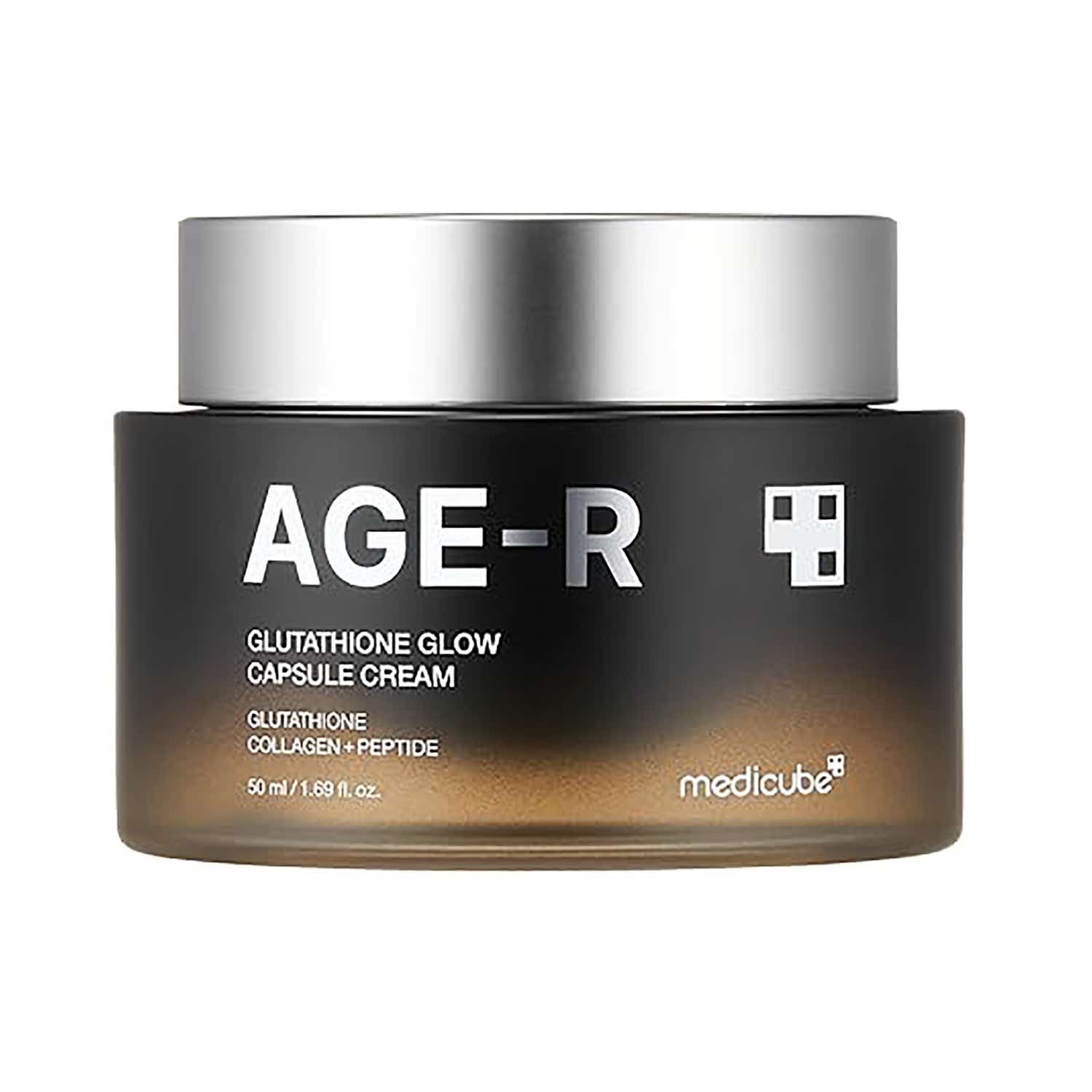
Glutathione has long been celebrated in dermatology for its brightening and antioxidant properties, and the Age-R Glutathione Glow Capsule Cream delivers it in a format that’s enjoyable to use. Lightweight yet intensely nourishing, it melts into skin and gets to work on discolouration, oxidative stress and lacklustre tone. The glow it gives is the kind that reads as ‘exceptionally healthy skin’ rather than anything else. Which, frankly, is the only kind worth having.
Encapsulation acts as a protective packaging for skincare actives such as hyaluronic acid, retinol, vitamin C etc. Instead of being mixed directly into the rest of the formula, the active is tucked inside a tiny outer shell that helps shield it from environmental factors that can cause it to break down. When you massage the product into your skin, that casing opens, releasing the active into your skin. The moment the capsules break open doesn’t necessarily come with a noticeable pop. While some products contain visible beads that melt as you rub them in, others use capsules that are microscopic and not visible to the naked eye. Either way, that release-on-application element matters because it can help delicate ingredients remain stable and potent inside the bottle, rather than gradually losing their effectiveness before they’re even used.
We know what you’re thinking. Are these formulas just a gimmick designed to go viral online? Not quite. While the visible capsules certainly make for aesthetic skincare videos, the technology behind them can serve an authentic purpose. Encapsulation can protect ingredients that are easily destabilised by air, light or contact with other components in a formula, helping more of the active remain intact until you apply it. Having said that, it’s important to acknowledge that encapsulation isn’t a magic technique that automatically makes a product more effective. The quality of the overall formulation and the concentration of the active still matter the most. Essentially, it’s less about making an ingredient stronger and more about helping it be delivered in better condition.
Encapsulating every ingredient in your skincare routine would be overkill, since not every skincare ingredient needs this extra layer of protection. Encapsulation is most useful for actives that are notoriously unstable or easily oxidised (read: a tiny bit high-maintenance). Retinol and other retinoids are prime candidates, as they can degrade when exposed to light, heat and oxygen. Vitamin C is another obvious fit because it can lose potency quickly once exposed to air and water. Delicate antioxidants such as green tea catechins and certain peptides may benefit from this format as well, since encapsulation can help protect them and improve their delivery.
Choosing the right product really comes down to what your skin needs. Serums and ampoules are a good place to start if you want a lighter formula that layers easily, whereas capsule creams offer the same technology in a richer, more moisturising base. Look for products that clearly name the encapsulated active and explain what the delivery system is designed to do, rather than relying on visible beads alone as proof of efficacy. And as always, choose the ingredient for your concern first, whether that’s retinol for fine lines, vitamin C for dullness or ceramides for barrier repair. The capsules should be the bonus, not the entire reason you buy the product.
Encapsulation acts as a protective packaging for skincare actives such as hyaluronic acid, retinol, vitamin C etc. Instead of being mixed directly into the rest of the formula, the active is tucked inside a tiny outer shell that helps shield it from environmental factors that can cause it to break down. When you massage the product into your skin, that casing opens, releasing the active into your skin. The moment the capsules break open doesn’t necessarily come with a noticeable pop. While some products contain visible beads that melt as you rub them in, others use capsules that are microscopic and not visible to the naked eye. Either way, that release-on-application element matters because it can help delicate ingredients remain stable and potent inside the bottle, rather than gradually losing their effectiveness before they’re even used.
We know what you’re thinking. Are these formulas just a gimmick designed to go viral online? Not quite. While the visible capsules certainly make for aesthetic skincare videos, the technology behind them can serve an authentic purpose. Encapsulation can protect ingredients that are easily destabilised by air, light or contact with other components in a formula, helping more of the active remain intact until you apply it. Having said that, it’s important to acknowledge that encapsulation isn’t a magic technique that automatically makes a product more effective. The quality of the overall formulation and the concentration of the active still matter the most. Essentially, it’s less about making an ingredient stronger and more about helping it be delivered in better condition.
Encapsulating every ingredient in your skincare routine would be overkill, since not every skincare ingredient needs this extra layer of protection. Encapsulation is most useful for actives that are notoriously unstable or easily oxidised (read: a tiny bit high-maintenance). Retinol and other retinoids are prime candidates, as they can degrade when exposed to light, heat and oxygen. Vitamin C is another obvious fit because it can lose potency quickly once exposed to air and water. Delicate antioxidants such as green tea catechins and certain peptides may benefit from this format as well, since encapsulation can help protect them and improve their delivery.
Choosing the right product really comes down to what your skin needs. Serums and ampoules are a good place to start if you want a lighter formula that layers easily, whereas capsule creams offer the same technology in a richer, more moisturising base. Look for products that clearly name the encapsulated active and explain what the delivery system is designed to do, rather than relying on visible beads alone as proof of efficacy. And as always, choose the ingredient for your concern first, whether that’s retinol for fine lines, vitamin C for dullness or ceramides for barrier repair. The capsules should be the bonus, not the entire reason you buy the product.


Encapsulation acts as a protective packaging for skincare actives such as hyaluronic acid, retinol, vitamin C etc. Instead of being mixed directly into the rest of the formula, the active is tucked inside a tiny outer shell that helps shield it from environmental factors that can cause it to break down. When you massage the product into your skin, that casing opens, releasing the active into your skin. The moment the capsules break open doesn’t necessarily come with a noticeable pop. While some products contain visible beads that melt as you rub them in, others use capsules that are microscopic and not visible to the naked eye. Either way, that release-on-application element matters because it can help delicate ingredients remain stable and potent inside the bottle, rather than gradually losing their effectiveness before they’re even used.
We know what you’re thinking. Are these formulas just a gimmick designed to go viral online? Not quite. While the visible capsules certainly make for aesthetic skincare videos, the technology behind them can serve an authentic purpose. Encapsulation can protect ingredients that are easily destabilised by air, light or contact with other components in a formula, helping more of the active remain intact until you apply it. Having said that, it’s important to acknowledge that encapsulation isn’t a magic technique that automatically makes a product more effective. The quality of the overall formulation and the concentration of the active still matter the most. Essentially, it’s less about making an ingredient stronger and more about helping it be delivered in better condition.
Encapsulating every ingredient in your skincare routine would be overkill, since not every skincare ingredient needs this extra layer of protection. Encapsulation is most useful for actives that are notoriously unstable or easily oxidised (read: a tiny bit high-maintenance). Retinol and other retinoids are prime candidates, as they can degrade when exposed to light, heat and oxygen. Vitamin C is another obvious fit because it can lose potency quickly once exposed to air and water. Delicate antioxidants such as green tea catechins and certain peptides may benefit from this format as well, since encapsulation can help protect them and improve their delivery.
Choosing the right product really comes down to what your skin needs. Serums and ampoules are a good place to start if you want a lighter formula that layers easily, whereas capsule creams offer the same technology in a richer, more moisturising base. Look for products that clearly name the encapsulated active and explain what the delivery system is designed to do, rather than relying on visible beads alone as proof of efficacy. And as always, choose the ingredient for your concern first, whether that’s retinol for fine lines, vitamin C for dullness or ceramides for barrier repair. The capsules should be the bonus, not the entire reason you buy the product.